

In this guide
Wales funds fabric improvements through two routes that work in different ways. Green Homes Wales is a Welsh Government initiative managed by the Development Bank of Wales, offering interest-free loans ranging from £1,000 to £25,000 with repayment terms up to 10 years, plus grant funding in certain circumstances and fully funded expert advice1. The Warm Homes Nest scheme is the grant-funded route: it provides free, impartial advice and potentially free home energy efficiency improvements such as insulation, a heat pump or solar panels to eligible households2.
The two are not interchangeable. Green Homes Wales is open to homeowners who can pass credit checks and affordability assessments, and it is not means tested1. Nest is aimed at households on qualifying benefits or in fuel poverty, and it is targeted at houses with a poor Energy Performance Certificate rating3. Over £30 million has been allocated next year to fund energy efficiency, renewables and clean heat measures through the Nest route4.
For a household, the practical effect is that the loan route buys independence from the upfront capital cost of a retrofit, while the grant route removes the cost entirely for those who qualify. Neither removes the dependence that remains afterwards: a home still draws power from the grid, still buys gas or oil from a supplier, and still relies on a network of TrustMark-registered installers and a Retrofit Coordinator to specify and sign off the work1.
The schemes behind insulation grants in Wales
There is no single Welsh insulation grant. The landscape is a small number of programmes with different funders, different eligibility tests and different measures, and a household needs to know which one it is actually applying to before it starts.
Green Homes Wales supports the installation, in domestic properties located in Wales, of certain types of energy efficiency improvement measures and low carbon heating systems6. It is a Welsh Government initiative, managed by the Development Bank of Wales, and it combines fully funded expert advice, interest-free loans and, in some cases, grant money for home energy efficiency improvements1. The scheme is available on a first come first serve basis subject to funding availability1.
The Warm Homes Nest scheme is the Welsh Government's grant-funded programme, described as making Welsh homes warmer and more energy efficient places to live7. It provides free, impartial energy advice and free home energy efficiency improvements, and it is available across Wales8. A network of Wales-based installers provided the installation services under the management of the Nest team3.
Alongside these sit two things that are not Welsh schemes at all but matter to Welsh households. The Boiler Upgrade Scheme provides grants for heat pump installations across England and Wales, and Green Homes Wales can be used alongside it5. The Great British Insulation Scheme, administered by Ofgem, set a property value ceiling of £162,000 in Wales, compared to £88,000 in England and £80,000 in Scotland, reflecting the different housing market9.
The Climate Change Committee has stated that it is also important to support households, particularly those on low incomes, to install home insulation measures11. That is the policy backdrop: insulation is treated as a priority measure, but the delivery routes are split between a loan scheme and a targeted grant scheme rather than a single universal offer.
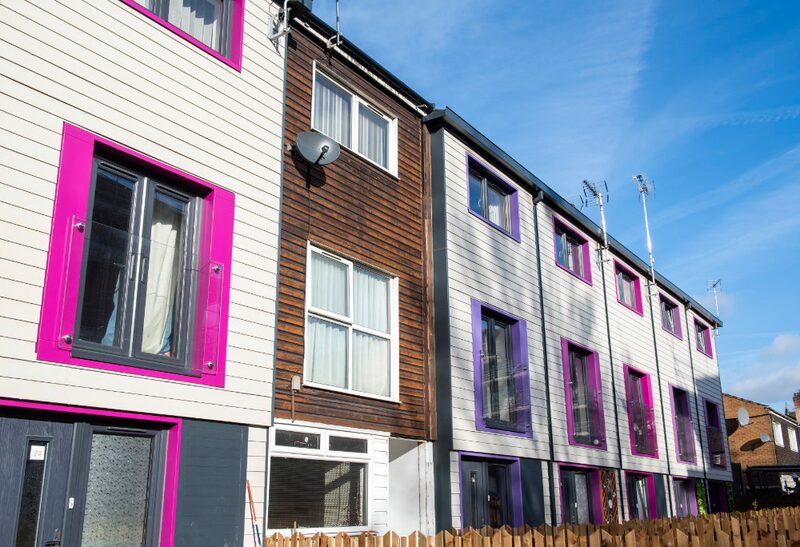
Green Homes Wales: interest-free loans of £1,000 to £25,000, with grants alongside
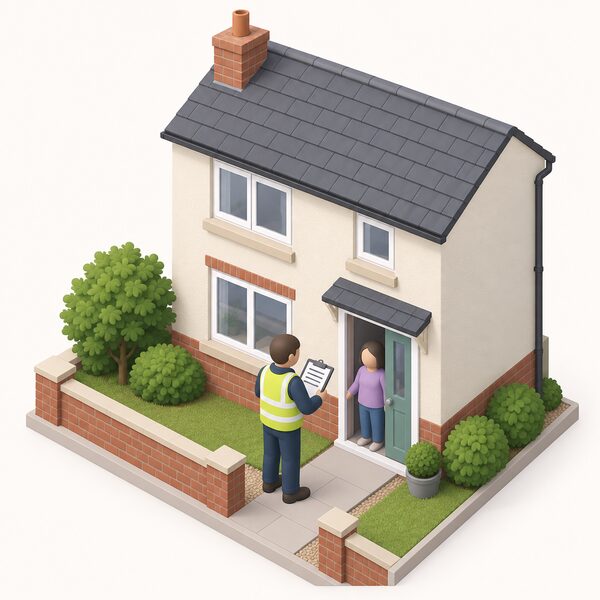
Green Homes Wales is the largest of the Welsh routes by value. The headline terms are interest-free loans ranging from £1,000 to £25,000 with repayment terms up to 10 years, and a 6-month upfront repayment holiday while the new energy efficiency measures begin delivering results1. The scheme also funds the initial assessment up to a value of £600, alongside loan support for the work5.
The grant element is real but conditional. Green Homes Wales offers a finance package which provides grant funding in certain circumstances, and the grant cannot be accessed in isolation1. Grants are available to support certain measures where the carbon impact is higher, or as part of a package of support measures1. The upper limit on the Installation Grant offered is the lesser of the maximum eligible grant amount in the Eligible Measures Tables, calculated against eligible costs evidenced by installer quotations, or an amount equal to the loan funding offered by the scheme for the installation6.
| Feature | Green Homes Wales terms |
|---|---|
| Loan range | £1,000 to £25,0001 |
| Interest | Interest free1 |
| Repayment term | Up to 10 years1 |
| Repayment holiday | 6 months upfront1 |
| Security | Unsecured, but the homeowner is personally liable1 |
| Means testing | Not means tested1 |
| Credit checks | Credit checks and affordability assessments required1 |
| Assessment funding | Up to £6005 |
Two conditions are worth stating plainly. The scheme may be suspended or closed at any time, meaning no further Installation Grant Letters are issued under it, either temporarily or permanently, and grant amounts and eligibility requirements for new letters may be changed at any time prior to issue6. And submission of an application will not guarantee funding1.
The funding can be used to cover the costs of the supply and installation of the eligible measures1. It does not cover remedial work, project management or design unless specifically agreed1. Where insulation is being installed, or where additionally recommended by the Retrofit Coordinator, ventilation systems are eligible for loan funding support1.
Nest: free insulation and improvements for qualifying households
Nest is the grant-funded counterpart, and it works on a different principle: the household pays nothing for the measures it receives. Nest provides eligible households with free energy efficient home improvements such as heating, insulation, or solar panels12. The scheme provides free, impartial advice and potentially free home energy efficiency improvements such as insulation, a heat pump or solar panels7.
The targeting is by EPC and by circumstance. The Welsh Government offers free energy upgrades through the Warm Homes Nest Scheme for houses with a poor Energy Performance Certificate rating13. The scheme is here to help households across Wales, and it is not limited to owner-occupiers in the way the loan scheme is2.
The advice arm is universal even where the funding is not. All households in Wales have access to free, impartial advice to help reduce energy bills and maximise income, and this free and impartial service is available to all households in Wales12. That distinction matters: a household that fails the funding test can still get an assessment of what its home needs and what other support exists.
"This free and impartial service is available to all households in Wales."
The scale of the programme is set out in the Welsh Government's own spending statement: over £30 million has been allocated next year to fund energy efficiency, renewables and clean heat measures, lowering bills4. That figure covers the Nest route and the measures it installs, and it is the clearest published indication of how much grant-funded fabric work Wales expects to deliver in the coming year.
For a household, Nest is the route that most directly delivers energy independence, because it removes both the capital cost and the debt. What it does not remove is the dependence on the scheme's own eligibility rules, on the EPC rating of the property, and on the network of Wales-based installers who carry out the work under the Nest team's management3.
The new Warm Homes Programme: what changes for applicants
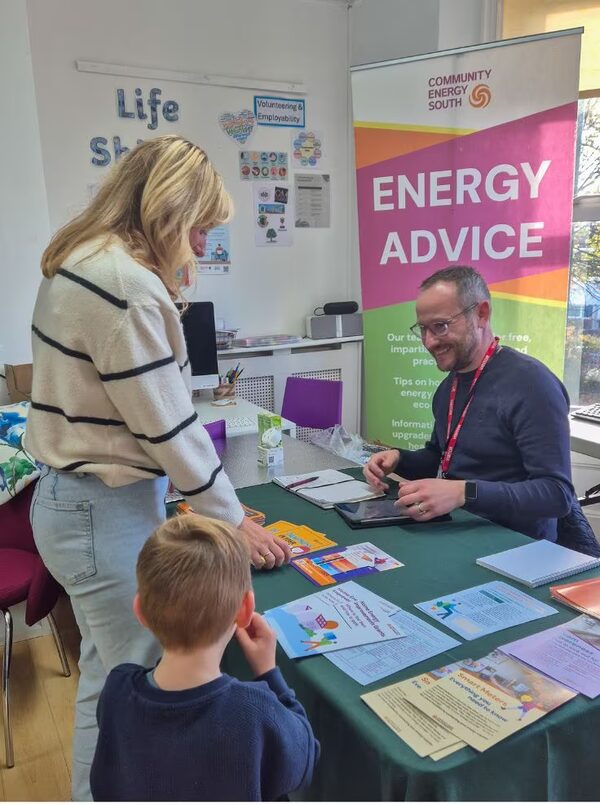
The Warm Homes Programme is being reshaped, and the direction of travel is towards advice for all and investment targeted at those least able to pay. The Welsh Government has stated that the programme should focus effort, and where required investment, on improving the energy efficiency of households who are least able to pay for improvements themselves, meaning households in, or at risk of, fuel poverty and those in severe fuel poverty, in the owner occupier, private rented and housing co-operative sectors14.
The delivery model is described as a demand-led approach to support all households across Wales with advice to help improve energy efficiency, reducing fuel bills and carbon emissions15. That is a broader advice remit than the current scheme, with funded measures concentrated on the households that need them most.
Two changes to the support package are set out in the policy statement. The new programme will include an uplift in the support available for servicing low-carbon technologies, and for a longer period than the current 12 months14. And the Welsh Government intends to update the Regulations to allow for multiple applications, meaning that a household supported once would not be permanently excluded from further support14.
There is a separate change to the Warm Home Discount that affects Welsh households' bills rather than their fabric. The high-cost-to-heat eligibility threshold which applied in England and Wales has been removed from October 2025, allowing all households in receipt of specified means-tested benefits to qualify16. This was delivered through the Warm Home Discount (Amendment) Regulations 2025, removing the high-cost-to-heat element of eligibility for Core Group 2 for winter 2025/2617.
The Welsh Government has also indicated that heating oil support will be designed by the Welsh Government itself, possibly through existing schemes or something different19. That is a statement of intent rather than a settled scheme, and households off the gas grid should treat the detail as still to be confirmed.
Who qualifies: ownership, residence, income and property rules
The eligibility tests differ sharply between the two main routes, and the difference is the single most useful thing a household can understand before applying.
For Green Homes Wales, the property tests are about ownership and use. An eligible property is an owner-occupied home, meaning homeowners with a freehold or long-leasehold interest in accommodation which they own outright, or own with a mortgage, situated in Wales6. The home must be located in Wales, owned by the applicant, and be their main residence, and it should not be a newly built property1. Homes built in the last 6 months and not previously occupied are treated as new properties1.
The applicant tests are financial rather than means-based. Applicants will not be means tested, but will be required to pass credit checks and affordability assessments1. Confirmation is given in the form of a funding offer letter once the application is fully processed and the required documents and supporting information are submitted alongside it1.
For Nest, the tests are about circumstance and the property's energy performance. The scheme is aimed at houses with a poor Energy Performance Certificate rating13. The measures offered are free to the household, which is why the targeting is tighter than the loan scheme's.
| Test | Green Homes Wales | Warm Homes Nest |
|---|---|---|
| Ownership | Owner-occupier, freehold or long leasehold6 | Not restricted to owner-occupiers in the same way2 |
| Residence | Main residence in Wales1 | Wales2 |
| Means test | Not means tested1 | Targeted at fuel poverty and qualifying households14 |
| Credit check | Required, with affordability assessment1 | Not applicable to a grant7 |
| Property condition | Not a newly built property1 | Poor EPC rating13 |
The Great British Insulation Scheme, which operates across Great Britain, used a different structure again: a low-income group for homeowners or tenants receiving at least one of a list of benefits including Child Benefit, Pension Guarantee Credit, Income-related Employment and Support Allowance, Income-based Jobseeker's Allowance, Income Support, Universal Credit, Housing Benefit and Pension Credit Savings Credit, and a general group for homes with an energy performance certificate rating of D to G within council tax bands A to E in Wales9.
What the schemes will pay for: insulation, glazing, heating and controls
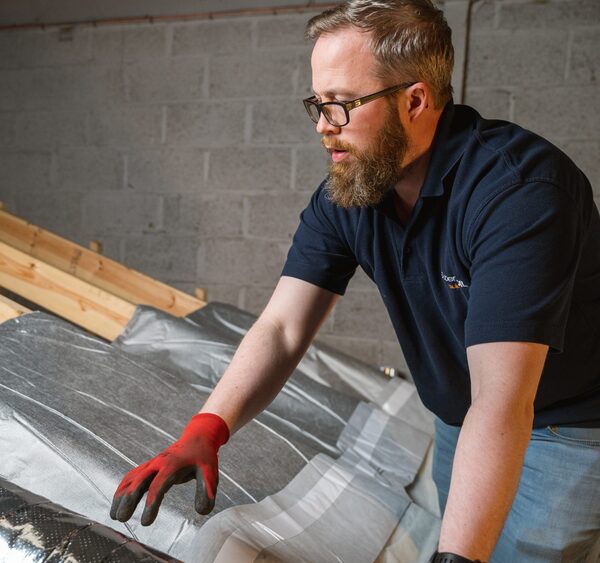
The measures funded in Wales are fabric and heating measures, not glazing. Green Homes Wales supports certain types of energy efficiency improvement measures and low carbon heating systems, and the funding covers the costs of the supply and installation of the eligible measures6. The improvements mentioned in the Welsh Government's own announcement are installing a heat pump, upgrading insulation, or modernising a heating system5.
The supported heating measures under the loan scheme include air source heat pumps, ground or water source heat pumps, high heat retention storage heaters, and biomass boilers or biomass stoves1. Ventilation systems are eligible for loan funding support where insulation is being installed, or where additionally recommended by the Retrofit Coordinator1.
Nest funds a comparable set from the grant side: heating, insulation, or solar panels, and specifically insulation, a heat pump or solar panels12. The Welsh Government's allocation statement describes the spending as covering energy efficiency, renewables and clean heat measures4.
On glazing, the position is worth stating precisely because it is a common assumption. Windows appear among the eligible measures listed for the Warm Homes Local Grant, which is an England-facing scheme21. In Wales, the funded routes centre on insulation, heating, renewables and clean heat, and replacement windows and doors are not among the measures described for Green Homes Wales or Nest1. Households considering glazing should look at the separate guidance on double glazing and on window energy ratings.
Insulation installed under Welsh and UK Government schemes after 2013 has required maintenance information and an appropriate 25 year guarantee to be issued on completion of the work22. That guarantee requirement is a condition of the funding, not an optional extra, and it is the household's protection if the installation later fails.
The process: assessment, retrofit coordinator and TrustMark installers
The Welsh loan scheme is built around a coordinator-led process, and the sequence is prescribed rather than flexible.
Green Homes Wales provides fully funded access to a Retrofit Coordinator to create a detailed home assessment providing energy-efficiency and decarbonisation recommendations1. The coordinator develops a tailored improvement plan based on what the home needs and what the household wants, ensures recommendations are sound, cost-effective and in line with standards, and helps plan the work in the right order5. They need to be involved throughout the installation and work on the home, ready to advise at any point, and they need a good working knowledge of the Green Homes Wales scheme and its criteria5.
The coordinator must be registered under the UK Government's TrustMark Scheme and approved by the Development Bank of Wales, and must be instructed within 14 days of the date of the Retrofit Coordinator Letter20. The Retrofit Coordinator Grant is funded by the Welsh Government and administered by the Development Bank of Wales, and it supports the installation, in domestic properties located in Wales, of certain types of energy efficiency improvement measures20.
Installers face their own tests. Installers must either be registered with TrustMark as an approved PAS 2030 installer, or registered with TrustMark and certified with the Microgeneration Certification Scheme where the installation involves a low carbon technology such as a heat pump or solar panels1. The installer cannot be a member of your household or immediate family1. The scheme incorporates the requirement to comply with PAS 2035 across its structure and third party conditions1.
To redeem an Installation Grant, the borrower or Retrofit Coordinator must confirm satisfactory installation by the specified installer, confirm that the necessary lodgements have been submitted to TrustMark, confirm receipt of all required documents, confirm other eligibility requirements are met, and provide a dated copy or image of the installer invoices6. Work must not start before the Installation Grant Letter is issued, the measure must be completely new, and no other public financial support may be received for the same measure6.
The end decision on whether or not to go ahead with any work will always lie with the homeowner5. That is stated by the scheme itself, and it is the point at which a household can decline a recommendation it does not want.
Loans, grants and the Boiler Upgrade Scheme: how the funding fits together
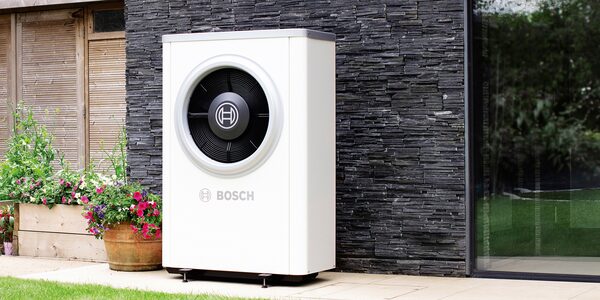
The Welsh schemes are designed to stack with the UK-wide heat pump grant rather than compete with it. Green Homes Wales can be used alongside the UK Government's Boiler Upgrade Scheme, which provides grants for heat pump installations across England and Wales5.
The mechanism is a project cost top-up. The project cost top up funding that is available alongside a grant from the Boiler Upgrade Scheme can support costs of the heat pump technology, supply and fitting or labour, as well as associated pipework and radiator costs for heat pump projects1. That matters because the Boiler Upgrade Scheme grant is directed at the heat pump itself, while a retrofit usually also needs pipework and radiator changes to work at lower flow temperatures.
Green Homes Wales also works in conjunction with collective purchasing schemes being organised by a number of local authorities in Wales5. Those schemes pool households to negotiate installation prices, and they sit alongside rather than replace the loan and grant routes.
| Funding source | What it covers | Where it applies |
|---|---|---|
| Green Homes Wales loan | Supply and installation of eligible measures1 | Wales6 |
| Green Homes Wales grant | Certain higher-carbon measures or packages1 | Wales6 |
| Boiler Upgrade Scheme | Heat pump installations5 | England and Wales5 |
| Warm Homes Nest | Insulation, heat pump, solar panels7 | Wales2 |
| Warm Home Discount | Bill discount, not fabric16 | England and Wales16 |
The combination is what makes a whole-house retrofit affordable for a household with some capital but not enough. The loan covers the fabric and the associated works, the grant covers the measures the scheme wants to encourage, and the UK-wide heat pump grant reduces the largest single line item. What none of them covers is the household's ongoing dependence on the electricity that runs the heat pump, or on the installer network that maintains it.
Where the schemes fall short: landlords, listed buildings and new builds
The exclusions are explicit and they leave real gaps.
Private landlords cannot currently apply to Green Homes Wales, and are directed to Climate Action Wales for further information1. That is a significant limit in a country with a substantial private rented sector, and it means tenants in privately rented homes depend on their landlord's willingness to fund work without the loan route. The Energy Efficiency (Private Rented Property) (England and Wales) Regulations 2015 cover private, local authority and other public body landlords, as well as a tenant who sub-lets a property falling within scope, and they apply only to properties let on assured, regulated and agricultural tenancies that are legally required to have an EPC23.
Listed buildings are also excluded. The scheme does not currently support homes that are listed1. That leaves owners of listed property dependent on other routes, and the constraints on those buildings are covered separately in insulating and glazing a listed building.
New builds are excluded from the loan scheme. The home should not be a newly built property, and homes built in the last 6 months and not previously occupied are treated as new properties1. The logic is that a new home should already meet current standards, and the fabric requirements for new dwellings are set out in Welsh building regulations for insulation and glazing.
The Retrofit Coordinator Grant excludes properties outside of Wales20. That is a boundary rather than a gap, but it matters for households near the border who may be looking at English schemes.
How to apply and where to get free advice
The application route depends on which scheme fits the household. For the loan and grant route, Green Homes Wales is administered by the Development Bank of Wales, and the process begins with the funded assessment and the appointment of a Retrofit Coordinator1. For the grant route, the Warm Homes Nest scheme is the entry point, and it provides free, impartial advice as well as funded improvements for eligible households2.
Free advice is available to every household in Wales regardless of eligibility. Contact Nest on 0808 808 2244 to get free and impartial general advice on current support options available to you1. All households in Wales also have access to free, impartial advice to help reduce energy bills and maximise income12.
Local authority routes exist alongside the national schemes. Warm Wales takes resident applications through its website at www.warmwales.org.uk/getting-support12. Carmarthenshire County Council directs residents to the Nest scheme for funding for home energy improvements7, and Bridgend County Borough Council lists Nest among the home energy efficiency options for residents12.
For households comparing the Welsh offer with the rest of the UK, the equivalent schemes are set out in insulation and glazing grants in England, insulation and glazing grants in Scotland and insulation and glazing grants in Northern Ireland. Scotland's route, for comparison, offers an additional £7,500 of funding as an optional interest free loan for energy efficiency measures such as insulation, on top of its grant24.
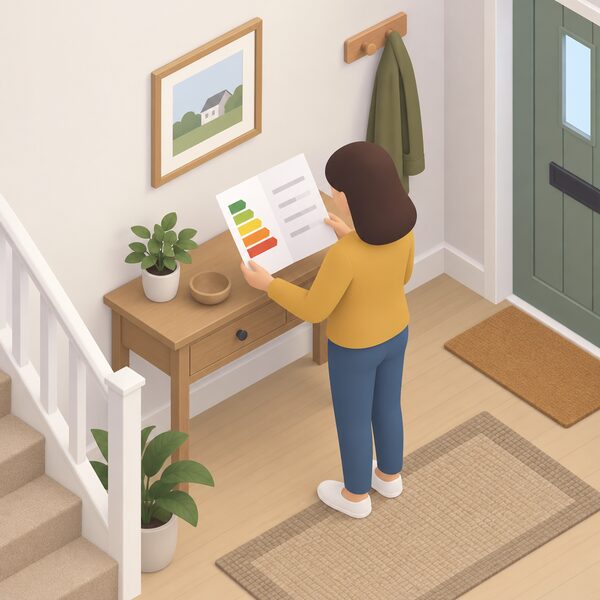
Before applying, it is worth checking the home's current rating. In Wales, 8,000 EPCs were lodged for new dwellings in the 12 months to March 2026, a 19% increase on the previous year, while 4,000 non-domestic EPCs were lodged, a 17% decrease25. For existing homes, the EPC is the document the schemes read first, and the guidance on energy performance certificates explains what it measures.
The wider context for a household is that these schemes reduce the cost of a retrofit but do not remove the home's dependence on the grid, on a supplier, and on the installer and coordinator network that the schemes require. What they buy is a warmer, cheaper-to-run home, and a fabric that will matter more, not less, as heating electrifies. The full UK guide to insulation and glazing sets out how the individual measures fit together.
Sources25 cited
- Green Homes Wales, Development Bank of Wales, 2026-09-17
- Nest Warm Homes Programme, Welsh Government, 2026-09-18
- Warm Homes Nest Scheme Annual Report 2024 to 2025, Welsh Government, 2026-03-26
- Written statement: support available to help with the cost of living, Welsh Government, 2026-03-18
- £5 million to help Welsh households invest in greener homes, Welsh Government, 2026-03-05
- Loan standard terms and conditions: Green Homes Wales, Development Bank of Wales, 2026-09-17
- Heating your home, Carmarthenshire County Council, 2026-04-04
- Energy price cap explained, Climate Action Wales, 2026-03-04
- Great British Insulation Scheme: homeowners and tenants, Ofgem, 2026-09-17
- GB Insulation Scheme: government response, Department for Energy Security and Net Zero, 2023-03
- Modern electric technologies offer Wales a bright future, Climate Change Committee, 2025-05-14
- Home energy efficiency, Bridgend County Borough Council, 2026-09-17
- Energy efficiency of the UK housing stock, Parliamentary Office of Science and Technology, 2026-06-25
- New Warm Homes Programme policy statement, Welsh Government, 2023-06-15
- New Warm Homes Programme children's rights impact assessment, Welsh Government, 2024-03-08
- Continuing the Warm Home Discount Scheme: government response, Department for Energy Security and Net Zero, 2026-01-30
- Apply for a Warm Homes Local Grant, Liverpool City Council, 2026-09-17
- Millions more families to get £150 off energy bills this winter, Department for Energy Security and Net Zero, 2025-06-19
- Get help with your home or business energy bills, Ofgem, 2026
- Terms and conditions: Retrofit Coordinator Grant, Development Bank of Wales, 2026
- Warm Homes Local Grant, Department for Energy Security and Net Zero, 2026-07-02
- Issues arising from cavity wall insulation installations: guidance, Welsh Government, 2022-02
- Trading standards guidance: other consumer problems, Isle of Anglesey County Council, 2026-05
- Energy saving home improvements, Scottish Government, 2026-09-17
- Energy performance of building certificates in England and Wales: January to March 2026, Department for Energy Security and Net Zero, 2026
 Welsh Building Regs InsulationDo insulation or glazing rules in Wales differ from England?
 Using an Installer in WalesExplains how installer registration, competent person schemes and building control notification apply in Wales and where Welsh rules diverge.
 Energy Policy in WalesWhat help can you get in Wales to make your home warmer and cheaper to run?
 Housing Stock Data for WalesHow energy efficient are Welsh homes, and how many have a rating?
 Insulation in Rented HousingWho pays for insulation when you rent, and who has to agree to it?
 Finding an Insulation InstallerHow to find, verify and check an insulation, glazing or ventilation installer in the UK: the registration schemes, trade bodies and guarantee arrangements that cover the work, how to compare quotes, what a written specification should state, and how complaints and disputes are handled.