In this guide
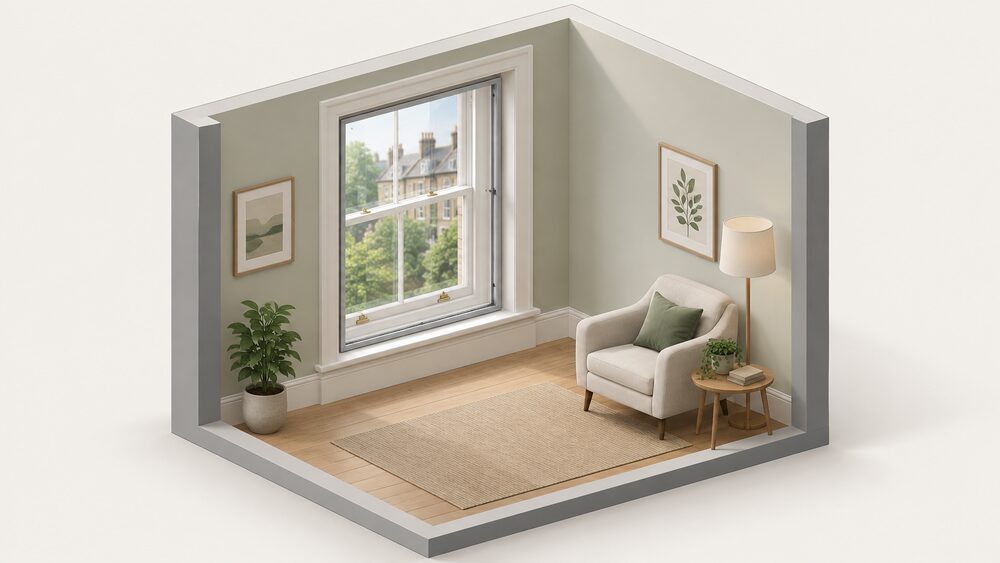
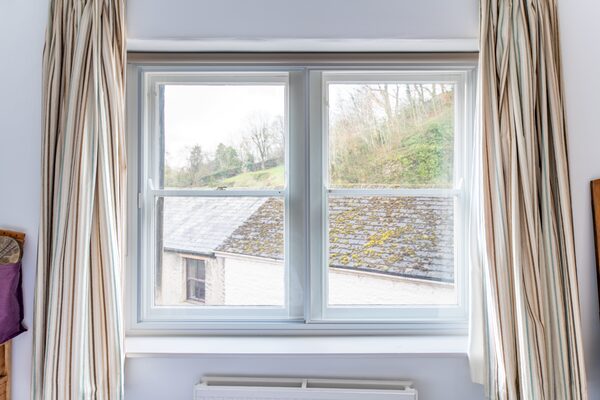
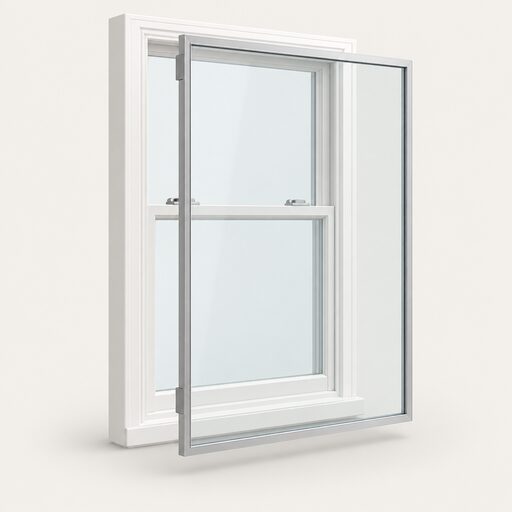
Secondary glazing is a second pane of glass or transparent material fitted on the inside of an existing window, in its own slim frame, leaving the original window untouched1. It is an additional window unit that improves thermal and acoustic performance and gets round planning restraints that prohibit replacing the existing window2. The original sash or casement still opens; the secondary unit slides, swings or lifts out in front of it.
On performance, manufacturers state that quality secondary glazing reduces heat loss through the window by up to 65 per cent and, when correctly fitted, cuts noise by up to 80 per cent, the equivalent of 54 decibels3. Independent advice is more measured: the Glass and Glazing Federation puts the change from single glazing with the addition of secondary glazing at approximately double the energy efficiency, while noting the seals are not as airtight as those on double glazing4. Expect around £104 a year off bills from secondary glazing, or £150 to £250 a year where it is combined with draught-proofing across all a home's windows5.
On cost, one manufacturer states that secondary glazing can be installed for around 25 per cent of the cost of double glazing, depending on size and style7, while the GGF puts a typical secondary unit at around half the price of a double glazing window, and roughly 50 per cent less on a supply-and-install basis4. Independent advice gives upwards of £300 for a single window and a range of £300 to £500 per window8.
What secondary glazing is and how it works
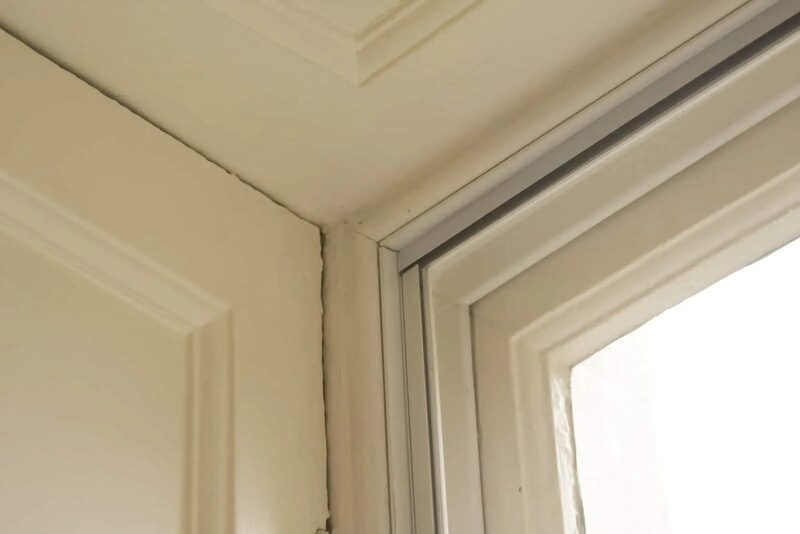
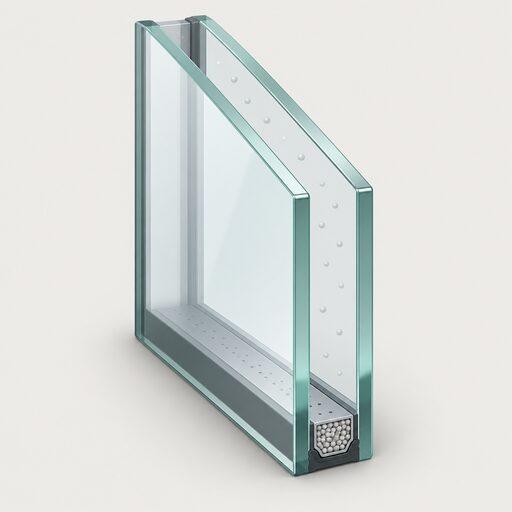
Secondary glazing is a pane of glass with a discreet frame installed on the inside of the existing window10. It can be added to a single, double or triple glazed primary window, though the case for it is strongest over single glazing7. The mechanism is the same trapped-air principle that makes a sealed double glazed unit work: double glazing traps air between two panes, creating an insulating barrier that reduces heat loss, noise and condensation11. With secondary glazing the cavity is much wider and is formed by the room-side frame rather than a factory seal, giving a buffer zone where air cannot circulate10.
Because the unit sits behind the original window it also stops draughts at the window opening, which is a large part of the practical benefit in an older house12. The GGF describes secondary glazing as a cost-effective way of improving heat retention and sound reduction, as well as providing some additional security, and notes it is low maintenance and does not cause the same level of disruption as fitting replacement primary double glazing13. The extra layer of glass or plastic creates a barrier that is more difficult for an intruder to break through14.
What it does not do is change the building. It is fitted without major construction work, and the installation does not alter the fabric of the building and is entirely reversible14. For a household, that matters twice over: it is the reason planners accept it in historic buildings, and it is the reason it can be removed or upgraded later without a second round of consent. Related comparisons are covered under secondary glazing vs double glazing and in the wider guide to double glazing.
Performance: up to 65% less heat loss, up to 80% less noise
The headline manufacturer figures are consistent across product lines: up to 65 per cent reduction in heat loss and up to 80 per cent noise reduction16. One maker's calculation, using 6mm toughened glass with a low-E coating, gives a fall from 5.7 W/m2K to 1.87 W/m2K, described as a 69 per cent decrease in heat loss through the window9. A fully sealed unit is claimed to reach U-values as low as 0.9718. The GGF records a single pane with secondary glazing, glazed with a slim double glazed low-E unit, at 0.9 W/m2K, adding that this is not often used because the cost is similar to standard double glazing4.
Independent framing is cooler. Around 10 per cent of the heat loss from a typical house is through the windows, which caps what any glazing measure can deliver5. The Planning Portal states that double glazing can cut heat loss through windows by half11. The GGF's judgement is that secondary glazing approximately doubles the energy efficiency of single glazing, but that it is not the best energy-efficient glazing solution because the seals are not as airtight as those on double glazing4.
Acoustically the position is reversed. Makers state that secondary glazing significantly reduces noise entering a building, more so than double and even triple glazing in most instances19, and hinged units are described as reducing noise by up to 80 per cent and significantly outperforming double glazing20. The key to blocking noise is to install the system 150mm to 200mm away from the primary window14. That sits awkwardly with the thermal advice from the same maker, which recommends fixing no greater than 80mm from the primary glazing9. A household chasing noise and a household chasing heat are being pointed at different cavity widths.
"Secondary glazing can provide an effective way to reduce heat loss without altering original windows, nor significantly reducing light levels or views."
Horizontal sliding, vertical sliding, hinged, lift-out or fixed: choosing a system
The range covers horizontal sliding windows, vertical sliding windows, hinged units, lift-out panels and fixed secondary glazing19. The GGF's list adds top hung, side hung, double side hung and removable fixed panels fitted onto the back of doors13. Independent advice notes that semi-permanent units can be fitted sealed, lift-out or openable, on hinges or on vertical or horizontal slider tracks, so the original windows can open as normal8.
| System | How it operates | Typical use |
|---|---|---|
| Horizontal sliding | Two, three, four or five panels on brass rollers, with a central push-button release; sashes remove fully for cleaning16 | Casement, hinged or any window with vertical bars; not suited to sash windows16 |
| Vertical sliding | Panels slide up and down on spiral balances; three versions, standard, slide-past and tilt-in14 | Traditional box sash windows14 |
| Hinged | Opening casements on face-fixed or reveal-fixed timber subframes20 | Windows needing full, frequent access |
| Lift-out | Panel lifts out of the frame for cleaning and maintenance14 | One of the most cost-effective options, where limited access is required14 |
| Fixed | Single or double-glazed aluminium profiles, non-opening23 | Windows that are never opened |
| Bespoke | Arched, curved-in-plan and circular units24 | Stained glass, leaded lights and historic glass24 |
Secondary glazing is fitted to casement, sash, bay and tilt-and-turn windows19. Frames can be arched in-house to match the styles and types of primary glazing14. Every system is offered face-fixed or reveal-fixed18; the reveal option creates a gap of 100mm to 200mm between the glazing and the existing window18.
The choice is driven by the primary window and by how the room is used. A sash window cannot take a horizontal slider16. A window that is opened daily in summer argues for a hinged or vertical sliding unit rather than a fixed panel. A high or awkward window, opened rarely, suits a lift-out or fixed unit and costs less.
Frames, glass and specification
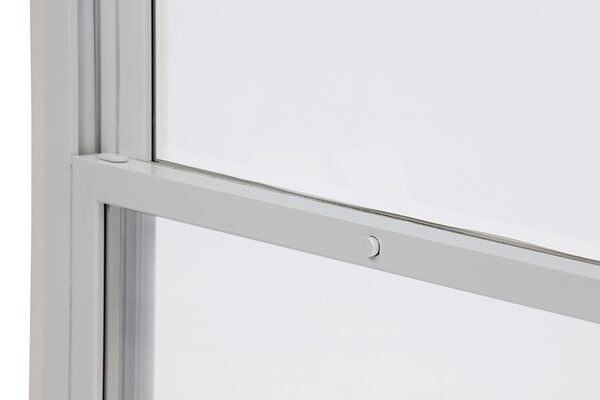
Frames are uPVC or aluminium, with over 200 RAL colours available on either18. Permanent systems described by the Energy Saving Trust use custom-built frames and glazing in wood or uPVC1. Manufacturers fitting listed and heritage work favour slimline aluminium, stating that it blends with interior decor and does not change the appearance of the window7, with a current range offering narrower sightlines than its predecessor. Anglian's secondary glazing also uses aluminium frames26.
Glass runs from 4mm to 8mm with thermal coatings, and up to 10.8mm laminate across one maker's range16. Case-study units use 4mm glass panels in slimline aluminium frames finished in white powder coating. For best performance one maker recommends 6mm toughened glass with a low-E coating9; low-E uses a transparent coating to insulate more effectively than plain toughened glass18. A system built with an 8mm air-filled cavity is offered with that low-E glazing27.
Cavity width is the specification decision that matters most, and the guidance pulls two ways: no greater than 80mm from the primary glazing for thermal performance9, against 150mm to 200mm for acoustic performance14, with a general fitting cavity of 150mm to 200mm also quoted7. Regulatory drafting recognises the product type: the Welsh consultation version of Approved Document L, Volume 1, lists an alternative of 1.2 W/m2K centre pane or low-E secondary glazing for windows and roof windows28. Hardware on one range is stated to meet British Standards regulations18. Wider glazing standards are set out under window energy ratings.
Cost: cheaper than replacement, but not cheap
Secondary glazing is generally more cost-effective and affordable than window replacement19, and the GGF describes it as a less expensive option to improve energy efficiency, on the condition that the existing windows are in excellent condition4. The per-window figures from independent sources are upwards of £300, depending on the size and complexity of the window and the type of opening8, and £300 to £500 per window6. Bespoke units are quoted individually: the cost depends entirely on the type of primary window with which it is being paired24.
Temporary options sit in a different bracket entirely. A 3mm acrylic sheet of around 150 by 100cm costs upwards of £45 from DIY stores, and enough transparent shrink-fit film to cover a large bay window costs around £10 to £158. Another guide prices film at £5 to £15 per window, and magnetic-strip temporary secondary glazing at £65 per square metre for materials29. Those two figures, £65 per square metre for a DIY magnetic system and £300 to £500 for a fitted window, are not measuring the same product.
| Option | Cost | Source type |
|---|---|---|
| Permanent, per window | Upwards of £300; £300 to £5008 | Independent |
| Magnetic strip, temporary, materials | £65 per m230 | Independent |
| Acrylic sheet, 150 x 100cm | Upwards of £458 | Independent |
| Shrink-fit film | £10 to £15 per bay window; £5 to £15 per window8 | Independent |
| A-rated double glazing, semi-detached | £4,80031 | Independent |
Against that, secondary glazing carries the standard 20 per cent rate: gov.uk's list of energy-saving products that qualify for the reduced rate explicitly excludes secondary or double glazing32. On savings, the modelled figures for whole-house double glazing give a sense of scale: A-rated double glazing replacing single glazing in an entirely single-glazed semi-detached gas heated property is modelled at £85 a year in Great Britain and £140 a year in Northern Ireland33. Broader figures are in insulation and glazing costs.
Where secondary glazing beats replacement glazing
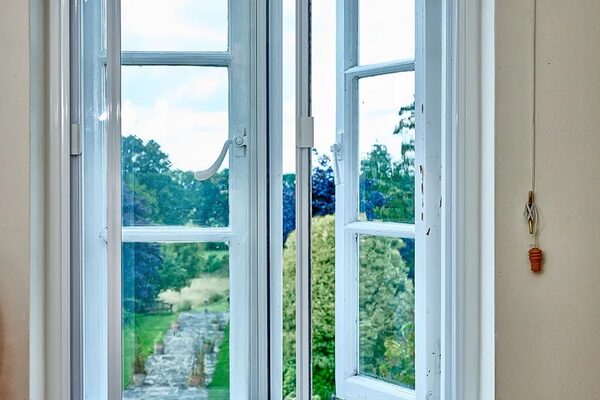
For listed buildings and those in conservation areas, secondary glazing is often the preferred option where the original windows cannot be replaced due to planning restrictions7. Some properties with listed status or in a conservation area are not permitted to use double-glazed windows at all, and in those homes it is frequently the only route to improved thermal performance19. The Energy Saving Trust calls it a non-intrusive way of insulating historic windows from the inside1.
The reason it is accepted is that it does not replace the old window. It is installed without affecting the original windows and frames, helping to preserve the building's character34, and a case study of an eighteenth-century Grade II listed cottage describes internal casement windows fitted inside the existing frames, without altering them at all35. Brighton and Hove's heritage guidance sets a clear test:
"secondary glazing will be acceptable provided its framing is unobtrusive and it does not obscure internal features or interfere with the operation of shutters and windows"
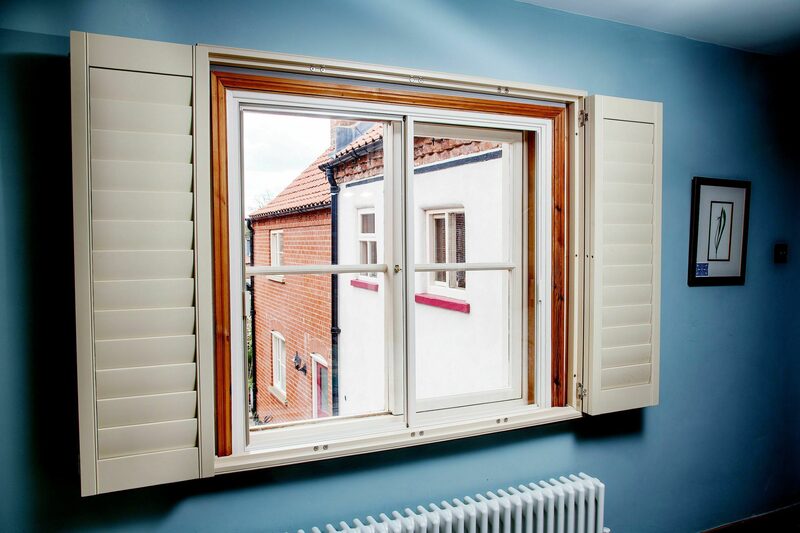
That is the specification brief for a historic interior: slim frames, clear of shutter boxes, architraves and panelling, and not blocking the primary window's operation. In an unlisted conservation-area property the alternative route is slimline double glazing of 12 to 14mm fitted into the existing sashes or casements, which the same guidance treats as requiring no permission where there is no material change in appearance36. Replacing single with double glazing might be acceptable in some locations but not in more sensitive ones, or where the traditional glazing bars are too narrow37. More on this in insulating and glazing a listed building.
Planning permission, listed building consent and certificates of lawfulness
Two separate regimes apply, and they behave differently. Planning permission governs external appearance. Because secondary glazing is internal, one guide states plainly that secondary units fitted behind a sash window require no planning permission6, and permission may not be required where the installation does not alter the building's original features34. Planning authorities are, in any event, much more likely to accept a secondary glazing installation than a replacement window38.
Listed building consent is a separate control under the Planning (Listed Building and Conservation Areas) Act 199039, and it reaches inside the building. Hammersmith and Fulham state that listed building consent would also be required for the installation of replacement windows and any internal works such as the installation of secondary glazing40. Other councils take a narrower view: Bristol advises that adding secondary glazing that does not involve the loss of original fabric can usually be covered by a certificate of lawfulness, while consent or a certificate is probably needed where new material is introduced or original fabric removed37. Upgrading windows within listed properties needs permission from the local authority14, and a property in a conservation area, or listed Grade I or II, cannot change its glazing without permission17. Whether full double glazing can go into a listed building depends on the building and on how the installation would affect its character41.
- Unlisted house, not in a conservation area: internal secondary glazing makes no external change; permission is not the issue6
- Unlisted house in a conservation area: no material change in appearance means no permission36
- Flat or maisonette, listed building or conservation area: planning permission or listed building consent may be required, especially where the external appearance changes42
- Listed building: treatment varies by council, from full listed building consent for internal works40 to a certificate of lawfulness where no original fabric is lost37
Where an application is needed, it sets out the type of secondary glazing, the method of installation and other relevant details, and the planning authority reviews it and notifies its decision34. See also planning permission for insulation and windows.
Installation: lead times, fitting and reversibility
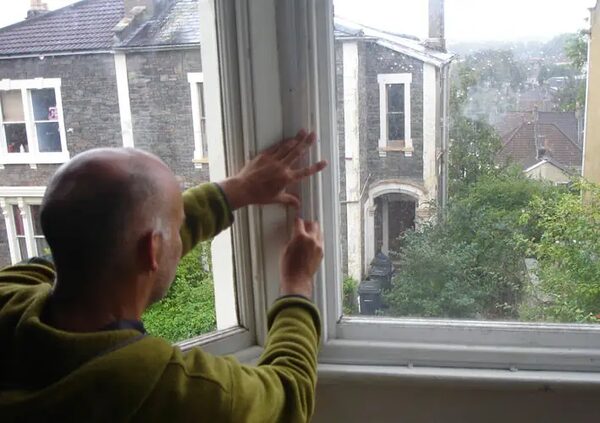
Fitting is quick. One manufacturer states most installations are completed within the hour15, and that secondary glazing can be installed easily, often within just a few hours, with no major construction work19. Lead times of a few weeks are quoted from order19, with delivery on one listed-building range stated at 10 days from order17. Units are supplied either through local installers trained and accredited by the maker or delivered to the home16, and one listed-building product is described as easy to install, DIY or installed by a tradesman17.
Independent advice is less relaxed about DIY at the permanent end. Semi-permanent units are fixed by screwing into place or using a strong adhesive or sealant, and this type of glazing is not generally suitable for DIY8. Temporary film, by contrast, is installed with double-sided tape around the window frame and shrunk with a hairdryer8. Anglian distinguishes temporary units, easily removable using magnets or adhesive, from permanent units, professionally fitted with durable frames and installed and removed without damage to the building fabric26.
Reversibility is the structural point. The installation does not change the fabric of the building and is entirely reversible14. Lift-out panels can be taken out of the frame for cleaning and maintenance14, and Historic Environment Scotland notes secondary glazing can be removed in the warmer months when it is not needed43. Horizontal sliding sashes can be completely removed for cleaning the existing window16, and tilt-in vertical sliders allow the same22.
One warranty and certification point matters for householders. As secondary glazing is more specialised than double glazing, there is no central body that currently certifies these installations1. That contrasts with replacement windows, which fall under the schemes described in replacement window rules. One horizontal sliding range carries a 10 year guarantee on all frames and glazing16.
Where secondary glazing falls short
The honest limits are set out by independent bodies rather than makers. Secondary glazing is not the best energy-efficient glazing solution, because the seals are not as airtight as those on double glazed units4. Which? puts it directly: it is not as effective as full double glazing, but it could still save some money on heating bills, and it is much cheaper to install44. Where a window is beyond repair, the GGF's condition applies: secondary glazing only makes sense where the existing windows are in excellent condition4.
Funding is the second constraint. Secondary or double glazing does not qualify for the reduced VAT rate on energy-saving products, so the standard 20 per cent applies32. Ofgem's ECO4 measures guidance states the window glazing measure does not include windows with secondary glazing or external doors with double or secondary glazing, other than double glazed patio doors45. Home Energy Scotland lists double, triple and secondary glazing at £8,000 per improvement on a loan basis with no grant available, and only for improving single glazing, not for replacing or improving existing double, triple or secondary glazing46. Secondary glazing was an eligible secondary measure under the closed Green Homes Grant, alongside draught proofing and energy-efficient doors47, and it appeared in the Scottish Home Energy Efficiency Equity Loan pilot as an eligible measure. It has also been fully subsidised in particular situations, such as under airport flight paths and near railways4. Current schemes are in insulation grants in Scotland and insulation grants in England; the closed ones are covered in closed insulation schemes.
Third, the assessment. RdSAP conventions record secondary glazing with single glazing as secondary glazing, normal or low-E if determinable, which is a distinct category from double glazing for EPC purposes. And fourth, some secondary glazing options are not allowed in listed buildings, so the choice of system is narrower than the catalogue suggests8.
Practical drawbacks follow from the design. Two sets of glass mean two sets of surfaces to clean and, on sealed units, the original window becomes harder to open. Shrink-fit film is temporary, has to be refitted every year, and removing it can damage the window's paintwork8. Where the cheapest plastic-sheet approach is used across a house, advice is to leave at least one window per room uninsulated or openable for ventilation. That point generalises: adding a second airtight layer at the window changes the ventilation balance of a room, which is the subject of condensation, damp and mould after insulation and home ventilation.
What it means for household energy independence
Secondary glazing reduces the amount of heat a house needs to buy, and it does so on the one part of the building envelope that is hardest to change in a protected property. Around 10 per cent of the heat loss from a typical house is through the windows5, so the measure works at the margin rather than transforming demand. The independent savings figures, around £104 a year, or £150 to £250 with draught-proofing across all windows, are real but modest against a whole-house bill5.
The dependence that remains is straightforward. The house still buys its heat from a grid or a gas supplier; fabric measures only shrink the bill. The product itself is a passive one: no app, no cloud service, no firmware, no ongoing supplier relationship after the fitting, and nothing that fails when a company does. That is a genuine advantage over metered or controlled measures. The counterweight is that there is no central certification body for these installations1, so the guarantee depends on the individual firm continuing to trade, and reliance falls on the installer rather than on a scheme. Draught-proofing, loft insulation and the rest of the fabric sequence are set out in the insulation and glazing pillar and in planning a whole-house retrofit.
Sources47 cited
- Windows and doors advice, Energy Saving Trust, 2026-05-20
- Windows knowledge hub, GGF MyGlazing, 2026-09-20
- Four ways to enhance single glazed windows, Granada Glazing, 2026-07-19
- All about secondary glazing, GGF MyGlazing, 2020-09-14
- Energy saving tips for winter, Centre for Sustainable Energy, 2025-12-10
- Making a Victorian house more energy efficient, Uswitch, 2025-09-25
- Double glazing versus secondary glazing, Granada Glazing, 2026-07-19
- Secondary glazing advice, Centre for Sustainable Energy, 2026-08
- Reduce heat loss with secondary glazing, Granada Glazing, 2026-01-15
- How to insulate windows for winter, Granada Glazing, 2026-01-15
- Glazing and permission, Planning Portal, 2026
- Windows for conservation areas, Anglian, 2026-09-20
- What is secondary glazing, GGF MyGlazing, 2023-12-22
- Installing secondary glazing into a listed property, Granada Glazing, 2026-01-15
- Secondary glazing installation, Granada Glazing, 2026-01-14
- Horizontal sliding secondary glazing, Granada Glazing, 2026-01-14
- Secondary glazing for listed buildings, Granada Glazing, 2026-01-14
- Does secondary glazing add value, Granada Glazing, 2026-01-15
- Secondary glazing vs window replacement, Granada Glazing, 2026-07-19
- Hinged secondary glazing, Granada Glazing, 2026-01-14
- Guide to the conversion of traditional buildings, Scottish Government, 2026-08-10
- Vertical sliding secondary glazing, Granada Glazing, 2026-01-14
- Fixed secondary glazing, Granada Glazing, 2026-01-14
- Bespoke secondary glazing, Granada Glazing, 2026-01-14
- Secondary glazing for listed properties, Granada Glazing, 2026-01-14
- Secondary glazing, Anglian, 2026-09-20
- Secondary glazing is better than double glazing, Granada Glazing, 2026-01-14
- Approved Document L Volume 1, consultation version, Welsh Government, 2026-09-17
- Draught busting, Low Carbon Hub, 2026-08-05
- DIY vs professional home insulation, Uswitch, 2025-11-07
- Retrofit explained, Energy Saving Trust, 2026-02-06
- Tax on shopping: energy-saving products, GOV.UK, 2026-09-17
- Top energy saving ideas for your home improvement project, Energy Saving Trust, 2026-08-03
- Why you need secondary glazing for your listed or heritage building, Granada Glazing, 2026-07-19
- Energy efficiency and comfort in an 18th century home, Low Carbon Hub, 2026-03-15
- Improving energy saving in conservation areas and listed buildings, Brighton and Hove City Council, 2026-09-17
- Making alterations to a listed building, Bristol City Council, 2026-09-17
- Heritage windows, Granada Glazing, 2026-01-15
- Listed building consent, Planning Portal, 2026-09-17
- Planning frequently asked questions, Hammersmith and Fulham Council, 2026-09-17
- FAQs for listed building owners and occupiers, Exeter City Council, 2026-09-17
- Rules around fitting a log burner and glazing, Planning Portal, 2026-09-17
- How to reduce heat loss from sash windows, Historic Environment Scotland, 2026-09-20
- Types of double glazing, Which?, 2026-09-16
- ECO4 new measures and products guidance v3.0, Ofgem, 2026-03-26
- Grants and loans, Home Energy Scotland, 2026-09-17
- FAQs for Green Homes Grant installers, RECC, 2020-11-26
 Double GlazingMisted up panes, noisy streets, rooms that never feel warm: is new double glazing worth the money, and how much could it cut your bills?
 Insulating a Listed BuildingCan you insulate a listed building, and do you need permission first?
 Triple Glazing in UK HomesTriple glazing costs more than double, so is it worth it for your home?
 Building Regs Part L InsulationAdding insulation or replacing windows?
 External ShadingExternal shutters, blinds, awnings and fixed shading explained: why shading outside the glass blocks more solar heat than internal blinds, the main options, orientation, materials, costs, planning and long-term ownership.
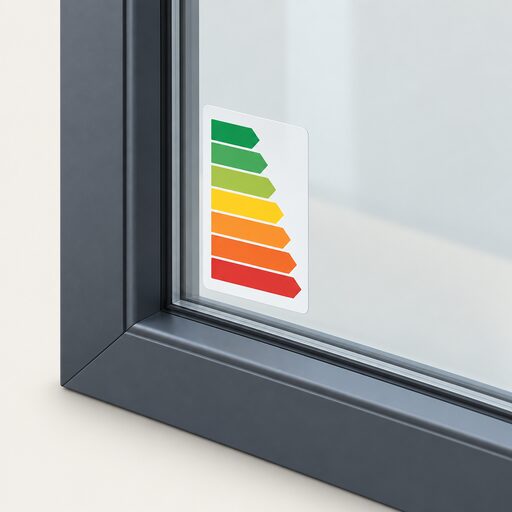 Window Energy RatingsA window energy rating tells you how well a whole window keeps heat in, lets sunshine through and stops draughts, all in one letter from A++ down to E.