
In this answer
Short answer
Windows and doors account for roughly 10 to 25% of the heat lost from a UK home, depending on how the home is built and how well it is insulated. In a typical house, around 10% of overall heat goes through the windows1. Cadent Gas puts windows and doors together at 21% of heat loss in a home2. In an uninsulated home the window share rises to around 18%3.
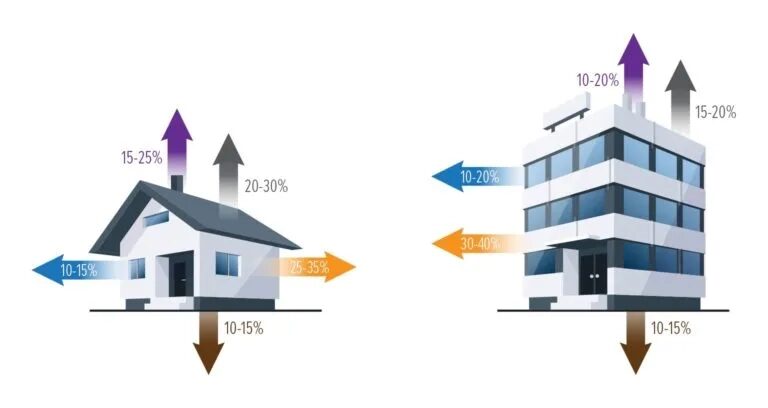
The reason the range is so wide is that heat loss is a set of proportions, not fixed quantities. Walls, roofs and floors leak too, and when they leak heavily the windows look like a smaller slice of a bigger pie. Around a third of heat is lost through external walls in a typical home4, and about 25% through the roof5. Uswitch groups windows, doors and areas of ventilation or draughts at 22 to 32% of heat loss in a typical uninsulated home6.
For a household planning work, the practical point is that glazing is rarely the first measure. Fabric heat loss dominates, and the cheapest large savings usually sit in the loft and the walls. Windows and doors matter most where they are single glazed, badly fitted or draughty, and where the rest of the fabric has already been dealt with. This page sets out the figures, where they come from, and what they mean for a plan.
How heat is lost from a home: fabric and draughts
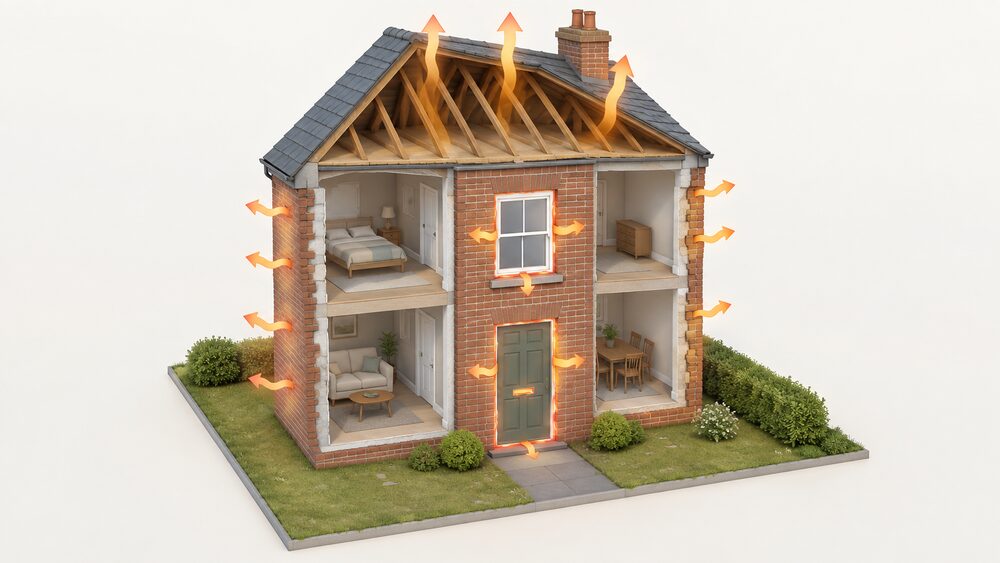
Heat leaves a home in two distinct ways, and the distinction matters because the remedies differ. The first is conduction and radiation through the building fabric: walls, roof, floor, windows and doors. The Energy Saving Trust describes heat loss as heat being transferred from the inside of a home through the building fabric and lost via draughts of warm air through gaps in walls, floors, roofs and lofts7. The second is the movement of warm air itself, out through gaps and into the structure through uncontrolled ventilation.
The fabric is the larger channel. The UK Green Building Council cites an estimate that 81% of the heat generated in a building is lost through the building fabric8. That figure covers the whole envelope, not windows alone, and it is the reason a fabric-first approach is standard practice in retrofit. You can read more on that in what a fabric first approach means.
Draughts are the smaller but more immediately noticeable channel. They are gaps around frames, letterboxes, keyholes, floorboards and service penetrations, and they let cold air in as well as warm air out. The Centre for Sustainable Energy notes that draughts are often confused with the ventilation a home genuinely needs, and that sealing them is not the same as blocking ventilation9.
The two channels respond to different work. Fabric heat loss responds to insulation and to better glazing. Draughts respond to sealing, which is cheap and quick. Bromley Council's guidance groups properly installed insulation, energy efficient windows and doors and reducing draughts together as measures that can significantly reduce energy use and reduce energy bills10.
Windows and doors: 10 to 25% of a home's heat loss
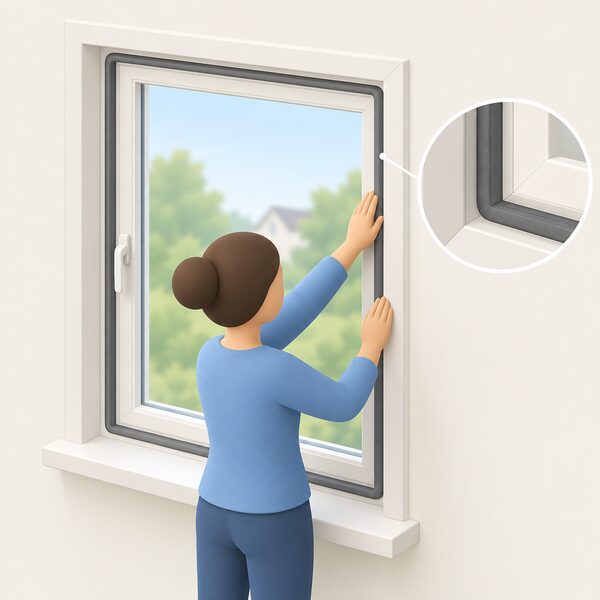
The headline range for windows and doors together is 10 to 25%, and the spread comes from how the home is built and which elements are counted. Cadent Gas gives 21% of heat loss in a home as going through windows and doors, and states that draft-proofing both could save the average household £40 a year2. That is the most specific combined figure available from a gas distributor's own guidance.
At the lower end, the Centre for Sustainable Energy's myth-busting page puts only about 10% of heat loss through the windows9, and Uswitch gives a typical home losing around 10% of its overall heat through the windows1. The Centre for Sustainable Energy repeats the roughly 10% figure for a typical house in its secondary glazing guidance11 and in its winter tips12. The Low Carbon Hub also gives about 10% of heat escaping through windows in a typical house13.
At the upper end, Uswitch's insulation guide puts 22 to 32% of heat loss through other areas: windows, doors and areas of ventilation or through draughts6. That is a combined band for everything that is not walls, roof or floor, and it is the figure to use when thinking about the whole envelope rather than glazing alone.
The Glass and Glazing Federation, speaking for the window industry, states that energy-efficient windows and doors are one of the biggest sources of heat loss in the average UK home and that upgrading them is among the most impactful improvements a homeowner can make14. That is a maker-side claim and should be read alongside the independent figures above, which put windows at around 10% in a typical house.
Windows alone: around 10%, more in uninsulated homes
The window share depends heavily on what else is leaking. In a typical house, around 10% of overall heat goes through the windows1, and the Centre for Sustainable Energy gives approximately 10% of the total heat loss from a typical house as going through the windows11. The same figure appears in its winter guidance12 and in the Low Carbon Hub's advice13.
In an uninsulated home the picture changes. The Energy Saving Trust states that around 18% of an uninsulated home's heat is lost through windows3. Uswitch's Victorian house guide gives a similar set of proportions for an uninsulated home: approximately 35% of heat through the walls, 25% through the roof and a further 10% through the floor15. Historic England, cited by Uswitch, puts around 20% of a home's heating as lost through its windows16.
The reason the uninsulated figure is higher is arithmetic rather than physics. If the walls and roof are leaking badly, they take a larger share of the total, and the window share is measured against the same total. Once walls and lofts are insulated, the window share of what remains rises, which is why glazing often looks more urgent after other work is done than before.
The Centre for Sustainable Energy's myth page is worth noting here. It records that one enduring myth is that old windows account for 20 per cent or more of the heat lost from a building17. The Centre's position is that this overstates the case for typical homes, though the uninsulated figure of around 18% shows the claim is not far off in the worst cases.
Single glazing: up to 70% of heat lost through the glass
The figure most often quoted for single glazing is that up to 70% of the heat passing through a window is lost through the glass itself, with the remainder going through the frame and the gap around it. The Centre for Sustainable Energy's secondary glazing guidance sets out the case for treating the glass and the frame separately, and gives approximately 10% of the total heat loss from a typical house as going through the windows11.
The Planning Portal states that installing double glazing can cut heat loss through windows by half18. That is an official planning guidance figure and it applies to the window element, not to the whole home. The Centre for Sustainable Energy puts one-fifth of the heat lost from a home as potentially due to old single-glazed windows19.
The Glass and Glazing Federation states that by installing replacement windows, homeowners could reduce heat loss by 22% on the average house20. That is an industry figure and it is a reduction in heat loss, not a reduction in bills. The Centre for Sustainable Energy's guidance on high-performance external doors makes the same point for doors: the door leaf, the frame and the draught seal all contribute, and a well-sealed door with a poor leaf performs worse than the reverse21.
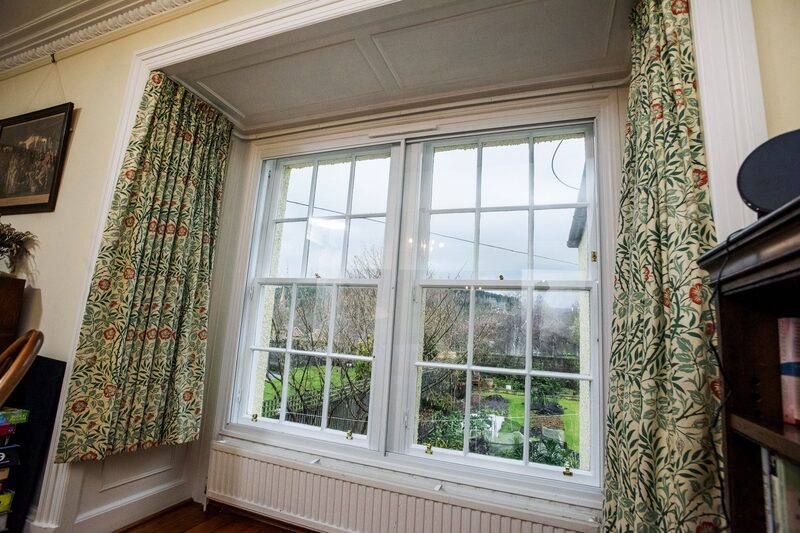
Traditional buildings need care here. Historic Environment Scotland's guidance on traditional buildings notes that all windows lose heat at night, except in the very warmest weather22, which is a reminder that glazing performance is not constant. The Centre for Alternative Technology's guidance on old, cold and damp traditional buildings sets out why sealing a traditional window completely can cause damp problems, and why breathability matters in solid-walled construction23.
"all windows lose heat at night, except in the very warmest weather."
Where the rest goes: walls, loft and ventilation
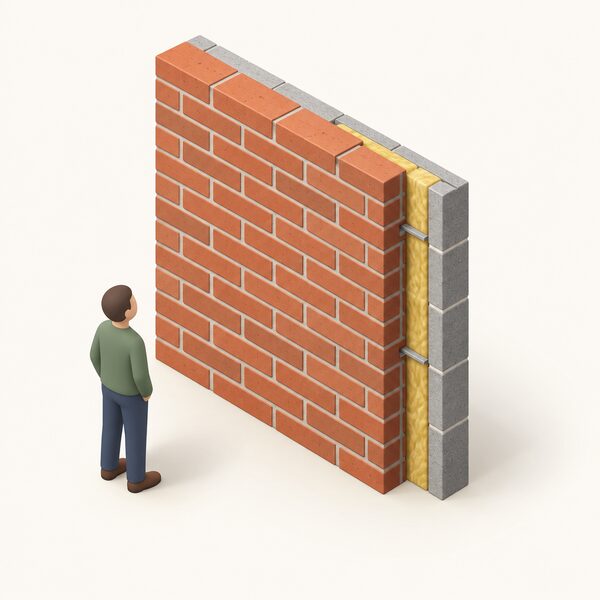
Windows and doors are a minority of the total, and any plan that starts with glazing is working on the smaller share. Around a third of heat is lost through external walls in a typical home4, and Which?'s cavity wall guidance gives around a third of all heat lost from a poorly insulated home as escaping through the walls24. Home Energy Scotland gives about a third of the heat lost in an uninsulated home as escaping through the walls26.
Solid walls are worse. The Centre for Sustainable Energy states that nearly half of the heat lost from some solid-walled houses escapes through the walls27, and the Planning Portal notes that solid walls lose even more heat than cavity walls28. That is why solid wall insulation is often the single largest fabric measure available, and why it is covered in more detail in where a UK home loses heat and why it matters first.
The roof is the other large element. National Energy Action states that 25% of our heat is lost through the roof5, Uswitch gives about 25% through the roof9, and Acton Energy puts heat loss through the roof at up to 25% of all heat loss in the home29. The Energy Saving Trust states that homes can lose around 25% of their heat through an uninsulated roof30, and Which? gives uninsulated homes losing around a quarter of their heat through the roof31.
Floors and ventilation take the remainder. Uswitch gives up to 10% of heat lost through the floor in older homes with suspended floors32, and the same guide gives a further 10% through the floor in an uninsulated home15. The National Insulation Association, citing the Energy Saving Trust, states that a home with an uninsulated loft and cavity walls could be losing over half of its heat through those two building elements alone33.
| Element | Share of heat loss | Source |
|---|---|---|
| External walls, typical home | Around a third | Which?4 |
| Walls, uninsulated home | Approximately 35% | Uswitch15 |
| Walls, poorly insulated home | Around a third | Which?24 |
| Walls, some solid-walled houses | Nearly half | Centre for Sustainable Energy27 |
| Roof, typical home | About 25% | National Energy Action5 |
| Roof, uninsulated home | Around a quarter | Which?31 |
| Floor, older homes with suspended floors | Up to 10% | Uswitch32 |
| Windows, typical house | Around 10% | Uswitch1 |
| Windows, uninsulated home | Around 18% | Energy Saving Trust3 |
| Windows and doors combined | 21% | Cadent Gas2 |
| Windows, doors and ventilation | 22 to 32% | Uswitch6 |
What the figures mean for improving your home
The figures point to an order of work rather than a single measure. Fabric heat loss through walls, roof and floor is the largest share in most homes, and the cheapest large savings are usually in the loft. Windows and doors are worth attention where they are single glazed, poorly fitted or draughty, and the combined figure of 21% for windows and doors2 is the one to hold in mind when deciding whether glazing comes first.
Draught-proofing is the cheapest entry point. Cadent Gas states that draft-proofing windows and doors could save the average household £40 a year2. That is a small sum, but the work is inexpensive and it addresses the comfort problem that prompts most glazing enquiries in the first place. The Centre for Sustainable Energy's guidance on high-performance external doors covers what a well-sealed door involves21.
Replacement glazing is a larger commitment. The Glass and Glazing Federation states that by installing replacement windows, homeowners could reduce heat loss by 22% on the average house20, and the Planning Portal states that double glazing can cut heat loss through windows by half18. Both are reductions in heat loss through the window element, not in the whole bill, and neither is a payback figure.
Where a home has been improved already, the window share rises and glazing becomes a larger part of what is left. That is the logic behind doing fabric work in a planned order, which is set out in what order should home energy improvements be done in and in the wider getting started guide.
For energy independence, the picture is straightforward. Insulation and glazing reduce the heat a home needs to buy, which lowers exposure to gas and electricity prices and to whatever the grid and a supplier charge. They do not remove that dependence: a well-insulated home still draws power from the grid and, in most cases, still burns gas for heat. What they change is the size of the bill attached to that dependence, and the amount of heating a lower-carbon source would later have to supply.
Sources33 cited
- Window insulation, Uswitch, 2025-10-27
- Energy efficiency, Cadent Gas, 2026-09-20
- Tips to improve the EPC rating of your home, Energy Saving Trust, 2026-08-03
- One thing to do this weekend to boost your insulation, Which?, 2025-11-19
- Top energy savings tips, National Energy Action, 2026-07-13
- Insulation, Uswitch, 2026-09-16
- Heat loss, Energy Saving Trust, 2025-03-31
- Draught sealer, UK Green Building Council, 2024-03-12
- Energy saving myths, Centre for Sustainable Energy, 2026-07
- Energy efficiency advice and assessment, Bromley Council, 2026-09-17
- Secondary glazing, Centre for Sustainable Energy, 2025-12-10
- Energy saving tips for winter, Centre for Sustainable Energy, 2025-12-10
- No cost and low cost energy saving advice, Low Carbon Hub, 2026-08-05
- Energy efficient windows and doors, The CPA, 2026-03-31
- House insulation: the ultimate guide, Federation of Master Builders, 2026-09-20
- How to make a Victorian house more energy efficient, Uswitch, 2025-09-25
- Guide to the conversion of traditional buildings, Scottish Government, 2026-08-10
- Glazing, Planning Portal, 2026
- Windows, Centre for Alternative Technology, 2025-06-27
- Window of opportunity, Glass and Glazing Federation, 2026-09-20
- Energy efficient glazing and high performance external doors, Centre for Sustainable Energy, 2026-06
- Compensating U-values for windows, doors and rooflights, Scottish Government, 2020-12-02
- Old, cold and damp: how to improve traditional buildings, Centre for Alternative Technology, 2019-07-31
- Cavity wall insulation costs and savings, Which?, 2026-05-05
- Cavity wall insulation costs and savings, Which?, 2026-05-05
- Make your home warmer, Home Energy Scotland, 2026-09-20
- Solid wall insulation: external, Centre for Sustainable Energy, 2025-07
- Solid wall insulation, Planning Portal, 2026
- Retrofit, Acton Energy, 2026
- Roof and loft insulation, Energy Saving Trust, 2026-05-08
- Installing blanket insulation, Which?, 2026-05-26
- Floor insulation, Uswitch, 2025-01-24
- Proposed amendments to the Boiler Upgrade Scheme regulations, National Insulation Association, 2023-10-13
 How a Home Loses HeatWhere does most heat actually escape from a UK home, and does it change with the age or type of house?
 The Full Insulation and Glazing GuideWhere is your home losing the most heat, and what can you do about it?
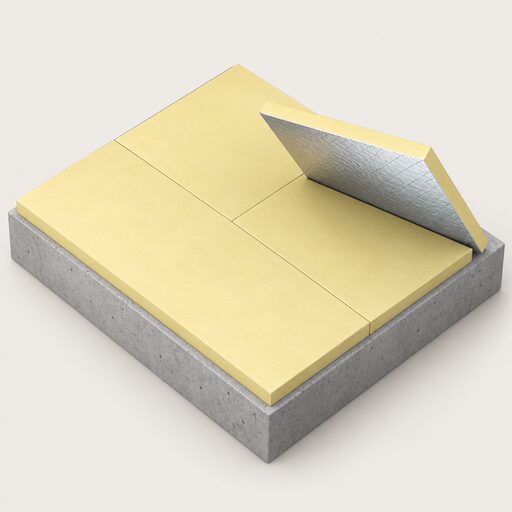 Floor InsulationHow much warmth escapes through the floor, and is it worth insulating?
 Insulation Savings and PaybackHow much can you really save by adding insulation, and does it depend on your home, your heating and how you use it?
 Overheating and Solar GainWhy do well-insulated homes get too hot in summer, and which windows cause the worst solar gain?
 Overheating and Hot WeatherIs your home getting uncomfortably hot in summer, and is there anything you can do about it?