In this guide
Getting Started with Home Energy: The Full UK Guide to Where to Begin, What Order and What It Pays Back
The first step in making a home more energy efficient is to find out how it performs now. Official guidance in Northern Ireland describes the Energy Performance Certificate (EPC) as "a good starting point" for improving a property1. Each UK nation also has free advice services and online tools that turn a home's details into an action plan. In England, the government is introducing Home Energy Advice, a single entry point on GOV.UK. It is meant to help homeowners, landlords and tenants find tailored, impartial and trusted advice2.
On cost, the English Housing Survey estimated that in 2024 the average cost to improve a dwelling to at least energy efficiency band C was £7,480 across all tenures3. On savings, the UK Government said in September 2022 that upgrades under its Help to Heat programmes would save low-income households around £400 to £700 a year at the prices of the time4. The ECO4 scheme response put the possible bill reduction for the least efficient homes at up to £1,6005.
The usual sequence is assessment, then a plan, then a grant check, then the work. Advice is free in every nation. NI Energy Advice is free and impartial for all households in Northern Ireland6. Home Energy Scotland gives free and impartial advice funded by the Scottish Government7. This page covers each stage and links to the detailed guides that sit beneath it.
Assessing a home: what it involves and how it works
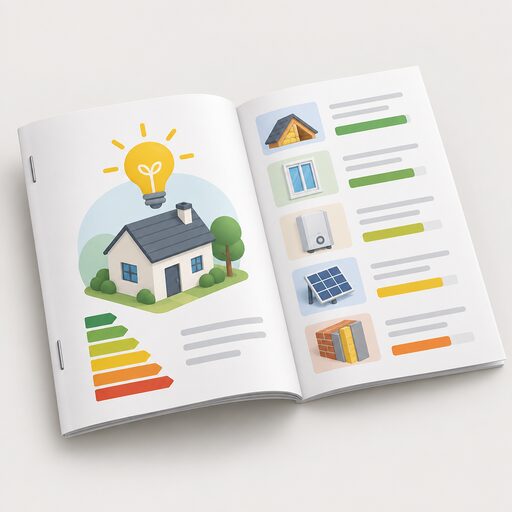
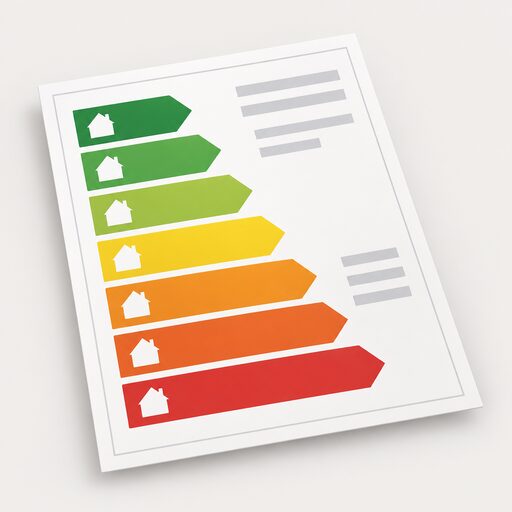
"Getting started" is a process, not a product. It begins with finding out how a home performs, moves on to deciding what to change and in what order, and ends with checking that the change worked. The thing being measured is the home's energy performance. The UK Government's new calculation method for this is the Home Energy Model, described as "a calculation methodology designed to assess the energy performance of homes"10. An EPC is the form in which most households see such a calculation. The guide to using an EPC and its recommendation report explains how to read one.
The next layer is an online planning tool. These tools ask about the property, estimate how efficient it is and list the changes that would reduce energy use. The Housing Executive in Northern Ireland says its home energy saving tool "can help you understand how energy efficient your home is and what changes could help reduce energy use"6. It can also be used "to create an action plan to make your home more energy efficient"11. In Wales, Bridgend council offers Homewise. It produces a tailored retrofit action plan with an indicative EPC rating and a breakdown of the cost of any work and the potential savings12. Cornwall Council offers the same tool and describes it as giving energy saving advice to help save money on bills and improve the home's energy rating13. The page on the home energy efficiency tool sets out what these services can and cannot tell a household.

Human advice is the third layer. Some councils run their own services. South Cambridgeshire's Action on Energy "provides communities with advice and support for improving home energy efficiency"14. For larger projects, a paid home energy assessment or a whole house plan goes further than any free tool. In practice the process runs roughly as follows:
- Find the home's EPC and baseline its energy use from bills and meter readings.
- Use a free tool or advice line to produce an action plan.
- Check grant eligibility before any work is commissioned.
- Carry out the work in a logical order of improvements.
- Measure the results and keep the paperwork.
Belfast City Council's summary of available help shows the kind of work that usually results. It lists grants for householders installing loft insulation, cavity wall insulation and a new boiler or heating system15.
Types of improvement and types of home
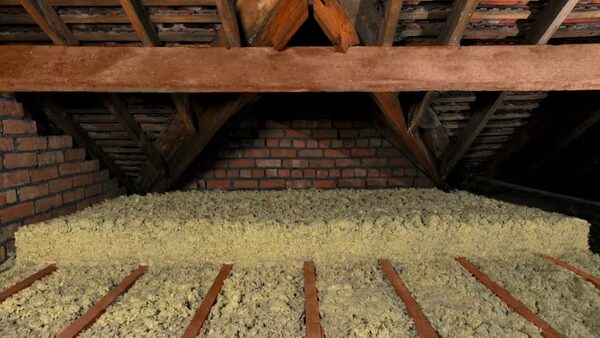
Home energy measures fall into a few broad groups. Official sources classify them in slightly different ways, and this affects how a plan is written.
Fabric measures
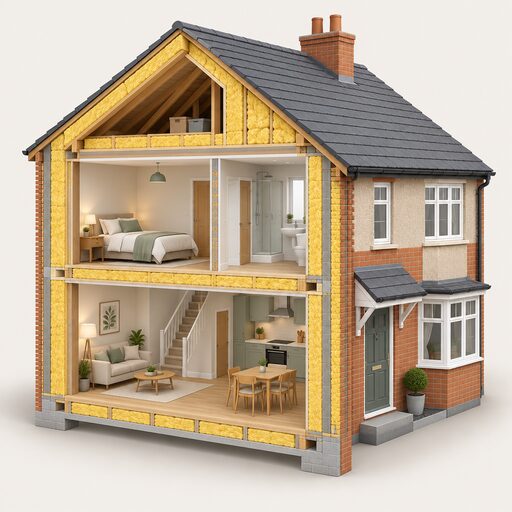
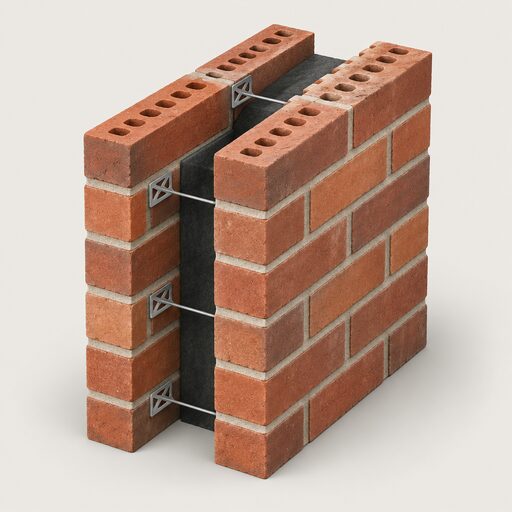
The government's 2025 impact statistics, drawing on the Climate Change Committee's seventh carbon budget, define "large energy efficiency measures" as cavity wall, solid wall, loft and floor insulation. They record that 5.5 million UK homes are recommended to have them by 204016. These are the measures a fabric first approach tackles before heating. The page on where a UK home loses heat explains why.
Heating systems
The Scottish Government's January 2025 response on EPC reform sets out a Heating System Type Rating that sorts systems by emissions category17:
| Category | Examples given |
|---|---|
| Clean | Electric (heat pump, storage heaters, direct electric), solar, hydrogen, heat network |
| Renewable | Bioenergy |
| Hybrid | Hybrid systems |
| Polluting | Gas, oil, coal and similar |
| Peat | A specific category for peat main heating systems |
What a rating measures
The Climate Change Committee has recommended that domestic EPCs carry four primary metrics "using real-world units, and clear simple names"18. The four correspond to the four questions any household plan has to answer.
| Metric | What it measures | Unit |
|---|---|---|
| Energy | Total energy use intensity | kWh/m2/yr |
| Fabric | Space heating demand intensity | kWh/m2/yr |
| Heating | Heating system type, ranked from 1 to 6 | Category |
| Cost | Energy cost intensity | £/m2/yr |
Home types
The starting position varies by property. The Office for National Statistics found that in the year to March 2025 flats and maisonettes were the most energy efficient property type in England and Wales, with a median score of 7419. The same release breaks down energy efficiency, carbon dioxide emissions and main heating fuel by property type, tenure and age, for national and subnational areas20. Official statistics on new dwellings are split in the same way, by property type, heating system and key efficiency characteristics21. The guide to where to start by home type applies this to flats, terraces, semis, bungalows and rural homes.
EPCs themselves come in two types under the Scottish 2008 regulations. One is for dwellings and one is for all other building types22. The Home Energy Model is the method intended for the domestic type23.
Appliances and lighting
Small measures sit alongside the large ones. Northern Ireland's official guidance on appliances says to "look out for the energy ratings label and think about the size of the appliance that you need"24. On lighting, it states that if every UK home installed three energy efficient bulbs, the saving would be enough to power all the UK's street lights25. These measures are covered under quick wins and no-cost measures and LED vs halogen lighting.
Ventilation is part of the picture too. The Climate Change Committee said in 2019 that new homes should have "ultra-high levels of energy efficiency alongside appropriate ventilation"26. The existing stock is some way from that. A House of Commons Library briefing reports that 36% of homes in England heated by electricity are in energy efficiency bands A to C27.
Costs: £7,480 on average to reach band C in England
The most recent official headline figure is from the English Housing Survey. In 2024 the estimated average cost to improve dwellings to at least energy efficiency band C was £7,480 across all tenures3. It is an average over very different homes, so an individual property may cost far less or far more. A guide to what a whole-house retrofit costs deals with the wider range.
The target changes the cost sharply. A Scottish Government consultation of April 2017 on minimum standards for private rented housing gives two averages. Raising all stock to an EPC of E was estimated at £1,110 per dwelling on average. Raising dwellings rated E, F and G directly to D was estimated at £2,140 per dwelling28. These figures are older, cover Scotland's private rented sector only and aim at lower bands than C. They are not comparable with the English figure. What they do show is that each band higher costs more per home, which is why setting a target comes before pricing the work.
| Estimate | Figure | Scope and date |
|---|---|---|
| Average cost to reach at least band C | £7,480 | England, all tenures, 20243 |
| Average cost to raise all stock to EPC E | £1,110 per dwelling | Scottish private rented sector, 2017 consultation28 |
| Average cost to raise E, F and G homes to D | £2,140 per dwelling | Scottish private rented sector, 2017 consultation28 |
| Landlord cost cap under the minimum standard | £3,500 including VAT | Domestic private rented property guidance8 |
Landlords face a regulatory ceiling. Under the domestic minimum energy efficiency standard guidance, a landlord is not currently required to spend more than £3,500 (including VAT) on energy efficiency improvements8. Tenants can read more in where to start if you rent.
What the work pays back
Savings estimates depend on the home and on energy prices when the estimate was made. In September 2022 the government said upgrades under its Help to Heat programmes would help low-income households save around £400 to £700 a year at the prices of the time4. The government response on ECO4 said the reduction could be up to £1,600 for the least efficient homes5. In 2017, when prices were much lower, the Climate Change Committee put potential future household savings from further efficiency improvements at around £150 on average, or more if wholesale costs continued to rise29. The three figures differ because of who they cover (low-income homes, the worst homes, the average home) and because of the price of energy at the time each was made.
At national scale, the Welsh Government's draft heat strategy discusses an estimated £15 billion programme over 10 years to improve the energy efficiency of homes in Wales30. For household-level comparisons, see payback periods compared, how much could I save by improving my home and where to start when the budget is very small.
Grants and schemes in England, Scotland, Wales and Northern Ireland
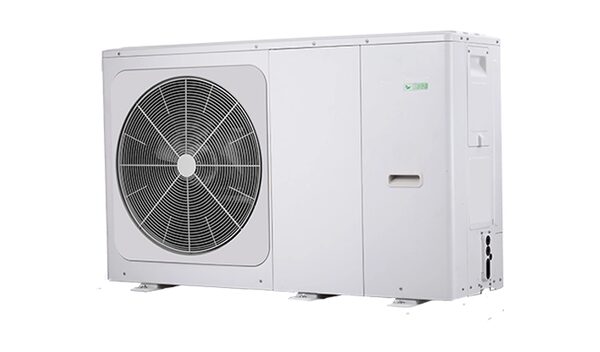
Grant help is devolved, so the first question is which nation the home is in. One route applies across Great Britain. Ofgem's guidance on help with bills lists energy supplier schemes and grants for "making energy-saving improvements to your home"31. The schemes below sit on top of that.
| Nation | Main routes named in official sources | Who they are for |
|---|---|---|
| England | Warm Homes: Local Grant, delivered by local authorities32 | Low-income households in the worst quality privately owned homes32 |
| Scotland | Home Energy Scotland Grant and Loan Scheme33; Area Based Schemes through councils34 | All domestic owner-occupiers for the grant and loan scheme33 |
| Wales | Optimised Retrofit Programme and Warm Homes Nest scheme9 | Low-income households9 |
| Northern Ireland | Grants reached by referral from NI Energy Advice35 | Domestic householders35 |
England
The Warm Homes: Local Grant is a government-funded scheme delivered by local authorities. It provides grants for energy performance upgrades and low carbon heating to low-income households living in the worst quality, privately owned homes in England32. Cornwall Council describes it as helping low-income households in England to improve energy efficiency and install low-carbon heating36. The government's consumer protection consultation confirms that it covers low-income owner-occupied and private rented sector households2. In London, the Mayor's Warmer Homes programme aims to improve energy efficiency in thousands of homes across 31 boroughs37. The government publishes statistics on installations under the scheme38, and a further release is announced for October 202639.
The closed scheme is part of a wider pattern. A Commons select committee report cites Citizens Advice analysis from 2021 which found at least 12 different consumer schemes covering energy efficiency, low carbon heat and small-scale energy generation42. That fragmentation is one reason for the single GOV.UK advice entry point2. Details are in free home energy advice in England and the page on the GOV.UK find ways to save energy tool.
Scotland
GOV.UK's Boiler Upgrade Scheme page notes that people living in Scotland "might be able to get an interest-free loan or a grant" to make their home more energy efficient43. The Scottish Government's 2024 progress report says the Home Energy Scotland Grant and Loan Scheme provides grants and loans to all domestic owner-occupiers in Scotland to install clean heat and energy efficiency measures33. Area Based Schemes are run by councils. West Lothian's scheme, run in partnership with the Scottish Government, offers grant funding focused on solid wall insulation and other measures for homes that are hard to treat because of non-standard construction34. Edinburgh's council points residents to the Home Energy Scotland Funding Finder to search for funding and support44.
The Energy Saving Trust administers these Scottish grant and loan schemes. Its contract began on 1 December 2023 and the initial term runs until November 202645. See free home energy advice in Scotland.
Wales
The Welsh Government stated in March 2026 that its Optimised Retrofit Programme and Warm Homes Nest scheme "collectively provide more than £130 million a year for free energy efficiency improvements to low-income households"9. Nest has long combined works with advice. A 2013 ministerial statement describes it as providing advice on being more energy efficient, debt advice, access to benefit entitlement and a package of home energy improvements for the most vulnerable people in the least efficient properties46. The Warm Homes Programme delivers home energy efficiency improvements to eligible households47. See Nest and free home energy advice in Wales.
Northern Ireland
The route in Northern Ireland runs through the advice service. NI Energy Advice offers independent and impartial advice to domestic householders, "plus referrals to energy grants and other sources of help"35. Belfast City Council lists grants for loft insulation, cavity wall insulation and a new boiler or heating system15. See free home energy advice in Northern Ireland.
Bill support is separate from improvement grants. The Energy Price Guarantee, for example, applied to households across the UK48. It lowered bills without changing the homes themselves.
The rules that apply
Anyone starting energy work will meet three sets of rules: building regulations, minimum standards for rented homes, and proposed duties on owner-occupiers.
Building regulations. Building Control Northern Ireland states the purpose plainly. The regulations exist so that all householders have "a safe and healthy home in which to live and a home which is energy efficient"49. In England, Approved Document L requires that a new dwelling's primary energy rate, emission rate and fabric energy efficiency rate must not exceed their respective target rates50. Building regulations set the standards for the energy performance of new dwellings, and official statistics track the results21. The Welsh Government's Part L 2025 review sought views on plans to improve energy efficiency standards in new and existing homes and buildings51. Existing homes are affected when controlled work is done. This matters when combining energy work with a renovation or extension.
Rented homes. In England and Wales, the domestic minimum energy efficiency standard applies to private rented property, with the £3,500 cost cap including VAT8. The government's response on a reformed Decent Homes Standard adds a safety condition.
"any measures taken to meet energy efficiency requirements such as heating system upgrades or insulation must comply with relevant building and fire safety regulations and preserve essential safety features"
Owner-occupiers in Scotland. The Scottish Government has consulted on a Heat in Buildings Bill that would "introduce a new law that will require homeowners to make sure that their homes meet a reasonable minimum energy efficiency standard by 2033"53. The earlier Heat in Buildings Strategy had already stated the aim of setting new rules for houses that people own and live in, so that they use energy in the best way they can54. These are proposals, not duties in force.
New homes and what comes next. The Future Homes and Buildings Standards consultation lists among its priorities reducing energy demand "by requiring high performing building fabric and building services in new buildings, thereby improving energy security"55. Northern Ireland's 2023 building regulations discussion document proposes that a Home User Guide should contain non-technical advice on operating and maintaining a dwelling in a healthy and energy efficient manner56. That document is useful to anyone moving home.
Councils. English local authorities report under the Home Energy Conservation Act 1995. The reports set out the energy conservation measures each authority considers practicable, cost-effective and likely to result in significant improvement in the energy efficiency of residential accommodation in its area57. This is why councils run advice services and grant schemes. The Climate Change Committee's position on new build is set out below.
"New homes should be built to be low-carbon, energy and water efficient, and climate resilient."
Sizing, sequencing and installing the work
A plan is sized in the sense that each measure is matched to the home and to the measures around it. The Homewise plan illustrates this at household level. It gives an indicative EPC rating, a cost breakdown and potential savings for the specific property rather than a generic list12. Sizing matters most for heating, where the heat a home needs depends on the fabric around it. This is why the pages on insulation before a heat pump and what order retrofit measures should be done in exist. It also matters for electrical work, where a supply capacity check comes before adding a heat pump, charger or battery.
The same logic applies at the scale of a single appliance. The official Northern Ireland advice is to read the energy ratings label and "think about the size of the appliance that you need"24. An appliance larger than the household needs uses energy for capacity that is never used. See which appliances use the most electricity.
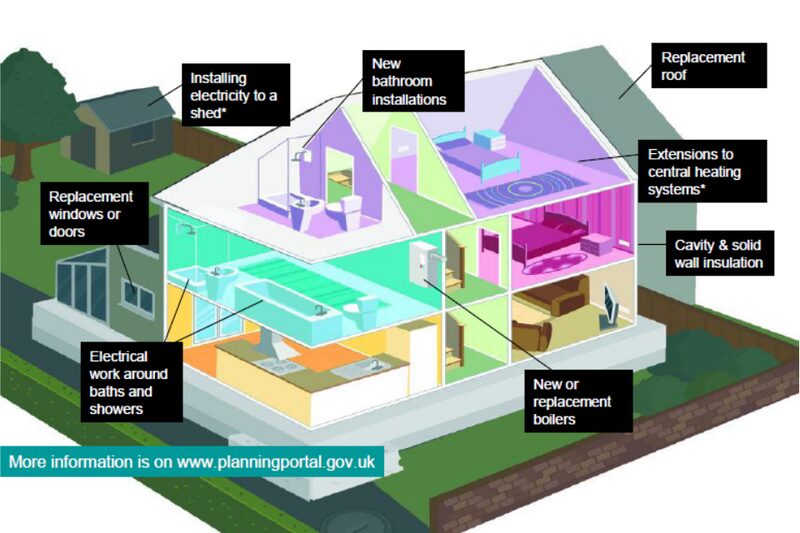
Permissions come before installation. The Planning Portal puts it as follows.
"Understanding the planning and building regulations is crucial for safe, efficient installations and accessing incentives"
Some councils publish checklists to help. Bath and North East Somerset's permitted development checklist is intended to help householders know which energy efficiency and renewable energy measures can be installed without submitting a planning application60. That document dates from 2015 and applies to one English authority. Rules differ between nations and change over time, so a current local check is part of the process.
The decisions a household typically faces at this stage are:
- whether to retrofit all at once or in stages;
- which jobs fall under DIY and which need a professional;
- whether the project needs a retrofit assessor or coordinator;
- how to avoid the common mistakes made when starting.
Prices for individual works are quoted by installers. No published price list is given here.
Advice services and organisations operating in the UK

Getting started is not a manufactured product, so there are no brands in the usual sense. What a household meets instead is a set of advice organisations and tools. They are described here and not ranked.
| Service | Area | What it offers | Contact |
|---|---|---|---|
| Home Energy Scotland | Scotland | Free and impartial advice funded by the Scottish Government; referral partner for Area Based Scheme enquiries7 | 0808 808 2282, Monday to Friday 8am to 8pm, Saturday 9am to 5pm34 |
| NI Energy Advice | Northern Ireland | Free, impartial advice for all households; funded by the Department for Communities, delivered by the Housing Executive6 | 0800 111 4455; nienergyadvice@nihe.gov.uk6 |
| Energy Saving Trust | UK | Free and impartial advice on reducing carbon emissions, using water more sustainably and saving money on energy bills61 | Helpline 0300 123 123461 |
| Nest | Wales | Advice plus home energy improvements for the most vulnerable in the least efficient homes46 | See the Nest page |
| Homewise | Council areas including Bridgend and Cornwall | Tailored retrofit action plan with indicative EPC, costs and savings12 | Through the council |
| Action on Energy | South Cambridgeshire area | Advice and support for improving home energy efficiency14 | Through the council |
| Home Energy Advice | England (GOV.UK) | Single entry point for tailored, impartial and trusted advice2 | GOV.UK |
Ofgem's guidance notes that calls to Home Energy Scotland are free from landlines and most mobile networks, and that its advice covers both energy efficiency and renewable energy62. NI Energy Advice is explicit about who it serves.
"NI Energy Advice is for all households across Northern Ireland."
Callers do not need to be Housing Executive tenants. The topics covered include grants, heating and energy use, bills and fuel poverty support, damp and ventilation, insulation, renewable energy, changing supplier and heating-oil savings6. The service also refers householders to grants63. Edinburgh's council directs residents to the Energy Saving Trust for advice on energy at home and a guide to green renovation that puts energy efficiency first, room by room44. Fuller profiles are on the pages for Home Energy Scotland, NI Energy Advice and regional retrofit advice services.
The scale of the task explains why so many bodies are involved. A Commons committee report of March 2021 referred to around 19 million UK properties in need of some energy efficiency upgrade64. The Heat and Buildings Strategy of October 2021 covers the UK's 30 million homes and workplaces65. The Climate Change Committee has reported that energy use in homes accounts for 14% of total UK emissions and increased between 2016 and 201758. A publication it hosts states: "England needs a comprehensive home energy retrofit scheme."66
What it does for a home's energy independence
Reducing demand is the base on which the rest of household energy independence is built. A home that needs less heat buys less gas, oil or electricity. It also needs a smaller heating system and less generation or storage to cover a given share of its own use. The Climate Change Committee's assessment of the Heat and Buildings Strategy makes the same argument at national level. It says that delivering the strategy's goals would help protect UK consumers from future price spikes and increase energy security. This would come about by reducing energy needs and by shifting demand from gas to electricity, which in future will be predominantly supplied from UK-based renewable generation67. The Future Homes and Buildings Standards consultation also ties high performing fabric to "improving energy security"55.

The limits are equally plain:
- An efficient home is still connected to the grid and, in most cases, to a supplier and a tariff. Efficiency reduces how exposed the household is to those. It does not end the dependence.
- Moving from gas to electric heating swaps one network for another. The security benefit the Climate Change Committee describes depends on future UK-based renewable generation67.
- Only 36% of electrically heated homes in England are in bands A to C27. Electrifying heat without improving the fabric can leave a household with high running costs.
- Grants depend on public budgets and on contracts with fixed terms. The closed Green Homes Grant40 and the November 2026 end of the initial Scottish administration contract45 are examples.
- The advice services are free6, but they are publicly funded and available by phone and online. They are not a permanent entitlement.
For a household, getting started well gives a measured baseline, a plan in a sensible order and evidence of the result. Later steps towards self-supply can be judged against these. The guides to planning for energy independence and solar, a battery or a heat pump first take the subject further. Home Energy Scotland and its equivalents in each nation provide free advice at every stage44.
Sources67 cited
- Low carbon heating, nidirect
- Reforming consumer protection for home upgrade schemes: consultation document, GOV.UK, 2026-06-17
- English Housing Survey 2024 to 2025: headline findings on housing quality and energy efficiency, GOV.UK, 2024
- £1.5 billion to improve energy efficiency and slash bills, GOV.UK, 2022-09-29
- ECO4 government response, GOV.UK, 2022-04-01
- Energy advice, Northern Ireland Housing Executive
- Home energy efficiency, Argyll and Bute Council
- Domestic private rented property: minimum energy efficiency standard landlord guidance, GOV.UK, 2017-10-01
- Thousands of Welsh households get help with oil and LPG heating costs, Welsh Government, 2026-03-31
- Home Energy Model technical paper: heat pump methodology, GOV.UK, 2026-01
- Home Energy Saving Tool, Northern Ireland Housing Executive
- Home energy efficiency, Bridgend County Borough Council
- Want to make green improvements to your home?, Cornwall Council, 2025-05-21
- ECO4 Flex, South Cambridgeshire District Council
- Home heating, Belfast City Council
- Energy infrastructure needs assessment statistics 2025: heat and buildings, GOV.UK
- Energy Performance Certificate reform consultation: government response, Scottish Government, 2025-01
- Letter: reform of domestic EPC rating metrics, Climate Change Committee
- Energy efficiency of housing in England and Wales: 2025 (article), Office for National Statistics, 2025-03
- Energy efficiency of housing in England and Wales: 2025 (release), Office for National Statistics, 2025-10-28
- Energy efficiency characteristics of new dwellings, GOV.UK, 2026-02-04
- Domestic EPC reform consultation, Scottish Government, 2021-07-23
- Energy Performance of Buildings (Scotland) Regulations 2025: update and government response, Scottish Government, 2025-10-10
- Choosing energy efficient products, nidirect, 2025-04-09
- Energy efficiency tips, nidirect
- UK homes unfit for the challenges of climate change, Climate Change Committee, 2019-02-21
- Fuel poverty research briefing, House of Commons Library, 2025
- Minimum standards of energy efficiency in private rented sector housing: partial business assessment, Scottish Government, 2017-04
- Green policies and the typical household energy bill: CCC analysis, Climate Change Committee, 2017-08-03
- Draft heat strategy for Wales, Welsh Government, 2023-08
- Get help with your energy bills, Ofgem
- Warm Homes: Local Grant statistics, August 2026, GOV.UK, 2026-08
- Heat in Buildings progress report 2024, Scottish Government, 2024-10-10
- Energy Efficient Scotland: Area Based Schemes, West Lothian Council
- Energy saving grants in your area, nidirect
- Housing decarbonisation programme, Cornwall Council, 2026-06-18
- Warmer Homes, Greater London Authority
- Warm Homes: Local Grant statistics, February 2026, GOV.UK, 2026-02-26
- Warm Homes: Local Grant statistics, October 2026 (announcement), GOV.UK, 2026-09-07
- Green Homes Grant scheme, GOV.UK, 2021-03-31
- Heat pump deployment quarterly statistics, United Kingdom, 2025 Q3, GOV.UK, 2025-12-04
- Energy Security and Net Zero Committee report, UK Parliament
- Apply for the Boiler Upgrade Scheme, GOV.UK
- Financial help for energy efficiency and low carbon heating improvements, City of Edinburgh Council
- Freedom of information release 202500462873, Scottish Government, 2025-07-22
- Written statement: Welsh Government energy efficiency programmes update, Welsh Government, 2013-12-19
- Buildings and utilities news round-up, March 2023, Welsh Government, 2023-03-01
- Energy Price Guarantee scheme documents, GOV.UK, 2022-10-31
- Frequently asked questions, Building Control Northern Ireland, 2026
- Approved Document L, Volume 1: Dwellings, 2021 edition incorporating 2023 amendments, GOV.UK
- Building Regulations Part L: 2025 review, Welsh Government, 2025-08-26
- Reformed Decent Homes Standard: government response, GOV.UK, 2026-01-28
- Proposals for a Heat in Buildings Bill, Scottish Government, 2026-01-29
- Heat in Buildings Strategy: easy read, Scottish Government, 2022-03-07
- The Future Homes and Buildings Standards: 2023 consultation, GOV.UK
- Building regulations discussion document 2023, Department of Finance (Northern Ireland), 2023-10-11
- Home Energy Conservation Act reports, GOV.UK, 2013-10-10
- UK housing: Fit for the future?, Climate Change Committee, 2019-02
- Sustainable home energy solutions, Planning Portal, 2024-09-02
- Energy efficiency retrofitting and renewables permitted development checklist, Bath and North East Somerset Council, 2015-01
- Energy efficiency advice, Torridge District Council
- Domestic RHI: who to contact, Ofgem
- Heating technologies to suit your home, nidirect
- Environmental Audit Committee report on energy efficiency of existing homes, UK Parliament, 2021-03-22
- Heat and buildings strategy, GOV.UK, 2021-10-19
- Climate policy that cuts costs: international policy comparison, Climate Change Committee
- Independent assessment: the UK's Heat and Buildings Strategy, Climate Change Committee, 2022-03-16