
In this comparison
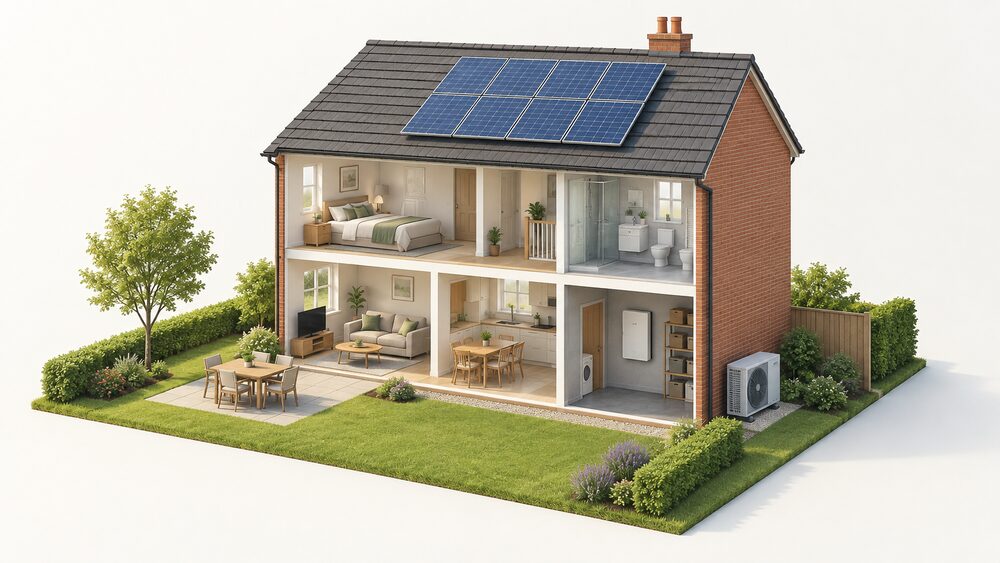
For most UK homes the practical order is solar panels first, then a battery, then a heat pump. Solar is the only one of the three that generates its own income stream, through the electricity it displaces and through export payments, and it is the one that makes the other two cheaper to run once they arrive. Independent guidance is direct on the point: if you already have solar panels, you can save more by using the free energy they generate to power your heat pump1.
The order is not a rule, and it is not enforced by any scheme. Official guidance confirms that heat pumps which integrate with solar photovoltaic systems are eligible under the Boiler Upgrade Scheme, so grant funding does not force a sequence2. What drives the sensible order is the shape of each technology: solar produces electricity when the sun is out, a battery moves that electricity to when it is needed, and a heat pump converts electricity into heat at a rate of up to three times the energy it consumes3.
The trade-off is cost and disruption. Independent research found that high upfront costs mean combined heat pump, solar and battery systems do not always provide the strongest financial return at current technology costs, even where the bill reductions are large4. That is the honest framing: the sequence matters less than whether the fabric of the home, the tariff and the electrical supply can carry all three.
What each technology does for a household
The three technologies do different jobs, and confusing them is the main reason households stall on the decision.
Solar photovoltaic panels convert sunlight directly into electricity, which can be used in your building7. That electricity can run anything on the circuits, including a heat pump, and it reduces how much electricity is drawn from the grid8. Solar thermal is a separate technology: panels that heat water rather than generate electricity. Official guidance states that solar thermal equipment can generate between 55% and 70% of a home's hot water requirements, reducing a home's carbon footprint6, and a Northern Ireland government guide puts the figure at up to 60 per cent of a household's domestic hot water needs over a year9. The two figures come from different documents and different assumptions, and they are not directly comparable.
A battery stores electricity for later. Independent guidance describes combining solar panels with a home battery to store free, renewable electricity to power your heat pump, making the household less reliant on grid electricity10. A heat pump, by contrast, provides heating and hot water for the home, drawing heat from air, ground or water and using electricity to move it rather than burning a fuel11.
Why solar panels usually come first
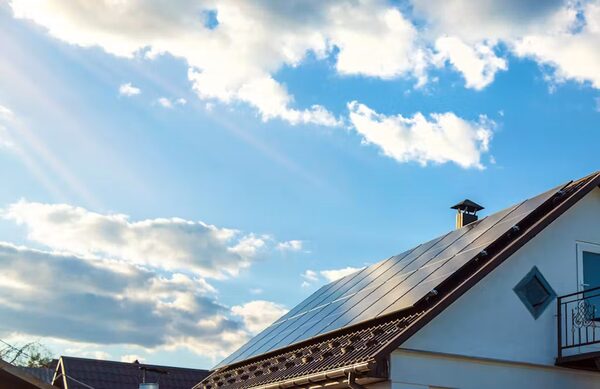
Solar comes first for three reasons: it produces something the other two consume, it is the least disruptive to install, and it starts earning from the day it is commissioned.
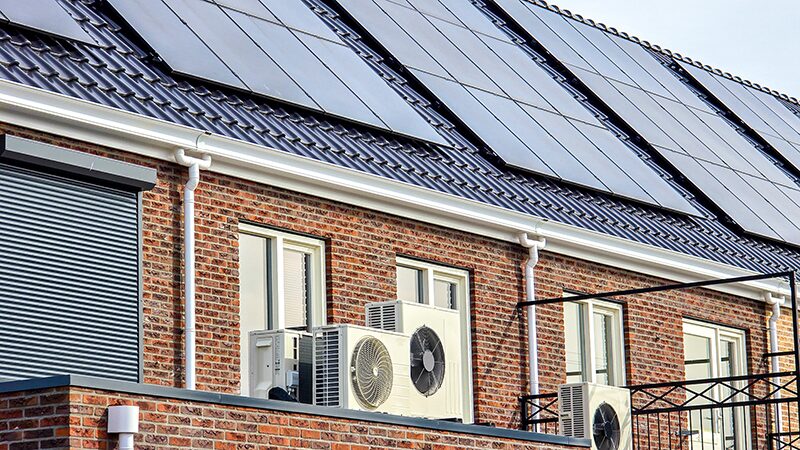
The generation point is the strongest. Independent guidance states that you can use solar panels to generate electricity that can help power a heat pump, and that this reduces how much electricity you buy in8. A heat pump without solar runs entirely on imported electricity. A heat pump with solar runs partly on self-generated electricity, and independent guidance notes that a solar battery can increase your savings even further by storing the sun's energy to power your heat pump later in the day1.
There is also a tax treatment that favours doing solar and storage together. Official guidance sets out that where the installation is carried out at the same time, the customer perceives that it is receiving a single supply, and the battery is a better means of enjoying the principal supply of solar panels, the battery is included in the single supply of the solar installation for VAT purposes13. The same guidance records that it was necessary to include the cost of all materials relating to the solar panel and battery and which were left in place after the installation14. That is a condition to check with an installer, not an automatic outcome.
The practical precondition is the roof. Official guidance states plainly that your roof must be in good condition15. Building regulations will normally apply to installing solar panels on your roof16, and one of the reasons is the additional loading on the roof structure16. Building Regulations approval is likely to be needed to add a solar panel to the roof of a home17. In Northern Ireland, permitted development for roof-mounted solar PV or solar thermal equipment carries a condition that the primary purpose of the equipment would be to provide heat or energy for use within the curtilage of the dwellinghouse18.
Where a battery fits in the sequence
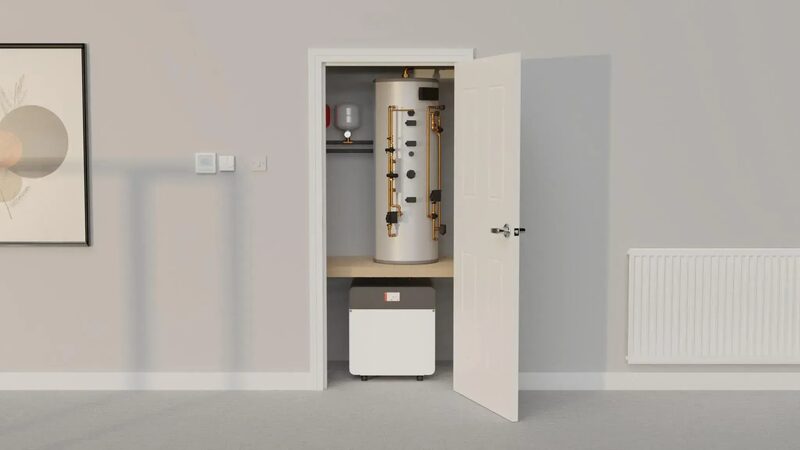
A battery sits between solar and a heat pump because it solves a timing problem. Solar generates in the middle of the day; heating demand peaks in the morning and evening. Independent guidance describes the battery's role as storing free, renewable electricity to power your heat pump later, making the household less reliant on grid electricity10.
The tariff is where the battery earns its place. Independent guidance recommends a dedicated solar and battery tariff, or a good export tariff matched with a dynamic import tariff or an Economy 7 tariff21. For a household running a heat pump, the same guidance suggests a heat pump tariff that includes a peak rate, using the battery to power the heat pump during expensive periods21. That is a statement about tariff design, not a recommendation of any particular product or supplier.
Storage is not only electrical. Independent reporting describes heat battery technology developed by a Scottish innovator which stores energy using a phase change material, used in properties such as flats with space constraints instead of hot water cylinders22. That matters for households without room for a cylinder or a large electrical battery.
The counterweight is cost. Independent research found that high upfront costs mean these systems do not always provide the strongest financial return at current technology costs4. A battery added before a heat pump is therefore a bet on future tariff shapes as much as a present saving.
When a heat pump makes sense as the first step
There are cases where the heat pump comes first, and they are usually about the heating system rather than the electricity supply.
If the existing heating is at the end of its life, replacing it with a heat pump avoids paying twice. Independent guidance notes that in all cases, replacing an existing fossil fuel heating system with a heat pump will save carbon emissions, with the amount depending on the size of your home and the type of heating system being replaced1. Official guidance puts the carbon saving at up to 65% compared with a gas boiler5. Independent guidance describes heat pumps as much more energy efficient than boilers and electric heating11, and official guidance states they are typically over three times more efficient than the most efficient gas boilers or electric heaters23.
Fabric comes before either. Independent guidance states that topping up your home's wall, floor and loft insulation before installing a heat pump will help reduce its running costs1. That is the same logic as a fabric first approach, and it applies whether the heat pump or the solar comes first.
Heat pumps also work with existing emitters more often than households expect. Independent guidance states that heat pumps can work with radiators or underfloor heating, but some types can work without either8. Where a heat pump is the first step, the household is buying lower-carbon heat immediately and adding self-generation later.
How the three work together: solar powering a heat pump
The combination is where the numbers get interesting, and where the evidence is strongest.
Independent research found that in some cases, energy bills were reduced by more than 80% compared with a gas-heated home on a standard tariff when a heat pump, solar panels and battery storage were operated on an appropriate tariff4. The same research found that the savings identified do not rely on households changing their heating patterns or actively altering their behaviour to respond to tariff signals4. Official guidance states that installing solar PV and battery storage, alongside a heat pump, can significantly lower bills in all cases24.
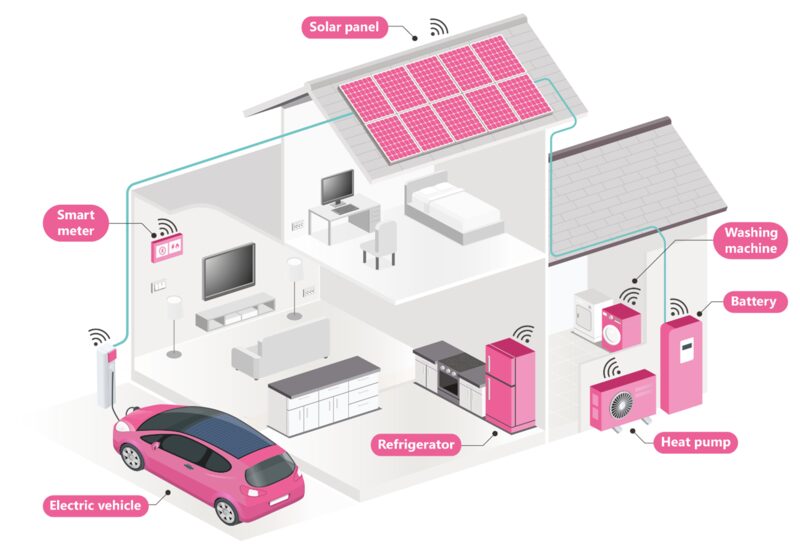
The mechanism is straightforward. Solar generates electricity, the battery shifts it to the evening, and the heat pump converts it into heat at a ratio of more than one unit of heat per unit of electricity. Independent guidance describes heat pump technology as transferring energy from outside to heat your water, using electricity but delivering more heat energy than the electrical energy used25. Official guidance describes heat pumps as using electricity to draw a larger amount of heat from either air, ground or water26.
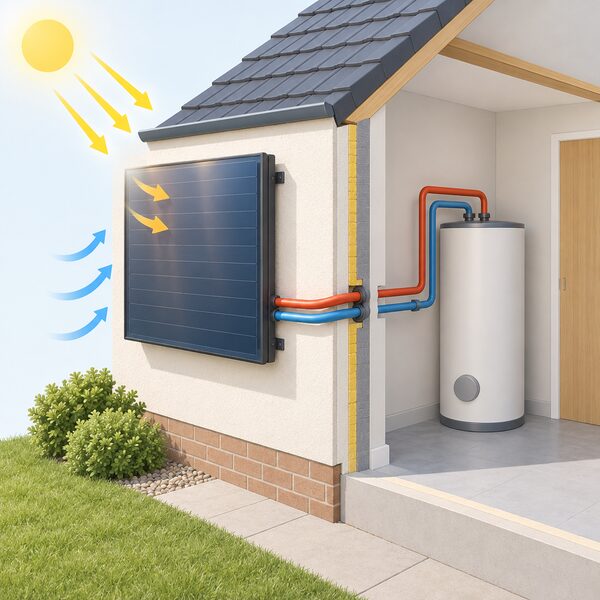
There is a distinct product category worth separating out. A solar assisted heat pump has a large, flat evaporator panel that absorbs heat from sunlight falling directly onto it and from the air around the panel25. It heats water by absorbing heat from direct sunlight and from the air25, and typical domestic installations only need one or two evaporator panels25. These are generally used for heating water rather than the rooms in your home25. The savings depend on how much hot water you use and what system you currently use to heat your hot water25.
"A solar assisted heat pump has a large, flat evaporator panel that absorbs the heat from sunlight falling directly onto it and from the air around the panel."
What a heat pump does and does not change about solar output
A heat pump does not change how much electricity a solar array produces. It changes how much of that electricity is used on site rather than exported, and it changes the household's total electricity demand.
The distinction matters because the two technologies are often described as if one boosts the other. Independent guidance states that heat pumps are much more energy efficient than boilers and electric heating11, and that heat pumps provide your home with energy efficient, low carbon heating10. None of that alters the panel's output. What it alters is the value of each kilowatt hour generated, because a unit of electricity used to run a heat pump delivers more heat than the same unit used in a resistive heater.
Solar thermal is a different case again. Official guidance states that solar water heating works well with heat pumps because together they provide efficient water and space heating, at a more expensive cost12. The cost caveat is part of the finding, not an aside.
On the planning side, Scotland's permitted development guidance confirms that no output limit is applied to air source heat pumps or solar panels27. That is a Scottish position and should not be read across to the other nations.
Cost and payback: how the order affects your bills
There is no published price in the evidence for any of these three measures, and prices are installer-quoted. What the evidence does give is the structure of the bill and the direction of the savings.
Energy bills are built from wholesale costs, network costs, operating, debt and industry costs, EBIT, policy costs, VAT, the type of energy used, the type of meter installed and how you pay28. That matters because solar and a battery act on the wholesale and network components by reducing imported units, while a heat pump changes the type of energy used and the meter's role in the household's costs.
The order affects payback in three ways. First, solar installed before a heat pump means the heat pump's running cost is lower from day one, because part of its electricity is self-generated. Second, a battery installed before a heat pump means the household can shift cheap or self-generated electricity into peak heating hours, which independent guidance links to a heat pump tariff with a peak rate21. Third, doing solar and a battery together can attract single-supply VAT treatment where the conditions are met13.
The honest limit is the one independent research states: high upfront costs mean these systems do not always provide the strongest financial return at current technology costs4. Official guidance confirms the direction of travel, that solar PV and battery storage alongside a heat pump can significantly lower bills in all cases24, but the size of that reduction depends on the tariff, the fabric and the sizing.
For households weighing the sequence against other work, payback periods for home energy measures compared sets out how the measures sit against each other, and checking your electricity supply before adding a heat pump, charger or battery covers the connection question that applies to all three.
Sources29 cited
- Is now a good time to get a heat pump?, Energy Saving Trust, 2025-12-12
- Boiler Upgrade Scheme guidance for installers, Ofgem, 2026-04-28
- Your essential guide to heat pumps, Welsh Government, 2025-02-20
- Supporting households with low carbon technology combinations, Energy Saving Trust, 2026-07-15
- Boiler Upgrade Scheme launch, Ofgem, 2026-09-17
- Solar equipment on residential buildings, Hart District Council, 2025-01
- Solar panels, East Hertfordshire District Council, 2026-09-17
- Heating your home, Energy Saving Trust, 2026-05-19
- Solar thermal panels, nidirect, 2024-10-22
- How to ensure a heat pump runs efficiently, Energy Saving Trust, 2026-05-19
- Advice on renewable technologies, Home Energy Scotland, 2026-09-20
- Renewable heating: what are the options for your home, Energy Saving Trust, 2024-03-01
- VAT energy saving materials: single supply, HM Revenue and Customs, 2026-09-17
- VAT energy saving materials: solar panels and batteries, HM Revenue and Customs, 2026-09-17
- Solar photovoltaic panels, London Borough of Bromley, 2026-09-17
- Solar panels guidance, City of York Council, 2026-09-17
- Building regulations energy efficiency, Planning Portal, 2026
- The Planning (General Permitted Development) Order (Northern Ireland) 2015, legislation.gov.uk, 2015-02-25
- The Planning (General Permitted Development) Order (Northern Ireland) 2015, Schedule Part 2, legislation.gov.uk, 2026-09-17
- Permitted development for solar panels, Cotswold District Council, 2026-09-17
- Tariffs for renewable technology, Energy Saving Trust, 2026-08-12
- Pump it up: innovation in low carbon heating, Energy Systems Catapult, 2022-12-23
- Bristol Warm Homes Plan, Bristol City Council, 2025-04
- Heat pump transition report, Department for Energy Security and Net Zero, 2026-05
- Solar assisted heat pumps, Energy Saving Trust, 2025-06-13
- Heat buildings strategy environmental report, Scottish Government, 2021-02
- Permitted development rights: non-domestic solar panels and domestic air source heat pumps, Scottish Government, 2015-06-22
- Understand your electricity and gas bills, Ofgem, 2026
- How your electricity or gas bill is calculated, Ofgem, 2026
 Whole-Home Energy DesignHeating and hot water use more energy than anything else at home, so that choice shapes everything.
 Order of Energy ImprovementsInsulating and draught-proofing first means you can then buy a smaller heat pump or boiler, so what order saves the most money?
 Baseline Your Energy UseBefore spending money on a heat pump, solar panels or a battery, you need to know what your home actually uses now.
 Check Supply Capacity FirstAdding a heat pump, car charger or home battery can push your electricity supply past what it can safely handle.
 Installation Cost TrendsTracks the published median and average installed costs of domestic solar, heat pumps and batteries and how they have moved.
 AC-Coupled vs DC-CoupledCan you add a battery to your existing solar panels without swapping the inverter, and does one kind waste more of your solar power than the other?