
In this comparison
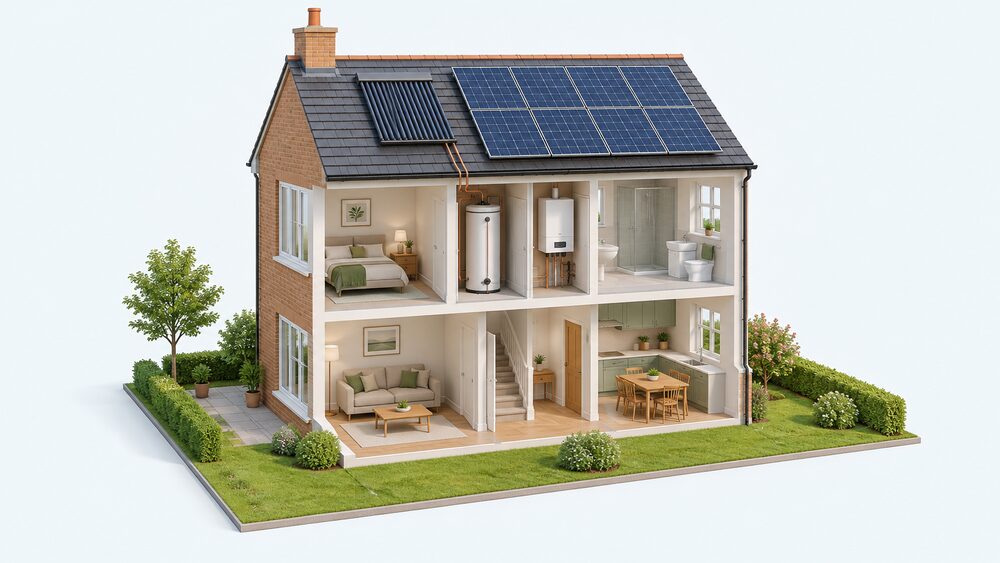
Solar thermal and solar PV sit on the same roof and use the same sun, but they produce different things. Solar thermal, also called solar water heating, uses the sun's rays to heat water rather than generate electricity1. Solar PV uses energy from the sun to create electricity to run appliances and lighting2. One feeds the cylinder, the other feeds the consumer unit.
The distinction matters because it decides what the household gets. Solar thermal equipment can generate between 55% and 70% of a home's hot water requirements, reducing a home's carbon footprint, but it cannot provide 100% of hot water, so a boiler is still required3. Solar PV produces electricity, which can run anything in the house, be stored in a battery, or be diverted to an immersion heater through a solar diverter switch4.
Both technologies share the same permitted development classes in all four UK nations, the same siting conditions and the same VAT relief framework. Where they diverge is in roof area, in what the output can be used for, and in how much of the household's energy dependence they actually remove.
Solar thermal and solar PV: the core difference in one line
Solar thermal uses the sun's rays to heat water supply rather than generate electricity3. Solar PV means solar photovoltaics, and it produces electricity10. That is the whole of the technical split, and everything else follows from it.
Solar water heating systems gather the sun's free energy and convert it into hot water alongside a conventional water heater1. They do this by retaining the heat from the sun's rays and transferring that heat to a fluid, in order to preheat water1. A solar water system comprises three main components: solar collectors, a hot water cylinder and a plumbing system1. The collectors are flat plate or vacuum tube11.
Solar PV takes a different route entirely. It uses energy from the sun to create electricity to run appliances and lighting2. PV systems operate on direct current (DC)12, which an inverter converts for household use. The output is a flow of electrons, not a tank of hot water, and that is why PV can serve lighting, appliances, a battery or an immersion heater, while thermal can only serve the cylinder.
The planning system treats them as one category. Class A permitted development covers the installation, alteration or replacement of solar PV or solar thermal equipment on the roof of a dwellinghouse or any building within its curtilage13. The primary purpose condition is identical for both: the equipment must provide heat or energy for use within the curtilage of the dwellinghouse14. Stand-alone solar, meaning solar PV or solar thermal equipment which is not installed on a building, is defined separately14.
For a household, the practical consequence is this. Thermal reduces gas or oil consumption for hot water and leaves electricity dependence untouched. PV reduces electricity consumption and, with a diverter or battery, can reach hot water as well. Neither removes the grid connection, and thermal in particular leaves the boiler in place.
What each system actually produces: hot water versus electricity
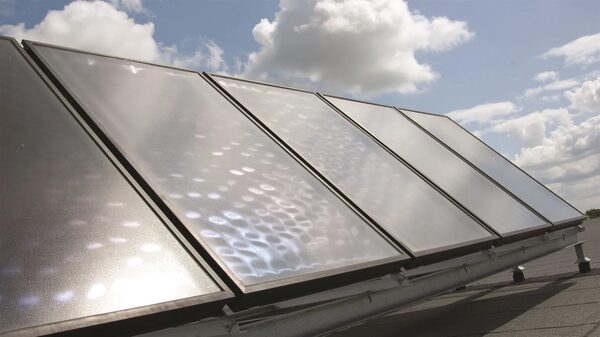
Solar thermal produces heat. Solar thermal equipment uses the sun's energy to produce hot water3, and these systems require roof space with good sun exposure15. The output is measured in litres of preheated water and in the share of the annual hot water demand it covers.
That share is the headline figure. Solar thermal equipment can generate between 55% and 70% of a home's hot water requirements, reducing a home's carbon footprint3. The range is wide because it depends on collector area, orientation, cylinder size and how much hot water the household draws. A larger family with a bigger cylinder and a well-oriented roof sits at the top of that band; a small household with a shaded roof sits at the bottom.
The system works alongside the existing heat source, not instead of it. Solar water heating uses energy from the sun to work alongside your conventional water heater5. It cannot provide 100% of your hot water, so a boiler is still required3. In practice the cylinder is preheated by the sun and topped up by the boiler or immersion when the collector cannot keep up.
Solar PV produces electricity, and its output is far more flexible. Solar Photovoltaic (PV) uses energy from the sun to create electricity to run appliances and lighting2. That electricity can be used immediately, stored in a battery, exported, or routed to the immersion heater. A solar diverter switch can power the immersion heater in your hot water tank for free, storing hot water for you to use later4.
So PV can do everything thermal does for hot water, plus everything else. The trade-off is efficiency of conversion for a single purpose: thermal captures heat directly, while PV converts sunlight to electricity and then to heat in the cylinder, losing energy at each step. For a household whose main concern is hot water volume, thermal delivers more heat per square metre of roof. For a household whose concern is the whole energy bill, PV covers more ground.
"Solar thermal equipment can generate between 55% and 70% of a home's hot water requirements, reducing a home's carbon footprint"
How much roof space and sunlight each technology needs
Roof area is often the deciding constraint, and the two technologies ask for very different amounts.
Solar thermal is the more compact of the two. You will need 3 to 4 square metres of southeast to southwest facing roof receiving direct sunlight for the main part of the day5. That is a small patch, roughly the size of two or three standard panels, and it is specified around direct exposure rather than diffuse light.
Solar PV needs considerably more. A typical PV system of 1.5 to 2 kW peak would require 10 to 15 square metres of appropriate roof space6. That figure dates from 2010 and reflects the lower module efficiencies of the time; modern modules produce more per square metre, but the order of magnitude stands. Most solar PV installations are domestic roof top installations in the 0 to 4 kW capacity range7.
| Solar thermal | Solar PV | |
|---|---|---|
| Roof area | 3 to 4 square metres5 | 10 to 15 square metres for 1.5 to 2 kW peak6 |
| Orientation | Southeast to southwest facing5 | Roof space should be maximised16 |
| Light requirement | Direct sunlight for the main part of the day5 | Daylight, not direct sunlight11 |
| Typical domestic size | One collector array plus cylinder1 | 0 to 4 kW capacity range7 |
The light requirement is where the two are most often confused. Solar PV requires only daylight and not direct sunlight to generate electricity11. PV requires only daylight, not direct sunlight, to generate electricity2. Solar thermal is specified differently: the Planning Portal's domestic guidance is built around direct sunlight for the main part of the day5. MCS Certified states that solar heating panels can still generate heat on cloudy days and during winter17, so thermal is not useless in diffuse light, but its published sizing guidance assumes direct exposure.
For a household, this means a roof that is shaded for part of the day is a weaker candidate for thermal than for PV. It also means the two can share a roof without competing for the same specification: thermal takes the best small patch, PV takes the rest.
Running costs and maintenance compared
Neither technology has significant running costs, but they differ in what wears out and what needs checking.
Solar thermal has a pump station, a controller and a heat transfer fluid. The fluid degrades over time and the pump is a moving part, so the system needs periodic attention. The cylinder is also part of the system: a solar thermal hot water cylinder is designed for use with solar panels and will replace the existing hot water cylinder in retro-fit situations15. That replacement is a cost and a disruption that PV does not impose, and the Planning Portal notes that you will also need space to locate an additional water cylinder if required5.
Solar PV has no moving parts on the roof. The inverter is the main wear item, and the DC nature of the array means isolation and surge protection matter at installation12. Beyond that, maintenance is inspection and occasional cleaning.
The permitted development rules impose a removal obligation on both. Any solar PV or solar thermal equipment no longer used to provide heat or energy shall be removed as soon as reasonably practicable13. The same condition appears in the Northern Ireland legislation14 and in local authority checklists18. It is a decommissioning duty, not a maintenance one, but it means neither technology can simply be abandoned on the roof.
On the financial side, the evidence base is uneven. Solar thermal installations have drawn £19,156,389 in lifetime payments under the domestic renewable heat incentive, against 98.3 GWh of lifetime heat output19. That is a scheme-level figure, not a household one, and it reflects a support scheme that has now closed to new applicants. For PV, the Feed-in Tariffs scheme recorded most installations as domestic rooftop systems in the 0 to 4 kW range7.
What a household should expect in practice: thermal needs a cylinder change and periodic fluid and pump checks; PV needs an inverter replacement at some point and little else. Both leave the household connected to the grid and, in thermal's case, to the boiler.
Costs and payback: which pays back sooner
The published guidance gives a payback figure for PV and none for thermal, which is itself informative.
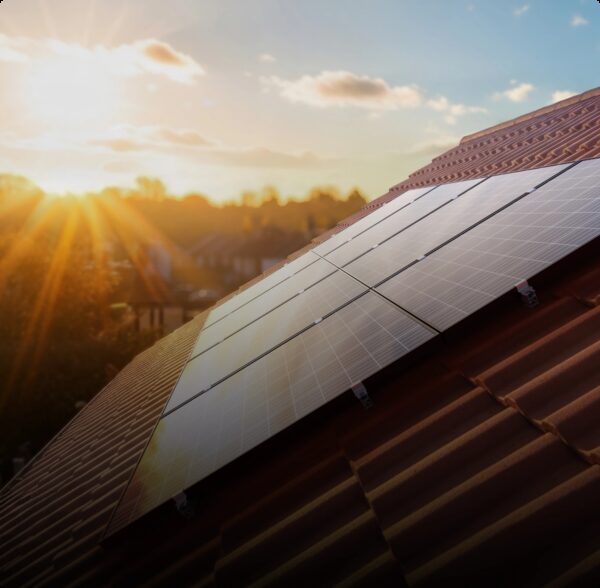
Solar panels usually pay for themselves in 10 to 12 years4. That figure comes from a London borough's energy improvement guidance and reflects a domestic PV installation with typical self-consumption. It is a modelled figure, not a guarantee, and it moves with electricity prices, export rates and how much of the generation the household uses itself.
For solar thermal, no equivalent payback period appears in the official guidance. What is stated is that installing solar thermal hot water could save you money on your hot water bills15. That is a directional statement rather than a quantified one, and it reflects the fact that thermal displaces gas or oil rather than electricity, so the value of each unit of output is lower.
The wider evidence on bill effects points the same way. Installing solar PV and battery storage, alongside a heat pump, can significantly lower bills in all cases20. That finding comes from a government-commissioned report on the heat pump transition and covers the combination of PV, battery and heat pump, not thermal.
| Solar PV | Solar thermal | |
|---|---|---|
| Published payback | 10 to 12 years4 | Not stated in official guidance |
| Bill effect | Significantly lower bills alongside a heat pump20 | Could save money on hot water bills15 |
| Support history | FiT scheme, mostly 0 to 4 kW domestic7 | £19,156,389 lifetime DRHI payments, 98.3 GWh output19 |
| Output use | Electricity: appliances, battery, export, immersion2 | Hot water only, 55% to 70% of demand3 |
Prices for both technologies are installer-quoted. The guidance does not publish an installed cost for either, and no range should be assumed from the figures above. What can be said is that thermal carries the extra cost of a cylinder replacement in retrofit situations15, while PV carries the cost of an inverter and, if fitted, a battery.
The payback comparison therefore favours PV on the published evidence, because PV has a stated payback period and thermal does not, and because PV output can be used for more purposes. That is a statement about the evidence, not a recommendation.
Which fits which home: choosing between them, or combining both
The choice turns on three things: roof area, what the household wants the sun to do, and whether a cylinder change is acceptable.
Solar thermal suits a home with a small, well-oriented roof patch and a high hot water demand, particularly where the existing cylinder is due for replacement anyway. It cannot provide 100% of hot water, so a boiler is still required3, and it needs space for a cylinder5. It does nothing for electricity bills.
Solar PV suits a home with more roof area and a broader interest in reducing energy costs. It produces electricity that can run appliances and lighting2, and a solar diverter switch can power the immersion heater in the hot water tank, storing hot water for later use4. That gives PV a route into hot water without a separate collector.
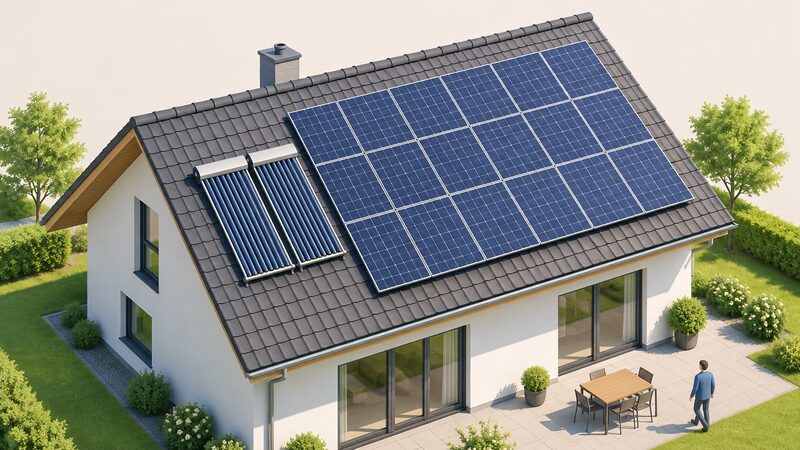
Combining both is possible. The permitted development classes cover solar PV or solar thermal equipment as a single category13, and the primary purpose condition applies to both14. A household with a large roof can run a compact thermal array alongside a PV array, with the thermal feeding the cylinder and the PV feeding the house.
There is also a support angle. Solar PV may be installed in both on-gas and off-gas homes that either already have a hydronic heat pump, electric storage heating or an electric heating system21. Heat pumps that integrate with solar photovoltaic systems are eligible under the Boiler Upgrade Scheme22. Those conditions apply to PV, not to thermal.
For energy independence, the honest position is this. Thermal reduces gas or oil dependence for hot water but leaves the boiler, the cylinder and the fuel supply in place. PV reduces electricity dependence and, with a battery, can carry a household through some grid outages, but it remains connected to the grid and to a supplier. Neither makes a home self-sustaining on its own. The solar water heating route and the solar PV route are complementary rather than competing, and the solar diverters page covers how surplus PV reaches the cylinder.
Planning permission, permitted development and installation rules
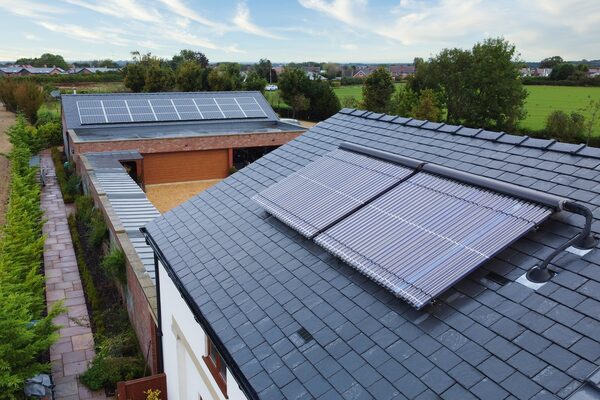
Both technologies sit inside the same permitted development framework, which simplifies the comparison considerably.
In England, Class A covers the installation, alteration or replacement of solar PV or solar thermal equipment on the roof of a dwellinghouse or any building within the curtilage of a dwellinghouse13. Class B covers wall-mounted equipment: the installation, alteration or replacement of solar PV or solar thermal equipment on the wall of a dwellinghouse, the wall of any building within the curtilage of a dwellinghouse, or any wall within the curtilage of a dwellinghouse13. Class A also covers buildings other than a dwellinghouse or block of flats10.
Northern Ireland mirrors this. Class A roof-mounted solar PV or solar thermal equipment is permitted development, subject to the condition that the primary purpose must be to provide heat or energy for use within the curtilage of the dwellinghouse14. Class B covers wall-mounted equipment on the same terms14. The full schedules are set out in the 2015 regulations23.
Scotland has its own class. Class 6HA covers the installation, alteration or replacement of solar photovoltaic or solar thermal equipment on a dwelling24.
The restrictions are where the two diverge from nothing, because they apply equally. In a World Heritage Site or conservation area, the roof slope must not face onto and be visible from a road, and equipment fitted to a flat roof must not be visible from a road14. Equipment must not be installed within the curtilage of a listed building unless listed building consent has previously been granted14. Solar PV or solar thermal equipment must, so far as practicable, be sited to minimise its effect on the external appearance of the building and the amenity of the area25. In an Area of Outstanding Natural Beauty or a conservation area, the equipment will not be installed on a wall which fronts a highway26.
Building regulations apply separately. If you wish to install solar panels on your roof, building regulations will normally apply27. Planning permission will not be required for solar PV or solar thermal equipment consented under the relevant order on residential houses and flats, provided it complies with Class A, part 14, Schedule 2 of the General Permitted Development Order 2015 as amended26. For non-residential listed buildings, planning permission will still be required, and for both residential and non-residential listed buildings, the installation of solar panels on buildings within the listed building's curtilage will require planning permission26.
The solar thermal roof space page covers the area question in more detail, and the nation-by-nation planning pages cover the devolved differences.
VAT and financial support: what applies to each
VAT treatment is the area where the two technologies are treated most differently, and the difference is not in the household's favour for thermal.
The reduced rate of VAT for energy saving materials excludes the installation of solar panels, wind and water turbines from the reduced rate28. That exclusion is the historical position that the zero rate was introduced to address. Solar heating qualifies for relief which removes VAT on both materials and labour costs17, and this tax relief is applied automatically by installers and helps reduce upfront costs significantly17.
For PV, the treatment of combined installations is set out in HMRC guidance. The combined installation of solar panels and a battery for the storage of power generated from the solar panels is treated as a single supply of the installation of solar panels8. The single supply of the installation of solar panels qualifies for relief either at the reduced rate or at the zero rate8. The battery is included in the single supply when the installation is carried out at the same time, the customer perceives that it is receiving a single supply and the battery is a better means of enjoying the principal supply of solar panels8. This falls to be a single supply of an installation of solar panels with ancillary battery which qualifies for the relief9.
On support schemes, the position has narrowed. The domestic renewable heat incentive, which paid for solar thermal installations, recorded £19,156,389 in lifetime payments against 98.3 GWh of lifetime heat output19. That scheme is closed to new applicants. For PV, the Feed-in Tariffs scheme recorded most installations as domestic rooftop systems in the 0 to 4 kW range7, and it too is closed to new applicants, with export now handled through the Smart Export Guarantee.
The Boiler Upgrade Scheme is relevant to PV in one specific way: heat pumps that integrate with solar photovoltaic systems are eligible under BUS22. There is no equivalent grant route for solar thermal in the current guidance.
For a household weighing the two, the VAT position is close to neutral on qualifying installations, but the support position is not: PV retains a grant-adjacent route through the heat pump scheme, while thermal's support scheme has closed. The solar panel cost page covers PV pricing, and the solar thermal cylinders and controls page covers the cylinder side of a thermal installation.
Sources28 cited
- Generating your own energy: solar water, Welsh Government, 2018
- Solar electricity (photovoltaics), Planning Portal
- Solar equipment on residential buildings, Hart District Council, 2025
- Solar panels, London Borough of Hammersmith and Fulham
- Solar thermal water heating, Planning Portal
- Energy conservation, Building Control Northern Ireland, 2010
- Feed-in Tariffs annual report, scheme year 13, Ofgem, 2023
- VAT energy saving materials: VENSAV3210, HM Revenue and Customs
- VAT energy saving materials: VENSAV3330, HM Revenue and Customs
- The Planning (General Permitted Development) Order (Northern Ireland) 2015, Part 37, legislation.gov.uk
- Generating your own energy: solar electricity, Welsh Government, 2018
- Fire safety of solar photovoltaic panels, Department for Energy Security and Net Zero, 2026
- The Planning (General Permitted Development) Order (Northern Ireland) 2015, Part 2, legislation.gov.uk
- The Planning (General Permitted Development) Order (Northern Ireland) 2015, legislation.gov.uk
- Solar thermal panels, nidirect, 2024
- Energy assessment guidance, Greater London Authority, 2022
- Solar heating, MCS Certified
- Solar panels planning permission checklist, Islington Council, 2025
- Domestic Renewable Heat Incentive annual report 2023-24, Ofgem, 2024
- Report on the heat pump transition, Department for Energy Security and Net Zero, 2026
- ECO4 delivery guidance, Ofgem, 2025
- Boiler Upgrade Scheme guidance for installers, Ofgem, 2026
- The Planning (General Permitted Development) Order (Northern Ireland) 2015, schedules, legislation.gov.uk
- Circular 1/2024: householder permitted development rights, Scottish Government, 2024
- Improving energy saving and sustainability in conservation areas and listed buildings, Brighton and Hove City Council
- Clifton local listed building consent order guidance, Bristol City Council, 2025
- Solar panels, Wirral Council
- Draft explanatory notes, clause 48, HM Revenue and Customs
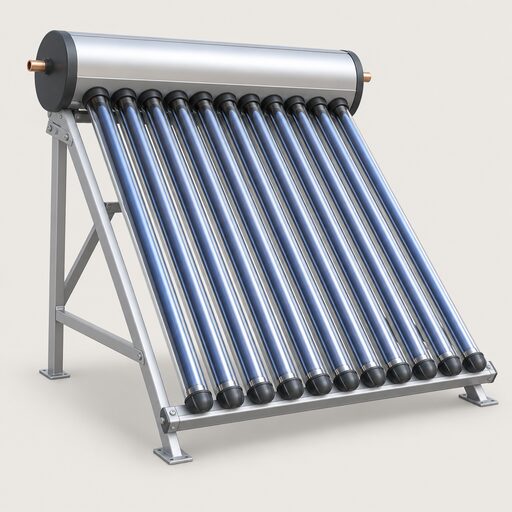 Solar Thermal Water HeatingSolar thermal panels heat your water using the sun, working alongside your boiler rather than replacing it.
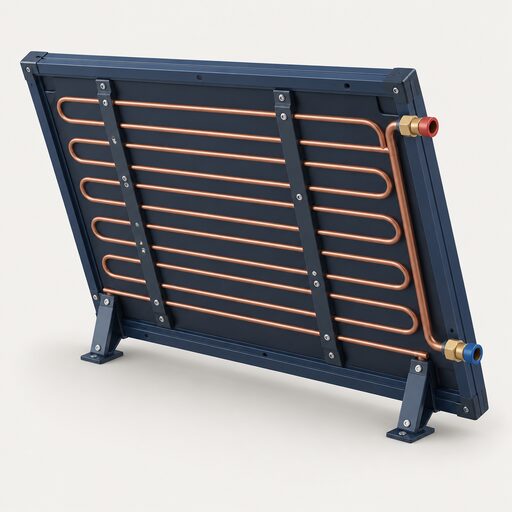 PVT Hybrid PanelsA PVT panel makes electricity and heats water from one roof space, so it suits homes without room for two separate systems.
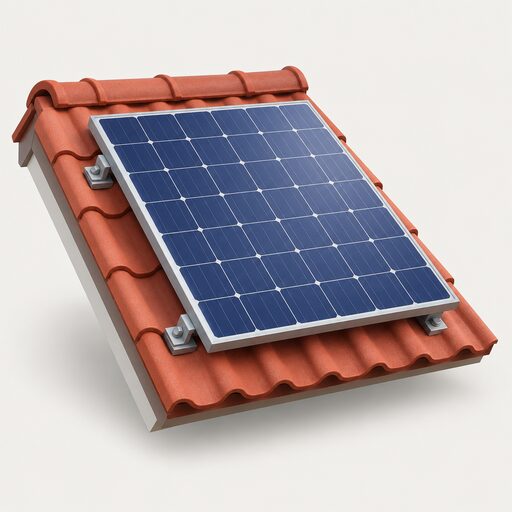 Solar PV Deployment StatisticsHow much solar power does the UK actually have, and how much of it sits on people's roofs?
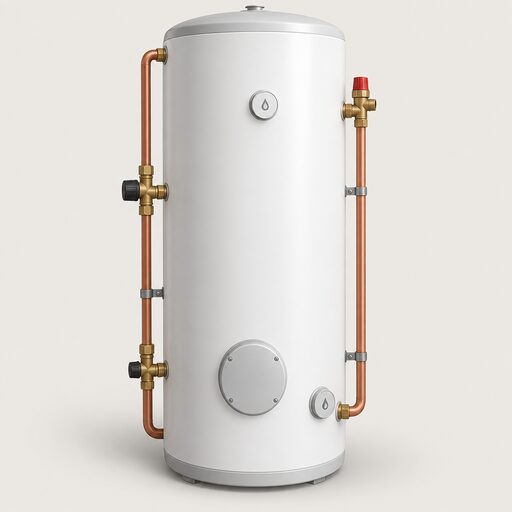 Whole-Home Energy DesignHeating and hot water use more energy than anything else at home, so that choice shapes everything.
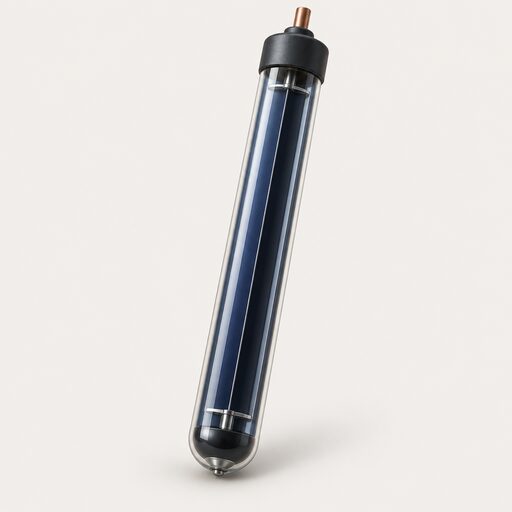 Solar Water Heating CollectorsSolar water heating uses panels on your roof to warm the water in your cylinder, working alongside your boiler rather than replacing it.
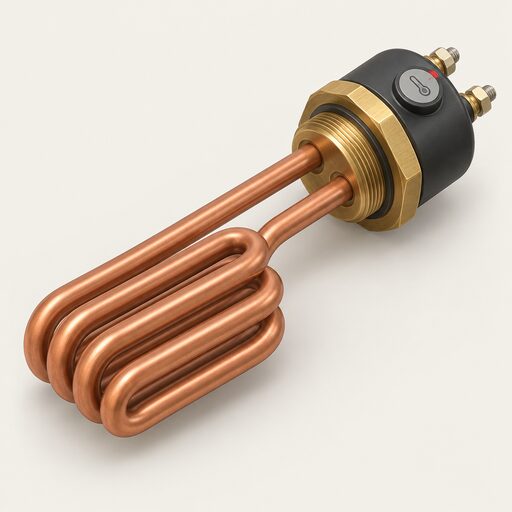 Solar DivertersYour panels often make more electricity than your home needs.