
In this guide
A domestic solar PV installation in the UK is commonly quoted between about £4,600 and £11,000 fitted, with most typical homes landing in the middle of that band. One price comparison service puts the current range at around £4,600 to £8,000 depending on panel quality and system size1. Another guide gives £6,100 to £11,000 depending on the size of the property3. The Energy Saving Trust figure for a typical domestic system, around 4.5 kWp, is about £7,600 installed4, while a slightly smaller typical system of around 3.5 kWp is costed at around £6,1005.
That spread is not sloppiness. It reflects genuine differences in array size, roof type, access, whether a battery is included and how each source defines a "typical" home. Most British households choose a 3kW to 4kW system7. At that size, panels and installation together are usually quoted somewhere between £4,500 and £7,000 without storage, and roughly £5,000 to £9,500 once a battery is added7. Expressed per kilowatt, one consumer body reported the average cost of installing one kilowatt of solar in 2024 at around £1,950, and separate MCS-derived figures for 2025 came out at around £1,6505.
Against those costs, the saving side is more modest and more variable than the headline prices suggest. Across the UK, more than 1.5 million homes have solar panels, saving a typical household an average of £350 a year on energy bills. Payback estimates run from about six years to about thirteen, depending on the source, the roof and how much of the generation the household uses itself.
What a whole system costs: £4,600 to £11,000
The honest answer to "what do solar panels cost" is a band, not a number. The lower end, around £4,600 to £5,800, is quoted for a 2kW system suiting a one or two person household1. Mid-range figures dominate: £4,600 to £8,000 as an average across suppliers2, around £6,100 for a 3.5 kWp system5, around £7,600 for a 4.5 kWp system4. The upper end, £6,000 to £10,000 or £6,100 to £11,000, generally reflects larger properties, more panels, or a package that includes storage3. A separate housing industry estimate gives a typical retrofit cost of £5,000 to £10,00013.
Older figures sit lower, which is worth knowing when comparing guides of different vintages. A 2023 estimate gave an average of around £7,800 to buy and install14, a distribution network operator in 2023 gave around £5,500 for an average domestic system15, and a 2024 figure of £4,800 has also been published16. Home Energy Scotland gives the widest published range, £1,500 to £10,000, which covers everything from a very small array to a large one17.
Two things drive the variation more than panel brand. The first is system size in kilowatts peak, which sets the number of modules and the inverter rating. The second is the roof: pitch, height, tile type, access for scaffolding and whether any structural work is needed. A complex roof can add thousands to labour alone. For how size is chosen in the first place, see what size solar system a home needs.
Cost by system size: 3kW, 4kW and larger
Cost does not rise in a straight line with size, because scaffolding, survey, certification and the electrician's day rate are largely fixed whatever the array. Bigger systems therefore tend to cost less per kilowatt.
| System size | Panels | Estimated annual output | Panel and install cost | With battery |
|---|---|---|---|---|
| 2kW | not stated | not stated | £4,600 to £5,8001 | not stated |
| 3kW | 6 panels of 450W18 | 2,550 kWh18 | £4,500 to £5,5007 | £5,000 to £8,0007 |
| 4kW | 8 panels of 450W18 | 3,400 kWh18 | £5,000 to £6,0007; £5,000 to £7,0001 | £8,000 to £9,5007 |
| 6kW | not stated | not stated | £9,500 to £10,5007 | not stated |
The 3kW to 4kW manufacturer figures are given as a panel cost with installation quoted separately: £1,200 to £1,800 for 3kW, £1,600 to £2,400 for 4kW and £2,400 to £3,600 for 6kW7. A combined range of £4,500 to £6,000 for a system between 3kW and 4kW is also published18. Independent consumer guidance for a 4kW system, sized for three to four people, gives £5,000 to £7,000 without a battery1.
Not every source agrees. One 2024 report put an average 4kW installation at £9,000 to £10,00019, well above the other estimates for the same size. Output expectations are steadier: a typical 4kW system of 8 to 12 panels is estimated to generate about 3,400 kWh a year in UK conditions20.
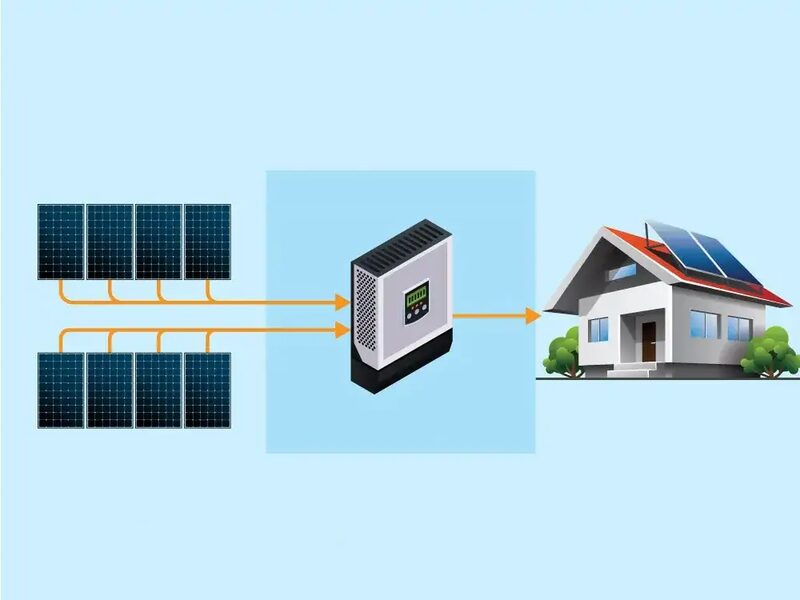
What the installed price covers
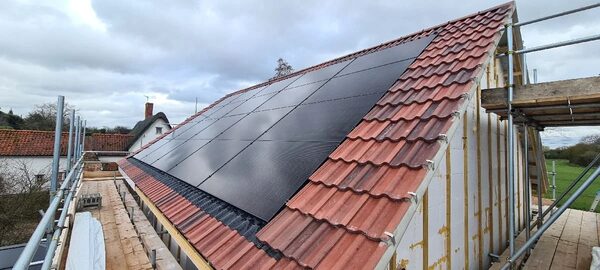
A quote for a fitted solar system is a single price for a finished, certified installation, not a shopping list. Beyond the modules themselves, it has to pay for the inverter, the mounting system that fixes rails and hooks to the rafters, DC and AC cabling with isolators, the access equipment needed to work safely on a pitched roof, the electrician's labour and the paperwork that registers the system and connects it to the grid.
Labour is the most variable element. One estimate puts labour expenses at £600 to £3,000, depending on the intricacy of the installation18. A separate worked example breaks out installation costs of around £684 within a £7,600 quote for a 4.5 kWp system11. Those two figures are not contradictory so much as differently drawn: one counts the whole fitting operation, the other a narrower labour line. Consumer guidance is blunt that the upfront cost of installation can be many thousands of pounds21.
Scaffolding is not usually itemised for a householder, but it is one of the reasons a bungalow and a three-storey terrace with restricted access are quoted differently for the same kilowatt rating. The practical consequence is that comparing quotes on price per panel is misleading. Comparing on price per kilowatt installed, with the same inverter type and the same scope, is closer to like for like. The sequence of survey, scaffold, fit and handover is set out in the solar panel installation process, and the certification that a compliant quote includes is covered in MCS certification for solar PV.
Cost per kilowatt: around £1,950 installed
The cleanest way to compare systems of different sizes is cost per kilowatt peak. The average cost of installing one kilowatt of solar panels in 2024 was around £1,9505. A more recent figure drawn from MCS data gives around £1,650 per kilowatt for 2025 installations, which if it holds would mark a fall8. The two figures are dated a year apart and were compiled differently, so they are better read as a trend than as a contradiction.
Applying the 2024 rate to common sizes explains the published system prices well. A 3.5 kWp system at around £6,100 and a 4.5 kWp system at around £7,600 both sit close to that per-kilowatt rate once fixed costs are spread5. Larger or more awkward installs move away from it. A real case study of 14 panels with battery storage came in at around £9,000 including installation22, and a 4.6kWp ten-panel east-facing array with modest shading was costed at £7,40023.
For historical perspective, a home installation was described in 2012 as costing around £9,000 or less24. Prices per kilowatt have fallen substantially since, even as system sizes have grown.
VAT: 0% now, 5% from 2027

Eligible solar panel and battery installations currently carry 0% VAT across the UK, and that relief runs until March 20272. After that the rate is set to move to 5%, the reduced rate for energy-saving materials. On a £7,600 installation, the difference between 0% and 5% is a material sum, and it is the one part of the price a householder cannot negotiate.
Northern Ireland is treated differently. Solar there is subject to 20% VAT unless a reduced rate of 5% applies26. HMRC's worked example shows how the split is made: where an installer charges £5,385 excluding VAT, made up of £3,500 for materials and £1,885 for labour, the materials are 65% of the total, so because materials exceed 60% of the cost the standard 20% rate applies to the materials and 5% to the labour27. A household in Northern Ireland should therefore expect a VAT line on the quote that a household in Great Britain currently does not see.
Running costs: cleaning, servicing and the inverter
Solar panels have no moving parts, but a system is not cost-free after commissioning. Two items recur.
Cleaning. Professional cleaning is quoted at around £4 to £15 per panel, depending on how easy the panels are to reach and how dirty they are5. For a standard system, professional cleaning costs typically start at around £60 to £10010, and roughly £80 to £150 for a typical home installation of 10 to 16 panels2. Self-cleaning kits are sold online and in some hardware stores, typically costing around £10028. Frequency is discussed in how often solar panels need cleaning.
The inverter. This is the predictable large cost. Inverters typically need replacing every 10 to 15 years10; other guidance gives around 12 years6, 10 to 12 years29, or simply says that within 25 years the inverter will need replacing11. Replacement is widely quoted at around £80017, with a wider range of about £500 to £1,000 depending on size and manufacturer30. Inverter lifespans and types are covered in more detail in solar inverters explained.
Servicing contracts exist but are not universally necessary. Quotes seen by a consumer body ranged from around £200 for a one-off service and cleaning up to a £495 annual contract that also included breakdown repair and insurance against damage and theft31.
What solar saves, and when it pays back
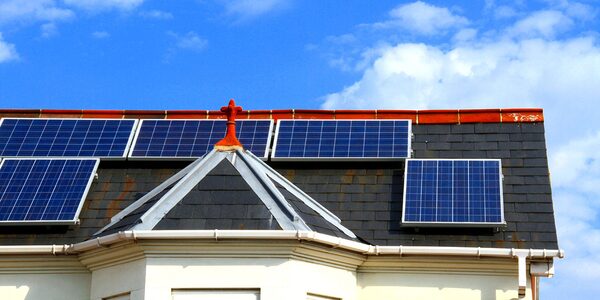
Published savings figures vary more than costs do, because saving depends on when a household uses electricity. Across the UK, solar panels save a typical household an average of £350 a year9. Welsh government guidance states households save over £500 a year on average32, and UK government estimates cited in a parliamentary briefing give around £500 a year33, a figure repeated in the solar roadmap as around £500 a year for a typical UK home based on the current energy price cap34.
Lower figures appear where occupancy patterns are less favourable. One guide gives £360 a year in Great Britain12, another around £260 including Smart Export Guarantee income35, and an older estimate around £240 a year36. Strikingly, one Energy Saving Trust scenario gives around £0 a year in Great Britain and £180 in Northern Ireland for a typical installation where occupants are at home from 6pm37, which shows how heavily savings depend on daytime self-consumption and on export tariff terms. Higher council guidance of £530 to £650 a year applies to a typical home without electric heating or an EV, with £530 a year specifically where everyone is out until 6pm6.
Payback estimates follow the same pattern:
| Source type | Payback estimate |
|---|---|
| Official council guidance | 10 to 12 years6 |
| Local authority warm homes plan | 6 to 12 years38 |
| Consumer body | 10 to 13 years5 |
| Scottish advice service | 8 to 12 years, depending on maintenance17 |
| Reported average break-even | 9.5 years39 |
A worked example makes it concrete. A 4.6kWp ten-panel system on a south-facing 35-degree pitched roof in London with no shading was modelled generating 4,200 kWh, saving £285 on bills and £370 from export, a total of £655 a year, paying back in 11 years 3 months23. The same size array facing east with modest shading, costing £7,400, generated 2,800 kWh and saved £225 a year on bills, with payback at 16 years 1 month23. Roof aspect alone moved payback by nearly five years. Case studies show the upper end too: one household with a heat pump and an EV reported savings in the region of £750 a year40. Payback is examined further in solar panel savings and payback periods.
There is also an energy, rather than money, payback. Even under UK levels of sunshine, a PV array pays back its embodied energy in less than three years.
Plug-in solar: around £400 to £600 for a much smaller system
Plug-in kits are the cheap end of solar. They are solar kits that can be installed by the householder and plugged into a standard mains socket, with no electrician needed41. Kits compatible with UK domestic electrical systems are reaching the market and could be in the shops in a matter of months.
Prices reported so far:
| Product or estimate | Price |
|---|---|
| Basic setup, early estimate | from around £40041 |
| Typical system cost estimate | £400 to £50042 |
| Devices meeting UK regulations | from around £45043 |
| Expected settled price | £400 to £60044 |
| Typical cost cited by a comparison service | around £50045 |
| Two-panel system | around £50046 |
| InstaGen kit, launch RRP | £54947 |
| UKSOL Compact 460W Plug-In Solar Pro Kit | from £59947 |
| UKSOL Duo 890W Plug-In Solar Pro Kit | from £89947 |
| Range on sale at Argos | £599 to £1,19948 |
| Solar panel kits, general | £500 to £1,00049 |
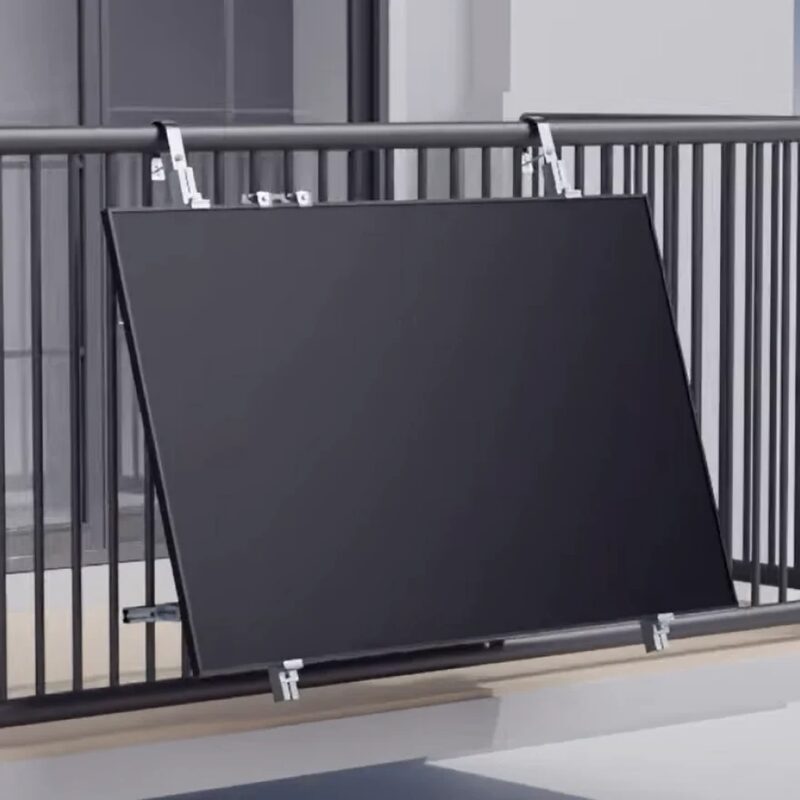
The trade-off is scale. A plug-in system is typically around 0.8kW45, against 3kW to 4kW for a roof array. Estimated savings are correspondingly smaller: around £70 to £100 a year43, or £70 to £110 according to government estimates47, with one scenario of occupants out during the day giving £70 a year43. Set against a purchase price of around £500, a two-panel system is estimated to pay back in two to three years46, and analysis puts lifetime saving at £1,100 over a 15-year lifetime51. By contrast a rooftop system costs around £7,600 on average43. More detail sits in plug-in solar kits in the UK and the comparison in plug-in solar vs professionally installed solar.
What the money buys in independence, and what it does not
Buying a solar system converts a recurring bill into a one-off capital cost plus a small maintenance stream, but it does not disconnect a house from anything. Generation is daytime and seasonal; the grid supplies everything else. Data from a hot week illustrates both sides: a low-usage household with five panels and 1,800 kWh annual consumption gained £14.92 in total that week, of which £2.69 was export earnings; an average household with seven panels saved £17.44 on bills with £3.83 in export, £21.27 in total; a high-usage household with ten panels saved £24.47 with £5.37 export, £29.84 in total52. Those are best-case weeks, not typical ones.
Self-consumption is the lever that decides how much of the investment works for the household rather than for the grid. A household with solar and a 10kWh battery is reported to reach a 70% self-consumption rate52, which is why battery packages add £3,000 or more to a quote on the manufacturer figures above7. Storage is set out in adding battery storage to a solar system.
Dependencies remain, and they are worth stating plainly alongside the price. The household still needs a grid connection and a supplier for night-time and winter demand. Export income depends on a supplier's Smart Export Guarantee tariff, which can change, as covered in getting paid for solar export. The inverter is a manufactured product with a finite life and a replacement cost of around £80017, and monitoring is typically delivered through a manufacturer's app. The 0% VAT rate is a policy that expires. What ownership does buy is a fixed, known generation asset on the roof that reduces exposure to unit price movements for two to three decades, and a clear picture of the remaining exposure. The broader question is taken up in solar panels and household energy independence and across the solar PV guide.
Sources52 cited
- Solar panels: costs and system sizes, Uswitch, 2026-09-09
- Are solar panels worth it?, Uswitch, 2026-09-16
- Make your home more energy efficient, Confused.com, 2026-07-06
- Solar panels advice, Energy Saving Trust, 2026-08-27
- Solar panel myths debunked, Which?, 2026-06-09
- Solar panels: energy improvement options, London Borough of Hammersmith and Fulham, 2025-10
- DIY solar panels UK guide, Jackery, 2026-04-29
- Could solar panels save you £500 a year?, Which?, 2025
- E3G welcomes £15bn Warm Homes Plan, E3G, 2026-01-21
- Solar panel cleaning and maintenance, Energy Saving Trust, 2026-08-25
- Solar panel costs, Which?, 2026-08-03
- Energy saving upgrades for home renovation, Energy Saving Trust, 2026-05-05
- Watt a Save, Home Builders Federation and Octopus Energy, 2026-02
- Are solar panels a good investment?, The CPA, 2023-08-23
- Renewable energy FAQs, Electricity North West, 2023-02-23
- Energy price cap rise: energy saving habits, ivie, 2024-09-27
- Solar panels, Home Energy Scotland, 2026-09-20
- Solar panels UK energy savings, Jackery, 2026-04-29
- Power your savings with renewable energy, Confused.com, 2024-03-19
- Integrating solar panels with EV charging, Uswitch, 2025-07-02
- Should you get solar panels?, Which?, 2024-07-03
- Beth and Martin's story: solar panels and an electric vehicle, Energy Saving Trust, 2025-03-03
- Are solar panels worth it?, Which?, 2025
- Britain's solar energy boom is built on unsustainable foundations, GOV.UK, 2012-01-04
- Is there really such a thing as free solar panels?, Low Carbon Hub, 2027
- VAT on solar and battery storage, Solar Energy UK, 2026-09-17
- Energy-saving materials and VAT, HMRC, 2026-09-20
- Make the most of your solar panels, Which?, 2026-08-12
- Solar panel installation, maintenance and repair, NICEIC, 2026-09-17
- A complete guide to solar PV, Centre for Sustainable Energy, 2025-11
- Solar panel add-ons you don't need, Which?, 2018-09-07
- Solar panels, Welsh Government, 2026-01-14
- Rooftop solar, Parliamentary Office of Science and Technology, 2026-06-25
- UK Solar Roadmap, DESNZ, 2025-06
- Tips to improve the EPC rating of your home, Energy Saving Trust, 2026-08-03
- Make your home more energy efficient, The CPA, 2023-12-01
- Top energy saving ideas for your home improvement project, Energy Saving Trust, 2026-08-03
- Bristol Warm Homes Plan, Bristol City Council, 2025-04
- How long do solar panels last?, Uswitch, 2026-07-13
- Russell and Kate's story: solar panels and a heat pump, Energy Saving Trust, 2026-08-13
- Plug-in solar to become legal in the UK, Which?, 2026-04-24
- Plug-in solar panels vs rooftop systems, Which?, 2026-04-27
- Plug-in solar panels, Energy Saving Trust, 2026-09-17
- Plug-in solar panels set to go on sale, End Fuel Poverty Coalition, 2026-08-28
- Plug and play: 7 million want plug-in balcony solar, Uswitch, 2026-08-18
- Plug-in solar explained, Low Carbon Hub, 2026-07-09
- Plug-in solar panels reviewed, Which?, 2026-09-15
- Plug-in solar panels guide, Uswitch, 2026-09-04
- Plug-in solar, Centre for Sustainable Energy, 2026-09
- What to know about plug-in solar panels, Home Energy Scotland, 2026-09
- How plug-in solar can save UK homes £1,100, Carbon Brief, 2026-04-02
- Britain's homes with solar panels reap £40 million during the heatwave, Uswitch, 2026-06-28
 The Full Solar Panels GuideHow much do solar panels cost, and what could they save you each year?
 Panel TypesWhich solar panels are best for a UK home, and how much do they cost?
 Portable Power Station CostHow much does a portable power station cost in the UK, and what does the money actually buy?
 Solar Panel Manufacturers UKWhich solar panel brands are actually worth buying in the UK, and who really makes them?
 Plug-In Solar KitsCan you really plug solar panels into a normal wall socket in the UK, and is it legal now?
 Home Battery CostA home battery usually costs between one and a half and ten thousand pounds fitted, depending on size.