
In this guide
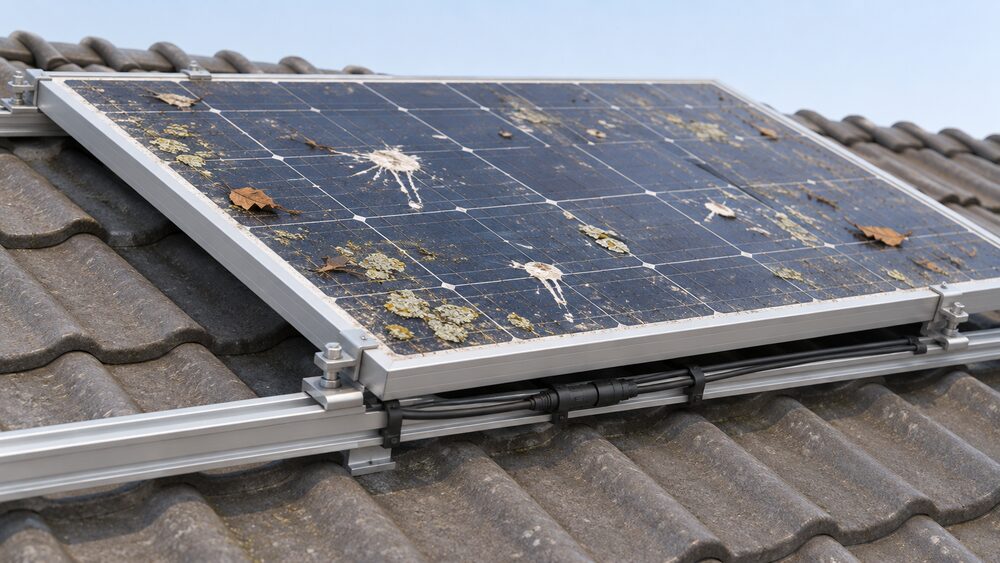
Solar panel maintenance is a small, mostly visual job. A domestic array has no moving parts, and most panels carry a self-cleaning coating that lets rain wash away dirt and debris when they are mounted at a suitable angle1. Energy Saving Trust suggests checking panels every 12 to 18 months and cleaning them only where there is visible dirt, with a light clean every 12 to 24 months to keep the system operating at its best1. A third of owners surveyed by Which? who had had panels for more than 10 years said they had needed to do no maintenance at all3.
Where money does change hands, the figures are modest. Professional cleaning typically starts at around £60 to £100 for a standard system, or roughly £4 to £15 per panel, which is about £80 to £150 for a typical home installation of 10 to 16 panels1. A full professional service, inspecting for small cracks or inverter issues, is suggested every three to five years rather than annually1.
The maintenance that matters most is not cleaning but inspection: cracks, loose connections, cable damage from vermin and weathering, water ingress and debris around the mounting system. Those checks protect both output and electrical safety, and they are the reason a periodic look at the array is worth more than a scrubbing brush.
What solar panel maintenance actually involves
Maintenance on a domestic array splits into three activities that are often sold as one: a visual inspection, a clean, and an electrical service. They have different intervals, different risks and different people qualified to do them.
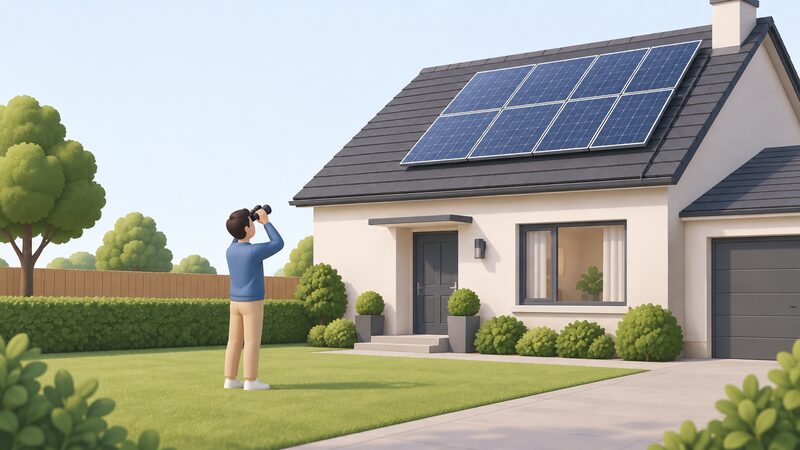
The visual inspection is the part a householder can do from the ground. Electrical Safety First advises regular visual checks to identify cracks, breaks, loose connections, and cable damage caused by vermin and weathering2. Which? found that the most popular maintenance job, done by a quarter of surveyed owners, was exactly this: a visual inspection to check for dirt, debris or damage6. It costs nothing and catches the failures that matter.
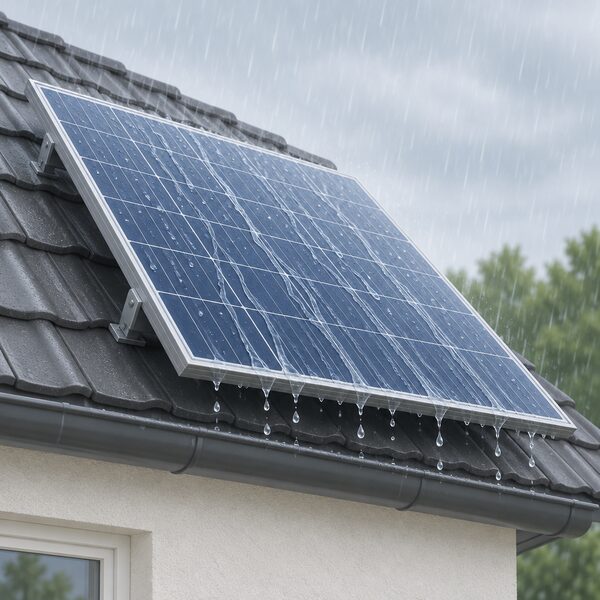
Cleaning is the part most often over-sold. Most panels are self-cleaning, and rooftop arrays are often kept relatively clean by rainfall because of their angle1. A heavy rain storm should usually be enough to wash off most dirt5.
The electrical service is the part that needs a qualified person. Guidance suggests a full professional service every three to five years to inspect for small cracks or inverter issues, and notes that some installers require a full service within a specific period to keep the warranty valid1. That warranty condition is the single most common reason a household books a service it might not otherwise need.
Why solar PV needs so little maintenance
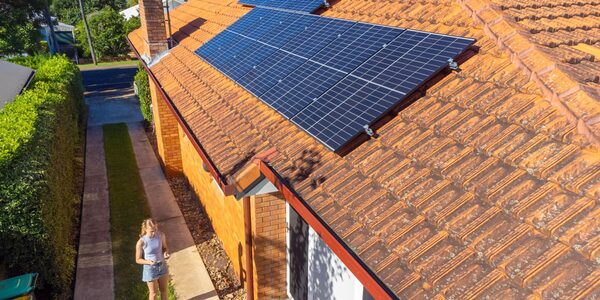
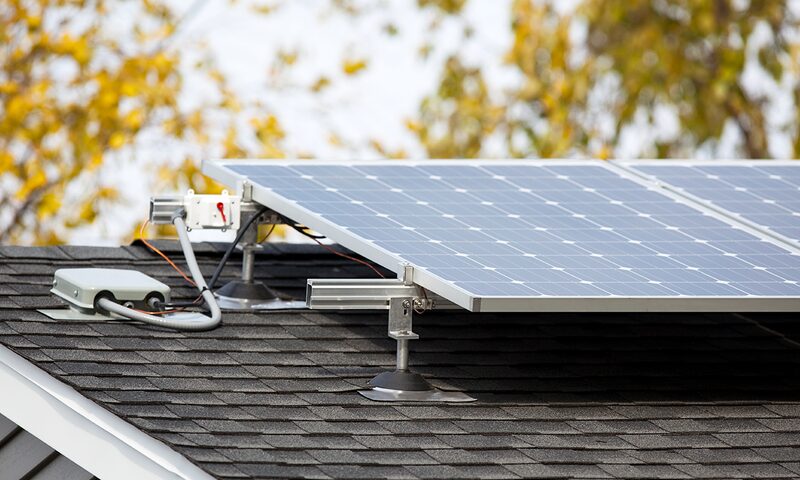
The reason upkeep is light is structural, not a matter of good luck. Solar PV systems are relatively simple and have no moving parts, so they do not need much maintenance6. NICEIC makes the same point from the electrical side: panels are extremely independent, meaning there is no need to check on them around the clock8. The Welsh Government's guidance states that PV panels are considered to have low maintenance if they are installed correctly9.
That last condition carries the weight. Correct installation, on a roof assessed for the additional wind, snow and static load and compliant with Part A: Structure, is what makes the low-maintenance claim hold10. A poorly fixed array is a maintenance problem waiting to happen, whatever the panel datasheet says.
The evidence from owners supports the theory. A third of solar panel owners surveyed by Which? who had had their panels for more than 10 years said they had not needed to do any maintenance3. Most systems require little or no maintenance, and the panels should last for decades, though it is worth checking that they are not too dirty, since that can reduce performance11.
What remains is a short list: keep the panels reasonably clean, make sure shading is minimised, and note the manufacturer's recommendations for the model installed12. An installer provides a maintenance guide at handover, and that document, not a generic schedule, is the one that governs the specific array12.
The independence point is worth stating plainly. Once installed, a solar array needs no fuel deliveries, no supplier account to keep it generating, and no routine intervention to produce electricity. The dependence that remains is on the grid for export and import, on an inverter that will eventually need replacing, and on whoever holds the warranty. Maintenance is what keeps those dependencies from becoming failures.
Annual check-up and inspection: what gets looked at
The annual check is a habit rather than a legal requirement, but it is widely recommended. Guidance suggests getting panels checked on an annual basis to ensure there is no debris build-up on the panels themselves, and also to ensure the cables and connectors are still working as they should be13. The same source lists the surrounding tasks: checking panels after rough or stormy weather, watching out for animals nesting near the panels, and scheduling annual inspections14.
A practical inspection covers the following, all of which can be seen from ground level or with binoculars:
- Cracks, breaks and loose connections in the panels and their frames2
- Cable damage caused by vermin and weathering2
- Signs of wear and tear, damage, water ingress, dirt build-up, bird droppings or lichen growth1
- Debris build-up on the panel surface13
- Nesting animals, particularly birds, around and under the array14
- The condition of the mounting system and any visible wiring1
The mounting system and wiring check is suggested every one to two years, either by the householder or by a professional1. Roof condition matters too: official guidance is that the roof must be in good condition before panels go on it, and that remains true afterwards, since a failing roof under an array is expensive to remedy15.
Where the array is on a listed building or covered by a local listed building consent order, maintenance becomes a condition of the consent rather than a choice. The Royal Borough of Kensington and Chelsea order requires that the solar equipment is maintained in good order and removed as soon as reasonably practicable when no longer needed, with making good finished to match the adjacent work in methods, colour, material, texture and profile16.
"the solar equipment is maintained in good order and removed as soon as reasonably practicable when no longer needed"
Cost of maintenance and cleaning: £100 to £300 a year
Cleaning prices are quoted in two ways, and the two do not always reconcile. Energy Saving Trust puts professional cleaning at typically starting around £60 to £100 for a standard system1. Per-panel figures run at around £4 to £15 per panel, depending on how easy they are to access and how dirty they are, which for a typical home installation of 10 to 16 panels is roughly £80 to £1504.
| Service | Typical cost | Basis |
|---|---|---|
| Professional cleaning, standard system | £60 to £100 | Per installation1 |
| Professional cleaning, per panel | £4 to £15 | Access and soiling dependent4 |
| Professional cleaning, 10 to 16 panels | £80 to £150 | Typical home installation5 |
| Cleaning kit, DIY | around £100 | Online and hardware stores17 |
| One-off service and cleaning | around £200 | Quotes seen by Which?18 |
| Annual contract with breakdown cover | up to £495 | Includes repair and insurance against damage and theft18 |
The gap between a £60 clean and a £495 contract is the gap between washing panels and insuring a system. The annual contract figure, from quotes seen by Which?, bundles a breakdown repair and insurance against damage and theft, which is a different product from cleaning18. Households comparing quotes should establish which of the two they are being offered.
For context, the capital cost of the array dwarfs any of this. Solar panels cost around £6,100 to install for a typical domestic system, with prices varying by panel quality and system size and ranging from around £4,600 to £8,0005. A cleaning regime costing £100 to £300 a year is a small fraction of that, which is why the decision is rarely about money and more often about access and warranty conditions.
Costs also depend on the number of panels, their location, and whether specialist access equipment is needed1. A ground-floor or flat-roof array is cheaper to reach than a steep slate roof, and that access cost, not the cleaning itself, is usually what separates one quote from another.
DIY cleaning vs professional cleaning services
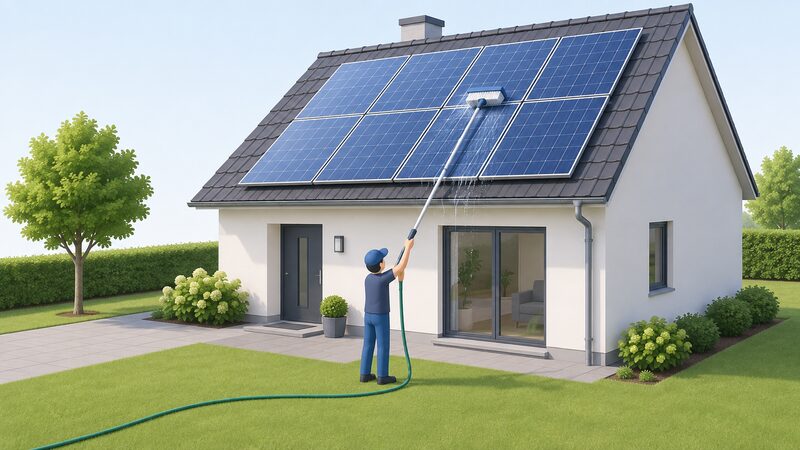
Cleaning from the ground is the safer route and the one most guidance points to. It is always safer to avoid working at heights without the right training or equipment, and where that is not possible a professional is the answer1. From the ground, the equipment needed is a hosepipe with a jet that can reach the panels and a long-handled brush for a thorough clean1.
The method matters as much as the access. Only water should be used, because detergents or abrasive materials could harm the panel surface17. A soft, long-handled brush or sponge is used to lightly wipe the surface1. Washing up liquid and other cleaning products can leave a residue which may affect performance1. Harsh chemicals such as bleach can damage the protective coating, and power washers and abrasive tools such as steel wool or hard brushes are not suitable7. Where panels do require cleaning, purified water is advised rather than tap water12.
A middle route is to use a window cleaner, with water only20. That suits a household that wants the panels cleaned without buying equipment or climbing anything, and it avoids the £100 outlay on a cleaning kit17.
Professional cleaning usually takes around one to two hours, with the panels switched off for that time7. The case for paying a professional rests on three things: access equipment for a difficult roof, the electrical service that a cleaner will not perform, and warranty conditions. Some installers require a full service within a specific period to keep the warranty valid, and a service is a different job from a clean1. Where a warranty depends on it, the professional route is the one that preserves the cover.
Shading, dust and coastal locations: when panels need more care
Most arrays need little attention, but three conditions change that. Guidance notes that unless a household lives in a particularly dusty area or by the beach, the solar panels should need little maintenance12. The same source identifies what causes the soiling: bird droppings, traffic pollution in urban areas, and a build-up of salt near the coast20.
Shading is a separate problem from dirt and a more serious one. Official guidance is that panels should not be shaded for long periods of the day, as they will not function when overshadowed9. A tree that has grown since installation can quietly cut generation, and no amount of cleaning will recover it. Keeping shading minimised is one of the two maintenance tasks MCS-certified installers highlight, alongside keeping panels reasonably clean21.
Rain does most of the cleaning work where the array is tilted. Rain will keep panels relatively clean if they are tilted at least 15 degrees, and the main task beyond that is making sure they are not shaded by trees18. Below that tilt, or on a flat roof with a shallow angle, water and dirt sit longer and the self-cleaning effect weakens.
For coastal and dusty locations, the practical response is frequency rather than method. The same water-only rules apply, but checking more often than the standard 12 to 18 month interval is sensible, because salt and dust accumulate faster than the rain clears them. Bird droppings are the most concentrated form of soiling and the most likely to leave a persistent mark if left, which is why watching for nesting animals is listed alongside the annual inspection14.
How maintenance protects performance and safety
Dirty solar panels reduce how much electricity they generate, because soiling affects how much sunlight reaches the cells1. Cleaning is reported to increase energy production by up to 15 per cent, benefiting the household through savings on energy costs2. That figure is the ceiling for a heavily soiled array, not a routine gain: rainfall naturally removes much of the dirt that builds up, and rooftop panels are often kept relatively clean by their angle1.
The safety case is less visible but more important. Regular visual checks exist to catch cracks, breaks, loose connections and cable damage from vermin and weathering2. Water ingress and damaged DC cabling are the failure modes that a clean will not fix and a visual check will find1. Repairs, when identified, must be booked separately from a service, from a certified professional solar engineer7.
Maintenance also protects the warranty and the long-term performance claim. Most solar panels come with a 25-year performance guarantee, and these guarantees offer a minimum performance level such as 88 per cent of initial capacity after 30 years19. A guarantee of that kind is only meaningful if the array is kept in the condition the manufacturer specifies, and official guidance is to note the manufacturer's recommendations for the model chosen10.
The wider case for the technology rests on the same arithmetic. The National House Building Council's view is that providing the maintenance costs and pay-back periods are accurately predicted, this reliable technology has a role24. Maintenance costs are the smaller half of that sentence, and they are predictable: a visual check, an occasional clean, and a professional service every few years.
For a household, the independence argument is straightforward. An array that is inspected and kept clear keeps generating without a fuel supply, a delivery or a supplier's permission. What it does not remove is the grid connection, the inverter as a wear item, and the warranty held by a manufacturer. Maintenance is how those residual dependencies are managed rather than eliminated.
Sources24 cited
- Solar panel cleaning and maintenance, Energy Saving Trust, 2026
- Solar panels safety advice, Electrical Safety First, 2026
- The most common solar panel problems, Which?, 2024
- Solar panel myths: five common concerns debunked, Which?, 2026
- Are solar panels worth it?, Uswitch, 2026
- Solar panel installation, Which?, 2026
- Solar panel maintenance and cleaning, E.ON Next, 2026
- Renewables and electrics for householders, NICEIC, 2026
- Generating your own energy: solar electricity, Welsh Government, 2018
- Solar panels planning and sustainability, East Hertfordshire District Council, 2026
- A complete guide to solar PV, Centre for Sustainable Energy, 2025
- Solar PV, Flexi-Orb, 2025
- Do solar panels work in winter?, Uswitch, 2026
- How do solar panels work?, Smart Energy GB, 2026
- Solar photovoltaic (PV) panels, London Borough of Bromley, 2026
- Local Listed Building Consent Order for solar panels, Royal Borough of Kensington and Chelsea, 2022
- Make the most of your solar panels, Which?, 2026
- Solar panel add-ons you don't need, Which?, 2018
- Solar panels, Uswitch, 2026
- Most common solar panel problems, Which?, 2018
- Solar photovoltaic (PV), MCS Certified, 2026
- Planning permission for solar panels, Bristol City Council, 2026
- Could solar panels save you £500 a year?, Which?, 2026
- Research briefing on solar, House of Commons Library, 2026
 Panel RecyclingWhat actually happens to a solar panel when it stops working, and what can a household do with one?
 Warranties and DegradationHow long do solar panels actually last, and what do the warranties really cover?
 Workmanship WarrantiesIf something goes wrong with your solar panels, who actually fixes it and who pays?
 Solar Mounting SystemsWill your roof take the extra weight of solar panels, and will it still keep the rain out afterwards?
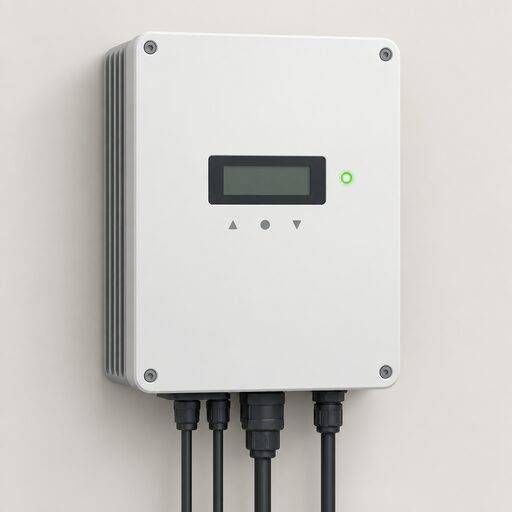 Solar InvertersWhat does the box on the wall next to your solar panels do, and how long will it last?
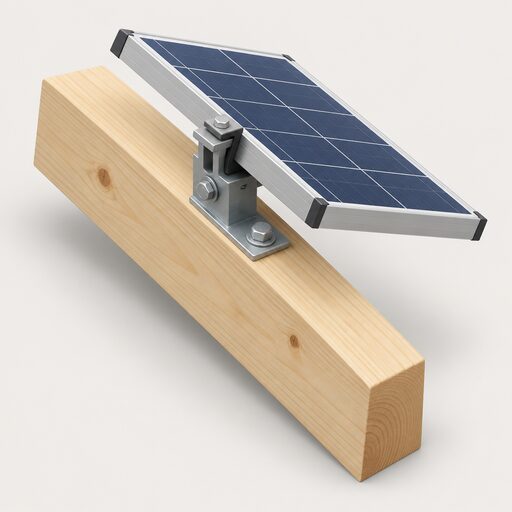 Building RegulationsExplains the building control position for a solar installation across the four nations, the structural assessment of the roof, and the fire performance requirements for roof-mounted and integrated arrays.