
In this guide
MCS certification is the UK's quality mark for small-scale renewable energy, and for a solar PV installation it does two separate jobs. It certifies the company that does the work against technical standards, and it certifies the products that go on the roof. A household that ends up with an MCS certificate holds a record that the installation was done by a certified installer using certified products1.
The scheme is not mandatory, which matters for how its figures should be read. MCS states that certification is not a mandatory requirement, so its data does not capture all small-scale renewable energy installations in the UK3. What it does capture is substantial: there are now more than 2.1 million MCS certified solar systems in the UK, with 207,619 MCS certified installations recorded in 2026 to 14 September, and each of those systems has a generation capacity of up to 50 kilowatts4.
Certification is also the gate to money. MCS certification is a requirement for accessing many UK government incentives, and fully funded schemes such as ECO require installations to be MCS certified to qualify for the funding1. For a household, the practical sequence is that the certificate is what an energy supplier, a grant administrator or a verification body asks for, and it should only be issued once the installation is fully installed and commissioned6.
What MCS certification is and what it covers
MCS is an independent certification scheme for microgeneration installation companies and products, aiming to ensure consistent standards and provide confidence to consumers8. Its formal scope is to certify, quality assure and provide consumer protection for microgeneration installations and installers, covering small-scale renewable electricity technologies such as solar photovoltaic panels, biomass, wind, heat pumps and heat products9.
The scheme's own description of its role is specific: setting and maintaining technical standards for installations and products, certifying installers and products against those standards, issuing MCS certificates for completed eligible installations, and assisting certification bodies to review and address cases and consumer issues relating to installers or products10. That is a standards and certification function, not a regulator's enforcement function, and the distinction runs through everything below.
Product certification is available across a defined list of technologies: solar PV, solar mounting, small wind turbines, heat pumps, biomass, solar heating and micro CHP5. Additional technologies include battery storage, biomass, micro CHP, solar heating and small wind turbines11. MCS covers microgeneration products used to produce electricity and or heat from renewable sources, and the mark shows that a product, or an installation including one or more MCS certificated product, meets requirements defined in the MCS standards12.
For a household, the coverage splits into three things that are easy to confuse. The installer is certified as a company. The products are certified individually. The installation itself receives a certificate once it is complete. A solar array can be built from certified modules and a certified inverter by a certified company and still fail to produce a valid certificate if the paperwork is issued before commissioning, which is why the timing rule exists6.

Why MCS certification matters for a solar PV installation
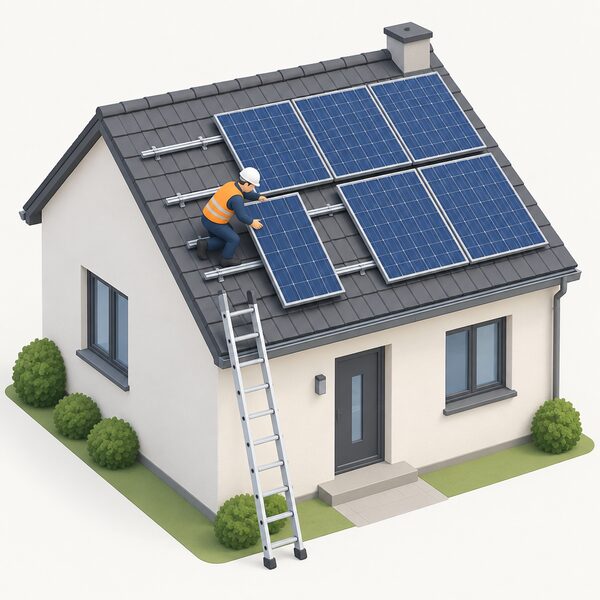
The certificate is the document that connects a physical installation to the schemes that pay for it. MCS certified installers install renewable technologies to industry-recognised standards, and certification ensures that those installers only use renewable technologies that have been tested for quality, reliability and performance in line with MCS Product Standards1.
The incentive link is explicit in official guidance. Feed-in Tariff rules require that solar PV and wind installations with a declared net capacity of 50kW or less, and micro CHP installations, must be commissioned by an MCS certified installer using an MCS certified product6. The same requirement appears in the closure guidance for the scheme, which states that applicants need to ensure they use Microgeneration Certification Scheme certified equipment installed by an MCS certified installer for solar PV or wind with declared net capacity up to and including 50kW, or micro CHP up to a total installed capacity of 2kW13. Licensed electricity suppliers operate under the same expectation14.
The requirement is written into legislation as well as scheme rules. For installations of 50 kilowatts or less generating from combined heat and power, solar photovoltaic or wind, the installation must be certified under MCS or an Equivalent Scheme and installed by an MCS or equivalent installer15. That wording matters because it leaves room for equivalent schemes, so MCS is the dominant route rather than the only conceivable one.
Public procurement shows the same pattern. A Welsh scheme specification requires that solar photovoltaic systems should only be installed and certified by MCS certified contractors working to the latest published MIS3002 standards, and that the company providing the installation must carry a valid Trustmark and be MCS certified16. Building control guidance points households the same way, describing the use of an MCS certified installer as the best way to avoid problems with building regulations17.
The independence angle is straightforward. Certification does not make a household independent of the grid, and it does not remove the need for a supplier or an export arrangement. What it does is make the installation legible to the bodies that administer payments and approvals, which is the practical form energy independence takes for a grid-connected home.
The MCS 005 standard for solar PV modules
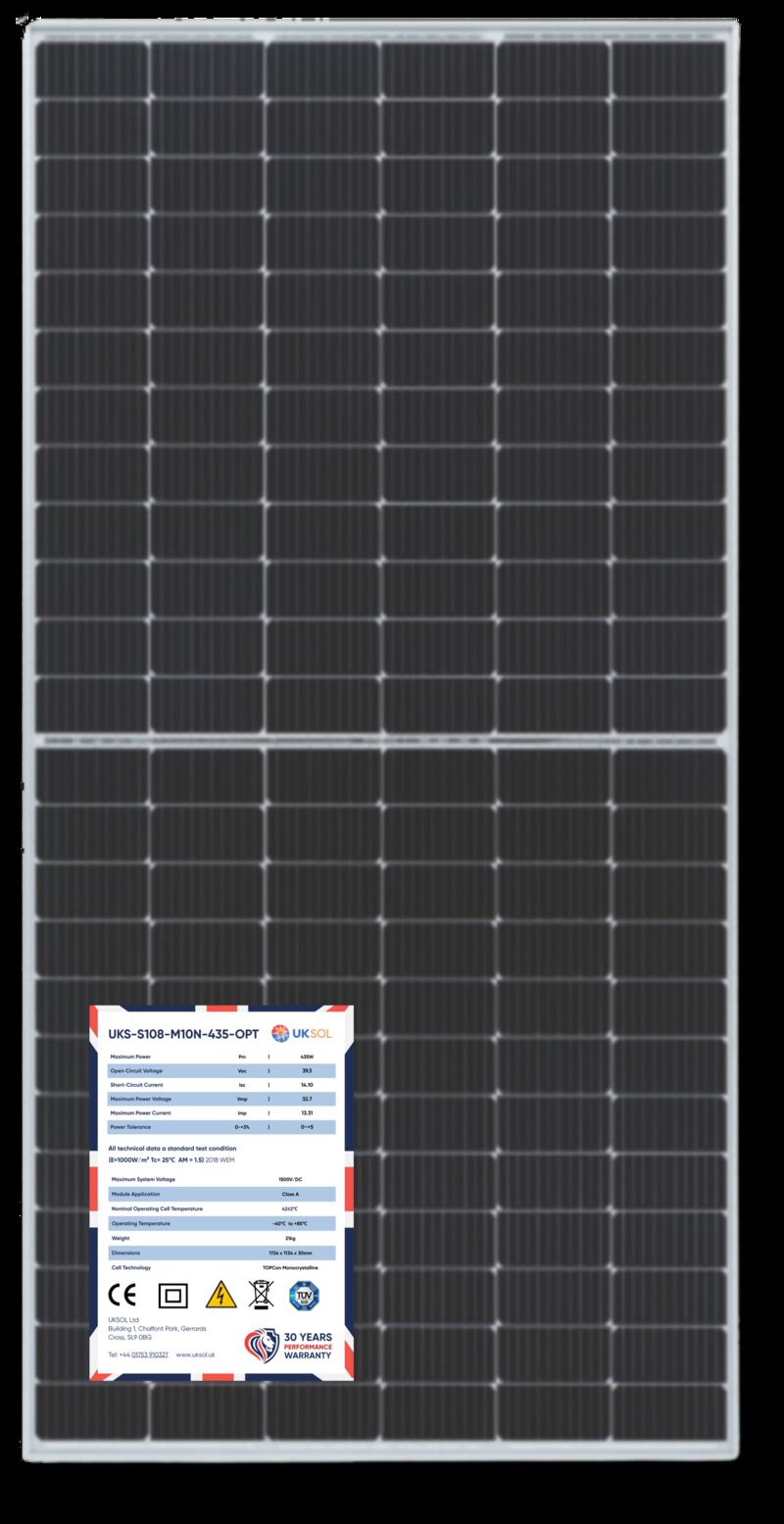
Product certification for solar modules is the part of the scheme most often reduced to a logo on a datasheet, and it is worth separating from the installer standard. MCS product certification is a mark of quality and ensures compliance with UK regulations5. Certification bodies assess products against the MCS standards, and the resulting listing is what allows a certified installer to fit a given module under the scheme.
The standards themselves sit alongside the international testing regime rather than replacing it. Modules sold in the UK are tested to IEC standards for design qualification and safety, and MCS product certification adds the UK scheme layer on top. A household comparing two panels with similar datasheet figures is looking at products that may both be certified, in which case the certification is not the differentiator; the specification is. The solar panel standards and testing page sets out how IEC 61215 and IEC 61730 relate to what appears on a certificate.
Certification is time-limited, which is why a certificate number should be checked rather than assumed. Certificates carry expiry dates, and a module that was certified when it was fitted may have a certificate that has since lapsed. That does not invalidate an existing installation, but it does mean a household checking a proposed product should look at the current listing rather than a historic one.
The product side of the scheme also covers the parts that are easy to overlook. Certified installers use MCS certified products including solar heating panels and mounting kits, so the mounting system is inside the certification boundary rather than outside it2. For a roof installation, that matters: the module, the mounting and the inverter are all part of what the certificate describes.
What MCS certification requires of an installer
Certification is a company-level status with conditions attached, and one of them sits upstream of the technical standards. A requirement of companies wanting to gain MCS certification is that they are members of a CTSI Approved Consumer Code of Practice scheme in the first instance18. That means an MCS certified installer is also signed up to a consumer code, which is where much of the conduct expectation lives.
The conduct requirements are concrete. Certified installers must give clear information on how to contact them with any questions, concerns or complaints, and must acknowledge a complaint within two working days and respond effectively19. A breach of the Customer Commitment is itself listed as an example of a complaint that can be raised19. The quote a household receives is part of the same framework: the quote for a solar heating installation will be clear and provide a full breakdown of what is being purchased2.
On the technical side, the installer works to the published standards for the technology. The Welsh specification names the latest published MIS3002 standards for solar PV, which is the installer standard that governs the design and installation process for photovoltaic systems16. Certification bodies audit against those standards, and MCS assists them in reviewing cases and consumer issues relating to installers or products10.
There are limits to what the installer standard reaches. MCS requires installers to provide a design-stage prediction of system efficiency, not verify actual performance, and it does not require remediation of systems that are underperforming relative to their design20. It also specifies handover documentation but not the quality of verbal explanation, household understanding, structured follow-up or ongoing support20. Those are the gaps a household should know about before treating certification as a complete quality guarantee.
"MCS requires installers to provide a design-stage prediction of system efficiency, not verify actual performance."
Size limits: 50kW for electricity, 45kW for heat
The scheme draws a hard boundary by capacity, and the boundary differs by technology. The scope of technologies covered by MCS is up to 50kWe for electricity-generating technologies such as solar PV, and up to 45kWth for heat-generating technologies such as heat pumps3. Product certification follows the same split: electricity generating products with outputs of up to 50kW, and heat generating products with outputs of up to 45kW12.
| Technology | MCS capacity limit | Source |
|---|---|---|
| Solar PV and other electrical technologies | 50kW electrical | 3 |
| Heat pumps and other heat technologies | 45kW thermal | 3 |
| Multiple heating units in one installation | 70kW combined | 5 |
| Micro CHP under the Feed-in Tariff | 2kW scheme maximum | 21 |
The limits are not arbitrary. They mark the point at which an installation stops being microgeneration and starts being something the distribution network and the building regulations treat differently. For solar PV, the 50kW figure recurs across the scheme documents: Feed-in Tariff guidance defines an MCS-FIT installation as solar PV or wind with a declared net capacity at or below 50kW, or micro CHP up to the 2kW scheme maximum21, and supplier guidance uses the same threshold14.
Above the limit, installations fall outside MCS and outside the data the scheme collects. MCS states that the installations that would not be covered are heat pumps installed with a thermal output larger than 45kW and the majority of installations in new-build properties22. That second exclusion is worth noting for anyone reading installation statistics: a new-build estate with solar on every roof may contribute little or nothing to the MCS totals.
For a domestic array, the limits are far above what a roof can carry, so they rarely bind. They matter for small commercial roofs, for farm buildings and for anyone combining several heat sources, where the 70kW combined figure for multiple heating units in the same installation becomes the relevant ceiling5. The Domestic RHI guidance states that MCS can certify products up to 45 kilowatts of capacity, which may be combined to meet larger heat demands but cannot exceed 70 kilowatts in total23.
How to find and check an MCS certified installer
The scheme maintains a searchable directory, and it is the starting point rather than a formality. The Find an Installer tool on the MCS website searches for certified solar PV and battery storage installers near a given location4. A household can filter by technology, which matters because certification is granted per technology: 77% of MCS contractors are certified for solar PV and 34% for battery storage, so a company certified for one may not be certified for the other7.
Checking a certificate is a separate step from checking a company. The certificate should only be issued once the installation is fully installed and commissioned, and certificates issued before completion are ineligible6. A household that is handed a certificate before the system is running should treat that as a problem rather than a convenience.
The scheme also runs verification contact after the fact. MCS may contact a property owner for a short, routine verification on behalf of Ofgem, either by email or by telephone on 0333 103 8198, and property owners should aim to respond within seven days24. The general MCS contact number is 0333 103 813024. This is verification of an installation, not a sales call, and it is worth knowing the difference before dismissing it.
Registration timing is set by scheme rules in funded work. One Welsh specification requires that, no later than 10 working days after commissioning, the installation is registered by the MCS contractor on the MCS Installation Database and an MCS certificate generated, with the commissioning certification issued to the employer within 14 days of commissioning16. Those are the deadlines a household can hold a contractor to when a grant or a scheme payment depends on the paperwork.

MCS certified products and the battery storage exception
Product certification is the rule for most of an installation, with one deliberate gap. All MCS certified installers delivering certified installations must install an MCS certified product, except for battery storage5. That exception is the single most useful thing to know when comparing quotes, because it means a battery can sit outside the product certification boundary while the panels and inverter do not.
The exception does not mean batteries are unregulated. Battery installations are counted in the scheme's statistics, and the published figures exclude data where the battery nominal storage capacity was less than 1kWh or greater than 30kWh25. That gives a working sense of the domestic range the scheme tracks, from small retrofit units up to larger home batteries.
Certification for battery storage is a distinct contractor status. Of the more than 5,000 MCS certified contractors recorded as of October 2024, 34% were certified for battery storage against 77% for solar PV7. A household adding a battery to an existing array is therefore looking for a company holding that specific certification, not simply a solar installer.
The product list extends beyond panels and batteries. Certification is available for solar PV, solar mounting, small wind turbines, heat pumps, biomass, solar heating and micro CHP5, and additional technologies include battery storage, biomass, micro CHP, solar heating and small wind turbines11. For a household planning a phased project, that breadth is useful: the same scheme covers the battery storage added later and the solar water heating fitted alongside.
Warranty terms sit with the manufacturer rather than the scheme, but they appear in scheme documentation. One approved innovation measure requires that a manufacturer warranty has been registered for the solar PV array, covering over at least a 25-year period26. That is a scheme condition for a particular measure rather than a universal MCS rule, and the solar panel warranties and degradation page covers what the terms typically say.
Consumer protection: what MCS does when something goes wrong
The consumer protection offer is framed as peace of mind if something were to go wrong when installing renewable technologies, such as solar PV and heat pumps, in a home or small business1. In practice it is a complaints route with defined stages, and the stages are what a household should understand before signing anything.
The first stage is the installer. MCS describes itself as a single point of contact, but the process begins with the company: if something goes wrong, the household needs a simple, fair and transparent process to follow, and the installer is expected to give clear information on how to make contact27. Only if that fails does the scheme come in.
The second stage is MCS itself. MCS is the contact for issues with the installation process, the installer, or the MCS certificate or product8. Complaints can be sent by email to mcscomplaints@mcscertified.com, and MCS acknowledges a complaint within five working days27. Details of the complaint are shared with the installer, the certification body and the consumer code if applicable19.
The third stage is Alternative Dispute Resolution. Certified installers take part in ADR with the scheme's provider if a resolution both parties agree on cannot be reached through the MCS complaints process19. That is the escalation route when the internal process concludes without agreement.

Complaints, time limits and ADR referral

The deadlines are the part of the process most easily missed, and they run in a fixed order. For MCS certified installations, a complaint must be made no more than two years after the date that the system was commissioned8. That is the outer limit for approaching the scheme, and it is measured from commissioning rather than from the date a fault appears.
Escalation to ADR has its own conditions and its own clock. A household can escalate for a defined set of reasons: having completed the MCS complaints process and remaining dissatisfied, disagreeing with the proposed resolution, the complaint not being resolved within 12 weeks, a contract under the redeveloped installer scheme, or an original scheme contract on or after 1 January 2025 with the installer's written agreement to engage in ADR27. The escalation must be made within 12 months of the complaint being concluded by MCS27.
| Stage | Time limit | Source |
|---|---|---|
| Installer acknowledges a complaint | Within two working days | 19 |
| MCS acknowledges a complaint | Within five working days | 27 |
| Complaint to MCS after commissioning | No more than two years | 8 |
| Escalation to ADR after MCS concludes | Within 12 months | 27 |
| Unresolved complaint triggering ADR eligibility | Not resolved within 12 weeks | 27 |
Where a complaint concerns a specific company, the ombudsman route may also apply. The Energy Ombudsman lists Metric Energy Limited as a company it can accept disputes about, and a complainant must already have complained to that company and have sufficient evidence including the date the complaint was raised28. That is a company-specific entry rather than a general route for solar installers.
For Feed-in Tariff disputes, Ofgem publishes a separate dispute resolution route, and it directs complainants to the MCS Administrator if a complaint about an MCS installer is not resolved, with the Administrator advising how to make the complaint29. The same guidance names MCS as the body to approach on installer conduct.
The load control sector shows how complaints regimes are normally framed, which is useful context for what MCS does and does not do. Complaints and ADR requirements for load control licensees follow the Gas and Electricity (Consumer Complaints Handling Standards) Regulations 2008, which set rules on accessibility, resolution times and reporting30. MCS operates a scheme process rather than a statutory complaints regime of that kind.
What MCS certification does not guarantee
Certification is a standards check, and the list of things it does not cover is as important as the list of things it does. The most consequential is performance. MCS requires installers to provide a design-stage prediction of system efficiency, not verify actual performance, and it does not require remediation of systems that are underperforming relative to their design20. A household holding a certificate and a generation estimate has a documented prediction, not a promise.
The second gap is coverage. MCS certification is not a mandatory requirement, so MCS data does not capture all small-scale renewable energy installations in the UK3. Installations that would not be covered include heat pumps installed with a thermal output larger than 45kW and the majority of installations in new-build properties22. A household comparing its own system against national figures should know that the national figures are partial.
The third gap is the softer side of a handover. MCS specifies handover documentation but not the quality of verbal explanation, household understanding, structured follow-up or ongoing support20. Two installations can both be certified and leave the household with very different levels of understanding about how the system behaves.
The fourth is that certification is not a substitute for the other approvals a project may need. Building control guidance notes that MCS certified installers generally do not need to submit a Building Regulations application, but that all installers should check with local Building Control16. Planning permission, grid connection and building regulations are separate questions, covered on the building regulations and grid connection pages.
Finally, certification does not make a household independent of anything. The array still connects to the grid, the export still depends on a supplier arrangement, and the certificate's value is that it makes the installation acceptable to the bodies that administer payments and approvals. That is a real benefit and a bounded one.
Sources30 cited
- Why MCS certification matters, MCS Certified, 2026-08-17
- Solar heating, MCS Certified, 2026-08-17
- MCS data dashboard, MCS Certified, 2026-05-21
- 2026 set for record solar power take-up, Solar Energy UK, 2026-09-14
- Certifying your product, MCS Certified, 2026-05-18
- Feed-in Tariff FAQ, Ofgem, 2018-12
- MCS celebrates milestone of 5,000 certified contractors, MCS Certified, 2024-10
- Who to contact, Ofgem, 2026-09-17
- ECO4 Flex and GBIS Flex information document, Ceredigion County Council, 2025-11
- Boiler Upgrade Scheme guidance for installers, Ofgem, 2026-09-17
- MCS data requests, MCS Certified, 2026-04-20
- MCS product certification, Kiwa, 2026-09-17
- Guide to closure, Ofgem, 2020-09
- FIT guidance for licensed electricity suppliers, Ofgem, 2024-09
- Draft licence conditions, UK Government, 2026-09-17
- Barcud solar panel installation scheme specification, Sell2Wales, 2026-06-15
- Building regulations renewables guidance, Bedford Borough Council, 2026-09-17
- Renewable Energy Consumer Code, Chartered Trading Standards Institute, 2026-09-20
- Complaints handling, MCS Certified, 2026-05-13
- Report on the heat pump transition, UK Government, 2026-05
- Feed-in Tariffs: generators, Ofgem, 2026-09-17
- Heat pump deployment quarterly statistics, UK 2026 Q1, UK Government, 2026-06-11
- Domestic RHI essential guide, Ofgem, 2024-06
- Boiler Upgrade Scheme guidance for property owners, Ofgem, 2026-03-25
- MCS domestic retrofit battery installations 2025 to 2026, UK Government, 2026-05-28
- ECO4 innovation approved innovation measures, Ofgem, 2023-10
- What to do if things go wrong, MCS Certified, 2026-09-07
- Raise a dispute: Metric Energy Limited, Energy Ombudsman, 2026-09-19
- Dispute resolution, Ofgem, 2026-09-17
- Load control consumer protection guidance, Ofgem, 2026-08-07
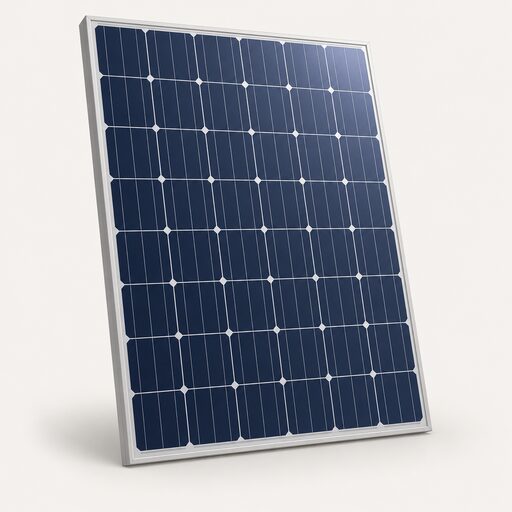 MCS ExplainedMCS is the quality mark for solar panels, heat pumps and other home renewables.
 Certification and ApprovalsWhich certificates actually matter when you are choosing solar panels or a heat pump?
 MCS Installation StatisticsHow many homes have had solar panels, heat pumps or batteries fitted by certified installers, and is that number still rising?
 Export Tariff EligibilityTo get paid for solar power you send to the grid, you need a certified installer, your network operator told about the connection, and a meter that records what you export.
 Installer QualificationsWhat training and qualifications should a heat pump installer actually have?
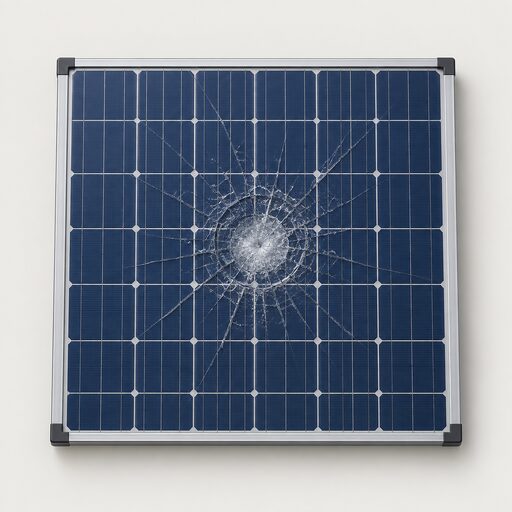 Standards and TestingWhat do the certificates on a solar panel datasheet actually prove, and which ones should you look for in the UK?