

In this answer
Short answer
The MCS certified product directory is the public list of products certified under the Microgeneration Certification Scheme, and it sits on the MCS website alongside the Find an Installer tool. MCS describes itself as an independent certification scheme for microgeneration installation companies and products1. The directory is where a household, an installer or a grant administrator checks whether a specific make and model carries a valid MCS certificate.
That check matters because certification is the gateway to public money. MCS certification is a route to many consumer grants and incentives, and it is a requirement for accessing many UK government incentives2. For the Domestic Renewable Heat Incentive, a renewable heating system had to be issued with an MCS certificate by the installer, and certificates could only be issued for systems using an MCS certified product3.
The directory is not a ranking, a review site or a performance guarantee. It records that a product has been assessed against MCS standards, and it now carries technical detail such as the A-weighted sound power level for certified products4. What follows sets out what the scheme covers, how to search it, and where certification stops.
What MCS is and what the certification actually covers
MCS is a voluntary certification scheme in the sector, not a statutory regulator9. Its product and installation standards are owned by The MCS Foundation and produced by MCS10. Within the scheme, MCS sets and maintains technical standards for installations and products, certifies installers and products against those standards, issues MCS certificates for completed eligible installations, and assists certification bodies in reviewing cases and consumer issues relating to installers or products1.
Product certification is described by MCS as a mark of quality, and it ensures compliance with UK regulations1. The assessment is not a single test. It includes a review of technical documentation relating to the product11, and certification bodies such as BSI run the assessment and certification work under the scheme12. MCS has also appointed new product certification bodies, including Intertek Shanghai, which widens the pool of organisations able to certify products for the scheme7.
The scheme covers a defined set of microgeneration technologies. Solar heating is one, and MCS states that certified installers use MCS certified products, including solar heating panels and mounting kits13. Heat pumps, solar PV and battery storage sit within the same framework. There is one notable exception: all MCS certified installers delivering certified installations must install an MCS certified product, except for battery storage1.
For a household, the practical meaning is narrow and useful. Certification tells you a product has been assessed against a published standard by an accredited body, and that an installer certified under the scheme is expected to fit it. It does not tell you the product is the best on the market, the cheapest, or the right size for your home.

What the MCS certified product directory contains

The directory holds certified products across the main domestic technologies, and the volume of listings is substantial. Products from nearly 600 manufacturers appear in the scheme5. On the heat pump side, a government consultation published in November 2024 recorded 1,322 medium-temperature air source heat pumps, 483 medium-temperature ground source heat pumps, 254 high-temperature air source heat pumps and 16 high-temperature ground source heat pumps in the data6. The same source shows how thin the high-temperature ground source category is compared with the mainstream medium-temperature air source market.
Solar is the largest category by count. MCS reported over 90,000 solar panel products in July 20247. That figure reflects the breadth of module models certified globally and listed for the UK market rather than the number a household will ever be offered.
The directory also carries technical attributes that matter for planning and for neighbour relations. MCS holds the A-weighted sound power level for MCS certified products on the MCS Product Directory4. That followed a change to the standard in support of government changes to planning requirements for air source heat pumps14, and an updated version of MCS 020 was published alongside it4. Sound power data is the figure used in permitted development noise assessments, so its presence in the directory is not decorative.
Certification status is not permanent, and the directory reflects that. MCS announced a grace period for solar PV products ahead of the implementation of four updated product standards, and stated that this was not a product certificate extension15. It has also published updates on investigations into solar mounting certification and flat roof solar PV mounting issues, with certification dates displayed as 10/05/2025 to 10/11/2025 for affected solar mounting products16. A listing can therefore be current, lapsed or under review, and the dates shown against a product are part of what you are checking.
How to search the directory and verify a product or installer
The directory and the installer search sit in the same place. MCS states that you can check whether an installer is MCS certified by using the Find an Installer online tool or by contacting the Customer Support Helpdesk17. Independent guidance points to the same route: the Energy Saving Trust notes that MCS has a database of certified installers and systems to help find an installer18.
For a product, the check is a name-and-model match. Official guidance for the Domestic Renewable Heat Incentive told applicants to check that their installed heating system was on the MCS Product directory19. Ofgem's Product Eligibility List takes the same underlying information and presents the makes and models of renewable heating products assessed as eligible for the scheme, based on information supplied to it by MCS20.
A sensible sequence for a household:
- Search the directory for the exact make and model quoted, and confirm the certificate is current.
- Check the installer on Find an Installer, and confirm the certification covers the technology being fitted.
- Ask for the MCS certificate number for the completed installation, which is issued for eligible installations.
- Keep the certificate with the handover documents, because it is the evidence grant administrators and future buyers ask for.
Independent guidance also suggests searching MCS, TrustMark or Buy With Confidence for vetted contractors, and getting more than one quote21. A local authority energy advice page makes the same point in stronger terms: use the government-endorsed Microgeneration Certification Scheme to find certified installers, and get at least three quotes from reputable installers22.

What MCS certification does and does not guarantee
Certification is a quality and compliance marker, and MCS states that it ensures access to robust protections2. It is also a condition of several schemes, which is why it carries weight. But the boundary of what it covers is worth stating plainly.
An official report on the heat pump transition found that MCS specifies handover documentation but not the quality of verbal explanation, household understanding, structured follow-up or ongoing support23. That is a precise limit. The certificate evidences that documents were produced; it does not evidence that the household understood the controls, that the system was explained well, or that anyone followed up after commissioning.
Certification also does not guarantee a performance figure. Independent guidance for people moving house simply advises checking that the heat pump has an MCS certificate24, which is a compliance check rather than a prediction of running costs. The scheme's own framing is about how installers deliver quality to consumers rather than administrative checks, described as simpler and more rewarding but just as robust25. That is a statement about process design, not about measured outcomes in an individual property.
There is a further limit in the battery exception. Because battery storage is excluded from the requirement that certified installations use a certified product1, a household buying a battery should not assume the same certification coverage applies as for a heat pump or solar array. The scheme's domestic battery installation statistics cover retrofitting electric batteries into domestic properties in the United Kingdom26, which shows the activity is tracked, but the product certification requirement is not the same.
Where certification does bite is on the installer's conduct. MCS certified installers are required to treat all customers fairly and respectfully, and to identify and appropriately support consumers who may be experiencing vulnerable circumstances27. That obligation sits with the installer, and MCS can act when it is breached.
"MCS specifies handover documentation but not the quality of verbal explanation, household understanding, structured follow-up or ongoing support"
MCS, grants and the Clean Heat Market Mechanism
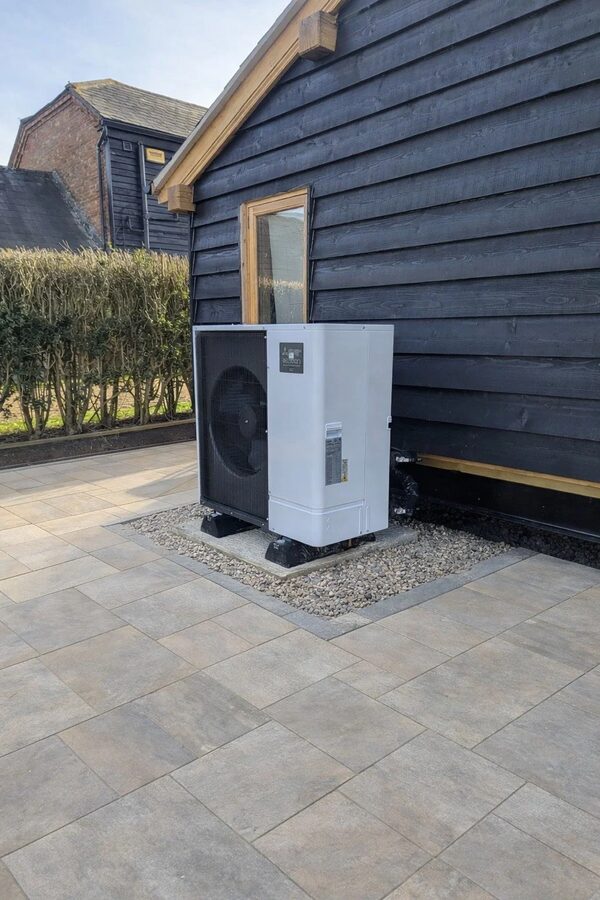
The directory's role in public funding is the reason most households encounter it. MCS is an approved certification scheme for the Clean Heat Market Mechanism28, the government's market-based mechanism for heat pumps. That makes certification part of how manufacturers and installers participate in the scheme, not just a consumer protection label.
Equivalency extends the reach of the directory beyond products certified directly under MCS. Products certified through schemes recognised as MCS equivalent are listed in the Product Directory29. That matters for imported equipment and for manufacturers whose primary certification was obtained overseas.
On the grant side, the pattern is consistent across schemes. MCS certification is a route to many consumer grants and incentives2. For the Domestic Renewable Heat Incentive, eligibility required an MCS certificate issued by the installer, and certificates could only be issued for systems using an MCS certified product3. Ofgem's Product Eligibility List, drawn from MCS information, shows the makes and models assessed as eligible20.
The Boiler Upgrade Scheme adds a layer of checking that households should expect. Ofgem's guidance states that MCS also undertakes its own checks on installations completed by MCS-certified installers, separate from Ofgem's audit programme, and that MCS may contact owners directly or arrange a visit30. A later version of the same guidance repeats that MCS may contact you directly31. A household that has received a grant should therefore expect the possibility of a post-installation check from MCS as well as from Ofgem.
Where MCS fits in the UK's quality assurance landscape
MCS is one layer in a stack, and knowing which layer does what saves time when something goes wrong. MCS sets and maintains technical standards, certifies installers and products, issues certificates for completed eligible installations, and assists certification bodies in reviewing cases and consumer issues relating to installers or products1. It is a voluntary scheme rather than a regulator9, and its standards are owned by The MCS Foundation and produced by MCS10.
Around it sit the certification bodies that carry out assessment work, the grant administrators such as Ofgem that set eligibility rules, and consumer bodies that publish independent guidance. The Energy Saving Trust and the Low Carbon Hub both direct households to MCS as a starting point for finding contractors18, which is a sign of how embedded the scheme is in advice literature.
The installer scheme itself has been redeveloped. MCS describes the redeveloped scheme as focusing more on how installers deliver quality to consumers rather than administrative checks25. Financial protection is part of the framework, with requirements set for financial protection providers and a listing of approved products in the online directory32. That listing is separate from the product directory for equipment, and it covers the insurance-backed products that sit behind installer guarantees.
For a household, the practical division is this: MCS and its certification bodies handle certification and complaints about installers and products; Ofgem handles grant eligibility and its own audits; the installer holds the contract and the warranty obligations. MCS describes itself as the single point of contact for issues with the installation process, the installer, or the MCS certificate or product, and asks that the installer be contacted first33. Complaints can be emailed to mcscomplaints@mcscertified.com33. Ofgem's own guidance directs consumers to MCS for issues with the installation process, installer, or MCS certificate or product34.
Two consumer protections are worth knowing. MCS states that it will never cold call you and that you will not be asked to purchase items like warranties from it17, and it publishes scam-awareness guidance17. On vulnerability, MCS certified installers must identify and appropriately support consumers in vulnerable circumstances27, and within MCS, if a team member believes a consumer is at immediate risk of harm, they immediately alert their line manager to support the consumer engagement27.
The scheme has grown to a certified contractor base listed in its directory8, and one certified installer quoted in an MCS announcement said certification gives customers confidence in the quality of products and installations, while also providing protection through warranties and guarantees8. That is a participant's view rather than an independent finding, but it describes the commercial logic that keeps the directory relevant.
For energy independence, the directory is a means rather than an end. It is the check that unlocks grant funding, confirms an installer is certified for the technology, and gives a household a documented certificate to hold. The dependence it leaves intact is on the installer's own workmanship, on the manufacturer's warranty terms, and on the certification bodies that carry out the assessment. Certification narrows the risk; it does not remove it.

Sources34 cited
- Certifying your product, MCS, 2026
- Why MCS certification matters, MCS, 2026
- Eligible heating systems, Ofgem, 2026
- MCS has published an updated version of MCS 020, MCS, 2025
- MCS strengthens product scheme with new appointment, MCS, 2026
- Raising minimum standards for heat pumps: options assessment, UK Government, 2024
- MCS welcomes Intertek Shanghai as its newest product certification body, MCS, 2024
- MCS celebrates milestone of 5,000 certified contractors, MCS, 2024
- MCS data requests, MCS, 2026
- Scheme governance, MCS, 2026
- Product requirements, MCS, 2026
- MCS microgeneration certification, BSI, 2026
- Solar heating, MCS, 2026
- MCS set to change standard in support of government changes to planning requirements for air source heat pumps, MCS, 2024
- Grace period for solar PV products announced, MCS, 2026
- Update on investigations into solar mounting certification, MCS, 2025
- Be scam aware, MCS, 2026
- Exhaust air heat pumps, Energy Saving Trust, 2025
- Guide to making an application to the DRHI, Ofgem, 2022
- Product eligibility list, Ofgem, 2026
- Clean energy boost, Low Carbon Hub, 2024
- Solar panels, London Borough of Hammersmith and Fulham, 2026
- CFP report: heat pump transition, UK Government, 2026
- Moving house energy checklist, Energy Saving Trust, 2026
- MCS responds to consultation outcome on certification requirements for clean heat schemes, MCS, 2025
- MCS domestic retrofit battery installations 2025 to 2026, UK Government, 2026
- Our approach to supporting customers, MCS, 2026
- Clean Heat Market Mechanism, MCS, 2026
- Product scheme equivalency, MCS, 2026
- Boiler Upgrade Scheme guidance for property owners v5.1, Ofgem, 2026
- Boiler Upgrade Scheme guidance for property owners v5 draft, Ofgem, 2026
- Requirements for financial protection providers, MCS, 2026
- What to do if things go wrong, MCS, 2026
- Who to contact, Ofgem, 2026
 MCS ExplainedMCS is the quality mark for solar panels, heat pumps and other home renewables.
 MCS CertificationWhy do so many installers and tariff schemes ask about MCS certification when you get solar panels?
 Certification and ApprovalsWhich certificates actually matter when you are choosing solar panels or a heat pump?
 Standards and CertificationHow do you know a heat pump will really perform as promised?
 Standards for Emerging ProductsIf a heat pump or solar product is new, who checks it is safe and works properly?
 Installer QualificationsWhat training and qualifications should a heat pump installer actually have?