

In this answer
Short answer
MCS certification for micro-CHP is the UK quality assurance scheme that covers both the product and the installer. It is not a legal requirement for every installation, but it is a condition of most government funding and of Smart Export Guarantee payments. The scheme includes certification for products and installer companies1.
A certified installer uses an MCS certified micro CHP system, and the installation is designed and installed in accordance with MCS Standards2. The MCS certificate is issued within 10 working days of completion2. MCS certification is a route to many consumer grants and incentives3.
The scheme is independent and UKAS-accredited, covering microgeneration products such as solar panels, heat pumps and wind turbines4. Micro-CHP sits within that scope alongside solar PV, small wind turbines, heat pumps, biomass and solar heating5. For a household, certification is the mechanism that connects a micro-CHP unit to funding, export payments and a complaints route.
What MCS certification means for micro-CHP
MCS is a certification scheme for microgeneration installation companies and products, aiming to ensure consistent standards and provide confidence to consumers6. It provides certification and quality assurance for small-scale renewable energy systems10. The scheme is described as an internationally recognised quality assurance scheme, supported by the Department of Energy and Climate Change, that certifies microgeneration technologies producing heat and electricity from renewable sources11.
For micro-CHP specifically, MCS certification is offered for micro combined heat and power units12. That places micro-CHP in the same certification framework as solar PV, small wind turbines, heat pumps, biomass and solar heating5. The scheme certifies, quality assures and provides consumer protection for microgeneration installations and installers13.
The practical meaning for a household is that a certified micro-CHP installation has been assessed against a published standard, and that the installer company has been assessed for competence. MCS is an independent certification scheme for microgeneration installation companies and products14. It is not a manufacturer's self-declaration, and it is not the same as a product approval mark.
"MCS is an independent UKAS-accredited quality assurance scheme for microgeneration products such as solar panels, heat pumps and wind turbines"
Why MCS certification matters for householders
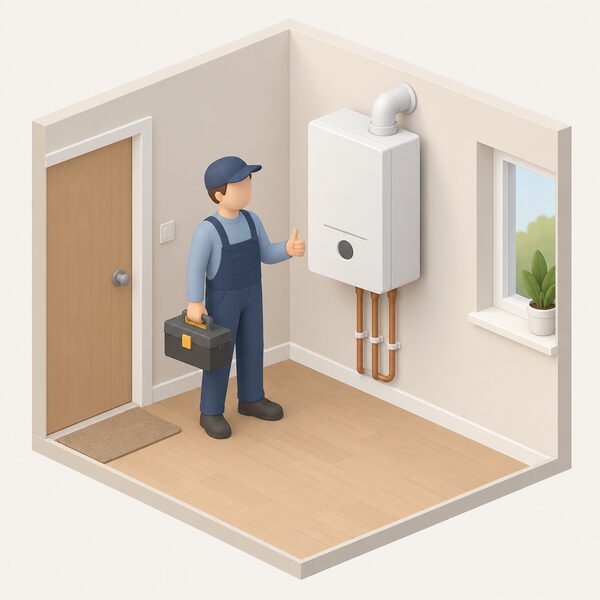
MCS certification is a requirement for accessing many UK government incentives and ensures access to robust protections3. That dual role, funding access and consumer protection, is the core reason it matters. Without certification, a micro-CHP installation may still be legal and functional, but it will not unlock the schemes that make the economics work.
The scheme covers homes and small businesses throughout the UK15. It helps ensure industry standards for low-carbon energy installations, including heat pumps16. Certification covers installations of small-scale renewables, from solar panels, to heat pumps, to small wind turbines17. A white paper on heat pump deployment described MCS certification as vital to ensuring the roll out of reliable, high performing heat pump systems18.
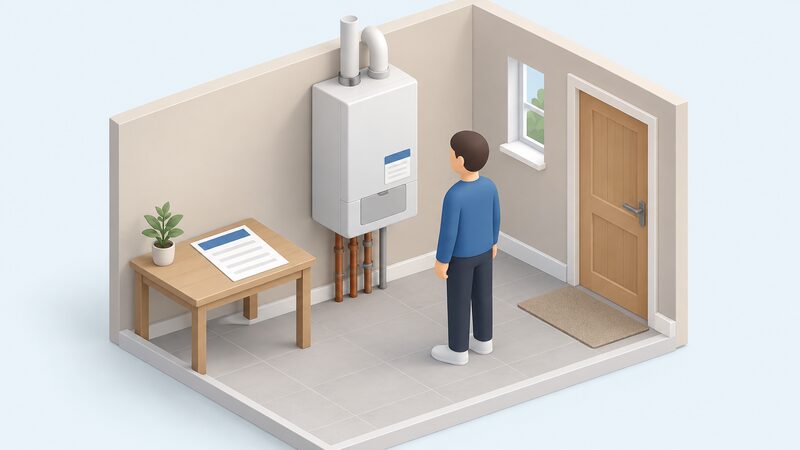
For a household considering micro-CHP, the certification question is really two questions: is the product certified, and is the installer certified? Both matter. A certified product installed by an uncertified installer does not produce an MCS certificate, and without that certificate the funding and export routes close.
What MCS certification covers on a micro-CHP unit
MCS product certification is a mark of quality5. It covers micro CHP alongside solar PV, solar mounting, small wind turbines, heat pumps, biomass and solar heating5. The certification applies to the product itself, tested for quality and performance, and to the way it is designed and installed.
A certified installer uses MCS certified micro CHP systems, meaning the product being used has been tested for quality2. The installation is designed and installed in accordance with MCS Standards2. The MCS certificate should be a true reflection of the installation to allow validation of the information at the point of entry into the Feed-in Tariff scheme20.
The scheme also recognises equivalent standards. MCS currently recognises three European product certification schemes as equivalent5. That matters for micro-CHP units manufactured outside the UK, where an equivalent certification may satisfy the requirement.
| What certification covers | Detail |
|---|---|
| Product | Micro CHP units tested for quality5 |
| Installer | Must be a member of a UKAS approved certification body9 |
| Installation | Designed and installed in accordance with MCS Standards2 |
| Certificate | Issued within 10 working days of completion2 |
| Equivalent schemes | Three European product certification schemes recognised5 |
How certification is assessed independently
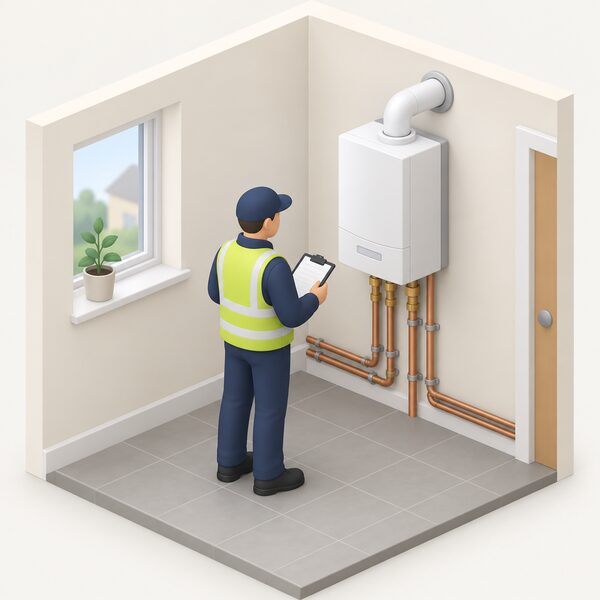
Certification is delivered through a testing, audit, and certification process21. MCS is an independent UKAS-accredited quality assurance scheme4. All MCS installers are required to be a member of a UKAS approved certification body, which assesses their competence9. That separation between the scheme and the certifying bodies is what makes the assessment independent of the manufacturer.
The scheme also undertakes its own checks on completed installations. MCS undertakes its own checks on installations completed by MCS-certified installers, separate from Ofgem's audit programme, and may contact owners directly or arrange a visit22. This is a post-installation check, not just a paper approval at the point of sale.
For micro-CHP owners, that means certification is not a one-off badge. It carries an ongoing audit trail. The MCS certificate at Feed-in Tariff registration should be a true reflection of the installation20. For MCS-FIT small-scale installations, deployment caps were ordered by the date and time of the installation's MCS certificate23.
Where MCS fits in the wider micro-CHP picture
MCS certification is the gateway to the funding and payment schemes that make micro-CHP viable for many households. The Warm Homes: Local Grant requires MCS certification for low carbon heating measures, with the exception of high heat retention storage heaters covered by PAS 20307. Most heat pump retrofit installations with Government funding are required to have MCS certification24.
The Smart Export Guarantee requires an MCS certificate or equivalent for solar PV, wind and micro-CHP installations up to 50kW8. That is the route by which a micro-CHP owner can be paid for exported electricity. Without the certificate, the export payment route is not available.
The Feed-in Tariff, now closed to new applicants, also relied on MCS certification. The MCS certificate should be a true reflection of the installation to allow validation of the information at the point of entry into the FIT scheme20. For MCS-FIT small-scale installations, deployment caps were ordered by the date and time of the installation's MCS certificate23.
For a household, the wider picture is that MCS certification connects a micro-CHP unit to grants, export payments and a complaints route. The complaint deadline for MCS certified installations is no more than two years after the date the system was commissioned6. That is a defined consumer protection window, and it runs from commissioning, not from the date of the sales conversation.

Sources24 cited
- The Microgeneration Certification Scheme, Planning Portal, 2026
- Micro-CHP, MCS Certified, 2026
- Why MCS Certification Matters, MCS Certified, 2026
- MCS Microgeneration Certification Scheme, BREGroup, 2026
- Certifying Your Product, MCS Certified, 2026
- Who to Contact, Ofgem, 2026
- Warm Homes: Local Grant Policy Guidance, Department for Energy Security and Net Zero, 2026
- Smart Export Guarantee Annual Report Year 5, Ofgem, 2025
- WHSHF Wave 3 Scheme Guidance Addendum, Department for Energy Security and Net Zero, 2026
- MCS Microgeneration Certification, BSI Group, 2026
- Micro Generation Connections, SSEN, 2026
- MCS Microgeneration Certification, BSI Group, 2026
- ECO4 Flex and GBIS Flex Information Document, Ceredigion County Council, 2025
- Boiler Upgrade Scheme, Ofgem, 2026
- Stron Renewables, MCS Certified, 2026
- How Can I Find a Trustworthy Installer, Nesta, 2025
- Tomlinson Longstaff, MCS Certified, 2026
- White Paper Encourages UK Embrace Heat Pump Technology, Eurovent Certification, 2023
- Amendments to the Boiler Upgrade Scheme: Government Response, Department for Energy Security and Net Zero, 2025
- Guidance for Suppliers, Ofgem, 2021
- MCS Microgeneration Certification, BSI Group, 2026
- Boiler Upgrade Scheme Guidance for Property Owners, Ofgem, 2026
- Feed-in Tariff FAQ, Ofgem, 2018
- Heat Pump Deployment Tables Q2 2026, Department for Energy Security and Net Zero, 2026
 MCS ExplainedMCS is the quality mark for solar panels, heat pumps and other home renewables.
 MCS CertificationWhy do so many installers and tariff schemes ask about MCS certification when you get solar panels?
 Micro-CHP Performance TestingHow well a micro-CHP boiler performs in your home decides what you get paid and what you save.
 Installer QualificationsWhat training and qualifications should a heat pump installer actually have?
 Export Tariff EligibilityTo get paid for solar power you send to the grid, you need a certified installer, your network operator told about the connection, and a meter that records what you export.
 Small Wind Turbine StandardsA small wind turbine needs the right certificate before it can go up, and that affects whether you need planning permission and whether you can get paid for the electricity you send to the grid.