
In this answer
Short answer
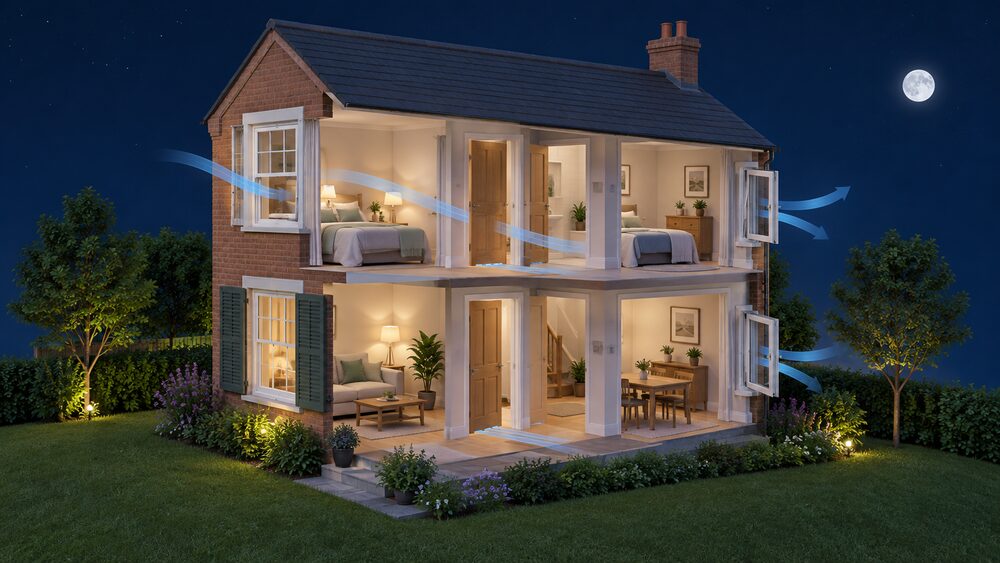
The short answer is that windows should stay shut while the air outside is hotter than the air inside, and open once it is cooler. In practice that means closing them through the day, keeping blinds down, and opening them at night and in the early morning. Guidance for hot weather is to keep blinds down and windows closed when the outside temperature is warmer than the inside, which holds the cooler air in the home1. Peak sun hours, given as 11am to 3pm, are the window in which curtains and blinds should stay closed to reduce indoor heat2.
The reason is that a UK home is built to hold warmth, not shed it. Most were designed to retain heat, not release it, which makes them prone to overheating during heatwaves3. Opening a window in the middle of a hot afternoon therefore does not cool the building; it replaces cooler indoor air with hotter outdoor air, and the fabric of the home absorbs that heat.
Ventilation still matters, and it is the cheapest cooling a household has. A well insulated home is usually easier to keep cool, with ventilation by opening windows at night and using extractor fans and vents4. The skill is timing rather than whether to ventilate at all.
Why open windows can make your home hotter
A window is a hole in the building envelope, and in summer it works in both directions. When outdoor air is hotter than indoor air, an open window is a route for heat to enter, and the thermal mass of walls, floors and furniture then stores it. That stored heat is released slowly through the evening, which is why a home that has been aired all afternoon can still be uncomfortably warm at midnight.
The design of UK housing makes this worse. Most homes were designed to retain heat, not release it, making them prone to overheating during heatwaves3. The same insulation that keeps winter warmth in keeps summer heat in, and a well insulated home is usually easier to keep cool only if it is ventilated at the right time, by opening windows at night and using extractor fans and vents4.
Several factors influence how much heat a property needs, including property size, number of external walls, wall thickness, insulation levels, type of glazing, number of people in the home and daily habits7. The same list explains how a home behaves in a heatwave: a top-floor flat with a large south-facing window and several occupants will overheat faster than a shaded ground-floor house with thick walls.
There is a wider point about summer comfort and energy independence. Improving homes so they stay warm in winter and cool in summer, investing in ventilation, shading and passive cooling, and ensuring energy is affordable for essential needs including cooling are all part of what the National Energy Action policy position sets out8. A household that can manage heat with ventilation and shading is less dependent on a powered cooling appliance and the electricity it draws.
When opening windows actually helps: night and early morning
Night ventilation is the part of the day that does the real work. Official guidance on traditional buildings states that all windows lose heat at night, except in the very warmest weather, and that in all circumstances windows and rooflights should retain their full capacity to ventilate rooms6. That second point matters for anyone renovating: ventilation capacity is not a feature to be designed out.
For bedrooms specifically, the advice is to open the windows a few hours before bedtime, releasing hot air that rises upwards in the house9. Upper floors collect the day's accumulated heat, so a top-floor bedroom benefits most from an early evening airing rather than a last-minute one.
There is a limit to how much night air helps. Air conditioning use during a heatwave can raise night-time temperatures by 1 to 1.5C in the surrounding area, a figure reported from Phoenix, Arizona, during a heatwave10. That is a non-UK example, and it describes the urban heat effect of widespread air conditioning rather than a UK condition, but it illustrates that mechanical cooling shifts heat outdoors rather than removing it.
In practice, a household should expect the indoor temperature to fall overnight only if the outdoor air is genuinely cooler and air can move through the building. A still, humid night with windows open on one side of the house will achieve little.
Cross-ventilation: how to cool a house with windows and doors
Cross-ventilation means giving air a route in one side of a home and out the other, so that it moves through rather than sitting in a room. Door undercuts provide airflow between rooms, which helps to provide cross-flow ventilation and reduces the build-up of moist air in rooms11. Internal doors left open, or trimmed at the base, are part of the cooling system.
Window type matters. Double hung sash windows can be very effective for ventilating a room when both top and bottom are open in hot weather, because the two openings sit at different heights and set up a stack effect12. Tilt and turn windows have a different advantage: as they can be locked partially open, they are a secure way to allow some fresh air into your home12.
The building fabric supports this. Solid wall insulation helps create a more even temperature in the home, helps prevent condensation on walls and ceilings, and can reduce the amount of heat building up inside during summer hot spells13. Double glazing works by trapping air between two panes of glass, creating an insulating barrier that reduces heat loss, noise and condensation, and installing it can cut heat loss through windows by half14. Combining loft insulation, external wall insulation and new window glazing can reduce a home's heat transfer coefficient by approximately 60%15.
| Measure | Effect on summer heat | Source |
|---|---|---|
| Solid wall insulation | More even temperature, less heat build-up in hot spells | 13 |
| Double glazing | Cuts heat loss through windows by half | 14 |
| Loft, wall and glazing combined | Heat transfer coefficient reduced by approximately 60% | 15 |
| Door undercuts | Cross-flow ventilation between rooms | 11 |
The trade-off is that a well-sealed home ventilates less by accident. Draught stripping for windows and doors is treated as an energy-saving material in the legislation that sets out VAT relief for such work, which shows how far the push to seal homes has gone16. Sealing is right for winter and needs a deliberate summer counterpart.
Shading and ventilation together: blinds, curtains and shutters
Shading and ventilation are not alternatives; they do different jobs at different times. Shading keeps solar heat from entering during the day, and ventilation removes the heat that has accumulated once the air outside cools.
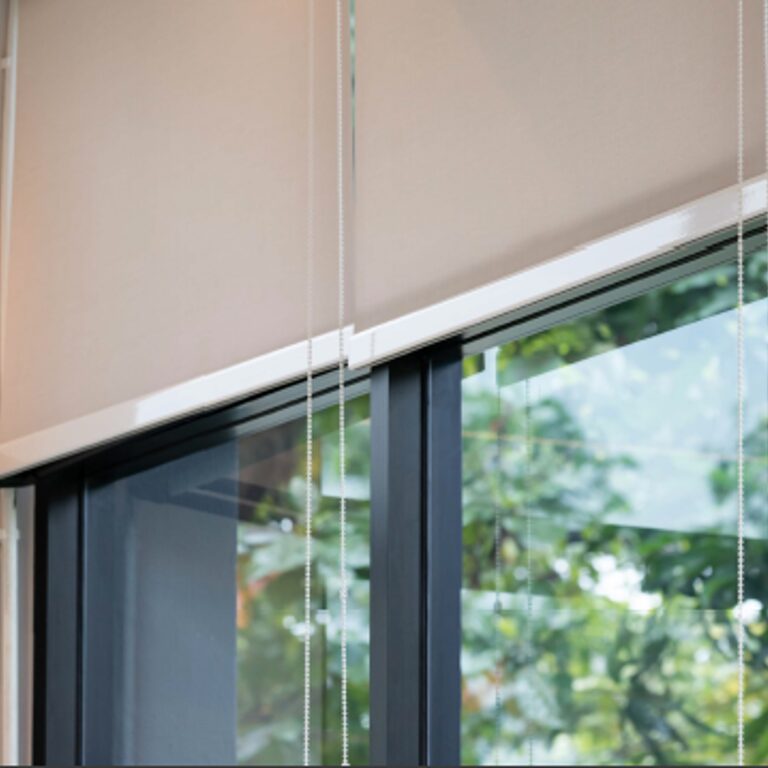
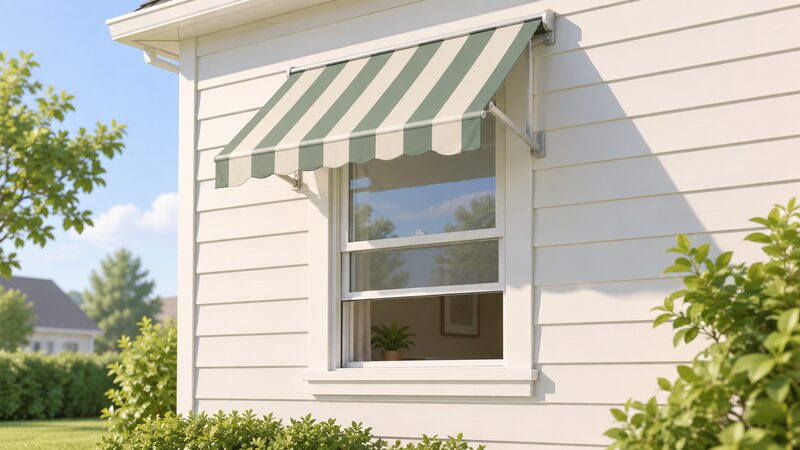
Where shading is fitted matters more than how much. Internal blinds and shutters help to some extent, but by that point the heat is already inside the home, between the window and the shading device5. It is much more effective to shade windows from the outside, as inside shading still lets most heat through the glass17. A government-commissioned study found shading devices, especially external shutters, to be the most effective means of keeping heat out5. For windows facing south through to west, awnings, blinds or shutters are the recommended remedial action to protect from solar heat gain18.
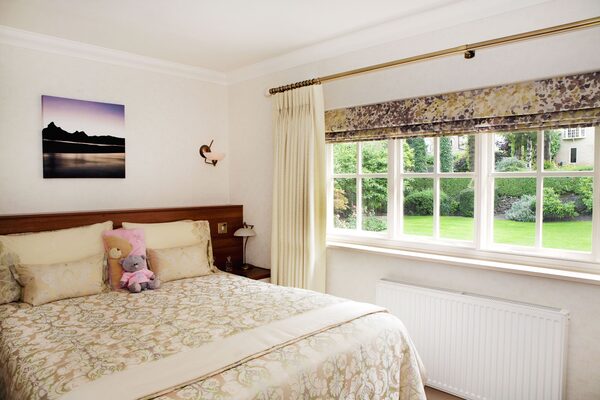
Curtains have a seasonal double role. Heavy curtains can make a real difference to how much heat is lost during the winter, and in the summer blinds can help keep rooms cooler, so a fan is not needed19. Thick or thermal lined curtains help keep draughts at bay, particularly with single glazing, but the same guidance says to open curtains during the day to let in sunshine and warmth, which is winter advice and should be reversed in a heatwave20.
Ventilation, security and air quality during hot weather
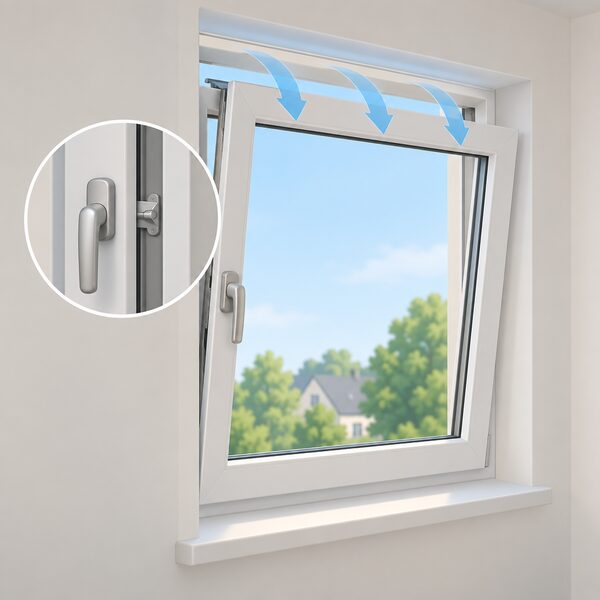
Open windows raise two questions that have nothing to do with temperature: whether the opening is secure, and what the incoming air carries. On security, tilt and turn windows can be locked partially open, which is described as a secure way to allow some fresh air into the home12. That is a property of the window rather than a general reassurance, and ground-floor openings remain a household judgement.
On air quality, the evidence runs both ways. Poor ventilation can trap moisture and everyday pollutants indoors, making conditions like asthma and allergies worse over time23. Against that, an open window admits whatever is outside, and no source in this area distinguishes between outdoor pollen and indoor moisture as competing risks. Mechanical heat recovery ventilation provides a constant supply of clean, fresh air which contributes to a healthy, comfortable living environment, with additional benefits and efficiencies from combining heat recovery with ventilation24. That route cools less than an open window but filters and tempers the air.
There are safety reasons to ventilate that override comfort. Gas emergency advice is to ventilate the property by opening doors and windows to allow fresh air to circulate25. High temperatures can be dangerous to your health, which is why hot weather preparedness matters in the first place1.
For households with vulnerable occupants, the practical advice is to ensure those with underlying health conditions have medication, to plan activities for cooler times such as morning or evening, and to keep those cared for out of the sun at the hottest time of day9. Bedroom windows are particularly susceptible to condensation, since moisture from breath and body heat can accumulate in the room, which is a further argument for airing bedrooms before sleep26.
"In all circumstances, windows (and rooflights) should retain their full capacity to ventilate rooms."
What this means for a household's energy independence
Ventilation and shading are the two cooling measures a household can operate without buying anything or drawing a watt. That matters for independence in a direct sense: a home cooled by night air and external shading is not exposed to electricity prices, to a supplier, or to the grid at the moment of peak summer demand. It also matters for resilience, since a passive approach keeps working in a power cut.
The dependence that remains is on the building itself. A home with small windows, no cross-flow and no external shading cannot be ventilated into comfort, and the options then are mechanical. A portable air conditioning unit needs to be properly vented to the outside using a special fitting for the window, and a vent simply put through an open window will let heat back in17. That is a reminder that powered cooling is only as good as its installation.
There is also a health dimension that runs through the year. Summer fuel poverty is a recognised problem, and the same homes that are cold in winter overheat in summer because most were designed to retain heat, not release it3. Improving homes so they stay warm in winter and cool in summer, with investment in ventilation, shading and passive cooling, is the policy answer set out by the National Energy Action8. For an individual household, the equivalent is a routine: shade and close by day, ventilate by night, and keep the air moving through the whole home rather than one room.
Sources26 cited
- Keeping cool in a heatwave, Electricity North West, 2026-09-19
- Be summer ready, Electricity North West, 2026-09-19
- Fuel poverty in summer, National Energy Action, 2026-08-11
- Make sure your home is energy efficient, Citizens Advice, 2026-09-19
- 7 tips to keep your home cool during a heatwave, Elmhurst Energy, 2025-08-13
- Guide to the conversion of traditional buildings, Scottish Government, 2026-08-10
- How fuel poverty is still an issue during the summer, End Fuel Poverty Coalition, 2025-08-31
- Tips for babies in a heatwave, National Energy Action, 2026-08-11
- Beat the heat: how to stay cool in a heatwave, Cadent Gas Foundation, 2026-06-29
- Eight facts about air conditioning, Carbon Brief, 2026-07-10
- DIY draught proofing, Centre for Sustainable Energy, 2026-07
- Choosing double glazed windows and doors, Which?, 2026-09-16
- Solid wall insulation, Planning Portal, 2026
- Glazing, Planning Portal, 2026
- Why insulation matters for the grid, National Insulation Association, 2026-04-15
- Energy-saving materials and VAT relief, legislation.gov.uk, 2026-09-17
- How to keep your home cool in hot weather, Centre for Sustainable Energy, 2026-07
- Overheating guidance, BRE, 2026-09-17
- Common heating mistakes and how to avoid them, Which?, 2025-11-14
- Spread the warmth, Electricity North West, 2026-03-16
- Rules around fitting a log burner, Planning Portal, 2026-09-17
- Building regulations: doors and windows, Welsh Government, 2026-09-17
- When home improvements don't deliver comfort, Low Carbon Hub, 2026-01-30
- Ventilation systems, nidirect, 2026-09-17
- Got an engineer coming, Cadent Gas, 2026-09-20
- How to stop condensation, Which?, 2026-05-26
 Passive Cooling at HomeKeeping a home cool without air conditioning comes down to blocking heat before it gets in, then letting trapped heat out.
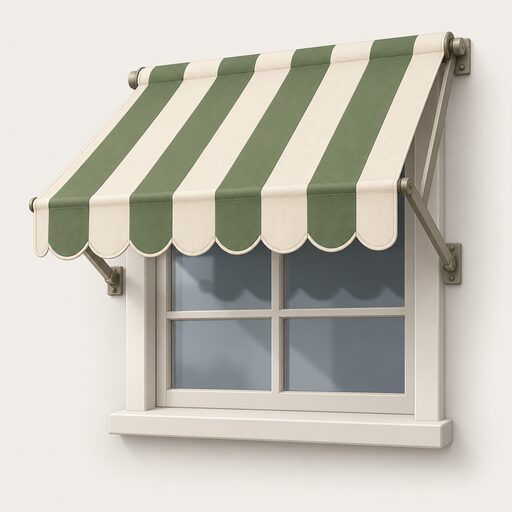 External ShadingExternal shutters, blinds, awnings and fixed shading explained: why shading outside the glass blocks more solar heat than internal blinds, the main options, orientation, materials, costs, planning and long-term ownership.
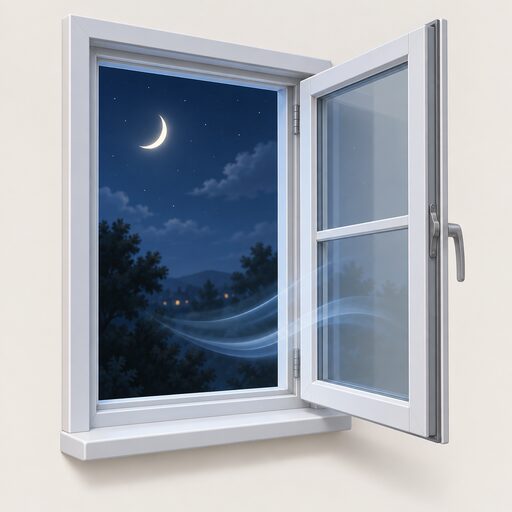 Night VentilationExplains how flushing out heat with cooler night air works, when windows should be opened and closed in a heatwave, and the security and noise limits.
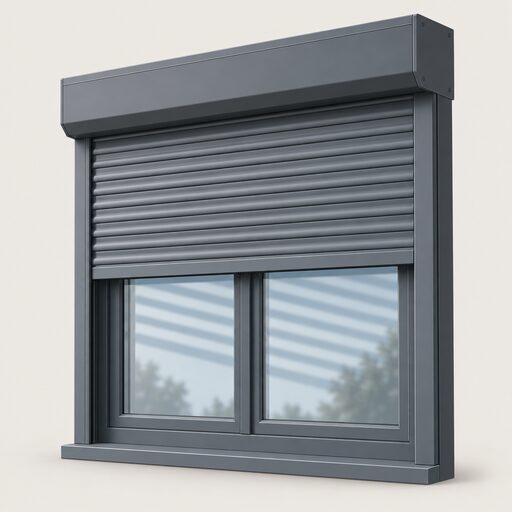 Part O OverheatingHow will your new home stay cool in summer?
 Using a Heat Pump for CoolingCan a heat pump cool your home in summer as well as heat it in winter?
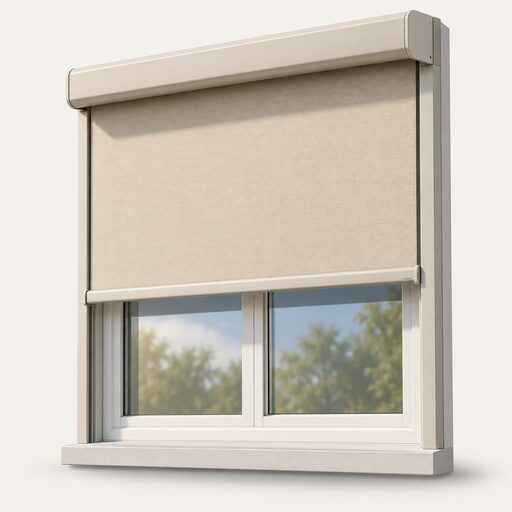 Overheating and Solar GainWhy do well-insulated homes get too hot in summer, and which windows cause the worst solar gain?