
In this guide
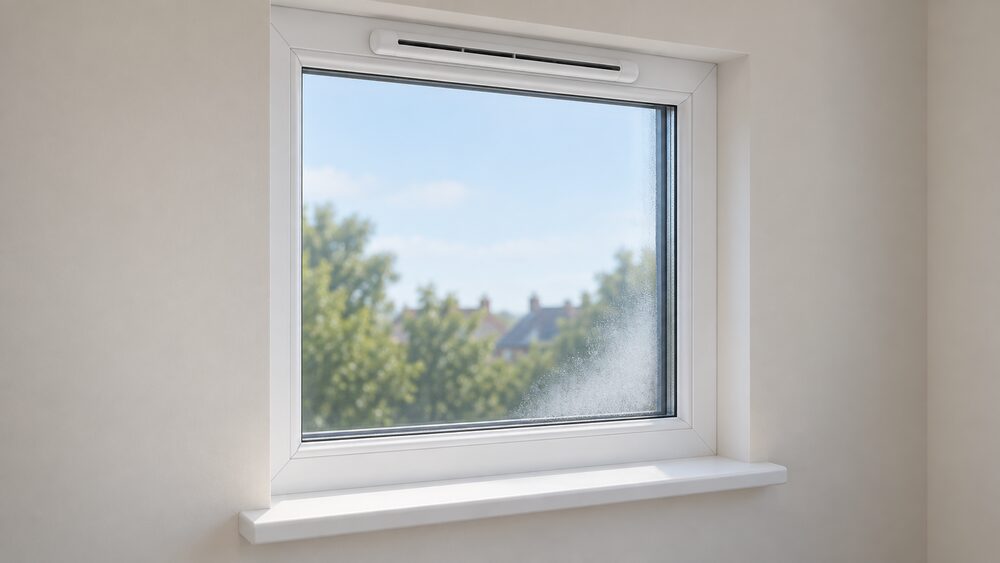
Double glazing is a window made from two panes of glass held a fixed distance apart, with the cavity between them sealed and filled with air or argon gas. That trapped layer is the insulation. Official guidance states that installing double glazing can cut heat loss through windows by half, and that the same sealed construction reduces noise and surface condensation1. It is now the normal condition of the English housing stock rather than an upgrade: in 2024, 89% of all homes in England had full double glazing, up from 81% in 20142.
For a household weighing up replacement, the figures that matter are these. Installing A-rated double glazing in an entirely single-glazed, semi-detached, gas heated home is estimated to save £85 a year in Great Britain and £140 a year in Northern Ireland3. A-rated double glazing across a semi-detached house is costed at around £4,8004. The typical lifetime of double glazing is around 20 years, though in practice this varies from 10 to 35 years depending on the quality of the product, the quality of the installation and where the windows sit5. Guarantees are usually shorter than that: most commonly 10 years, sometimes 20, occasionally described as lifetime6.
What double glazing does for energy independence is narrow but real. It reduces the amount of heat a house loses, so it reduces the amount of fuel, whether gas, electricity or wood, that has to be bought in to hold a given temperature. It does not generate anything, it does not store anything, and it does not disconnect a home from a supplier. It is fabric, and its contribution is permanent and passive: once fitted, it performs without a tariff, an app or a manufacturer's servers. The dependence that remains is on the manufacturer and installer for the guarantee, and on the sealed unit itself, which is a consumable component with a finite life.
How a sealed double glazed unit works
The principle is simple. Two sheets of glass are separated by a spacer, the perimeter is sealed, and the cavity between them traps air or gas. Air and gas conduct heat far less readily than glass, so the assembly loses heat more slowly than a single sheet. Official guidance describes double glazing as working by trapping air between two panes to create an insulating barrier that reduces heat loss, noise and condensation1.
A modern energy efficient unit adds two refinements to that basic sandwich. Independent guidance describes such windows as having two sheets of glass, an insulating gap, an invisible metal oxide coating on the inside face of the glass, and sometimes a different gas in the gap5. The coating is the low-emissivity, or Low-E, layer. It is applied to the inner pane and is treated to lower thermal transference through the glass, reflecting long-wave heat back into the room rather than letting it radiate outwards8.
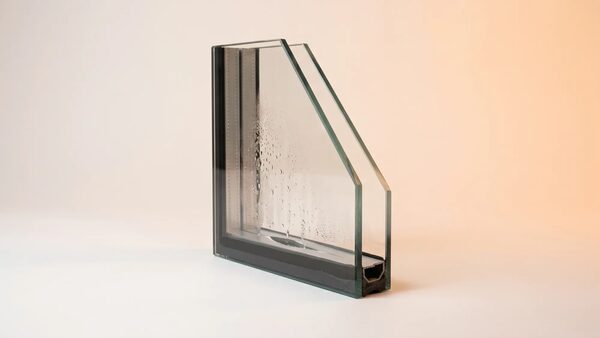
Because the unit is sealed, it is also airtight once made up, which is part of why the performance holds through the year9. That airtightness is what fails at the end of the unit's life, and it is why misting between the panes is a terminal symptom rather than a cleaning problem.
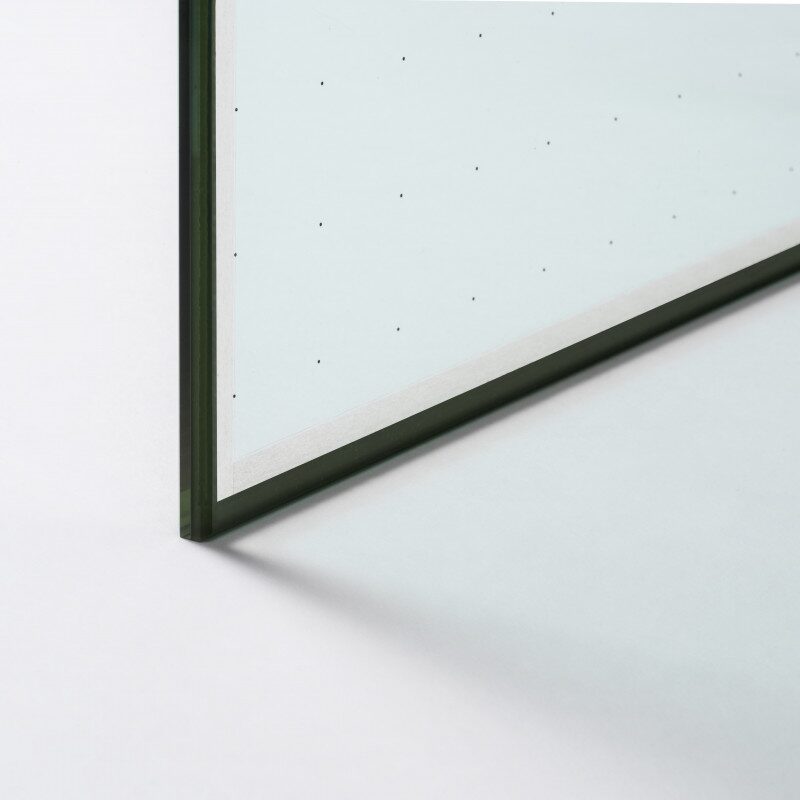
Gas fill, Low-E glass and the spacer bar
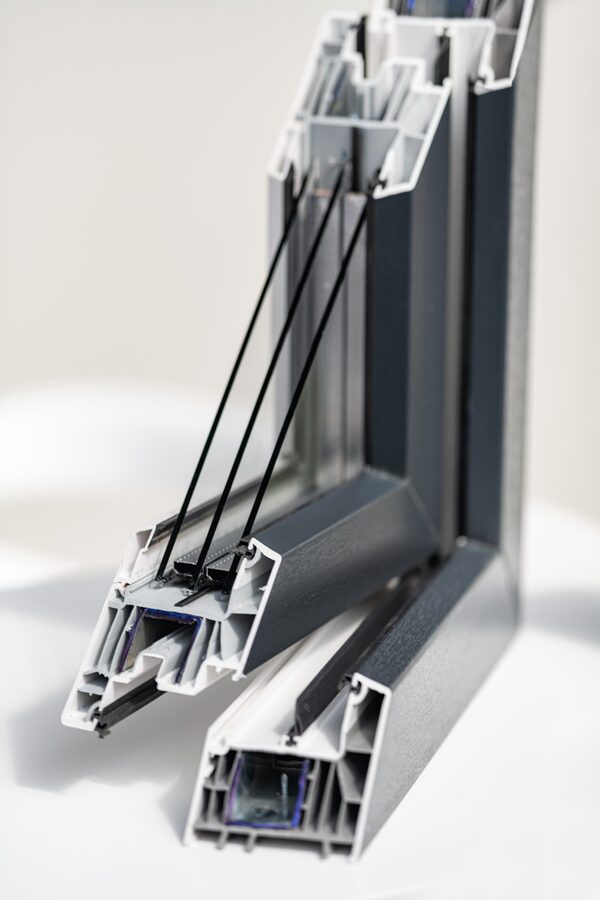
Three components inside the unit set its performance, and they are largely invisible from outside.
The cavity fill. The gap is filled either with air or with an inert gas, most often argon, which is more insulating than air3. Some makers describe a standard double glazed unit as two panes separated by a layer of argon8.
The Low-E coating. A microscopically thin metal oxide layer on the inner pane cuts radiant heat loss5. It is invisible in normal use, which is one reason thermal performance ratings matter more than appearance when comparing products.
The spacer bar. A strip of metal or polymer runs round the perimeter between the panes. It sets the cavity width, carries the seal, and can contain a drying agent that deals with any moisture trapped in the space between the sheets of glass10. That desiccant, described elsewhere as a crystalline material that absorbs excess moisture, is what keeps a healthy unit clear8. So-called warm edge spacers use lower-conductivity materials to reduce heat loss at the unit's edge, where the two panes are closest to being thermally bridged.
Cavity widths differ, and the sources differ with them. Double glazed windows are described as typically having a 14 to 20mm air gap7; as having panes about 16 millimetres apart11; as usually about 20mm12; and, across the whole market, as typically 6 to 20mm wide13. Slim units made for heritage windows sit at the narrow end, with conservation guidance referring to slimline double glazing of 12 to 14mm14. Some homes can accommodate a deeper cavity of up to 100mm or more11. Those numbers are not contradictory so much as describing different products for different openings.
At the technical edge, vacuum glazing replaces gas with a near-vacuum: one such unit comprises two sheets of 3mm glass, one carrying a super-insulating coating, separated by a 0.1mm vacuum space15. That geometry is relevant where an opening can take no more than the thickness of an original single pane.
Heat and noise: what the performance figures say
Heat first. The headline is that double glazing can cut heat loss through windows by half1. Compared with single glazing, double glazed windows are described as providing twice the amount of insulation9, and a more demanding assessment puts modern double glazing at three times better than single glazing, with triple glazing five times better12. Those are different comparisons against different baselines, which is why they do not agree; the direction is consistent. Modelled annual energy savings for below-baseline dwellings run from 380 to 1600 kWh a year, a wide band that reflects how much the house, its exposure and its window area vary16.
Noise is more qualified. Sealed double and triple glazing can be effective at reducing medium to high-frequency noise10. That covers traffic hiss, voices and much urban noise. It is a narrower claim than "soundproofing", and the industry guidance does not extend it to low-frequency noise. Where noise is the primary problem rather than heat, secondary glazing is often discussed alongside replacement, because the wide air gap between an original window and a separate internal pane behaves differently acoustically.
Two secondary benefits are commonly cited. Energy-efficient glazed windows, having two or more panes instead of one, offer a more secure barrier against unwanted entry, enhanced further with laminated glass17. And double glazing reduces surface condensation, because it maintains a higher surface temperature on the room-side glass, so the glass can accommodate more water vapour before dew forms9.
Frame materials: PVC-U, timber, aluminium, steel or composite
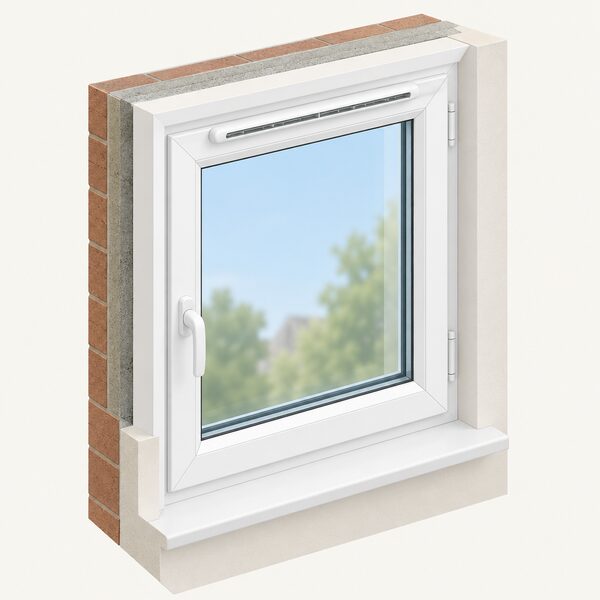
The frame is not a neutral surround. Building Regulations assess the amount of heat that can pass through the window including the frame, expressed as a U-value19, so frame choice changes the whole-window figure and not just the look.
| Frame material | What the guidance notes |
|---|---|
| PVC-U (uPVC) | Most commonly white, but available in a range of colours and finishes including wood effect20 |
| Timber | Used across casements and doors; one of the four standard options for energy efficient windows17 |
| Aluminium | Used for casements, bi-folds, patio sliders and French doors, in a range of colours and finishes20 |
| Steel | Listed among the standard double glazing frame materials7, and compatible with trickle ventilators10 |
| Composite | A combination of wood with aluminium or plastic10 |
Energy efficient windows and doors are described as consisting of a framing material of timber, aluminium, PVC-U or composite together with the glazing17. Double glazing itself is available with all window materials and in every style21, so frame choice is generally a question of appearance, maintenance, cost and conservation constraint rather than of whether double glazing is possible at all. The trade-offs between the two most common choices are set out under uPVC vs timber windows.
Whatever the material, trickle ventilators can be fitted with all window framing materials including PVC-U, timber, steel and aluminium10, which matters because replacement glazing must not worsen ventilation for health.
Cost: per window and for a whole house
There is no single published price for double glazing, because every window is made to the opening. The figures below are indicative and come from different types of source, which is why they span so wide a range.
| Item | Figure | Source type |
|---|---|---|
| Double glazing, per window | £300 to £5,00022 | Maker guidance |
| A-rated uPVC double glazing, materials only | £65 or more per window4* | Independent guidance |
| A-rated double glazing, semi-detached house | £4,8004 | Independent guidance |
| Triple glazing, per window | £1,200 on average22 | Maker guidance |
*The £4,800 whole-house figure is the Energy Saving Trust's costing for A-rated double glazing in a semi-detached home4.
The per-window spread from £300 to £5,000 is not a market being unclear with itself22: it is the difference between a small standard casement in uPVC and a large bespoke unit in a heritage or aluminium frame. Beyond that, prices are installer-quoted, and comparisons are only meaningful where the specification, the frame material, the glazing rating and the scope of making good are the same in each quotation.
Cost is also a question of timing. Northern Ireland guidance describes double glazing as an expensive measure best done when the windows become defective and need to be replaced anyway. Where windows are sound, the case for replacing them on energy grounds alone is weaker than the case for draught-proofing them, and weaker again than loft or wall measures at the same spend. Wider comparisons sit on the insulation and glazing costs page.
Savings, payback and the EPC
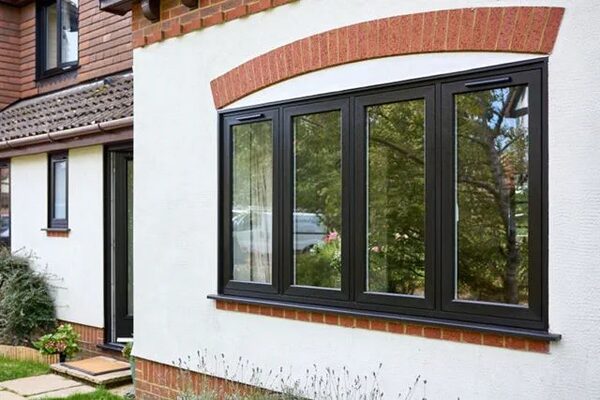
The most widely used savings figure comes from the Energy Saving Trust: installing A-rated double glazing to windows in an entirely single-glazed, semi-detached, gas heated property should save around £85 a year in Great Britain and £140 a year in Northern Ireland24. The Northern Ireland figure is higher because of the different fuel mix and prices there, and it is one of the clearest examples on this site of a fabric measure paying differently across the UK nations.
Other estimates sit near that band without matching it. A typical home is put at between £95 and £115 a year for A-rated double glazing depending on size25, and modelling of below-baseline Scottish dwellings gives a range of £30 to £180 a year16. The spread is explained by the baseline: a house that is already fully double glazed with older units saves far less than one moving from single glazing.
Set against a whole-house cost of £4,8004, an £85 annual saving implies a very long simple payback, longer than the lower end of the product's own life. That is the honest arithmetic of glazing as an energy measure, and it is why guidance frames replacement as something done when windows are failing rather than as a standalone investment. Where the case improves is when glazing is part of a wider fabric upgrade: buying guidance is explicit that it means considering how double glazing interacts with the heating system, insulation and other measures such as solar panels6. A warmer envelope is also a precondition for lower-temperature heating, which is covered under what insulation a heat pump needs.
On Energy Performance Certificates, glazing is a recognised improvement measure. Scottish Government EPC reform work describes the replacement glazing recommendation being triggered by single glazed or pre-2003 glazed units, and being shown where less than 80% of windows are identified as low emissivity units dating from 2003 or later26. That threshold is a useful way to read an existing certificate. Further detail sits under improving your EPC rating.
Lifespan, warranties and when a unit needs replacing
Independent guidance puts the typical lifetime of double glazing at around 20 years, varying in reality from 10 to 35 years depending on the quality of the product and the installation and where the windows are situated5. A second independent source gives 20 to 35 years for high-quality units that are properly installed and well maintained3, while makers commonly quote 20 to 25 years, and replacement as something to consider every 15 to 20 years on average27. Social housing funding guidance takes a blunter line: double glazing that is 20 years old is probably due for replacement28.
Guarantees are shorter than the product life. Warranties are often 10 or 20 years, and sometimes a lifetime warranty6. Most new installations are guaranteed for 10 years18. Where the installation date is unknown, local authority building control records can show when the glazing was installed and whether a warranty is still in date6.
The signs that a unit has reached the end are specific:
- Persistent condensation between the glass panes, which indicates a failed seal13
- Draughts at the frame, or difficulty opening and closing the window18
- Visible cracking or weakening of the seals with age11
"Condensation trapped between the two panes of glass in a double-glazed unit indicates a sealed unit failure."
Misting inside the cavity cannot be cured by ventilation or by drying the room. Surface condensation on the room side of the glass is a different matter entirely, and the response there is to increase ventilation6. Confusing the two leads to money spent on the wrong problem; the distinction is set out further under condensation, damp and mould.
Maintenance is light but not nothing: periodically lubricating the seals of windows and doors is suggested to prevent drying, cracking and freezing, using a product such as a specialist silicone spray18.
Building Regulations: replacement glazing is controlled work
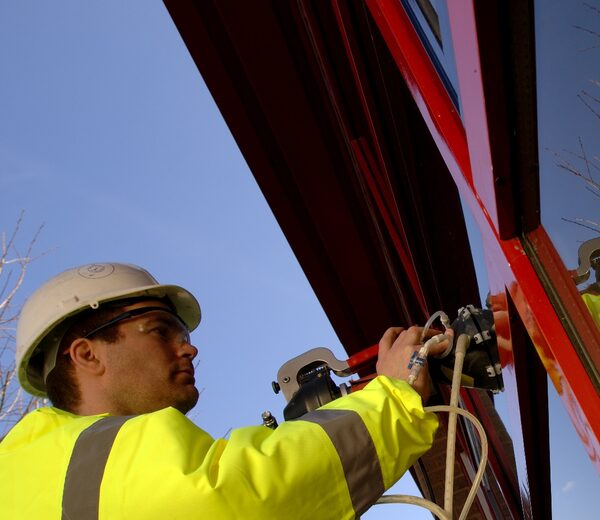
Replacing windows is work covered by the Building Regulations across England, Wales, Scotland and Northern Ireland, and it is not simply a matter of thermal performance. The rule is stated the same way in the English and Welsh guidance:
"the provision of replacement double-glazing must not make compliance worse in relation to means of escape, air supply for combustion appliances and their flues and ventilation for health"
That is the clause that catches most households out. A new, tightly sealed window in a room with an open-flued gas fire, or in a bedroom that relied on the old window as an escape opening, or in a room whose only background ventilation was leakage around rotten timber, can make the house worse in ways that have nothing to do with heat. It is also why trickle ventilators appear on so many replacement windows, and why home ventilation belongs in the same conversation as glazing.
Separately, windows and doors must comply with the Building Regulations requirement on how much heat can pass through the unit including the frame, measured as a U-value, which must not be exceeded19. In England and Wales, new double glazed windows are stated to require a BFRC rating of B or above, with double glazing achieving ratings between B and A+21. The rating system is explained under window energy ratings.
Glazing in a conservatory must likewise comply with the applicable Building Regulations requirements, which is one of the conditions attached to conservatory exemptions33.
Listed buildings and conservation areas
Consent, not just compliance, is the issue for protected buildings, and the position differs from the rest of the housing stock.
- Listed buildings. Replacement or double glazed windows or doors require listed building consent34. Consent is also required for internal works such as the installation of secondary glazing35. Double glazing can sometimes be installed on a listed building, but it depends on the building and on how the installation would affect its character36.
- Conservation areas. For unlisted buildings in conservation areas, one council's guidance requires that on elevations facing a street or public open space, the original windows' material, style, pattern and joinery sections are matched, which may often mean using slimline double glazing of 12 to 14mm14.
- Where replacement is refused. Secondary glazing is treated as acceptable provided its framing is unobtrusive and it does not obscure internal features or interfere with the operation of shutters and windows14. Scottish guidance notes that secondary glazing can provide an effective way to reduce heat loss without altering original windows, nor significantly reducing light levels or views37, and that slim profile double glazing can significantly improve the thermal performance of the original window while retaining the existing joinery37.
Independent guidance is blunt that some UK properties with listed status or in a conservation area are not permitted to use double glazed windows18. Consent decisions are made case by case by the local authority, and the route to them is covered under insulating and glazing a listed building and listed building consent for windows.
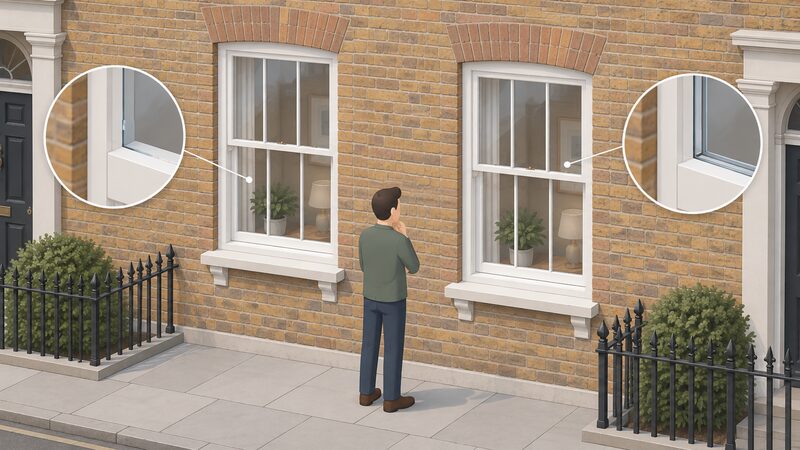
Installers, competent person schemes and the Glass and Glazing Federation
Because replacement glazing is controlled work, the installation has to be certified. The practical route is a competent person scheme, which allows a registered installer to self-certify compliance instead of notifying building control. Independent guidance states that an installer registered to a competent person scheme is an easy way to make sure windows are fitted to Building Regulations3, and that the tradesperson should be recognised by a reputable scheme18. Buyers are advised to check whether a company is approved by FENSA, a government-authorised scheme that monitors installers of windows and doors29.
Scheme registration carries one protection worth understanding plainly:
"Domestic glazing installers that are registered with a competent person scheme like FENSA are legally obliged to provide warranty insurance to cover your installation should the company cease to trade within the life of the warranty."
That matters in a sector where large national installers have failed. A manufacturer's own guarantee is only as durable as the company behind it; the insurance-backed element is what survives a company ceasing to trade. Related detail on checking a firm sits under finding and checking an installer and replacement window rules.
The Glass and Glazing Federation is the trade body for the sector. It is at 40 Rushworth Street, London, SE1 0RB, and lists the telephone number +44 (0)207 939 910039. It states that homeowners using a member company for windows, doors or conservatory work are investing in professional workmanship and service of the very highest standard, which is the federation's own claim about its membership rather than an independent finding39. The federation also publishes a calculator estimating what new windows could save on bills each year21. Secondary glazing sits outside this structure: there is no central body that currently certifies those installations3.
Where double glazing falls short
Three limits are worth stating as firmly as the benefits.
First, the payback is long. At £4,800 for a semi-detached house4 and £85 a year in Great Britain24, glazing is among the slower-returning fabric measures, and the guidance reflects that by tying replacement to window condition rather than to energy alone.
Second, it is a consumable. Unlike loft insulation, a sealed unit has a service life measured in decades and then fails, typically through seal failure and misting30. Around 20 years is the common expectation5. The independence a household gains is therefore not permanent in the way a solid wall upgrade is; it requires renewal.
Third, it can make a house worse if fitted without regard to ventilation, escape and combustion air31. A sealed, airtight envelope needs deliberate ventilation designed into it. Where an alternative is needed, secondary glazing is not as effective as full double glazing but can still save money on heating bills and is much cheaper to install, and is a reasonable option for homes that cannot have double glazing, such as listed buildings40. The comparison is drawn out under secondary glazing vs double glazing, and the step up in specification under double vs triple glazing.
Funding across the four nations
There is no general UK-wide grant for double glazing, and the schemes that exist treat it differently from wall and loft measures.
| Nation | Position on glazing support |
|---|---|
| Scotland | Home Energy Scotland Grant and Loan: up to £8,000 for double, triple or secondary glazing, listed as loan only with no grant available41. It must be replacing single glazed windows, and funding is not available for replacing existing double glazing42 |
| England | Prioritisation guidance suggests that where all windows cannot be afforded, the rooms that cost the most to heat come first1 |
| Wales | Building Regulations apply as in England, with the same replacement glazing conditions32 |
| Northern Ireland | Savings from A-rated glazing are markedly higher at £140 a year, reflecting local fuel costs24 |
The Scottish condition is the one most often missed: replacing tired double glazing with better double glazing does not qualify, because the funding targets single glazed windows42. Scheme detail by nation sits under insulation and glazing grants in Scotland and the equivalent pages for England, Wales and Northern Ireland. The wider context for where glazing sits in a fabric plan is set out on the insulation and glazing pillar.
Sources42 cited
- Glazing: energy saving common projects, Planning Portal, 2026
- English Housing Survey 2024 to 2025: housing quality and energy efficiency, GOV.UK, 2024
- Windows and doors advice, Energy Saving Trust, 2026-05-20
- Retrofit explained, Energy Saving Trust, 2026-02-06
- Energy efficient glazing and high performance external doors, Centre for Sustainable Energy, 2026-06
- Six mistakes to avoid when buying double glazing, Which?, 2025-05-15
- Double glazing versus secondary glazing, Granada Glazing, 2026-07-19
- How do glazed windows work, Anglian Home Improvements, 2026-09-20
- Advantages of double glazed windows, FENSA, 2026-09-20
- Windows knowledge hub, Glass and Glazing Federation, 2026-09-20
- Window insulation and double glazing guide, Uswitch, 2025-10-27
- Windows: eco renovation information, Centre for Alternative Technology, 2025-06-27
- Energy efficient windows, Fuse Energy, 2026-08-07
- Improving energy saving in conservation areas and listed buildings, Brighton and Hove City Council, 2026-09-17
- Fineo insulating glass technology, AGC, 2021-02-10
- Exploring the costs to consumers of Scottish clean heating requirements, Nesta, 2024-08-01
- Energy efficient glazing: a useful guide, Glass and Glazing Federation, 2023-12-22
- Understanding double glazing, Consumer Protection Association, 2025-02-05
- Building regulations for rooflights, Planning Portal, 2026
- Choosing double glazed windows and doors, Which?, 2026-09-16
- Double or triple glazing, Anglian Home Improvements, 2026-09-20
- Ultimate guide to heating your home sustainably, Nu-Heat, 2026-09-17
- Energy efficient home improvements, Consumer Protection Association, 2026-05-07
- Tips to improve the EPC rating of your home, Energy Saving Trust, 2026-08-03
- Draught-proofing, Which?, 2026-05-05
- Energy Performance Certificate reform: consultation government response, Scottish Government, 2025-01
- How long does double glazing last, Anglian Home Improvements, 2026-09-20
- Warm Homes Social Housing Fund, Uswitch, 2025-09-12
- How to stop condensation, Which?, 2026-05-26
- Double glazed windows and condensation, Fuse Energy, 2026-06-28
- Building regulations: when you need approval, Planning Portal, 2026
- Building regulations: when you need approval (Wales), Planning Portal Wales, 2026
- Conservatories and building regulations, Planning Portal, 2026
- Getting consent for works to a listed building, North Northamptonshire Council, 2023-12-14
- Planning frequently asked questions, Hammersmith and Fulham Council, 2026-09-17
- FAQs for listed building owners and occupiers, Exeter City Council, 2026-09-17
- Guide to conversion of traditional buildings, Scottish Government, 2026-08-10
- What to check before appointing an installer, FENSA, 2026-09-20
- Energy efficient windows and doors knowledge hub, Glass and Glazing Federation, 2026-09-20
- Types of double glazing, Which?, 2026-09-16
- Grants and loans, Home Energy Scotland, 2026-09-17
- Home Energy Scotland Grant and Loan terms and conditions, Home Energy Scotland, 2026-09-17
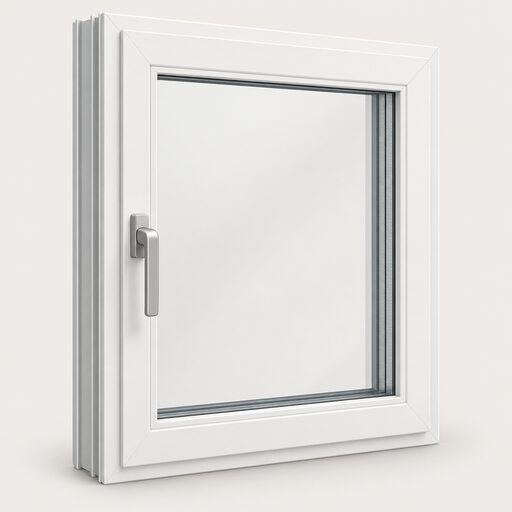 Triple Glazing in UK HomesTriple glazing costs more than double, so is it worth it for your home?
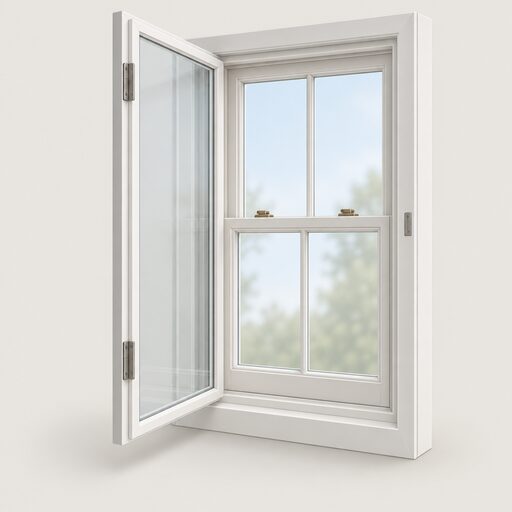 Secondary GlazingSecondary glazing adds a second pane inside your existing window, so you keep the original frame.
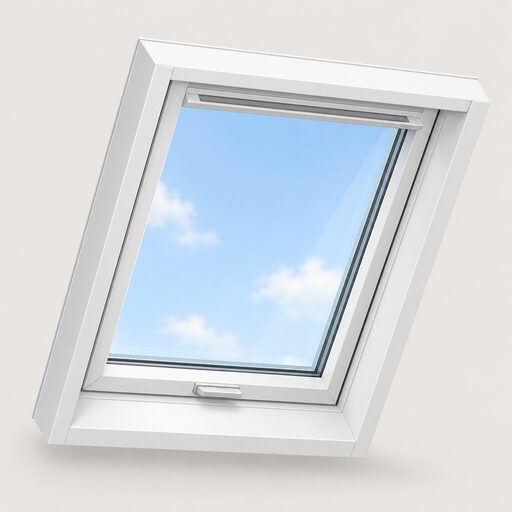 Building Regs Part L InsulationAdding insulation or replacing windows?
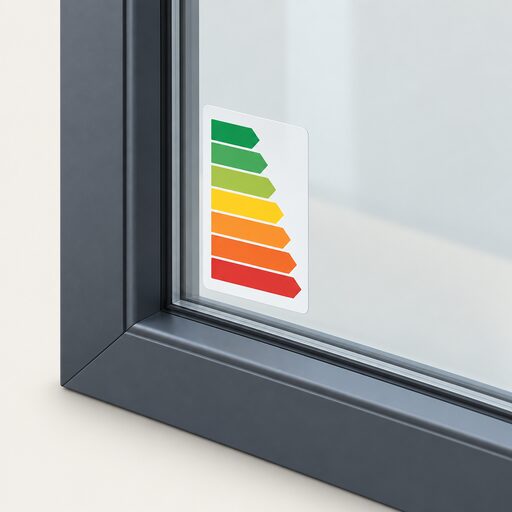 Window Energy RatingsA window energy rating tells you how well a whole window keeps heat in, lets sunshine through and stops draughts, all in one letter from A++ down to E.
 Solid Wall InsulationSolid walls lose far more heat than cavity walls, so what can actually be done about it?
 Insulating a Listed BuildingCan you insulate a listed building, and do you need permission first?