
In this comparison
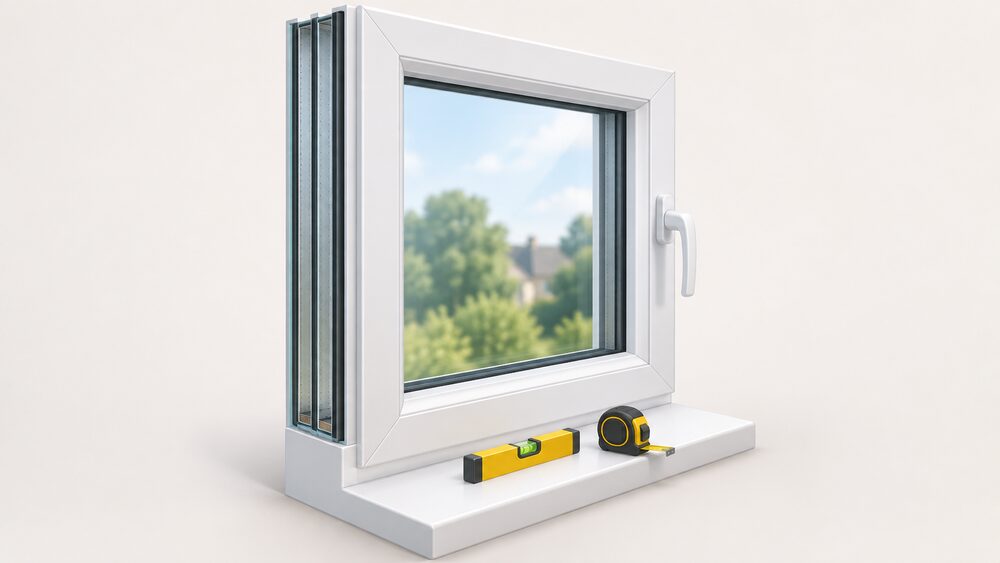
Double glazing is the UK default and triple glazing is the upgrade. The Energy Saving Trust puts triple glazing at around 20% more expensive than double glazing, and describes it simply as three panes of glass making up a window1. The performance case is real but narrower than the marketing suggests: the Centre for Alternative Technology rates modern double glazing as three times better than single glazing and triple glazing as five times better2.
The decision is rarely double versus triple in isolation. It is whether the extra pane earns its premium in a particular house, on a particular elevation, in a particular frame. Which? asked nine double glazing installers endorsed by its Trusted Traders scheme whether triple glazing is worth the extra spend for most homes, and reports that the unanimous answer was no3. The same guidance notes that 28mm triple glazing offers very little improvement on 28mm double glazing, while 44mm triple might be a better option4.
What follows sets out the construction difference, the measured performance gap, the condensation question, the cost premium, which homes suit which product, what the main suppliers offer, and how glazing interacts with the rest of the fabric.
Double or triple: what the difference actually is
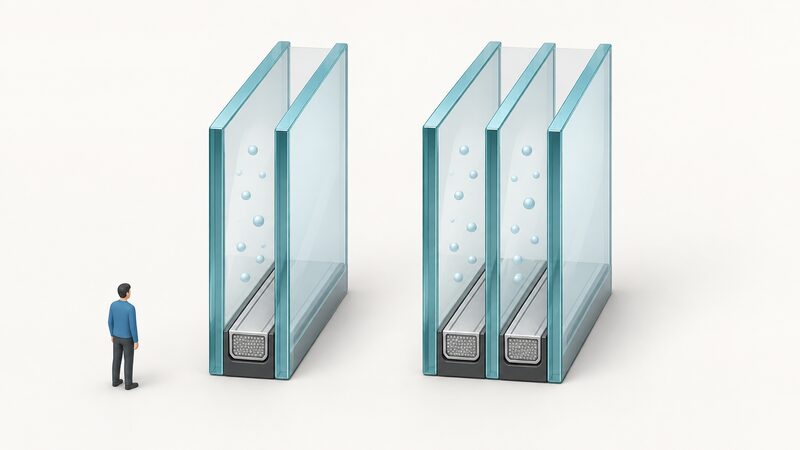
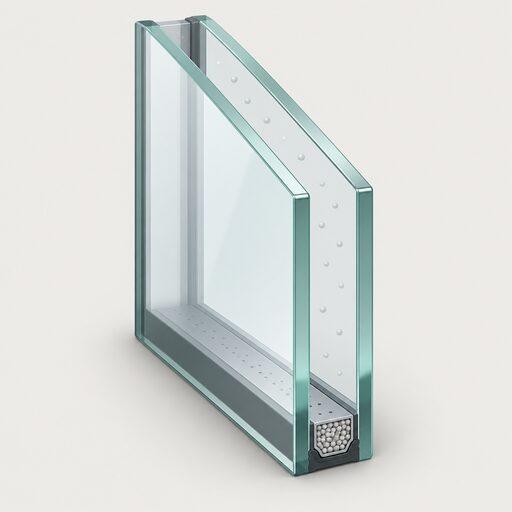
A double glazed unit is two layers of glass joined together as a sealed unit, separated by an air gap filled with argon gas5. The gap in the middle is filled with air or an inert gas like argon, which is even more insulating than air1. The panes are separated by a spacer bar filled with a moisture-absorbing desiccant material to keep moisture out and reduce condensation5.
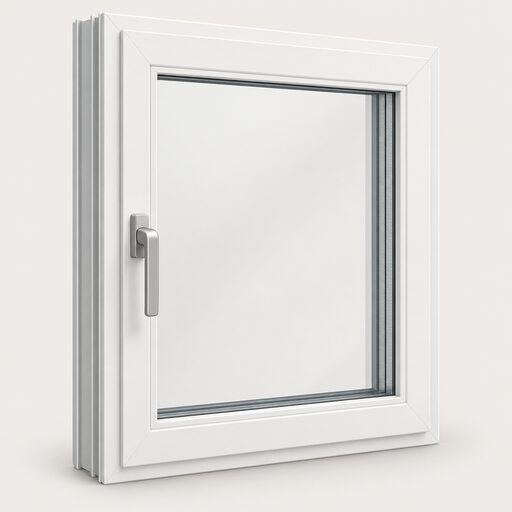
Triple glazing adds a third pane. Some companies use different types of gas between the panes to further prevent heat loss, and Low-E glass to reflect sunlight inside4. The additional pane, combined with the extra insulating gas cavity, reduces heat loss further, improves acoustic performance, and virtually eliminates the sensation of cold felt near a window in winter7.
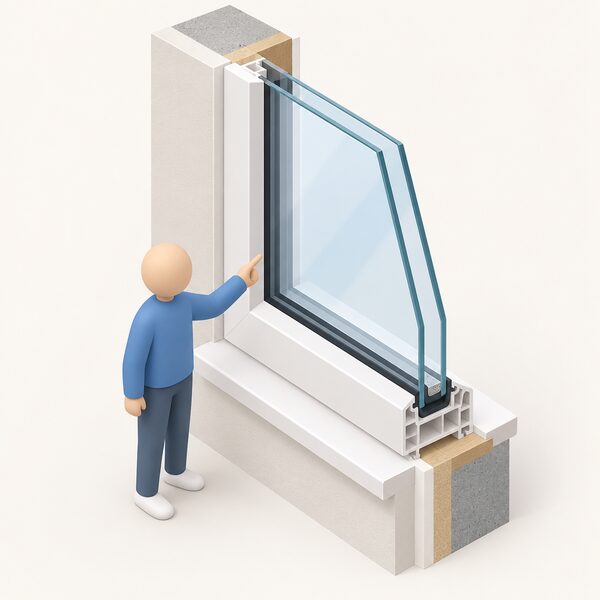
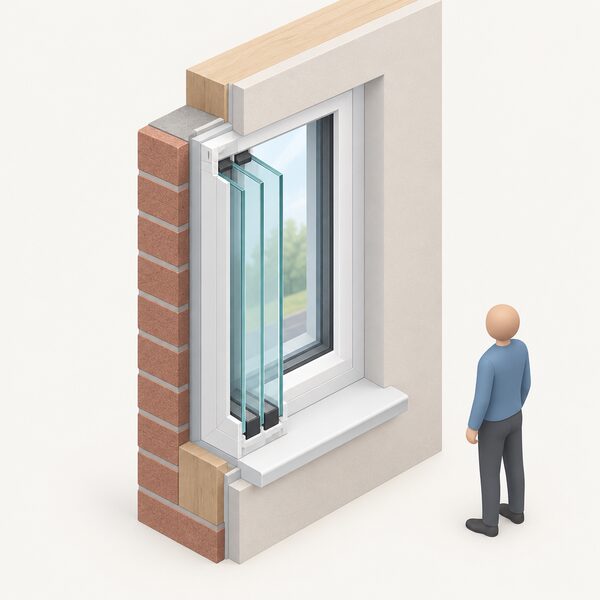
The construction detail that matters most is overall unit thickness, not pane count. A 28mm triple unit and a 28mm double unit have the same depth to work with, so the third pane and the two gas cavities are each thinner. That is why the trade guidance singles out 44mm triple units as the ones worth considering4. Thicker units need deeper frames or sashes, which is the practical reason a straight swap into existing double glazed frames is usually not possible.
Energy efficient windows and high thermal performance doors are usually double glazed, with two sheets of glass, an insulating gap, an invisible metal oxide coating on the inside of the glass, and sometimes a different gas in the gap; some windows are triple glazed with three sheets of glass8. Newer glazed doors should have double or triple glazing1.
How much better triple glazing performs: five times better than single, 50% over double
The headline comparison is against single glazing, not against double. Modern double glazing should be three times better than single, with triple glazing five times better2. Windows installed today perform 50% better than older double glazing and 70% better than single glazing9. That second figure is the one that matters for most UK homes, because most already have double glazing of some age.
Against traditional double glazing, triple units offer an improvement of 23% to 58%5. The width of that range reflects unit construction: gas type, cavity width, glass coating and frame all move the number. Double glazed windows provide twice the amount of insulation as single glazed windows10, and installing double or triple glazing increases thermal performance by roughly 100% from secondary glazing11.
In any property heat will be lost through windows and doors, however this heat loss can be reduced when a home has energy efficient double or triple glazing7. Double glazing on windows and doors can reduce energy loss, meaning less energy is needed to keep the home warm12. The Passivhaus standard, the most demanding fabric benchmark in common use, specifies triple glazing with insulated frames13.
The savings figures are modest and location-specific. Installing A-rated double glazing to windows in an entirely single-glazed, semi-detached, gas heated property should save £85 a year in Great Britain and £140 a year in Northern Ireland14. Those are the figures for a full single-to-double upgrade, not for double to triple, and they are the reason the payback case for a third pane is hard to make on energy alone.
"Modern double-glazing should be three times better, with triple glazing five times better"
Condensation: warmer inner glass, but glazing does not control water
Double glazing maintains a higher surface temperature on the interior side of the glass, allowing it to accommodate more water vapour without condensing, and retains more heat within the home6. Double glazed windows can reduce condensation due to the airtight seal between the panes10. Triple glazing extends the same effect, because the inner pane sits behind two cavities rather than one and stays warmer still.
Glazing does not control moisture. Where double glazing is suffering from condensation, the guidance is to try increasing the ventilation15. That is a statement about the building, not the window: cooking, bathing, drying laundry and breathing all put water vapour into the air, and a sealed unit cannot remove it. The desiccant in the spacer bar keeps moisture out of the cavity, not out of the room5.
There is a failure mode to know about. Triple glazed units are more likely to blow earlier, typically around 10 years, causing condensation or misting4. A blown unit shows misting between the panes, which no amount of ventilation will clear, and the fix is a replacement sealed unit. Where the seal cannot be changed on its own, sometimes the glass can be replaced instead of the whole frame15.
Cost: the 10 to 20% premium for triple glazing
Triple glazing is around 20% more expensive than double glazing1. That is the published premium and it is the figure to work from. Prices themselves are installer-quoted and vary with size, frame material, glazing specification and the number of openings, so no single rate applies across a house.
For context on what glazing work costs at the higher end, a deep retrofit specification lists triple glazing with 16mm argon fill and Low E coating at £8,40016. A study of retrofit costs gives £3,007.75 at the higher rate and £3,537.75 at the lower rate for triple glazing patio doors17. These are modelled figures for specific specifications, not quotes.
Secondary glazing is the cheaper alternative where the original windows must stay. It costs approximately 50% less than double glazing on a supply and install basis11, with secondary glazing for a single window costing upwards of £300 depending on the size and complexity of the window and the type of opening18. It is not as energy efficient as new double or triple glazing, because the seals are not as airtight as those on double or triple glazed units11.
On grant funding, the position is restrictive. Under the Home Energy Scotland scheme, double glazing, triple glazing and secondary glazing are listed at £8,000 per improvement but marked not available, and the loan is only for improving single glazing19. In other words, public funding in Scotland supports replacing single glazing, not upgrading from double to triple.
| Measure | Figure | Basis |
|---|---|---|
| Triple glazing premium over double | around 20% | Published guidance1 |
| Triple glazing, 16mm argon, Low E | £8,400 | Deep retrofit specification16 |
| Triple glazing patio doors | £3,007.75 to £3,537.75 | Modelled retrofit costs17 |
| Secondary glazing, single window | upwards of £300 | Supply and install18 |
| Secondary glazing vs double | approximately 50% less | Supply and install11 |
| Home Energy Scotland loan, glazing | £8,000 per improvement, not available | Scheme rules19 |
Which glazing fits which home
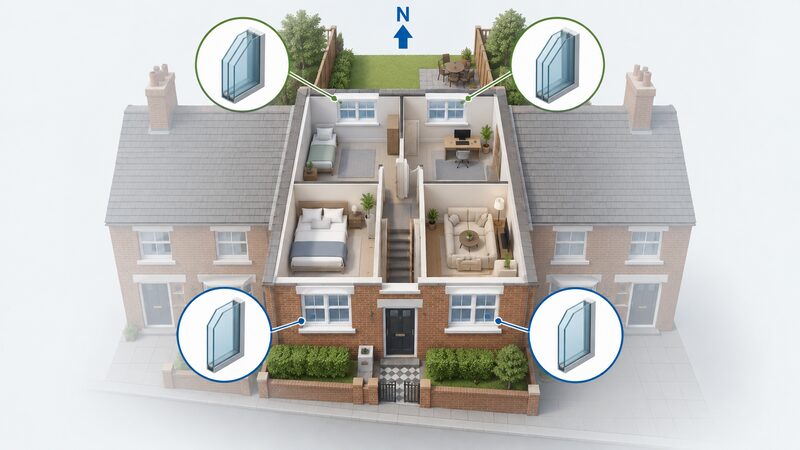
Double glazing has been the residential standard in the UK for several decades, and the vast majority of modern double glazed units perform well by regulatory standards7. Uptake is close to saturation: 89% of all homes in England had full double glazing in 2024, up from 81% of homes in 20146. Nine in 10 homeowners say their home has double or triple glazing, at 91%20. Double glazing is in over 80% of homes now compared to 10% in 198321.
That changes what an upgrade means. For a home still on single glazing, replacing single glazed windows with energy efficient double or triple glazed windows could make a tremendous difference to home comfort and heating bills, as low-emissivity coating reflects heat back into the room and reduces heat loss22. For a home already on modern double glazing, the gain from a third pane is the 23% to 58% range, and the case rests on comfort and noise rather than payback.
Where cost is prohibitive for the entire house, the guidance is to think about selectively using triple glazing in the rooms that get coldest or suffer worst from external noise4. If replacing all the windows is not affordable, the alternative is to choose the rooms that cost the most to heat14. Replacing windows with double or triple glazing can reduce the passage of sound, and glass sealed units with enhanced acoustic options are available to reduce noise further22. Double glazing can also help to make a home quieter12.
The additional cost and weight may not be justified for every property, particularly in milder urban environments7. Weight matters structurally on large openings and on upper floors, and it matters for the hinges and hardware on opening sashes.
Choosing a maker and installer: what firms like Internorm, VELFAC and Anglian offer
Internorm supplies triple glazed windows to the UK market in two main constructions. The HF 510 timber-aluminium window combines timber, insulating foam and aluminium cladding, which the maker states provides superior thermal performance, with sustainably sourced timber options and a wide choice of colours23. The KF 520 uPVC-aluminium window features a fully integrated I-tec secure locking mechanism24. Both are listed as available for the UK market, though availability may be limited to specific regions24.
Anglian, Everest and Safestyle are named as well-known national double glazing companies, and all three are owned by the same parent company3. That ownership matters when comparing quotes, because three apparently competing brands are not independent of one another. Everest and Safestyle have both been through administration, so any guarantee offered by either should be treated as uncertain rather than as a durable asset attached to the window.
On timing, Anglian requires double glazing orders by 5:59pm on 20th October 2026 for installation before Christmas25. That is one firm's published deadline; other suppliers set their own, and lead times vary with frame material and whether units are made to measure.
Maintenance affects how long any of this lasts. Periodically lubricating the seals of windows and doors prevents drying, cracking and freezing, using a product such as WD40 or a specialist silicon spray5. Double glazed windows can last between 20 and 35 years if they are high-quality, installed properly and well maintained1, while the typical lifetime is around 20 years, varying from 10 to 35 years depending on the quality of the product and the installation, and where the windows are situated26.
Glazing and the rest of the house: insulation, radon and ventilation
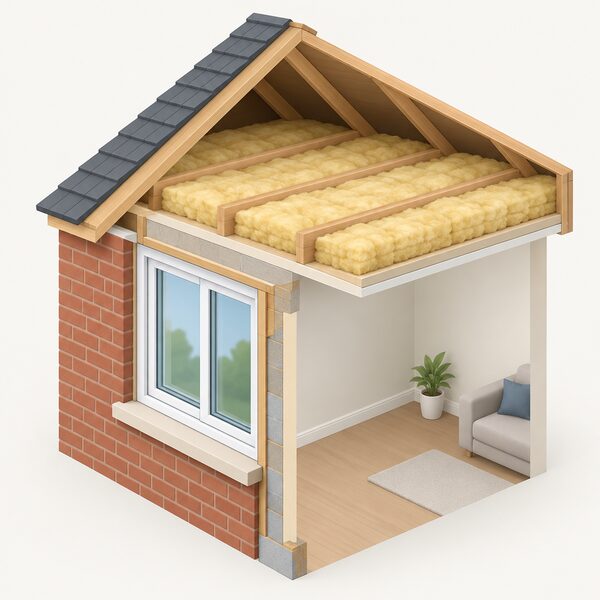
Glazing is one measure among several, and it interacts with all of them. The advice is to consider how double glazing interacts with the heating system, insulation and other measures such as solar panels15. Treating windows in isolation risks spending on the most expensive square metre of the envelope while cheaper fabric measures go untouched. Related measures are set out in the guides to loft insulation, cavity wall insulation and solid wall insulation.
Airtightness is the mechanism behind several effects. For modelling purposes, triple, double or secondary glazed windows are taken as being draught proofed, and single glazed windows and doors as not draught proofed unless contrary evidence exists27. That is a convention rather than a measurement, but it captures the practical point: a new window removes a draught path as well as adding insulation.
Removing draughts has a consequence for indoor air. An observational study of UK homes found double glazing, loft insulation and wall insulation each associated with significantly higher radon measurements28. The study is observational, so it shows association rather than cause, but the mechanism is plausible: less uncontrolled ventilation means less dilution of soil gas entering the building. Homes in radon-affected areas may need to consider ventilation alongside glazing work, and the wider subject is covered under home ventilation and condensation, damp and mould.
Planning rules are usually straightforward. For houses, replacing windows with double glazing usually does not require planning permission, provided the style and appearance are similar to the original29. Replacing single with double glazing might be acceptable in some locations but not in more sensitive locations or where the traditional glazing bars are too narrow30. Slim profile double glazing or vacuum glazing can be used within some traditional window sashes as a direct replacement for single pane glazing31. Where local council restrictions prevent replacing the original window design with double or triple glazing, secondary glazing can be a good alternative11. More detail sits in replacement window rules and listed buildings.
For a household's energy independence, glazing does one thing well: it lowers the heat that escapes through the largest and least insulated openings in the fabric, which reduces the energy a home must buy. It does not remove dependence on the grid or on a supplier, and it does not generate anything. The dependence it does reduce is demand, and demand is the part a household controls. Where a third pane is specified, the remaining dependence is on the manufacturer for replacement sealed units, on the installer for the guarantee, and on ventilation to manage the moisture and soil gas that a tighter envelope holds in.
Sources31 cited
- Windows and doors, Energy Saving Trust, 2026-05-20
- Windows, Centre for Alternative Technology, 2025-06-27
- Types of double glazing, Which?, 2026-09-16
- Choosing double glazed windows and doors, Which?, 2026-09-16
- Understanding double glazing, The CPA, 2025-02-05
- Condensation advice, FENSA, 2026-09-20
- Energy efficient windows and doors, Glass and Glazing Federation, 2026-09-20
- Energy efficient windows and doors, The CPA, 2026-03-31
- Window of opportunity, Glass and Glazing Federation, 2026-09-20
- Advantages of double glazed windows, FENSA, 2026-09-20
- All about secondary glazing, Glass and Glazing Federation, 2020-09-14
- Energy suppliers and window performance, CERTASS, 2022-06-15
- Passivhaus: what you need to know, Energy Saving Trust, 2026-02-16
- Tips to improve the EPC rating of your home, Energy Saving Trust, 2026-08-03
- 6 mistakes to avoid when buying double glazing, Which?, 2025-05-15
- Guidance toolkit on building retrofit, Birmingham City Council, 2020
- Catalysing net-zero retrofit, CREDS, 2023-11-22
- Secondary glazing, Centre for Sustainable Energy, 2026-08
- Grants and loans, Home Energy Scotland, 2026-09-17
- Which? annual sustainability report series 2024, Which?, 2024-06
- Shifting the focus 2, CREDS, 2019-07-05
- When to repair or replace your windows, Glass and Glazing Federation, 2023-12-22
- Internorm HF 510 timber-aluminium triple glazed window, Quiet Mark, 2026-09-17
- Internorm KF 520 uPVC-aluminium triple glazed window, Quiet Mark, 2026-09-17
- Double glazing windows, Anglian Home Improvements, 2026-10-20
- Energy efficient glazing and high performance external doors, Centre for Sustainable Energy, 2026-06
- RDSAP conventions v12, BRE Group, 2025-05-15
- Home energy efficiency and radon, CREDS, 2019-05-25
- What are the rules around fitting a log burner, Planning Portal, 2026-09-17
- Making alterations to a listed building, Bristol City Council, 2026-09-17
- Guide to the conversion of traditional buildings, Scottish Government, 2026-08-10
 Triple Glazing in UK HomesTriple glazing costs more than double, so is it worth it for your home?
 Double GlazingMisted up panes, noisy streets, rooms that never feel warm: is new double glazing worth the money, and how much could it cut your bills?
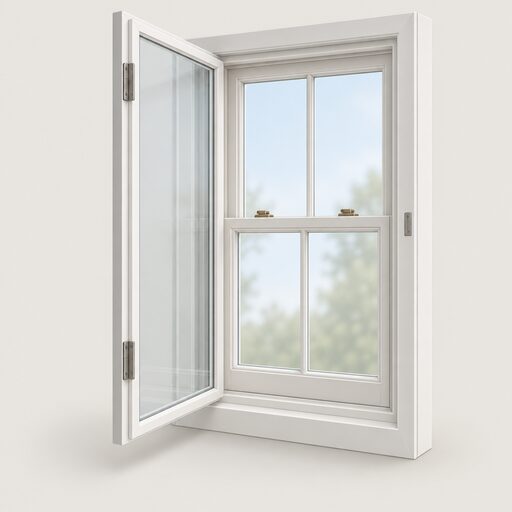 Secondary GlazingSecondary glazing adds a second pane inside your existing window, so you keep the original frame.
 Insulation Savings and PaybackHow much can you really save by adding insulation, and does it depend on your home, your heating and how you use it?
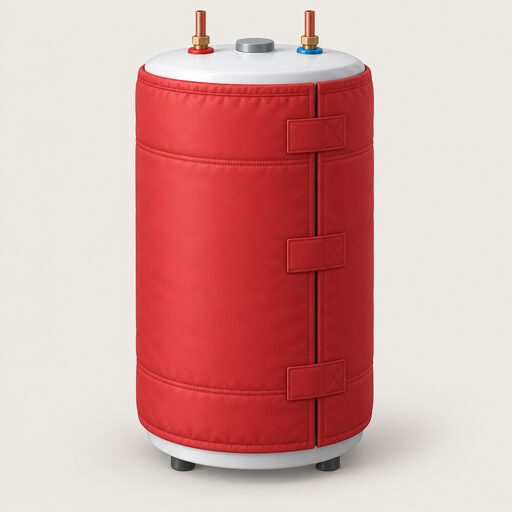 Insulation and IndependenceBetter insulation and glazing mean your home holds onto more of the heat you pay for, so you buy less gas and electricity.
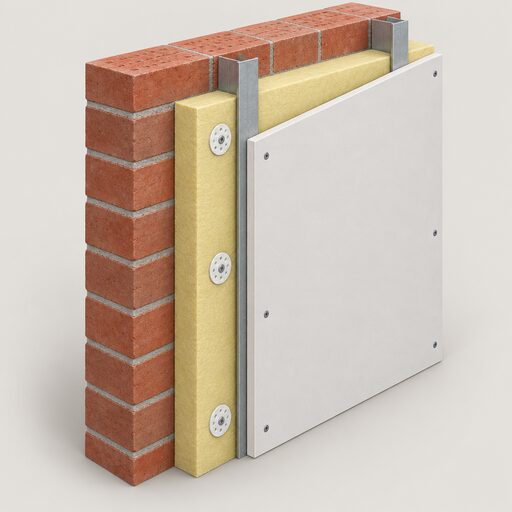 Solid Wall InsulationSolid walls lose far more heat than cavity walls, so what can actually be done about it?