
In this guide
Insulation and glazing costs in the UK are quoted per measure, per home, and the spread is wide because the work itself is different in kind. Cavity wall insulation is the cheapest of the wall measures, with an average cost of £2,700 for a semi-detached house on gas heating and annual savings of £2001. External solid wall insulation on the same house type averages £15,000, with internal solid wall insulation at £12,0001. Those two figures sit either side of an official estimate that solid wall work can range from £950 for loft insulation to over £12,000 for external solid wall insulation on a typical three-bedroom semi2.
The pattern is consistent: the cheaper the measure, the faster it pays back, and the more of the home's heat loss it addresses. Cavity wall insulation is a two-hour job for a typical three-bedroom house, blown in from outside with minimal disruption indoors3. Solid wall insulation is a building project. Glazing sits between the two: it cuts heat loss through windows by half, but the cost is per window and the savings depend on what was there before4.
What a household actually pays depends on four things: the wall type, the size and shape of the property, whether a grant or obligation scheme covers part of the work, and the VAT treatment of the installation. This page sets out the reported costs measure by measure, the savings figures behind them, and the rules that decide who may install the work and what paperwork follows.
What insulation and glazing cost in the UK: the headline figures
The headline costs divide into three bands. The first is cavity wall insulation, the cheapest wall measure and the one most homes can have. Independent guidance puts the average at £1,800 for a mid-terrace house, rising to £4,600 for a detached house1. The same guide gives £2,700 for a semi-detached house on gas heating, with £200 a year saved1. The two figures are not in conflict so much as differently framed: one is a range across house types, the other a single house type with its saving attached.
The second band is solid wall insulation, for the 8.76 million homes in Great Britain with solid walls, of which only 10% (876,000) have any solid wall insulation at all2. External wall insulation on a mid-terrace house starts at £7,200 including VAT and can rise to more than £36,000 for a large detached house1. Internal solid wall insulation averages £12,000 for a semi-detached house, with £280 a year saved1. An earlier official consultation put internal solid wall insulation at £8,400 for the extensions and conversions groups it modelled, in 2012 prices7.
The third band is glazing. Installing A-rated double glazing in an entirely single-glazed semi-detached home can save £85 a year in Great Britain and £140 in Northern Ireland5. Prices are installer-quoted and vary with frame material, unit specification and the number of openings, so no single national figure applies.
Cavity wall insulation: cost, savings and payback
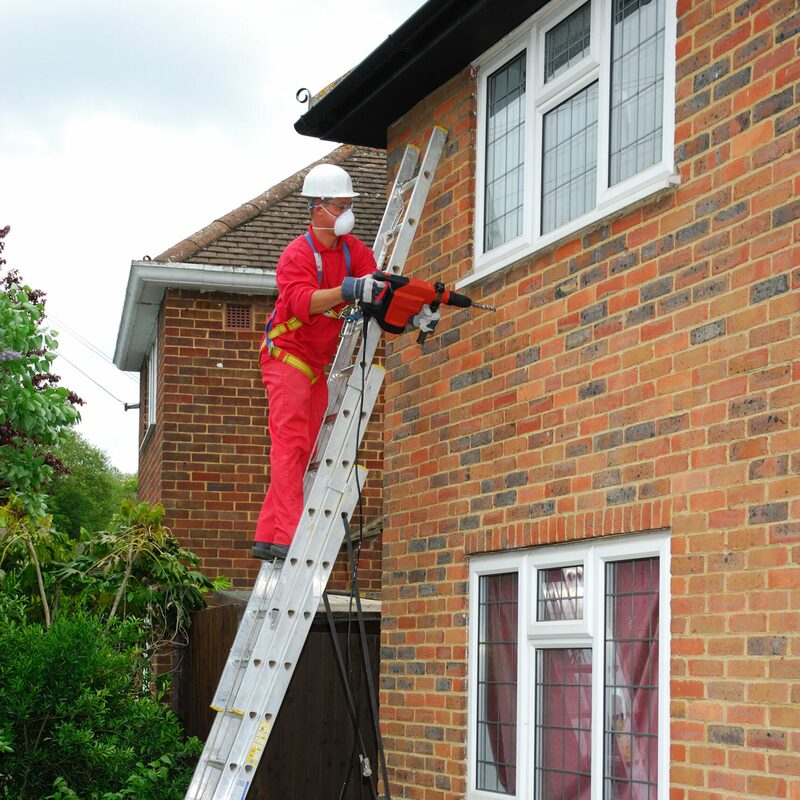
Cavity wall insulation is the measure with the clearest cost-to-saving ratio, and the one where the installation process is least disruptive. The insulation is blown into the cavity from the outside and disruption to the householder is minimal3. For a typical three-bedroom house the work takes just a couple of hours3. The main materials used are mineral wool (glass or rock wool), EPS bead (polystyrene bead) and PU foam (polyurethane foam)8.
Three measure variants are defined by their range of thermal conductivity: 0.027, 0.033 or 0.0408. The lower the figure, the better the material insulates, and the specification chosen affects both performance and price. The scheme guidance sets a U-value target of 0.55 W/m2K for retrospective cavity wall insulation, and defines a partial fill threshold where at least 50% of the cavity walls are originally insulated prior to the new work8.
On savings, the sources diverge more than on cost. Independent guidance gives £200 a year for a semi-detached house on gas heating1. An official impact assessment for the Great British Insulation Scheme put the average bill reduction for households receiving insulation upgrades at around £300 to £400 a year9. An older official calculation, using the Green Deal's golden rule methodology, reduced a cavity wall saving estimate to £103 for a semi-detached property example10. The spread reflects different baselines, different heating fuels and different modelling assumptions rather than a disagreement about the physics.
Payback follows directly. At £2,700 installed and £200 a year saved, cavity wall insulation on a semi-detached house takes over a decade to repay at current prices, before any grant. Where a scheme covers part of the cost, that period shortens sharply. The measure also improves the home's energy independence in a modest but real way: it reduces the heat the household must buy, and it does so without adding a system that depends on a supplier, an app or a subscription.
Solid wall insulation: the expensive option for homes without a cavity
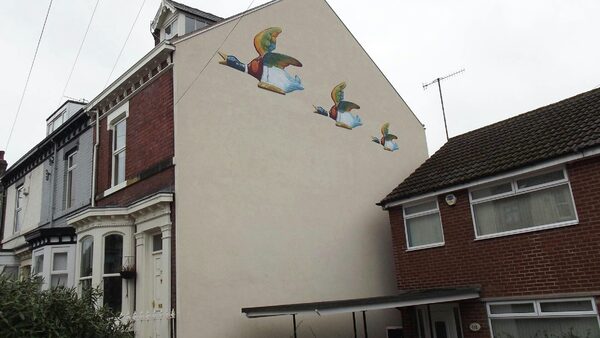
Solid wall insulation is where the cost curve steepens, and where the choice between internal and external systems matters most. External solid wall insulation on a mid-terrace house starts at £7,200 including VAT and can rise to more than £36,000 for a large detached house1. Internal solid wall insulation averages £12,000 for a semi-detached house, with £280 a year saved1. An official estimate puts external solid wall insulation on a typical three-bedroom semi at over £12,0002.
The gap between internal and external is not only price. External insulation wraps the whole envelope, removes thermal bridges at floor and ceiling junctions, and leaves the internal floor area untouched. Internal insulation loses room space, disrupts the interior, and requires careful detailing at reveals and party walls. The two are compared in more detail on internal vs external wall insulation.
Savings figures for solid wall insulation are reported across a wide band. Independent guidance gives £280 a year for internal solid wall insulation on a semi-detached house1. Other guidance reports £410 a year, and a further range of £150 to £550 a year1. What is consistent is that solid wall insulation costs several times what cavity insulation costs and saves a comparable order of magnitude, so payback is long unless a grant covers a substantial share.
For a household's energy independence, solid wall insulation is the measure that most reduces the heat a home needs to buy, because solid walls are the largest uncontrolled heat loss path in older properties. It does not remove dependence on gas or the grid, but it lowers the amount of energy that must be purchased to keep the house warm.
Double glazing: what it is and what it saves
Double glazing works by trapping air between two panes of glass, creating an insulating barrier that reduces heat loss, noise and condensation4. The gap in the middle is filled with air or an inert gas like argon, which is even more insulating than air5. Installing double glazing can cut heat loss through windows by half4.
The saving depends on what is being replaced. Installing A-rated double glazing in an entirely single-glazed semi-detached home can save £85 a year in Great Britain and £140 in Northern Ireland5. The Northern Ireland figure is higher because the baseline dwelling and fuel assumptions differ, not because the glazing performs differently. Where a home already has older double glazing, the marginal saving from replacement is smaller and the case rests more on comfort, noise and the condition of the existing units.
Double glazed windows can last between 20 and 35 years if they are high-quality, installed properly and well maintained5. That lifespan is the reason replacement is often a staged decision rather than a single project. If the budget does not stretch to every window, the guidance is to choose the rooms that cost the most to heat4. Partial replacement is a legitimate approach and is covered further on double glazing.
Glazing is the measure with the weakest link to energy independence. It reduces heat loss, but it does not generate or store energy, and the household remains connected to the grid and, in most cases, to gas. Its value is in lowering demand and improving comfort, not in changing where energy comes from.
Cavity wall or solid wall: which applies to your home
The wall type decides which measure is available, and the national picture is clear. In Great Britain, 21.4 million homes have cavity walls and of these 71% (15.2 million) have cavity wall insulation2. A further 8.76 million homes have solid walls and of these 10% (876,000) have solid wall insulation2. In England, just over half (54%) of all dwellings had cavity or solid wall insulation in 2024, up from 48% in 201411.
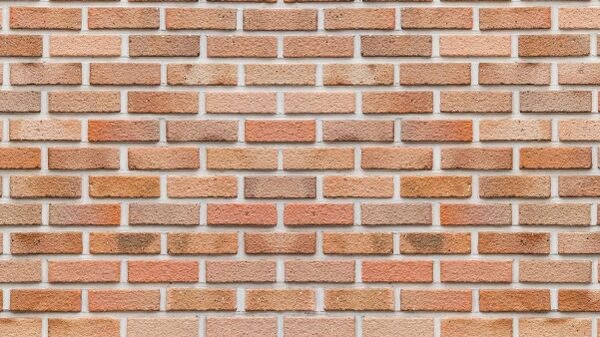
The practical test is the brickwork pattern. A cavity wall is two leaves with a gap, and the external corner usually shows a regular alternating pattern of brick ends and faces. A solid wall is one thickness of brick or stone, and the corner shows a mix of long and short bricks. The distinction is set out in more detail on cavity wall vs solid wall.
| Wall type | Homes in Great Britain | Insulated | Measure available |
|---|---|---|---|
| Cavity wall | 21.4 million | 71% (15.2 million) | Cavity wall insulation2 |
| Solid wall | 8.76 million | 10% (876,000) | Internal or external solid wall insulation2 |
The gap between the two is the single most useful fact for a household weighing up cost. Cavity wall insulation is available to the majority of homes and remains comparatively cheap. Solid wall insulation is available to a minority and is several times more expensive, which is why only one in ten solid-walled homes has it. For a household in a solid-walled property, the cost question is not whether the measure is worth it in principle but whether a grant or a staged approach makes it affordable in practice.
Savings by property type: from £140 for a mid-terrace to £540 for a solid-wall semi
Savings figures are quoted per property type because heat loss scales with exposed wall area and the number of external walls. A mid-terrace house has two external walls; a detached house has four. That is why the same measure produces different savings across the stock.
| Measure | Property type | Annual saving | Source |
|---|---|---|---|
| Cavity wall insulation | Semi-detached, gas heating | £200 | 1 |
| Internal solid wall insulation | Semi-detached, gas heating | £280 | 1 |
| A-rated double glazing | Entirely single-glazed semi-detached | £85 (GB), £140 (NI) | 5 |
| Insulation upgrades under GBIS | Households receiving upgrades | Around £300 to £400 | 9 |
| Room-in-roof insulation | Lifetime bill savings | £189.32 | 12 |
The £140 figure in the heading refers to the Northern Ireland double glazing saving, which is the highest single glazing figure in the sources for a semi-detached home5. The £540 figure refers to the upper end of the reported solid wall saving range, which runs from £150 to £550 a year1. Both are reported figures, not calculated ones, and both depend on the baseline dwelling and the fuel being replaced.
The spread across sources is wide enough that a household should treat any single saving figure as indicative. An official press release put the potential saving from insulating more homes at around £200 per year13. The Great British Insulation Scheme's own impact assessment put the average bill reduction at around £300 to £400 per year for households receiving upgrades9. The difference reflects what is being measured: a single measure in a defined house type, versus a package of upgrades across a scheme's caseload.
For energy independence, the property type matters as much as the measure. A mid-terrace house with two exposed walls gains less from wall insulation than a detached house with four, but it also loses less heat to begin with. The household that gains most from insulation is the one in an older, larger, solid-walled property with high heat demand, and that is also the household facing the highest installation cost.
Grants, 0% VAT and funding schemes
The cost a household actually pays is shaped by three separate mechanisms: the VAT rate on the installation, the grant schemes that part-fund the work, and the obligation schemes that place the cost on energy suppliers.
On VAT, the position is favourable and time-limited. The government has removed VAT on home insulation, with the relief running until the end of March 20276. The 0% rate on installing energy-saving materials including insulation and solar panels applies until 31 March 20276. Where heating equipment work is funded through an energy efficiency grant, 5% VAT applies in Great Britain or Northern Ireland if the household is eligible6.
The reduced rate works differently where materials are a small share of the total. An installer charging £1,000 excluding VAT, made up of £400 for materials and £600 for labour, can charge the reduced 5% rate on the total installation cost because the materials are 40% of the total14. The reduced-rate VAT on that example is £50, being 5% of £1,00015. The rule turns on the proportion of materials to labour, and it is worth understanding before comparing quotes.
Grant funding differs by nation. In Scotland, grant funding is available up to 75% of the combined cost of measures, up to a maximum grant amount of £7,500 for energy efficiency measures such as insulation16. In Northern Ireland, the Keep Warm Discount Scheme offers a grant of 40% towards the cost of cavity wall insulation and loft insulation, up to £650 maximum grant per insulation measure and up to £1,000 maximum grant for cavity wall insulation involving extraction and refill, with a hot water tank jacket as a fully funded additional measure17.
Under the Great British Insulation Scheme, the property must require energy-efficiency upgrades such as cavity wall insulation, decided through a retrofit assessment18. In some cases a household may be asked to contribute to the cost of the installation, and higher-cost measures such as solid wall insulation are more likely to need a contribution18. The scheme also funds park home insulation for both eligible groups19. The scheme's total costs were reported as £125 million, with total discounted costs of £192.6 million for GBIS compliant delivery20. It was expected to add £5 to a typical annual dual fuel bill in 2023/24 and £17 in each of the following two years20.
Building Regulations, guarantees and who must install
Insulation has to comply with the relevant building regulations both when installed during construction and when fitted retrospectively22. Installing insulation requires an application for approval under the Building Regulations, but this can be included as part of any application for the overall project23. In Wales the same compliance requirement applies24.
Cavity wall insulation has its own specific rule. The installation of cavity wall insulation is specifically defined as notifiable building work in the Building Regulations25. For all buildings which are not exempted from the Regulations, it is necessary to submit a building notice to a building control body stating that cavity wall insulation work will be carried out24. If the installer is registered with the Cavity Insulation Guarantee Agency, the installer will in most cases submit the building notice25. Building owners should always check that a building notice will be submitted24. In Northern Ireland, cavity wall insulation requires a Building Control application26.
The Building Regulations also require that the insulation material used is suitable for the wall construction concerned25. In the case of some foam cavity wall insulating materials, an assessment of the risk of the emission of formaldehyde gas will need to be carried out25. Planning permission is not required to install cavity wall insulation7. The installation of solid wall insulation constitutes an improvement rather than an enlargement or extension to the house27.
On installer standards, all installers delivering measures under the Great British Insulation Scheme must be a TrustMark-registered business19. The measure must be installed by a TrustMark-registered installer and a certificate of lodgement issued, or the work must be installed subject to similar arrangements28. Under the Warm Home Discount (England and Wales) Regulations 2026, a boiler or central heating system must be installed by, or under the responsibility of, a person who is registered with TrustMark, with a certificate of lodgement issued by the operator of TrustMark29.
Timing the work: when insulation and glazing pay off most
The economics of insulation and glazing depend on when the work is done and what it is measured against. The Great British Insulation Scheme defines a qualifying action as a reduction in the cost of heating premises to 21 degrees Celsius in the main living areas and 18 degrees Celsius in all other areas, completed on or after 30 March 2023 and before 1 April 202621. That definition is a useful reminder that savings are measured against a heated baseline, not against no heating at all.
The measures with the shortest payback are the cheapest ones. Cavity wall insulation at £2,700 with £200 a year saved repays over roughly a decade before grant, and considerably faster where a scheme contributes1. Solid wall insulation at £12,000 to £15,000 with £280 a year saved takes far longer, and the case for it rests on grant funding, on the condition of the building, or on a whole-house retrofit plan rather than on simple payback1.
Glazing is best timed with other work. Replacing windows is disruptive, and doing it alongside external wall insulation or a wider refurbishment avoids paying twice for access and making good. The 20 to 35 year lifespan of good double glazing means the decision is infrequent, and the marginal saving from replacing working double glazing is smaller than the saving from replacing single glazing5.
For a household's energy independence, the sequence matters more than the individual measure. Fabric work first, then heating system, is the order that avoids rework, and it is set out on planning a whole-house retrofit. Insulation and glazing reduce the energy a home must buy; they do not remove the connection to the grid or to a gas supplier. What they change is the size of the bill that connection produces, and the extent to which the household's comfort depends on being able to pay it.
Sources30 cited
- Wall insulation types and costs, Uswitch, 2026
- EINAS 2025: Heat and Buildings, UK Government, 2025
- Cavity wall insulation, nidirect, 2026
- Glazing, Planning Portal, 2026
- Windows and doors, Energy Saving Trust, 2026
- Tax on shopping: energy-saving products, UK Government, 2026
- Permitted development checklist, Bath and North East Somerset Council, 2020
- ECO4 New Measures and Products Guidance v3.0, Ofgem, 2026
- GB Insulation Scheme: government response, UK Government, 2023
- How savings figures are calculated under the Green Deal's golden rule, UK Government, 2013
- English Housing Survey 2024 to 2025: headline findings, UK Government, 2024
- ECO3 Final Determination Report, Ofgem, 2023
- Help to save households money and deliver cleaner heat to homes, UK Government, 2024
- VAT on energy-saving materials, HM Revenue and Customs, 2026
- Draft VAT guidance on changes to energy-saving materials, UK Government, 2026
- Energy saving home improvements, Scottish Government, 2026
- NISEP List of Schemes 2026-27, Utility Regulator Northern Ireland, 2026
- Great British Insulation Scheme: homeowners and tenants, Ofgem, 2026
- Great British Insulation Scheme: supply chain, Ofgem, 2026
- Tackling fuel poverty in Scotland: periodic report 2021-2024, Scottish Government, 2025
- ECO4 and GBIS mid-scheme changes: final stage impact assessment, UK Government, 2025
- Building Regulations: Insulation introduction, Planning Portal, 2026
- Building Regulations: Energy efficiency, Planning Portal, 2026
- Building Regulations: Insulation and cavity walls, Welsh Government, 2026
- Building Regulations: Cavity wall insulation, Planning Portal, 2026
- Building Control application forms, Building Control Northern Ireland, 2026
- Minor consequential improvements: Part L Building Regulations, Parliament, 2012
- GBIS Delivery Guidance V1.1: summary of updates, Ofgem, 2024
- The Warm Home Discount (England and Wales) Regulations 2026, legislation.gov.uk, 2026
- Greater protections to restore families' trust in home upgrades, UK Government, 2026
 Triple Glazing in UK HomesTriple glazing costs more than double, so is it worth it for your home?
 Finding an Insulation InstallerHow to find, verify and check an insulation, glazing or ventilation installer in the UK: the registration schemes, trade bodies and guarantee arrangements that cover the work, how to compare quotes, what a written specification should state, and how complaints and disputes are handled.
 Whole-House Retrofit CostsA whole-house retrofit can cost anywhere from a few thousand pounds to over fifty thousand, so what you actually pay depends on how much work your home needs.
 Loft InsulationHow much loft insulation do you need, and is your current depth enough?
 Welsh Building Regs InsulationDo insulation or glazing rules in Wales differ from England?
 Solid Wall InsulationSolid walls lose far more heat than cavity walls, so what can actually be done about it?