
In this guide
Scotland runs two distinct funded routes to insulation and clean heating, and they work in different ways. The first is Warmer Homes Scotland, a national fuel poverty programme launched in September 2015 and relaunched in 2023 with increased funding for clean heating systems. It has helped more than 46,000 households throughout Scotland, and around 21,000 households have been referred through to the fuel poverty support programme since the new scheme launched in October 20231. The second is the Home Energy Scotland Grant and Loan, which offers up to £7,500 for energy efficiency improvements such as insulation and up to £7,500 for clean heating systems such as heat pumps, with an additional £7,500 available as an optional interest free loan2.
A third route sits alongside both: Energy Efficient Scotland Area Based Schemes, delivered by local councils, which offer non means tested grants for insulation measures and are non repayable3. These are targeted at owner-occupied and private landlord-owned properties, and focus on homes that are hard to treat due to non-standard construction4.
The practical consequence for a household is that the route taken depends less on the measure wanted than on circumstances: fuel poverty status, tenure, and whether the property falls inside a council's selected area. Home Energy Scotland is the single gateway to the national scheme and the advice service behind all three routes5.
The main grants in Scotland: Warmer Homes Scotland and the Home Energy Scotland Grant and Loan
The two national schemes are often mentioned together but serve different households. Warmer Homes Scotland has a strong focus on heating and insulation measures and is aimed at households in, or at risk of, fuel poverty8. The Home Energy Scotland Grant and Loan scheme exists to support the installation of clean heating systems and energy efficiency measures, and provides grants and loans to all domestic owner-occupiers in Scotland9.
That difference in eligibility is the single most important distinction. Warmer Homes Scotland is a national fuel poverty programme helping households living in or at risk of fuel poverty; it mainly supports owner occupiers, but it also covers tenants in private rented homes9. The Grant and Loan scheme, by contrast, is open to all domestic owner-occupiers in Scotland, with no fuel poverty test10.
The Scottish Government describes fully funded support as available to eligible homeowners through its fuel poverty schemes, naming Warmer Homes Scotland among them11. Fuel poverty itself is defined in Scotland as a household being required to spend more than 10% of its income on all household fuel use12.
In scale, the Scottish Government reported that nearly 10,000 households at risk of fuel poverty were supported to make their homes warmer through Warmer Homes Scotland and Area-Based Schemes in the 2023-24 financial year9. The two schemes are complementary rather than alternatives: one is means-tested and fully funded, the other is open to any owner-occupier and part-funded.
For a household's energy independence, the distinction matters. Fully funded measures remove the capital barrier entirely but come with eligibility conditions and a waiting process. Grant and loan funding puts more of the choice in the household's hands, including which measures to install and when, but requires a contribution and a claim process. Neither route removes dependence on the grid or on a supplier; both reduce how much energy the home needs to draw in the first place.
Warmer Homes Scotland: support for households in or at risk of fuel poverty
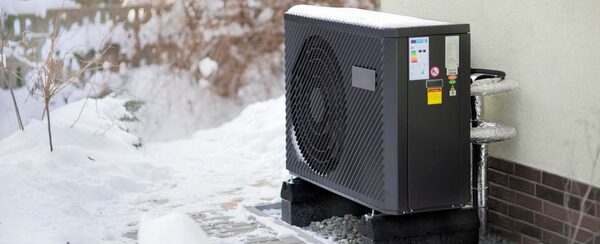
Warmer Homes Scotland is funded by the Scottish Government and offers funding and support to eligible households struggling to stay warm and keep on top of energy bills3. Its purpose is to help households in, or at risk of, fuel poverty improve their heating and energy efficiency1. It also helps support climate goals by installing more clean heating systems and reducing emissions through improved energy efficiency1.
The scheme was originally launched in 2015 and relaunched in 2023 with increased funding for clean heating systems1. The Scottish Government's own description of the current scheme is that households can have energy efficiency measures and a heat pump installed with all the work planned and carried out for them, fully funded by the Scottish Government, if they meet certain criteria13.
Renewable and micro-generation measures have been made available under the scheme, including ground source heat pumps, micro-wind, micro-hydro and micro-CHP systems8. That breadth matters in rural and island settings where a heat pump alone may not suit the property or the grid connection.
The scheme's reach is substantial. More than 46,000 households throughout Scotland have been helped, and around 21,000 households have been referred through to the fuel poverty support programme since the new scheme launched in October 20231. The Scottish Government reported that nearly 10,000 households at risk of fuel poverty were supported through Warmer Homes Scotland and Area-Based Schemes in 2023-249.
For energy independence, the scheme's value is that it removes the upfront cost of fabric and heating improvements for households that could not otherwise fund them. What it does not do is remove the household's dependence on mains gas, electricity or a supplier. It reduces demand and, where a heat pump is installed, changes the fuel source rather than eliminating it.
Who qualifies for Warmer Homes Scotland
Eligibility is built around fuel poverty and vulnerability rather than property type alone. The Scottish Government states that eligibility for Warmer Homes Scotland has a focus on those with a long term health condition, as well as carers, older people and families with children under 16 years of age5. The scheme is targeted at those living in owner occupied properties who are in or at risk of fuel poverty, with a limited offer for the private rented sector where measures are not covered by landlords' obligations14.
The largest group of customers qualify based on their entitlement to Disability Living Allowance or Personal Independence Payment, according to the scheme's 2018-19 annual review15. That gives a practical steer on the kind of household the scheme is designed for.
Two changes to eligibility took effect from 1 September 2017. Properties that do not meet the tolerable standard as set out in the Housing (Scotland) Act 2006, where this impacts measure effectiveness, are no longer eligible12. From the same date, households can no longer benefit from both Warmer Homes Scotland and HEEPS: Area Based Schemes; properties funded by one are excluded from the other for five years from installation completion12.
For a household weighing up its options, the eligibility rules mean the two funded routes are not stackable in the short term. A property that has already received Area Based Scheme funding cannot then be referred to Warmer Homes Scotland for five years, and the reverse applies. That is a planning consideration for anyone expecting to need further measures later.
What Warmer Homes Scotland funds: insulation, heating and clean heating first
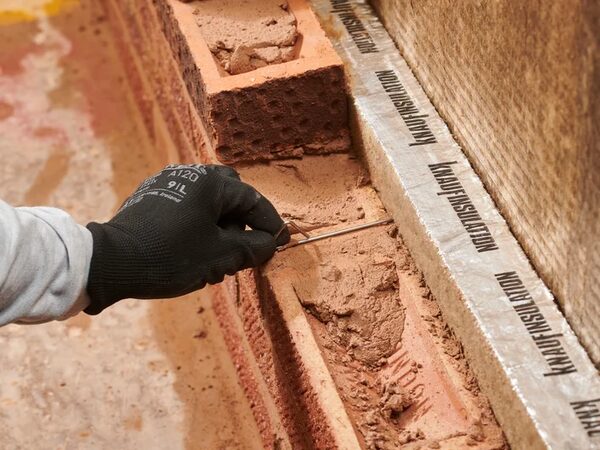
The scheme's ordering of measures is explicit. Where technically suitable, households are offered clean heating systems first1. Households are offered a clean heating system in the first instance, although only where installation of these systems will avoid pushing households into fuel poverty or worsening their depth of fuel poverty11. If clean heating would increase energy bills, an emission-producing system may be provided instead1.
Most homes also get energy-saving upgrades, no matter which heating system is installed1. That combination is what makes the scheme a fabric-first programme in practice even where the headline measure is a heat pump.
The measures available span the building envelope. Warmer Homes Scotland has a strong focus on heating and insulation measures8, and renewable and micro-generation measures have been made available, including ground source heat pumps, micro-wind, micro-hydro and micro-CHP systems8.
Early installation data from the scheme's first period, September 2015 to June 2016, gives a sense of the mix: 437 heating system insulation installs, 50 external wall insulation installs and 86 cavity wall insulation installs16. Those figures are historical and reflect the scheme before its 2023 relaunch, but they show that insulation formed a substantial part of delivery alongside heating work.
For energy independence, the clean-heating-first rule is significant. It means a household may end up with a heat pump rather than a like-for-like boiler replacement, which shifts the home's dependence from gas to electricity. The scheme's own condition, that this must not push the household into fuel poverty or worsen its depth, is the safeguard against a change that reduces emissions but raises bills.
The Home Energy Scotland Grant and Loan: up to £7,500 plus an interest-free loan
The Home Energy Scotland Grant and Loan scheme provides homeowners in Scotland a grant, interest free loan or a combination of both to install clean heating systems and energy efficiency measures17. The grant element is up to £7,500 for energy-efficiency improvements such as insulation and up to £7,500 for clean heating systems such as heat pumps2. An additional £7,500 of funding is available as an optional interest free loan8.
The Scottish Government has extended the same structure to heat network connections. Up to £7,500 of grant funding is now available to homeowners, in addition to the optional £7,500 interest free loan, for connecting to heat networks18. Applications for that heat network connection grant support opened in December 20256.
Grant funding is available up to 75% of the combined cost of measures, up to a maximum grant amount of £7,5008. That percentage cap is the detail households most often miss: the grant does not cover the full cost of a project, and the household meets the remainder unless the optional loan is used.
| Element | Amount | Notes |
|---|---|---|
| Energy efficiency grant | up to £7,500 | Insulation and similar measures2 |
| Clean heating grant | up to £7,500 | Heat pumps and similar systems2 |
| Optional interest free loan | £7,500 | Available in addition to grant8 |
| Grant cap | 75% of combined measure cost | Up to the £7,500 maximum8 |
| Heat network connection grant | up to £7,500 | Plus optional £7,500 loan18 |
The scheme is open to all domestic owner-occupiers in Scotland, and support is open to all owner-occupied domestic households in Scotland10. It is administered by the Energy Saving Trust on behalf of the Scottish Government2.
For energy independence, this route gives a household more control than the fuel poverty scheme: it can choose measures, sequence them and use the loan to spread cost. The dependence it leaves intact is financial rather than physical, since the household carries the balance of the cost and any loan repayment.
Area Based Schemes: non-means-tested funding through your local council
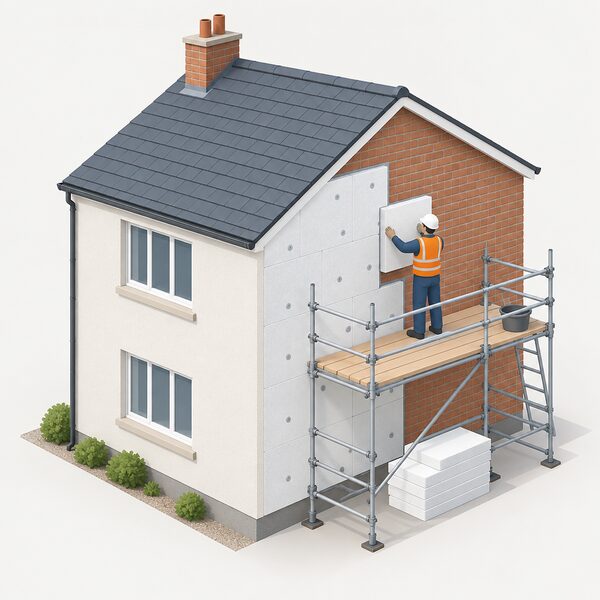
Area Based Schemes take a different approach entirely. Through the Scottish Government's Energy Efficient Scotland: Area Based Scheme, non repayable grants are available, and the schemes are described as offering non means tested grants for insulation measures3. That means no fuel poverty test applies to the household.
The schemes are for private homeowners and landlords in Scotland to help with the cost of certain energy efficiency measures, and they focus on solid wall insulation and other measures for homes that are hard to treat due to non-standard construction4. Delivery is an area-based approach to insulation measures for owner-occupied and private landlord-owned properties19.
The measures funded under the Argyll and Bute scheme illustrate the range: external wall insulation, park home insulation, internal wall insulation, cavity wall insulation, loft insulation, underfloor insulation and room-in-roof insulation3. The council's trusted contractors determine the most suitable insulation measure or measures for the property3.
The programme has a long history. The Scottish Government's Home Energy Efficiency Programme for Scotland: Area Based Schemes was introduced in April 201319, and Energy Efficient Scotland: Area Based Schemes 2020 is a successor to the Home Energy Efficiency Programme20. Its stated objectives include upgrading Scotland's housing stock, tackling fuel poverty, reducing carbon emissions, levering in Energy Company Obligation funding, supporting the local economy, and providing homeowners and landlords with access to grant funding that meets future minimum energy efficiency standards20.
Funding is allocated by area rather than by household application. Each year, once funding for the Area-Based Scheme has been successfully secured, eligible homeowners in the most fuel-poor areas identified through the Scottish Government's application process receive a formal letter of offer4. The schemes target fuel-poor areas to provide energy efficiency measures to a large number of Scottish homes8.
For energy independence, Area Based Schemes are the route that most directly addresses hard-to-treat fabric, particularly solid wall insulation, which is the measure most likely to be excluded from other funding because of cost and complexity. The dependence they leave is on the council's selection process and on the annual funding cycle.
Home Energy Scotland: the free advice service and the only route into the national scheme
Home Energy Scotland is the gateway to Warmer Homes Scotland. The Scottish Government states that the service provides tailored advice to households in Scotland on how they can improve the energy efficiency of their home and is the gateway to the Warmer Homes Scotland scheme5. It is funded by the Scottish Government and provides free and impartial advice and support3.
The service is administered by the Energy Saving Trust on behalf of the Scottish Government2. It provides free, independent and impartial energy advice to householders, community groups and businesses throughout Scotland20, and can give free impartial advice on energy efficiency and renewable energy in Scotland6.
Contact is straightforward. Home Energy Scotland can be reached free on 0808 808 22823, and calls are free from landlines and most mobile networks6. Phone lines are open Monday to Friday 8am to 8pm, and 9am to 5pm on Saturdays4.
The service also operates a Funding Finder, which searches for funding and support on improving a home's energy efficiency, reducing energy bills and making a home warmer21. Its role includes growing advice services and support to access funding and finance22.
"The award winning Home Energy Scotland service provides tailored advice to households in Scotland on how they can improve the energy efficiency of their home and is the gateway to our Warmer Homes Scotland scheme"
For energy independence, the advice service is the point at which a household learns what its building actually needs, independent of any installer's sales pitch. That independence is structural: the service is government-funded rather than commission-based, and it is the referral partner for Area Based Scheme eligibility enquiries as well as the national scheme3.
How to apply: from first contact to Warmworks survey and installation
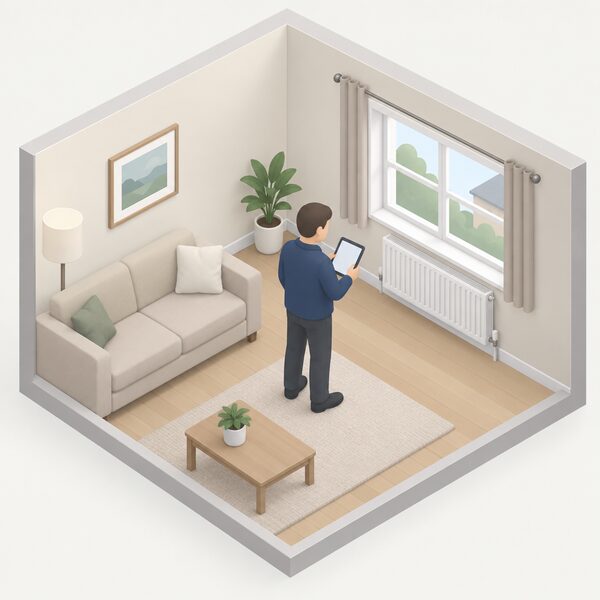
The process for Warmer Homes Scotland runs through a single channel. A household contacts Home Energy Scotland, which provides tailored advice and checks eligibility, then refers eligible households onward. There is no direct application route to the national scheme.
Delivery sits with Warmworks. Warmworks is a joint venture partnership that was formed in 2015 specifically to tender for and deliver the Warmer Homes Scotland contract23. The initial survey is carried out using rdSAP software24, which produces the energy assessment on which measure selection is based.
Warmworks is required to attempt customer contact three times at different times of the day and using different contact methods before an application can be cancelled, and this is audited monthly by Pennington Choices16. Warmworks has also engaged with organisations offering enabling support to Warmer Homes Scotland customers, including Scottish and Southern Energy and other local community organisations16.
For the Home Energy Scotland Grant and Loan, the sequence is different and more document-driven. After a successful application form submission, the aim is to process it within 10 working days17. After signing a funding agreement, there are 9 months to complete all the installation of funded measures and submit a final funding claim17. Claims are targeted for processing within 10 working days after submitting all required claim documentation17.
Where Home Energy Scotland Grant and Loan funding is used to install solid wall, underfloor, flat roof or room-in-roof insulation, the installer is required to be registered with TrustMark for those measures17.
For energy independence, the application route determines how much control a household has. The national scheme is a managed process from survey to installation, with Warmworks arranging the work. The Grant and Loan route leaves the household to appoint its own installer, subject to the TrustMark condition, which is more control but more responsibility.
Waiting times, costs and what can go wrong
Processing times are published for the Grant and Loan scheme. The Energy Saving Trust aims to process all applications and claims within 10 working days of receiving all required documents7. The scheme's data categories distinguish between applications on hold and not on hold, and claims on hold and not on hold, which indicates that a proportion of cases are paused during processing7.
The 9-month installation window after signing a funding agreement is the binding deadline for the Grant and Loan route17. Households that miss it risk the claim.
For Warmer Homes Scotland, the published safeguards are about contact rather than timescale. The requirement for three contact attempts at different times of day and by different methods before cancellation exists precisely because applications can otherwise lapse when a household cannot be reached16.
Costs under the Grant and Loan scheme are shared. Grant funding covers up to 75% of the combined cost of measures, up to a maximum of £7,5008, so the household meets at least a quarter of the cost unless the optional interest free loan is used. The scheme does not publish fixed prices for measures, which are installer-quoted.
The main risks are therefore procedural rather than technical: an application that goes on hold, a claim submitted without complete documentation, an installation that runs past the 9-month window, or an installer who is not TrustMark registered for the measure being funded. On the national scheme, the risk is a missed contact attempt leading to cancellation.
For energy independence, these are the friction points between a household and a completed retrofit. None of them changes the physics of the building, but each can delay the point at which the home needs less energy to stay warm.
How the Scottish schemes differ from Warm Homes funding in England

The Scottish and English funding landscapes are separate systems with different eligibility logic. In Scotland, the two national routes are Warmer Homes Scotland, which is means-tested against fuel poverty, and the Home Energy Scotland Grant and Loan, which is open to all owner-occupiers9. Area Based Schemes add a third, non means tested council-delivered route3.
In England, the equivalent national programme is the Warm Homes Local Grant, which runs a four-step process: apply, upload documents, get the home assessed, approve the work25. Applications are made directly through official channels, via the council website or a retrofit team26. Delivery is by local authority area, with some councils still confirming their delivery arrangements27.
The English scheme has a defined delivery window. The guidance states that the scheme plans to run for three years, ending on 31 March 20289. Additional Warm Homes funding has been announced for 2028 to 2030, allowing new priority areas to be identified in the future28.
The structural difference is the referral model. Scotland routes its national fuel poverty scheme through a single advice gateway, Home Energy Scotland, which checks eligibility and refers onward to Warmworks5. England's Warm Homes Local Grant is applied for directly through councils26. Scotland also operates a five-year exclusion between its two main funded routes12, a rule with no direct English equivalent in the material available.
For a household's energy independence, the practical difference is where the decision sits. Scotland's model centralises advice and referral, which suits households that want guidance and a managed installation. England's model decentralises to councils, which suits households able to navigate a direct application. Both leave the household dependent on the grid and a supplier; both reduce the energy the home needs from them.
Sources28 cited
- Warmer Homes Scotland scheme headline data, Scottish Government, 2025
- Decarbonising heating in homes and buildings, Scottish Government, 2026
- Energy Efficient Scotland: Area Based Schemes, West Lothian Council, 2026
- Area Based Schemes, Glasgow City Council, 2026
- Tackling fuel poverty: strategic approach, Scottish Government, 2021
- Home energy efficiency advice, Argyll and Bute Council, 2026
- Home Energy Scotland: grants and loans, Home Energy Scotland, 2026
- Energy saving home improvements, Scottish Government, 2026
- Heat in buildings progress report 2024, Scottish Government, 2024
- Scottish Government response: Green Heat Finance Taskforce, Scottish Government, 2025
- National Islands Plan annual report 2022, Scottish Government, 2022
- Home energy efficiency programmes: annual review 2017-2018, Scottish Government, 2018
- Heat pump sector deal: expert advisory group response, Scottish Government, 2023
- Tackling fuel poverty: strategic approach, Scottish Government, 2021
- Warmer Homes Scotland programme annual review 2018-19, Scottish Government, 2019
- Warmer Homes Scotland first annual review, Scottish Government, 2016
- Research briefing CBP-9585, House of Commons Library, 2026
- Heat networks delivery plan review report 2026, Scottish Government, 2026
- Area Based Schemes, Glasgow City Council, 2026
- Financial help for energy efficiency, City of Edinburgh Council, 2026
- Microgeneration strategy for Scotland, Scottish Government, 2012
- Home Energy Scotland Grant and Loan: processing times, Scottish Government, 2026
- Warmer Homes Scotland programme annual review 2018-19, Scottish Government, 2019
- Home energy efficiency programmes 2016-17, Scottish Government, 2017
- Warm Homes Local Grant, Birmingham City Council, 2026
- Warm Homes Local Grant, Greater Manchester Combined Authority, 2026
- Oxfordshire expands support to make homes warmer, Oxfordshire County Council, 2026
- Warm Homes Local Grant 2025 to 2028, Birmingham City Council, 2026
 Scottish Building StandardsBuilding or extending in Scotland means meeting Scottish rules on insulation, glazing and ventilation.
 Energy Policy in ScotlandWho decides how your home in Scotland is heated and improved?
 Community Energy in ScotlandCommunity energy in Scotland lets you join a local scheme for cheaper, greener heat and power, or get advice and funding to make your own home warmer and cheaper to run.
 Using an Installer in ScotlandYou live in Scotland and want solar panels or a heat pump fitted.
 Why Energy Grants DifferWhere you live in the UK changes which home energy grants you can get.
 Grants and Energy IndependenceCan you get a grant for solar panels or a battery?