
In this comparison
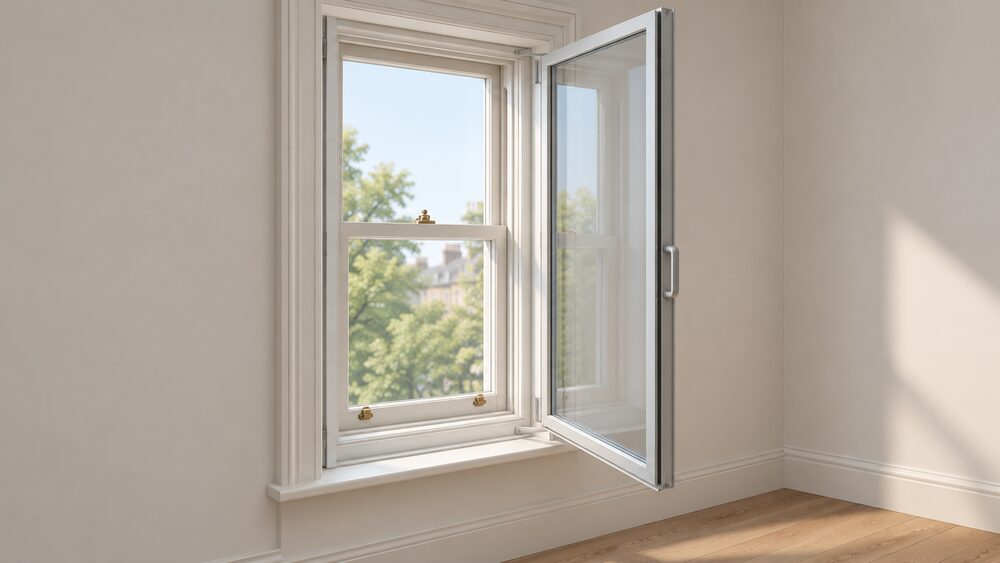
Secondary glazing is a second window unit fitted to the inside of an existing window. Double glazing replaces the window itself with a sealed unit holding two panes and a narrow air gap. For a household that cannot or will not replace its windows, secondary glazing is the cheaper route: Granada Glazing states it can be installed for around 25% of the cost of double glazing, depending on the size and style of the chosen system1, while the Glass and Glazing Federation puts it at approximately 50% less on a supply and install basis2. The two figures disagree and both are given here.
The performance case is narrower than the price case. Granada states its fixed secondary glazing achieves approximately 10% more thermal insulation than double glazing achieves3, and that it reduces noise by up to 80%3. Independent guidance is more cautious: Which? states that secondary glazing is not as effective as full double glazing, though it can still save money on heating bills and is much cheaper to install4. The Centre for Sustainable Energy puts permanent secondary glazing at upwards of £300 for a single window, depending on size, complexity and type of opening5.
The choice usually turns on the building rather than the budget. Where original windows cannot be replaced because of planning restrictions, secondary glazing is often the preferred option1, and it can be a non-intrusive way of insulating historic windows from the inside6. Where replacement is permitted and the household wants the lowest long-run heat loss, double glazing is the stronger fabric measure. This page sets out what each does, what each costs, and where the limits fall.
Secondary glazing vs double glazing: the short answer
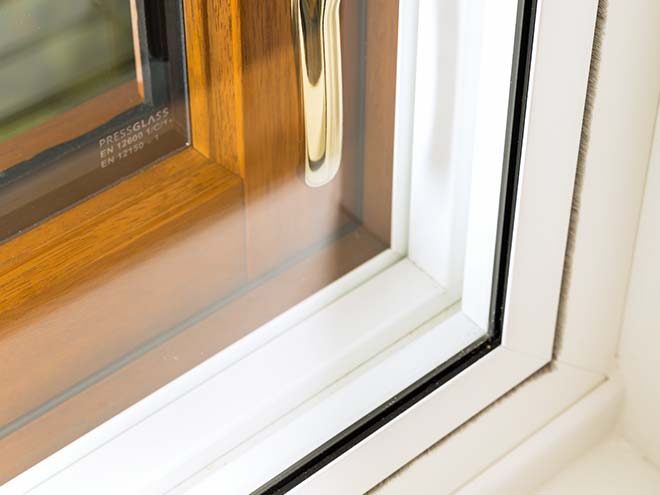
The two products solve different problems. Secondary glazing involves adding an additional internal window in addition to an existing single, double or triple glazed window1. Double glazing works by trapping air between two panes of glass, creating an insulating barrier that reduces heat loss, noise and condensation11. One replaces the window; the other adds to it.
The Glass and Glazing Federation describes secondary glazing as an additional glazing system, that is a window unit, fitted to the inside of an existing window, improving thermal efficiency and acoustic performance and overcoming planning restraints which prohibit replacing the existing window12. That last clause is the heart of the case. Where replacement is barred, secondary glazing is not a compromise against nothing, it is the only glazing upgrade available.
Where replacement is allowed, the comparison is less favourable to secondary glazing. Double glazed windows provide twice the amount of insulation as single glazed windows13, and Which? states plainly that secondary glazing is not as effective as full double glazing4. The Glass and Glazing Federation notes that installing secondary glazing inside existing windows is a less expensive option to improve energy efficiency, but that the existing windows must be in excellent condition14. A rotten or draughty primary window is not a sound base for a second unit.
Secondary glazing is low maintenance and does not cause the same level of disruption as fitting replacement primary double glazing12. Secondary window units usually have separate handles and open so that the primary windows can be cleaned and opened12. That matters in practice: a second skin that cannot be opened turns a ventilated room into a sealed one.
What secondary glazing is and how it works
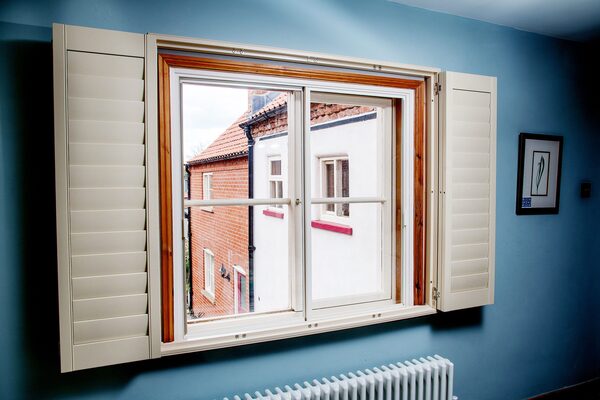
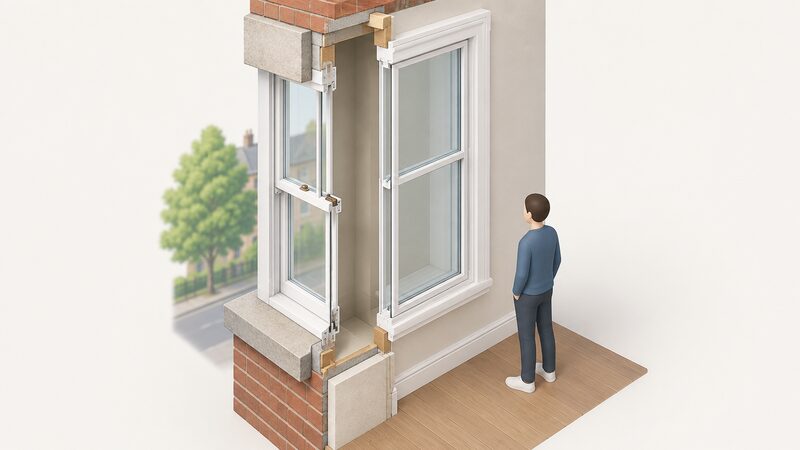
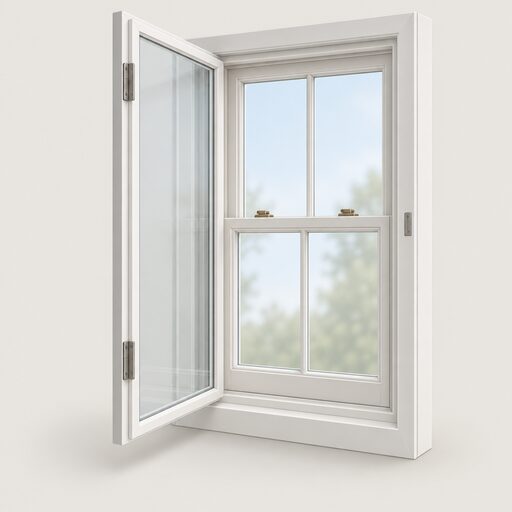
Secondary glazing is a second window, not a second pane. It is fitted on the inside of an existing window6, leaving the original frame, glass and external appearance untouched. The Centre for Sustainable Energy describes the semi-permanent versions as units that can be fitted to be sealed, lift-out or openable, on either hinges or vertical or horizontal slider tracks, so the original windows can open as normal5.
The insulation comes from the cavity, not the glass. Granada states that secondary glazing is often fitted with a 150mm to 200mm cavity from the primary window, and that the air-filled cavity acts as insulation1. For comparison, the same source gives double glazed units a 14 to 20mm air gap between their two panes1. The much deeper air space between a primary window and a secondary unit is why acoustic performance can be strong even where thermal performance is only comparable.
There is a security side effect. Granada states that by adding an extra layer of glass or plastic to an existing window, secondary glazing creates a barrier that can be more difficult for intruders to break through10. That is a maker's claim about its own product category rather than an independent test result, and it should be read as such.
At the cheapest end, the term covers much less. The National Energy Action guidance describes the cheapest type of secondary glazing as attaching some form of plastic sheeting stretched across the window, with acrylic sheets on magnetic edges or plastic carrying strips fixed with double-sided tape or hook-and-loop tape, reusable, with at least one window per room left uninsulated or openable for ventilation7. Temporary secondary glazing film over single glazed windows costs £5 to £15 per window8. That is a different product from a framed aluminium unit, and the performance figures quoted for the framed systems do not apply to it.
Cost: secondary glazing at around 25% of the price of double glazing
The headline comparison comes from Granada: secondary glazing can be installed for around 25% of the cost for double glazing windows, depending on the size and style of the chosen system1. The Glass and Glazing Federation gives a different figure, describing secondary glazing as approximately 50% less on a supply and install basis2. The two documents disagree, and the gap is wide enough that a household should treat both as indicative rather than as a quotation.
Independent pricing sits between the two claims. The Centre for Sustainable Energy states that secondary glazing for a single window will cost upwards of £300 depending on the size and complexity of the window and the type of opening5. USwitch gives £300 to £500 per window for a permanent install7, and the same range for secondary glazing per window in its Victorian house guidance8. A whole-house internal casement project in an independent case study came to around £10,000 for the whole house15.
| Measure | Figure | Source |
|---|---|---|
| Secondary glazing against double glazing | around 25% of the cost | Granada1 |
| Secondary glazing against double glazing | approximately 50% less, supply and install | GGF2 |
| Permanent secondary glazing, per window | upwards of £300 | CSE5 |
| Permanent secondary glazing, per window | £300 to £500 | USwitch7 |
| Temporary film, per window | £5 to £15 | Low Carbon Hub8 |
| Whole-house internal casements | around £10,000 | Low Carbon Hub case study15 |
Two things drive the spread. The first is the unit type: a fixed unit is simpler than a horizontal slider, and a slider is simpler than a lift-out or hinged unit. The second is the primary window. Granada states that secondary glazing is generally more cost-effective and affordable than window replacement10, but the Glass and Glazing Federation's condition that existing windows must be in excellent condition14 means that a household with failing primary windows may end up paying for both.
For context on the alternative, triple glazing is around 20% more expensive than double glazing6. Neither double, triple nor secondary glazing is available through the Scottish scheme that Home Energy Scotland lists, which records all three as not available16.
Thermal performance: up to 10% more energy saved than double glazing
The strongest thermal claim in the material is Granada's: its fixed secondary glazing achieves approximately 10% more than double glazing achieves3, and its listed buildings range is described as 10% more heat efficient than double glazing9. Both are maker claims about the maker's own products, and they sit against a more cautious independent position.
Which? states that secondary glazing is not as effective as full double glazing, but that it could still save money on heating bills and is much cheaper to install4. The Glass and Glazing Federation frames secondary glazing as an improvement on single glazing rather than a rival to a sealed unit: it is an alternative to replacing single glazed windows for those wanting energy efficient glazing17.
The official position is that secondary glazing works, within limits. Scottish Government guidance states that secondary glazing can provide an effective way to reduce heat loss without altering original windows, nor significantly reducing light levels or views18. That is the case for it in a traditional building: the heat loss falls, and the fabric and appearance survive.
The mechanism explains the range. A 150mm to 200mm cavity1 is far deeper than the 14 to 20mm gap in a double glazed unit1, but the outer pane of a secondary glazing installation is usually the original single glass, which is itself a poor insulator. The result is a system that performs well against single glazing and roughly comparably to double glazing, with the exact figure depending on the primary window, the unit type and how well the secondary frame is sealed.
"Secondary glazing can provide an effective way to reduce heat loss without altering original windows, nor significantly reducing light levels or views."
Noise reduction: up to 80% less external noise
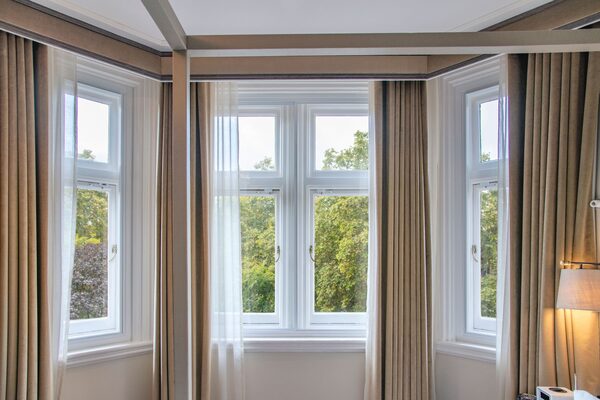
Acoustic performance is where secondary glazing has the clearest advantage. Granada states that its fixed secondary glazing reduces noise by up to 80%3, and gives the same figure for its listed buildings range9. Granada also states that secondary glazing can significantly reduce the amount of noise that enters a building, even more so than double and even triple glazing in most instances10.
That last claim is a maker's comparison against rival products and should be read as such. The physical reason it can hold is the cavity depth: a 150mm to 200mm air space1 absorbs more sound than the 14 to 20mm gap in a sealed double glazed unit1. A wide, well-sealed cavity between two panes of different thicknesses is a recognised acoustic arrangement, and secondary glazing creates one by default.
The practical conditions matter. A sealed or lift-out unit will perform better acoustically than an openable one, because an openable frame has more paths for sound to pass. The Centre for Sustainable Energy notes that units can be fitted sealed, lift-out or openable5, so the acoustic result depends on which is chosen. A unit left open for ventilation gives up most of its acoustic benefit while it is open.
For a household on a noisy road, this is the measure that most directly changes daily life, and it is the one where secondary glazing is most likely to outperform a replacement window of similar cost. For a household whose main concern is heat loss, the thermal case is closer and the independent evidence is more cautious.
Where secondary glazing fits: listed buildings, conservation areas and rentals
Planning status, not performance, decides most secondary glazing installations. Granada states that for listed buildings and those in conservation areas, secondary glazing is often the preferred option where the original windows cannot be replaced due to planning restrictions1. The Centre for Sustainable Energy describes it as a non-intrusive way of insulating historic windows from the inside6.
Councils set conditions rather than bans. Brighton and Hove council states that secondary glazing will be acceptable provided its framing is unobtrusive and it does not obscure internal features or interfere with the operation of shutters and windows19. Exeter council states that double glazing can sometimes be installed on a listed building, depending on the building and how the installation would affect its character20. The Centre for Sustainable Energy warns that some secondary glazing options are not allowed in listed buildings, so consent should be checked first5.
Conservation areas add their own rules. Brighton and Hove states that on elevations facing a street or public open space, the original windows' material, style, pattern and joinery sections must be matched19. Home Energy Scotland advises that there may be planning restrictions on what can be installed depending on where you live, and that advice should come from the local council21. The Chartered Institute of Plumbing and Heating Engineering notes that some properties in the United Kingdom, such as those with a listed status or in a conservation area, are not permitted to use double glazed windows22.
Rentals are a different case again. Secondary glazing is reversible in a way that replacement windows are not, which matters where a leaseholder needs freeholder consent or a tenant needs a landlord's agreement. The material does not give a specific rule for rented homes, so the position depends on the tenancy and the freeholder.
Unit styles and glass options: sliders, hinged, lift-out and low-e
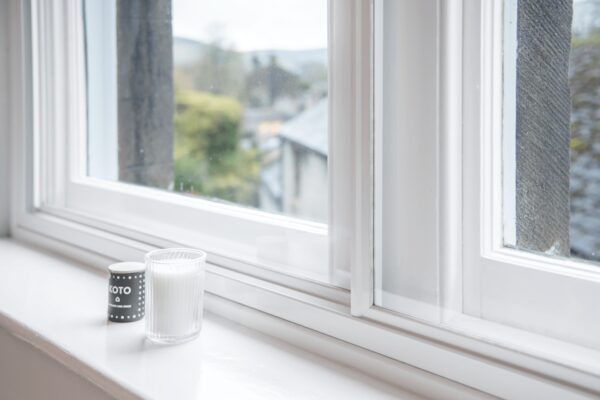
Granada lists the types of secondary glazing as horizontal sliding windows, vertical sliding windows, hinged secondary glazing units, lift-out, fixed secondary glazing and several more10. The Centre for Sustainable Energy describes the same range from the fitting side: units can be fitted to be sealed, lift-out or openable, on either hinges or vertical or horizontal slider tracks, so the original windows can open as normal5.
| Unit type | How it works | Where it suits |
|---|---|---|
| Fixed | Sealed unit, no opening | Windows that are never opened; Granada offers a fixed range3 |
| Horizontal slider | Panels slide sideways | Wide sash and casement openings |
| Vertical slider | Panels slide up and down | Sash windows, where the primary window also slides |
| Hinged | Opens on hinges | Windows needing regular access and cleaning |
| Lift-out | Panel lifts out of the frame | Occasional access, maximum seal when closed |
Glass choice is contested in the material. Granada's listed buildings page recommends 6.8mm acoustic glass with an air cavity of 150mm to 200mm glass to glass, and separately lists 6.4mm low-E glass9. The two recommendations are not reconciled in the source, so a household specifying a system should expect the choice to be made per window, with acoustic glass where noise is the priority and low-E where heat retention is.
On the glass versus acrylic question, one maker's support article states that although acrylic secondary glazing is lightweight and comparatively cheap to install, glass secondary glazing performs significantly better than acrylic, with better insulation and noise reduction, a crystal-clear appearance, easier cleaning and much longer life23. Acrylic remains relevant where weight on the frame or cost rules out glass.
Granada's fixed range is available in several different styles as well as single or double-glazed aluminium profiles3. Its listed buildings range uses high-durability aluminium secondary glazing in over 200 RAL colours, with arched frames available9.
Granada Glazing: the UK's largest secondary glazing maker
Granada Glazing is the maker whose product pages carry most of the specification detail on this page. It states that it has over 35 years of experience installing the best quality secondary glazing in the industry10. Its listed buildings range is high-durability aluminium secondary glazing, available in over 200 RAL colours, with arched frames9.
Installation is offered two ways: local installers trained and accredited by Granada, or home delivery3. The company runs a helpline for homeowner product, service or installation queries3. Its published contact numbers differ between pages: 019094 99899 on its comparison guidance10 and 01909 499899 on its fixed secondary glazing page3. The two documents disagree and both are given here.
Warranty terms also differ by page. Granada's fixed secondary glazing page states a 10 year guarantee on all frames and glazing3. Its listed buildings page states a 5 year warranty on the fittings, frames and glass, described as a FENSA warranty of installers, with a 2 year warranty on the movable parts9. A buyer specifying a listed buildings system should establish which term applies before ordering.
For comparison, double glazing often comes with a 10 year, 20 year or sometimes lifetime warranty24, and most new installations are guaranteed for 10 years22. Double glazed windows can last between 20 to 35 years if they are high-quality, installed properly and well maintained6, with a typical lifetime of around 20 years, varying from 10 to 35 years depending on product quality, installation and where the windows are situated25.
What secondary glazing does for energy independence
Secondary glazing reduces the heat a home loses through its windows, which reduces the gas or electricity it buys to replace that heat. That is a real gain in independence, and it is bounded. The household still buys its heat from a supplier, still depends on the grid or the gas network, and still depends on the maker for frames, glass and moving parts. A secondary glazing unit is a manufactured product with a warranty and a supply chain behind it, not a self-sustaining system.
The dependence is smaller than for a replacement window in one respect: the original window stays, so the household is not tied to a single sealed unit that must be replaced whole if a seal fails. It is larger in another: the performance of the installation depends on the primary window, which the household does not control and may not be able to repair.
Where the building is listed or in a conservation area, secondary glazing is often the only glazing measure available at all1, and it can be a non-intrusive way of insulating historic windows from the inside6. In that setting the independence gain is not a choice between two products; it is the difference between an upgrade and none.
For the wider fabric picture, double glazing covers sealed units and frames, triple glazing covers the higher-specification alternative, and secondary glazing covers the systems themselves. Window energy ratings explains how glazing performance is rated, listed buildings insulation and glazing covers consent in detail, and insulation and glazing costs sets these figures against the rest of the fabric. The pillar guide places all of it in the order a whole-house retrofit should follow.
Sources25 cited
- Double glazing versus secondary glazing, Granada Glazing, 2026-07-19
- All about secondary glazing, Glass and Glazing Federation, 2020-09-14
- Fixed secondary glazing, Granada Glazing, 2026-01-14
- Types of double glazing, Which?, 2026-09-16
- Secondary glazing advice, Centre for Sustainable Energy, 2026-08
- Windows and doors, Energy Saving Trust, 2026-05-20
- How to make a Victorian house more energy efficient, USwitch, 2025-09-25
- Draught busting, Low Carbon Hub, 2026-08-05
- Secondary glazing for listed buildings, Granada Glazing, 2026-01-14
- Secondary glazing vs window replacement, Granada Glazing, 2026-07-19
- Glazing, Planning Portal, 2026
- Windows knowledge hub, Glass and Glazing Federation, 2026-09-20
- Advantages of double glazed windows, FENSA, 2026-09-20
- When to repair or replace your windows, Glass and Glazing Federation, 2023-12-22
- Energy efficiency and comfort in an 18th century home, Low Carbon Hub, 2026-03-15
- Funding, grants and loans, Home Energy Scotland, 2026-09-17
- Is secondary glazing right for your home?, Glass and Glazing Federation, 2017-01-06
- Guide to the conversion of traditional buildings, Scottish Government, 2026-08-10
- Improving energy saving and sustainability in conservation areas and listed buildings, Brighton and Hove City Council, 2026-09-17
- FAQs for listed building owners and occupiers, Exeter City Council, 2026-09-17
- Top five ways to make a tenement more efficient, Home Energy Scotland, 2024-07
- Understanding double glazing, Chartered Institute of Plumbing and Heating Engineering, 2025-02-05
- Secondary glazing FAQs, Storm Windows, 2026-09-20
- How to stop condensation, Which?, 2026-05-26
- Energy efficient glazing and high performance external doors, Centre for Sustainable Energy, 2026-06
 Secondary GlazingSecondary glazing adds a second pane inside your existing window, so you keep the original frame.
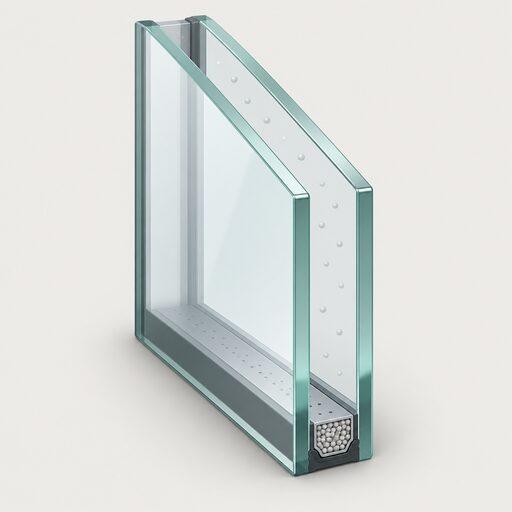 Double GlazingMisted up panes, noisy streets, rooms that never feel warm: is new double glazing worth the money, and how much could it cut your bills?
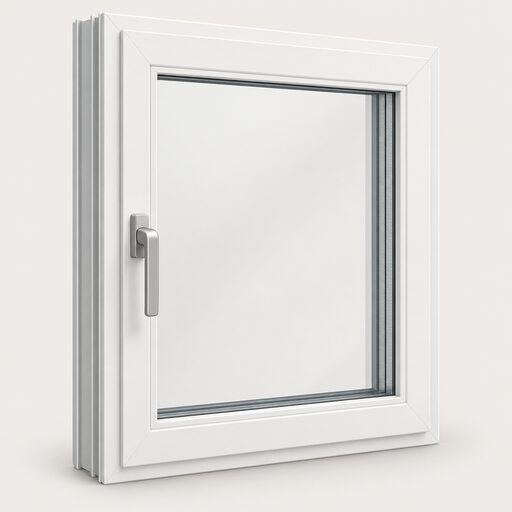 Triple Glazing in UK HomesTriple glazing costs more than double, so is it worth it for your home?
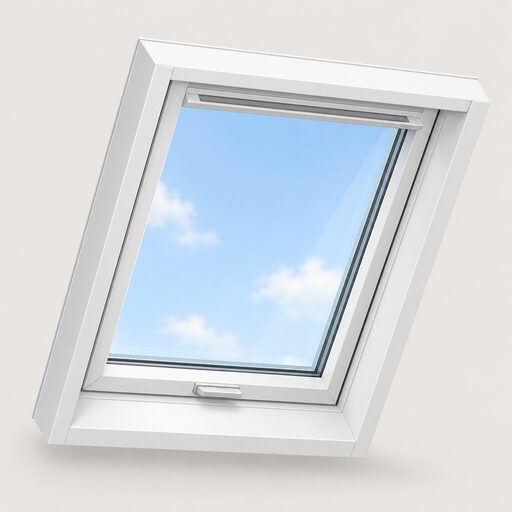 Building Regs Part L InsulationAdding insulation or replacing windows?
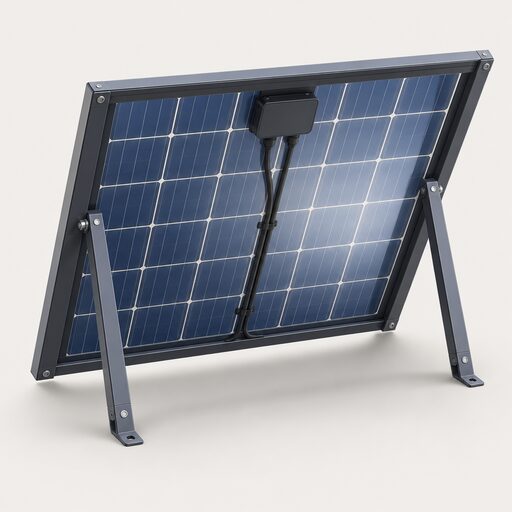 Bifacial and Glass-Glass PanelsBifacial panels make electricity from both sides, but the extra comes from light bouncing back off what is behind them.
 External ShadingExternal shutters, blinds, awnings and fixed shading explained: why shading outside the glass blocks more solar heat than internal blinds, the main options, orientation, materials, costs, planning and long-term ownership.