
In this answer
Short answer
A broken in-home display is a repair question with a deadline attached. If the display was installed within the last 12 months, your supplier may replace it free of charge, and where a fault is reported inside that window and the supplier is satisfied it is not down to the household failing to keep the display in good working order, the supplier must repair or replace it free of charge1. After 12 months, the supplier may apply a charge, and the entitlement weakens to a voluntary arrangement that some suppliers have signed up to3.
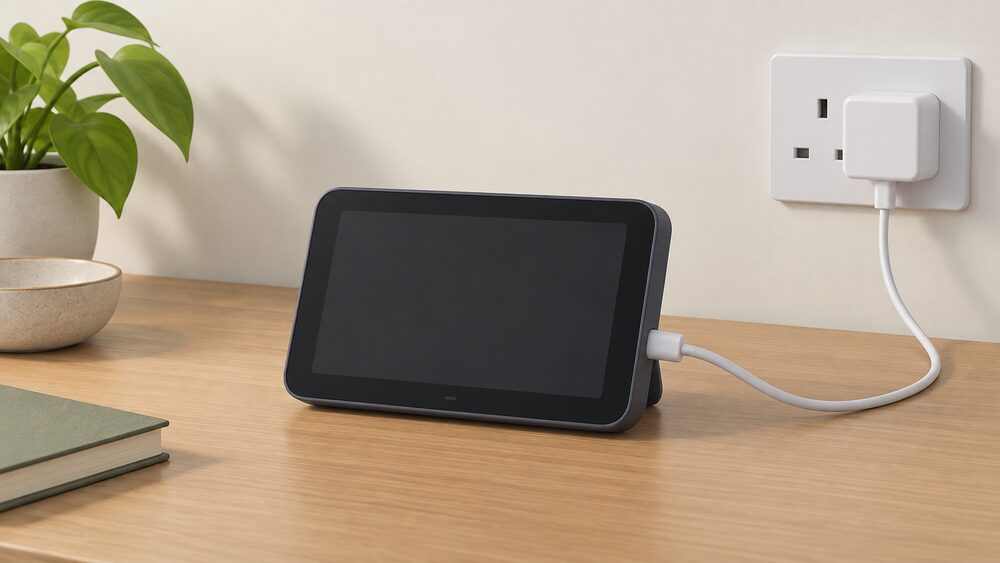
The display itself is not essential to the metering system. An in-home display is optional, and you do not need to have one if you do not want to5. The smart meters continue to measure and communicate; the display is a portable touchscreen that shows near real-time usage data, and it is paired with the meter at your property rather than with you6.
What follows sets out the free window, what counts as damage, how to raise the fault, what is left after 12 months, and what a replacement does and does not change about your setup.
When a supplier replaces an in-home display free of charge
The 12-month window is the centre of this subject, and it runs from the date of installation, not the date you first noticed a problem. If your installation was within the last 12 months, your supplier may replace the display free of charge, though accidental damage charges may sometimes apply1. The Energy Ombudsman states the obligation more firmly: if a fault is reported within 12 months of the date of installation, and the supplier is satisfied the fault is not due to the customer failing to keep the display in good working order, the supplier must repair or replace it free of charge2.
Two conditions sit inside that sentence, and both matter. The first is timing: the fault must be reported inside the window. The second is cause: the supplier has to be satisfied the household kept the display in good working order. A display that has been dropped, immersed or otherwise abused sits outside the free repair, which is why the same guidance notes that accidental damage charges may sometimes apply1.
The National Energy Action guidance puts the same rule in plainer terms: if your in-home display is less than a year old, your supplier has to fix or replace it4. Smart Energy GB describes the period as a 12-month warranty during which the supplier could repair or replace the display, and notes that after 12 months the supplier may apply a charge3.
"If you report a fault with the in-home display within 12 months of the date of installation, and your supplier is satisfied that the fault is not due to your failure to keep the IHD in good working order, your supplier must repair or replace it free of charge."
For a household thinking about energy independence, the display is the visible end of a system you do not own. The meter belongs to the supplier's estate, the communications run over a national network, and the display is a supplied accessory with a warranty term attached. Independence here means knowing the term and the conditions, not controlling the hardware.
What counts as accidental damage, and what you may be charged
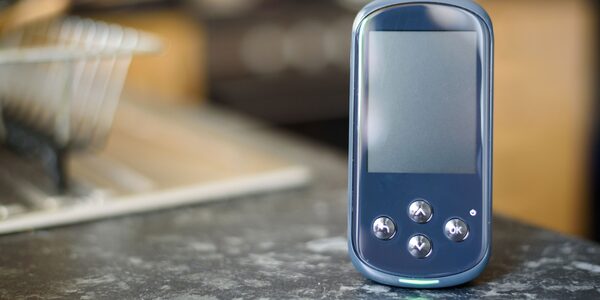
The dividing line is between a fault and a failure to keep the display in good working order. The Energy Ombudsman's wording makes the supplier's satisfaction the test, so the practical question when a display fails is what happened to it2. Smart Energy GB's guidance is explicit that accidental damage charges may sometimes apply even inside the free window1.
There is no published price list for in-home display replacements in the material available, so any figure a household is quoted is installer or supplier quoted rather than a standard rate. What can be said is the direction of the rule: inside 12 months and not customer failure, the supplier repairs or replaces free of charge; inside 12 months with damage, a charge may apply; outside 12 months, the supplier may apply a charge1.
Comparable consumer protections elsewhere in the energy sector show how damage is normally treated. Under the ECO4 innovation measures, maintenance and repairs identified during inspections are rectified at no cost to the homeowner, with the exception of wilful or accidental damage or vandalism10. That is a different scheme, but it illustrates the same principle: the free repair covers wear and fault, not damage caused by the occupant.
Where a display has failed and the household believes it is a fault rather than damage, the evidence that matters is the date of installation and the account of what happened. Both are worth having to hand before the call.
How to request a replacement from your supplier
The first step is not always a replacement. A blank screen could mean the display has run out of battery, in which case plugging it in and letting it charge for a few moments before turning it back on is the documented first check6. If data is still not showing after 24 hours, the supplier can in many cases fix the problem remotely by turning your communications hub off and on again6.
If the display is genuinely faulty, the request goes to the supplier that provided it. If your supplier gave you the display less than a year ago, they should be able to help, and they can often repair or replace it6. The same 12-month rule appears across the independent guidance: if your in-home display is less than a year old, your supplier has to fix or replace it4.
Where the display has started behaving differently after a supplier switch, timing matters before you call. If it has been over 48 hours since the display started working differently, contact your new supplier to check whether anything needs doing8. If your previous supplier has gone out of business, contact your new supplier to report any problems, though information transfer may take a while11. Ofgem's position on supplier failure is that you do not need to do anything: you are moved automatically to a new supplier and your supply is not interrupted12.
A short sequence covers most cases:
- Check the battery and charge the display6.
- Wait 24 hours to see whether data returns6.
- If it has not, contact the supplier that provided the display6.
- If you have switched, wait over 48 hours before contacting the new supplier8.
- Have the installation date ready, because the 12-month window runs from it2.
If your display is out of the free window
After 12 months the position changes from an obligation to a discretion. The supplier may apply a charge3, and the free replacement entitlement generally falls away. What remains is a voluntary arrangement: some energy suppliers have agreed to help resolve in-home display issues after the 12-month period under voluntary in-home display replacement principles4. That is a commitment by participating suppliers rather than a universal right, so the answer depends on who supplies you.
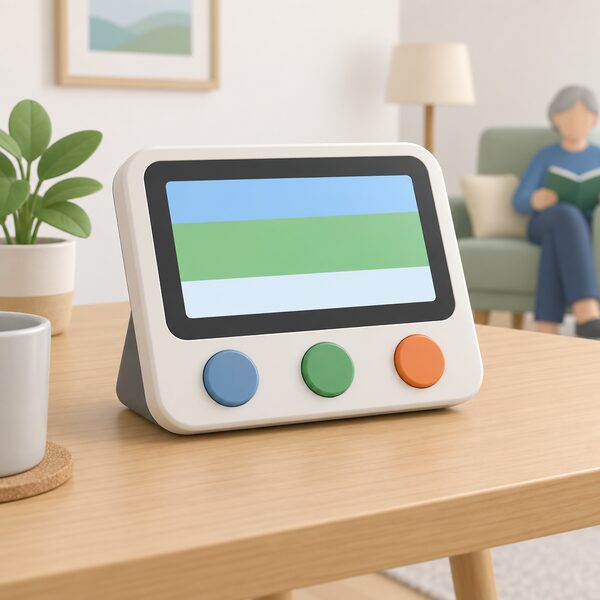
There is also a route for households that need a different kind of display rather than a like-for-like one. Accessible in-home displays have been designed to help people who might benefit from a larger display, easier to use buttons and audio options, and they are available from some energy suppliers for people with sight impairment, dexterity problems or memory loss13. These are supplied by some suppliers, not all, so availability varies.
It is worth being clear about what is not in the material: there is no published standard charge for an out-of-warranty replacement, and no published delivery timescale. Any figure quoted comes from the supplier, and any timescale is theirs to give.
What a replacement display means for your smart meter setup
A replacement display does not mean new meters. Contacting your supplier for a replacement in-home display should not involve replacing the meters, and the new display is paired with the existing smart meter15. That pairing is the reason a display is tied to a property: it is designed to work with the smart meter installed at that address, and it should be left behind when you move, because it will not normally work in a different property1.
The wider system has two parts: the smart meters, which replace the traditional gas and electricity meters, and the in-home display16. With every smart meter installation the customer is provided with an in-home display17, and government guidance describes smart meters as coming with an in-home display so consumers can see and manage energy use11. At the point of installation a display may be offered that shows spending in near real-time for no additional cost18. The costs of the system are spread across everyone's bills, in the same way as the cost of running and maintaining traditional meters16.
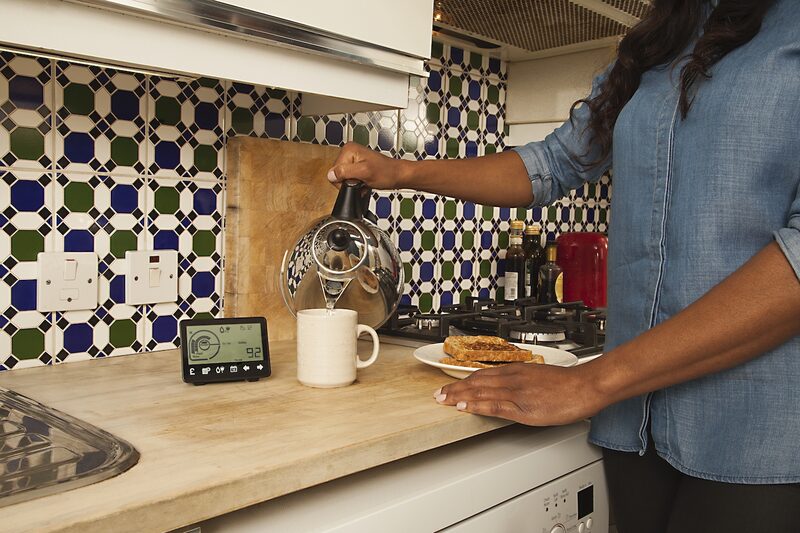
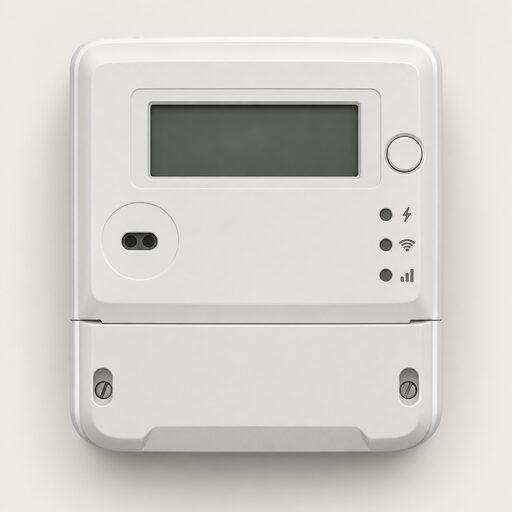
What the display adds is visibility. A smart meter in-home display can help you see changes in household energy use in near real-time20, and the display is a portable touchscreen device showing near real-time usage data14. That is a monitoring function, not a control function: it does not generate, store or export anything.
The dependence that remains is worth stating plainly. The display depends on the meter, the meter depends on the supplier's estate and the national communications network, and the replacement depends on the supplier's warranty policy and, after 12 months, its voluntary commitments. A household that wants its own view of consumption independent of a supplier-issued display can look at consumer access devices or a home energy monitor, and the wider picture of what monitoring does and does not deliver for self-sufficiency is set out in smart meters and energy independence.
Sources20 cited
- Smart meter FAQs, Smart Energy GB, 2025-08-08
- Smart meters, Energy Ombudsman, 2026-09-20
- Myth-busting smart meter problems, Smart Energy GB, 2026-09-17
- Understanding smart meters, National Energy Action, 2026-04-21
- How to read your gas meter, National Energy Action, 2026-07-13
- Troubleshooting smart meter issues, Smart Energy GB, 2026-04-01
- Smart meters and decarbonisation, Smart DCC, 2026
- Fixing problems with your smart meter's in-home display, Citizens Advice, 2026-09-17
- Frequently asked questions about smart meters, National Energy Action, 2024-05-03
- ECO4 Innovation Approved Innovation Measures v1.5, Ofgem, 2023-10
- Smart meters: your rights and expectations, GOV.UK, 2025-08-08
- Switch your home energy supplier, Ofgem, 2025-10
- Understanding smart meters leaflet, National Energy Action, 2026-06-12
- Our view on smart meters, National Energy Action, 2026-06-12
- Do I already have one, Smart Energy GB, 2026-03-16
- What is a smart meter, Smart Energy GB, 2026-08-10
- Does a smart meter need Wi-Fi, Smart DCC, 2026
- How can I read a smart gas meter, Smart Energy GB, 2026-08-17
- How can I read a smart meter, Smart Energy GB, 2026-08-17
- Kettle running costs, Smart Energy GB, 2026-08-17
 When a Manufacturer FailsWhat happens to warranties, spare parts, monitoring apps and cloud services when a manufacturer enters administration, exits the UK or discontinues a platform, and the practical options for owners left without support.
 Smart Meter Faults and FixesYour smart meter has stopped working.
 Workmanship WarrantiesIf something goes wrong with your solar panels, who actually fixes it and who pays?
 EV Charger WarrantiesCovers typical warranty lengths on UK home charge points, what parts and labour are included, registration conditions and extended warranty options.
 Warranties and DegradationHow long do solar panels actually last, and what do the warranties really cover?
 The Full Installers GuideHow do you find an installer you can trust, and what should you check before signing anything?