

In this answer
Short answer
When an energy supplier stops trading, the money a household has built up on its account does not disappear with it. Ofgem's position is that "If your supplier goes out of business, your credit balance is still protected by the rules we set", and the supplier that takes on the customers contacts them about a refund1. The same protection is described in Ofgem's explanatory note on customer credit balances, which records that credit balances are protected when a supplier fails, while the cost of that protection can be recovered from all consumers2.
The practical difficulty is rarely the principle. It is knowing who now holds the account, what has to be asked for and by when. On an ordinary switch, the old supplier should send a final bill within six weeks and refund any remaining credit within 10 working days of that bill, and suppliers are required to compensate customers if they miss those timeframes3. Where a supplier has failed, the account information moves to the new supplier and that transfer can take a while, so the refund is not always immediate.
This page sets out what the rules say, what a household can expect in practice, and where to escalate when a credit balance does not come back. It covers the deadlines that apply to switches, the position on Direct Debits, what happens when credit and debt sit on the same account, and the routes to the Energy Ombudsman and to free advice services.
When a supplier fails, your credit balance is protected
The protection is a rule of the supply licence, not a goodwill gesture. Ofgem states that a household credit balance remains protected when a supplier goes out of business, and that the new supplier will make contact about a refund1. Its explanatory note on customer credit balances puts the same point in the language of cost: balances are protected when a supplier fails, but those costs can be recovered from all consumers, which is why the protection is described as a shared industry arrangement rather than a personal insurance policy2.
The distinction that matters most is between domestic and business accounts. Ofgem's guidance is explicit that the credit balance is protected unless the customer is a business, and that for a business the failed supplier's administrator is responsible for managing the balance, with the possibility that the money is lost and no refund comes from the administrator1. A sole trader or a small firm supplied on a business contract therefore sits outside the household protection described on this page.
There is a second limit worth stating plainly. The protection covers the return of the balance; it does not keep the household with the same supplier, the same tariff or the same prices. When a supplier fails, customers are moved to a new supplier under the supplier of last resort arrangements, and the tariff they land on is a matter for that process rather than for the customer. The credit balance travels with the account, but the commercial terms do not.
For a household, the independence question is narrow but real. The money is not lost, but it is also not in the household's control while the transfer works through. That is an argument for keeping a credit balance modest rather than letting a large surplus build up over a year, since a smaller balance is a smaller exposure if a supplier fails and a smaller sum to chase afterwards.
How to claim your credit back from the new supplier

In most cases there is nothing to claim. Ofgem's bill guidance states that when a customer switches, the old supplier refunds any credit shown on the final bill, and that compensation is available if it does not4. The same wording appears in Ofgem's explanation of how a bill is calculated5. The refund is therefore part of the closing of the account rather than a separate application.
Where a balance sits on an account that has already closed, the position changes. Independent guidance is that the old supplier is not obliged to reimburse credit left behind unless the customer specifically asks, and that a claim can be made no matter how long ago the account was closed6. That is the single most useful thing to know if a refund was never received at the time: the right to ask does not expire with the account.
Ofgem's consumer guidance on money owed on an energy bill confirms the underlying right, stating that a supplier can be contacted to claim credit back at any time7. Where a supplier refuses to refund all or part of a balance, independent guidance is that it must give a valid reason for doing so8, and a separate Which? summary of the same rule says providers must refund unless they have a good reason not to, which they will need to justify9.
The practical sequence is short:
- Find the name of the supplier that now holds the account, from a recent bill or the new supplier's welcome letter8.
- Contact that supplier and ask for the credit balance to be returned, quoting the account number and the closing meter readings.
- If the balance is on an older closed account, ask the supplier named on that account directly, since the request has to be made6.
- If the request is refused, ask for the reason in writing, because a refusal has to be justified8.
"You can contact your supplier to claim this credit back at any time."
What to do if the old supplier still holds your money
A failed supplier's accounts do not vanish, but access to them does. Ofgem warns that once a supplier has stopped trading, a customer may not be able to access account details online1, which makes a saved bill, a bank statement showing the Direct Debit, or the new supplier's records the practical evidence of what was owed.
Complaints that were already open when the supplier failed are handled differently from new ones. Ofgem's guidance says the problem can be discussed with the new supplier when it makes contact, and that the new supplier will review the complaint and check whether it is still relevant or whether it can be closed1. That review is the first stage, and it is worth putting the credit balance claim in writing so that the review has something specific to consider.
If the money is still not returned, the escalation route is the Energy Ombudsman. Independent guidance is that where a supplier refuses to cooperate and will not give back money owed, the issue can be taken to the Ombudsman, which may decide to take the case on10. The Ombudsman's own description of what to expect sets out the outcomes available: it can tell suppliers to take practical action such as crediting or cancelling an account or changing a tariff, to make an apology, or to offer a financial award, or a combination of these, and it may make recommendations to prevent the problem recurring11.
The Ombudsman's remit covers consumer complaints about energy bills, mis-selling, problems with energy supply and problems with switching supplier, and it is approved by Ofgem to deal with them12. Its powers are not advisory: where a mistake has been made or a customer has been treated unfairly, it can require the supplier to put things right13.
Two other routes are worth knowing. The National Energy Action checklist for households notes that suppliers should get in touch if a customer falls behind again, which matters if the failure has left arrears as well as credit14. And for anyone in Northern Ireland, the consumer advice route runs through the same Ombudsman service for energy complaints, with debt and payment difficulty advice available separately15.
If you were in credit and owed other money at the same time

Credit and debt on the same account are netted off. Independent guidance describes the process: the supplier applies any credit to the charge, then either sends a bill for the outstanding amount or refunds the leftover credit to the bank account10. A household in credit on one account and owing money on another does not receive the full credit balance and a separate bill; the two positions are settled against each other. Where a supplier refuses to refund all or part of a credit balance, it must give a valid reason for doing so9.
Where the debt is larger than the credit, the balance disappears into the arrears and the household owes the remainder. That is the point at which the treatment of debt matters more than the treatment of credit. Official guidance for Northern Ireland is that it is better to agree a payment plan with the supplier rather than cancelling Direct Debits and letting debt build up15, and the same principle runs through the support routes described below.
Prepayment customers have a separate set of rules. Where a supplier provides emergency credit, official guidance is that it must be paid back when the customer next tops up, with an affordable payment plan agreed with the supplier16. The same repayment condition is set out in Ofgem's prepayment meter guidance17 and in its help page for prepayment customers18. Additional support credit follows the same pattern: it is repaid when the customer next tops up, under a plan agreed with the supplier19.
For households on a low income, Ofgem's advice page points to a review of current payments and debt repayments as the starting point20, and the National Energy Action guidance for people struggling with bills sets out the support available21. Free, independent debt advice is also part of the picture: official guidance describes suppliers referring customers who are struggling to pay to organisations such as Advice NI15.
Do I need to cancel my Direct Debit when my supplier fails?
The general guidance for switching is to set up the Direct Debit with the new supplier ahead of the date it takes over, and to cancel the old Direct Debit after the final bills are settled22. Cancelling first can leave a final bill unpaid and complicate the closing of the account, which is the last thing a household wants when it is also chasing a credit balance.
For anyone already behind on payments, official guidance points the other way: it is better to agree a payment plan with the supplier than to cancel Direct Debits and let debt build up15. The distinction is between a household in credit, where the Direct Debit is simply being moved to a new payee, and a household in arrears, where cancelling removes the mechanism that keeps the debt from growing.
The failed supplier's own Direct Debit instruction is a separate matter from the new supplier's. Once the old supplier has stopped trading, the instruction has no one to pay, and the final bill will show what, if anything, remains due. The practical order is: let the final bill arrive, check whether credit or debt remains, then cancel the old instruction and confirm the new one is active.
How long does it take to get my credit back after my supplier goes bust?
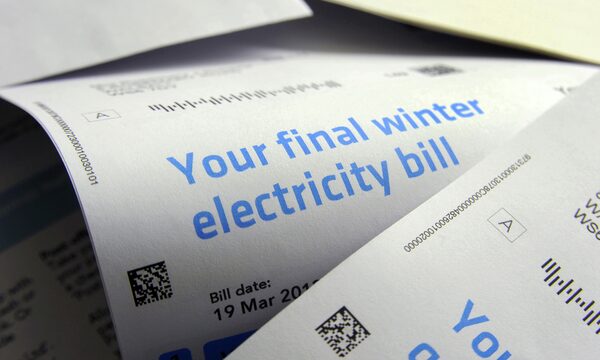
There is no single deadline written for a supplier failure itself. The deadlines that exist are the ones attached to switching, and they are the best guide to what a household can reasonably expect. Independent guidance sets out the sequence: suppliers have six weeks after a customer switches to send a final bill, and 10 working days after that to refund any credit remaining on the account3. A separate summary puts the refund at within 10 days of the supplier sending the final bill, with compensation available if it does not happen23.
Those timeframes are backed by an obligation to compensate. Independent guidance states that if suppliers do not work within these timeframes, they are required to compensate the customer3. The same source records that suppliers are bound by Ofgem to return any money a customer is in credit by when they switch, and that they must refund credit owed no matter how long ago the account was closed3.
Where a supplier has failed, the clock is complicated by the transfer of account data. Independent guidance notes that the information transfer may take a while and that problems should be reported to the new supplier24. Ofgem's own guidance points customers to the new supplier for a refund rather than to the failed company1.
| Stage | Timeframe | Source |
|---|---|---|
| Final bill after a switch | Within 6 weeks | 3 |
| Refund of remaining credit | Within 10 working days of the final bill | 3 |
| Refund after final bill (alternative summary) | Within 10 days | 23 |
| Compensation if timeframes are missed | Required | 3 |
The gap between the two refund figures, 10 working days and 10 days, reflects different summaries of the same obligation rather than a conflict in the rules. In practice, a household that has heard nothing six weeks after the transfer should treat the final bill as overdue and ask the new supplier for a date.
Getting help: Ombudsman, Citizens Advice and your new supplier
The first stop is the supplier that now holds the account. Ofgem's guidance is that problems should be reported to the new supplier, which will review the complaint and decide whether it remains relevant or can be closed1. Independent guidance makes the same point: contact the new supplier to report any problems24.
If that does not resolve it, the Energy Ombudsman is the formal route. It can require a supplier to put things right where a mistake has been made or a customer has been treated unfairly13, and its outcomes include practical action such as crediting an account, an apology, a financial award, or a combination11. Its remit covers bills, mis-selling, supply problems and switching problems12. Before the Ombudsman, a formal complaint to the supplier is normally the required step, and Which? sets out how to complain about an electricity, gas or energy bill25.
Free advice sits alongside the formal route. Citizens Advice and similar services provide independent help, and official guidance for heat network customers records that information on vulnerabilities and a consumer's ability to pay from a third party, including Citizens Advice and Advice Direct Scotland, must be accepted by the supplier where it is offered26. For households in payment difficulty, Ofgem's advice page and the National Energy Action guidance set out the support available20.
For Northern Ireland, the consumer advice route for problems with services runs through the same Ombudsman arrangements for energy complaints27, and debt and payment difficulty advice is available separately15. The Consumer Council for Northern Ireland covers the separate Northern Ireland market, where suppliers and network arrangements differ from Great Britain.
What if the new supplier says they have no record of my credit?
A missing record usually means the account data has not finished transferring, not that the balance has gone. Independent guidance notes that the information transfer may take a while and that the new supplier is the right place to report the problem24. The evidence that matters is the closing meter reading, the final bill from the failed supplier if one was issued, and the bank records showing what was paid.
If the new supplier cannot resolve it, the complaint goes through the supplier's own process first and then to the Energy Ombudsman, which can require the supplier to put things right13. Independent guidance is that where a supplier refuses to cooperate and will not return money owed, the case can go to the Ombudsman10.
There is also a switching remedy. Independent guidance states that a customer who is not happy with the new supplier or tariff can switch without paying an exit fee28, and the same point appears in the National Energy Action checklist14. That does not recover the credit balance, which remains a matter for the failed supplier's estate and the new supplier's records, but it means a household is not locked into a supplier it did not choose.
Where a switch has gone wrong rather than a supplier having failed, the rules are different again. Independent guidance on erroneous transfers states that within 20 working days a customer should receive confirmation that they are being returned to their original supplier25. That is a separate process from a credit refund after a failure, and it is worth keeping the two apart when describing the problem to a supplier.
Sources28 cited
- What happens if your energy supplier goes out of business, Ofgem, 2026
- Customer credit balance explanatory note, Ofgem, March 2024
- Energy refunds guide, Uswitch, 29 October 2025
- Understand your electricity and gas bills, Ofgem, 2026
- How your electricity or gas bill is calculated, Ofgem, 2026
- Dealing with your energy supplier, Centre for Sustainable Energy, January 2026
- Check if you are owed money on your energy bill, Ofgem, 2026
- Energy credit guide, Confused.com, 3 July 2026
- Energy price rises and supplier failures: your questions answered, Which?, 19 January 2022
- What happens to credit if I switch, Uswitch, 29 May 2026
- What to expect, Energy Ombudsman, 19 September 2026
- Problems with services, Isle of Anglesey County Council, October 2025
- Understanding your rights, Energy Ombudsman, 20 September 2026
- Your home energy checklist, National Energy Action, 20 May 2026
- Advice if you're struggling to pay your energy bills, nidirect, 17 September 2026
- Get help with your prepayment meter, Ofgem, 2026
- Prepayment meters consumer guidance, Ofgem, 2026
- Get help with your prepayment meter, Ofgem, 2026
- You can't afford to top up your prepayment meter, Citizens Advice Wales, 17 September 2026
- Get help with your energy bills, Ofgem, 17 September 2026
- Struggling with energy bills, National Energy Action, 6 May 2026
- Direct Debit guide, Uswitch, 22 October 2025
- Moving house gas and electricity guide, Uswitch, 26 August 2026
- Find out if your energy meter is faulty, Citizens Advice, 20 September 2026
- How to complain about your electricity, gas or energy bill, Which?, 30 July 2026
- Deemed contracts and rates, Energy Ombudsman, 5 September 2025
- Switch your home energy supplier, Ofgem, 2026
- Your home energy checklist, National Energy Action, 10 September 2026
 Switching SupplierHow long does switching energy supplier actually take, and what happens if you owe money?
 Final Bills and Credit RefundsHow final bills and credit refunds work when you leave an energy supplier: the six-week deadline for the final bill, the ten-working-day deadline for refunding credit, the twelve-month back billing limit, and the automatic compensation that applies when suppliers miss these standards.
 Energy Debt Repayment PlansOwe money to your energy supplier?
 When Your Installer Goes BustWhat happens to deposits, part-completed work, workmanship guarantees and complaints when a home energy installation company fails, and how to claim on deposit protection, an insurance-backed guarantee, card or finance cover, and who honours the manufacturer's warranty.
 The Full Installers GuideHow do you find an installer you can trust, and what should you check before signing anything?
 Supplier Licensing and FailureWhat happens when your energy supplier goes bust?