
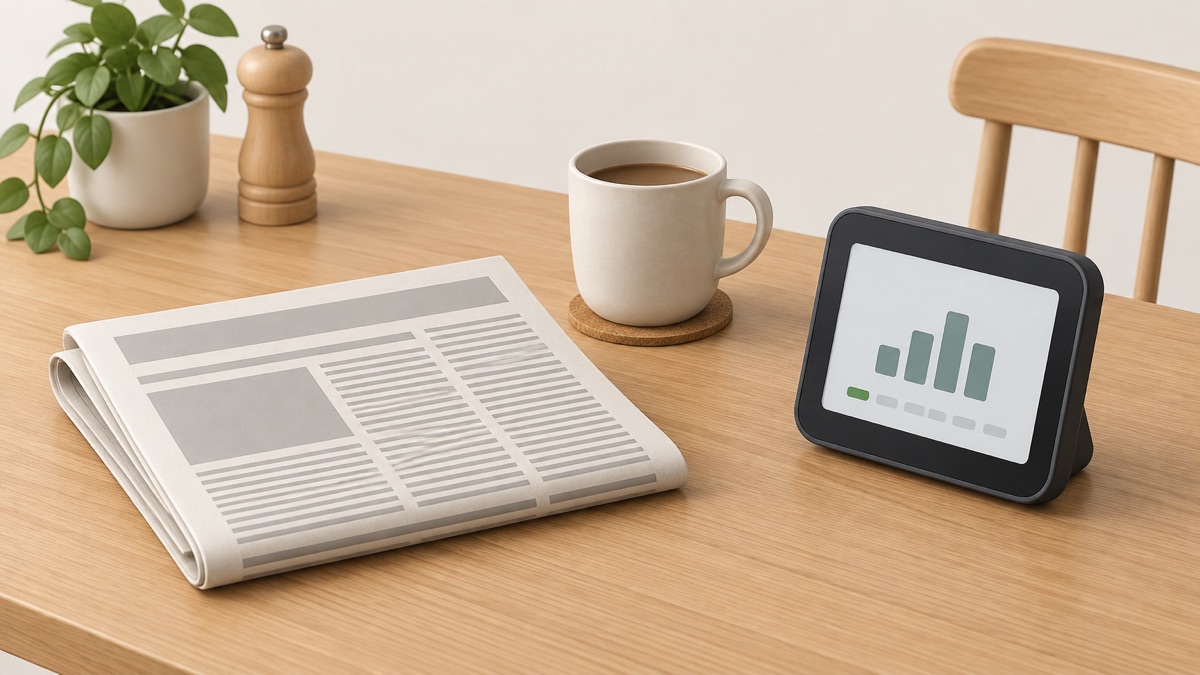
The Department for Energy Security and Net Zero published guidance setting out voluntary replacement principles for smart meter in-home displays (IHDs) on 23 February 20241. The principles are intended to ensure that consumers can obtain a functioning IHD from their energy supplier after the 12-month period in which suppliers are currently obliged to maintain the equipment1.
In-home displays provide near-real time information about energy consumption in pounds and pence, so consumers can understand how to use less and save money on their bills1. At present, energy suppliers are only obliged to maintain IHD equipment for the 12 months following installation, and some consumers who need a replacement beyond that period are not always able to get one1.
The guidance states that the principles were developed with industry and the support of consumer groups1:
"These voluntary principles, developed with industry and the support of consumer groups, are to ensure that consumers can access a replacement IHD after the 12-month obligation period has elapsed."
The page has been updated twice since publication. Ecotricity was added to the list of suppliers who have agreed to adopt the voluntary replacement principles on 10 April 2024, and British Gas and EDF were added to the energy suppliers list on 20 May 20241. The guidance does not state how many suppliers have signed up in total, and no figure for the number of households affected has been reported1.
Why it matters for households
An in-home display is the part of a smart metering setup that shows what a home is using, in pounds and pence, without the householder needing to open an app or log into an account1. When an IHD fails or its battery or screen gives out, the meter itself may still be recording and sending readings, but the household loses the visible, in-home picture of consumption. The 12-month obligation means that after the first year, a replacement has not been guaranteed. The voluntary principles are intended to close that gap for customers of the suppliers that have adopted them1.
For a household trying to keep control of its own energy use, the practical effect depends on which supplier it is with. The guidance lists named suppliers that have agreed to adopt the principles, and that list has grown since first publication1. Whether a particular household can obtain a replacement, and on what terms, is not set out in the guidance beyond the principles themselves. The rules that apply to suppliers, and the position on broken in-home display replacement, sit alongside the wider framework of smart meter rules and supplier obligations.
What happens next
The page was first published on 23 February 2024 and last updated on 20 May 2024, when British Gas and EDF were added to the supplier list1. No further update date or deadline is given in the guidance, and no date has been reported for when the list of participating suppliers will next be revised1.