
In this guide
Granada Secondary Glazing is a British manufacturer of slimline aluminium secondary glazing, a system of a second glazed unit fitted inside an existing window rather than replacing it. The company states that its units reduce noise by up to 80%, cut heat loss by up to 65%, and carry a 10 year guarantee on frames and glazing across most of the range1. It describes itself as the largest manufacturer of secondary glazing in the UK, with frames handcrafted at a facility in South Yorkshire3.
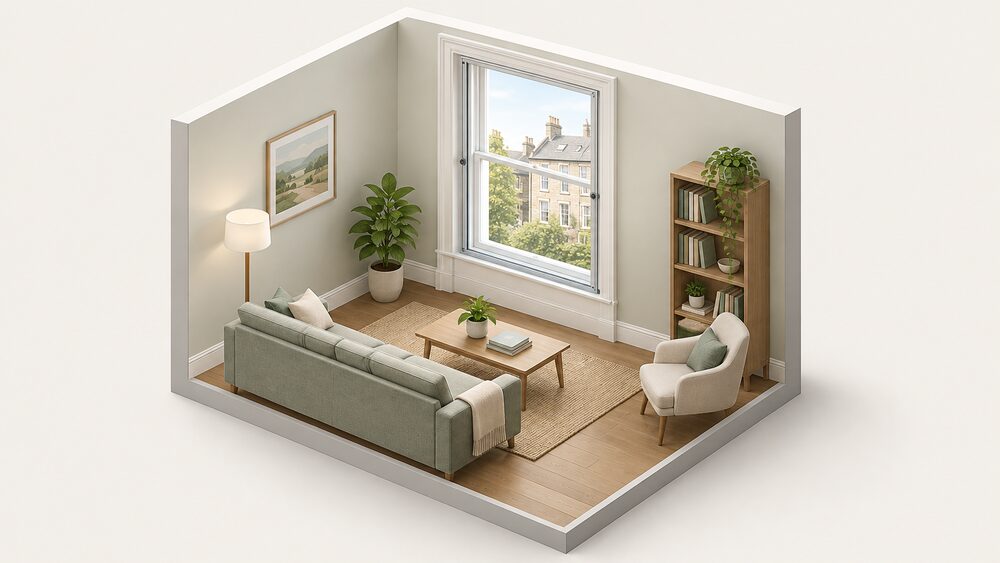
The product exists for a specific problem: homes where the existing window cannot be altered or replaced. Granada states that a property in a conservation area, or listed Grade I or II, cannot change its glazing without permission, and that secondary glazing offers a discreet alternative because it fits inside the window and leaves the external appearance unaffected5. That makes it a distinct lane from replacement double glazing, and the reason it appears so often in heritage work.
For a household weighing energy independence, the position is narrow but real. Secondary glazing reduces heat loss through the window and reduces noise, using the existing window as the outer pane, so it adds no new fuel dependence and no app, cloud service or subscription. What it does not do is remove the home from the gas grid or the electricity supply, and it does not replace the primary window. The performance figures below are the manufacturer's own, and the independent figure available on energy efficiency comes from the Glass and Glazing Federation.
The range: sliders, hinged, fixed and lift-out units
Granada supplies horizontal sliders, vertical sliders, hinged units, fixed and lift-out windows1. The vertical sliding range has three distinct versions: a standard vertical sliding unit, a slide past vertical sliding unit and a tilt-in vertical sliding unit9. The lift-out range comes in Heritage, Traditional and Slimline models10. Hinged units open through internal gearing at 90 or 180 degrees, with tilt-and-turn available, and are manufactured with secure multi-point locking as standard11.
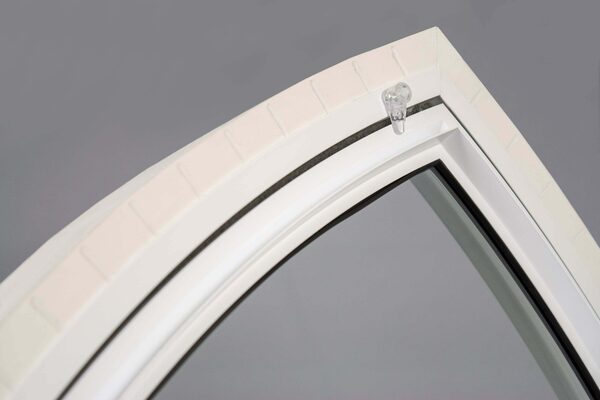
The fixed range is the simplest: it is designed for situations where space is limited or minimal access to the primary window is required, and Granada notes it is popular in large-scale commercial projects12. Fixed units are also suitable for shaped applications such as arches, and the company states that frames can be arched in-house to match all styles and types of primary glazing12. Hinged units are likewise offered for shaped and arched applications where required11.
| Range | Form | Notable detail |
|---|---|---|
| Vertical sliding | Three versions: standard, slide past, tilt-in | Lockable for additional security9 |
| Horizontal sliding | Sliding unit | Over 200 RAL colours14 |
| Hinged | 90 or 180 degree opening, tilt-and-turn option | Multi-point locking as standard11 |
| Fixed | Non-opening | Suited to arches and shaped openings12 |
| Lift-out | Heritage, Traditional, Slimline | Twin-track aluminium profile10 |
| Bespoke | Made to order | Full 200 RAL colour range15 |
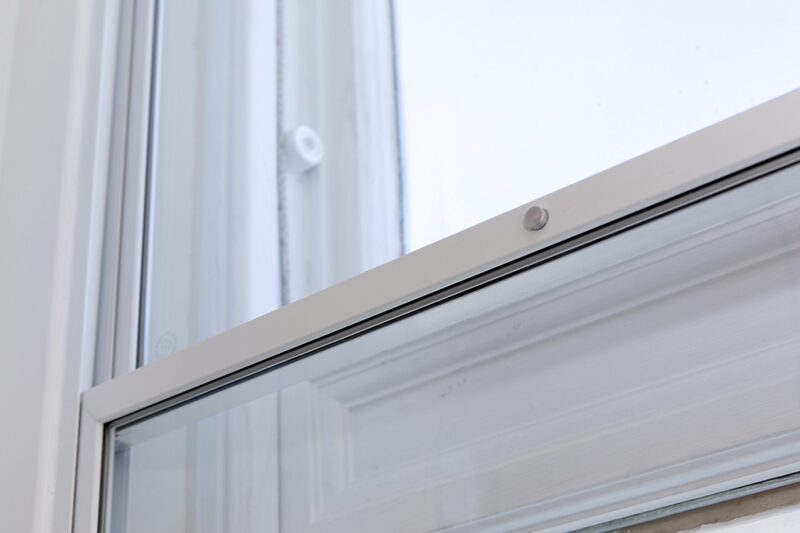
Fixing is either face-fixed or reveal-fixed across the ranges1. Hinged units take timber subframes in either configuration11, and lift-out units use a twin-track aluminium profile in both10. Granada states that its secondary glazing option installed within the window reveal enhances acoustic performance up to 80%7.
Acoustic performance: up to 54dB and 80% noise reduction
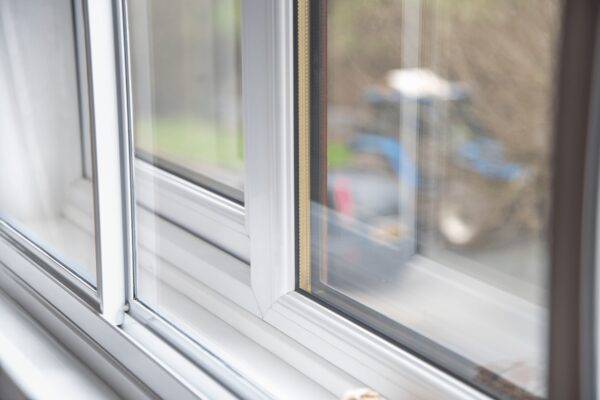
The headline acoustic figure Granada repeats across its product pages is a reduction in noise of up to 80%2. The decibel equivalent it gives is up to 54dB, achieved with acoustic glass1. Granada states that it uses special acoustic glass that reduces sound penetration by up to 54dB, and that secondary glazing gives more than double the sound protection of a standard double glazing product1.
The mechanism is the air cavity between the primary window and the secondary unit, not the glazing alone. Granada recommends a 6.8mm acoustic glass with an air cavity of 150mm to 200mm glass to glass for noise reduction, and states that acoustic glass should be used where the secondary glazing is installed with that cavity7. That is a deep cavity, and it is the reason reveal-fixed installation is the configuration Granada associates with acoustic performance: the reveal gives the depth that a face-fixed unit does not7.
The figures do not all sit on the same basis. Granada's thermal guidance recommends an air cavity no deeper than 80mm, and elsewhere describes an 8mm air-filled cavity in its low-E system and a 10 to 20cm air gap between the system and the existing window17. The acoustic recommendation of 150mm to 200mm is the deepest of these. A household reading the range should treat the 54dB figure as the acoustic glass specification and the 80% figure as the general claim across the range.
"when correctly fitted, can cut noise levels by up to 80% or the equivalent of 54dB"
Glazing thickness options run from 4mm to 8.8mm across the vertical sliding range, which Granada ties to thermal requirements as well as reduced noise9. Hinged units offer a choice of single or double-glazed panes for enhanced acoustic performance11. The Glass and Glazing Federation, the industry body, describes secondary glazing as reducing noise levels by up to 80% (54dB)19.
Thermal performance: 65% less heat loss and the low-E glass system
Granada states that its units minimise heat loss by as much as 65%, and that this improves the thermal insulation of existing single-glazed windows by around 65%, approximately 10% more than double glazing achieves17. The same 65% figure appears in its listed buildings guidance, where it states that the units reduce heat loss by up to 65%3.
The low-E glass system is the mechanism Granada credits for part of that. It describes a reflective coating that diverts heat back into a room, and states that the glass is made thicker than double glazing with an air cavity of between 15 and 20mm1. Low-E glass is also offered as an option on heritage windows16. One figure sits above the general claim: Granada states that secondary glazing with toughened glass and a low-E coating, with a single glazed primary window, produces a 69% decrease in heat loss through the window8.
The independent figure on energy efficiency comes from the Glass and Glazing Federation, which states that the difference from single glazing with the addition of secondary glazing approximately doubles energy efficiency19. That is a different measure from heat loss through the window, and the two should not be read as the same claim.
Granada also states that secondary glazing can save up to 10% more energy for a home than comparable double glazing, and that households benefit from a better Energy Performance Certificate rating16. The EPC point is a general statement rather than a modelled figure, and an EPC is calculated from the whole dwelling, so the rating depends on the other fabric measures in place. More on how window performance feeds into ratings is at window energy ratings, and the wider comparison between the two approaches is at secondary glazing vs double glazing.
Slimline aluminium frames and over 200 RAL colours
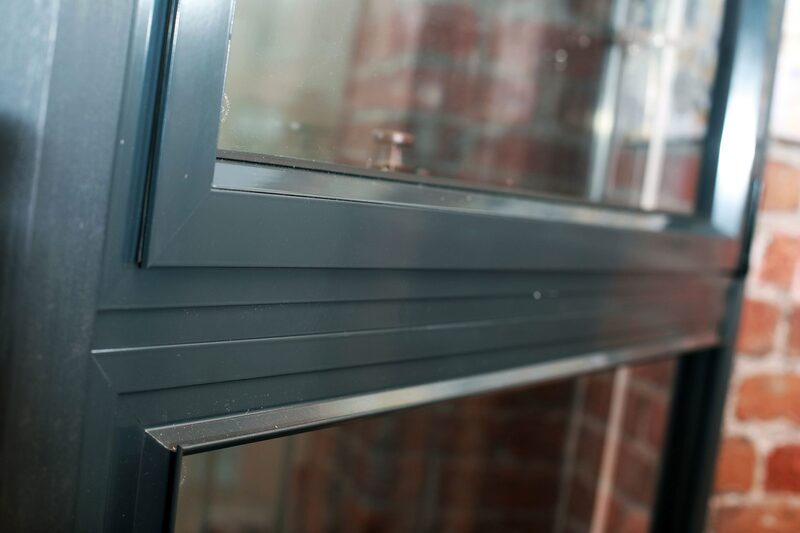
Granada's frames are slimline aluminium, powder coated in over 200 RAL colours8. The company describes the frames as slim, unobtrusive and engineered to exacting standards in a purpose-built factory, and states that the entire range offers even narrower sightlines than its predecessor1. One case study describes frames constructed with slim and sturdy aluminium, designed to feature the slimmest sightlines available22.
The colour range is the practical answer to the heritage problem. Granada states that whether a household is in a newly built home, a listed property or a commercial environment, there is a colour to match, and that the frames can be powder coated to blend into existing windows1. Bespoke units take a full 200 RAL colour range for frame finishes as well as other special paint finishes15. The Glass and Glazing Federation notes that frames can be customised with over 200 RAL colours on uPVC or aluminium19.
| Specification | Detail |
|---|---|
| Frame material | Slimline aluminium3 |
| Colour range | Over 200 RAL colours, powder coated8 |
| Glazing thickness | 4mm to 8.8mm on vertical sliding9 |
| Fixing | Face-fixed or reveal-fixed1 |
| Shaped frames | Arched in-house to match primary glazing13 |
| Manufacture | Handcrafted in South Yorkshire4 |
The narrow sightline matters more than it sounds. Secondary glazing adds a second frame inside the window, and a deep or heavy profile changes how the window reads from inside the room. Granada's case studies return to this point repeatedly, describing slim aluminium frames finished in white powder coating on a Buxton project and narrow sightlines across the range on a Scottish Borders installation23.
Secondary glazing for listed and heritage buildings
This is the core of Granada's market. The company states that a property in a conservation area, or listed Grade I or II, cannot change its glazing without permission, and that secondary glazing offers a discreet alternative5. It states that its secondary glazing can be installed within conservation areas, and that planning authorities are much more likely to accept a secondary glazing installation than a replacement window5.
The fitting position is what makes that argument. Granada states that its secondary glazing for listed buildings fits inside the window, discreetly adding a layer of protection, and that the fittings require no access from outside, making them ideal for higher floors5. It installs in a wide range of listed buildings, including halls and manors, churches, estates and lodges3. The company also states that its slim design is ideal for heritage properties where double glazing would negatively impact the building's period features6.
Installation is offered either through local installers trained and accredited by Granada or as a home-delivered supply for self-installation, and Granada describes the units as easy to install, DIY or by a tradesman12. Delivery is stated as within 10 days of order, and most installations are completed within the hour5. The company's own guidance on installing into a listed property notes that frames can be arched in-house to match all styles and types of primary glazing13.
A Birmingham case study records a homeowner moving into a Grade II listed apartment in the Jewellery Quarter in March 2021 and having Granada secondary glazing installed on the front-facing windows to improve insulation and reduce electricity bills20. The wider context for this kind of work is at insulating and glazing a listed building.
Warranty: 10 years on frames and glazing
The guarantee is stated as 10 years on all frames and glazing across most of the range, including the fixed, hinged, vertical sliding, lift-out, horizontal sliding and bespoke units2. Granada describes this as complete peace of mind when purchasing its products11.
The listed buildings and heritage pages give different terms. Granada's listed buildings page states a 5 year warranty on frames and glass in addition to a 2 year warranty on all moving parts, and elsewhere on the same page describes a 5 year warranty on the fittings and a 2 year warranty on the movable parts5. Its heritage windows page states that it will guarantee secondary glazing for five years and two years for the moving parts16. Its heat loss guidance states that the units are offered with a five-year guarantee8.
The distinction between frames and glazing on one hand and moving parts on the other is the practical one. A fixed unit has no moving parts, so the 10 year term covers the whole assembly. A hinged or sliding unit has gearing, hinges or tracks, and the shorter term applies to those components. Granada states that its fittings are extremely long-lasting5.
Contact, installation and where the range has limits
Granada publishes a helpline for homeowner product, service or installation queries on 01909 499 899, and an email address at info@granadaglazing.com2. The same number appears across its product pages and case studies, and installers interested in adding the range to their business are directed to the same contact points20. One page gives the number as 019094 99899 and another as 01909 499900, while the form that appears most often across the product pages is 01909 49989925.
There is no published price list. Granada states that the best way to get secondary glazing for heritage windows is to get a quote from the company, and no fixed prices are given16. Prices are therefore installer-quoted, and no range is stated here.
The limits are worth stating plainly. Secondary glazing is a second window inside the first, so it reduces the depth of the internal reveal and adds a frame to clean. It does not replace a failed primary window, and it does not remove a home from the gas grid or the electricity supply. It carries no app, no cloud service and no subscription, which is the clearest independence advantage it has over smart glazing products. The dependence that remains is on the manufacturer for the guarantee and on the installer for fitting, and the guarantee term varies by page as set out above. The company states that it has over 35 years of experience installing secondary glazing25.
Sources25 cited
- Secondary glazing is better than double glazing, Granada Glazing, 2026-01-14
- Benefits of secondary glazing, Granada Glazing, 2026-01-14
- Listed properties, Granada Glazing, 2026-01-14
- Cold bay window, Granada Glazing, 2026-01-15
- Secondary glazing for listed buildings, Granada Glazing, 2026-01-14
- What is secondary glazing, Granada Glazing, 2026-01-14
- Secondary glazing installation, Granada Glazing, 2026-01-14
- Reduce heat loss with secondary glazing, Granada Glazing, 2026-01-15
- Vertical sliding secondary glazing, Granada Glazing, 2026-01-14
- Lift out secondary glazing, Granada Glazing, 2026-01-14
- Hinged secondary glazing, Granada Glazing, 2026-01-14
- Fixed secondary glazing, Granada Glazing, 2026-01-14
- Install secondary glazing into a listed property, Granada Glazing, 2026-01-15
- Horizontal sliding secondary glazing, Granada Glazing, 2026-01-14
- Bespoke secondary glazing, Granada Glazing, 2026-01-14
- Heritage windows, Granada Glazing, 2026-01-15
- Thermal benefits of secondary double glazing, Granada Glazing, 2026-01-15
- Four ways to enhance single glazed windows, Granada Glazing, 2026-07-19
- All about secondary glazing, Glass and Glazing Federation, 2020-09-14
- Residential property, Birmingham, Granada Glazing, 2025-12-23
- Residential property, Scottish Borders, Granada Glazing, 2025-12-23
- 1920s residential property, York, Granada Glazing, 2025-12-23
- Residential property, Buxton, Granada Glazing, 2025-12-23
- How to insulate windows for winter, Granada Glazing, 2026-01-15
- Secondary glazing vs window replacement, Granada Glazing, 2026-07-19