
In this answer
Short answer
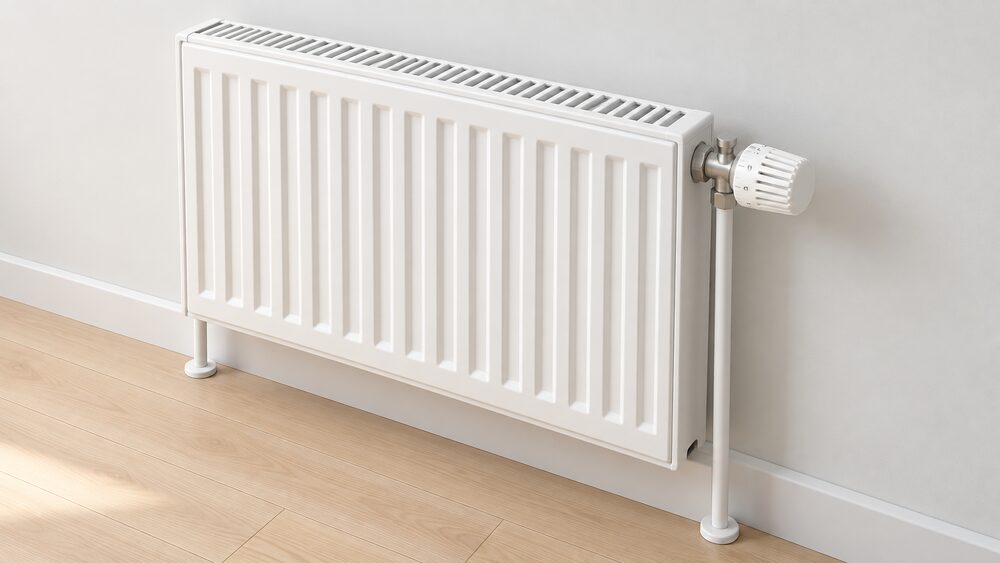
A thermostatic radiator valve (TRV) regulates the flow of hot water to a single radiator based on the temperature of the room it sits in1. A heat pump, by contrast, is designed to run at a low flow temperature for long periods and to be governed by weather compensation or a room thermostat rather than by individual radiator valves2. Those two control philosophies sit awkwardly together, which is why TRVs are frequently left off, removed, or left fully open on heat pump installations.
The evidence for the caution comes from testing rather than theory. A BEAMA project at the Salford Energy House, designed to assess the impact of analogue and smart TRVs on air source heat pump performance, found that using smart TRVs on all radiators to provide a setback between heating periods significantly increased heat pump cycling3. The same test found TRV use reduced air temperatures in adjoining zones4. Cycling is the mechanism by which efficiency is lost: heat pumps operate more efficiently when the source temperature is higher and the sink temperature is lower5.
The rule of practice is not a ban. Building Regulations require a TRV on any new radiator installed6, and official guidance encourages fitting them to existing radiators as well7. What changes with a heat pump is the order of priority: BEAMA's guidance is that households wishing to limit internal temperatures should initially reduce the flow temperature and programme setbacks, with TRVs used as a secondary measure4.
What a TRV does in a radiator system
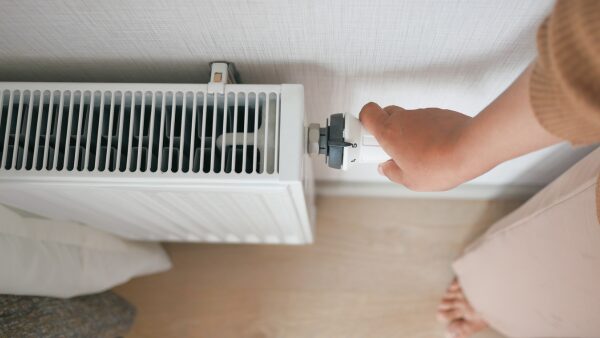
A TRV controls the temperature of an individual radiator by regulating the flow of hot water to it based on the room's temperature1. It automatically adjusts the heat output of each radiator to maintain a comfortable room temperature and reduces hot water flow once the desired temperature is reached10. In an official framing, a TRV gives better control over individual room temperatures7.
That is a genuinely useful function in a boiler system. Independent guidance recommends using TRVs on individual radiators to adjust the temperature in different rooms based on usage, turning down TRVs in unused rooms11. Programmable versions add timing control, letting each radiator come on at different times and heat each room separately12. TRVs can also be manually adjusted to different settings to control the flow of hot water through the radiator13.
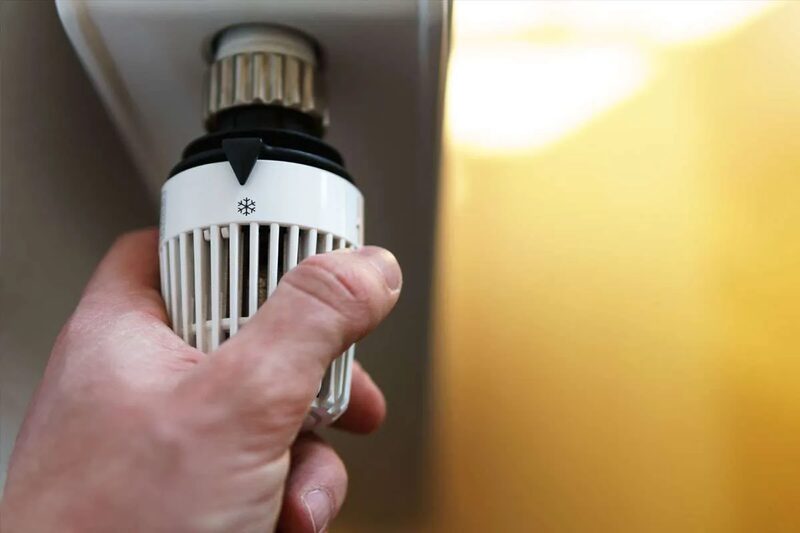
The controls themselves are simple. TRVs do not usually show specific temperatures; they use numbered settings that correspond to a temperature range1. The common scale runs from 0 to 6, where zero is off and six is fully open9. That coarse scale is part of the problem on a heat pump system, because the difference between one number and the next can represent a meaningful change in how much emitter surface is available to the heat pump at any moment.
Two siting rules apply regardless of heat source. TRVs should not be used in the same room as the thermostat, because the two controls compete14. Approved Document L states the same rule in regulatory language: thermostatic radiator valves should not be used in the same room as the thermostat, and heat emitters in that room should have manual controls8. TRVs are also not recommended in bathrooms, as humidity interferes with their perception of the air temperature14.
Why TRVs and heat pumps often conflict
The conflict is about how a heat pump is asked to deliver heat. Heat pumps send water to pipes and radiators at a lower temperature than traditional gas or oil boilers15, and the heat they produce is generally at a lower temperature than a traditional heating system2. Because they move heat rather than create it, they can produce several units of heat for every unit of electricity used16, and they require much less energy than traditional heating systems burning gas or oil17.
That efficiency depends on temperature lift. Heat pumps operate more efficiently when the source temperature is higher and the sink temperature is lower5. A TRV that closes down reduces the emitter area available, which tends to push the heat pump towards a higher flow temperature to serve the remaining radiators, working directly against the condition for good efficiency.
The Salford testing put numbers to the behaviour. Using smart TRVs on all radiators to provide a setback between heating periods significantly increased heat pump cycling3. Cycling means the compressor starts and stops more often than it would in steady low-temperature operation, which is the opposite of how a heat pump is meant to run. TRV use was also found to result in a reduction in the air temperatures of adjoining zones4, so closing valves in one room has effects beyond that room.
There is a further mismatch in how the two devices think about time. A heat pump system is typically controlled by the end user via weather compensation or internal temperature control, such as a room thermostat, together with a timer or programmer to control space heating2. A TRV responds only to its own room, with no knowledge of what the heat pump is doing or what flow temperature it is trying to hold.
"Although, those with ASHP systems wishing to limit internal temperatures should initially reduce the flow temperature and programme setbacks, with TRVs used as a secondary measure"
How heat pumps control temperature instead
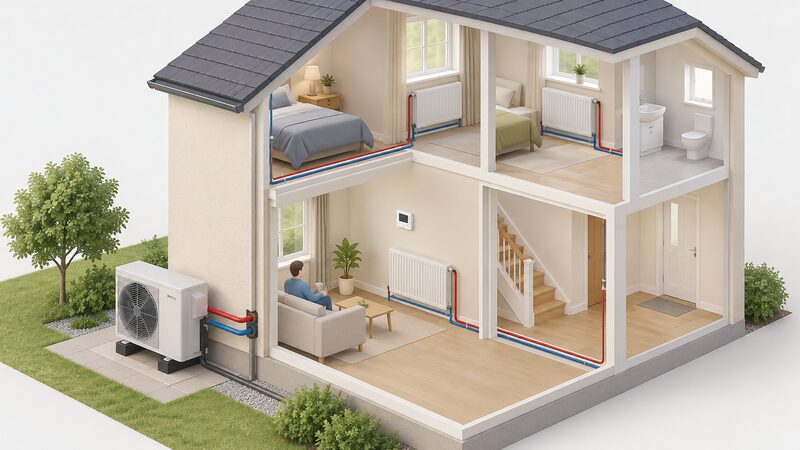
A heat pump moves heat from the air or ground and raises its temperature via a refrigeration cycle before transferring it to the central heating system18. Because it transfers heat rather than generating it through combustion, it is considerably more efficient when installed correctly19. The control task is therefore to keep the flow temperature as low as the building allows for as much of the time as possible.
The primary tools are weather compensation and a room thermostat. Heat pump systems are typically controlled by the end user via weather compensation or internal temperature control, such as a room thermostat, together with a timer or programmer to control space heating2. Weather compensation adjusts the flow temperature in line with outdoor conditions, so the heat pump modulates rather than cycling on and off against a fixed high temperature.
The installer sets the relationship between outdoor temperature and flow temperature. The installer should set the heat pump's heating curve when the heat pump is first installed20, and should leave an information pack with instructions on how to adjust the more common settings20. Installers also help with heating controls and performance, and help set up the system to run on the household's preferred schedule21.
This is why the advice runs in a particular order. BEAMA's guidance for households with air source heat pump systems wishing to limit internal temperatures is to reduce the flow temperature and programme setbacks first, with TRVs used as a secondary measure4. In other words, the heat pump's own controls do the primary work, and TRVs trim the result rather than drive it.
When TRVs can still work with a heat pump
TRVs are not excluded from heat pump systems, and in some circumstances they are required. Any new radiator installed will require a thermostatic radiator valve to be installed6, a rule repeated in the Welsh Government's building regulations guidance7 and in the Planning Portal's energy efficiency pages22. It is also encouraged to place TRVs on existing radiators7.
The practical case for keeping them is room-by-room control where the heat pump is not the only consideration. Heat pumps can work with radiators or underfloor heating, but some types can work without either23, and underfloor heating is often paired with a heat pump because it suits low flow temperatures15. Where a system serves a mix of emitters, TRVs on the radiators give a degree of local trim that a single room thermostat cannot.
There is also a seasonal case. Solar PV, a heat pump and a diverter can work together, meaning the heat pump is not needed at all over the summer24, though design, installation and commissioning need careful consideration24. In that arrangement the heating circuit is largely idle in summer, and TRV settings matter less. In winter, PV produces least while the heat pump is needed most, so the heat pump is likely mostly powered by imported electricity in winter24.
Where a supplementary heating appliance is present, it can operate alongside a heat pump so long as the heat pump can provide the full space heating demands of the property25. Hybrid heat pumps can work with another heating system in a building, such as a gas boiler26. In both cases the heat pump remains the primary source and the control hierarchy still applies.
| Situation | TRV position | Basis |
|---|---|---|
| New radiator installed | TRV required | Building Regulations6 |
| Existing radiator | TRV encouraged | Official guidance7 |
| Room with the main thermostat | No TRV; manual controls | Approved Document L8 |
| Bathroom | Not recommended | Humidity affects sensing14 |
| Smart TRVs on all radiators for setback | Increases cycling | Salford Energy House test3 |
What happens if TRVs are closed on most radiators

Closing TRVs across most of a house removes emitter area from a system that depends on it. The Salford test found that TRV use resulted in a reduction in the air temperatures of adjoining zones4, which is the intended effect in the rooms concerned but also a signal that the system's heat distribution changes when valves close.
The more significant finding concerns how the heat pump responds. Using smart TRVs on all radiators to provide a setback between heating periods significantly increased heat pump cycling3. A heat pump that cycles is not modulating down to a low, steady flow temperature; it is being asked to stop and start, which is the operating pattern its efficiency depends on avoiding5.
There is a comparison worth noting for anyone considering swapping TRVs for lockshield valves. Trimming internal temperatures with traditional TRVs had a similar impact on system behaviour as trimming with lockshield valves4. That finding undercuts the idea that lockshields are inherently better for a heat pump: the system responds to the reduction in flow, not to the type of valve making it.
For frost protection, the guidance is different again. TRVs can be adjusted to the frost setting to make sure radiators use the minimum amount of energy needed to protect the home27. That is a protective setting rather than a comfort one, and it applies to rooms that are not in use.
What installers commonly do in practice
The pattern in the field follows the test findings. Installers set the heat pump's heating curve at commissioning20 and leave an information pack covering the common settings20. They help with heating controls and performance and set the system up to run on the household's preferred schedule21. TRVs are then left in place, often fully open, with the heat pump's own controls doing the regulation.
Installation quality matters more than valve choice. Historically there have been issues with poor quality installations in UK homes, including where installers do not size systems correctly, upgrade radiators, replace narrow bore pipework, or properly insulate pipework, though these issues are much less common as standards have tightened28. The installation of heat pumps and associated heating systems is work covered by building regulations and should only be undertaken by competent technicians that have undertaken appropriate training and assessment2.
Radiator sizing is often the reason a system is revisited. It is probable that radiators will have to be changed for larger ones to produce an equivalent heat output when replacing a boiler, unless a high temperature output heat pump is installed2. Where radiators are replaced, the new ones fall under the TRV requirement6; where they are retained, the existing valves can usually stay.
For households commissioning work, independent guidance recommends getting quotes from at least three installers29. The controls conversation is part of that: whether TRVs stay, whether they are set open, and how the heating curve is configured are all decisions made at commissioning rather than afterwards.
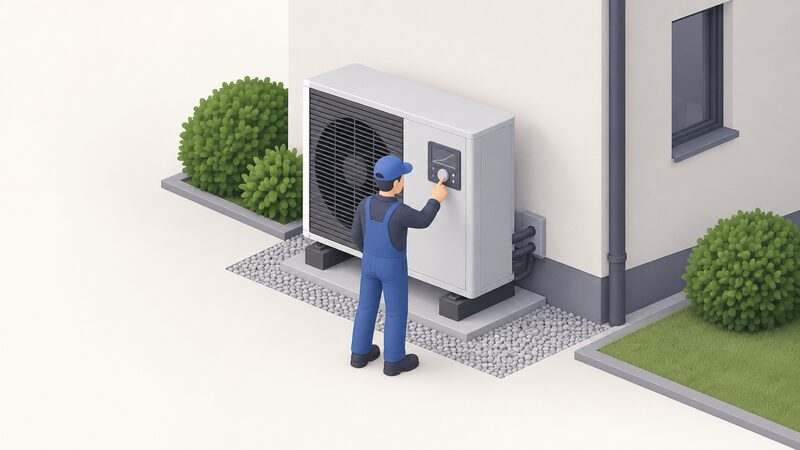
TRV settings and heat pump efficiency
Where TRVs are kept, settings are a matter of judgement rather than a fixed rule. Independent guidance suggests setting the TRV at 3 to 4 for rooms used most, turning down to 2 to 3 for bedrooms and rooms used less9. The same source notes the midway point as a starting position for non-living rooms such as bathrooms, bedrooms and hallways1. For unused rooms in cold weather, the frost setting protects the home with minimum energy use27.
The efficiency question is separate from the comfort question. Heat pumps operate more efficiently when the source temperature is higher and the sink temperature is lower5, so any control strategy that raises the required flow temperature reduces efficiency. BEAMA's finding that smart TRVs on all radiators for setback significantly increased cycling3 is the practical expression of that principle in a UK test house.
TRVs also appear in official scheme rules. TRV is listed as a measure type in the ECO4 measures table30, and TRVs can be manually adjusted to different settings to control the flow of hot water through the radiator13. That places them within the standard toolkit of heating controls rather than outside it.
The wider point for a household is about where control sits. A heat pump governed by weather compensation and a room thermostat keeps its decision-making inside the home, on the heat pump's own controller, with no dependency on a valve head's perception of a single room. TRVs add local trim but do not improve the efficiency of the heat pump itself, and used across a whole house for setback they work against it3.
Sources30 cited
- Radiator valves, Smart Energy GB, 2026-04-22
- Your home guide to heat pumps, Oftec, 2026-09-17
- BEAMA Technical Bulletin: Air Source Heat Pump TRV Salford Energy House Test, BEAMA, 2026-04-16
- BEAMA Technical Bulletin: Summary of BEAMA Air Source Heat Pump TRV Salford Energy House Test, BEAMA, 2026-04
- Heat pump methodology, Department for Energy Security and Net Zero, 2026-01
- Building regulations: energy efficiency, Planning Portal, 2026
- Building regulations: energy efficiency, Welsh Government, 2026-09-17
- Building Regulations Approved Document L Volume 1, Welsh Government, 2026-04
- Take control of your heating at home, Energy Saving Trust, 2026-09-11
- Smart heating controls: what they do and why they matter, BEAMA, 2025-04-07
- The best way to run your central heating to save money, ivie, 2026-09-20
- Thermostats and heating controls, Energy Saving Trust, 2026-02-10
- ECO4 new measures and products guidance, Ofgem, 2026-03-26
- Best smart radiator valves, Which?, 2026-09
- Underfloor heating, Energy Saving Trust, 2025-10-02
- Is your home suitable for a heat pump?, The CPA, 2026-02-18
- Home energy upgrades, Home Energy Scotland, 2026-09-20
- In-depth guide to heat pumps, Energy Saving Trust, 2026-07-16
- Energy efficient home improvements, The CPA, 2026-05-07
- How to ensure a heat pump runs efficiently, Energy Saving Trust, 2026-05-19
- How smart meters work with heat pumps, Smart Energy GB, 2026-04-24
- Building regulations: energy efficiency, Planning Portal, 2026
- Heating your home, Energy Saving Trust, 2026-05-19
- Making the most of your solar PV panels, Centre for Sustainable Energy, 2026-08
- Boiler Upgrade Scheme guidance for installers, Ofgem, 2026-04-28
- Heat pumps, nidirect, 2025-02-24
- Protect pipes in winter, Home Energy Scotland, 2025-12
- Heat pump questions answered, Energy Saving Trust, 2026-05-27
- Heat pump fact check, Energy Saving Trust, 2026-07-01
- ECO4 measures table, Ofgem, 2025-07-29
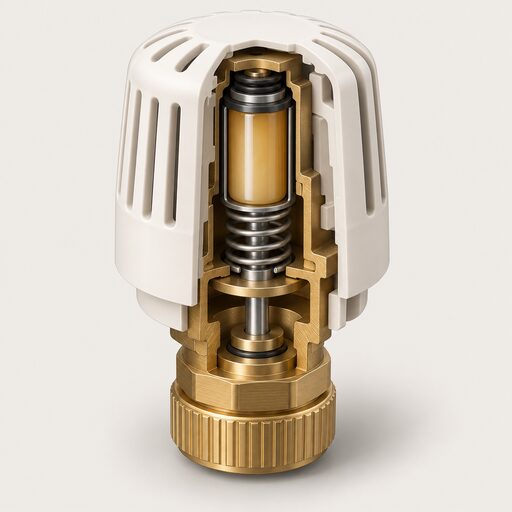 Thermostatic Radiator ValvesHow a thermostatic radiator valve senses room air temperature and throttles flow to a single radiator, what the numbered settings mean, where TRVs should and should not be fitted, and what the Building Regulations require across the UK.
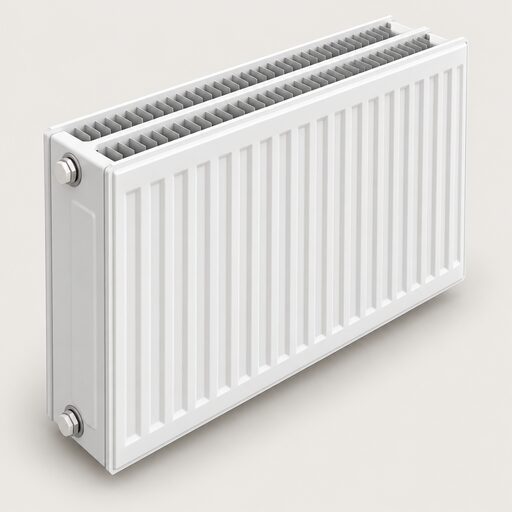 Radiators and Heat EmittersA radiator's real heat output depends on how hot the water inside it is compared with the room, so the figure in a catalogue often overstates what you will actually get.
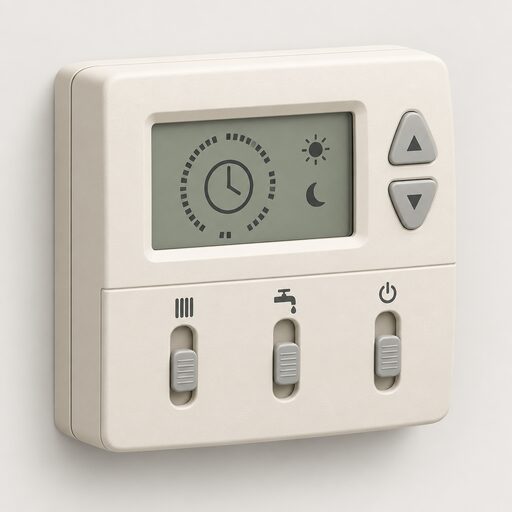 Controls, Thermostats and TRVsWhich heating controls actually cut your bills, and what does each one do?
 Heating Control FaultsWhy is my heating on when the thermostat says it is off, or why does one radiator stay cold?
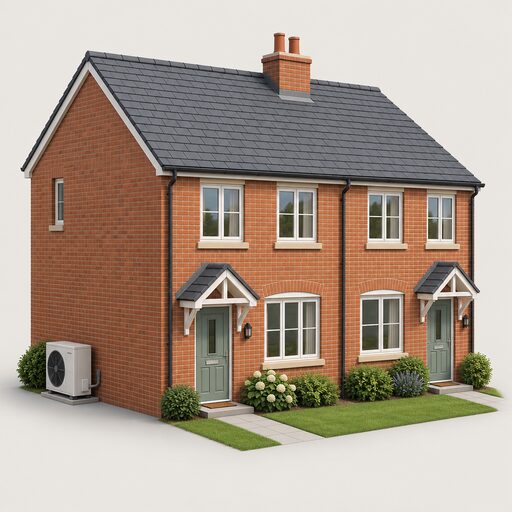 Which Homes Suit a Heat PumpMost UK homes can have a heat pump fitted, so the real question is whether yours makes it easy or expensive.
 The Full Heating Controls GuideA room thermostat, a programmer and valves on your radiators are the basics.