
In this comparison
uPVC is the cheaper frame and the easier one to live with: independent guidance puts it at up to three times cheaper than traditional wooden frames, and it is recyclable, durable and energy-efficient1. Timber costs more, but it carries a much lower environmental impact than uPVC or aluminium, and it is the material that historic buildings and conservation areas usually expect3.
The choice is rarely about performance alone. A modern sealed unit performs much the same in either frame, because the rating applies to the whole window, including frame material, frame design, glass type and other components5. What separates the two is cost, planning consent, maintenance and how long the frame is expected to last.
uPVC or timber: which suits which home
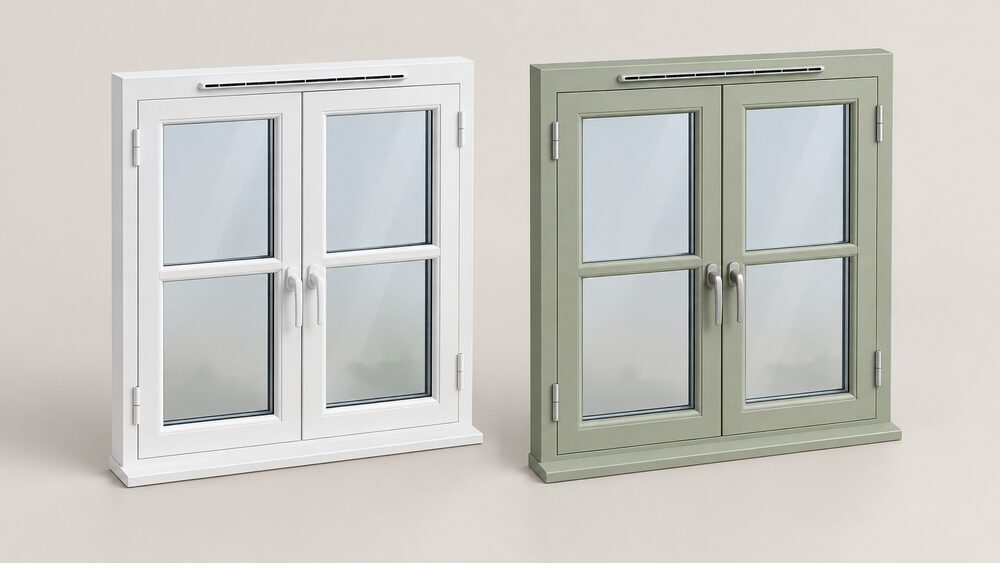
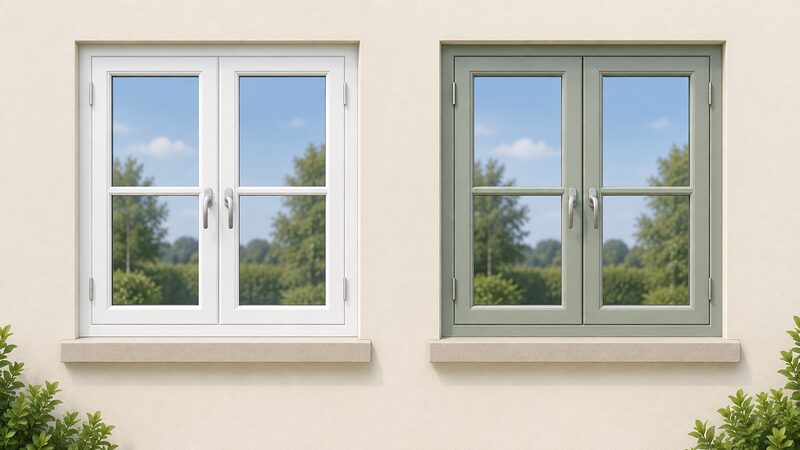
The frame material is one of several choices on a replacement window, alongside the type of glazing, patterned or privacy glass and other options9. uPVC is most commonly white, though it is available in a variety of colours and finishes including wood effect, which is how it imitates timber without the maintenance1. Casement windows are often uPVC but can also be made of timber and aluminium1, and double glazing units sit inside frames that are usually uPVC, aluminium or timber10.
Where a building is listed, the material question is settled by consent rather than preference. Official guidance is blunt: it is unlikely consent will be given if non-traditional materials such as uPVC or aluminium are used where they replace traditional timber joinery, even if the glazing pattern is followed exactly4. That pushes listed buildings and many conservation-area properties towards timber, or towards secondary glazing behind existing frames.
Timber also has a structural argument. Insulated external timber frame walls typically provide better insulation performance than masonry walls of a similar thickness, and the U-value of a timber frame property is calculated using BS EN ISO 6946 as the efficiency of the building as a whole11. Some cladding materials behave differently again: uPVC and vinyl cladding provides more insulation than timber cladding12, which matters on park homes and timber-framed houses where cladding and window frames are part of the same envelope.
For a household, the practical split is this. A modern house with no planning constraint gets the same thermal result from either material and pays far less for uPVC. An older or protected building often has no realistic uPVC option, and the timber premium is the price of consent. Neither route removes the household's dependence on the grid: a window reduces the heat that escapes, it does not generate anything.
Cost: uPVC up to three times cheaper than timber
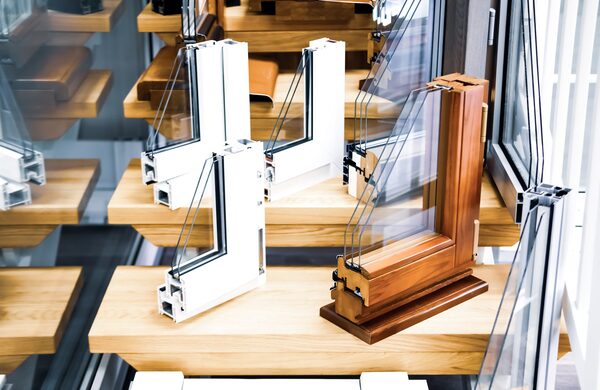
The cost gap is the single clearest difference between the two materials. Independent guidance states that uPVC is up to three times cheaper than traditional wooden frames, and repeats the same figure in a second guide1. Traditional timber is more expensive than uPVC1. No published installed price exists for either in the material available here, so any whole-window figure a household receives is installer-quoted.
The one published price point is for materials only: A-rated uPVC double glazing from £65+ per window6. That is a component cost, not a fitted cost, and it does not include labour, removal of the old frame, making good or any of the certification work. It is useful mainly as a floor, showing how far a fitted quote sits above the raw materials.
| uPVC | Timber | |
|---|---|---|
| Frame cost against the other | Up to three times cheaper than traditional wooden frames1 | More expensive than uPVC1 |
| Materials-only price | A-rated double glazing from £65+ per window6 | Not published |
| Colour range | Most commonly white; colours and finishes including wood effect1 | Painted or stained finish |
| Listed building consent | Unlikely where it replaces traditional timber joinery4 | The material consent expects4 |
The gap narrows in ways that are easy to miss. A timber frame that is painted every few years carries a maintenance cost that uPVC does not, and a uPVC frame in a wood-effect finish is priced above a plain white one. Where a household is comparing quotes, the comparison has to be like for like on glazing specification, frame thickness and fitting scope, because that is the basis on which a price match is offered13.
There is also a tax dimension. Draught stripping for windows and doors qualifies as an energy-saving material and attracts the reduced rate of VAT, and the installation of draught stripping qualifies for the relief14. That applies to sealing around frames, not to the frames themselves, so it is a small line in a larger quote rather than a discount on the window.
Timber's lower environmental impact against uPVC
On environmental grounds the two materials are not close. Timber framed windows have a much lower environmental impact than those using uPVC or aluminium3. The same source notes that alternatives such as polybutylene and polyethylene have a much lower impact than PVC and are recyclable3, which is a comment on the plastics family rather than on window frames specifically.
uPVC's counter-argument is recyclability. Independent guidance describes uPVC window frames as recyclable, durable and energy-efficient1. Recyclable is not the same as recycled, and the material available here does not give a recycled content figure for UK window frames, so the two claims sit side by side rather than cancelling out.
The wider evidence on timber construction points the same way. A study of UK homebuilding found data showing a lower average upfront and whole life embodied carbon for timber frame examples compared with masonry17. That is about structural frames rather than window frames, and it is a different product, but it is the same material argument and it is the strongest independent evidence in this area.
Performance at the top end shows what a timber frame can do. A timber-aluminium window and door with integrated blinds is rated at a thermal insulation Uw as low as 0.62 W/(m2K)18. That is a specific product from one maker, not a general figure for timber, and it sits well below the U-values in the standard assessment tables, where a double-glazed wood or PVC window in a non-separated conservatory is modelled at 3.1 W/m2K and a triple-glazed one at 2.4 W/m2K19.
For a household's independence, the environmental case is about embodied carbon rather than running cost. Neither frame generates energy, and neither reduces the home's reliance on a supplier. What timber does is lower the carbon locked into the fabric of the house, which is a one-off benefit rather than an ongoing one.
Energy efficiency and window ratings
Energy-efficient windows and doors help reduce heat loss, lowering energy bills and improving comfort, and they also insulate against external noise and reduce condensation20. Those three benefits come from the sealed unit and the frame together, not from the frame material alone.
The rating system is where households most often go wrong. Window and door manufacturers show energy efficiency using a rating scale from A++ to E20, while the BFRC scheme labels windows from A++ to C, with A++ the most efficient8. Letter ratings are given based on the energy performance of the whole window, including frame material, frame design, glass type and other components5. A high rating therefore says nothing about whether the frame is uPVC or timber.
U-values work in the opposite direction to the letters. The higher the U-value, the more easily heat can pass through the window and the less efficient it is8. The standard assessment tables show the spread: a single-glazed wood or PVC window is modelled at 4.8 W/m2K, a double-glazed one at 3.1 W/m2K and a triple-glazed one at 2.4 W/m2K, all with 6 mm gaps and a frame factor of 0.719. The frame factor is the same across those rows, which is the point: the glazing does the work.
The official method for an average window U-value requires the thermal bridge due to the frame and dividers to be taken into account according to EN ISO 10077-121. That is the technical reason a frame material matters at all, and it is also why broad marketing claims are a poor guide. Independent guidance advises paying close attention to thermal performance ratings such as U-values rather than relying solely on broad marketing claims22.
Ventilation is part of the same picture. Trickle ventilators can be fitted with all window framing materials including PVC-u, timber, steel and aluminium8, so the choice of frame does not restrict how a home is ventilated. Double glazing works by trapping air between two panes of glass, creating an insulating barrier that reduces heat loss, noise and condensation23, and it maintains a higher surface temperature on the interior side of the glass, allowing it to accommodate more water vapour without condensing and retaining more heat within the home24.
Guarantees: 10 years on parts and labour, 15 on the sealed unit
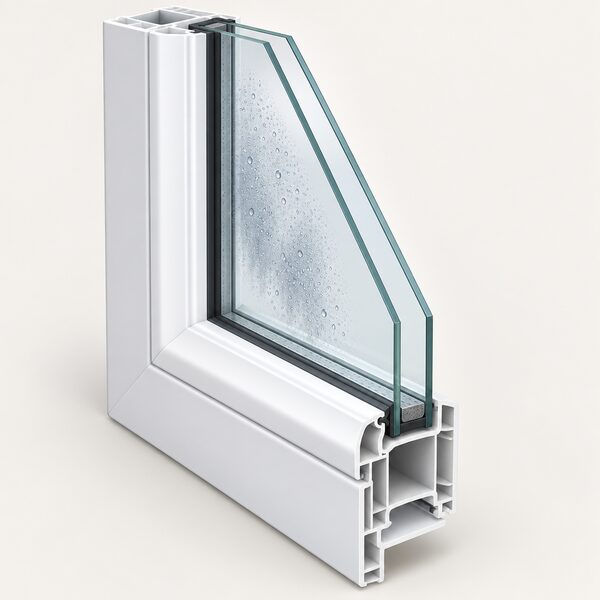
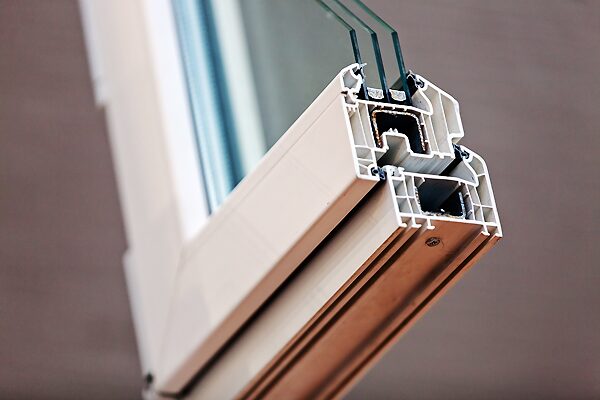
Anglian offers a 10-year guarantee on uPVC, wood and aluminium windows25. On its uPVC casement range the cover is split: a 10-year guarantee on frames, parts and labour, and a 15-year guarantee on the sealed glass unit7. The sealed unit cover is described as applying in the event of a blow out7.
That split matters because the two failures are different. A frame failure is a mechanical or structural problem. A sealed unit failure is a loss of the trapped air barrier, which shows up as condensation between the panes. Window seals that are old or damaged let moisture in and create condensation between the glass panes10, and once that has happened the unit cannot be dried out from outside.
Accreditation is the other half of a guarantee's value, because a certificate is what proves the work was done to standard. Anglian's uPVC casement windows are BFRC-certified and carry British Standards and PAS 24 Kitemarks, a BBA certificate on White Knight, Secured by Design approval, and FENSA and Glass and Glazing Federation accreditation, with a BSI Kitemark7. Its uPVC cottage windows are described as BBA accredited to last 35+ years13, and its wooden cottage windows use FSC-certified wood13.
For a household, the guarantee is the part of the purchase that survives the installer leaving. It is worth checking what a quote includes before comparing headline figures, because a longer guarantee on one range and not another changes what the same money buys.
Accreditations and certifications to look for
Certification in glazing is not decorative. It is the evidence trail that a window was made and fitted to a recognised standard, and it is what a future buyer or a surveyor will look for.
The bodies that matter are FENSA and the Glass and Glazing Federation, both of which Anglian holds7. FENSA registration is the route by which replacement windows are notified to building control in England and Wales, and it is the reason a household receives a certificate after the work. The BFRC certification on Anglian's casement range is the same scheme that issues the A++ to C energy labels8.
Product standards sit alongside the scheme memberships. British Standards and PAS 24 Kitemarks cover security and weather performance, Secured by Design approval is a police-backed security standard, and a BSI Kitemark is the general product certification mark7. The BBA certificate on White Knight is a separate assessment of the product's durability, and Anglian describes its uPVC cottage windows as BBA accredited to last 35+ years13.
Timber brings its own certification. Anglian's wooden cottage windows use FSC-certified wood13, which is a chain-of-custody claim about where the timber came from rather than a performance claim about the window.
"Our uPVC casement windows are BFRC-certified"
A household comparing two quotes can use these as a checklist. If one quote names the scheme memberships and product certificates and the other does not, the difference is not marketing, it is what can be verified after installation. The replacement window rules page sets out how building control notification works, and window energy ratings explains how the letter labels are awarded.
Anglian: who makes the windows and where
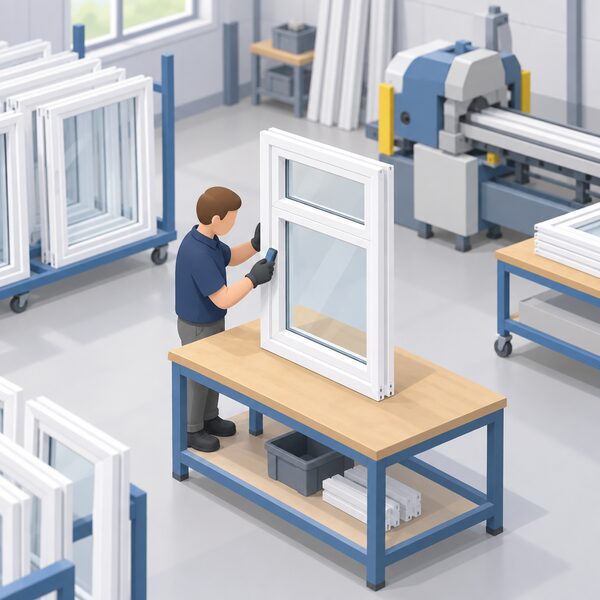
Anglian Home Improvements states that it has been trading for over 50 years25. A separate Anglian page states 60+ years in business, and the two figures are not reconciled in the material available, so the trading history is reported as either over 50 years or 60+ years depending on which page is read25.
The windows are made in the UK. Anglian states that windows are made to measure at state-of-the-art factories in the UK, and that it carries the Made in Britain marque25. Every window is made to measure and designed to reflect personal taste, and the frames use a range of high-quality materials including uPVC and wood25. Its cottage window range is available in uPVC or wood13.
That manufacturing position is the company's own claim about itself, and it is the kind of statement a household can check against the certification trail rather than take on trust. The relevant point for energy independence is narrower: a UK-made window keeps the supply chain and the warranty holder in the same country, which matters if a claim has to be pursued years later. It does not make the household any less dependent on the grid, a supplier or gas.
Anglian's own buying guide sets out the range and the options, and the company's window pages cover casement and cottage styles in both materials25. For a wider view of the firm and its product lines, the Anglian windows and doors page covers the range in more detail.
Getting a quote and what is included
Anglian windows are made to measure for the home and individually priced, so there is no published list price to compare against7. A remote quotation can be arranged by contacting the company25. Filling in the online form carries up to £250 off the quote, described as an additional online discount25.
Anglian also states that if cheaper like for like uPVC windows are found elsewhere, it will match the price13. The words "like for like" carry the weight: a cheaper quote for a different glazing specification, a different frame or a narrower fitting scope is not the same product, and the price match is offered on that basis.
What a quote should cover is set out by the industry's own advice to householders. Frame materials including uPVC, timber, aluminium or composite are one choice among several, alongside the type of glazing, patterned or privacy glass and other options9. The questions worth asking a fitter are the ones FENSA publishes for exactly this purpose9.
On grants, no scheme is offered by Anglian. Grant funding in the UK comes from government-backed programmes, and the rules differ between England, Scotland, Wales and Northern Ireland, so a household looking for help with the cost needs the scheme that applies where it lives. The insulation and glazing grants in England page covers one nation's rules, and the insulation and glazing costs page sets out how quotes are built up.
Draughts are the one area where a household can act without a quote. Foam, metal or plastic draught-excluder strips or flexible sealant can be used around window frames, and brush seals suit sash windows26. Boiler flues, air bricks and window trickle vents must never be blocked, and over draught-proofing windows in kitchens and bathrooms should be avoided where moist air needs to escape and there is no mechanical ventilation such as an extractor fan26. Official guidance makes the same point: do not cover up holes that are supposed to be there, such as trickle vents in window frames27. Draught stripping for windows and doors qualifies as an energy-saving material and attracts the reduced rate of VAT14.
Sources28 cited
- Choosing double glazed windows and doors, Which?, 2026-09-16
- Types of double glazing, Which?, 2026-09-16
- Low energy buildings, CAT, 2025-06-27
- Making alterations to a listed building, Bristol City Council, 2026-09-17
- Window energy ratings, Glass and Glazing Federation, 2024-01-05
- DIY vs professional home insulation, Uswitch, 2025-11-07
- uPVC casement windows, Anglian Home Improvements, 2026-09-20
- Windows knowledge hub, Glass and Glazing Federation, 2026-09-20
- What to ask your window fitter, FENSA, 2026-09-20
- How to stop condensation, Which?, 2026-05-26
- Timber frame wall insulation, MIMA, 2026-09-20
- Planning permission: external walls, Planning Portal, 2026
- Cottage windows, Anglian Home Improvements, 2026-09-20
- Tax on shopping: energy-saving products, GOV.UK, 2026-09-17
- VAT energy saving materials: VENSAV3230, HMRC, 2026-09-17
- Value Added Tax Act 1994, Schedule 8, legislation.gov.uk, 2026-09-17
- A new era of carbon transparency, Future Homes, 2025-11-25
- Internorm HV 450 timber-aluminium window, Quiet Mark, 2026-09-17
- SAP 10 assessment tables, BRE, 2024-02-12
- Windows and doors, Energy Saving Trust, 2026-05-20
- Regulation on window U-value calculation, legislation.gov.uk, 2012-01-16
- Energy efficient home improvements, The CPA, 2026-05-07
- Glazing, Planning Portal, 2026
- Condensation advice, FENSA, 2026-09-20
- Windows buying guide, Anglian Home Improvements, 2026-09-20
- DIY draught-proofing, Centre for Sustainable Energy, 2026-07
- Five top tips to cut your energy bills, Welsh Government, 2026-03-18
- VAT energy saving materials: VENSAV3040, HMRC, 2026-09-17
 External Doors and U-ValuesWhich front door keeps the heat in best, and how much does it really matter?
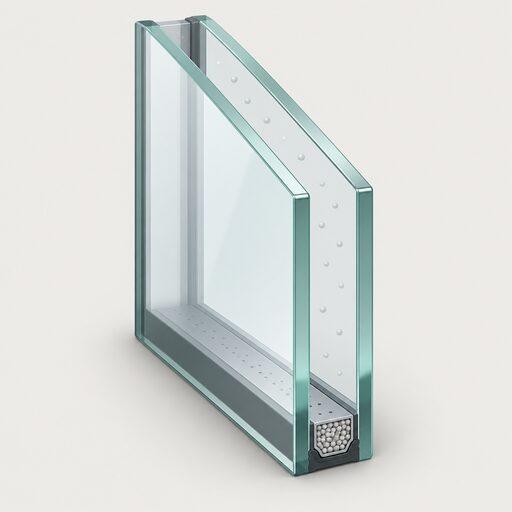 Double GlazingMisted up panes, noisy streets, rooms that never feel warm: is new double glazing worth the money, and how much could it cut your bills?
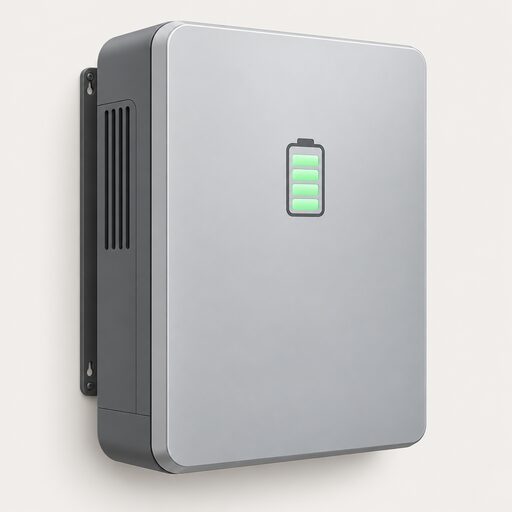 The Full Home Batteries GuideA home battery stores cheap or solar power for later, but will it really cut your bills enough to be worth it?
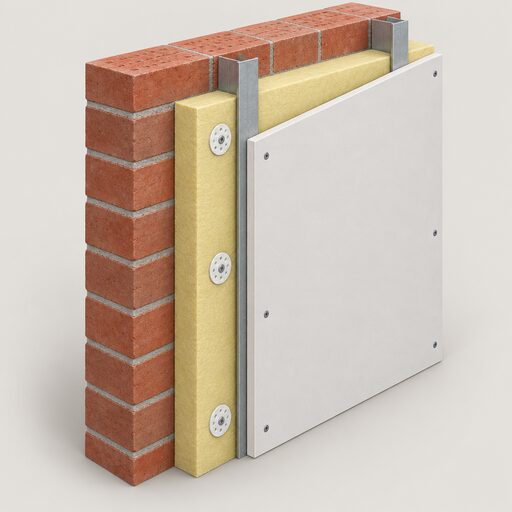 Solid Wall InsulationSolid walls lose far more heat than cavity walls, so what can actually be done about it?
 The Full Solar Panels GuideHow much do solar panels cost, and what could they save you each year?
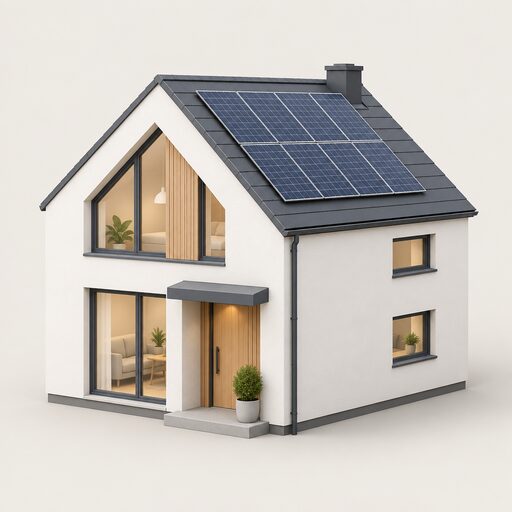 Future Homes Standard FabricWill a new home be cheaper to heat than an older one?