In this guide
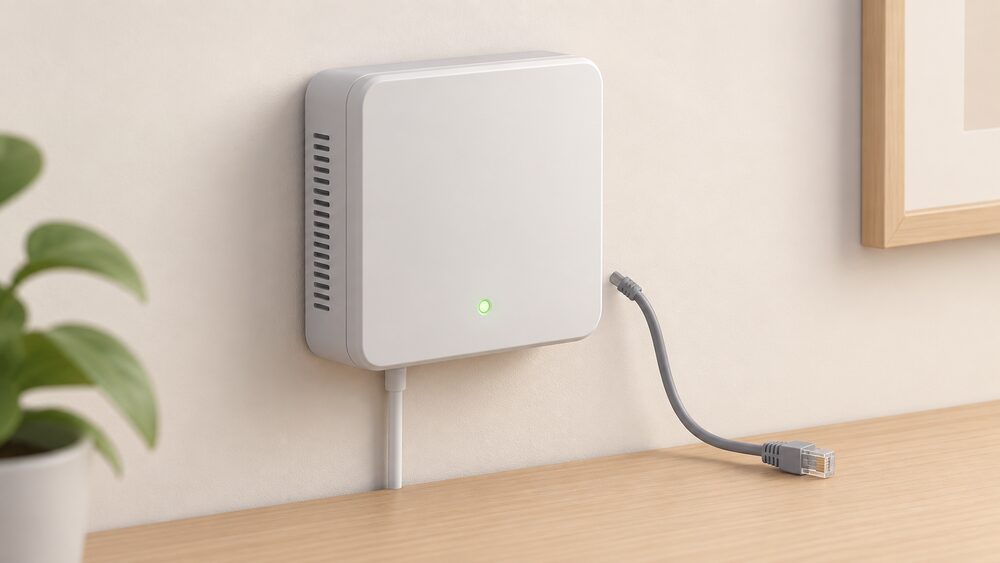
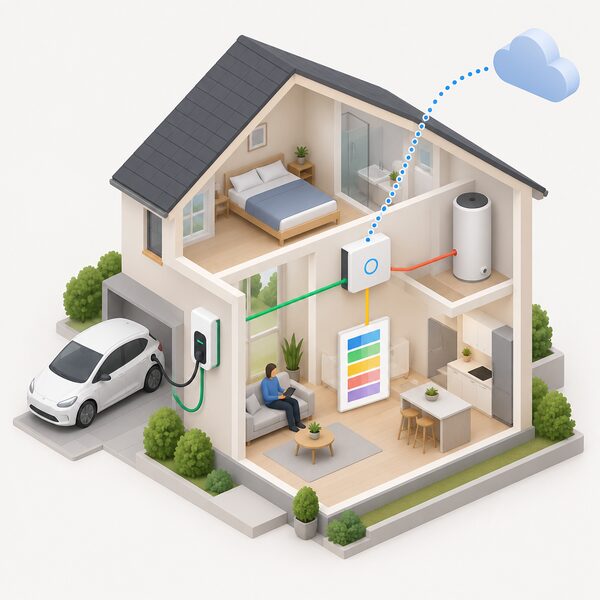
A home energy management system (EMS) is the layer that decides when a battery charges, when an EV charges, when a heat pump runs and when a device exports. It can be delivered in three quite different ways: through a central hub device in the home, through software in the cloud, or through smart devices coordinating directly with each other1. That choice of delivery form is the whole subject of this page, because it determines what a household still controls when a manufacturer's servers are switched off, a company fails, or the internet goes down.
The distinction matters for energy independence in a way that is easy to miss. A battery stores electricity so that a home is more independent from the National Grid, and it can be charged with cheap electricity from a supplier, typically on certain tariffs at night or in the middle of the day2. But if the only way to set that charging window is an app that talks to a company's cloud, the household's independence runs through a third party it does not control. Local control moves the decision into the building.
The regulatory picture is still forming. Government has been consulting on how home energy management systems and optimisation services are treated where they may initiate or schedule control actions, and the Catapult network has said government should clarify that treatment4. Secondary legislation covering energy smart appliances, load controllers and Flexibility Service Providers is expected in October 20265. Until it lands, the practical answer for a household is to look at what a system can do with the network cable unplugged.
What a home energy management system actually is
The term is used loosely, and it is worth separating it from the things it is confused with. The Home Energy Model is a calculation methodology designed to assess the energy performance of homes, and the Simplified Building Energy Model is used to assess non-domestic buildings8. Neither is a control system. An EMS is the operational layer: the thing that reads a tariff, a generation forecast or a state of charge and then acts on a battery, a charger or a heat pump.
The Catapult network's description is the clearest available: delivery might be through a central hub device in the home, software in the cloud, or via smart devices coordinating directly with each other1. Those three forms have very different failure modes. A hub in the home keeps working when the broadband drops, though it may lose the price signals it needs for optimisation. Cloud software keeps working as long as the maker keeps the service running and the household keeps a connection. Direct device-to-device coordination removes the middleman but depends on the devices speaking a common language.
The regulatory scope is being drawn around the same set of devices. The draft load control licence covers privately owned EVs, Electric Vehicle Smart Charge Points except public and rapid charge points, relevant heat pumps, storage heaters, relevant heat batteries, hot water heat pumps, standalone direct electric hot water cylinders, hybrid heat pumps, smart battery energy storage systems, and where appropriate ancillary devices such as smart switches3. Energy smart appliances are described in the consultation as domestic electric vehicle charge points, heat pumps and battery energy storage systems4.
For a household, the practical question is not what the system is called but where the intelligence sits. If the schedule lives in a manufacturer's data centre, the household is renting its optimisation. If it lives in a box on the wall, the household owns it, along with the maintenance burden.
Local control versus the manufacturer's cloud: where the difference lies
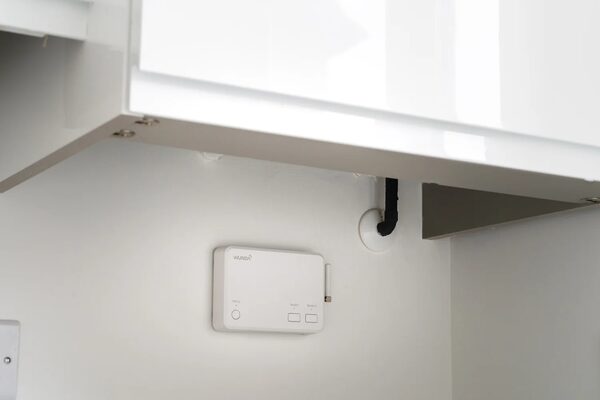
The difference is not about whether a device has an app. It is about where the decision is made and what happens when the connection to the maker ends.
A cloud-dependent system sends state to a server, receives instructions back, and depends on that round trip for anything beyond basic operation. A locally controlled system makes the same decisions on hardware in the building. The Catapult description of a hub device in the home is the local model; software in the cloud is the remote one1. Both can deliver identical savings in normal operation. They diverge when the broadband fails, when the maker withdraws the product, or when the maker ceases trading.
There is a wider argument about why this matters. A decentralised energy system is described as bringing better energy security, cost savings for homes, reduced carbon emissions, increased grid resilience and empowerment for people10. Local control is the household-scale version of that argument: the same logic that favours generation near demand favours intelligence near the device.
The Energy Local model, where people effectively buy energy directly from local generators, is a related case11. It shows that the value of local arrangements is not only technical. It is about who holds the relationship with the infrastructure.
"This might be delivered through a central hub device in the home, software in the cloud, or via smart devices coordinating directly with each other."
The honest limit is that local control is not automatically better. A local hub that never receives updated tariff data will optimise against stale prices. A cloud service that is well maintained may outperform a local box that nobody updates. The question is which failure a household would rather have: a system that stops being clever, or a system that stops working.
What an EMS controls: solar, battery, EV charging and the heat pump
The device list is now well defined in policy, which is a useful proxy for what a system is expected to manage. The load control licence scope covers privately owned EVs, smart charge points, relevant heat pumps, storage heaters, heat batteries, hot water heat pumps, direct electric hot water cylinders, hybrid heat pumps, smart battery energy storage systems and ancillary devices such as smart switches3. The consultation describes the same family as domestic electric vehicle charge points, heat pumps and battery energy storage systems4.
Home energy management systems can also integrate EV chargers, heat pumps and PV diverters6. That integration is the point: a diverter that sends surplus solar to a hot water cylinder, a charger that waits for a cheap window, and a heat pump that pre-heats before a peak are all doing the same job of moving load in time.
Heat pumps are the largest single load in most of these homes. In many cases a gas, oil, LPG, electric or biomass boiler can be swapped out and replaced with a heat pump, which means the EMS inherits the biggest controllable demand in the building12. Ground source heat pumps transfer energy from the natural heat stored in the earth to heat the home and domestic hot water13.
Electric space heating has its own control tradition. Each room can be treated as a separate zone and controlled individually14. Digital electric storage heaters regulate how much energy is used by storing more or less heat at night, and automatic charge control is the mechanism15. An EMS that can speak to those controls extends the same logic across the whole house.
| Device | What the EMS does with it | Source |
|---|---|---|
| Battery storage | Charges on cheap windows, discharges at peak, holds a reserve | 3 |
| EV charge point | Schedules charging, balances against the home's load | 3 |
| Heat pump | Integrates with the wider optimisation strategy | 6 |
| PV diverter | Sends surplus generation to hot water | 6 |
| Storage heaters | Sets charge control by night rate | 15 |
Battery control: storing solar, dynamic rates and reserved backup capacity
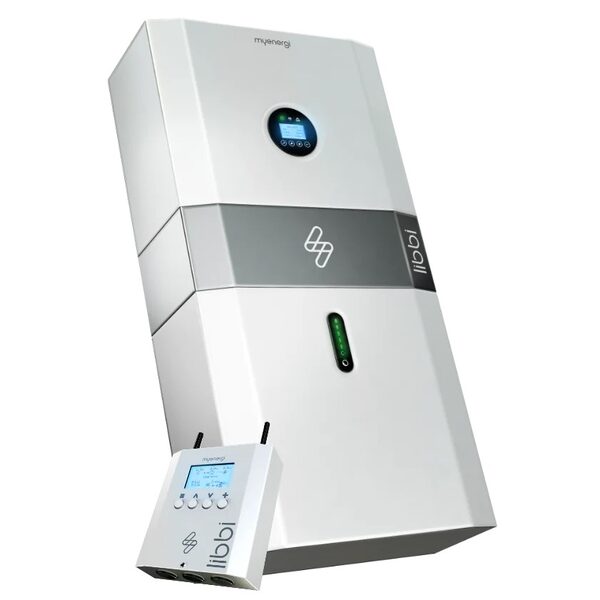
The battery is where local control pays most clearly. Home storage batteries store electricity to use later, making the energy system more independent from the National Grid17. They can store excess solar generation or charge when a tariff is cheap, then use the stored energy at night or when prices are high2. They can also be charged with cheap electricity from a supplier, typically on certain tariffs at night or in the middle of the day18.
The arbitrage case is well documented. Homeowners can store power during the day, when electricity tends to be cheap, and sell it during the evening, when it is more expensive19. Smart batteries can now charge themselves when electricity is cheap, and then either use it in the home when electricity is expensive or feed it back to the National Grid to make a profit20. A battery with no solar panels still works: charging stops when it is full and the battery discharges when the next cheap tariff period ends, automatically2.
The reserve setting is the part households ask about most. When the battery gets down to a set level, maybe 20% of the total storage capacity, the system stops taking electricity out2. That floor is what keeps lights on during an outage and what protects the cells from deep discharge. It is a setting, not a fixed law, and the figure varies by system.
A battery energy storage system is made up of a battery, charger and controls18. The controls are the part that determines whether the reserve, the tariff windows and the export decisions are set locally or remotely. A system whose controls live only in a cloud account gives the household the storage but not the authority over it.
Backup and load control during an outage: what an EMS can and cannot do
This is where the gap between marketing and physics is widest. Solar panels will automatically switch off during a power cut, a safety feature that prevents electricity being exported to the network, and they usually restart on their own once power returns7. The equipment itself should not be damaged and will be ready to use again once power is restored, which applies to solar panels, heat pumps, EV chargers and batteries7.
Backup supply is a separate capability. Some, but not all, battery storage systems can be set up to provide electricity to the home during a power cut, and they must be specifically set up to do so6. The more expensive battery systems can also provide electricity during a power cut21. If protecting against power cuts with a home battery is the aim, not all systems are suitable, and the installer should be asked whether the battery will work in an outage and for how long17.
Even a protected supply has limits. Sites included on the protected sites list may well still experience interruption to their electricity supplies during sudden shortfalls in generation or during day-to-day repair and recovery of faulty or damaged parts of the transmission and distribution networks22. That is a statement about the network's own priority list, and it sets the ceiling on what any home system can promise.
The practical position is that an EMS can manage load during an outage only within the island it has been set up to create. It cannot import, it cannot rely on solar unless the system is designed for it, and it cannot extend a reserve indefinitely. What it can do is keep a chosen set of circuits running for a defined period.
Working without a battery: what local optimisation still achieves
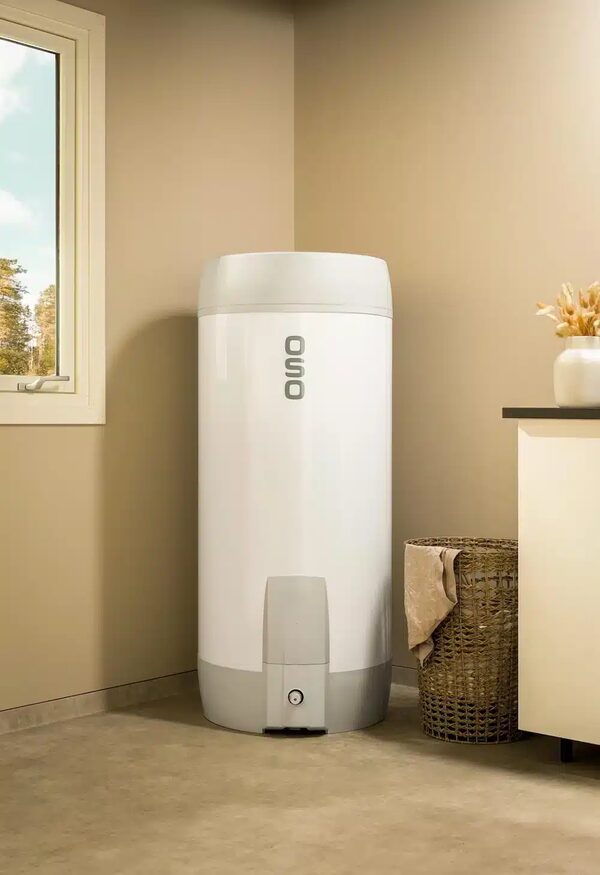
A household without storage is not without options. Local optimisation can still shift when energy is used, even if it cannot shift when it is generated.
The clearest documented case is a solar system that functions without any connection to the internet at all23. That is a statement about a specific product, but it establishes the principle: generation and basic self-consumption do not require a cloud service. The panels produce, the inverter converts, the house uses. What is lost without connectivity is the fine-grained scheduling, not the generation.
Load shifting without a battery is mostly about thermal storage and timing. Digital electric storage heaters regulate how much energy is used by storing more or less heat at night, and automatic charge control is the mechanism15. Each room can be treated as a separate zone and controlled individually14. A hot water cylinder heated on a cheap window does the same job as a small battery, at lower cost.
Government guidance for self-build homes recommends installing smart systems that control lighting, heating and cooling based on occupancy and time of day24. That is local optimisation in its simplest form, and it does not require a battery or a cloud account.
The limit is real. Without storage, surplus generation that is not used at the moment it is produced is exported or lost, and the household cannot move cheap energy into an expensive period. Local optimisation without a battery is about avoiding waste, not about arbitrage.
Compatibility, lifespan and maintenance: what owning an EMS involves
Owning an EMS means owning a small piece of IT infrastructure alongside the energy equipment. That has consequences for compatibility, lifespan and maintenance that are easy to overlook at purchase.
Compatibility is the first constraint. Home energy management systems can integrate EV chargers, heat pumps and PV diverters, which suggests a degree of openness in the better systems6. Some products are built to work without any internet connection, which removes one dependency but also removes remote updates23. Where a maker publishes an open interface, mixing brands is more likely to work; where control sits only in a proprietary app, it is less likely.
Lifespan is the second. A battery energy storage system is made up of a battery, charger and controls18. The battery has a chemical life, the charger has an electronic one, and the controls have a software one. These are not the same length, and the software is often the shortest. A system whose controls depend on a cloud service has a lifespan set by the maker's willingness to keep that service running.
Maintenance is the third. A wired energy manager, as fitted in one charger product, safely balances energy between the charger and the home16. That is a physical device that can fail and needs to be within the household's understanding, not just the installer's.
The Building for 2050 work describes a Smart Home Energy Management system used to co-ordinate the technologies in a development at Etopia Homes in Corby, Northamptonshire25. That is a demonstration of coordination as a design decision rather than an afterthought, and it is the model that ages best: the coordination is specified, not assumed.
Data security and privacy in cloud-connected systems
Cloud connection is a data relationship as well as a technical one, and the rules around it are being written now.
Parliament has taken powers to make regulations requiring energy smart appliances to meet requirements regarding cyber security, data privacy, interoperability and grid stability4. That is the statutory basis for treating a home's energy devices as part of critical infrastructure rather than as consumer gadgets. The scope clarification that the Catapult network asked for, on how home energy management systems and optimisation services are treated where they may initiate or schedule control actions, is the piece still outstanding26.
The practical implication for a household is that a cloud-connected system generates a detailed record of when the home uses energy, when it charges a car, when it heats water and when it is empty. That record has value to the maker, to the network and to anyone who can obtain it. A locally controlled system keeps that record in the building.
Interoperability is the other half of the same argument. A system that can be controlled by more than one party, or moved to a different service, gives the household leverage. A system that can only be controlled by its maker does not. The regulatory direction is towards requiring interoperability, but the requirement is not yet in force.
Cost and insurance: the total cost of ownership
The cost picture for an EMS is not published as a single figure, and prices are installer-quoted. What is documented is the surrounding context.
Domestic energy costs form 6% of total household expenditure on average, but 10% for the lowest income decile5. That is the baseline against which any optimisation is measured, and it explains why the case for control is strongest in households where energy is a larger share of spending.
Public funding has treated monitoring and control as eligible. Environmental and energy monitoring systems and survey fees are eligible costs under one official retrofit programme27. The Warm Homes: Local Grant funds energy efficiency installations including solar photovoltaic panels and battery storage, air source heat pumps, loft insulation, cavity wall insulation, smart heating controls and external wall insulation28. Smart heating controls appearing alongside generation and insulation in the same scheme is a signal that control is treated as part of the package rather than an extra.
Official statistics assess the impact of installing home efficiency measures such as loft insulation on household energy consumption29. That is the framework within which control measures are evaluated, and it is a reminder that the savings from an EMS are measured against a household's own baseline, not against a headline figure.
On insurance, no source here states that installing an EMS affects a home policy. The relevant planning and building considerations are separate: solar panels must be capable of being used in the building, and the associated electrical works fall under building regulations30. Those are the compliance questions a household will actually be asked about, and they are worth resolving before purchase rather than after.
Sources31 cited
- Making home energy management work for consumers, Energy Systems Catapult, 2026-02-12
- Battery storage, Energy Saving Trust, 2026-08-19
- Annex D: Load control consumer protection guidance, Ofgem, 2026-08-07
- Smart Secure Electricity Systems Programme: draft load control licence regulations and conditions, Department for Energy Security and Net Zero, 2026-03-17
- Electricity prices in Great Britain, House of Commons Library, 2026-06
- Should you get solar panels?, Which?, 2024-07-03
- Planned power cuts, SSEN Distribution, 2026-09-19
- Home Energy Model: heat pump methodology, Department for Energy Security and Net Zero, 2026-01
- National Calculation Methodology, NCM Project Construction Database, 2026-09-17
- How does energy get to our homes?, Low Carbon Hub, 2023-06-02
- Domestic wind power, Centre for Alternative Technology, 2023-10-01
- The best heating for your home, Which?, 2025-09-22
- VAT energy saving materials and grant funded heating supplies, HM Revenue and Customs, 2026-09-17
- Electric space heating, BEAMA, 2026-09-19
- A guide to using electric storage heater controls, Energy Saving Trust, 2026-05-21
- Home electric vehicle chargers, Carwow, 2026-01-09
- Solar panel battery storage, Which?, 2026-05-14
- Battery storage, Home Energy Scotland, 2026-09-20
- Batteries in the home, Solar Energy UK, 2026-09-17
- Electrical energy storage systems, Flexi-Orb, 2025-04-22
- Making the most of your solar PV panels, Centre for Sustainable Energy, 2026-08
- Are any sites protected from the power cuts?, NIE Networks, 2026-09-20
- ECO4 Innovation Approved Innovation Measures, Ofgem, 2024-11
- Self-build homes: sustainability, Planning Portal, 2026
- Building for 2050: low cost, low carbon homes, Department for Energy Security and Net Zero, 2022-12-05
- Response to the DESNZ consultation on Smart Secure Electricity Systems Programme load control licence, Energy Systems Catapult, 2026-03-17
- Optimised Retrofit Programme 3 guidance 2022 to 2025, Welsh Government, 2022-10-25
- Warwick Warm Homes Local Grant, Act on Energy, 2026-09-07
- National Energy Efficiency Data-Framework: need and impact of measures, Department for Energy Security and Net Zero, 2025-06-26
- Solar panels, East Hertfordshire District Council, 2026-09-17
- Solar panels guidance, City of York Council, 2026-09-17
 Energy Independence and MakersWhich brands let you keep control of your heating, solar or car charging, and which tie you to their app and their cloud?
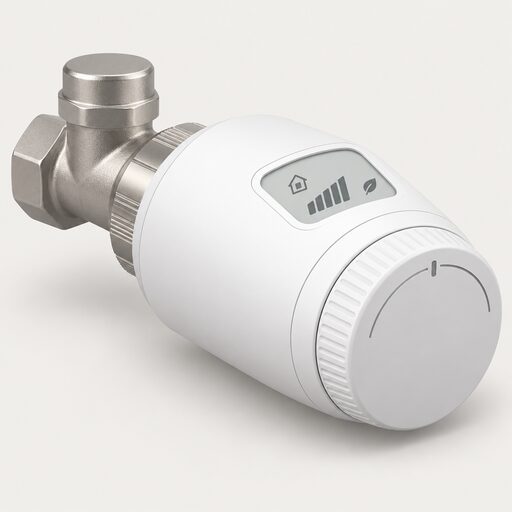 Controls and Energy IndependenceIf the broadband goes down, will your heating still come on?
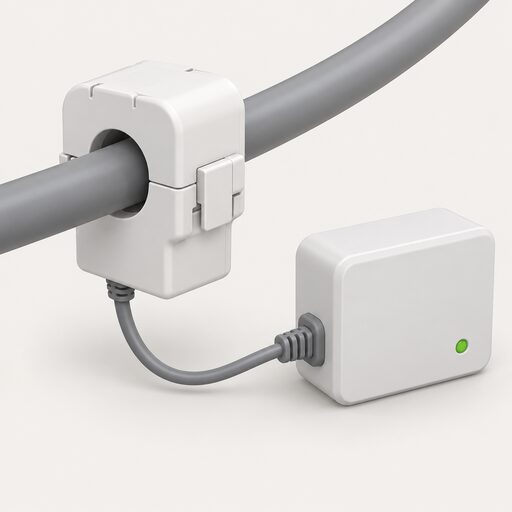 Monitoring and AppsIf the internet goes down, does the app still show what the battery is doing?
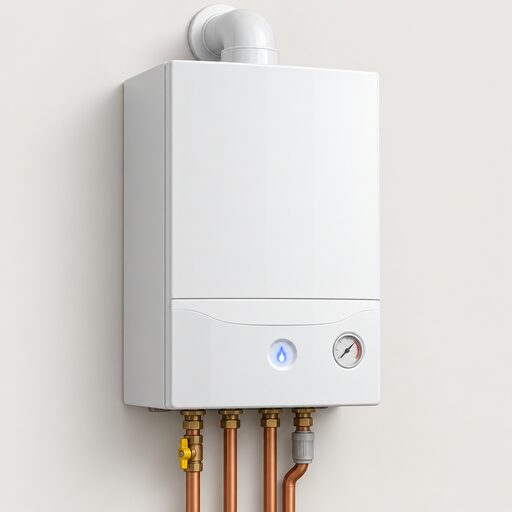 Suppliers and IndependenceCan you really cut your energy bills by making your own power, and how much of your supplier do you still need?
 Solar and Battery MonitoringWhat does your solar and battery app actually show you, and can you trust it?
 App Subscriptions and CloudWill you have to pay a monthly fee for the app that comes with your heat pump, boiler or solar setup?