
In this guide
Energy independence for a household is not a switch you throw. It is a set of small, unglamorous capabilities: knowing what you use, holding your own data and paperwork, understanding which parts of the system you control and which you do not, and knowing exactly who to contact when something breaks. None of these steps removes the grid, the supplier or the gas network. What they do is move the household from a passive position, where bills arrive and faults are discovered late, to an active one, where the numbers are visible and the responsibilities are known.
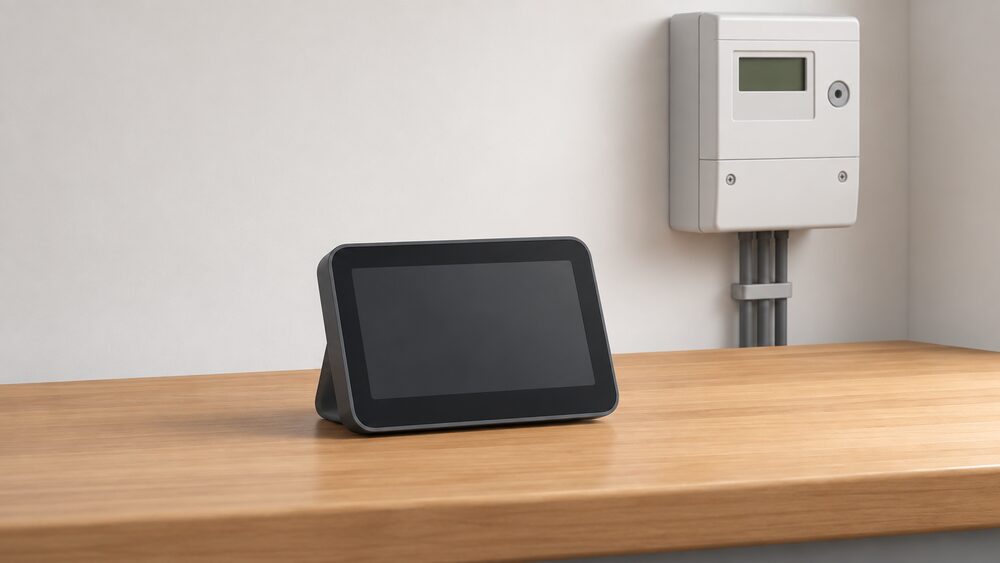
The single most consequential step for most homes is the smart meter, because it changes the information position. A smart meter automatically sends your electricity and gas meter readings to your supplier, so bills are based on accurate meter readings and not estimates1. It also opens access to more flexible tariffs, including dual-rate tariffs1. Installation is free, at no extra cost, arranged through your energy supplier2. Alongside it comes an in-home display, provided with every smart meter installation, showing how much gas and electricity is being used in kilowatt hours and its cost in as near to real-time as possible3.
What that does not do is reduce your bill by itself. The meter measures; it does not negotiate. Except by switching, you do not control the tariff your energy supplier sets, though you can change how much energy you use4. That distinction runs through every step below: the household controls consumption, data and its own records, and it influences but does not control price, network and supply.
What energy independence can realistically mean for a household
The honest version of this is narrower than the phrase suggests, and more useful. A household connected to the mains has three dependencies it cannot remove by behaviour alone: the physical network that delivers power and gas, the supplier that bills for it, and the wholesale market that sets the underlying price. What a household can do is reduce the volume it buys, shift when it buys it, and hold enough information to avoid paying for energy it did not use.
The consumption side is where the leverage sits. The data provided by your smart meter puts you in control of your energy usage, meaning you can take energy-saving steps to reduce your CO2 emissions4. Demand side response, where consumption is shifted away from peak periods, could make household energy bills cheaper8. That is a modelled or projected benefit rather than a guaranteed one, and it depends on the tariff a household is on and whether it can move load.
The generation side is a different kind of independence, and it is partial. Renewable technologies reduce your reliance on fossil fuels such as gas and oil and therefore reduce your fuel bills and carbon emissions9. But a household with solar panels is still connected, still importing at night and in winter, and still dependent on the grid for the majority of its energy across a year. The independence is in the self-consumed portion, not the whole.
There is also a resilience dimension that has nothing to do with price. Knowing where your meter is, how to read it, what your MPAN and MPRN are, and who to call when supply fails are the steps that matter during a power cut, a flood or a supplier collapse. Those are covered across this lane, from preparing a home for a power cut to who to call for an energy problem. The rest of this page deals with the metering and data layer, which is where most households can act first and at no cost.
The smart meter: what it does and what it does not
A smart meter is a measuring and communications device, not a control system. Its core function is to send your electricity and gas meter readings to your supplier automatically, which means bills are based on accurate meter readings and not estimates1. Readings travel via the DCC's secure network to your energy supplier4. That single change removes the estimated bill, the disputed catch-up and the chore of submitting figures.
The second function is tariff access. A smart meter lets you access more flexible tariffs, including dual-rate tariffs1. This matters because time-of-use pricing is the mechanism by which a household can pay less for the same consumption by moving it. Without a smart meter, those tariffs are generally not available.
The third function is informational. The data provided by your smart meter puts you in control of your energy usage4. That is the point at which a household can see what a tumble dryer, an immersion heater or a fan oven actually costs, rather than guessing.
What it does not do is set or cap your price. Except by switching, you don't control the tariff your energy supplier sets, but you can change how much energy you use4. It also does not remove the supplier from the relationship: the meter reports to them, and they remain responsible for its maintenance.
| Function | What it changes | What it does not change |
|---|---|---|
| Metering | Bills based on accurate readings, not estimates1 | The price per unit |
| Tariffs | Access to flexible and dual-rate products1 | The supplier's right to set rates |
| Information | Visibility of consumption in kWh and pounds4 | The household's total annual demand |
| Maintenance | Supplier responsibility for the meter7 | The household's liability for energy used |
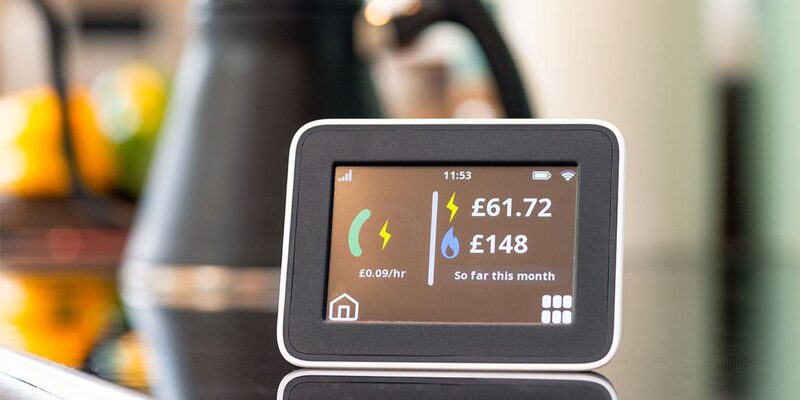
The in-home display: seeing your energy use in pounds and pence
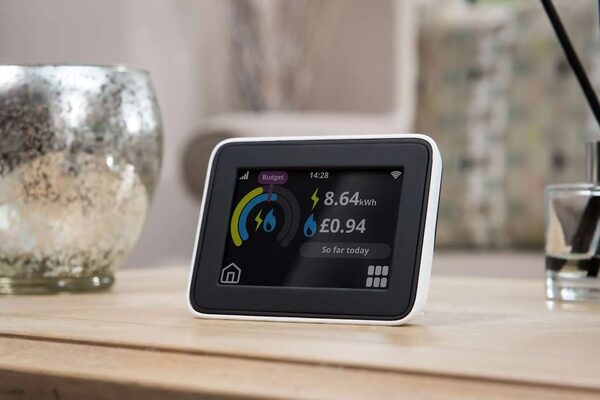
The in-home display is the part of the smart meter package a household actually looks at. Everyone who gets a smart meter installed will be provided with an in-home display4. It is a small portable device that tells you in pounds and pence how much energy you are using5. It shows how much gas and electricity is being used in kilowatt hours and its cost in as near to real-time as possible3.
The display has two modes depending on how you pay for energy4. In credit mode, where you pay your bill at the end of each month or quarterly, it shows your daily use and cost4. In prepay mode, you'll see your available balance for each fuel and how close you are to your next top-up4. Both modes allow you to set budgets to make your spending more effective4. Many models allow you to set alerts that warn you when you're getting close to your limits or when there are sudden increases in consumption and spending4.
For prepayment customers the display carries more weight, because it shows how much credit is left, when credit is running low and any debt on the account5. That is a practical safeguard against an unexpected self-disconnection.
One limitation is worth stating plainly. Your in-home display will show you how much energy you are buying from your supplier and in the future, may also be able to reflect self-generated energy such as from solar panels11. At present, a household with solar panels should not assume the display captures everything generated on site.
Cost: free installation, no upfront charge
There is no upfront charge to the household for a smart meter. You can get a smart meter installed by your energy supplier at no extra cost2. The same position is stated in the guidance on what a smart meter will not do: you can get a smart meter installed by your energy supplier at no extra cost12. The cost of the programme is recovered through the supplier relationship rather than billed as an installation fee.
That matters for the independence question because it means the information layer is available to any household regardless of budget. A household that cannot afford solar panels, a battery or a heat pump can still obtain the consumption data that makes every later decision better informed.
The free installation also extends to the display. With every smart meter installation, the customer is provided with an in-home display3. There is no separate purchase.
Where cost does appear is in the tariff, not the hardware. Energy suppliers have the flexibility to set their tariffs independently to reflect their costs of operating, a position stated specifically for Northern Ireland, where energy prices were not capped under the Energy Price Guarantee13. That is a reminder that the meter is free but the energy is not, and the price of the energy is set by the supplier within whatever framework applies in the nation concerned.
What a smart meter will not do: no automatic savings
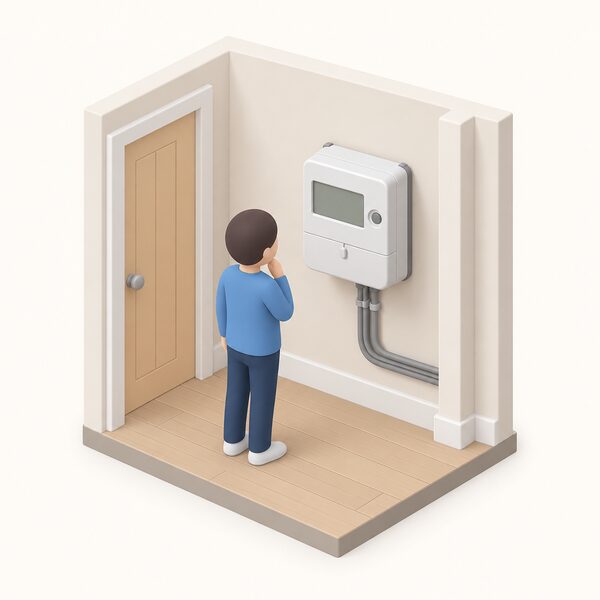
The most persistent misunderstanding about smart meters is that they reduce bills by themselves. They do not. The meter changes the accuracy of billing and the availability of information; the saving, if any, comes from what the household does with that information.
The mechanism is indirect. The data provided by your smart meter puts you in control of your energy usage, meaning you can take energy-saving steps to reduce your CO2 emissions4. Demand side response could make household energy bills cheaper8, but that is a projected benefit contingent on tariff design and on the household's ability to shift load.
What the meter does deliver automatically is billing accuracy. It ensures you only pay for the energy you've used, not the approximate costs of an estimated bill4. For a household that has spent years on estimated readings, that alone can change the size and timing of bills, though not necessarily the annual total.
The tariff remains outside the household's control except through switching. Except by switching, you don't control the tariff your energy supplier sets, but you can change how much energy you use4. That sentence is the whole of the realistic position: consumption is controllable, price is not, and the meter is the instrument that makes the first visible.
Tariffs and flexibility: dual-rate and time-of-use options
A smart meter is the entry ticket to flexible pricing. It lets you access more flexible tariffs, including dual-rate tariffs1. Dual-rate tariffs, familiar from Economy 7 and similar arrangements, charge different rates at different times of day. Time-of-use tariffs go further, with rates that vary across the day and, in some designs, in near real time.
The household benefit depends on being able to move consumption. Demand side response could make household energy bills cheaper8. That is the theory; the practice depends on which appliances a household can run at off-peak times and whether the tariff's peak rates are high enough to offset the saving.
The regulatory position differs by nation. Energy suppliers have the flexibility to set their tariffs independently to reflect their costs of operating, and energy prices were not capped in Northern Ireland under the Energy Price Guarantee13. Households in Northern Ireland therefore face a different tariff landscape from those in Great Britain, and should check what flexible products their own supplier offers rather than assuming a GB-wide structure applies.
For a household weighing whether a time-of-use tariff is worth it, the starting point is the consumption data the meter produces. Without a clear picture of when energy is used, a dual-rate tariff can cost more than a single-rate one. The meter supplies the evidence; the tariff choice is the household's.
Prepayment: topping up without a shop visit
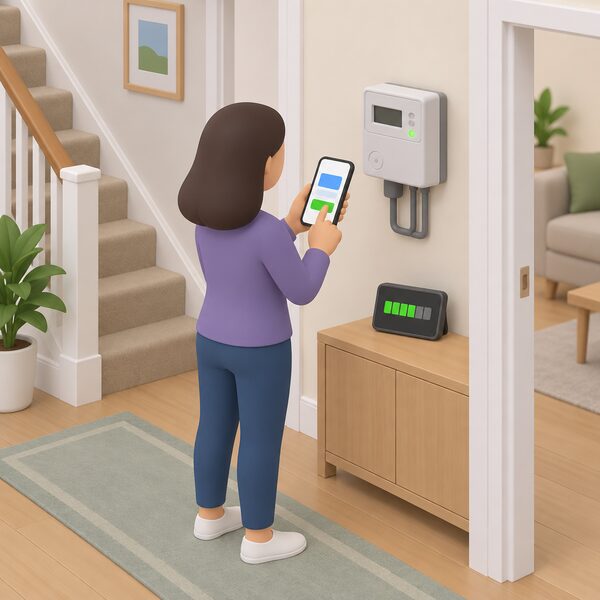
Prepayment has historically meant a trip to a shop with a key or card. Smart prepayment meters change that. If you have a smart prepayment meter, you may be able to top up online or using your supplier's mobile app14. That removes the geography problem, which matters most for households in rural areas or without easy access to a PayPoint.
Cash top-ups remain possible. You can do this at a local PayPoint store or Post Office using your meter's key or card, or a barcode for smart prepayment meters14. So the smart meter adds a channel rather than replacing the old one.
There is a firmer side to prepayment that households should understand, because it is a point at which control is exercised by the supplier rather than the household. Your supplier can install a prepayment meter without your permission if you are building up an energy debt and other ways of recovering your debt have not worked15. That is a debt-recovery mechanism, not a consumer choice.
The same logic appears in the heat network sector, where if no contact is made with the consumer during the Site Welfare Visit, and all engagement attempts have been exhausted, the supplier may proceed with remote mode switch to prepayment mode17. The pattern across both is consistent: remote switching is permitted only after defined engagement steps, and the household's protection lies in responding to those steps.
Data, privacy and how readings are shared
Smart meter data is shared under a consent structure, and the household sits at the centre of it. Today energy consumers approve data sharing with their supplier and the distribution network operator through the energy supply agreement18. That is the baseline permission that makes automatic billing possible.
Beyond that baseline, consent is more specific. In one documented case, the finding was that it's the bill payer that has to give consent for the data to be shared19. That matters in shared households, in rented properties and in any situation where the person named on the account is not the person managing the energy day to day.
The uses of the data are defined. The data you share through your smart meter is used to bill you for the energy you use; offer you new products and services, for example new tariffs (if you have given permission for this to happen); and help make the energy system more efficient by recording demand more accurately1. The middle item is the one to note: marketing and product offers depend on a separate permission.
There is a direction of travel towards using data to identify vulnerability earlier rather than waiting for a household to declare it. Suppliers are recommended to reduce reliance on self-disclosure by making greater use of existing data, frontline insight and partnerships with consumer groups and charities to identify vulnerability earlier and route consumers to support more consistently20. A parallel consultation proposes to explore how to make referral more automatic to reduce the burden on consumers, including advanced signposting, automatic onboarding of consumer details and proactive outreach21. Both point the same way: less paperwork for the household, more use of data already held.
For a household, the practical position is that the meter reports consumption, not lifestyle, and that additional sharing beyond billing requires permission. The independence gain is that the household's own record of its consumption is not dependent on the supplier's portal.
Switching supplier: what happens to your meter and display
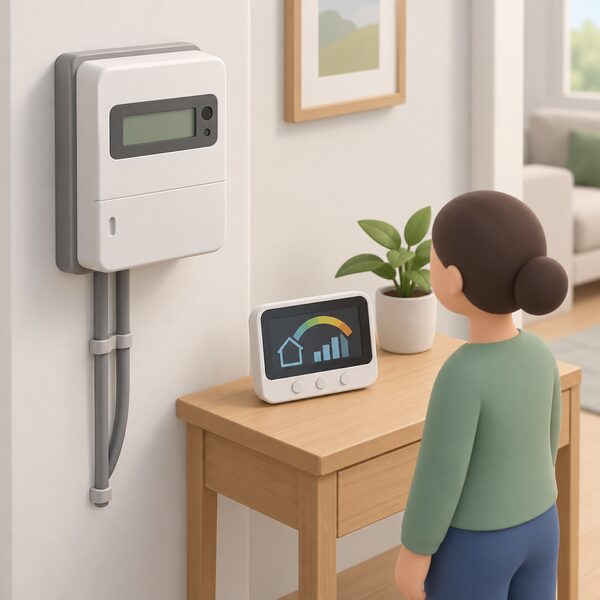
Switching is where the smart meter's portability is tested. The official position is that you can switch easily and quickly between energy suppliers without any disruption to your smart service22. That is the intended behaviour of the newer meter specification.
The qualification concerns older meters. SMETS1 meters could temporarily go 'dumb' and lose their ability to send automatic meter readings after you switch energy supplier10. A household with an early smart meter may therefore find that automatic readings stop after a switch, and manual readings become necessary again until the meter is enrolled onto the national network.
There is a further caveat even for newer installations. You can switch suppliers if you have a smart meter, but your new supplier might not offer all the smart meter services such as remote meter readings, and the meter may need replacing7. That is a real limit on the assumption that the meter is a permanent, supplier-neutral asset.
Switching itself is straightforward in normal circumstances. You do not need to do anything if your current supplier goes out of business; the regulator will automatically move you to a new supplier, and make sure your energy supply is not interrupted23. That automatic safety net is one of the more reassuring features of the market.
There is one debt-related barrier. You can switch if you have a prepayment meter and you owe your supplier up to £50023. Above that, the debt becomes an obstacle to moving.
Renting, solar panels and other special situations
The steps above assume a household with control over its own meter and supply. Several common situations change that.
Renting and landlord-supplied energy. Residents on a landlord's business contract may not have the right to choose your own energy supplier or switch suppliers yourself24. Where energy is supplied through a landlord's commercial contract, the household's control over tariff and supplier is removed entirely, and the practical steps reduce to consumption and record-keeping.
Leaseholders and solar. If you are a leaseholder you may need to get permission from your landlord, freeholder or management company before installing solar panels25. The same condition is stated in planning guidance: if you are a leaseholder you may still need to get permission from your landlord, freeholder or management company26. This is a permission step, not a prohibition, but it must be resolved before any installation.
Making the most of generation. For households that do install solar, the economics favour self-consumption. Rates for selling electricity to the grid are much lower than tariffs for using electricity from the grid, so using solar electricity yourself is much more cost-effective27. That is the single most important design principle for a household seeking independence through generation.
Advice before committing. Homeowners should seek independent advice on solar panels, heat pumps, and other energy efficiency measures from organisations such as the NI Energy Advice service28. Those technologies may offer an attractive payback to homeowners without grant support28. The advice point matters because the payback depends on the household's own consumption pattern, which the smart meter data will show.
Where to escalate. If a supplier fails to resolve a metering or billing problem, the Energy Ombudsman is free to use: consumers don't pay anything to bring their dispute to Energy Ombudsman29. That is the backstop when the ordinary channels do not work.
Sources29 cited
- Get help with your smart meter, Ofgem, 2026
- How to get a smart meter, Smart DCC, 2026
- Does a smart meter need Wi-Fi?, Smart DCC, 2026
- How do smart meters save energy?, Smart DCC, 2026
- Understanding smart meters, National Energy Action, 2026
- Smart meters, Energy Ombudsman, 2026
- Get help with your smart meter, Ofgem, 2026
- Demand side response research briefing, UK Parliament POST, 2026
- Renewable energy, Carmarthenshire Council, 2025
- How do you know if you have a smart meter?, Smart DCC, 2026
- Smart meters FAQs, Smart Energy GB, 2025
- Smart meters, Smart DCC, 2026
- Energy Price Guarantee up until 30 June 2023, GOV.UK, 2026
- Prepayment meters consumer guidance, Ofgem, 2026
- Installing a prepayment meter without your permission, Ofgem, 2026
- Check if energy suppliers can install prepayment meters without household permission, Ofgem, 2026
- Heat networks consumer protections draft guidance, Ofgem, 2025
- Smart data: tackling fuel poverty, Smart DCC, 2024
- Active Building Centre resident engagement case study, Welsh Government, 2024
- Consumer vulnerability strategy progress report, Ofgem, 2026
- Fairer, faster redress in the energy market, GOV.UK, 2025
- Smart meters: your rights and expectations, GOV.UK, 2025
- Switch your home energy supplier, Ofgem, 2026
- If you live in a home with a business energy contract, Ofgem, 2026
- Solar panels guidance, Islington Council, 2026
- Solar panels and permitted development, Richmond Council, 2026
- Solar panels, Hammersmith and Fulham Council, 2026
- Support to generate your own electricity, nidirect, 2025
- 20 things to know about Energy Ombudsman, Energy Ombudsman, 2026
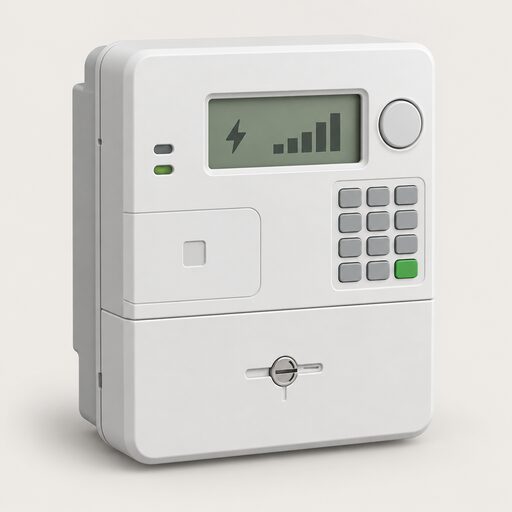 Who Owns Your Home Energy DataYour smart meter records how much gas and electricity you use, and that information belongs to you, not your supplier.
 Smart Meter Data and Who Sees ItWhat does your smart meter actually record, and who gets to see it?
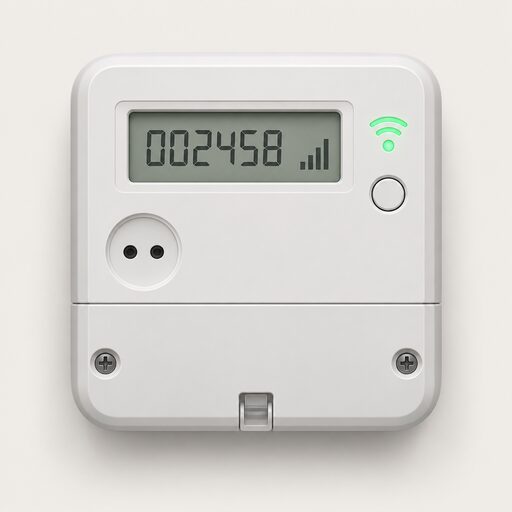 The Full Smart Meters GuideDo smart meters really save you money, and how do you use one to cut your bills?
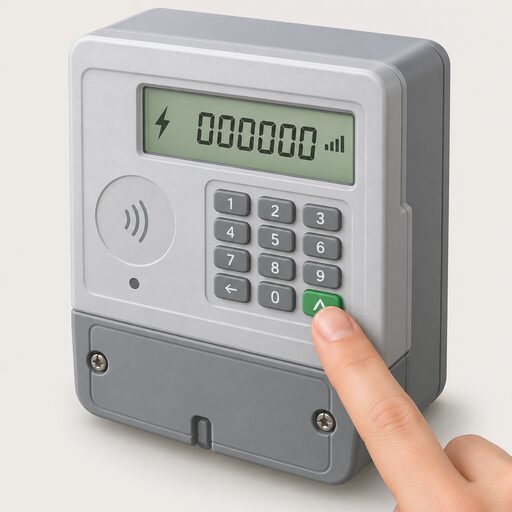 Get a Reading From a Smart MeterHow to bring up a meter reading on a smart electricity or gas meter when a manual reading is still needed, and the difference between the meter itself and the in-home display.
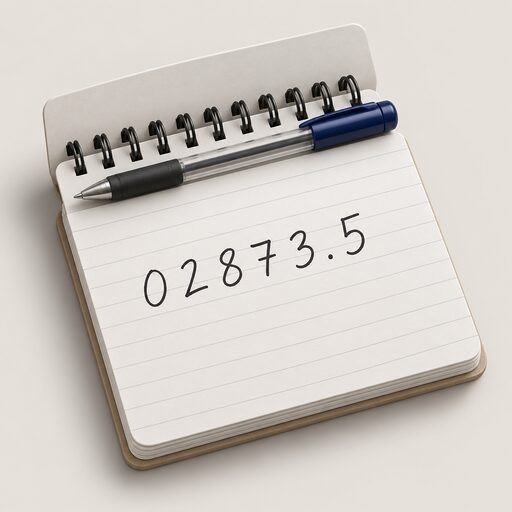 Take a Meter ReadingWhich numbers do you actually read on a gas or electricity meter, and which ones do you ignore?
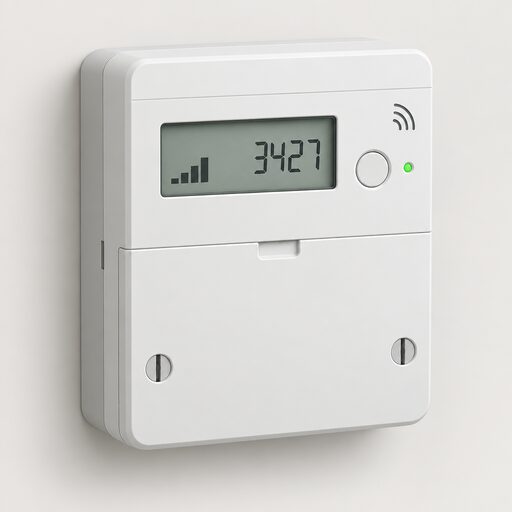 How a Smart Meter WorksHow a British smart meter measures gas and electricity, how the in-home display and the DCC's secure network fit together, what data leaves the house, what it costs, and where smart mode goes wrong.