
In this answer
Short answer
A smart meter does not tell you what a single appliance costs to run. It measures the whole house, and the in-home display turns that into pounds and pence in near real time1. To get an appliance figure you combine two things: the change you can see on the display when that appliance runs, and the arithmetic of watts, hours and your unit rate.
The arithmetic is straightforward. Units are calculated in kilowatt hours (kWh)2, and the price cap electricity unit rate used in published worked examples is £0.2635 per kWh3. An appliance's running cost is worked out from the amount of electricity it uses, in watts or kilowatts, and the length of time it is used, in hours or minutes5. The display will not do that division for you, but it will show you the load change that tells you the appliance is drawing what its label claims.
What the meter gives you is accuracy of a different kind: billing based on actual rather than estimated usage, with energy use recorded in half-hour periods6. That is the foundation for any appliance calculation, because it removes the guesswork from the baseline. What it does not give you is appliance-level attribution, and no amount of staring at the display will produce it.
What a smart meter shows about appliance running costs
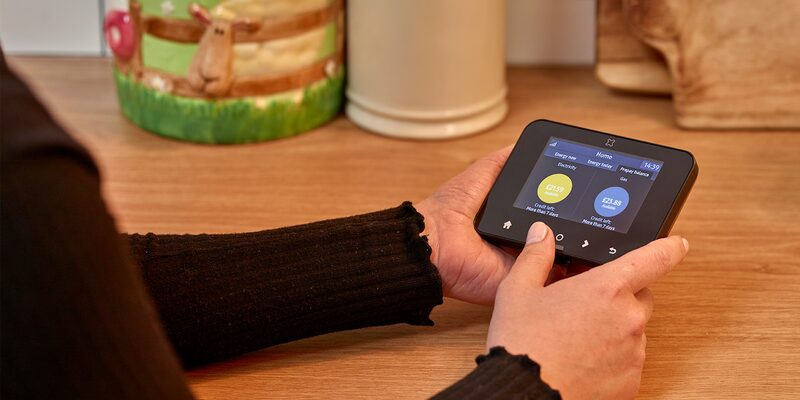
A smart meter comes with a digital display screen that shows how much energy is being used in real time and how much it costs in pounds and pence5. That is the whole-house figure. It shows how much energy you are using and what it is costing, so you can spot patterns, make informed choices and see how changes to your heating routine affect your bills10. The display is designed to provide a close real-time estimate of energy usage and costs based on the information received from your smart meter8.
The practical value for appliance work is the pattern, not the label. When a tumble dryer starts, the display jumps. When it stops, the display falls. Over a week you learn the shape of your household load: which hours are expensive, which appliances dominate, and how much of the total is standing load rather than active use. Smart meters measure how much gas and electricity you are using, as well as what it is costing you, and display this on a handy in-home display11.
What the meter cannot do is name the appliance. Smart meters only measure household energy use and do not know when individual appliances are turned on or off9. That limitation is structural, not a software gap: the meter sits at the supply point, upstream of every circuit. So the display tells you that power is flowing, not that the dishwasher is responsible.
For a household working on energy independence, this is the first rung. You cannot control what you cannot see, and the meter makes the total visible without a separate purchase. But the total is where its competence ends. Anything finer needs a different instrument, which is why smart plugs and appliance-level energy monitoring exist as a separate category, and why home energy monitors that clamp onto individual circuits are used alongside the meter rather than instead of it.
The maths: watts, hours and your unit rate
The calculation has three inputs. The first is the amount of electricity the appliance uses, in watts or kilowatts. The second is the length of time it is used, in hours or minutes. The third is your unit rate, calculated in kilowatt hours (kWh)2. Multiply kilowatts by hours to get kWh, then multiply by the rate.
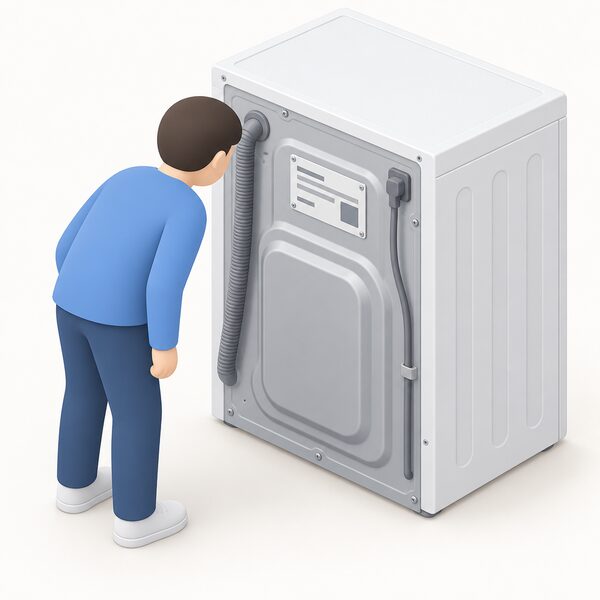
A worked example makes it concrete. A 0.2 to 0.3 kWh power rating run for 10 hours at £0.2635 per kWh is the form used in published appliance cost examples4. The same structure applies to any appliance: read the rating plate or the manual for watts, estimate realistic hours, and apply your own rate from your bill or tariff. The price cap rate is published by Ofgem and changes periodically, so the rate you use should be the one on your current tariff12.
| Input | Where to find it | Example |
|---|---|---|
| Power rating | Rating plate or manual, in watts or kilowatts | the amount of electricity the appliance uses, in watts or kilowatts5 |
| Running time | Your own estimate, in hours or minutes | the length of time it is used, in hours or minutes5 |
| Unit rate | Your bill or tariff, in pence per kWh | £0.2635 per kWh3 |
| Cost | kW x hours x rate | calculated in kilowatt hours (kWh)2 |
The meter's own data supports this because billing is based on actual rather than estimated usage, with energy use automatically recorded in half-hour periods6. That means the total on your bill is a real measurement, and any appliance estimate you build sits inside a known total. If your appliance arithmetic sums to more than the meter recorded, one of your inputs is wrong.
Where smart meter figures help and where they fall short
The honest position is that a smart meter will not automatically save you money. Smart meters will not automatically save you money, but the in-home display helps you keep track of how much energy you are using13. They do not reduce energy bills automatically, though they can help carers understand usage patterns more clearly14. While a smart meter can help with utility bills by sending automatic meter readings, it does not automatically save energy or money; practical changes are needed to save energy15.
What they do provide is information. Smart meters provide valuable information that could help save money on your energy bills16. The data puts you in control of your energy usage, meaning you can take energy-saving steps to reduce your CO2 emissions17. And the billing benefit is real: bills based on accurate meter readings and not estimates18.
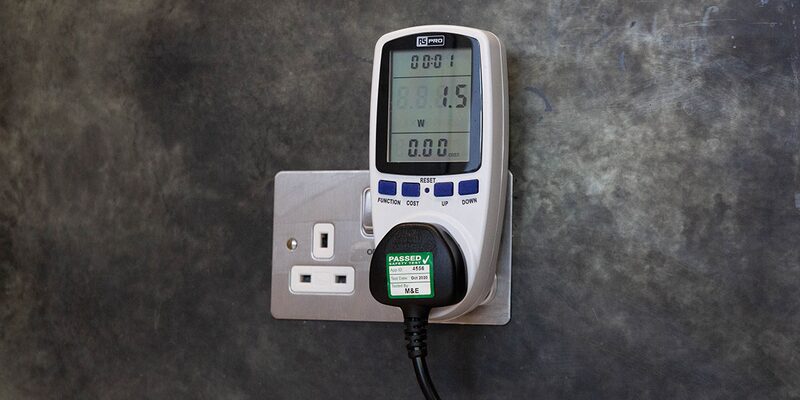
The shortfall is granularity. Smart meters measure household energy use only and do not know when individual appliances are turned on or off15. So the meter can tell you that one afternoon cost more than another, but not that the oven caused it. For appliance-level work you need either a plug-in monitor or a process of elimination: switch everything else off, run the target appliance, and read the change.
There is a second shortfall worth naming. The display is an estimate, not a bill. It is designed to provide a close real-time estimate of energy usage and costs based on the information received from your smart meter8. Standing charges, tariff changes and billing adjustments appear on the bill but not necessarily on the display. Where a bill rises after installation, it could be because you were previously receiving low estimates from your energy supplier, and your smart meter is now tracking energy use accurately19.
Free installation: what the smart meter itself costs
The meter costs the household nothing. You can get a smart meter installed by your energy supplier at no extra cost7. Smart meters are completely free, and there is no upfront charge for the installation20. Installations are free and can be completed by the energy supplier upon request21. If you do not have one, your supplier can install it for free22.
That position is consistent across the official and independent sources, and it applies whether you own or rent. Whether you are on a pre-payment plan or renting, you can benefit from a smart meter23. The installation itself typically takes about 90 minutes23.
The historical contrast is instructive. An early official report on smart metering assumed an average cost of around £150 per installation24. That figure belongs to a 2001 trial context and is not a charge to households today; it shows how the cost model has changed as the rollout became a supplier obligation rather than a customer purchase.
For energy independence, free installation matters because it removes the entry cost from the household's own monitoring. The meter is supplied infrastructure, like the service cable. What the household owns outright is the data and the decisions it supports, and the display is included so consumers can see and manage energy use to save money6. The smart meter cost page covers the tariff side of what you do pay for, which is the energy itself.
Turning readings into habits that cut the bill
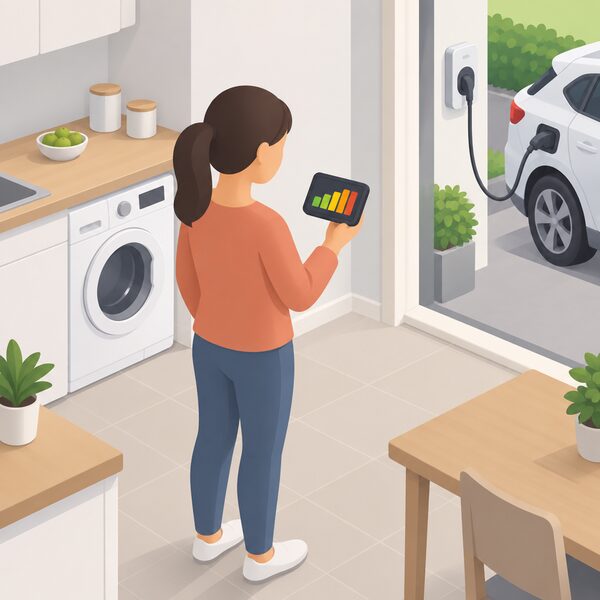
The display becomes useful when it changes behaviour. A customer reports that a smart meter helped access cheaper energy rates, charging the car and running the washing machine for less25. That is the time-of-use route: shifting flexible loads into cheaper windows, which is where a smart meter earns its place. The time-of-use tariffs page sets out how those windows work.
The habit loop is simple. Watch the display during a normal week and note the expensive hours. Move what can be moved: laundry, dishwashing, charging. Then check whether the total falls. Smart meters provide real-time information about the energy use in a household, helping customers avoid wasting energy and getting estimated readings and bills26. The information is the input; the change is the output.
For households with care needs, the pattern-reading has a different value. Smart meters do not reduce energy bills automatically, but they can help carers understand usage patterns more clearly14. A carer who can see that the heating is running at 3am has information a bill alone would not give.
"My smart meter has helped me access cheaper energy rates; now I charge the car and run the washing machine for less."
The independence question is worth stating plainly. A smart meter reduces dependence on estimated billing and on guesswork about what a household consumes. It does not reduce dependence on the grid, the supplier or the tariff, and it does not by itself lower a bill. The household still buys every unit from a supplier, and the meter is the supplier's device at the boundary. What changes is that the household can see the boundary clearly, and can act on what it sees. For the wider picture, smart meters and energy independence sets out where monitoring ends and self-supply begins.
Sources26 cited
- Supporting energy security, Smart Energy GB, 2026
- Energy and water saving advice, WW Utilities, 2026-09-20
- Understanding energy bills, StepChange, 2026-09-20
- What appliances use more electricity, Smart Energy GB, 2026-03-16
- Smart meters, National Grid, 2026-09-17
- Smart meters: your rights and expectations, GOV.UK, 2025-08-08
- How to get a smart meter, Smart DCC, 2026
- Smart meters vs home energy monitors, Smart Energy GB, 2026-08-17
- Automatic meter readings, Smart Energy GB, 2026-04-07
- Maintaining the ideal home temperature, Smart Energy GB, 2026-08-17
- An introduction to smart meters and prepay, Smart Energy GB, 2026-03-16
- Energy price cap, Ofgem, 2026-09-17
- Smart metres, Energy Systems Catapult, 2025-08-19
- Smart meters and carers, Smart Energy GB, 2026-08-19
- How carers could prepare for higher energy bills, Smart Energy GB, 2026-03-16
- Saving money with a smart meter, Smart Energy GB, 2026-03-16
- Smart meters and decarbonisation, Smart DCC, 2026
- Get help with your smart meter, Ofgem, 2026-09-17
- Are smart meters accurate, Smart Energy GB, 2026-03-16
- Guide to smart meters, Energy Saving Trust, 2026-07-15
- Energy UK explains smart meters, Energy UK, 2024-11-14
- Should I switch to a time-of-use tariff, Energy Saving Trust, 2026-01-23
- Smart meters in Wales, Welsh Government, 2026
- Smart metering report, Ofgem, 2001-09
- Benefits of smart meters, Smart Energy GB, 2026-03-16
- Support with energy bills, Energy UK, 2025-09-03
 Appliance Running CostsWorking out what your appliances cost to run comes down to two things: how much power they use and what you pay per unit of electricity.
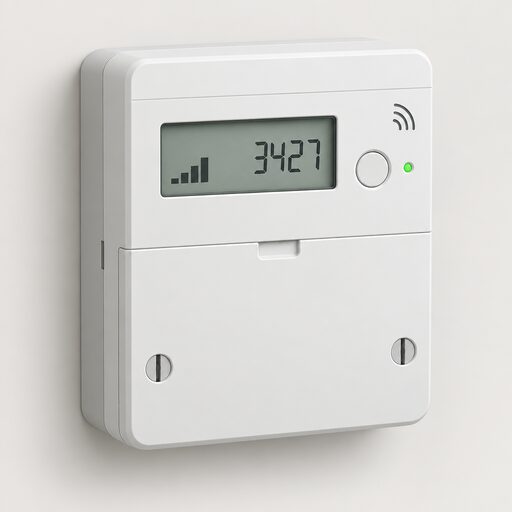 How a Smart Meter WorksHow a British smart meter measures gas and electricity, how the in-home display and the DCC's secure network fit together, what data leaves the house, what it costs, and where smart mode goes wrong.
 Smart Thermostats ExplainedWhat does a smart thermostat actually do, and is it worth it?
 In-Home DisplaysWhat does the little screen that came with a smart meter actually tell you, and what can you do when it stops working?
 Consumer Access DevicesHow do you get your smart meter readings into your own app instead of the supplier's display?
 The Full Smart Meters GuideDo smart meters really save you money, and how do you use one to cut your bills?