
In this guide
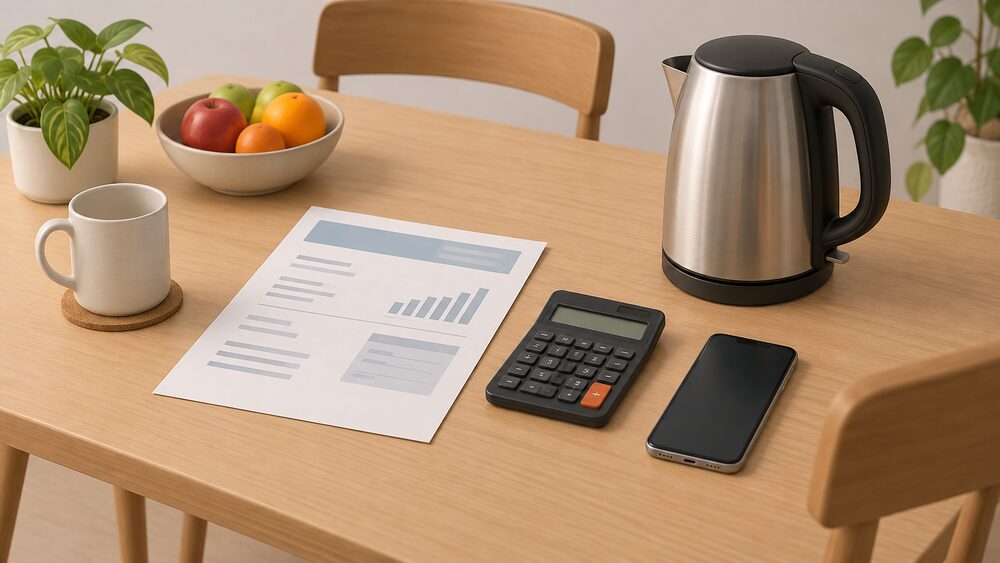
Every appliance running cost in the UK comes back to one multiplication. Take the power rating in watts, multiply it by the unit rate in pence per kilowatt hour, and divide by 1,000. That gives pence per hour. A 2,500 W tumble dryer at a 26.35p unit rate works out at about 66p an hour; a 150 W fridge at the same rate works out at 4p an hour1.
The unit rate is the variable that changes everything else. Ofgem sets the price cap on unit rates and standing charges, and units are calculated in kilowatt hours3. StepChange puts it plainly: units are calculated as pence per kiloWatt hour4. Because the cap is reset periodically, the same appliance costs different amounts in different quarters, and the published figures below carry the date they were calculated.
The figures that follow come from a mix of official bodies, consumer organisations and energy suppliers. Where they disagree, both numbers are given. Where a figure is a maker's own claim about its own product, it is labelled as such. Nothing here is a recommendation of any appliance, tariff or supplier.
The formula: watts × unit rate × hours = running cost
The arithmetic is simple enough to do on a phone. National Energy Action sets it out as: appliance running cost (p/hr) = power rating (W) x electricity unit rate (p/kWh) ÷ 10007. Everything else on this page is that formula applied to real appliances at real rates.
Two inputs matter. The first is the power rating, printed on the appliance plate or in its manual. Electrical Safety First lists typical ratings: a kettle at up to 3,000 W, typically 2,200 to 3,000 W; an air fryer at up to 2,600 W, with single-drawer versions around 1,500 W and twin-drawer versions closer to 2,600 W8. The second is the unit rate, which comes from the bill, not from memory.
A worked example from Smart Energy GB shows the method with a 2.5 kWh power rating, one hour of use and a £0.2635 energy price cap rate, giving 64p per hour for an electric heater2. The same page uses a 0.2 to 0.3 kWh power rating over 10 hours at the same rate2. Note the units: a 2,500 W appliance is a 2.5 kW appliance, and the formula divides by 1,000 to make that conversion.
The Centre for Sustainable Energy publishes a table of appliances at their average power ratings with cost per hour and cost per 10 minutes. A fridge at 150 W costs 4p an hour; a kettle at 3,000 W costs 13p per 10 minutes; an electric shower at 9,000 W costs £2.34 an hour, or 39p per 10 minutes; a tumble dryer at 2,500 W costs 65p an hour, or 11p per 10 minutes; an oven at 2,100 W costs 55p an hour1.
Worked examples: kettle, air fryer, oven and shower costs per use

Per-use costs are more useful than hourly ones for appliances used in short bursts. The Centre for Sustainable Energy's figures give a kettle at 13p per 10 minutes and an electric shower at 39p per 10 minutes at July 2026 rates1. A separate calculation for a 7.5 kW electric shower puts a ten-minute shower at 31p9. The two figures differ because of the power rating and the unit rate used; both are published, and the two figures are not directly comparable.
For cooking, the range is wider. Smart Energy GB gives an air fryer at 36p to 44p an hour, based on a 1.4 to 1.7 kWh power rating at a £0.2635 rate2. Uswitch's air fryer guide gives a compact air fryer at 21p to 52p an hour and £41.78 to £104.44 a year based on 200 hours of cooking, and a large air fryer at 47p to 73p an hour and £94 to £146.22 a year on the same basis5. A one-hour air fryer run at a 1.4 kW rating is put at 35p in a separate calculation9.
Ovens cost more per hour. The Centre for Sustainable Energy gives 55p an hour for a 2,100 W oven1, ivie gives around 57p an hour for an average modern electric oven10, and Uswitch gives 52p to £1.31 an hour for an electric oven drawing 2 to 5 kWh, or £104.44 to £261.10 a year at 200 hours of cooking5. StepChange gives an electric oven at 1.56 kWh per use4.
| Appliance | Power or energy | Cost per hour | Cost per use |
|---|---|---|---|
| Kettle | 3,000 W | 13p per 10 mins1 | 13p per 10 mins1 |
| Electric shower | 9,000 W | £2.341 | 39p per 10 mins1 |
| Electric shower | 7.5 kW | not given | 31p per 10 mins9 |
| Air fryer | 1.4 to 1.7 kWh | 36p to 44p2 | 35p per hour9 |
| Compact air fryer | 0.8 to 2 kWh | 21p to 52p5 | £41.78 to £104.44 a year5 |
| Large air fryer | 1.8 to 2.8 kWh | 47p to 73p5 | £94 to £146.22 a year5 |
| Electric oven | 2,100 W | 55p1 | 1.56 kWh per use4 |
| Electric oven | 2 to 5 kWh | 52p to £1.315 | £104.44 to £261.10 a year5 |
| Tumble dryer | 2,500 W | 65p1 | 11p per 10 mins1 |
| Fridge | 150 W | 4p1 | not given |
An official case study from the Optimised Retrofit Programme in Wales records one tenant's day of washing, dishwasher use and 30 minutes of oven use at £2.24 with a hybrid system switched off11. That is a whole-day figure rather than a per-appliance one, but it shows how quickly cooking and wet appliances accumulate.
Tumble dryers: the most expensive appliance in the home
The tumble dryer is the appliance most likely to dominate a household's electricity bill. Smart Energy GB gives a one-hour cycle at 46p to £1.29, based on a 1.8 to 5 kWh energy use per hour at a £0.2635 rate2. National Energy Action puts a vented or condenser tumble dryer cycle at £1.21 to £1.5612. The two ranges overlap but do not match, and the upper ends differ.
Annual figures show the same pattern. Which? testing gives an average annual running cost of £139 for a condenser tumble dryer, with the cheapest at £114 and the most expensive at £18113. A heat pump tumble dryer averages £54 a year on the same testing13. ivie gives £138 as the average annual cost of a traditional condensing tumble dryer, and notes that some models reach £316 a year10. Confused.com puts a tumble dryer at £12.82 a month on a standard variable rate tariff14.
The gap between condenser and heat pump models is the single largest appliance-level difference on this page: £139 against £54 a year in the same testing programme13. That is a difference of £85 a year, and it is a difference in the appliance, not in how it is used.
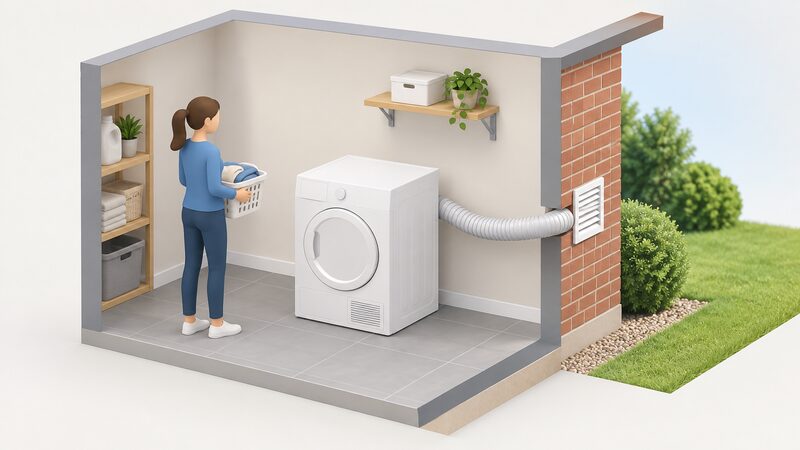
Running a tumble dryer on a lower heat setting could save energy compared to a high-heat setting12. Energy Saving Trust states that relying exclusively on a tumble dryer for all clothes drying wastes £50 a year in Great Britain16. Confused.com puts the saving from stopping altogether at £50 to £60 a year14. Washer-dryers are pricier still: Welsh Government guidance citing Which? testing says washer-dryers cost over £200 a year on average, and that condenser tumble dryers and American-style fridge freezers each add an average of over £125 a year17.
Kettles, ovens and air fryers: which way of cooking and boiling is cheapest
Per hour, the air fryer is the cheapest of the three cooking methods covered here, and the oven the most expensive. Smart Energy GB gives the air fryer at 36p to 44p an hour2; Uswitch gives a compact air fryer at 21p to 52p and a large one at 47p to 73p5; the oven runs at 52p to £1.31 an hour5. The overlap between a large air fryer and a low-power oven is real, so the appliance size matters as much as the appliance type.
Annual figures from Which? testing put average air fryer running costs at £33, based on cooking a meal twice a week, against £59 for a freestanding electric cooker used three times a week and £67 for an electric range cooker on the same basis13. Electric range cookers span £39 to £99 a year, and the highest air fryer running cost among the models tested was £5313.
Cooking time is the other half of the comparison. Uswitch reports that air fryer recipes typically reduce cooking times by 20% compared with oven recipes5. Energy Saving Trust gives a specific example: cooking a 600g chicken breast costs £0.14 in an air fryer16.
Kettles are cheap per use but used constantly. Which? puts average annual kettle running costs at £39, assuming a litre of water boiled twice a day and the minimum fill line three times a day13. Confused.com gives a kettle at around 24 kWh a month for 15 minutes of daily use, or £6.85 a month on a standard variable rate tariff14. Boiling more water than needed for one cup wastes around £10 a year in Great Britain and £12 in Northern Ireland16. Confused.com puts the saving from boiling only what is needed at around £10 a year, or £11 in Northern Ireland14.
The EDF Customer Support Fund lists air fryers and slow cookers among the smaller appliances it will fund, describing them as cheaper to run than conventional ovens18. That is a scheme rule rather than a general finding, but it reflects the same cost pattern.
LED bulbs: up to 90% less energy and up to 20 years of light
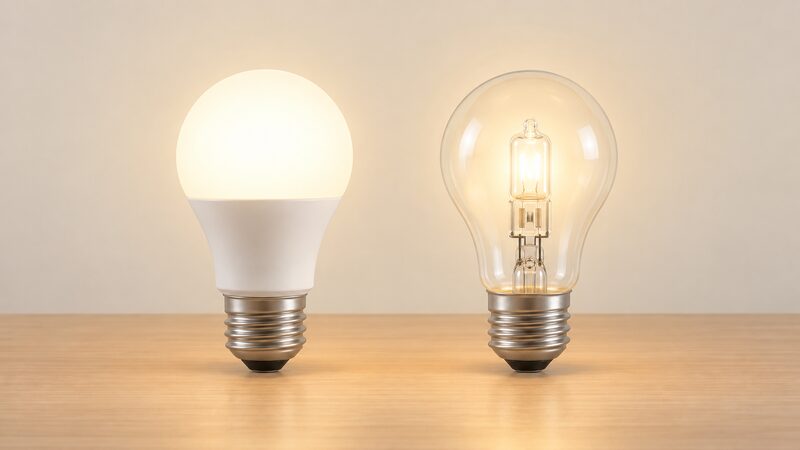
Lighting is the cheapest large saving in most homes because the replacement is a one-off purchase with a long life. Uswitch reports that LED bulbs use up to 90% less energy than other bulbs and can last up to 50,000 hours, which it describes as over five and a half years if left on continuously19. Energy Saving Trust gives LED bulbs at around 80% less energy than halogen lights20. Electrical Safety First gives energy-saving bulbs at around 80% less energy and up to 10 times the life of regular bulbs, saving up to £60 over the lifetime of the bulb21.
The annual saving figures vary by source and by nation. Energy Saving Trust puts replacing all halogen bulbs with LED at £45 a year in Great Britain and £55 in Northern Ireland20. The same organisation gives £45 in GB and £55 in NI for energy efficient LED lights generally22. British Gas Energy Trust says replacing bulbs with LEDs could save up to £40 a year23. Smart Energy GB gives £40 for replacing all the bulbs in the home24. East Herts Council cites £100 a year on average, with a 75% lower carbon footprint25.
The range across published sources is £40 to £100 a year, and the difference reflects different assumptions about how many bulbs are replaced, how long they are used and what unit rate is applied. The Northern Ireland figure is consistently £10 higher than the Great Britain figure in the sources that give both20.
"In fact, replacing all of your home's halogen light bulbs with LED bulbs could save you £45 in GB and £55 in NI a year."
Standby costs and small habits that add up to real savings
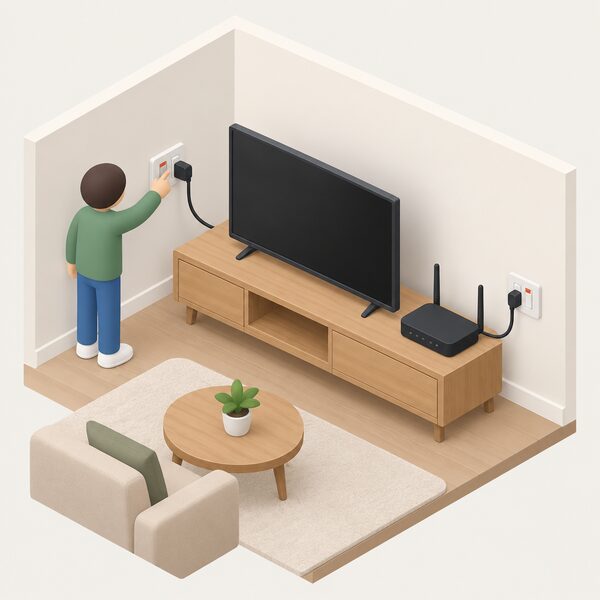
Standby is a small per-appliance cost that becomes a real annual figure across a home. The Centre for Sustainable Energy reports that leaving TVs, broadband routers, set-top boxes, games consoles and other appliances on standby costs the average household £45 a year, and that some appliances cost up to £10 to keep on all year while others cost just a few pence26. Energy Saving Trust gives around £45 a year in Great Britain and £55 in Northern Ireland from switching appliances off standby6. British Gas Energy Trust gives up to £45 a year23, and Smart Energy GB gives around £3524.
The £35 figure and the £45 figure are both published and the two estimates differ. The £45 figure appears in more sources and is the one repeated across Great Britain and Northern Ireland with a nation-specific split26.
Other habits with published figures include setting an electric shower at the lowest comfortable temperature and checking for an eco setting27, and running a tumble dryer on a lower heat setting12. The Centre for Sustainable Energy's energy saving myths page is the place to check claims that do not come with a figure attached26.
The price cap, VAT and why your unit rate changes the maths
The unit rate used in every calculation above comes from the price cap, which Ofgem sets and which changes each quarter3. Because the cap moves, the same appliance costs different amounts in different periods, and published figures carry the date they were calculated.
Smart Energy GB's appliance calculator used a £0.26 per kWh July 2025 price cap electricity rate for its footnote calculations2, and a £0.2635 rate in its worked examples2. The Consumer Council's appliance cost checker uses the current regulated Power NI unit rate of 34.150p, and notes that costs may increase or decrease as that rate changes28. That is the Northern Ireland position: a separate regulated rate, not the Ofgem cap.
Quarter-on-quarter changes are small but real. Smart Energy GB's example appliance set, covering a kettle, TV, air fryer, laptop, games console, electric oven, electric shower, LED lighting and an energy panel heater, was £37 a month at April 2026 rates, down £5 on the January to March 2026 cap and down £3 on the October to December 2025 cap27. A separate calculation of the same set gives £39 a month, down £5 on the previous cap and £2 on the one before12. The two monthly figures, £37 and £39, are both published and the two estimates differ.
The wider context is that electricity prices are 38% higher than in mid-2021, according to Commons Library research29. The Climate Change Committee's 2017 analysis found that energy efficiency savings, largely from improved standards for appliances like refrigerators and boilers, had saved households about £490 since 200430.
Using an appliance cost checker to estimate your own usage
Published tables give averages. A household's own figures depend on its appliances, its usage and its unit rate, and a cost checker substitutes the household's inputs for the average ones.
The Consumer Council's Appliance Cost Checker Tool gives estimates of how much electrical appliances cost to run per day, per week and per year, with daily as the default setting28. It uses the current regulated Power NI unit rate of 34.150p, so its outputs are Northern Ireland figures, and it notes that costs may increase or decrease as that rate changes28. The data behind it is supplied by the Centre for Sustainable Energy28.
Smart Energy GB's appliance energy calculator produces a monthly cost for a set of appliances based on the current energy price cap2. Its example set came out at £43 a month in one calculation32 and £39 a month in another12. The Centre for Sustainable Energy publishes its own appliance table with cost per hour and cost per 10 minutes at average power ratings1.
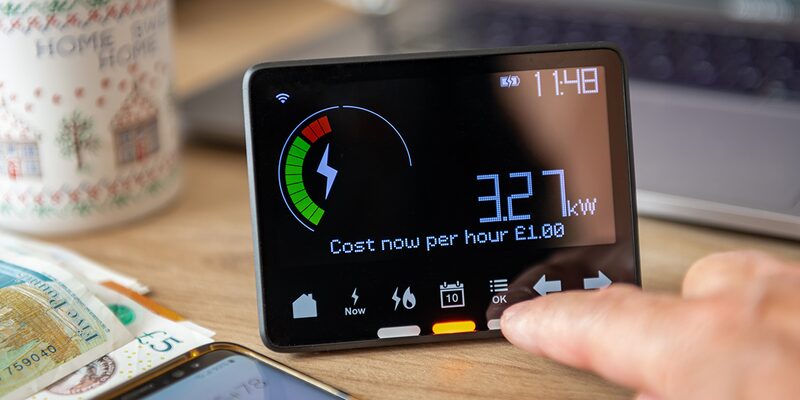
A smart meter's in-home display shows consumption in near real time, which lets a household check a published figure against its own meter24. The display is the practical link between the formula and the bill: switch an appliance on, watch the rate change, and the arithmetic on this page becomes a measurement rather than an estimate.
For households wanting to go further, the Welsh Government's Optimised Retrofit Programme case study records a tenant's daily appliance costs in a real home11, and the UK government publishes a separate exemption scheme for appliances burning unauthorised fuel, with a fee of £1,610 excluding VAT for the first appliance in a range and £470 excluding VAT for each additional appliance31. That scheme is not about running costs, but it shows the scale of the fees attached to certain appliance approvals.
Sources32 cited
- How much electricity am I using, Centre for Sustainable Energy, 2026
- What appliances use more electricity, Smart Energy GB, 2026
- Energy price cap, Ofgem, 2026
- Understanding energy bills, StepChange, 2026
- How much does it cost to run an air fryer, Uswitch, 2026
- Quick tips to save energy, Energy Saving Trust, 2026
- NI electrical items cost, National Energy Action, 2025
- Ratings of electrical appliances, Electrical Safety First, 2026
- Free electricity bank holiday weekend, Uswitch, 2026
- How to save energy at home, ivie, 2026
- Optimised Retrofit Programme case study, Welsh Government, 2024
- Avoid using the dryer, Smart Energy GB, 2026
- How much your appliances cost to run, Which?, 2026
- Appliances: how much do yours cost to run, Confused.com, 2025
- Which warns against buying cheap appliances, Which?, 2023
- Energy mistakes to avoid, Energy Saving Trust, 2025
- Five top tips from Which to cut your energy bills, Welsh Government, 2026
- EDF Customer Support Fund, EDF, 2026
- Informal carers and energy bills, Uswitch, 2025
- Christmas energy saving tips, Energy Saving Trust, 2026
- 10 ways to go green with electricity, Electrical Safety First, 2026
- Top energy saving ideas for your home improvement project, Energy Saving Trust, 2026
- What are the best energy saving tips for households in the UK, British Gas Energy Trust, 2026
- The accessible in-home display, Smart Energy GB, 2026
- Home and business grants, schemes and advice, East Herts Council, 2026
- Energy saving myths, Centre for Sustainable Energy, 2026
- Water efficient shower heads, Smart Energy GB, 2026
- Appliance cost checker tool, Consumer Council, 2026
- Research briefing on energy prices, House of Commons Library, 2026
- UK climate action has reduced emissions without increases in household energy bills, Climate Change Committee, 2017
- Get an exemption for an appliance to burn unauthorised fuel, GOV.UK, 2026
- Boiler flow temperature, Smart Energy GB, 2026
 Running CostsA portable air conditioner costs roughly twenty to forty pence for every hour it runs, while a fixed unit uses far less electricity for the same cooling.
 Air Conditioning CostPublished UK equipment prices and the parts of an installed price for portable, single split, multi-split and whole-house air conditioning.
 Electric Heating CostsHow to work out what electric radiators, panel heaters, infrared and storage heaters cost to run per hour and per season.
 Running Costs by FuelHow the cost of heat compares across mains gas, heating oil, LPG, electricity, solid fuel and heat pumps once efficiency and the price cap are applied.
 Heat Pump Running CostsWhat does a heat pump cost to run each year, and is it cheaper than a gas boiler?
 Cost of Energy IndependenceA heat pump and better insulation are the usual starting point, but what does the whole job really cost, and what help is there with the bill?