
In this answer
Short answer
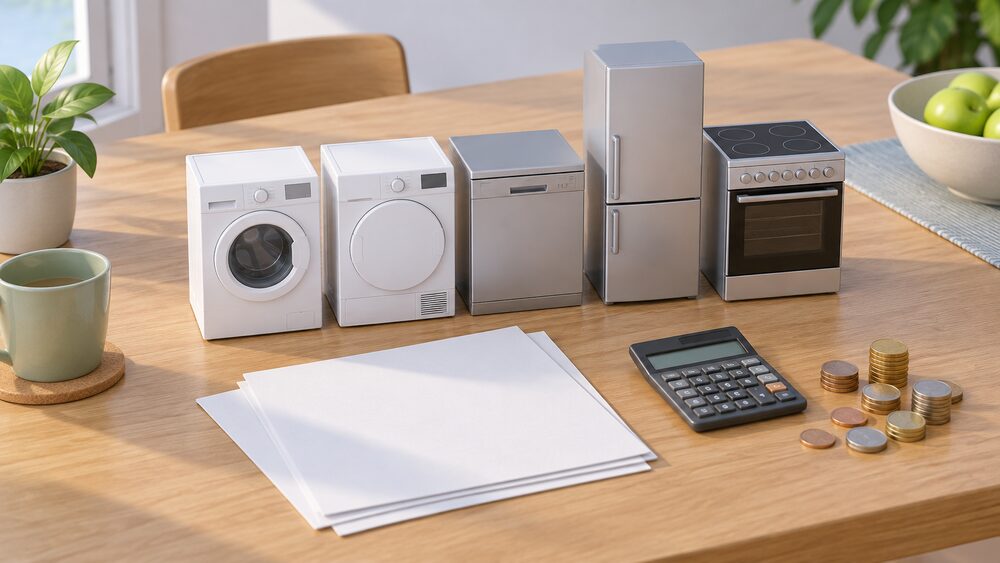
The heaviest electricity users in a UK home are the wet appliances and the cold appliances. Washing machines, dishwashers and tumble dryers account for 14% of a typical energy bill, making them the most energy-thirsty group in the house1. Fridges and freezers, which must run continuously, account for around 13% of the average household's energy bill1. Kitchen appliances including the hob, oven, kettle and microwave take around 4%1.
Within the wet group, the tumble dryer stands out. It is described as the most energy-consuming appliance used in the home2, and tumble dryers consume more energy than most washing machines3. A single cycle uses 3 to 5 kWh4, and National Energy Action puts the cost of a vented or condenser dryer cycle at approximately £1.21 to £1.565. The five appliances named as the top consumers, an oven, dishwasher, fridge, washing machine and tumble dryer, could cost £1,327 a year to run combined6.
Ranking appliances is the first step in deciding what to change. It also shows how much of the bill is fixed by continuous duty rather than by habit, and how much can be shifted by how a machine is loaded, programmed and switched off.
The wet appliances: around 14% of a typical energy bill
Wet appliances are the laundry and dishwashing group, and they are the single largest cluster of consumption in most homes. Washing machines, dishwashers and tumble dryers account for 14% of a typical energy bill1, a figure repeated in guidance on washing up versus dishwashing9. A separate estimate puts wet appliances at nearly 10 per cent of a typical household's energy bills10, and the two figures are measuring slightly different things: the 14% covers the three appliance types together, while the narrower figure is a broader wet-appliance share. Both point the same way.
The group matters because it is the most controllable. Cold appliances run whether anyone is home or not, but laundry and dishwashing happen when a household chooses. That is why the same sources that rank wet appliances highest also rank them first for behaviour change: only running the washing machine with a full load, and drying clothes outside instead of using a tumble dryer, are named among the recommended actions for cutting electricity use11.
For a household working towards energy independence, this group is where self-consumption of rooftop solar is easiest to arrange, because runs can be timed. It is also where dependence on the grid is hardest to remove entirely: a tumble dryer on a wet week, or a dishwasher after a large meal, draws whatever the panels and battery cannot supply. The practical question is not whether the appliance can run off-grid but how much of its load can be moved into daylight hours.
"Washing machines, dishwashers and tumble dryers account for 14% of a typical energy bill, making them the most energy thirsty appliances."
Tumble dryers, dishwashers and washing machines compared
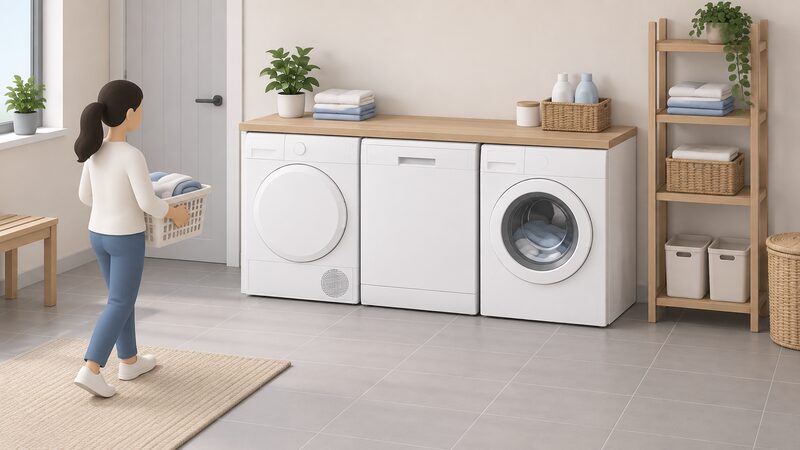
The three wet appliances are not equal. Tumble dryers are ranked as one of the most energy-consuming home appliances12, and the dryer is called the most energy-consuming appliance used in the home2. Washing machines, dishwashers and tumble dryers together are described as the most energy consuming home appliances13, but within that group the dryer does the heaviest lifting per cycle.
| Appliance | Energy per cycle | Cost | Share of bill |
|---|---|---|---|
| Tumble dryer | 3 to 5 kWh4 | £1.21 to £1.56 per cycle5; 78p at 3 kWh on the July 2026 price cap rate14; 11p per 10 minutes for a 2,500 W unit15 | Part of the 14% wet-appliance share1 |
| Dishwasher | Not stated per cycle | £10 a year saved in GB, £13 in NI, by cutting one run a week16 | Almost 8% of the electricity bill7 |
| Washing machine | 400 to 1,300 watts average wash cycle6 | Not stated per cycle | Part of the 14% wet-appliance share1 |
| Washer-dryer | Not stated per cycle | Over £200 per year on average17 | Combined washer and dryer duty |
The washer-dryer is the outlier in cost terms. Washer-dryers are the priciest appliances to run, costing over £200 per year on average, according to Which? testing cited in Welsh Government guidance17. That is a combined figure for two functions in one cabinet, and it reflects how often the drying function is used.
The dishwasher comparison is more favourable than most people expect. A modern dishwasher will usually be more efficient than handwashing, both in electricity and water9, and if a full load is run at a medium temperature it can use less energy than washing up by hand18. The condition is the full load: a half-empty dishwasher loses the advantage.
How running habits change what each appliance costs
The running cost of any appliance is a product of three things: its power rating, the unit cost of electricity and the time it runs. The formula is appliance power rating in kW multiplied by the electricity unit cost in pounds multiplied by time used in hours19. That means two identical machines can cost different amounts in two households, purely through loading and programme choice.
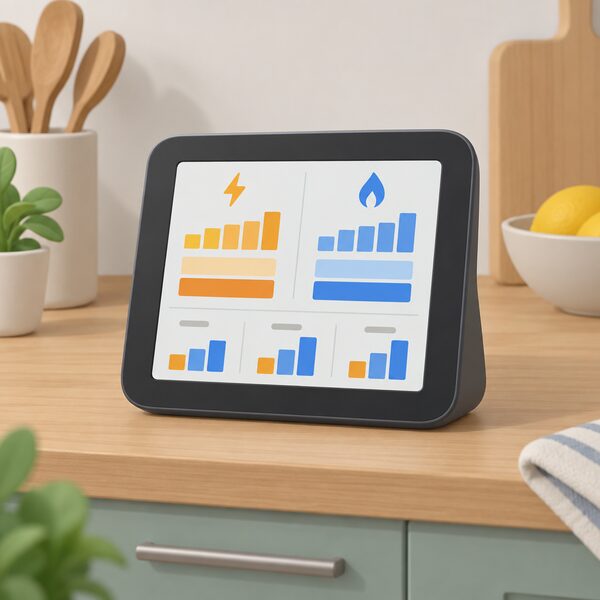
The tools for checking this are widely available. The Consumer Council's Appliance Cost Checker Tool gives estimates of how much electrical appliances cost to run per day, per week and per year, with daily as the default setting20, and it also provides tips on saving money on electricity bills and improving energy efficiency21. A smart meter's in-home display shows how much gas and electricity is used and how much is spent on energy for each hour, week and month22, and smart meter data can be analysed to identify energy usage across different appliance categories, updated weekly23.
For households that can shift load, timing matters. Official guidance notes that people with children, shift workers and households with medical devices may need to consume electricity at peak times24, which is a reminder that load shifting is not available to everyone. For those who can, the display is the practical instrument: it shows what a run costs at the moment it happens, on the tariff actually being paid.
Reading the label: energy ratings and what they mean
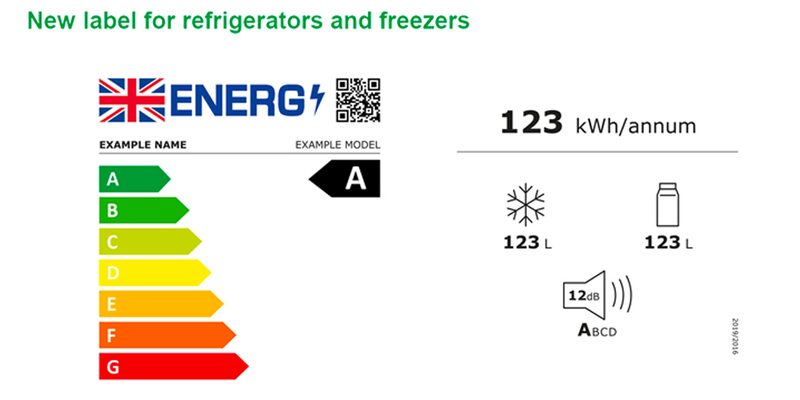
Energy labels rate appliances from A to G, with A the most energy efficient and G the least8. The same scale is described in consumer guidance as an energy rating from A to G that tells you how energy efficient the appliance is25, and in appliance guidance as ratings going from A, the most efficient, using the lowest kWh, through to G, the least efficient, which uses much more kWh6.
The label carries more than the letter. All labels include the product's energy efficiency rating alongside product-specific data, and a QR code to scan for more information7. Labels also print suggested kWh usage per annum for each appliance, which is what allows comparison between differently sized products15.
That size link is the part most often missed. The energy rating is generally linked to size, so of two A-rated products of the same type, the bigger one uses more energy26. A large A-rated fridge-freezer can therefore consume more than a small B-rated one. The annual kWh figure on the label is the like-for-like number; the letter is a within-size comparison.
Independent guidance suggests considering energy efficient models, which may be A-rated27. The label is a starting filter, not a running-cost prediction, because it assumes standard use. A household that runs a machine daily will see a different annual cost from one that runs it weekly, whatever the letter on the door.
Cutting appliance electricity use without replacing anything
Most of the reduction available in a kitchen and utility room needs no purchase. Turning appliances off at the wall rather than leaving them on stand-by is a named recommended action11, and almost all electrical appliances can be turned off at the plug without affecting their settings28. You can turn almost all electrical appliances off at the plug without upsetting their programming29.
Some appliances must stay on. Fridges and freezers need to be on all the time29, so they are excluded from any switch-off routine. For everything else, the pattern is straightforward: full loads in the washing machine, drying outside rather than in a tumble dryer11, and the wall switch rather than standby.
Cooking offers a substitution rather than a switch-off. Guidance notes that more energy may be saved by using an air fryer or microwave instead of an oven30. That is a change of appliance for the task, not a change to the appliance.
For households planning upgrades rather than habit changes, the ranking above sets the order of work. The quick wins and no-cost measures page covers the free changes, and behaviour change and household habits sets out how much habit alone can save. Where an appliance is being replaced, appliance upgrade savings covers what a more efficient model is worth over a year, and the tumble dryer versus air drying comparison deals with the single heaviest user in the wet group. Households starting from the beginning of a wider plan can begin at Getting Started with Home Energy.
Sources32 cited
- Top five energy consuming home appliances, Energy Saving Trust, 2026-08-03
- Save energy in summer, ivie, 2024-09-30
- 10 ways to go green with electricity, Electrical Safety First, 2026-09-19
- How much energy do I use?, Uswitch, 2026-07-10
- Avoid using the dryer, Smart Energy GB, 2026-04-22
- How to save energy at home: home appliances, ivie, 2026-09-20
- Home appliances, Energy Saving Trust, 2026-05-20
- New energy efficiency labels for tumble dryers in Northern Ireland, Energy Saving Trust, 2026-05-20
- Washing up or dishwasher, Uswitch, 2025-01-13
- How to save energy when using your washing machine, Energy Saving Trust, 2025-08-27
- Financial help with electricity bills, British Gas Energy Trust, 2026-02-12
- Easy ways to save energy, Home Energy Scotland, 2026-09-20
- How to save energy in the kitchen, Home Energy Scotland, 2025-04
- Heated clothes airers: energy efficiency, Uswitch, 2026-07
- How much electricity am I using?, Centre for Sustainable Energy, 2026-07
- How to save energy and money if you rent your home, Energy Saving Trust, 2025-11-14
- Five top tips from Which? to cut your energy bills, Welsh Government Climate Action, 2026-03-18
- Energy saving myths, Centre for Sustainable Energy, 2026-07
- Energy saving in the kitchen, Smart Energy GB, 2026-08-18
- Appliance Cost Checker Tool, Consumer Council for Northern Ireland, 2026
- Save energy and money, Consumer Council for Northern Ireland, 2026-09-20
- What is a smart meter: easy read, Smart Energy GB, 2026-03-16
- Appliance Tracker FAQs, Uswitch, 2026-09-20
- Research briefing: electricity demand and peak times, UK Parliament POST, 2026-06-07
- Buying a more energy efficient appliance, Citizens Advice, 2026-09-20
- Top five tips to save energy in the kitchen, Energy Saving Trust, 2026-05-20
- Top energy savings tips, National Energy Action, 2026-07-13
- Switching appliances off standby, Smart Energy GB, 2026-04-22
- Quick tips to save energy, Energy Saving Trust, 2026-08-21
- Cold weather energy saving: your top tips, Energy Saving Trust, 2025-09-22
- Tips to help you during a power cut, Electricity North West, 2026-09-19
- Power cuts help, NIE Networks, 2026-09-20
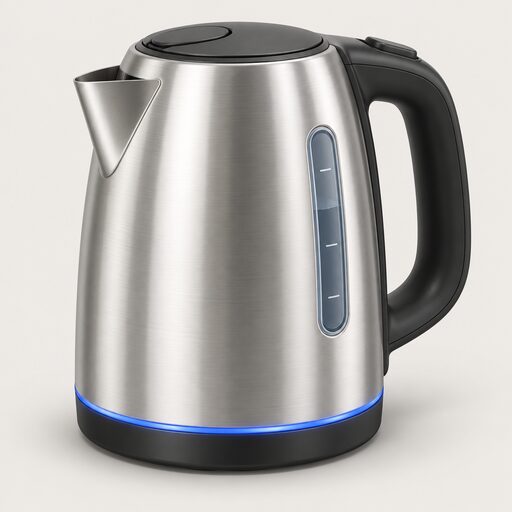 Appliance Running CostsWorking out what your appliances cost to run comes down to two things: how much power they use and what you pay per unit of electricity.
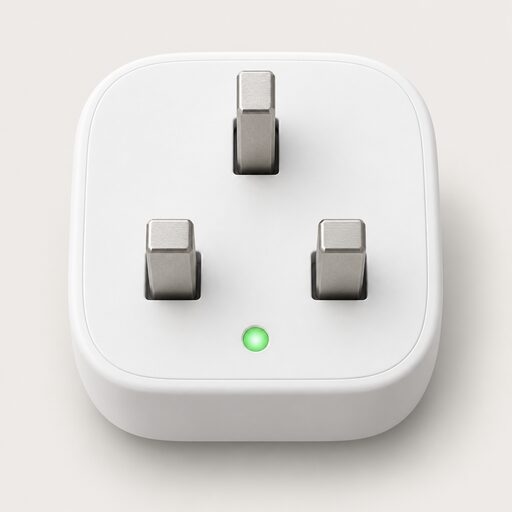 Smart Plugs and MonitoringWhich appliances are worth putting a smart plug on, and will it really show you what each one costs to run?
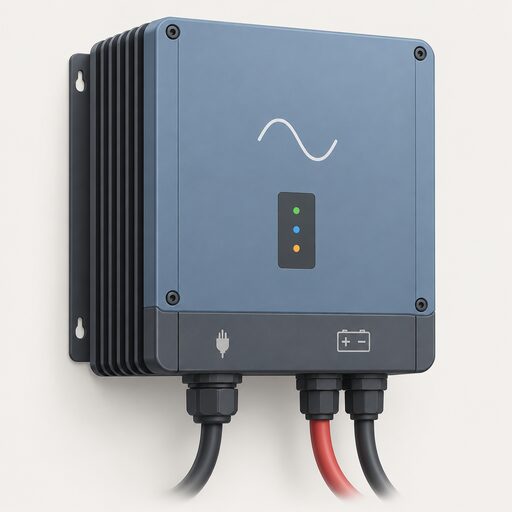 Inverters and Inverter-ChargersIf the power goes off, what actually keeps your fridge and boiler running?
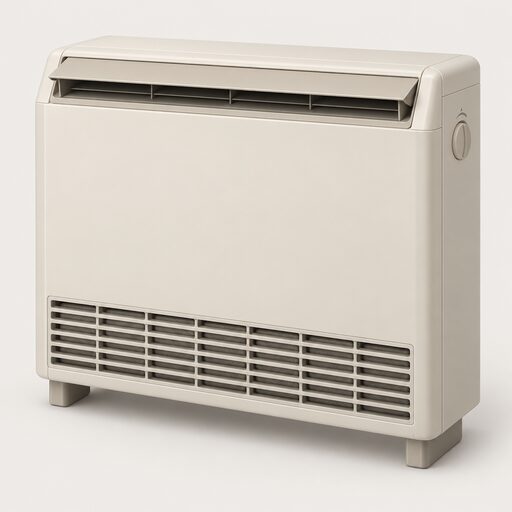 Electric Heating CostsHow to work out what electric radiators, panel heaters, infrared and storage heaters cost to run per hour and per season.
 Quick Wins and No-Cost MeasuresThe measures that need little or no outlay: thermostat and flow temperature settings, heating controls, kettle and tumble dryer habits, appliance ratings and smart meter data.
 Electric Radiators and PanelsDo electric radiators cost more to run than gas heating, and are they worth it for one room or a whole house?