
In this guide
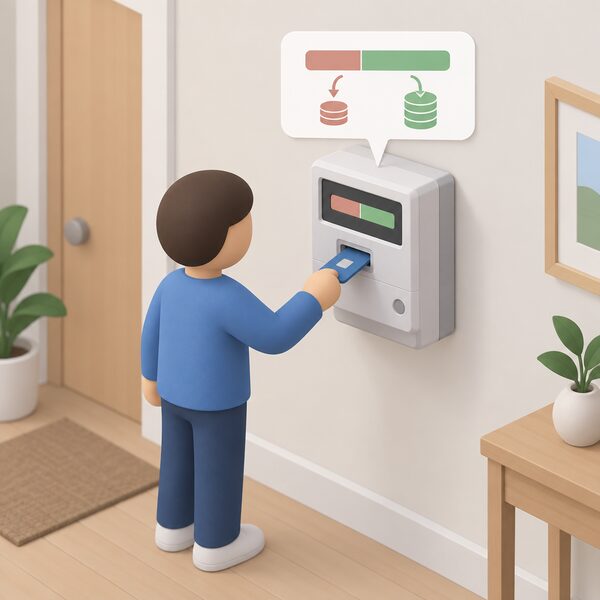
A prepayment meter can carry a debt as well as a supply. When a household owes money to an energy supplier, the meter can be set so that part of every top-up goes to the debt and the rest becomes credit for gas or electricity. The debt is recovered either as a percentage of what you top up, as a fixed weekly amount, or both1.
The split is the thing most households want to know. If the debt repayment is set at 30%, every £10 top up means £3 goes towards the debt and £7 is added as credit1. If the debt repayment is set at £6 a week and you top up £10 a week, £6 goes towards the debt and £4 is added as credit, and missed payments are added up and deducted from the next top up1. A meter can be set up so that debts are paid by both a percentage and a fixed weekly amount, meaning two lots of debt repayment and only a small amount of top-up money credits the meter1.
The rate is not meant to be arbitrary. Under the Electricity (Prepayment Meter) Regulations 2006, the repayment rate and repayment amount must be calculated by the supplier to take into account the customer's ability to pay the total of all charges recovered through the prepayment meter, and the agreement must state in writing the amount of each element of the sum owed, the repayment rate and repayment amount, and the date the sum owed will be fully repaid2.
How repaying energy debt through a prepayment meter works
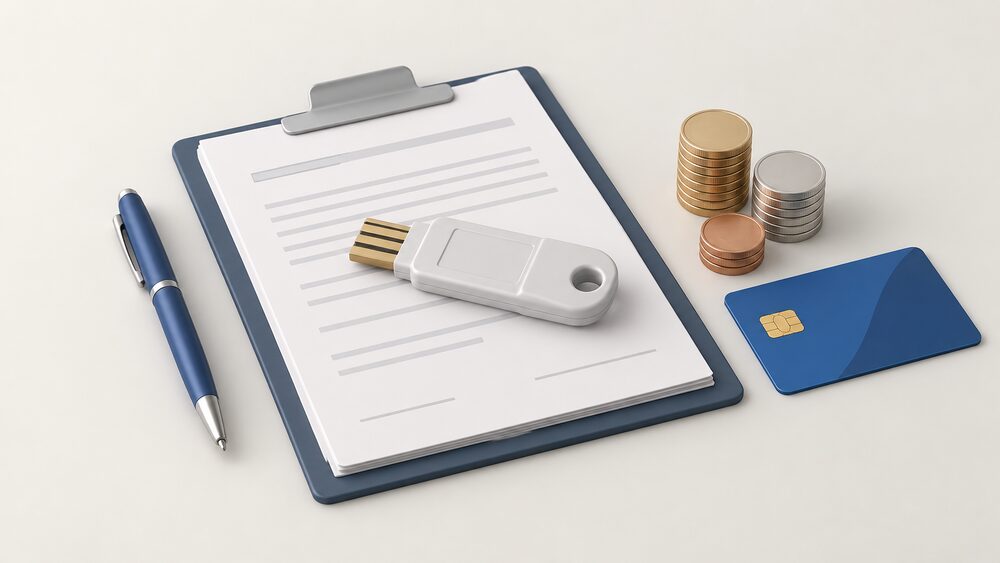
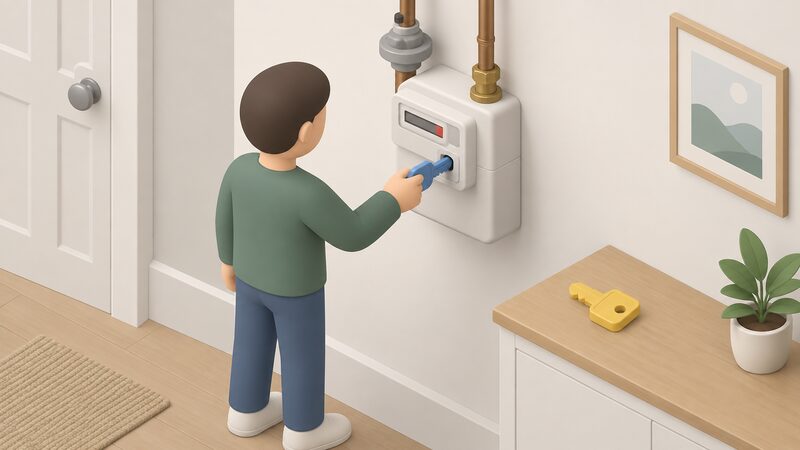
Using a prepayment meter means you pay for your energy before you use it, on a pay-as-you-go basis, usually by buying credit with a key, smart card, online or over the phone7. The same meter can also be the collection mechanism for money already owed. Suppliers often recommend a prepayment meter for customers already in fuel debt, set up to repay a specific amount of fuel debt each week based on affordability7.
That dual function is the whole design. The meter does two jobs at once: it meters consumption and it meters repayment. Ofgem notes that a prepayment meter can be helpful if you are on a tight budget and do not want to pay for what you use all at once, want more control, or are struggling with debt8. The same official guidance describes the arrangement as paying for electricity or gas in advance rather than after you have used it9.
For a household's energy independence, the arrangement cuts both ways. It removes the risk of a large catch-up bill, because energy cannot be consumed without credit being present, and it gives a visible, daily relationship with what is being spent. What it does not remove is dependence: on a supplier to set and review the rate, on a top-up network of shops, apps and cards, and on the meter firmware itself. A prepayment meter is not a route off the grid or off a supplier. It is a different way of paying one.
The debt element is also the part most likely to go wrong quietly. Because the deduction happens automatically at the point of top-up, a household can be repaying a debt without a clear picture of the balance, the rate or the end date. The 2006 Regulations exist precisely because that information has to be given in writing: the amount of each element of the sum owed and what it relates to, the repayment rate and repayment amount, and the date the sum owed will be fully repaid2.
How debt gets onto the meter in the first place
Debt usually arrives on a prepayment meter by transfer. Debt from a credit meter account may be transferred onto a prepayment meter by the energy company, with automatic repayments taken each time you top up1. The household does not have to agree a new repayment schedule at the moment of transfer; the meter simply begins collecting.
The other route is involuntary installation. A supplier can move a customer to a prepayment meter without permission if they are building up debt and have not responded to the supplier's attempts to help8. Ofgem sets out the same condition in its guidance on installation without permission: the supplier may install if you are building up an energy debt and other ways of recovering your debt have not worked4.
Before that point, the supplier is expected to try something else. It must make reasonable efforts to agree another way for you to repay your debt and offer support if you are struggling to pay10. Ofgem's statutory consultation on meters installed under warrant put the same expectation on companies: they should do more to avoid warrants where possible, including better identification of consumers in vulnerable situations throughout the debt recovery process11.
There is a hierarchy in the rules that matters here. Any installation of prepayment meters with the explicit consent of the consumer must be explored before disconnection, which should be an absolute last resort12. So the sequence the framework describes runs from an agreed repayment arrangement, to a consented prepayment meter, to an involuntary prepayment meter, with disconnection at the end and heavily discouraged.
Setting the repayment rate: what your supplier must consider
The repayment rate is a regulated calculation, not a commercial one. The Electricity (Prepayment Meter) Regulations 2006 require that the repayment rate and repayment amount have been calculated by the supplier to take into account the customer's ability to pay the total of all charges recovered through the prepayment meter2. The same regulations require the agreement to state in writing the amount of each element of the sum owed and to what it relates, the repayment rate and repayment amount, and the date the sum owed will be fully repaid2.
In practice, that means a household can ask what the rate is, what it is based on, and when the debt ends. Those three items are the ones the regulations name. A rate set without reference to ability to pay, or an agreement that never states an end date, sits outside what the rules describe.
The rate also has to be reviewed when circumstances change. Ofgem's guidance for households getting help with energy bills states that suppliers should review your current payments and debt repayments13. A change in income, a new benefit award, a bereavement or a medical diagnosis are the kinds of change that bear on ability to pay, and therefore on the calculation the regulations require.
There is a further protection that applies to the meter itself rather than the rate. Ofgem's review of how suppliers support customers in vulnerable situations set out a licence obligation on providing appropriate support to customers in vulnerable situations using prepayment meters, who have self-disconnected or self-rationed or are at risk of doing so14. Self-rationing, where a household keeps the meter topped up but uses less energy than it needs, is treated in the same bracket as running out.
Where a meter develops a fault, the supplier should confirm the problem and offer a solution by fixing it remotely or replacing it with a new one1. A meter that is deducting the wrong amount is a fault in that sense, and the correction route runs through the supplier first.
What a top-up actually buys: the split between energy and debt
Every top-up is divided at the meter. You pay for your energy before you use it, by topping up a card or key in a shop, online or using a phone app1. Of that payment, the debt recovery takes its share first, and the remainder becomes credit.
The two mechanisms behave differently, and the difference matters when money is tight.
| Recovery method | How it works | Example on a £10 top-up |
|---|---|---|
| Percentage of top-up | A set share of every payment goes to debt | At 30%, £3 to debt, £7 as credit1 |
| Fixed weekly amount | A set sum is taken each week regardless of top-up size | At £6 a week, £6 to debt, £4 as credit1 |
| Both together | Percentage and fixed weekly amount applied at once | Two lots of debt repayment, only a small amount credits the meter1 |
The fixed weekly method carries a specific risk. If the weekly amount is not covered by that week's top-up, missed payments are added up and deducted from the next top up1. A household that tops up irregularly, or in larger, less frequent amounts, can find a single top-up swallowed by accumulated weekly deductions.
The percentage method scales with what is paid in, so a small top-up produces a small deduction. But it also means the debt is repaid more slowly when top-ups are small, and the arrangement lasts longer.
Where both are applied, the combined effect is the one to watch. It is possible to have your meter set up so that debts are being paid by both a percentage and a fixed weekly amount, and in that configuration only a small amount of top-up money credits the meter1. A household in that position is repaying twice over from the same payment.
"It is possible to have your meter set up so that debts are being paid by both a percentage and a fixed weekly amount."
Emergency credit and what happens when the meter runs empty
Prepayment meters give you a small amount of emergency credit which is designed to maintain your energy supply after your regular credit runs out, and it is reclaimed from the next top-up7. The amount is not fixed across the market; it varies by meter and supplier and is shown on the meter.
Emergency credit is a buffer, not a supply guarantee. Once your credit runs out you will not be able to use any energy until you top up again9. That is the point at which self-disconnection begins, and it is a distinct state from disconnection by a supplier: no one has switched anything off, the meter has simply stopped passing energy through.
The financial consequence continues after the supply stops. The standing charge, and any fuel debt, will still apply even if you completely run out of credit, stop topping up your meter, or stop using energy altogether7. A household that self-disconnects for a fortnight therefore returns to a meter that has accrued standing charges and debt deductions in the meantime, so the first top-up after a gap can be largely absorbed.
Parliament has examined this directly. The Pre-payment Meters (Self-disconnection) Bill was introduced to require energy companies to allow a grace period before disconnecting customers with pre-payment meters who have run out of credit, to require energy companies to offer debt management support to all customers, and for connected purposes15. The bill's existence indicates that the current framework does not guarantee a grace period.
Protections when a supplier wants to switch you to prepayment
A supplier can install a prepayment meter without permission only within a defined set of conditions, and the process around it is prescribed. The permitted conditions are that you are building up an energy debt and other ways of recovering your debt have not worked4. The supplier can get a warrant to enter your property and install a prepayment meter, or remotely switch your existing smart meter to prepayment mode4.
Before installation, the supplier should explain why they have made their decision, tell you when they plan to install the meter, explain what will happen during the installation, and tell you how to contact them if your circumstances have changed or you think they have made the wrong decision16. The supplier must also visit your home to understand your circumstances and check whether a prepayment meter is safe and suitable for your household4.
Some households are excluded outright. Your supplier must not install one if there are any vulnerable people in your household, including terminal illness or severe health condition, dependence on continuous energy supply for medical equipment, everyone 75 or over with no support, a child under 2, no one able to top up due to physical or mental health condition, or temporary circumstances such as pregnancy or bereavement16.
Where a meter is switched to prepayment mode without consent, the supplier must ensure that the consumer receives prepayment meter credit, unless it is technically infeasible or otherwise outside of the supplier's control17. Ofgem's household guidance states that your supplier must give you £30 credit once they have installed the meter or remotely switched your existing meter to prepayment mode4.
Compensation is separate from that credit. Ofgem has set compensation of £1,000 for inappropriate installation, switch or use of a prepayment meter5. Eligibility for the compensation route covers households forced to have a prepayment meter between 1 January 2022 and 21 January 2023 where the supplier did not follow the rules properly4.
Switching supplier while you owe money: the £500 limit
Debt does not lock a household to a supplier, but it does set a ceiling. Ofgem's switching guidance states that you can switch if you have a prepayment meter and you owe your supplier up to £5003. Above that figure, the debt has to be dealt with before a switch proceeds.
The £500 limit is a debt threshold, not a rule that the debt disappears. Ofgem requires suppliers to include a statement for PPM customers saying that those in debt may be able to switch supplier if their new supplier agrees to take on the debt18. The new supplier's agreement is the operative part: the debt transfers rather than being written off.
Being on a prepayment meter does not prevent customers from switching tariff or supplier, and the process is the same as for credit meter customers7. Tenants who are responsible for paying the bills have the right to switch provider7.
If a supplier goes out of business, the supply continues and the meter keeps working. If you have a prepayment meter, you can still top it up as usual19. The new supplier will give you information on how to get new key cards and tokens19. Each key is exclusive to a particular meter and won't work with any other, including keys left by a previous occupant, so old cards and keys become useless at the point of transfer7. Your supplier will probably replace a lost or damaged key or card for free, but if this happens often they may charge you for replacements7.
Moving back to a credit meter once the debt is cleared
Leaving prepayment behind is a separate process from clearing the debt, and it is where a credit check first appears. Some fuel suppliers will install a new meter for free, although in most cases you will need to pass a credit check or pay a refundable deposit7. Private tenants who are the bill payer have the right to change payment method7.
For households already on a smart meter, the change is simpler than the meter swap implies. Switching from an existing gas or electricity prepay meter to a smart credit meter is straightforward for customers who have one20. The meter changes mode rather than being replaced, which removes the installation visit and the associated cost question.
The timing question is the one households ask most. Nothing in the framework requires a supplier to move a household off prepayment at the moment the debt reaches zero, and the credit check or deposit condition applies to the new arrangement rather than the old one. A household with a cleared balance but a thin credit file may still face a deposit.
The rules also shape what happens before that point. A supplier must make reasonable efforts to agree another way for you to repay your debt and offer support if you are struggling to pay16. An agreed alternative repayment arrangement, such as a direct debit plan, is the route that avoids a prepayment meter being installed in the first place, and it is the same route that can be used to move off one.
Smart prepayment meters and debt: what the display shows
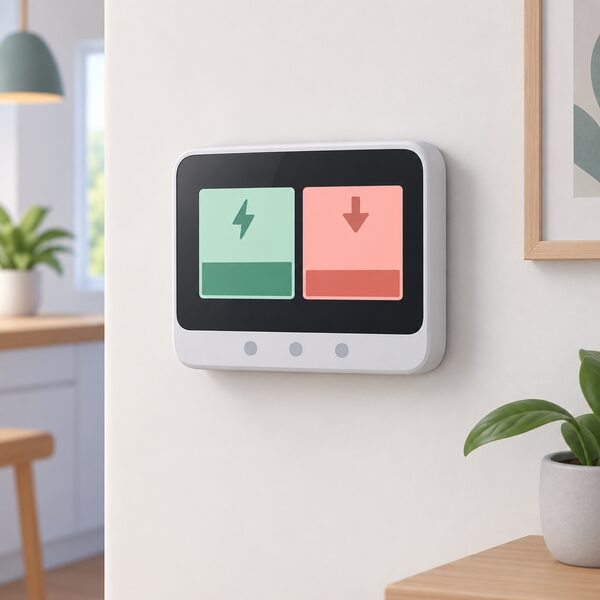
Smart meters can operate in credit or prepayment mode21. That single capability is what allows a supplier to switch a household to prepayment remotely, without a warrant or a visit, and it is also what allows a household to see the debt position without a trip to a shop.
The prepayment service on the national smart meter network allows end consumers to add credit to their meters through an over-the-air top-up over that network22. Remote top-up removes one dependency, the physical key or card and the shop that sells the credit, but it introduces another: the meter's connection to the network, and the supplier's systems behind it.
Smart meters are available to prepayment households. Whether you're on a pre-payment plan or renting, you can benefit from a smart meter23. The rollout target is that all UK households are expected to have been offered a smart meter by the end of 203024.
For a household carrying debt, the display is the practical difference. A traditional meter shows credit and takes its deductions invisibly. A smart meter in prepayment mode shows the balance and the debt separately, which makes the split between energy and debt visible at the point of top-up rather than at the end of a statement period.
The dependence that remains is worth stating plainly. A smart prepayment meter depends on a communications network, on the supplier's remote systems, and on the meter firmware behaving as configured. Where the connection fails, the household is back to the physical top-up route. The meter is a supplier-controlled device in the home, and the debt settings on it are changed by the supplier, not by the household.
Debt write-off under the Debt Relief Scheme
A scheme exists to write off some of the debt that prepayment meters are collecting. Under the Debt Relief Scheme, Phase 1 is expected to benefit between 280,000 and 400,000 accounts, writing off between £312.4 million and £472.9 million6.
Prepayment customers are included. Prepayment customers should be eligible for support if they top up their existing consumption25. Customers on the scheme who are already engaged, such as those on a repayment plan or paying towards ongoing usage, will automatically qualify for debt write-off on eligible balances26.
The delivery timetable runs across several years. Write-off is expected to begin in Q1 2026, with the reimbursement mechanism following a pay when paid approach25. Phase 2, targeting the remainder of customers with eligible debt via a standardised ability to pay assessment, is expected to go live in summer 202626. Networks would commence payments to suppliers from May 2027, after Ofgem has approved supplier claims26.
The scheme's oversight is set out in the same consultation. It comprises a pre-scheme supplier readiness assessment, monthly scheme delivery reporting, a periodic sample-based assurance exercise, independent assurance of reimbursement claims, and no automatic ex-post audit requirement25. Suppliers are to be reimbursed for the market value of any assets disposed under the scheme25.
There is a limit on how much of the debt is genuinely new relief. Around £400m of the debt due to be written off under a debt relief scheme is expected to have been recovered already, assuming previous debt allowances were equally distributed27. In other words, part of what the scheme writes off may already have been collected through prepayment deductions.
Sources27 cited
- Energy debt on prepayment meters, Centre for Sustainable Energy, 2026
- The Electricity (Prepayment Meter) Regulations 2006, legislation.gov.uk, 2006
- Switch your home energy supplier, Ofgem, 2026
- Check energy suppliers can install prepayment meters without household permission, Ofgem, 2026
- Compensation for installing prepayment meters without permission, Ofgem, 2025
- Debt Relief Scheme impact assessment, Ofgem, 2025
- Prepayment meters, Centre for Sustainable Energy, 2025
- Get help with your prepayment meter, Ofgem, 2026
- How to manage your energy supply: get help with your prepayment meter, Ofgem, 2026
- Installing a prepayment meter without your permission, Ofgem, 2026
- Prepayment meters installed under warrant: statutory consultation, Ofgem, 2017
- Heat networks regulation: consumer protection guidance decision, Ofgem, 2026
- Get help with your energy bills, Ofgem, 2026
- Ofgem completes review of how suppliers support customers in vulnerable situations, Ofgem, 2022
- Pre-payment Meters (Self-disconnection) Bill, House of Commons Library, 2022
- Installing a prepayment meter without your permission, Ofgem, 2026
- Heat networks consumer protections: draft guidance, Ofgem, 2025
- The retail market review: simpler tariff choices and clearer information, Ofgem, 2013
- What happens if your energy supplier goes out of business, Ofgem, 2026
- How to get a smart meter, Smart DCC, 2026
- Smart meters: your rights and expectations, GOV.UK, 2025
- How do smart meters send readings?, Smart DCC, 2026
- Smart meters, Welsh Government, 2026
- The Electricity and Gas (Energy Company Obligation) Order 2022, legislation.gov.uk, 2022
- Debt Relief Scheme statutory consultation, Ofgem, 2025
- Debt Relief Scheme working paper, Ofgem, 2025
- Resetting the energy debt landscape: the case for a debt relief scheme, Ofgem, 2024
 Prepayment MetersHow do you top up a prepayment meter for gas or electricity, and what happens when the credit runs out?
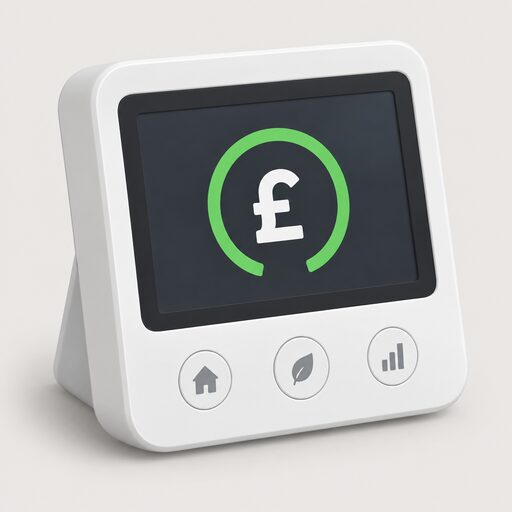 Prepayment Meters and DebtCan your energy supplier force you onto a prepayment meter because you owe them money?
 Smart Prepayment MetersHow prepayment mode works on a smart meter, remote switching between credit and prepay, topping up, emergency and friendly credit, the prepayment price cap, the £500 debt limit for switching, and the free help available when a household cannot top up.
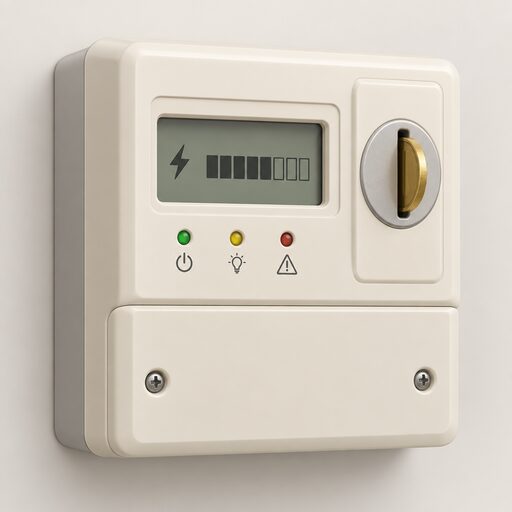 Prepayment and Pay As You GoHow prepayment and pay as you go energy tariffs work in the UK: meter types, top-ups, emergency credit, debt repayment through the meter, price cap treatment and how households move to a credit meter.
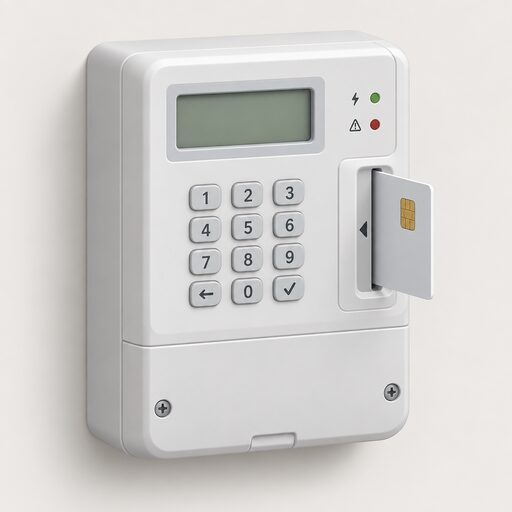 Prepayment and Vulnerable RulesThe licence obligations on energy suppliers when a household falls into debt: when a prepayment meter may be installed without consent, the warrant process, the ban covering highly vulnerable households, remote switching of smart meters, and the free help available.
 Disconnection and WarrantsCan your energy supplier force you onto prepayment or cut you off for debt?