
In this answer
Short answer
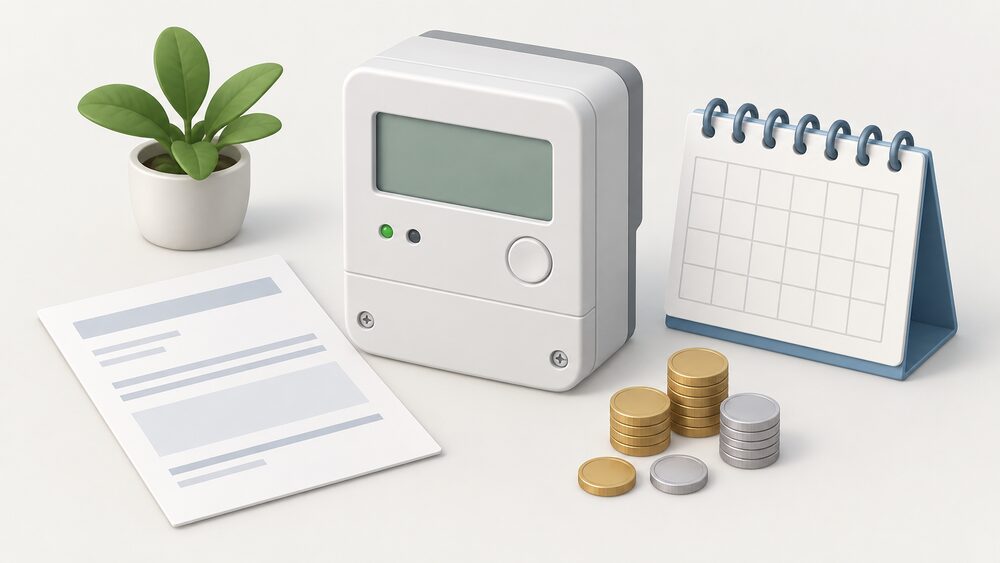
A smart meter does not itself change what you pay. It records when you use electricity, and that record is what allows a supplier to charge one rate at 2am and another at 6pm. Smart Energy GB states that the half-hourly recording of energy use enables your supplier to charge different rates for use at different times of the day or week1. Whether a household is actually on such a tariff is a separate decision, made by choosing a tariff rather than by accepting a meter.
The distinction matters because the two things are widely conflated. A meter is the measurement device; a time-of-use tariff is a contract. Smart Energy GB notes that all new flexible time-of-use tariffs require a smart meter to access all the benefits2, and that some suppliers are already offering smart meter-only tariffs and smart time-of-use tariffs3. The meter is the entry ticket, not the ticket itself.
Where peak pricing does bite is at the end of the Radio Teleswitch Service, which older Economy 7 and similar setups rely on to switch between day and night rates. Without an upgrade, the supplier loses the ability to tell peak from off-peak use, and the consequences fall on the bill.
What a smart meter lets your supplier see
The unit of measurement is the half hour. A smart meter sends readings automatically, and the frequency can be monthly, weekly, daily or even half-hourly4. Smart Energy GB puts it more precisely: half-hourly readings mean the meter sends a reading to the supplier every 30 minutes2. The same organisation notes that a meter sends readings on a half-hourly, daily or, in some cases, monthly basis8, and that this produces accurate rather than estimated bills9.
Frequency is not fixed at the highest setting. When a household accepts a smart meter, there is a choice about how often readings are sent to the supplier, including the option of roughly every 30 minutes10. Which? sets out the default position for older installations: a meter installed before 3 November 2022, with no supplier switch or contract change since, sends daily readings, and this can be increased to half-hourly or reduced to monthly11. That is a meaningful control, because the resolution of the data is what makes time-based charging possible in the first place.
What the supplier sees is consumption by time, not what is happening inside the home. Ofgem lists the uses of smart meter data as billing for the energy used, offering new products and services such as new tariffs where permission has been given, and helping make the energy system more efficient by recording demand more accurately6. The same billing purpose appears in Ofgem's consumer guidance12. For a household thinking about independence, this is the trade: finer data in exchange for access to tariffs and rewards that a dumb meter cannot support.
Can suppliers charge more at peak times?
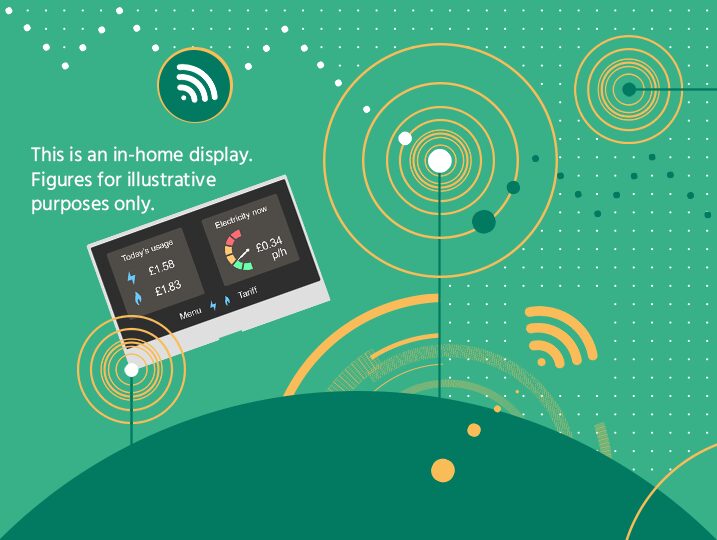
Yes, within the terms of the tariff a household has agreed to. Smart Energy GB states that smart meters will enable suppliers to offer a greater range of time-of-use tariffs, and similar services, in the future13. That is the enabling condition rather than a description of any single price. The same organisation records that some suppliers are already offering smart meter-only tariffs and smart time-of-use tariffs3.
The structure of those tariffs is where peak pricing lives. Which? describes smart time-of-use tariffs as charging at least two different rates for electricity used during peak hours and off-peak hours5. Energy Saving Trust adds a third band, noting that prices can vary depending on whether it is peak hours, off-peak hours or shoulder hours14. A time-of-use tariff will charge a higher price for electricity used in the peak period14, and a lower price during lower demand, off-peak periods14.
There is no single national peak window. Which? notes that some heat pump tariffs come with a pricier peak rate between 4pm and 7pm5. That is one example from one tariff family, not a universal rule, and the hours that apply to any household are set out in its own tariff terms. The practical consequence is that the same appliance, run at 5pm and at 11pm, can cost different amounts, and the meter is what makes that distinction enforceable.
Time-of-use tariffs: cheaper off-peak, dearer at peak
A time-of-use tariff uses the meter to log electricity use and charges different rates during different time windows11. Energy Saving Trust describes the offer as different electricity prices based on peak and off-peak times15, and Smart Energy GB describes a different price of energy at different times of the day16. The Welsh Government's climate action pages summarise the benefit as cheaper rates during off-peak hours and incentives for energy usage on high-supply days17.
Access is the constraint. Smart Energy GB states that all new flexible time-of-use tariffs require a smart meter to access all the benefits, including off-peak and EV tariffs2, and that these tariffs are offered by some energy suppliers to their customers with smart meters8. Which? makes the same point from the consumer side: having a smart meter lets a household take advantage of advanced time of use tariffs7, and smart meters open up access to new tariffs that charge less for off-peak energy use, particularly beneficial to plug-in electric and hybrid vehicle owners18.
For electric vehicle charging specifically, the Energy Ombudsman states that for many EV-specific tariffs, particularly smart or time-of-use tariffs, a working smart meter is needed19. That is a hard dependency: without a functioning meter, the tariff cannot operate as designed.
The independence question here is real but partial. A household on a time-of-use tariff can shift load, use its own solar generation at the right hours, or charge a battery overnight, and be paid in lower rates for doing so. What it cannot do is escape the grid, the supplier or the tariff structure itself. The meter makes the household's flexibility visible and tradeable; it does not make the household self-sufficient.
Peak-time incentives for reducing demand
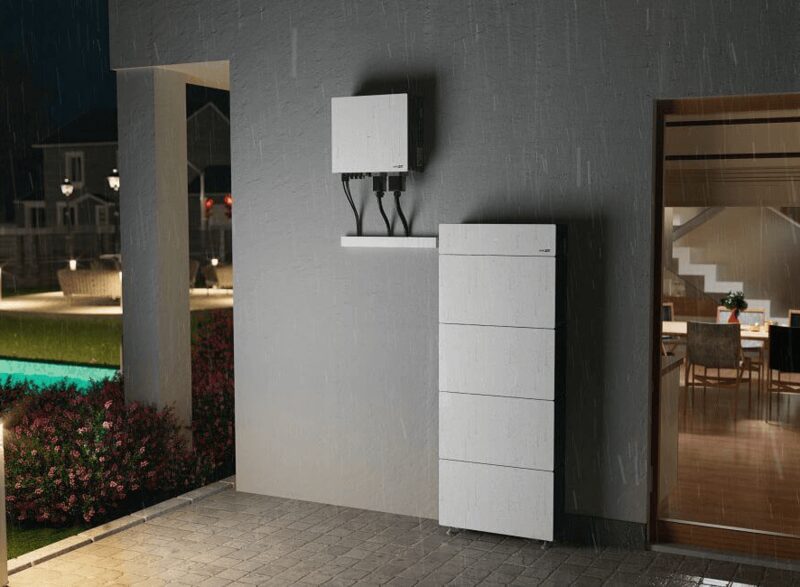
Alongside tariffs, there are schemes that pay for not using power at the busiest times. Smart Energy GB states that smart meters allow energy suppliers to offer incentives for households who can reduce their energy use during peak hours, helping to balance supply and demand and reduce pressure on the grid20. The same organisation notes that smart meters enable access to smart tariffs and demand-flexibility events, which could reward you for using energy during off-peak times or when lots of clean electricity is available1.
The National Energy Action guidance describes the Demand Flexibility Service directly: households with a smart meter could be eligible to take part in schemes such as the Demand Flexibility Service, which offers small financial rewards for using less electricity during peak times, usually late afternoon or early evening21. The phrase "small financial rewards" is the source's own, and it is worth taking at face value.
The system-level case is set out by Smart Energy GB as improving understanding of energy demand, supporting renewable energy integration, helping manage peak electricity demand and reducing energy waste22. The DCC notes that many energy suppliers offer lower rates during off-peak times, making it an attractive option for cost-conscious households23, and that smart meters support demand response initiatives where users can shift consumption to off-peak times23. Ofgem's list of data uses includes helping make the energy system more efficient by recording demand more accurately12.
For a household, these schemes are a modest income stream tied to behaviour, not a route to independence. They reward flexibility the household already has, and they depend on the supplier, the scheme operator and a working meter. The Demand Flexibility Service and the wider household flexibility and reward schemes are covered in more detail elsewhere.
Where peak pricing hurts: RTS customers and billing
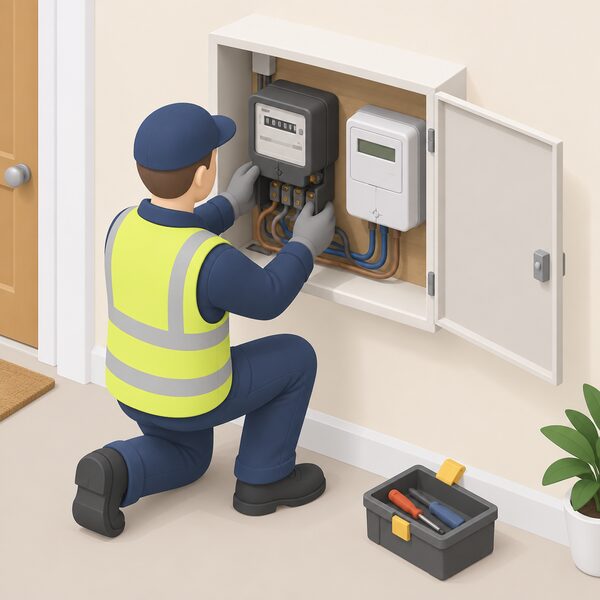
The sharpest problem is not peak pricing itself but the loss of the signal that separates peak from off-peak. The Radio Teleswitch Service is being switched off, and some older Economy 7 meters use it and will be affected, though not all Economy 7 meters are24. Where a meter is not upgraded, the consequences are practical and financial.
Smart Energy GB states that electricity suppliers will not know how much electricity customers with RTS meters use during peak and off-peak times, and that electricity costs could be much higher than before24. National Energy Action sets out the same failure in more detail: heating or hot water could be continually left on or off, charging-up happens at the wrong time of day, and the supplier cannot confirm peak or off-peak usage, which could mean higher electricity bills25. The same wording appears in its RTS meters guidance26.
Home Energy Scotland puts the billing risk plainly: you may be charged the wrong amount, because your supplier will not be able to track your energy use properly27. Act on Energy describes the replacement options: moving to a smart meter allows a household to continue on a time-of-use tariff with cheaper electricity at night, and where a smart meter cannot be installed the supplier may install a different type of meter that can still offer a cheaper night rate, varying between suppliers28.
For households that decline a smart meter, Home Energy Scotland notes that the supplier may install a meter with the tariff pre-programmed, requiring manual readings, without the full benefits of a smart meter, but with heating continuing to work27. That is a workable fallback rather than an equivalent one. The RTS switch-off page covers the timetable and options in full.
Do you have to accept a smart meter?
No. Energy Saving Trust states that it is not compulsory to have a smart meter installed, and that if a supplier offers one it can be refused7. Uswitch notes that by law energy suppliers are required to offer smart meters to all their customers by a certain deadline, but customers can decline the offer29. Confused.com records the same split: the government requires electricity suppliers to offer smart meters to all customers, and some providers require a smart meter for their tariff30. WW Utilities states that suppliers are required to offer smart meters to their customers, but customers do not have to have one31.
The Energy Ombudsman adds an important technical point: all smart meters can support tariffs which charge different prices at different times throughout the day and night, including Economy 7, and Economy 10 meters are also available32. So the choice is not between a smart meter and time-based pricing; it is between a smart meter and a meter that cannot deliver time-based pricing reliably once RTS ends.
On cost, Ofgem states that a smart meter can be obtained free of charge by contacting the supplier6, and the same wording appears in its consumer guidance12. Smart Energy GB notes that occasionally a supplier might need to carry out extra work that requires the homeowner to cover the costs3. On reversal, the Energy Ombudsman states that only under exceptional circumstances would a supplier be expected to change a smart meter to a traditional meter, and the supplier may charge the costs if it agrees32.
If something goes wrong, the government's rights and expectations guidance states that if a household suspects an issue with its smart meter, or the supplier identifies one, the supplier should promptly investigate it, resolving it themselves or with third parties, and keep the consumer informed33. The smart meter rules and supplier obligations page sets out the wider framework, and are smart meters compulsory answers the refusal question in more depth.
Sources33 cited
- How smart meters work with heat pumps, Smart Energy GB, 2026-04-24
- Time of use tariffs: the benefits, Smart Energy GB, 2026-04-24
- Smart meter costs: are smart meters free, Smart Energy GB, 2026-03-16
- How to get a smart meter, Smart DCC, 2026
- Time of use tariffs explained, Which?, 2026-04-23
- Get help with your smart meter, Ofgem, 2026-09-17
- Guide to smart meters, Energy Saving Trust, 2026-07-15
- How to use a smart meter to save money, Smart Energy GB, 2026-04-24
- Do smart meters cost more, Smart Energy GB, 2026-03-16
- Switching supplier, tariffs and bills, Smart Energy GB, 2026-03-16
- Smart meters, Welsh Government, 2026
- Get help with your smart meter, Ofgem, 2026
- Supporting energy security, Smart Energy GB, 2026-04-08
- Time of use tariffs: all you need to know, Energy Saving Trust, 2026-05-20
- Solar panel installation, Energy Saving Trust, 2026-09-07
- Smart energy explained, Smart Energy GB, 2026-04-24
- Five top tips from Which? to cut your energy bills, Welsh Government, 2026-03-18
- What is a smart meter, Which?, 2026-04-07
- EV tariffs and home charging: what consumers need to know, Energy Ombudsman, 2026-09-11
- How does tidal energy work and how could it impact your energy use, Smart Energy GB, 2026-08-19
- Understanding smart meters, National Energy Action, 2026-04-21
- Benefits for you, Smart Energy GB, 2026-08-18
- How do smart meters reduce my bills, Smart DCC, 2025
- The Radio Teleswitch Service (RTS) switch off, Smart Energy GB, 2026-04-24
- Radio Teleswitch Service switch off, National Energy Action, 2026-07-29
- RTS meters, National Energy Action, 2026-07-08
- RTS switch off, Home Energy Scotland, 2026-09-20
- RTS: what you need to know, Act on Energy, 2026
- How to bleed a radiator, Uswitch, 2026-09-04
- Electricity only, Confused.com, 2026
- Smart meters, WW Utilities, 2026-09-20
- Smart meters, Energy Ombudsman, 2026-09-20
- Smart meters: your rights and expectations, GOV.UK, 2025-08-08
 Batteries and Smart TariffsA home battery can earn its keep if your electricity prices change through the day.
 Meters and Time-of-Use TariffsDo you need a smart meter for a time-of-use tariff, and does it have to send readings every half an hour?
 Supplier-Controlled ChargingSmart charging tariffs let your energy supplier decide when your car charges, usually overnight when electricity is cheaper.
 Smart Meter InstallationCan your supplier make you have a smart meter, and how long should you wait for an appointment?
 Demand Flexibility and the GridGetting paid to shift your electricity use away from peak times is now a real option for households with a smart meter.
 Agile and Dynamic TariffsAgile tariffs change the price of your electricity every half hour, so what you pay depends on when you use power.