
In this answer
Short answer
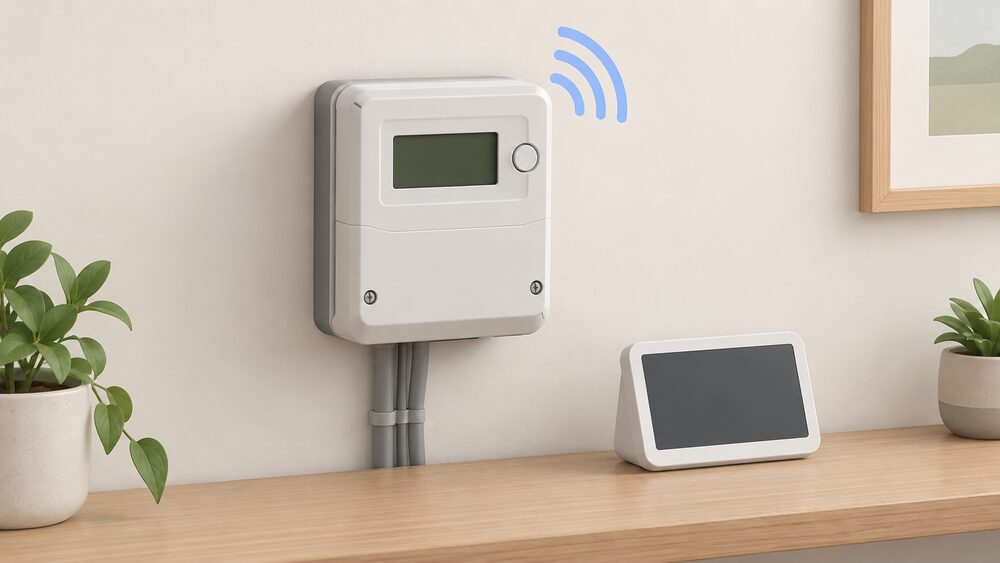
A smart meter sends readings to the energy supplier automatically, on a schedule that is either half-hourly, daily or, in some cases, monthly. The setting depends on when the meter was installed, whether the supplier or contract has changed since, and what the household has agreed with the supplier. There is no single answer: the same meter can be configured to any of these frequencies, and the household can ask for a change.
The minimum is once a month. Smart Energy GB states that a smart meter sends readings to the supplier at least once a month via a secure network, and that half-hourly and daily transmission are optional additions1. Which? describes the range as monthly, daily or half-hourly, with the choice resting with the householder and the supplier2. Ofgem confirms that a smart meter automatically sends electricity and gas readings to the supplier3.
For a household thinking about energy independence, reading frequency is the point where a meter stops being a local device and becomes part of a supplier's data system. The meter itself measures consumption continuously; what varies is how much of that detail leaves the home. Half-hourly data supports time-of-use tariffs and settlement reform, but it also means the supplier sees consumption in 48 slices a day. Daily or monthly settings reduce that flow. The trade-off is real: less frequent data can limit access to some flexible tariffs.
Monthly, daily or half-hourly: the three frequencies
The three settings are not equally available to every household. Smart Energy GB lists half-hourly, daily and, in some cases, monthly as the options, and notes that the preference can be changed at any time7. Which? gives the same three options and frames the choice as one the householder makes with the supplier2. The phrase "in some cases" matters: monthly transmission is not guaranteed, and for meters installed or reset since November 2022 it is not available at all.
Half-hourly readings mean the meter sends a reading to the supplier every 30 minutes, producing 48 data points a day8. Daily readings send one reading per day. Monthly readings send one per month, which is the minimum that satisfies billing without estimated reads.
The frequency applies to transmission, not to measurement. A gas smart meter records consumption every half hour, but that does not mean the supplier receives a half-hourly gas reading5. Electricity meters record in near-real time, which is what feeds the in-home display5.
| Setting | How often data is sent | Availability |
|---|---|---|
| Half-hourly | Every 30 minutes, 48 readings a day8 | Optional; default for meters installed or reset since 3 November 20224 |
| Daily | Once a day | Default for older meters with no switch since4 |
| Monthly | Once a month | Minimum standard; not available for meters reset since 3 November 20221 |
The default depends on when the meter was installed
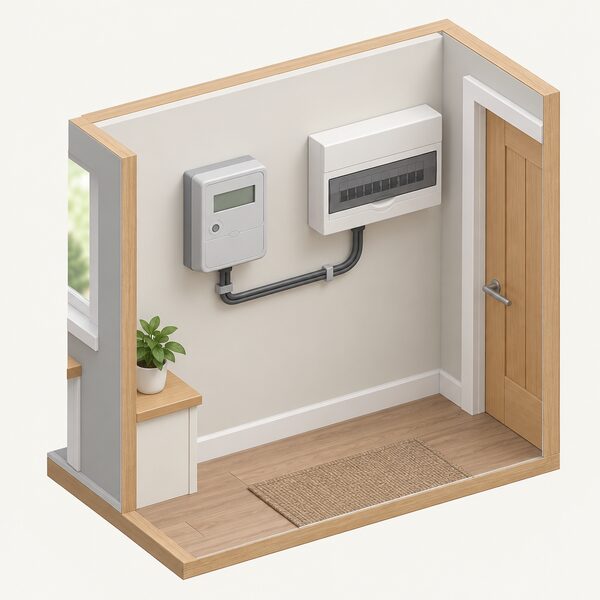
The single most important factor in what a meter does by default is the date 3 November 2022. Which? sets out the two regimes clearly. A meter installed since that date, or one where the supplier has been switched or the contract changed since, is set to send readings every half hour by default, and the frequency can be decreased to daily but not to monthly4. A meter installed before that date, with no supplier switch or contract change since, is set to daily readings, and the household can increase this to half-hourly or opt down to monthly4.
This means two identical meters in two identical homes can behave differently depending on paperwork rather than hardware. A household that has never switched supplier and had its meter fitted before November 2022 sits on daily readings. A neighbour who switched supplier last year sits on half-hourly.
The date also governs what happens after a reset. Citizens Advice states that after a supplier switch, tariff change or an agreement to send readings more often since 3 November 2022, the electricity meter is set to send readings every half hour, and the settings can only be changed to once a day11. That is a narrower choice than the pre-2022 regime allowed.
Half-hourly readings: consent and opting out
Half-hourly transmission is a choice, not a fixed property of the meter. Smart Energy GB states that when a smart meter is accepted, the household has a choice to send readings every 30 minutes, and that the preference can be changed by contacting the supplier10. The same source lists half-hourly, daily and, in some cases, monthly as the available settings7.
Opting out entirely is not one of the options. The minimum is monthly transmission, and for meters reset since November 2022 the minimum is daily1. A household can reduce the frequency but cannot stop the meter sending readings altogether while remaining on a smart tariff or keeping the meter in smart mode.
"your smart meter will share half-hourly, daily or in some cases, monthly meter readings. You can change your preference"
The consent framework sits behind this. Ofgem's data privacy proposals set out the rules for how consumption data is accessed and shared, distinguishing between data needed for billing and data used for other purposes12. The practical effect is that the frequency setting is the household's main lever over how much detail the supplier receives.
Why frequency matters for tariffs and billing
Reading frequency determines whether a bill is based on actual consumption or an estimate, and whether the household can access certain tariffs. Smart Energy GB states that smart meters send automatic readings on a half-hourly, daily or monthly basis, which produces accurate rather than estimated bills13. Energy UK makes the same point: readings are sent automatically so that people receive bills based on actual use, without having to give readings themselves14.
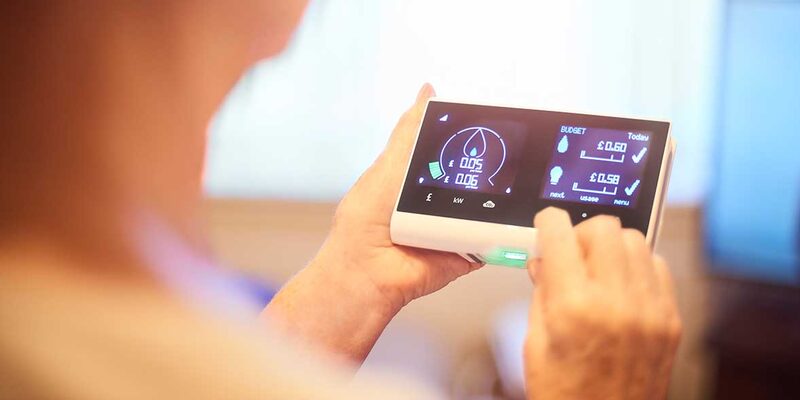
The tariff link is more specific. To access new flexible time-of-use tariffs, a household needs a smart meter set to send readings every half an hour15. That is the mechanism by which a supplier can bill different rates at different times of day. A meter set to daily or monthly transmission cannot support that kind of tariff, because the supplier does not receive the half-hourly data the tariff depends on.
Ofgem's work on half-hourly settlement is the regulatory backdrop: moving settlement to half-hourly periods is intended to allow tariffs and services that reflect actual time of use16. For a household, the practical consequence is that the frequency setting is not just a privacy preference. It is also the switch that determines which tariffs are open.
| Purpose | Frequency needed |
|---|---|
| Accurate billing without estimates | Monthly minimum1 |
| Time-of-use or flexible tariff | Half-hourly15 |
| In-home display live usage | Near-real time, local only5 |
How this compares with taking readings yourself
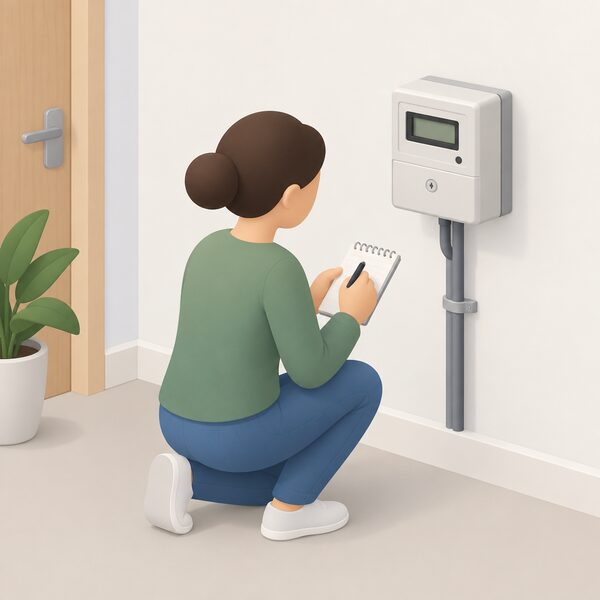
A smart meter removes the routine task of reading the meter and submitting figures. Ofgem states that a smart meter automatically sends electricity and gas readings to the supplier3. Smart Energy GB puts it plainly: the meter sends readings automatically so the household does not have to do it1. Once a meter is installed and working in smart mode, regular manual readings should not be needed17.
Manual readings are still occasionally required. Which? notes that a smart meter usually sends readings automatically, but manual readings may be needed when switching supplier, checking usage or resolving an account issue4. Those are exceptions rather than routine.
For households without a smart meter, the picture is different. Consumer guidance recommends submitting a manual reading once a month to keep the account accurate and avoid estimated bills accumulating18. Suppliers are also obliged to send an engineer to read the meter, usually a couple of times a year, for households without a smart meter20.
| Household | Routine reading task |
|---|---|
| Smart meter, smart mode | None; readings sent automatically17 |
| Smart meter, account issue or switch | Manual reading may be requested4 |
| No smart meter | Monthly manual reading recommended18 |
| No smart meter, engineer visit | Usually a couple of times a year20 |
Meter replacement and the limits of the system
Smart meters are not permanent fixtures. Which? states that smart meters need replacing around every 10 years, more often than traditional gas and electricity meters6. Gas smart meters are expected to last approximately 10 years before replacement21. The replacement cycle is shorter than for the meters they replace, which means the reading frequency regime a household is on today may be reset when the meter is swapped.
The scale of the programme behind this is large. Ofgem's 2014 consultation described a rollout involving replacing around 53 million gas and electricity meters in less than a decade12. That figure is from 2014 and describes the intended scope rather than the outcome.
What dependence remains after a smart meter is installed is worth stating plainly. The meter still depends on the supplier for billing and on the national smart meter network for transmission. Gas meters usually send readings via the electricity meter rather than communicating directly with the network17. The household gains automatic billing and access to flexible tariffs, but the data path runs through infrastructure the household does not control. The frequency setting is the main point of influence, and it is set by agreement with the supplier rather than by the household alone.
Sources21 cited
- Automatic meter readings, Smart Energy GB, 2026
- Smart meter problems and solutions, Which?, 2026
- Getting a smart meter, Ofgem, 2026
- How to use your smart meter data, Which?, 2026
- What is a smart meter, Smart Energy GB, 2026
- Smart meter installation, Which?, 2026
- Smart Energy GB FAQs, Smart Energy GB, 2025
- Time-of-use tariffs: the benefits, Smart Energy GB, 2026
- Do I have to accept a smart meter, Which?, 2026
- Switching supplier, tariffs and bills, Smart Energy GB, 2026
- Getting a smart meter installed, Citizens Advice, 2026
- Final proposals and statutory consultation on data privacy, Ofgem, 2014
- Do smart meters cost more, Smart Energy GB, 2026
- How the retail market works, Energy UK, 2023
- Energy flexibility, Smart Energy GB, 2026
- How half-hourly settlement will help cut energy bills, Ofgem, 2017
- How do smart meters work, Smart Energy GB, 2026
- Gas and electricity, Confused.com, 2026
- Support with energy bills, Energy UK, 2025
- How to understand your electricity and gas bills, Energy Ombudsman, 2025
- Smart meters are safe, Smart Energy GB, 2026
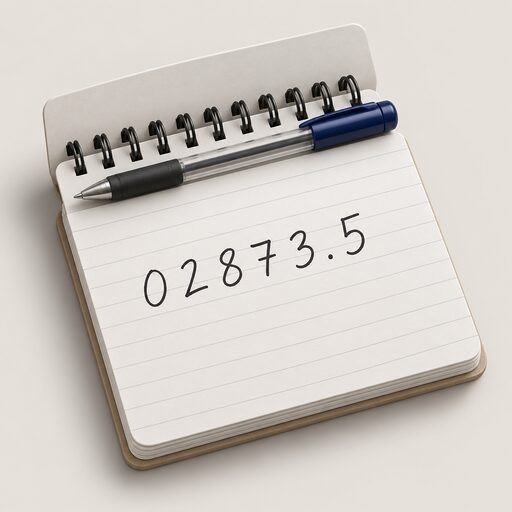 Take a Meter ReadingWhich numbers do you actually read on a gas or electricity meter, and which ones do you ignore?
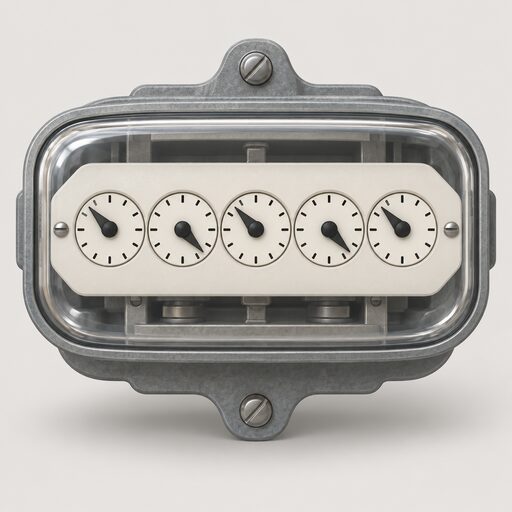 Meter Readings and EstimatesWhy is my energy bill estimated, and how often should my meter be read?
 Meters and Time-of-Use TariffsDo you need a smart meter for a time-of-use tariff, and does it have to send readings every half an hour?
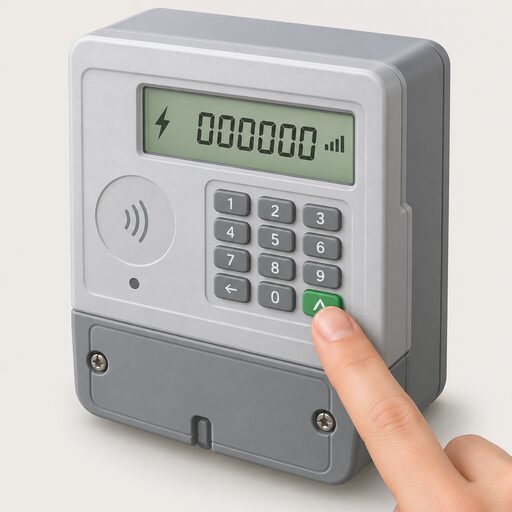 Get a Reading From a Smart MeterHow to bring up a meter reading on a smart electricity or gas meter when a manual reading is still needed, and the difference between the meter itself and the in-home display.
 Smart Meter Faults and FixesYour smart meter has stopped working.
 The Full Smart Meters GuideDo smart meters really save you money, and how do you use one to cut your bills?