
In this answer
Short answer
A meter reading is not a condition of switching energy supplier, but it is the figure that decides whether the closing bill from the old supplier and the opening bill from the new one are accurate. The switch itself is managed by the new supplier, which contacts the existing supplier, arranges the switch date and asks for a final meter reading1. On a standard meter, not sending readings most likely leads to an estimated bill, meaning over-paying or under-paying2.
Smart meters change the picture. A smart meter automatically sends gas and electricity meter readings to the supplier, and readings travel via the DCC's secure network3. Energy suppliers must take all reasonable steps to ensure that smart meters automatically send them gas and electricity meter readings4. Manual readings may still be needed when switching supplier, checking usage or resolving an account issue5.
The weak point is the first-generation SMETS1 meter, which does not always allow a change of supplier without losing the ability to send readings automatically, and may temporarily go dumb6. Second-generation SMETS2 meters keep their functionality because they are connected to a central wireless network all energy firms can use7.
Why a meter reading matters when you switch
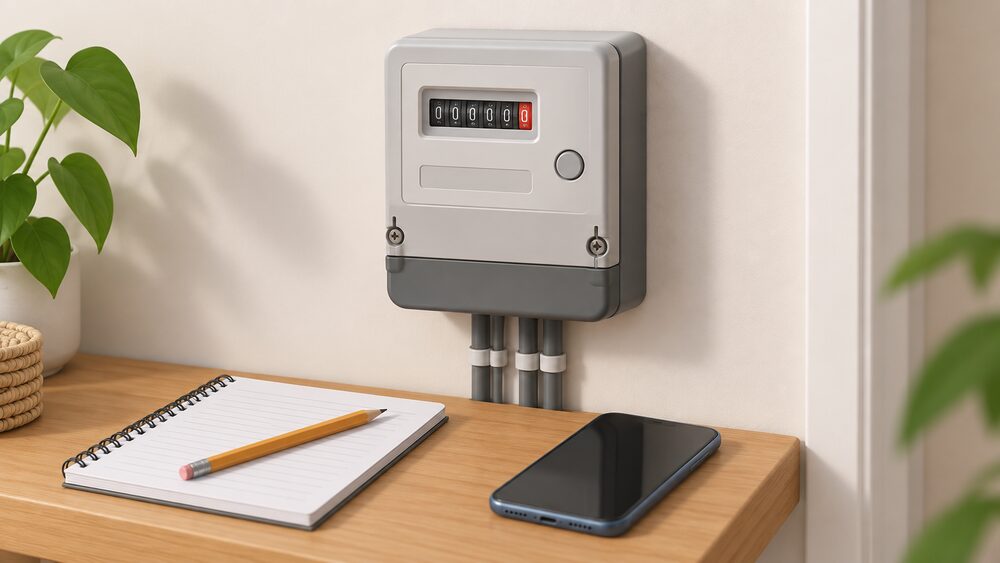
The reading is the boundary between two suppliers' bills. Everything the old supplier charges up to the switch date, and everything the new supplier charges after it, hangs on that single figure. Where no reading is supplied, the supplier estimates, and an estimate can run either way: the household may pay for energy it did not use, or underpay and face a correction later. On a standard meter, not sending readings most likely leads to an estimated bill, meaning over-paying or under-paying2.
The scale of the problem is not marginal. More than a fifth of households do not submit regular energy meter readings to their supplier, risking inaccurate bills8. A supplier needs regular readings from a gas or electricity meter to work out bills, and will estimate usage if readings are not sent5.
One number does not change: the meter reference number stays the same if you switch supplier or get a new meter10. That number identifies the supply point, not the account, which is why a switch can be processed cleanly even when the meter itself is old.
For a household's energy independence, the reading is a small but real piece of leverage. It is the one moment when the household, rather than the supplier's estimate, defines the starting point of a new contract. It does not remove dependence on a supplier, a network or the grid, and it does not affect the physical supply, but it does keep the billing relationship anchored to measured use rather than a supplier's assumption.
Who takes the reading: your new supplier's responsibility
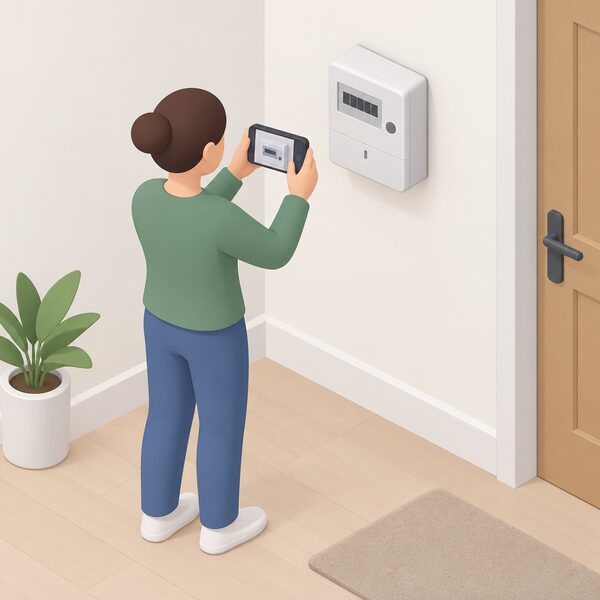
The switch is not the householder's administrative burden. The new energy supplier chosen will manage the switch1, and in doing so contacts the existing supplier, arranges the switch date and asks for a final meter reading1. That is the mechanism by which the closing figure is normally obtained.
Responsibility for the meter itself sits with the supplier throughout. A gas or electricity supplier is responsible for the energy meters11, and the supplier is responsible for making sure the meter works properly12. Where a smart meter stops working, the supplier is responsible for maintenance and will fix or replace it as needed13. It will always be the energy supplier, or a third party working on its behalf, that comes to the house to change a meter14.
After the switch, the obligation continues. Energy suppliers must take all reasonable steps to ensure that smart meters automatically send them gas and electricity meter readings4. Only the energy supplier can receive meter readings, and only at intervals arranged between the household and the supplier15. Meter readings can only be shared with energy suppliers, and they cannot share this without the permission of the energy bill payer9.
What remains with the household is the check. The supplier holds the duty to read, maintain and bill; the household holds the record. A dated reading, and a photograph of the meter, is the evidence that settles a dispute about an estimated figure.
The switch process step by step: where the reading fits
The reading sits at the end of the switch, not the start. The sequence runs as follows.
- The new supplier is chosen and the switch is requested.
- The new supplier contacts the existing supplier, arranges the switch date and asks for a final meter reading1.
- The switch completes on the agreed date, and the meter reading at that point divides the two suppliers' charges.
- The old supplier issues a final bill to the switch date; the new supplier opens the account from the same point.
Where a supplier has failed rather than a switch being chosen, the timing is different and more urgent. Official guidance is to take a meter reading as soon as you can, and to keep a record of it to make sure you are billed correctly by the new supplier16. That reading protects the household against being charged for a period it did not control.
A separate process applies where the meter itself is being moved or a new connection is being made. For a domestic supply move, the electricity supplier must attend the same day to re-fit the electricity meter, after which power is ready to go17. For a new electricity connection, the supplier must attend the same day to fit an electricity meter18. For a temporary connection, the supplier must attend the same day to fit an electricity meter, after which the power is ready to go19. In each case the meter fitting and the reading are supplier tasks, not householder ones.
Smart meters: automatic reads and when you'll still be asked
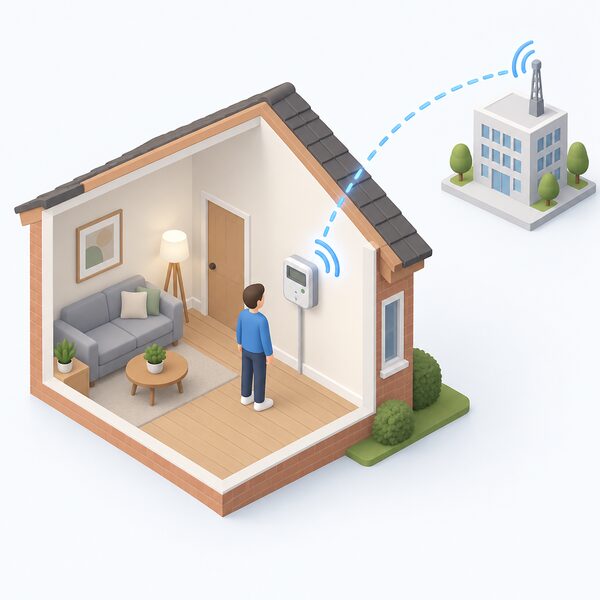
A smart meter normally sends readings to the supplier automatically20, and automatic meter readings provide the supplier with monthly, weekly, daily, or even half-hourly readings21. A smart meter will send this automatically to the household's energy supplier22, and a smart prepayment meter can send readings automatically to the supplier as well23.
Manual readings are still needed in defined situations. These include switching supplier, moving, and where the supplier cannot take automated reads10. They also include a meter temporarily losing connection, monitoring energy use more closely, changed meter settings, switching supplier with a SMETS1 meter, and a supplier confirming recent usage5.
The SMETS1 problem is the one to know about. First-generation smart gas and electricity meters do not always allow the consumer to change energy supplier without losing the ability to send meter readings automatically21. They could temporarily go dumb and lose their ability to send automatic meter readings after a switch6. Second-generation meters keep their functionality when switching supplier because they are connected to a central wireless network all energy firms can use7.
Moving in vs switching: the initial reading you give
Moving into a new home is a different event from choosing a new supplier, and it produces a different reading. Once the supplier of the gas and electricity is identified, the household should speak to them and give the initial meter reading from the day of moving in24. That figure establishes the starting point for the account, and it protects against being billed for a previous occupier's usage.
The practical steps are straightforward. Find out who the energy supplier is, contact the supplier to say the property has been moved into, and submit the meter readings, taking pictures for evidence25. Switching can begin as soon as responsibility for the property is taken on, which for a purchase is after contracts are exchanged25.
Where a smart meter is being installed rather than read, the first step is to contact the energy supplier26. If there are separate suppliers for gas and electricity, individual appointments need to be booked with both, and it is recommended that the electricity meters are changed first21.
A smart meter in smart mode means the meter sends automatic readings to the supplier27, so the moving-in reading may be the last manual one the household gives at that address. Until the meter is confirmed as working in smart mode with the new supplier, the initial reading remains the household's own record.
What happens if you don't take a reading
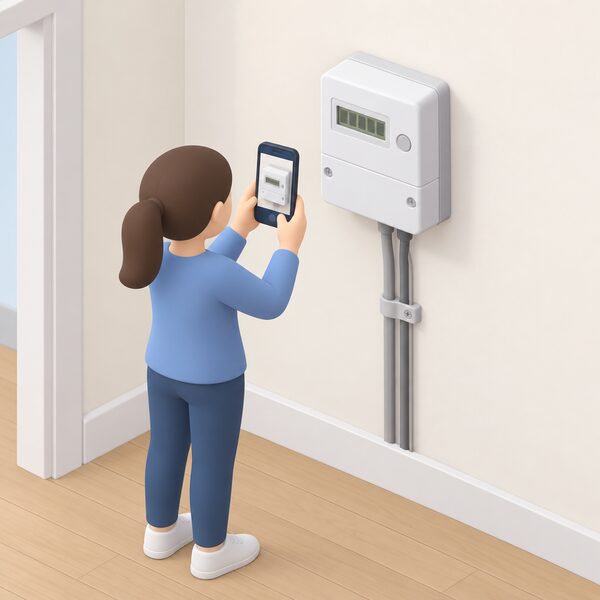
Nothing happens to the supply. With a SMETS2 meter, a household can switch energy suppliers without any interruption to energy readings, bill payments or gas and electricity supply9. The reading is a billing input, not a supply control.
The billing consequence is the real one. On a standard meter, not sending readings most likely leads to an estimated bill, meaning over-paying or under-paying2. Where a variable direct debit is in place and there is no smart meter, monthly meter readings need to be sent28. A supplier needs regular readings to work out bills and will estimate usage if readings are not sent5.
Meter faults are a separate matter from a missed reading. A smart meter may stop recording the energy you use, or may no longer send readings to the supplier29. Where a fault is suspected, a supplier may ask for daily meter readings over 7 days to check usage12. The supplier is responsible for making sure the meter works properly12, and for maintenance and replacement where a smart meter stops working13.
Sources29 cited
- Switching supplier with a smart meter, Smart Energy GB
- Gas and electricity meter reading guide, Uswitch
- How do smart meters save energy?, Smart DCC
- Smart meter performance, Ofgem
- How to read your energy meter, Citizens Advice
- How do you know if you have a smart meter?, Smart DCC
- Half of smart meters stop working when you switch energy firm, Which?
- Informal carers and energy bills, Uswitch
- Smart meters for landlords, Smart Energy GB
- Understanding energy bills, StepChange
- Who is my gas and electricity supplier, Confused.com
- Find out if your energy meter is faulty, Citizens Advice
- Smart meters, Welsh Government Climate Action
- Do I have to accept a smart meter, Which?
- Data access and privacy, Smart Energy GB
- What happens if your energy supplier goes out of business, Ofgem
- What happens after I apply to move my supply, UK Power Networks
- New electricity connection: what happens after I apply, UK Power Networks
- Temporary electricity connection: what happens after I apply, UK Power Networks
- How can I read a smart meter, Smart Energy GB
- How to get a smart meter, Smart DCC
- Smart meters, MCS Certified
- Benefits for prepay customers, Smart Energy GB
- Moving house energy checklist, Energy Saving Trust
- A step by step guide to setting up gas and electricity in a new home, Energy Helpline
- Getting a smart meter installed, Citizens Advice
- Moving home: dealing with your energy supply, Citizens Advice
- Energy supplier has increased your direct debit, Citizens Advice
- Get help with your smart meter, Ofgem
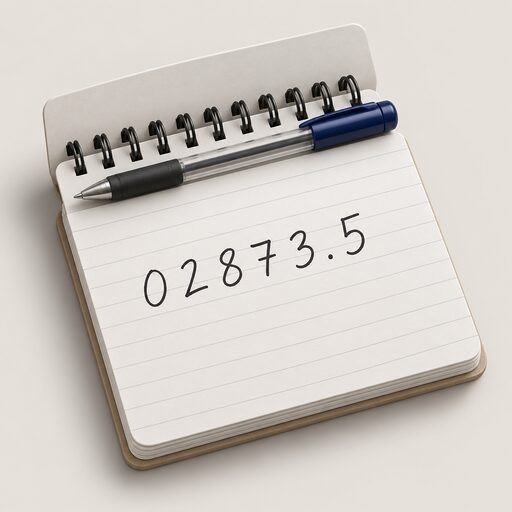 Take a Meter ReadingWhich numbers do you actually read on a gas or electricity meter, and which ones do you ignore?
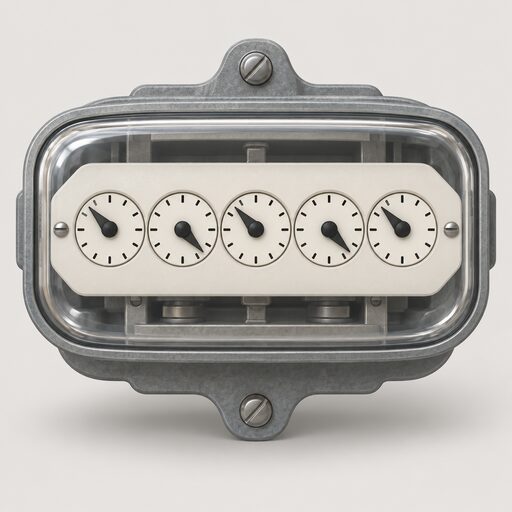 Meter Readings and EstimatesWhy is my energy bill estimated, and how often should my meter be read?
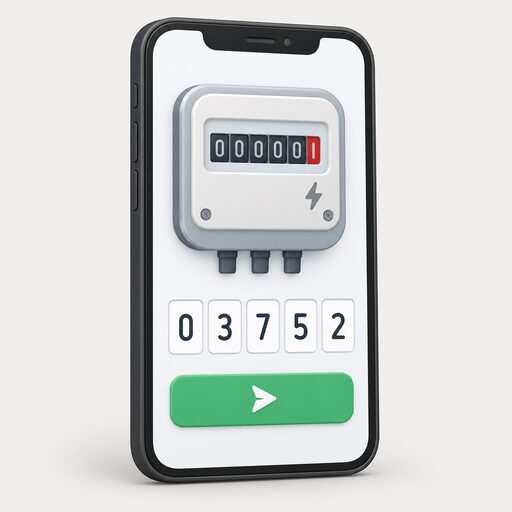 Submit Meter ReadingsThe routes for sending readings, by app, online account, phone and automated line, and the timing that gets them onto the right bill.
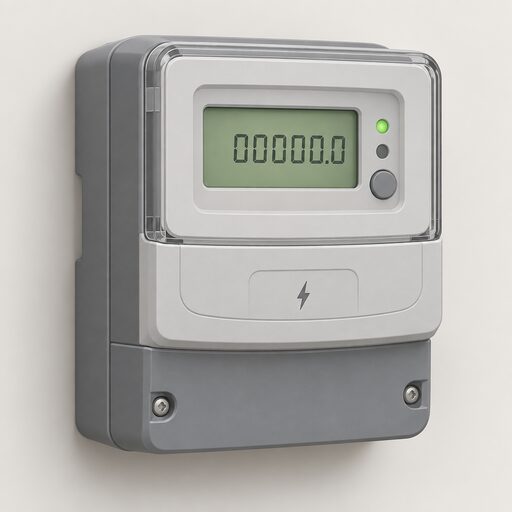 Take Control of Your EnergyHow do you read your own energy use and keep hold of your meter readings?
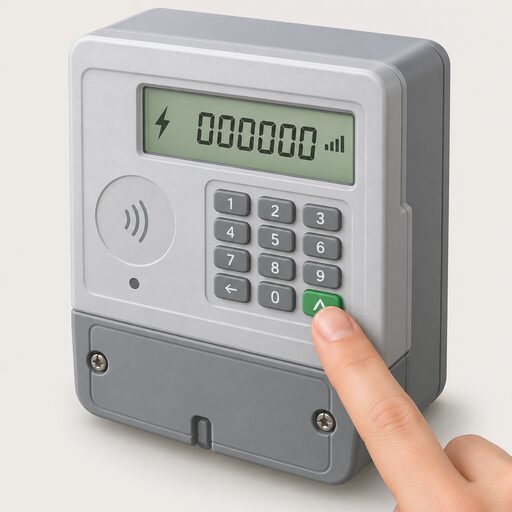 Get a Reading From a Smart MeterHow to bring up a meter reading on a smart electricity or gas meter when a manual reading is still needed, and the difference between the meter itself and the in-home display.
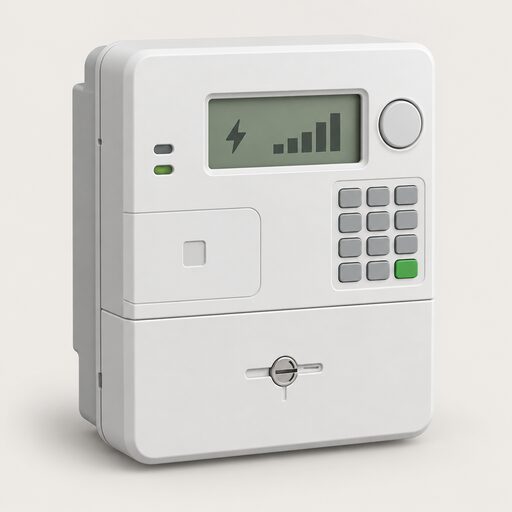 Who Owns Your Home Energy DataYour smart meter records how much gas and electricity you use, and that information belongs to you, not your supplier.