
In this answer
Short answer
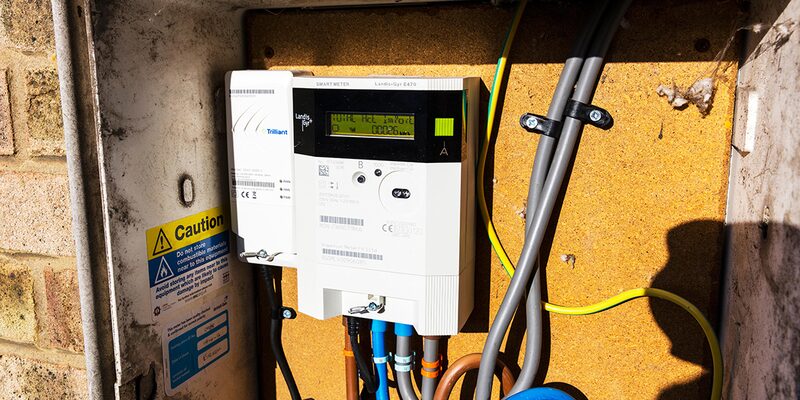
Switching energy supplier does not stop a SMETS1 meter from working. The meter keeps measuring your gas and electricity and keeps billing you, whatever supplier you move to. What a switch can interrupt is the smart layer on top: automatic readings, remote top-ups and the data that flows to an app. First-generation meters, known as SMETS1, do not always allow a change of supplier without losing the ability to send meter readings automatically1.
That is a functionality problem, not a barrier. Having a smart meter does not stop you switching supplier, and smart meters should make switching quicker because they can send information to a new supplier instantly2. The practical question is whether your particular meter has been enrolled onto the national network, because most now have. Through the SMETS1 migration programme, millions of first-generation smart meters were enrolled onto the DCC network, restoring smart functionality3.
The rest of this page sets out why SMETS1 meters behaved this way, what the industry upgrade changed, how first and second generation differ when you switch, and what to do before and after a move. It also covers the cases where a meter cannot be enrolled at all, and what the supplier is obliged to do about it.
Why SMETS1 meters lose smart functions when you switch supplier
First-generation meters were built before there was a single national communications network for smart metering. Each supplier connected them in its own way, so the meter's smart link was tied to the supplier that installed it. As a result, some SMETS1 meters could lose smart functionality when a consumer switched energy supplier3. The meter itself carried on measuring; it simply stopped being able to report.
The symptoms are consistent across the guidance. A SMETS1 meter can temporarily lose smart functionality when switching energy suppliers and may stop sending data to the new supplier, requiring manual meter readings7. Some customers have reported that after switching to a new energy supplier their SMETS1 meter lost its smart functionality and became "dumb", reverting to being a standard energy meter8. Older SMETS1 meters may sometimes lose connectivity after you switch supplier9.
"Some customers have reported that after switching to a new energy supplier their SMETS 1 meter lost its smart functionality and became 'dumb' reverting to being a standard energy meter"
A meter may also be sitting in dumb mode for a reason that predates the switch. Your smart meter may not be working in smart mode if you have an older first generation smart meter and you have switched supplier following the installation4. In other words, the loss is not always caused by the new switch; it can be a state the meter has been in since the last one.
For a household, the effect is a loss of independence from manual admin rather than a loss of supply. Automatic readings stop, so you become responsible for submitting them, and any remote functions the supplier offered, such as reading usage in an app or topping up a prepayment meter remotely, may not be available. The meter is still accurate and still yours to read.
The industry upgrade that fixed most SMETS1 meters
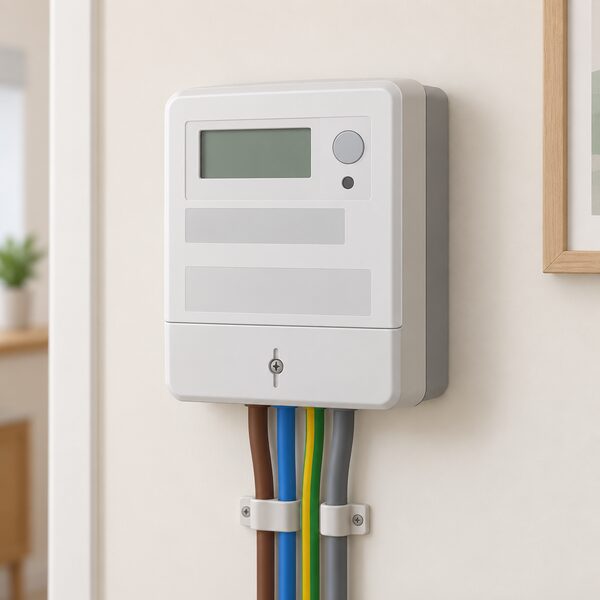
The fix was to bring first-generation meters onto the same national network that second-generation meters use from new. Through the SMETS1 migration programme, millions of first-generation smart meters were enrolled onto the DCC network, restoring smart functionality3. Almost all SMETS1 meters that DCC can proactively identify and upgrade have now been migrated, restoring smart functionality10.
The programme had a deadline and a fallback. Suppliers had until the end of 2023 to enrol first-generation meters onto the national network or replace them with second-generation meters, and if a supplier is unable to enrol a first-generation meter, it must replace it with a second-generation meter5. That is the key protection for a household: enrolment is the preferred route, replacement is the backstop.
Most are now connected to the central smart meter network and have regained their smart functions, and they should keep them if you switch supplier again; those that cannot be connected need replacing4. The distinction matters because it separates two groups of households. If your meter was enrolled, switching is now unremarkable. If it was not, the meter is a candidate for replacement rather than repair.
The upgrade also changed what a household can expect from the meter over its life. Those with first-generation smart meters will be upgraded to the new SMETS2 smart meters in due course if they have not been already11. So even a meter that is working perfectly today is on a path to replacement, and the trigger may be a network change rather than a fault.
SMETS1 vs SMETS2: which keeps working when you switch
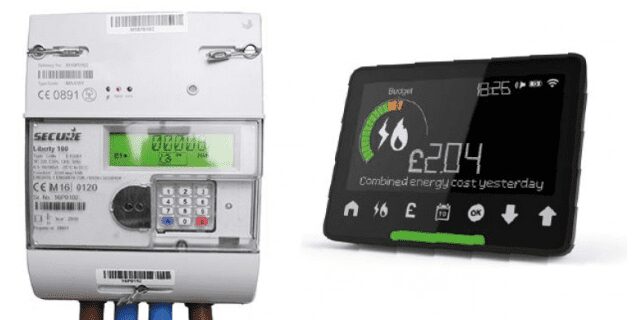
The two generations behave differently at the point of switching, and that difference is the whole reason the enrolment programme existed. SMETS2 meters allow consumers to switch supplier while retaining smart functionality, including automatic meter readings10. They were designed to connect directly to the DCC's secure national network, allowing supplier switching while retaining smart functionality3.
| Behaviour on switching | SMETS1 | SMETS2 |
|---|---|---|
| Metering and supply | Continue as normal | Continue as normal |
| Automatic readings | Can be lost temporarily; manual readings may be needed1 | Retained, no interruption10 |
| Bill payments | Unaffected | Unaffected12 |
| Gas and electricity supply | Unaffected | Unaffected12 |
| After enrolment | Regains smart functions and should keep them on further switches4 | Not applicable |
The second-generation position is stated consistently. With a SMETS2 meter, switching energy suppliers involves no interruption to energy readings or bill payments12. Switching energy suppliers involves no interruption to energy readings, bill payments or gas and electricity supply13. Cross-compatibility means a smart meter keeps its smart functions across all energy suppliers, so a switch of supplier leaves it working as it should5.
Age is the practical test for which you have. SMETS2 meters have been in operation since 2018, so if your installation happened since then, there is a strong chance you have one6. Before smart meters were rolled out, switching energy suppliers could take up to three weeks and problems were commonplace6, which is the baseline the smart system was built to improve on.
For energy independence, the difference is about who holds the data link. A SMETS2 meter connects to a national network rather than to one supplier, so changing supplier does not sever the connection. A SMETS1 meter that has been enrolled reaches the same position; one that has not is dependent on the goodwill and capability of whichever supplier is responsible for it.
What to do before and after you switch
The switch itself is straightforward, but a few conditions decide whether it goes smoothly. A first-generation meter needs to be operating in credit mode on the industry database to allow a transfer5. That is worth checking if you are on a prepayment meter, because the mode recorded against the meter, not the tariff you are on, is what the transfer depends on.
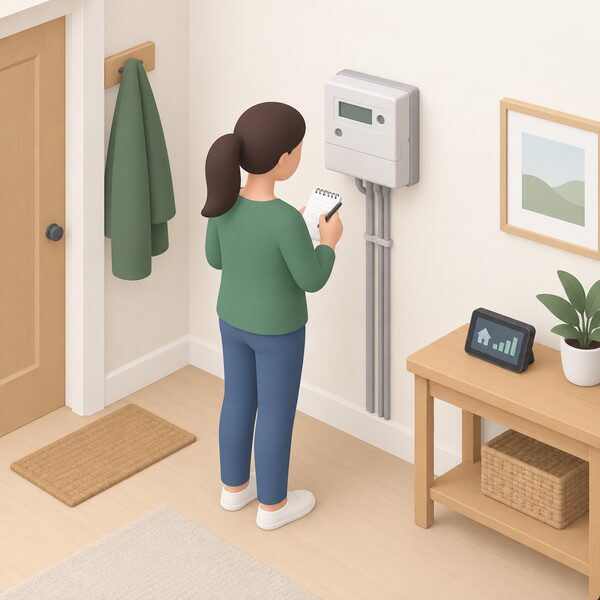
Readings are the other practical point. Meter readings should be sent automatically by your smart meter to your energy supplier14, and readings are sent to your supplier automatically, but some older smart meters cannot send automatic readings after switching supplier15. You may need a manual reading if you are switching supplier, if the meter temporarily loses connection, if you are monitoring energy use more closely, if you have changed meter settings, if you switched supplier with a SMETS1 meter, or if the supplier is confirming recent usage6.
- Take a final reading before the switch completes and keep it.
- Give the new supplier an opening reading if automatic readings are not flowing.
- Check the in-home display still shows usage after the switch.
- If readings stop reaching the supplier, report it rather than waiting.
Two special cases are worth separating. If your supplier goes out of business, do not switch tariff or supplier while your account is being moved to the new supplier16. And if you receive Feed-in Tariff payments, you will need to agree to a new statement of FIT terms with your new licensee and provide up-to-date meter readings before they will start making payments to you17. Prepayment customers with debt can still switch if they pay by topping up a prepayment meter and have less than £500 debt for each meter, repaying the debt to the new supplier18.
Where a SMETS1 meter falls short
The limits are worth stating plainly. First-generation smart gas and electricity meters do not always allow the consumer to change energy supplier without losing the ability to send meter readings automatically10. A new supplier might not offer all the smart meter services, such as remote meter readings, and the meter may need replacing19. Your meter may not work in smart mode when you move to the new supplier, and you may need to take meter readings manually and submit them to your new supplier instead20.
If that happens, the responsibility sits with the supplier. If your smart meter stops working, contact your supplier, which is responsible for maintenance and will fix or replace your meter as needed21. A first-generation smart meter may have experienced some loss of its smart functionality when switching energy suppliers22, and that is a known issue rather than something a household has caused.
The in-home display is a separate device and usually survives. The in-home display that came with your smart meter should still connect to your smart meter, even if you change supplier or tariff23. If your current smart meter display breaks or goes missing in the first 12 months, you will be able to get a free replacement24. The device will not normally work in a different property, so it stays behind when you move25.
What remains dependent, even after enrolment, is the wider chain: the meter still relies on the national communications network, on a supplier to hold the account, and on the network operator to reach it. A smart meter does not make a home independent of the grid or of a supplier. It makes the data link portable between suppliers, which is a narrower but real gain, and it is the reason a SMETS1 meter that has been enrolled behaves much like a SMETS2 one at the point of switching.
Sources25 cited
- What is a smart meter?, Which?, 2026-04-07
- Myth-busting smart meter problems, Smart Energy GB, 2026-09-17
- Upgrading Britain's first-generation smart meters, Smart DCC, 2026
- Smart meter problems and solutions, Which?, 2026-03-16
- Smart meters, Energy Ombudsman, 2026-09-20
- How can I read a smart meter, Smart Energy GB, 2026-08-17
- Smart meters explained, Uswitch, 2026-07-29
- Energy meters, Energy Helpline, 2026-09-20
- How can I read a smart gas meter, Smart Energy GB, 2026-08-17
- How do you know if you have a smart meter?, Smart DCC, 2026
- Does a smart meter need Wi-Fi?, Smart DCC, 2026
- Do I already have one, Smart Energy GB, 2026-03-16
- What is a smart meter, Smart Energy GB, 2026-08-10
- Smart meters: your rights and expectations, GOV.UK, 2025-08-08
- Reading your gas or electricity meter, Centre for Sustainable Energy, 2026-08
- You can't afford to top up your prepayment meter, Citizens Advice, 2026-09-17
- Feed-in Tariffs: FIT generators, Ofgem, 2026-09-17
- How to switch energy supplier, Which?, 2026-05-15
- Problems with services, Isle of Anglesey County Council, 2025-10
- What happens if your energy supplier goes out of business, Ofgem, 2026
- Smart meters, Welsh Government, 2026
- Troubleshooting smart meter issues, Smart Energy GB, 2026-04-01
- Switching supplier with a smart meter, Smart Energy GB, 2026-03-16
- Understanding your home energy usage, ivie, 2026-09-20
- The in-home display, Smart Energy GB, 2026-08-19
 SMETS1 and SMETS2 MetersIs your smart meter an old first generation model or a newer one, and does it matter?
 Smart Meter Faults and FixesYour smart meter has stopped working.
 Smart Meter RulesCan your supplier make you have a smart meter?
 Take a Meter ReadingWhich numbers do you actually read on a gas or electricity meter, and which ones do you ignore?
 Meter Readings and EstimatesWhy is my energy bill estimated, and how often should my meter be read?
 Smart Meter InstallationCan your supplier make you have a smart meter, and how long should you wait for an appointment?