
In this answer
Short answer
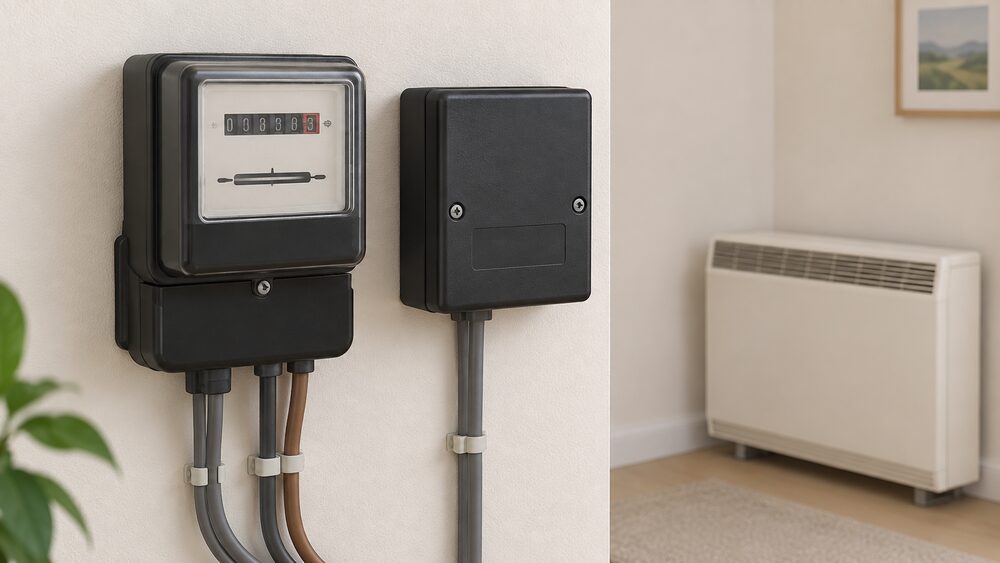
The Radio Teleswitch Service (RTS) was a national radio signal that told some older electricity meters when to switch between peak and off-peak rates, and when to turn electric heating and hot water on and off1. It was introduced in the 1980s and has been gradually retired, because the equipment that produces the signal could no longer be adequately maintained2.
For a household with storage heaters or an immersion heater on a cheap overnight rate, the practical effect is that the meter no longer receives the instruction to switch. Meters affected by the switch off remain on supply, but they no longer switch to lower rates, and heating or hot water may fail to turn on automatically4. Ofgem states plainly that support for RTS meters has now ended, and that if you still have one it may no longer work as expected5.
The remedy is a meter replacement, arranged through your electricity supplier. All RTS meters need to be replaced, and radio teleswitches are being replaced as part of the smart meter rollout programme6. A smart meter can be programmed to deliver a similar service to an RTS meter2.
What the RTS signal does and which homes it affects
RTS is a service that produces the radio signal to household meters that have off-peak tariffs but are not smart meters. It sends signals by radio waves to switch between peak (expensive) and off-peak (cheaper) electricity rates, and it controls when heating and hot water systems turn on9. The same function is described as switching meters between peak and off-peak rates, sometimes called day or domestic and night or control10.
It is commonly used in homes with electric storage heaters, panel heaters, wet electric heating and immersion heaters11. For households on Total Heat with Total Control or Comfort Plus with Weathercall, the radio teleswitch signal told the storage heaters when to charge and the hot water when to switch on12. The switch off affects customers who have an RTS meter in their home, and may mean their heating and hot water supply stops functioning as normal13.
The service is UK-wide. The industry switch off means that across the UK, RTS meters and teleswitches are no longer receiving signals to switch4. More than 300,000 homes across the UK were still using the service as of September 20251.
Without the RTS signal, systems may become unpredictable, potentially not working or turning on or off at incorrect times9. That unpredictability is the core risk for a storage heating household: the heaters may still draw power, but not necessarily in the cheap window the tariff assumes.
How to tell whether your home has an RTS meter
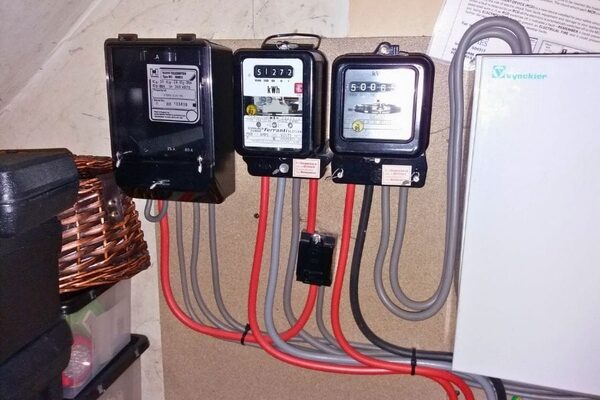
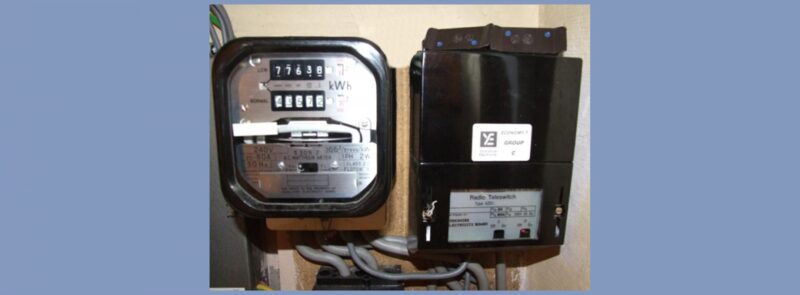
The clearest sign is a separate switch box near your meter with a Radio Teleswitch label on it2. Consumer guidance puts it just as simply: ask whether there is a black box next to the meter, and that box should have radio teleswitch written on it14. A letter about getting a new meter is another indication14.
Other signs cluster together. There may be a separate switch box with a Radio Teleswitch label, electric heating or storage heaters, no gas supply to the area, and cheaper energy at different times of day on a tariff such as Economy 7, Economy 10 or Total Heat Total Control2. The same set of identification signs is repeated in independent guidance15.
It is worth being precise about Economy 7 here, because the two are not the same thing. Some older Economy 7 meters use the RTS service and will be affected, but not all Economy 7 meters do3. A household on Economy 7 with a smart meter or a modern non-RTS meter is not caught by this change.
Economy 7: the tariff behind most RTS meters
RTS allows home and business customers to use electricity tariffs that typically include cheaper rates around off-peak times, such as Economy 7, Economy 10 and several others16. For an RTS household, the tariff might be Economy 7, Economy 10 or Total Heat Total Control8. RTS was brought in to manage older, complex meters that let customers switch between on and off-peak rates, such as some Economy 7 meters, before smart meters came along17.
The tariff matters because of how storage heating works. Night storage heaters usually draw electricity from the grid overnight at a cheaper rate and disperse heat at a low and slow level through the day18. Most storage heaters will only charge up at night, so the input setting can be left without danger of using expensive day-rate electricity19. That protection depends on the meter switching the cheap rate on at the right time, which is exactly what the RTS signal did.
Independent assessment is that storage heating is a cheap form of electric heating if you understand the controls, update settings regularly and are on the Economy 7 tariff20. The condition attached to that verdict is the point: the running cost advantage rests on the off-peak window being delivered reliably.
Time-of-use tariffs generally are becoming less common as the legacy meters that support them are phased out21. That is a trend across Economy 7 and Economy 10, not a statement that Economy 7 is disappearing. One supplier states that the Economy 7 options will continue22.
What happens to your meter, tariff and heating after the switch-off
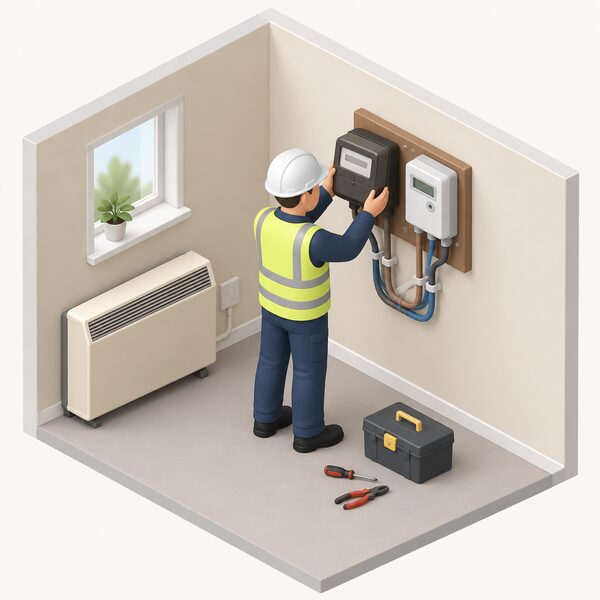
After they are switched off, RTS meters stop functioning properly, which might leave households unable to switch between peak and off-peak rates, and in some cases without heating and hot water17. Meters affected by the switch off remain on supply, but they no longer switch to lower rates, and heating or hot water may fail to turn on automatically4.
The consequences of not upgrading are described consistently across independent guidance. Heating or hot water may be continually left on or off, or the charging up may happen at the wrong time of day, and electricity costs could be much higher than before2. A second account adds that the supplier cannot confirm peak or off-peak usage, which could mean higher electricity bills23. Heating and hot water could stop working properly, for example turning on or off at the wrong times10.
On tariffs, the position is reassuring but not identical to what came before. You will still be able to get a tariff that supports heating and hot water after your meter is replaced, but it may differ from your current one10.
When the service ends
Some guidance states the service was due to end on 30 June 20259, and one source gives the same date as Monday 30 June 202511. Others state that on 30 June 2026 the phase out of the Radio Teleswitch Service was completed as the technology reached the end of its life2, and Welsh official news gives 30 June 2026 as the end date24. Ofgem has been reported as expecting the switch off by the end of 202625. One supplier states the signal has now been switched off26.
The reason for the retirement is not disputed: the equipment that produces the radio signal could not be adequately maintained anymore2, and the signal is being turned off because the equipment reached the end of its lifespan13.
"The Radio Teleswitch Service (RTS) is a service that produces the radio signal to household meters that have off peak tariffs but are not Smart meters"
Your options: staying on Economy 7, changing meter, or moving to a smart tariff
The replacement itself is arranged with your electricity supplier. Ofgem advises contacting your supplier to arrange to have a new smart meter installed5. Independent guidance is more urgent: if you have a Radio Teleswitch meter, you need to book a new meter installation now3. Your energy supplier can replace your RTS meter with a smart meter10.
There are three broad routes, and the facts describe each.
A smart meter on an Economy 7 or time-of-use tariff. A smart meter will give you a similar service to your RTS meter23, and can be programmed to deliver a similar service2. Smart meters are compatible with Economy 7 tariffs and fixed rate tariffs, and can also enable you to join other newer time-of-use tariffs, allowing you to switch tariffs without changing the meter27. You can get a smart meter if you are on an Economy 7 or Economy 10 tariff28, though not all suppliers can offer this29.
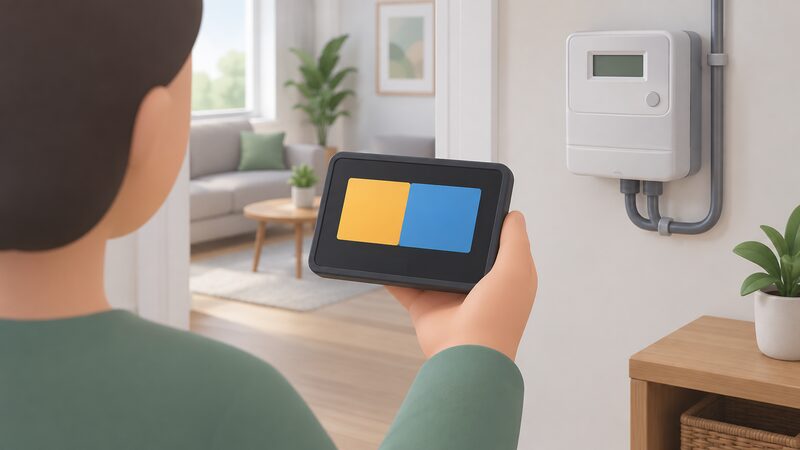
A non-smart or non-communicating meter. If a smart meter cannot be fitted because of a lack of signal, the supplier will usually install a non-communicating smart meter preset to switch between tariffs, or a non-smart meter on request14.
A credit meter. You can talk to your current supplier and arrange for a credit meter to be installed, which may cost a fee30. If you do not already have an Economy 7 meter, your chosen supplier will need to install a new one31.
Where the dependence remains
Replacing the meter removes the reliance on a radio signal that no longer exists, but it does not make a storage heating household independent of the grid or of a supplier. The heaters still draw from the mains, the cheap window still comes from a tariff, and the switching schedule now sits in the meter or in the supplier's systems rather than in a broadcast.
Two further dependencies are worth naming. First, the tariff: a replacement meter keeps a heating and hot water tariff available, but it may differ from the current one10. Second, the signal itself: where there is no mobile coverage, the fallback is a non-communicating smart meter preset to switch between tariffs, or a non-smart meter on request14. That arrangement works, but it is a fixed schedule rather than a live one.
For households that rent and pay a landlord or site owner by meter readings or estimates, there is a separate constraint: residents in that position do not have the right to switch suppliers themselves32. The meter replacement still needs to happen, but the route to arranging it runs through the landlord or site owner rather than directly to a supplier.
The wider direction of travel is towards electrified heating and away from legacy metering. Time-of-use tariffs are becoming less common as the legacy meters that support them are phased out21, while smart meters are the platform for the newer versions of the same idea27. For a storage heating household, the switch off is less an ending than a change of mechanism: the cheap overnight electricity remains available, but the thing that used to deliver it has stopped.
Sources32 cited
- Radio Teleswitch Service (RTS) switch off slowed to ensure smooth transition, British Gas Energy Trust, 2025-09-02
- The Radio Teleswitch Service switch off: what you need to know, Energy UK, 2026-07-01
- The Radio Teleswitch Service (RTS) switch off, Smart Energy GB, 2026-04-24
- Your meter needs to be replaced, Utility Warehouse, 2026-09-20
- Get help with your smart meter, Ofgem, 2026-09-17
- RTS meter switch off, Energy Saving Trust, 2026-05-08
- Radio Teleswitch, Energy Networks Association, 2026-09-17
- Radio Teleswitch Service (RTS) switch off, Age UK, 2026-08-26
- Radio Teleswitch Service, Electricity North West, 2026-09-19
- RTS switch off, Home Energy Scotland, 2026-09-20
- Closure of the Radio Teleswitch Service explained, Home Energy Scotland, 2025-02
- How to save energy when you've got electric storage heaters, Home Energy Scotland, 2025-01
- RTS: what you need to know, Act on Energy, 2026
- Important reminder for Economy 7 and 10 meters, Centre for Sustainable Energy, 2026-06
- Radio Teleswitch Service switch off, National Energy Action, 2026-07-29
- Energy UK explains the smart meter network switch from the Radio Teleswitch Service, Energy UK, 2024-05-22
- RTS meters, Good Energy, 2026-07-17
- The best heating for your home, Which?, 2025-09-22
- Night storage heaters, Centre for Sustainable Energy, 2025-10
- Energy saving myths, Centre for Sustainable Energy, 2026-07
- How to switch energy supplier, Which?, 2026-05-15
- Economy 7 update, Electrorad, 2026-09-20
- RTS meters, National Energy Action, 2026-07-08
- Act now: RTS switch off could affect heating and hot water, Rent Smart Wales, 2026-06-15
- Time of use tariffs explained, Which?, 2026-04-23
- Radio Teleswitching Service, OVO Energy, 2026-09-17
- What is Economy 7?, Smart Energy GB, 2026-04-07
- Can I get a smart meter?, Smart Energy GB, 2026-03-16
- Economy 7, Uswitch, 2026-09-08
- Energy tariffs explained, Uswitch, 2026-02-17
- What is Economy 7, Energy Helpline, 2026-09-20
- Alternative homes energy guidance, Ofgem, 2026
 Radio Teleswitch Switch-OffIs your storage heating or hot water still run by an old radio-controlled meter?
 Heat Pump Electricity TariffsA heat pump tariff gives you cheaper electricity for part of the day, so running your heating costs less than on a standard rate.
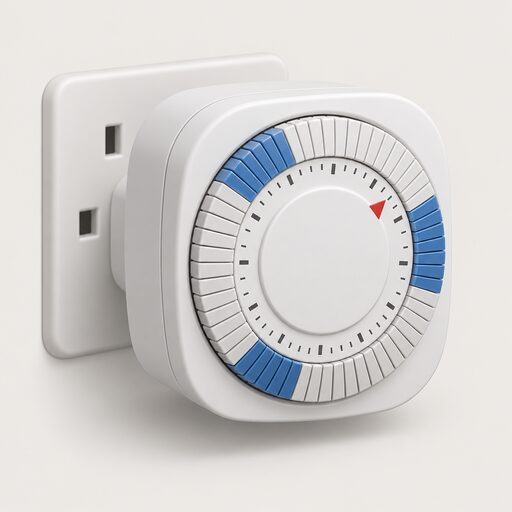 Controls and Time-of-Use TariffsCheaper electricity at night only saves money if your heating actually uses it then.
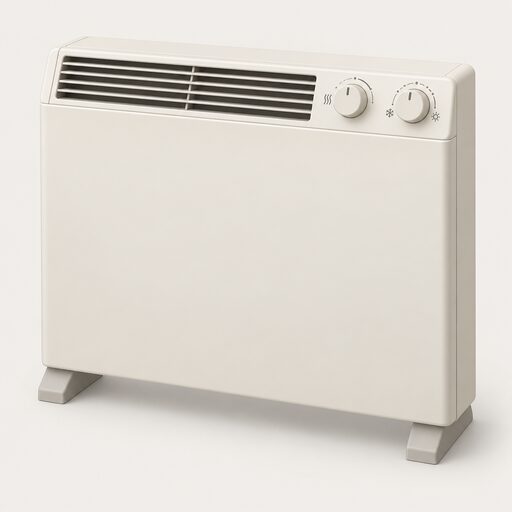 Storage Heater ControlsExplains manual input and output dials, automatic charge control and the smart charging used by modern high-retention heaters.
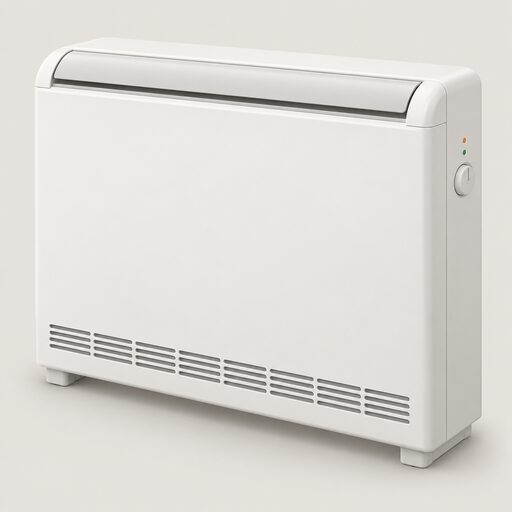 Economy 7 and TariffsHow off-peak and time-of-use electricity tariffs work for heating, including Economy 7, Economy 10, Scottish white meter arrangements and the end of the Radio Teleswitch Service.
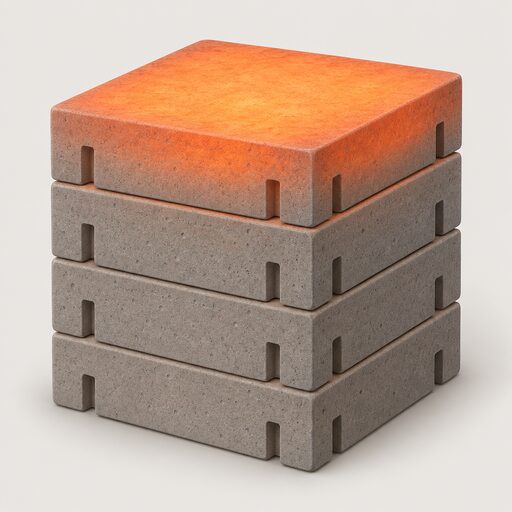 Storage Heaters GuideHow night storage heaters charge on off-peak electricity and release heat through the day, and how high heat retention models with fans and controls differ from older bricks.