
In this guide
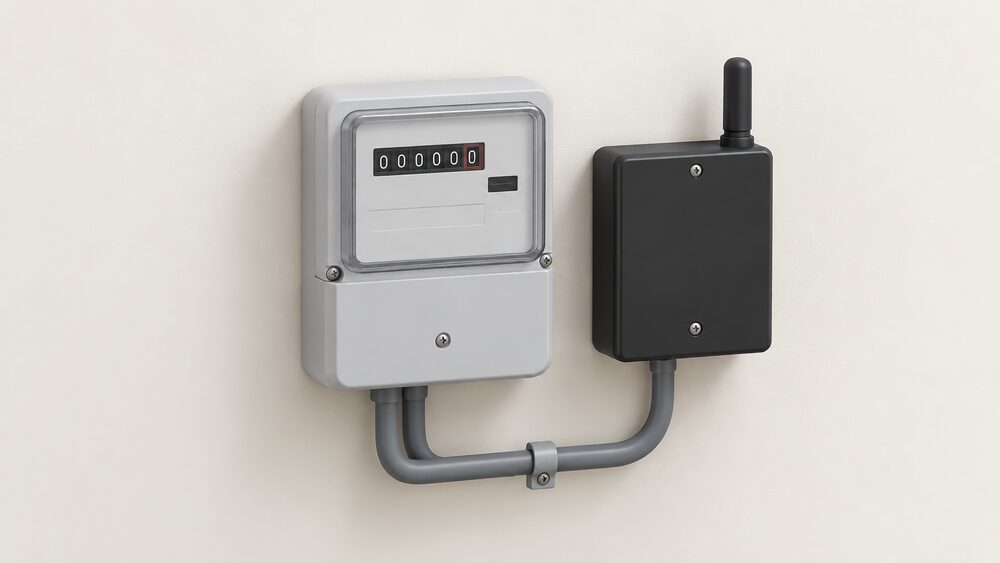
The Radio Teleswitch Service (RTS) is a national service that uses a radio signal to switch some electricity meters between peak and off-peak rates, sometimes called day or domestic and night or control1. It exists because a large number of homes on off-peak tariffs have meters that are not smart meters, and something has to tell those meters when the cheap rate begins and ends, and when storage heaters and hot water should charge1. The radio teleswitch is the device that lets electricity suppliers switch large numbers of electricity meters between different tariff rates2.
That service is being retired. Energy Networks Association describes radio teleswitches as being replaced as part of the smart meter rollout programme2, and the equipment that produces the radio signal can no longer be adequately maintained1. The published switch-off date is not consistent across the documents: several sources give 30 June 20253, while others give 30 June 20264.
What matters for a household is the consequence. Without the RTS signal, systems may become unpredictable, potentially not working or turning on or off at incorrect times1. Heating and hot water could be continually left on or off, or the charging-up could happen at the wrong time of day, and the supplier may be unable to confirm peak or off-peak usage, which could mean higher electricity bills5. The replacement route is a smart meter, which can be programmed to deliver a similar service1.
What the Radio Teleswitch Service is and why it matters to your heating
Radio Teleswitching is the transmission of digital data on radio for alarm, control and information to locations throughout the reception area of the radio transmissions2. In a domestic setting that data does two jobs. It switches the meter between peak and off-peak rates, and it controls when heating and hot water systems turn on1. For homes on Total Heat with Total Control or Comfort Plus with Weathercall, the radio teleswitch signal tells the storage heaters when to charge and when the hot water should switch on8.
The service is provided by your electricity supplier1, not by a separate network operator, which is why the practical route for any household with a question is to contact the electricity supplier2. Suppliers are required to proactively contact customers who currently use RTS meters to inform them about the upcoming switch-off date and the need to upgrade to a smart meter to avoid disruptions1.
The reason for retirement is physical rather than commercial. The equipment that produces the radio signal could not be adequately maintained anymore1, and the service is reaching the end of its operational life1. Energy UK's account of the phase-out is blunt about what happens if the equipment is not replaced: customers could be limited to a more expensive single-rate tariff and could no longer rely on heating and hot water switching on and off as expected, with the risk of them even staying permanently on or off9.
That last point is the one that matters most to a household. A teleswitch is not a meter in the billing sense; it is the clock and the switch. When it stops, the meter may still record electricity, but the household loses the timed control that made an off-peak tariff worth having. The dependence being removed here is not on a supplier or a grid, it is on a broadcast signal that the household never controlled and cannot replace itself.
Why the switch-off affects Economy 7 and storage heater homes first
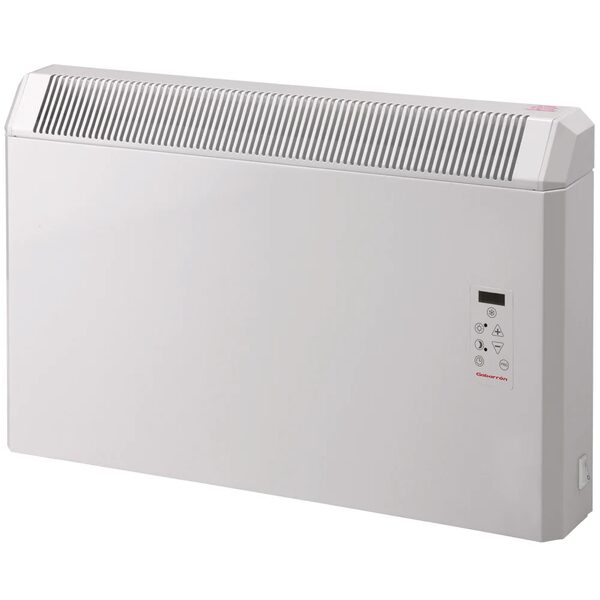
The households most exposed are those whose heating and hot water depend on the off-peak circuit being switched at the right time. Storage heaters work by using cheaper, off-peak night-time electricity to create and store heat, which can be used the following day, and are sometimes called Economy 7 heaters10. They use Economy 7 or Economy 10 tariffs for cheaper energy at night11. Economy 7 and Total Heat with Total Control are meters and tariffs designed to work with storage heating8.
The teleswitch is what replaces the clock in Economy 7 systems2. Where a simple teleswitch is used, it cannot vary the heating load time without varying the peak and off-peak times2, so the switching of the heating and the switching of the tariff are locked together. A double teleswitch separates the two, so that the heating load is independent of tariff changes2. That distinction explains why some homes lose control of their heating timing when the signal stops while others keep a working off-peak rate.
The practical instruction from the Centre for Sustainable Energy is direct: anyone with these systems on Economy 7 or Economy 10 tariffs will need a new meter to ensure their heating and hot water continue turning on and off as usual12. Households no longer on an Economy 7 or Economy 10 tariff are in a different position. Their meter will continue to function normally and, providing all their electricity is on one circuit, they should not see a difference, though the Centre recommends smart meters12.
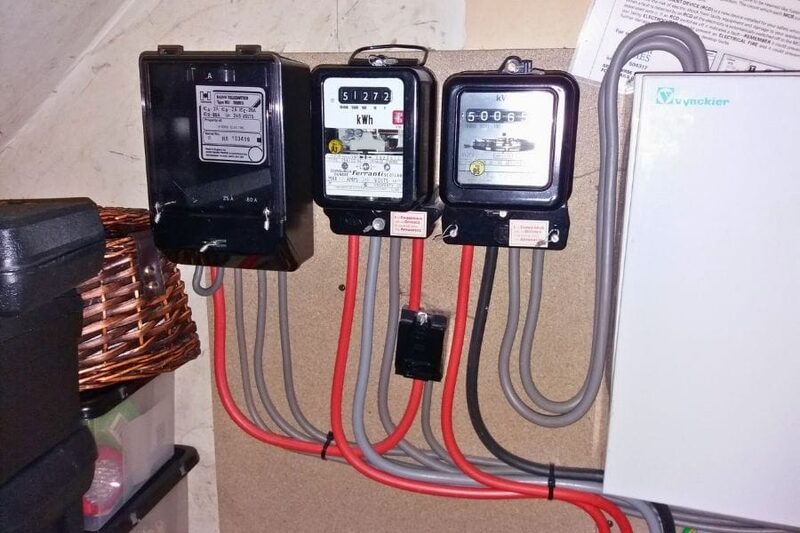
Not every Economy 7 meter is affected. Some older Economy 7 meters use the RTS service and will be affected, but not all Economy 7 meters5. That is why identification matters more than the tariff name alone.
How to tell if your meter uses a radio teleswitch signal
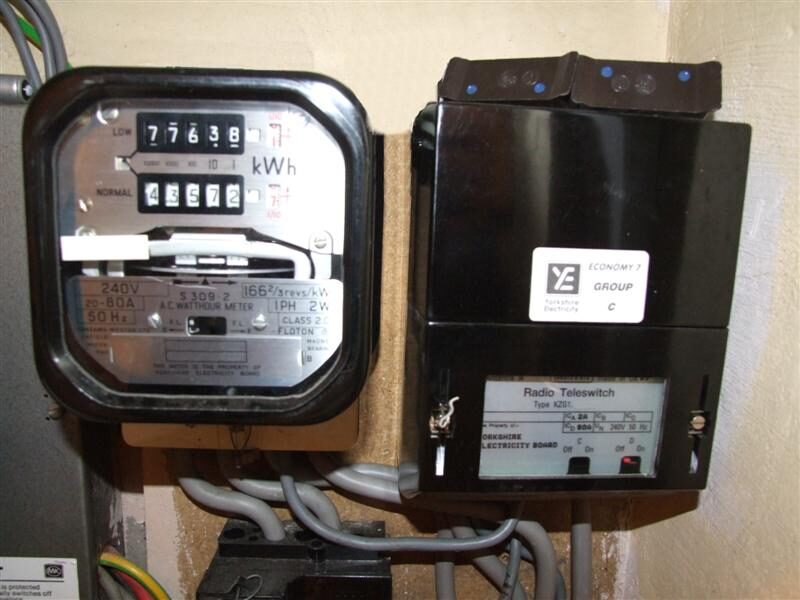
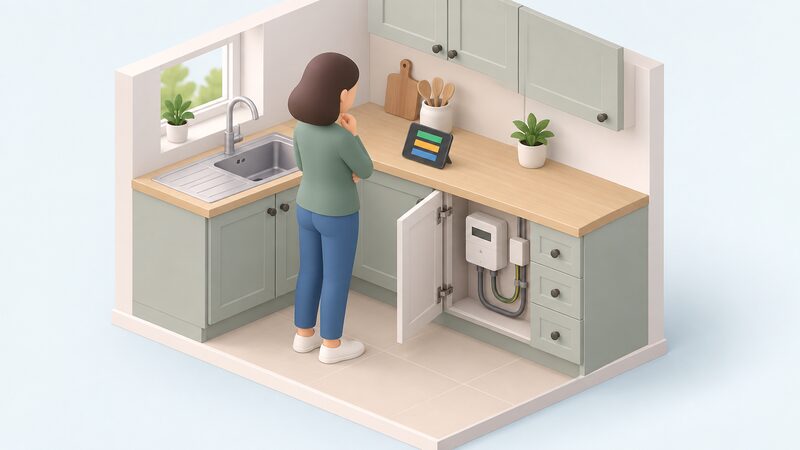
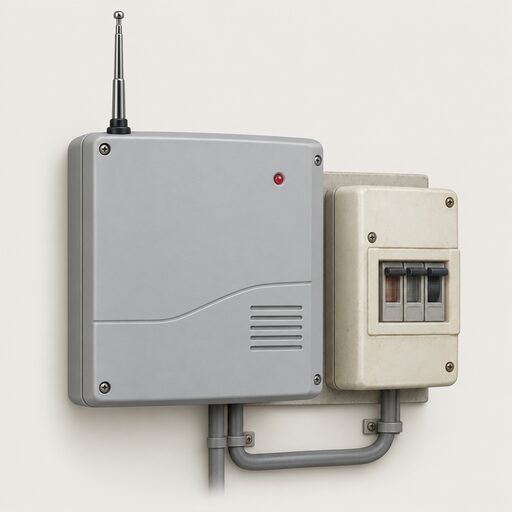
There are two reliable checks. The first is physical: a black box next to the meter with radio teleswitch written on it12, or a separate switch box near the meter with a Radio Teleswitch label on it1. The second is circumstantial. Smart Energy GB lists the criteria as a separate switch box near the meter often labelled Radio Teleswitch, a property heated using electricity or storage heaters, no gas supply to the area including rural areas and high-rise flats, and a tariff that is Economy 7, Economy 10 or Total Heat Total Control5. A letter about getting a new meter is a further indicator12.
Energy UK's identification signs match: a separate switch box with a Radio Teleswitch label, electric heating or storage heaters, no gas supply to the area, and cheaper energy at different times of day such as Economy 7, Economy 10 or Total Heat Total Control1.
If a household still has one, it may no longer work as expected7. Ofgem's guidance states that support for RTS meters has now ended7, and the recommended action is to contact your supplier to arrange to have a new smart meter installed7. The same instruction appears in Ofgem's getting-smart-meter guidance13.
What happens to your off-peak circuit when the signal stops
The failure mode is not a clean shutdown. Without the RTS signal, systems may become unpredictable, potentially not working or turning on or off at incorrect times1. Energy UK describes the outcome for households that do not upgrade: heating or hot water continually left on or off, or the charging-up happening at the wrong time of day, and electricity costs that could be much higher than before1. The reason costs rise is metering rather than generation: the supplier will not be able to confirm how much electricity was used during peak or off-peak times3.
Home Energy Scotland puts the same risk in plain terms: if a household decides not to upgrade its meter, heating and hot water provision could be affected8. Energy UK's earlier explanation of the phase-out warned that customers could be limited to a more expensive single-rate tariff and could no longer rely on heating and hot water switching on and off as expected, with the risk of them even staying permanently on or off9.
The consequences fall into three groups:
- Timing. The off-peak circuit may switch at the wrong hours, so storage heaters charge during expensive periods.
- Control. Heating or hot water may be stuck on or stuck off, with no household-side fix.
- Billing. Without confirmed peak and off-peak usage, the cheaper rate may not be applied correctly3.
A supplier can send an engineer to the property to make sure the heating system and water heater will not be affected by the switch off14. That visit is about the wiring and the controlled circuits, not just the meter.
Smart meters as the replacement: how readings and switching work
The replacement route is a smart meter, which can be programmed to deliver a similar service to an RTS meter1. Your energy supplier can replace your RTS meter with a smart meter4, and the household action is to book a new meter installation with the electricity supplier now to avoid disruption5.
The functional gain is that the switching moves from a broadcast radio signal to the meter itself. A smart meter automatically sends your electricity and gas meter readings to your supplier7, and readings are sent automatically via the DCC's secure network15. The prepayment service allows consumers to add credit to their meters through an over-the-air top-up over that network16. Bills are then based on accurate meter readings and not estimates7, and the household can access more flexible tariffs, including dual-rate tariffs7.
There is a limit worth stating. Except by switching, you do not control the tariff your energy supplier sets15. A smart meter changes how energy is measured and switched, not who sets the price. The household also gains an in-home display showing how much energy is being used during the day13, and the meter is provided free by the supplier13.
Smart meters are not immune to faults. A smart meter may stop recording the energy you use, or may no longer send readings to your supplier7. Where a meter is not operating in smart mode, manual readings can still be taken17.
Economy 7 after the switch-off: the tariff, its hours and who it suits
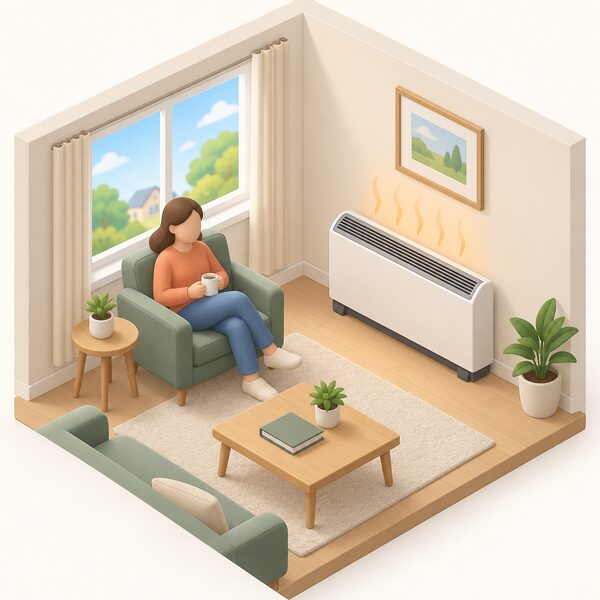
Economy 7 offers cheaper prices for 7 hours during the night18, and the cheaper rate usually runs between midnight and 7 am18. Households should check the hours their own supplier applies rather than assume a single national window.
For energy customers who have electric storage heaters, the Economy 7 tariff is an ideal option as they can be heated overnight and used to give off heat the following day18. That is the design case: the tariff and the heater were built for each other.
Smart meters are compatible with Economy 7 tariffs and fixed rate tariffs, and can enable newer time-of-use tariffs10. All smart meters can support tariffs which charge different prices at different times throughout the day and night, including Economy 7, and Economy 10 meters are also available19. You can get a smart meter combined with an Economy 7 tariff, but not all suppliers offer this18.
One caution applies to newer heater types. Dynamic storage heaters have higher running costs than night storage heaters because they do not work with Economy 720. A household replacing heaters at the same time as the meter should know that the tariff compatibility is not automatic across all storage heater designs.
| Tariff or control | Off-peak window | Notes |
|---|---|---|
| Economy 7 | 7 hours at night, usually midnight to 7 am18 | One source gives 22:00 to 08:3011; documents disagree |
| Economy 10 | Not stated in the sources | Available with smart meters19 |
| Total Heat Total Control | Not stated in the sources | Affected by the RTS switch-off6 |
Storage heaters and their controls: what runs on the off-peak circuit
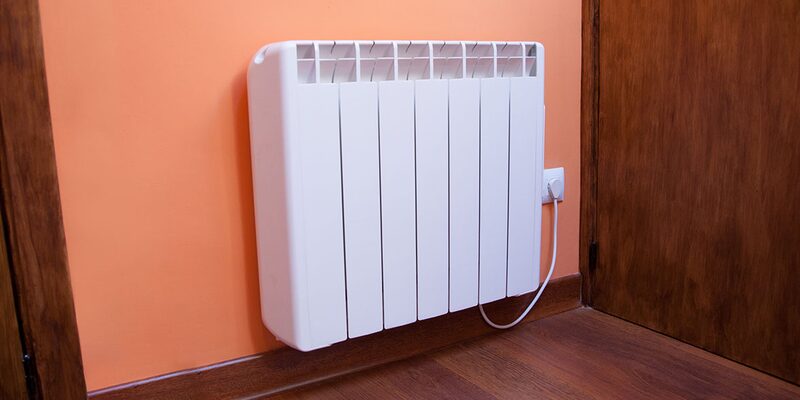
Storage heaters charge during off-peak hours when electricity is cheaper, usually overnight21. The controls on a manual heater are two dials. An input dial, sometimes known as charge, controls how much heat the heater stores as it charges overnight21. The INPUT or CHARGE control regulates the amount of heat that is stored up during the night, and is set higher in cold weather and turned down or off in warmer weather22. The OUTPUT or BOOST control regulates the rate at which the stored heat is released, left on a low setting during the day and turned up in the evening if more heat is needed22.
Older storage heaters use input and output dials to control heat19. High heat retention storage heaters have automated controls19. Building Regulations Approved Document L requires that automatic control of input charge should be provided for electric storage heaters23. That requirement matters after the switch-off, because a heater whose charging is controlled by a signal that no longer exists is not under automatic control in any useful sense.
The relationship between the meter and the heater is the whole point of the off-peak circuit. The teleswitch told the heater when to charge; the smart meter takes over that role. Where a household keeps an older heater with manual dials, the charging window is still set by the meter, so the heater continues to work as long as the meter switches correctly.
Costs of the change: meters, heaters and running costs
The meter itself is free. Ofgem's guidance is to contact your supplier to get a smart meter for free13, and the same free position is stated in Ofgem's smart meter help pages7. There is no published price for the replacement meter in the sources, and no published price for a replacement storage heater; heater prices are installer-quoted.
The cost risk sits in running costs rather than hardware. If the RTS equipment is not replaced, customers could be limited to a more expensive single-rate tariff and could no longer rely on heating and hot water switching on and off as expected9. Energy UK states that electricity costs could be much higher than before where the supplier cannot confirm peak or off-peak usage3. That is the financial case for acting rather than waiting.
Where a household replaces storage heaters at the same time, the work is not a DIY job. A registered electrician should replace your storage heaters19. The supplier can also send an engineer to make sure the heating system and water heater will not be affected by the switch off14.
On the wider direction of travel, electric heating is expected to expand: to meet climate targets, nearly all of this will need to change to electric heating over the next 10 to 15 years20. That is a statement about the UK's heating stock as a whole, not a prediction about any individual home, but it frames why the off-peak circuit and its controls are worth getting right now rather than patching.
Your rights and choices: refusing, switching suppliers and prepayment
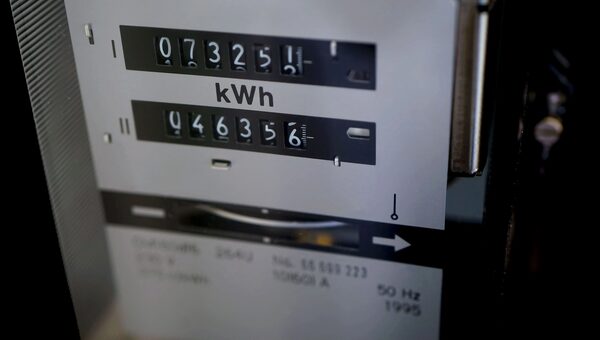
You are not obliged to accept a smart meter3. Where a household declines one, the supplier may install a meter with the tariff pre-programmed; the household will need to send in manual readings and will not get the full benefits of a smart meter, but the heating will continue to work4. Where a smart meter cannot be installed because of a lack of signal, the supplier will usually install a non-communicating smart meter preset to switch between tariffs12. A smart meter will give a similar service to an RTS meter6, and moving to one allows a household to continue on a time-of-use tariff with cheaper electricity at night; if a smart meter cannot be installed, the supplier may install a different type of meter that can still offer a cheaper night rate, varying between suppliers14.
On switching, the position is straightforward for most households. If you pay a supplier directly for the electricity or gas you use at home, you can choose to switch to a different supplier or tariff at any time24. There is a limit for prepayment customers in debt: the threshold stated is owing your supplier up to £50024. Residents on a landlord's business contract may not have the right to choose their own energy supplier or switch suppliers themselves25.
Smart meter switching has a technical caveat. You can switch suppliers if you have a smart meter, but your new supplier might not offer all smart meter services such as remote meter readings, and the meter may need replacing26. Your meter may not work in smart mode when you move to the new supplier, and may work in smart mode again if you change tariffs or suppliers27.
On prepayment, a smart prepayment meter can be topped up online or using the supplier's mobile app28. Suppliers should give a way to top up in a shop, for example a barcode, card or reference number, and the credit should be added to your meter immediately, with the receipt kept as proof29. If a supplier goes out of business, a prepayment meter can still be topped up as usual27.
Consumer rights apply throughout. You have a right to complain to your supplier and a right to a resolution and, if you are not happy with their response, the right to ask the Energy Ombudsman to investigate30. The Ombudsman also handles smart meter complaints31.
What owning an electric-heated home means for energy independence
An electric-heated home with an off-peak circuit is already unusually self-contained in one respect: it needs no gas connection, no flue and no boiler. What it depends on is a signal, a meter and a tariff. The RTS switch-off exposes exactly how much of that arrangement sat outside the household's control. The switching was done by a radio broadcast the household could neither see nor influence, and when that broadcast ends, the timing of the cheapest energy in the day ends with it unless the meter is replaced.
The replacement restores local function but not local control of price. A smart meter lets a household access dual rate or smart tariffs with a single meter and fuse box19, and it can support tariffs charging different prices at different times of day and night19. But except by switching, you do not control the tariff your energy supplier sets15. The household controls when it uses energy, not what the units cost.
There is a further dependence in the smart meter itself. A smart meter may stop recording the energy you use, or may no longer send readings to your supplier7, and after a supplier switch it may not work in smart mode at all27. Where that happens, the household falls back on manual readings17. That is a smaller dependence than a broadcast signal that is being switched off entirely, but it is a dependence nonetheless.
For a household weighing the change, the honest summary is this: the off-peak circuit can be preserved, the meter can be replaced at no cost to the household13, and the heating will continue to work4. What cannot be preserved is the old arrangement in which a radio signal, maintained by someone else, decided when the cheap hours began. The independence gained is modest and real: the switching moves into the home's own meter, and the household stops relying on equipment that is being retired.
Sources31 cited
- The Radio Teleswitch Service switch off: what you need to know, Energy UK, 2026-09-19
- Radio Teleswitch, Energy Networks Association, 2026-09-17
- Radio Teleswitch Service (RTS) switch off, Age UK, 2026-08-26
- RTS switch off, Home Energy Scotland, 2026-09-20
- The Radio Teleswitch Service (RTS) switch off, Smart Energy GB, 2026-04-24
- RTS meters, National Energy Action, 2026-07-08
- Get help with your smart meter, Ofgem, 2026-09-17
- How to save energy when you've got electric storage heaters, Home Energy Scotland, 2025-01
- Energy UK explains the smart meter network switch from the Radio Teleswitch Service, Energy UK, 2024-05-22
- What is Economy 7?, Smart Energy GB, 2026-04-07
- Getting the most from Economy 7, National Energy Action, 2026-09-10
- Important reminder for Economy 7 and 10 meters, Centre for Sustainable Energy, 2026-06
- Getting a smart meter, Ofgem, 2026
- RTS: what you need to know, Act on Energy, 2026
- How do smart meters save energy?, Smart DCC, 2026
- How do smart meters send readings?, Smart DCC, 2026
- Smart meter performance, Ofgem, 2026
- What is Economy 7?, Energy Helpline, 2026-09-20
- Electric storage heaters, Energy Saving Trust, 2026-05-20
- Approved Document L: Conservation of fuel and power, Volume 1: Dwellings, HM Government, 2026-09-17
- Electric heating, Centre for Sustainable Energy, 2026-06
- A guide to using electric storage heater controls, Energy Saving Trust, 2026-05-21
- Switch your home energy supplier, Ofgem, 2026
- If you live in a home or business with an energy contract, Ofgem, 2026
- Understanding your rights, Energy Ombudsman, 2026-09-20
- Feed-in Tariffs: generators, Ofgem, 2026-09-17
- Smart meters, Energy Ombudsman, 2026-09-20
- Problems getting to or topping up your prepayment meter, Citizens Advice, 2026-09-17
- What happens if your energy supplier goes out of business, Ofgem, 2026
- Prepayment meters: consumer guidance, Ofgem, 2026
- The smart meter roll-out, House of Commons Library, 2026-09-20
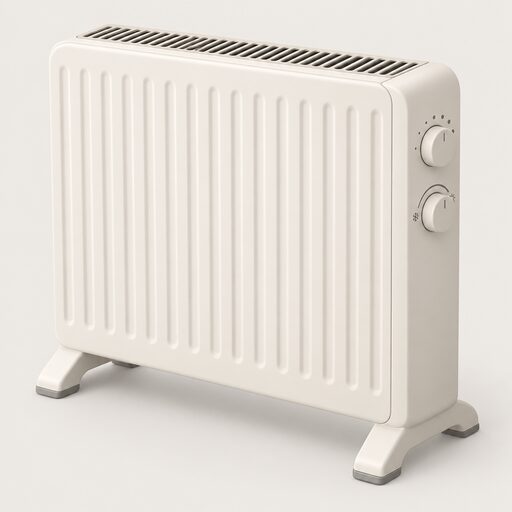 Radio Teleswitch Switch-OffIs your storage heating or hot water still run by an old radio-controlled meter?
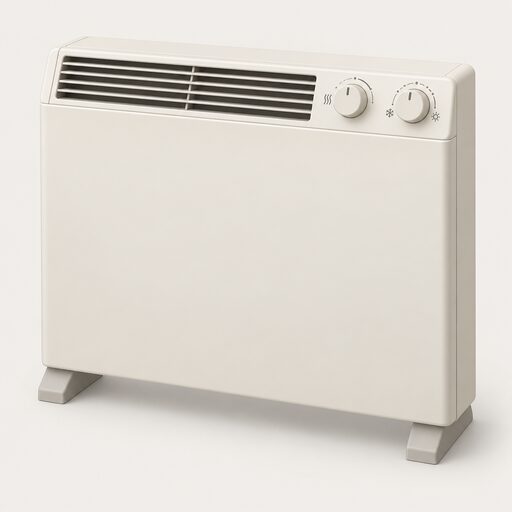 Storage Heater ControlsExplains manual input and output dials, automatic charge control and the smart charging used by modern high-retention heaters.
 The Full Heating Controls GuideA room thermostat, a programmer and valves on your radiators are the basics.
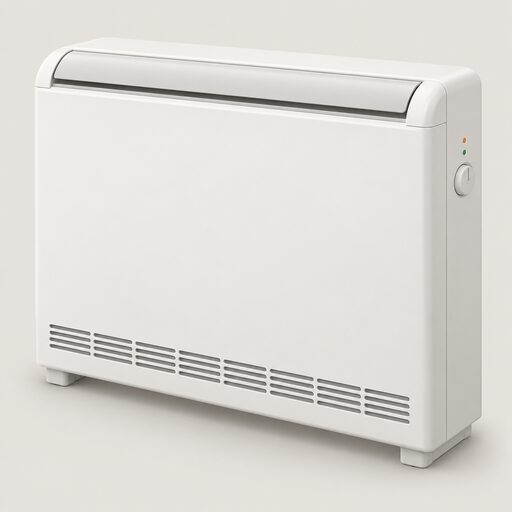 Economy 7 and TariffsHow off-peak and time-of-use electricity tariffs work for heating, including Economy 7, Economy 10, Scottish white meter arrangements and the end of the Radio Teleswitch Service.
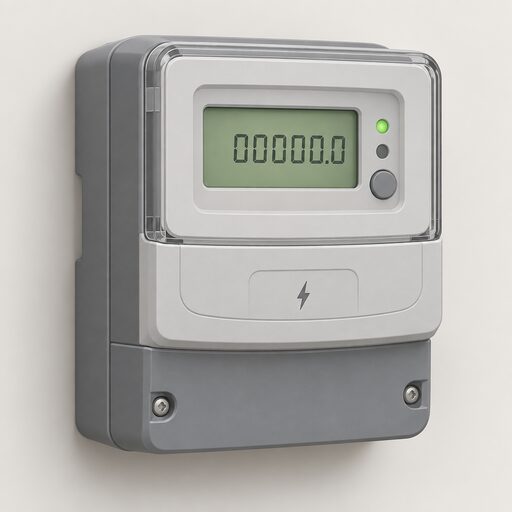 Take Control of Your EnergyHow do you read your own energy use and keep hold of your meter readings?
 Smart Meters in ScotlandWhen will you get a smart meter in Scotland, and what happens if yours still runs on the old radio signal that switches heating and hot water?