In this guide
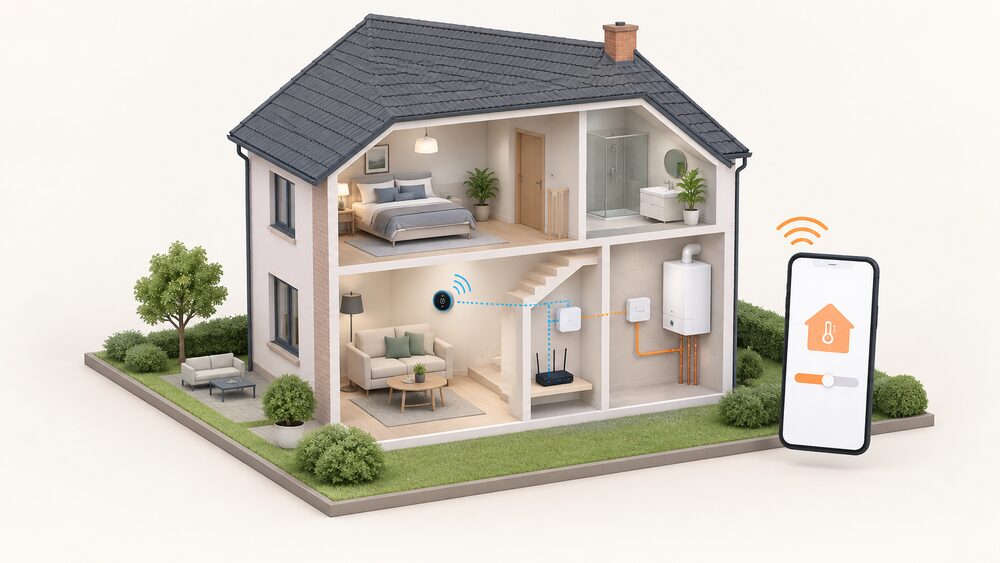
A smart thermostat is an internet-connected thermostat that gives a household digital control over its central heating1. Where a conventional programmable thermostat runs a fixed timetable from a panel on the wall, a smart thermostat links to the home's Wi-Fi so the heating, and on many models the hot water, can be changed from a phone, tablet, computer or smart speaker, including while nobody is at home1. Depending on the model, it may also learn the household's routine, turn the heating down when everyone leaves, detect an open window and track how much heating is used1.
The device itself typically costs £100 to £200, with installation on top3. Estimated savings vary widely with the home: BEAMA puts the saving from a full set of smart controls at £154 a year for a flat and £484 a year for a detached house, while an Energy Saving Trust estimate puts the saving from a smart thermostat alone at around £75 a year4. Independent guidance is plain that savings are not guaranteed1.
For a household's energy independence, a smart thermostat is a tool for using less gas or electricity, not a source of energy. Most models add new dependencies: on home broadband, on the maker's app and servers, and sometimes on a paid subscription. Those limits run through every section below.
What a smart thermostat is and how it works
The trade body HHIC describes smart thermostats with automation and optimisation as products that let consumers remotely control their home temperature via a smart or remote device such as a tablet, smartphone, PC or laptop2. That remote link is the core difference from a programmable room thermostat: the thermostat still senses the room temperature and tells the boiler or heat pump when to fire, but its schedule and setpoint live in an app as well as on the wall.
In most UK homes the system has two or three parts. The thermostat sits in a living area and measures the temperature. Because many boilers are not Wi-Fi enabled, many smart or wireless thermostat systems still include a receiver or hub that is wired to the boiler, and independent guidance states that this wiring should be done by a trained professional1. The hub or receiver talks to the home router, which connects to the maker's cloud service and the app. A wireless thermostat is not automatically a smart one: smart models usually add app control, internet connectivity, automation or other connected features on top of the wireless link1.
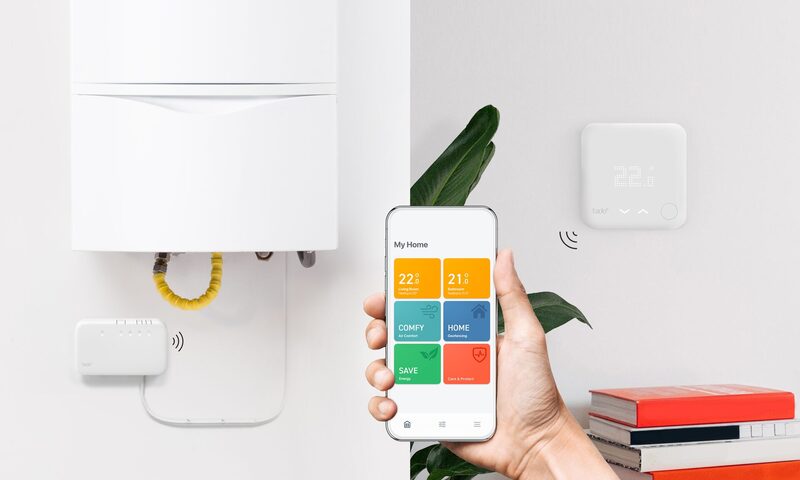
Accuracy matters as much as connectivity. Which? tests smart thermostats in a temperature-controlled chamber, measuring how accurately they record the temperature and how quickly the relay responds7. A thermostat that reads the room poorly will waste energy whatever its app can do.
The regulator also recognises the product category. Ofgem's ECO4 measures table lists "Smart Thermostat" as a measure with the type "Smarttherm"6, which matters for the funding route described further down. For how smart models compare with a conventional timer, see smart thermostat vs traditional programmer.
Features: app control, learning, geofencing and voice
Features differ from model to model. Smart Energy GB lists what a smart thermostat may offer, depending on the model1:
- app control and voice control
- hot water settings
- location-based heating (geofencing)
- reminders or alerts
- open window detection
- learning the household's routine
- tracking of heating use
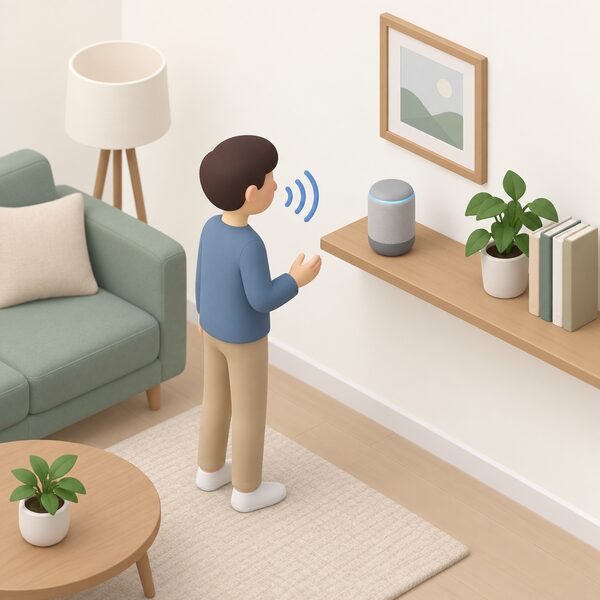
Most smart heating controls link to a phone, and heating can be controlled from a smartphone, tablet or laptop, or by speaking to a smart speaker8. The Energy Saving Trust describes the practical value as being able to turn the system on or off and change the temperature by smartphone when away from home9.
Geofencing uses the phone's location to lower the heating when the last person leaves and bring it back as someone returns. tado° lists geofencing alongside open window detection, preheat before arrival, weather adaptation, adaptive heating, holiday mode and its Energy IQ insights, all within its paid AI Assist subscription10.
Learning thermostats build a schedule from how the household adjusts the heating. Which? lists the Google Nest Learning Thermostat (3rd generation) as a modulating and learning thermostat with hot water control, frost protection, GPS tracking, a motion sensor, program modes and a child lock; the Google Nest Smart Thermostat E has a similar list but no hot water control11. Modulating control is covered on the load compensation and modulation and OpenTherm pages.
Voice assistants: tado° lists voice control through Alexa, Siri or Google, and smart home integration through Matter10. Compatibility by brand is set out in which smart thermostats work with Alexa or Google Assistant.
Each of these features runs through the maker's app and, for most, the internet. Geofencing needs a phone reporting its location; voice needs a smart speaker platform. The more a household leans on these features, the more its heating comfort depends on companies outside the home.
Hot water control varies by model
Independent guidance describes smart thermostats such as Hive and Nest connecting to Wi-Fi so households can control heating and hot water through a smartphone, tablet or desktop12. That applies to homes with a separate hot water cylinder; a combi boiler heats water on demand, so there is no hot water schedule to run. Even within one brand, support differs, as the two Nest models above show11. On heat pumps, the Passiv Smart Thermostat controls only space heating, not hot water, when connected by relay13. Cylinder timers and thermostats are covered in hot water controls.
Savings: from around £75 to £154 a year, but not guaranteed
The honest answer on savings is a range, and a caveat. Smart Energy GB states it directly:
"A smart thermostat could save you money, but savings aren't guaranteed."
It adds that savings depend on the home, heating habits, existing controls, energy prices and how the thermostat's features are used1.
The figures in circulation differ because they measure different things:
| Estimate | Figure | What it covers |
|---|---|---|
| Energy Saving Trust, reported by the CPA (2023) | around £75 a year | a smart thermostat5 |
| Confused.com (2025) | up to £110 a year | a smart thermostat and controls14 |
| BEAMA (2026), flat | £154 a year | all smart controls in place4 |
| BEAMA (2026), detached house | £484 a year | all smart controls in place4 |
The BEAMA document gives two different figures for the flat case, £154 and £147 a year; the two figures disagree and neither has been ruled on4. BEAMA's larger figures assume a full set of upgraded controls, not a thermostat on its own, and the detached house figure is higher simply because a bigger, leakier home uses more heat.
Much of any saving comes from lower settings rather than smartness. Turning a thermostat down from 22 to 21 degrees is estimated to save around £120 a year in Great Britain and £80 in Northern Ireland15, and Which? puts a one degree reduction in a typical home at between £85 and £90 a year16. A smart thermostat makes such settings easier to hold and to enforce when rooms are empty, but a household can make the same change on a basic dial. The difference between the Great Britain and Northern Ireland figures reflects different heating fuels and prices.
Larger savings come from combining controls with other technology. The Energy Saving Trust's work on smart tariffs with low-carbon home technologies found savings of up to around £800 a year possible17; that is a whole-home finding, not a thermostat figure. The evidence is examined further in do smart heating controls actually save money?.
Cost: £100 to £200 for the device, plus installation
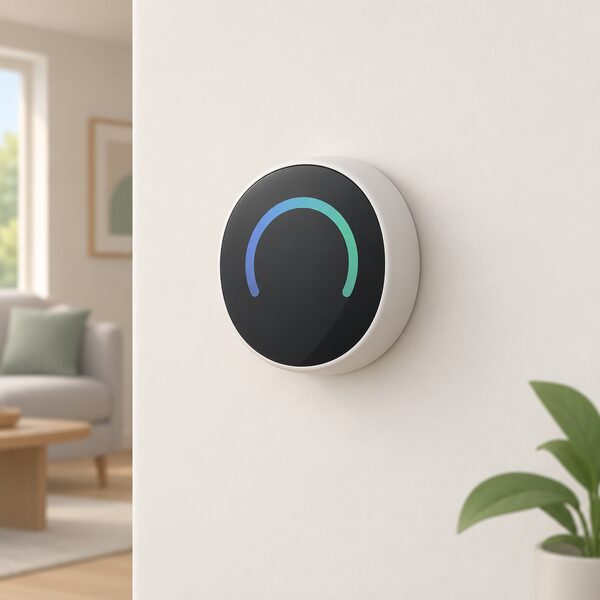
Independent guidance consistently puts the device at £100 to £200. Uswitch states that most smart thermostats cost between £100 and £200, with add-ons such as installation pushing the total higher18; Plymouth Energy Community gives the same device range3. Which?, in its boiler pricing guide, puts a smart thermostat at around £100 to £25019, and Nesta notes that a customer's outlay may be as little as £10020. Smart Energy GB points out that a household may have to pay for both the device and the installation12.
Some kits sit well below that band. Retail prices read by Which? in September 2026 (VAT position not stated) included7:
| Model | Price |
|---|---|
| tado° V3+ Smart Heating Thermostat Starter Kit (with hot water control) | £59.99 |
| Habi Wireless Smart Thermostat (heating and hot water) | £62 |
| Worcester Bosch EasyControl Smart Thermostat (wired, heating and hot water) | £170 |
Installation is installer-quoted and no published range is given here. Running costs matter too: official guidance notes that energy monitors and smart thermostats generally come at extra cost, operated through an app, with subscription charges for premium services21. tado° keeps its core app, schedules and multi-room control free but charges for AI Assist10; Passiv states there are no ongoing charges on its thermostat13. See heating controls cost and smart thermostat subscriptions.
Compatibility: check the boiler or heat pump first
Smart Energy GB advises checking that a smart thermostat is compatible with the boiler and heating system before buying, and notes this is usually stated in the product description or on the thermostat maker's website1. The main questions are the type of heat source (combi, system or regular boiler, or a heat pump), whether there is a hot water cylinder, how the existing thermostat is wired, and whether the boiler accepts a simple on/off signal or a modulating protocol.
Makers state their own compatibility. Netatmo says its wireless products work with modern combi boilers22, and tado° states that its thermostat works with the heating systems already installed in most homes, with versions for setups using wired or wireless thermostats10. These are maker claims, and the check still has to be done against the specific boiler.
Heat pumps are a separate case. Many smart thermostats built around a boiler's on/off relay are not designed to get the best from a heat pump, which is why dedicated heat pump controls exist (see the Passiv section below and Homely heat pump controls). Where a system has no common wire at the old thermostat, see fitting a smart thermostat with no C wire; brand-by-brand boiler compatibility is covered in do Nest and Hive work with my boiler?.
Wired, wireless and radiator thermostat options
Smart thermostats come in three broad forms, each needing different hardware.
- Wired smart thermostats replace an existing wired room thermostat and take power and switching through the original cable. The Worcester Bosch EasyControl sold at £170 is a wired model7.
- Wireless smart thermostats run on batteries or a stand and talk by radio to a receiver wired at the boiler; the receiver or a separate hub connects to the router1. tado° is available in both wired and wireless versions and offers a wireless booster to extend range23.
- Smart radiator thermostats replace the heads on radiator valves. The Energy Saving Trust notes that some programmable thermostatic radiator valves can connect over Wi-Fi to smart heating controls, creating a new zone for each room9.
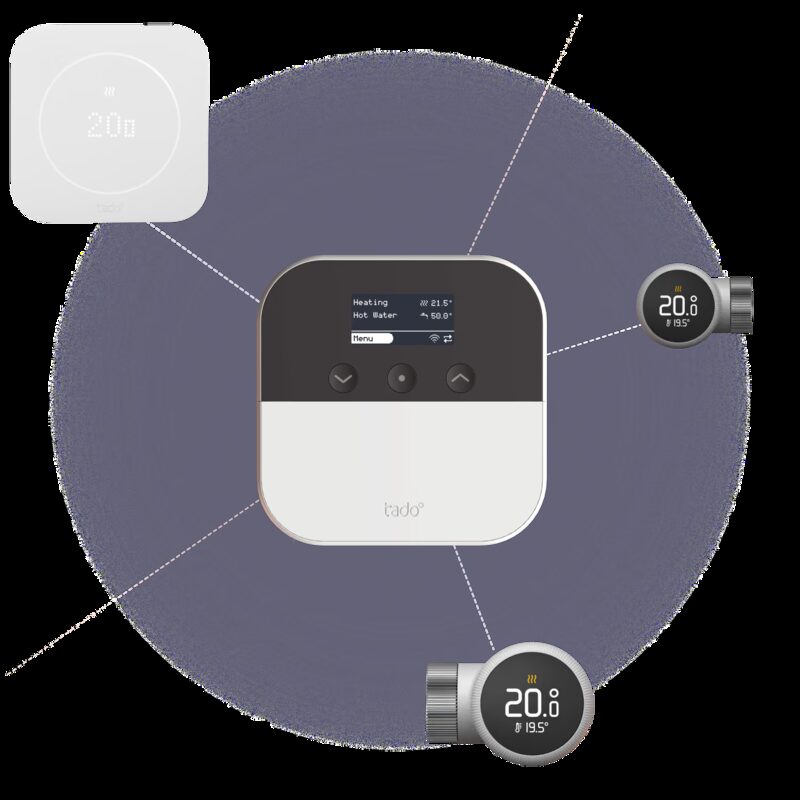
The choice sets how many zones a home can run. One thermostat gives one heating zone, however clever its schedule. Room-by-room control comes from adding smart TRVs, which is why most homes need only one thermostat. tado° includes multi-room control and Room Link with its products at no additional cost10. Further detail: wired vs wireless room thermostats, smart TRVs and heating zones.
Installation: who fits it and where it goes
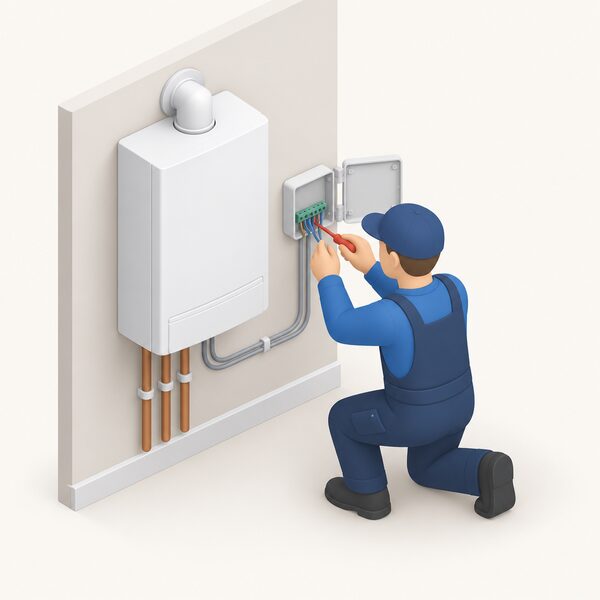
Where the system includes a receiver or hub wired to the boiler, Smart Energy GB states that the wiring should be done by a trained professional1. Hive recommends professional installation of its smart thermostats7, and suggests finding a local tradesperson because the job can be a task for someone unfamiliar with it23. Which? lists the Google Nest Learning Thermostat (3rd generation) with professional installation recommended, and the Nest Smart Thermostat E as suitable for self or professional installation11. tado° provides step-by-step DIY installation guides with its products10. For heat pumps, Passiv states that professional installation is required13.
Placement affects accuracy and therefore savings. Uswitch advises putting a smart thermostat where the temperature is relatively consistent18: away from direct sun, radiators, draughts and kitchens, which would make it read warmer or colder than the rest of the home. Timing can matter too: one supplier's guidance suggests replacing an old thermostat before the weather turns cold24, when installers are busier and the heating is in constant use.
The process in outline:
- Confirm compatibility with the boiler or heat pump1.
- Decide whether the thermostat replaces a wired unit or is wireless with a boiler receiver.
- Wire the receiver or hub at the boiler (trained professional where wiring is involved)1.
- Site the thermostat where the temperature is relatively consistent18.
- Connect the hub to Wi-Fi and set schedules in the app.
Whether DIY fitting affects a boiler or thermostat warranty is covered in does DIY thermostat installation affect my warranty?, and the wider process in installing and replacing heating controls.
Passiv Smart Thermostat: heat pump control that works offline
The Passiv Smart Thermostat is built for heat pumps rather than boilers. The maker states it reduces energy bills by up to 30%, optimising heat pumps according to the weather and energy prices13. It connects to a heat pump in one of two ways:
| Control method | Heat pumps covered | Hot water | Maker's efficiency claim |
|---|---|---|---|
| RS485 Modbus | many leading heat pump brands | controlled | increases heat pump efficiency by 17% |
| Relay | all heat pump makes and models | not controlled (space heating only) | not stated |
The table reflects the maker's own statements13. The 30% and 17% figures are Passiv's claims, not independent measurements.
Its relevance to energy independence is its offline design. Passiv states that, unlike other smart thermostats, it provides full control of heating and hot water without a smartphone or internet connection, and that an installer can commission the system from the Passiv Programmer in under two minutes without a phone or internet13. The maker states every feature is free with no ongoing charges13, and a government Heat Pump Ready programme listing also describes it with no service fee25.
It is sold through plumbers' merchants and renewable distributors across the UK, and professional installation is required; the maker offers free installer training at its Newbury head office, on site or by video call13. Heat pump controls are compared further in can a smart thermostat use my solar panels to run my heat pump?.
tado° and other brands sold in the UK

The UK market includes boiler makers' own controls, specialist thermostat brands and big technology firms. What the facts show for each range, without ranking:
| Brand and model | What the facts show |
|---|---|
| tado° Smart Thermostat | works with most existing heating systems; wired and wireless versions; Matter and voice control via Alexa, Siri or Google; free app, Smart Schedules, Multi-Room Control and Room Link; geofencing and other automations in paid AI Assist10 |
| Google Nest Learning Thermostat (3rd gen) | modulating and learning; hot water control; GPS tracking; motion sensor; professional installation recommended11 |
| Google Nest Smart Thermostat E | modulating and learning; no hot water control; self or professional installation11 |
| Hive | controls heating and hot water from phone, tablet or desktop; maker recommends professional installation12 |
| Netatmo Smart Thermostat | needs a Wi-Fi connection; wireless products work with modern combi boilers22 |
| Worcester Bosch EasyControl | wired heating and hot water smart thermostat, £1707 |
| Habi Wireless Smart Thermostat | wireless, heating and hot water, £627 |
| Passiv Smart Thermostat | heat pump control; works without internet; no subscription13 |
| Homely Smart Thermostat | ECO4 innovation measure; may only be installed where the home already has Wi-Fi24 |
tado° reports an Energy Savings Promise applying to tado° X heating products bought on or after 2 September 2026. The terms are not set out here.
Brand pages give more detail: tado°, Hive, Google Nest, Netatmo, Worcester Bosch and head-to-heads such as tado° vs Hive.
What stays dependent: Wi-Fi, apps and the supplier
A smart thermostat cuts energy use but does not cut a home off from outside systems. Netatmo lists a Wi-Fi connection as a requirement22, and the Homely innovation measure can only be fitted where Wi-Fi already exists24. If broadband, the app or the maker's servers fail, most models fall back to whatever local control the wall unit provides. Paid feature tiers mean some automation lasts only as long as the subscription10. Product support also depends on the maker staying in business; see security, data and product support and local control and cloud dependence.
Supply contracts are a different matter. Uswitch states a thermostat helps control how much energy is used but will not be a barrier to switching energy deal18. Which? likewise notes that having a smart meter does not stop a household switching supplier26. Smart meters are not needed for a thermostat to work, though a smart meter is needed for the full benefit of flexible schemes and smart tariffs27; see heating controls and time-of-use tariffs.
Free smart thermostats through schemes: Nest in Wales and ECO

There is no scheme in the facts here that hands out smart thermostats on their own. The routes are packages of home upgrades for eligible households.
ECO4. Ofgem's ECO4 measures table includes the smart thermostat as a measure, type "Smarttherm"6, so it can be installed as part of an ECO4 package. ECO4 innovation measures carry their own conditions; the Homely Smart Thermostat, for example, may only be installed where the homeowner already has Wi-Fi24. Household eligibility rules are not set out here.
Wales: Warm Homes Nest. The Welsh Government's Warm Homes Nest scheme offers free energy upgrades to houses with a poor Energy Performance Certificate rating28. Its offer has two layers:
- free expert energy advice, available to all householders in Wales through the Nest helpline29
- free home energy efficiency improvements for eligible households, described as low-income Welsh households30
The facts here give no smart thermostat scheme specific to England, Scotland or Northern Ireland beyond ECO4. Rules by nation for rented homes are in heating controls in rented and social housing, and the effect on an energy rating in heating controls and the EPC. The full picture of room, radiator and boiler controls sits on the heating controls guide.
Sources32 cited
- What is a smart thermostat?, Smart Energy GB, 2026-08-19
- Heating controls guidance, HHIC, 2018
- Everything you need to know about heating controls, Plymouth Energy Community, 2026-09-20
- Estimated fuel bill savings from heating control upgrades, BEAMA, 2026
- Make your home more energy efficient, CPA, 2023-12-01
- ECO4 Measures Table v4.0, Ofgem, 2025-07-29
- How to buy the best smart thermostat (Hive), Which?, 2026-09-17
- Smart homes and a lower carbon footprint, Energy Saving Trust, 2026-01-21
- Thermostats and heating controls, Energy Saving Trust, 2026-02-10
- Smart thermostats, tado°, 2026
- How to buy the best smart thermostat, Which?, 2026-09
- Do I already have a smart meter?, Smart Energy GB, 2026-03-16
- Buy the Passiv Smart Thermostat, Passiv, 2026-09-04
- Energy saving tips for the home, Confused.com, 2025-10-14
- How to save energy and money if you rent your home, Energy Saving Trust, 2025-11-14
- Draught-proofing, Which?, 2026-05-05
- Flexible futures: integrating smart tariffs with low-carbon home technologies, Energy Saving Trust, 2026-07-10
- What are smart thermostats?, Uswitch, 2026-02-05
- Boiler prices: how much does a new boiler cost?, Which?, 2025-09-17
- HeatFlex: the untapped potential of automated heat pump flexibility, Nesta, 2024-11-19
- How do you know if you have a smart meter?, Smart DCC, 2026
- Remote heating and smart thermostat, Netatmo, 2026-09-20
- tado° vs Hive: which smart thermostat is best?, energyhelpline, 2026-09-20
- ECO4 approved innovation measures v1.17, Ofgem, 2026-02
- Heat Pump Ready programme: stream 2 wave 2 projects, GOV.UK, 2026-05-28
- What is a smart meter?, Which?, 2026-04-07
- How smart meters work with heat pumps, Smart Energy GB, 2026-04-24
- POSTnote 771, UK Parliament POST, 2026-06-25
- Written statement: fuel poverty, Welsh Government, 2026-02-26
- Funding for homeowners, Elmhurst Energy, 2026-07
- Thousands of Welsh households get help with oil and LPG heating costs, Welsh Government, 2026-03-31
- Get help with unexpected costs such as food and heating, Welsh Government, 2026-04-15
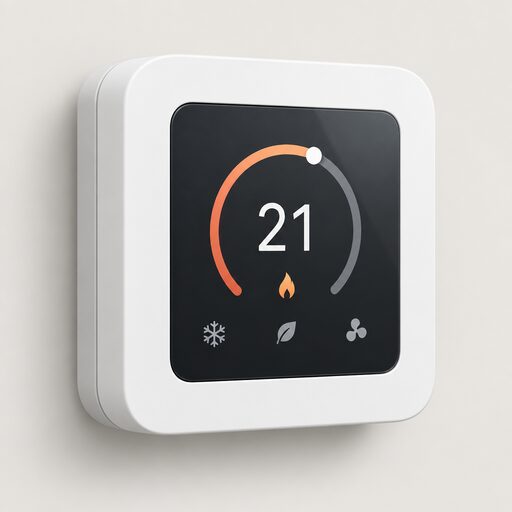 Heating Controls CostA smart thermostat usually costs between about a hundred and two hundred and fifty pounds, but fitting can push that higher.
 Smart Thermostat SubscriptionsDo you have to pay a monthly fee to use your smart thermostat, and what do you actually get for it?
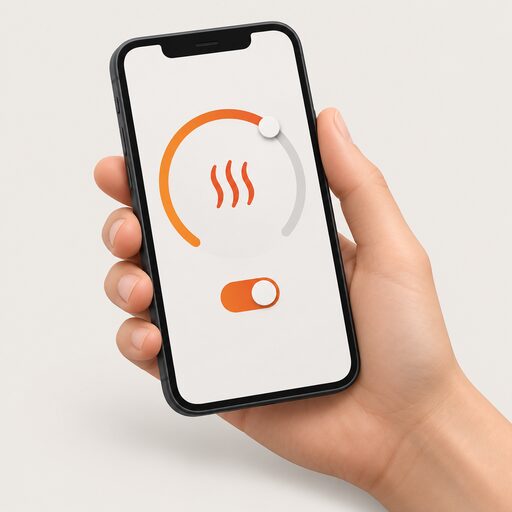 Do Smart Controls Save Money?Do smart heating controls really cut your bills, and by how much?
 Heat Pump Electricity TariffsA heat pump tariff gives you cheaper electricity for part of the day, so running your heating costs less than on a standard rate.
 The Full Heating Controls GuideA room thermostat, a programmer and valves on your radiators are the basics.
 Heating Control ManufacturersWhich heating controls are worth buying, and who actually makes them?