In this guide
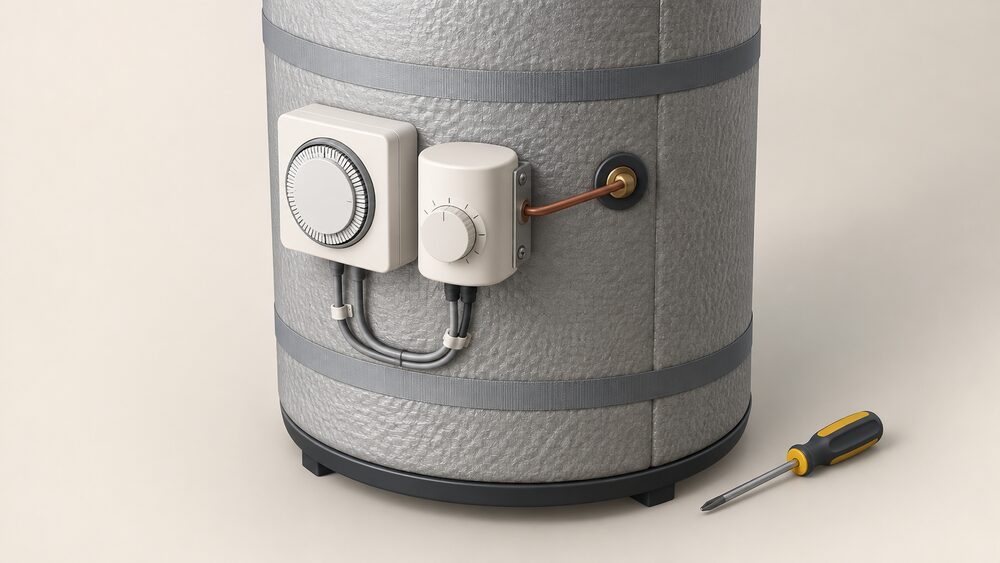
A cylinder thermostat is the control that stops a hot water store becoming hotter than it needs to be. Once the stored water reaches its set temperature, the thermostat turns the heat supply from the boiler off1. It is a separate device from the room thermostat, and it governs the cylinder rather than the radiators.
The setpoint most guidance settles on is between 60°C and 65°C1. Age UK gives 60°C (140°F) as fine for most people2, and Confused.com gives 60°C as the setting that cuts bills3. A timer or programmer sits alongside it, deciding when the heat source runs at all, and Building Regulations require domestic hot water circuits supplied from a store to have time control independent of the space heating circuits4.
For a household, the pair of controls is what turns a hot water cylinder from a tank that heats whenever the boiler runs into a store that heats on a schedule and stops at a defined temperature. That is the difference between paying to keep water hot around the clock and paying only for the water the household uses. The sections below cover what each control does, where the thermostat sits, how the two work together, what changes on a heat pump cylinder, and what the smart options add.
What a cylinder thermostat does
A cylinder thermostat is a temperature switch strapped or pocketed to the hot water cylinder. Its function is narrow and specific: it stops the cylinder becoming hotter than it needs to be, and once the water reaches the set temperature, the heat supply from the boiler is turned off1. It does not decide when heating starts, and it does not touch the radiators.
That division of labour matters because the two jobs are genuinely separate. A cylinder thermostat is a safety and efficiency device, holding a ceiling on stored water temperature. A timer or programmer is a scheduling device. BEAMA's guidance for homes with separate hot water cylinders sets out both: a cylinder thermostat to stop heating water once it reaches the correct temperature, plus time controls or programmers to schedule hot water only when needed8.
The thermostat itself is a simple mechanism. One maker's tamper proof cylinder thermostat uses a bimetallic sensor, which the maker states ensures accurate hot water temperature control to maximise energy savings, and offers a wide temperature range to allow a choice of hot water temperature9. That range is what lets the same device serve a household that wants 60°C and one that wants a little more headroom.
What the control does for independence is modest but real. It removes the possibility of the heat source running indefinitely against a cylinder that has already reached temperature, which is the failure mode that turns a hot water store into a standing cost. It does not remove dependence on the boiler, the fuel or the supplier; it removes waste inside the system the household already has.
Setpoint: 60 to 65°C, then leave it alone
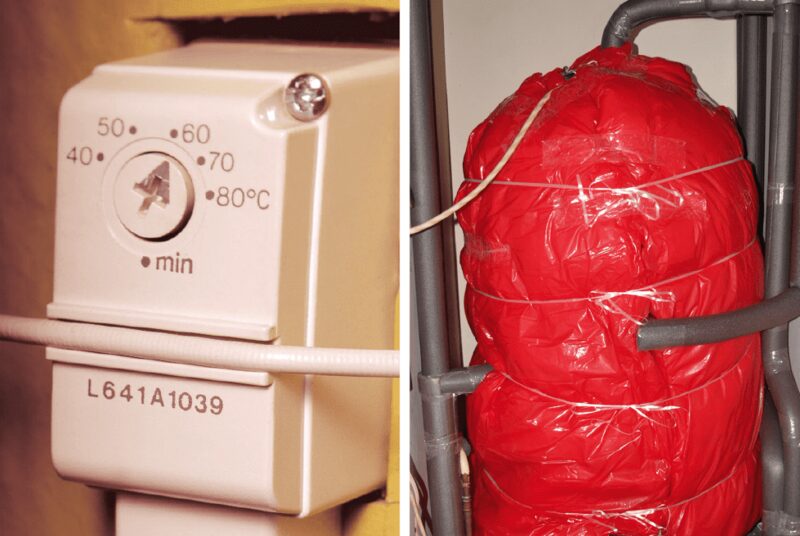
The setpoint is the one number a household actually chooses, and the guidance converges tightly. Energy Saving Trust advises setting the temperature of the hot water thermostat between 60°C and 65°C1. Age UK gives 60°C (140°F) as fine for most people2. Confused.com gives 60°C as the setting that cuts bills3.
The reason the range is narrow rather than open is that stored water has two competing requirements. It must be hot enough to limit what can grow in a tank of lukewarm water, and it should not be hotter than necessary, because every extra degree is heat that will be lost through the cylinder walls over the following hours. A newer cylinder can hold its heat for up to 48 hours5, which is exactly why the ceiling matters: the water stays hot for a long time, and the energy that put it there is not recoverable.
Once the setpoint is chosen, there is nothing to gain from adjusting it with the seasons. The cylinder thermostat is not a comfort control in the way a room thermostat is. The room thermostat has a seasonal logic, and the recommended range there is between 18°C and 21°C6, with Cadent giving 18 to 21°C as the setting that helps keep occupants safe and well10. The cylinder thermostat has no equivalent seasonal argument: the water temperature a household wants in July is the same as in January.
| Control | What it governs | Typical setting | Source |
|---|---|---|---|
| Cylinder thermostat | Stored hot water temperature | 60°C to 65°C | Energy Saving Trust1 |
| Cylinder thermostat | Stored hot water temperature | 60°C (140°F) | Age UK2 |
| Room thermostat | Air temperature in the home | 18°C to 21°C | British Gas Energy Trust6 |
| Room thermostat | Air temperature in the home | 18°C to 21°C | Cadent Gas10 |
Where the thermostat sits on the cylinder
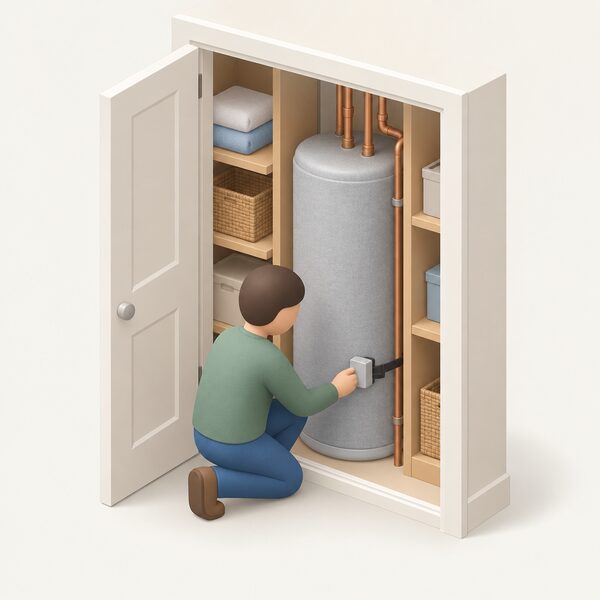
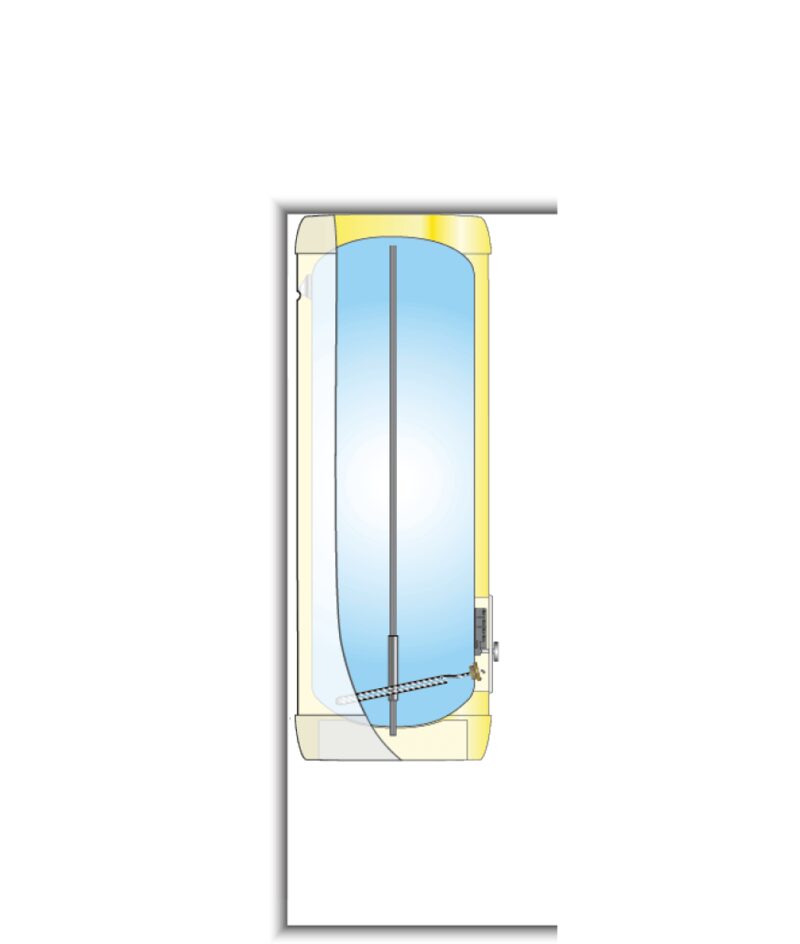
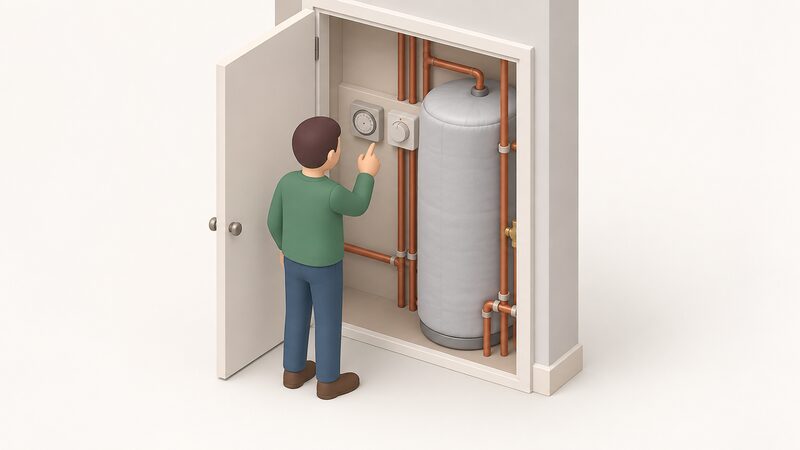
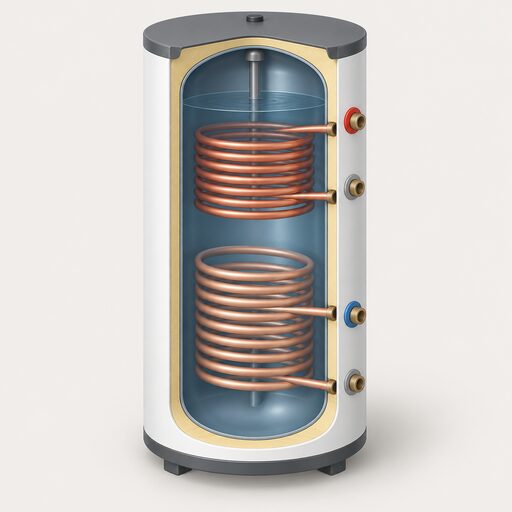
The thermostat is fitted to the cylinder, not to a wall, and the sensor has to sit where it reads the stored water rather than the surrounding air. A typical unit uses a liquid filled temperature probe designed to be inserted into a well in a cylinder, and one maker's model fits quickly into a dry pocket9. The same product specifies a ½ inch BSP by 100mm long dry pocket, and is suitable for stainless steel vented and unvented domestic hot water cylinders9.
That pocket detail is the practical heart of the installation. A cylinder has a dedicated well for the sensor, and the probe goes into it so that it is in contact with the water temperature rather than the air of the cupboard. A probe left outside the pocket, or a thermostat strapped to the cylinder shell without its probe seated, reads something other than the water and the setpoint stops meaning what it says.
For heat pump cylinders the siting rule is stricter and comes from the manufacturer. An electronic temperature control must be fitted to the cylinder, with the sensor sited as per the manufacturer's requirement11. That is a Building Regulations compliance point rather than a preference, and it means the installer does not have discretion over where the sensor goes.
The contrast with a room thermostat is instructive. The best place to put a smart thermostat is in a place where the temperature is relatively consistent12, because it is reading air in a room. A cylinder thermostat is reading a body of water inside a tank, and its position is fixed by the cylinder's own pocket.
Timers and how they work with the thermostat
A timer lets you control when your heating or hot water turns on and off each day, so that the central heating and hot water can be programmed2. It is the scheduling half of the pair, and it is what makes the thermostat's ceiling useful rather than merely safe.
The two controls interlock in a simple sequence:
- The timer opens the period during which the heat source may run.
- Within that period, the cylinder thermostat decides whether the water still needs heat.
- The thermostat switches the supply off once the set temperature is reached1.
A cylinder that reaches temperature ten minutes into a two hour timed period simply stops being heated for the remaining time. That is the behaviour a household should expect, and it is why a long timed period is not automatically a wasteful one.
The same logic applies to immersion heaters on off-peak tariffs. A timer or controller means the immersion heater uses off-peak electricity to heat up a full cylinder of water during the night, which is then stored for use the following day and evening13. The cylinder thermostat still governs the final temperature; the timer governs when the cheap electricity is used. Storage heater controls follow the same pattern, where a programmer or timer lets you set specific times for when you want your heating to come on and off14.
Building Regulations treat the hot water time control as a requirement in its own right. Domestic hot water circuits supplied from a hot water store should have time control independent of space heating circuits, and electronic temperature control4. The independence matters: a household that wants hot water in the morning but no radiators until evening needs the two channels to be separable.
Controls with a heat pump cylinder
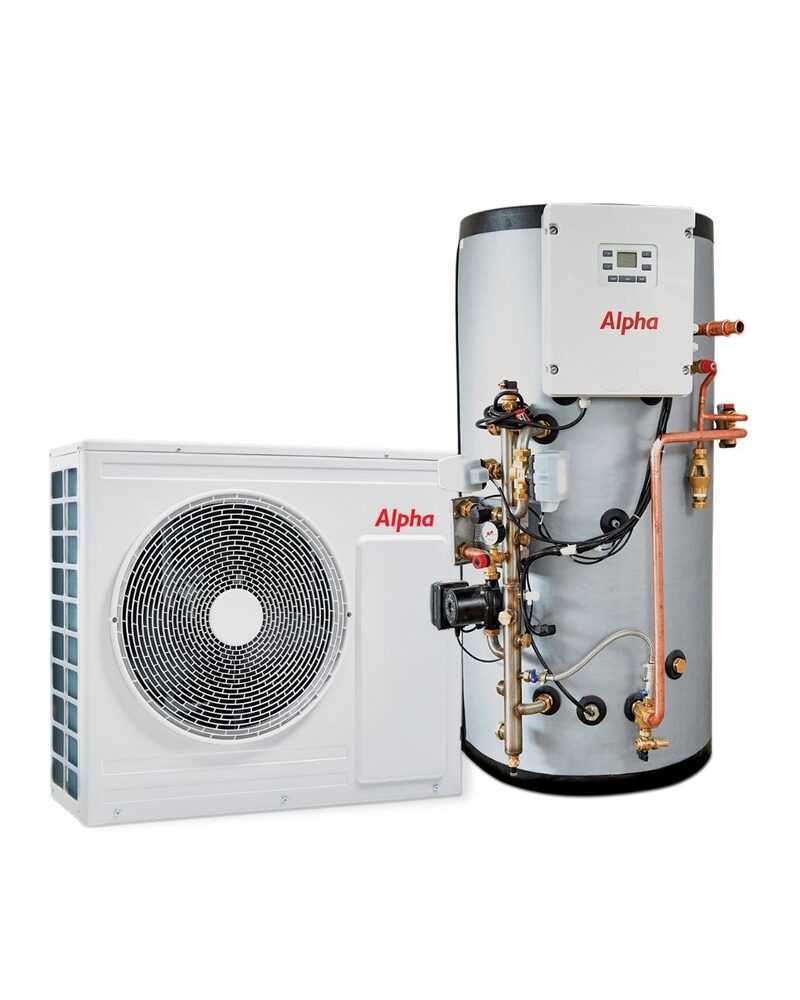
A heat pump changes the hot water control question, because it cannot heat water on demand. Unlike combi boilers, heat pumps do not provide hot water instantly, so a hot water cylinder is needed15. The government's own guidance is blunt about the requirement: to provide hot water, heat pumps require a water storage cylinder, similar to older generations of gas boiler systems16.
That cylinder brings its own control requirements. To meet the requirements of Building Regulations, domestic hot water cylinders must have a time control which is independent of the heating time control11. An electronic temperature control must be fitted to the cylinder, with the sensor sited as per the manufacturer's requirement11. And the system controls must be able to raise the domestic hot water cylinder temperature for disinfection or pasteurisation purposes11. That last requirement is the legionella cycle: a periodic raise of the stored water temperature, driven by the controls rather than by the household.
The rest of the control set is familiar. Home Energy Scotland's recommended controls are a time-controlled programmer, at least one room thermostat, thermostatic radiator valves if there are radiators, and a cylinder thermostat if the system has a hot water cylinder17. Heat pump systems themselves are typically controlled by the end user via weather compensation or internal temperature control, such as a room thermostat, together with a timer or programmer to control space heating18.
There is one divergence worth noting. In a 2010 Scottish consultation on domestic building services, time control of domestic hot water heating using a cylinder was not considered essential for community heating and could be omitted19. That is a specific exemption for community heating and CHP-based systems, not a general rule, and it does not apply to an individual home with its own heat pump and cylinder.
Smart hot water controls: WundaSmart HubSwitch, THETA+ and Mixergy
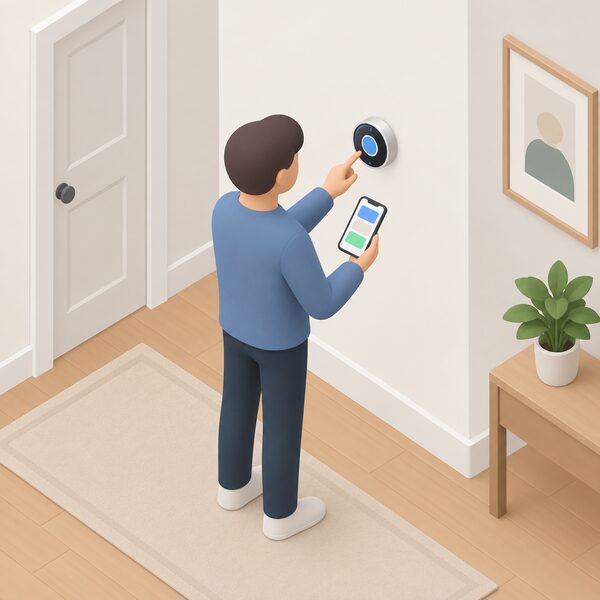
Smart controls extend the same two functions, scheduling and temperature limiting, into an app, and some add a third: shifting when the water is heated. The distinction to hold on to is that a smart thermostat controls heating and helps manage how the central heating is set and adjusted20. Hot water control is a separate capability that not every smart thermostat has.
Where it is present, it is usually listed explicitly. The Worcester Bosch EasyControl Smart Thermostat can control hot water, and requires professional installation21. The Hive Thermostat V4 can control hot water, with professional installation recommended21. Both are examples of a smart control that carries a hot water channel rather than only a heating channel.
The more interesting development is payment for flexibility. Mixergy announced payments to households of up to £250 a year for their hot water in September 20267. That is a company announcement, and it should be read as one: it describes an arrangement the company operates, not an established income stream available to any household with a cylinder. The company also states that smart hot water is included in the Home Energy Model, with its product range presented as ready for the HEM shift in October 20267.
On savings generally, the independent position is cautious. A smart thermostat could save money, but savings aren't guaranteed, and they depend on the home, heating habits, existing controls, energy prices and how the thermostat's features are used20. Smart thermostats also will not be a barrier to switching your actual energy deal12, so the control does not lock a household to a supplier.
Why hot water controls matter for energy independence
Hot water control is where a household's independence is most visible, because it decides whether the home buys energy to heat water it already has. The cylinder thermostat is the mechanism that prevents that: it stops the cylinder becoming hotter than it needs to be, and turns the heat supply off once the water reaches the set temperature1.
The regulatory floor is set out in Approved Document L Volume 1, which requires domestic hot water circuits supplied from a hot water store to have time control independent of space heating circuits, and electronic temperature control4. In Northern Ireland, where a scheme proposes to install heating controls, a minimum of room thermostat, hot water tank thermostat, associated heating and domestic hot water circuit valves, programmer and thermostatic radiator valves must be installed as required22. That is a scheme rule rather than a universal domestic requirement, but it shows the expected control set.
What remains dependent is worth stating plainly. A cylinder thermostat does not generate anything. It reduces waste inside a system that still runs on gas, oil or electricity from a supplier, and it does not insulate a household from price or from the grid. A smart hot water control adds an app and, in most cases, a cloud service, which is a new dependency in place of an old one: the household gains scheduling and visibility, and takes on a manufacturer's servers, app support and account.
The genuine independence gains are narrower and more durable. A cylinder that heats on a schedule and stops at a set temperature uses less of whatever fuel it burns. A cylinder on an off-peak immersion tariff moves the same heat to a cheaper period13. A heat pump cylinder with a disinfection cycle runs that cycle on its own controls11. None of these remove the fuel supply, and all of them reduce the amount of it bought.
Fitting and checking a cylinder thermostat
Fitting is a small job with a specific compatibility question. One maker's tamper proof cylinder thermostat is suitable for stainless steel vented and unvented domestic hot water cylinders, uses a liquid filled temperature probe, and fits into a ½ inch BSP by 100mm long dry pocket9. A household replacing a thermostat needs to know the cylinder type and the pocket size before anything is ordered.
Checking whether an existing thermostat works is a matter of observation rather than instruments. The device is a switch: it should turn the heat supply off once the stored water reaches the set temperature1. If the boiler or immersion continues to run well past that point, or the water is consistently far from the setting, the control is not performing its function. Because the thermostat is what stops the cylinder overheating, a failed unit shows up as heat that keeps arriving.
The wider control set is worth checking at the same time. A full set of heating controls includes a programmer, thermostatic radiator valves and a room thermostat10, with a cylinder thermostat added where there is a store17. Thermostatic radiator valves control the temperature of each room by opening and closing automatically to control the flow of hot water through the radiator they are fitted to23, so they are doing a different job from the cylinder thermostat and a fault in one will not show up as a fault in the other.
For a household planning a heat pump, the cylinder control question should be settled before the installation rather than after. The cylinder must have an electronic temperature control with the sensor sited to the manufacturer's requirement, a time control independent of the heating time control, and controls able to raise the cylinder temperature for disinfection11. Those are the conditions the installation has to meet, and they are easier to design in than to retrofit.
Sources23 cited
- Thermostats and heating controls, Energy Saving Trust, 2026-02-10
- How to use your heating controls, Age UK, 2026-03-23
- Energy saving tips for the home, Confused.com, 2025-10-14
- Building Regulations Approved Document L Volume 1 2026, Welsh Government, 2026-04
- Hot water, Uswitch, 2025-01-31
- Energy savings tips, British Gas Energy Trust, 2026-02-27
- How to buy the best smart thermostat, Which?, 2026-09-17
- Smart heating controls: what they do and why they matter, BEAMA, 2025-04-07
- Single cylinder thermostat, ESI Controls, 2026
- Energy efficiency, Cadent Gas, 2026-09-20
- Controls Guide for Air Water Heat Pump Systems, BEAMA, 2024-10
- What are smart thermostats, Uswitch, 2026-02-05
- Getting the most from Economy 7, National Energy Action, 2026-09-10
- A guide to using electric storage heater controls, Energy Saving Trust, 2026-05-21
- Air and ground source heat pumps, London Borough of Croydon, 2026-09-17
- What impact can heat pumps have in domestic heating today, GOV.UK, 2023-11-21
- Thermostats and heating controls, Home Energy Scotland, 2026-09-20
- Your home guide to heat pumps, OFTEC, 2026-09-17
- Draft Guidance: Domestic Building Services Compliance Guide, Scottish Government, 2010
- What is a smart thermostat, Smart Energy GB, 2026-08-19
- How to buy the best smart thermostat: Hive, Which?, 2026-09-17
- Northern Ireland Sustainable Energy Programme Framework Document, Utility Regulator, 2009-09
- ECO4 New Measures and Products Guidance v3.0, Ofgem, 2026-03-26
 Cylinders and ControlsHow much of the sun's heat can your home actually keep?
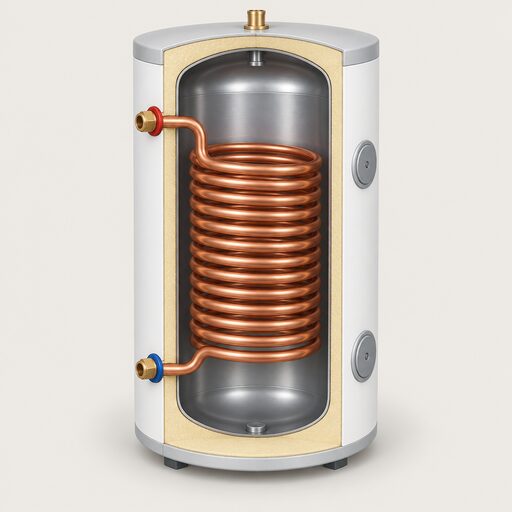 Hot Water CylindersA heat pump needs a cylinder to store hot water, so swapping a combi means getting one.
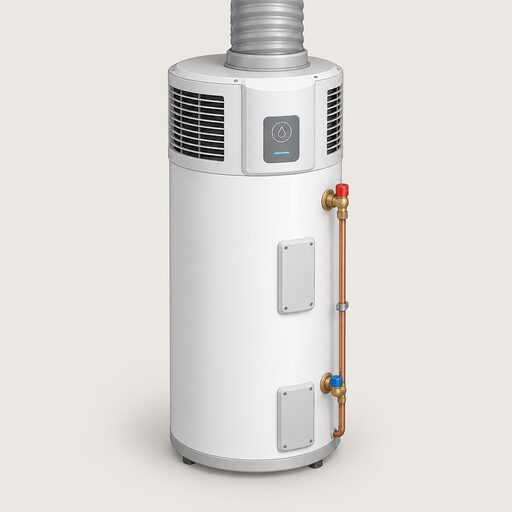 Hot Water Heat PumpsA hot water heat pump heats only the water in your cylinder, using air instead of a boiler flame.
 Electric Radiator ControlsElectric heaters cost far more to run than gas, so the controls really matter.
 Smart Thermostats ExplainedWhat does a smart thermostat actually do, and is it worth it?
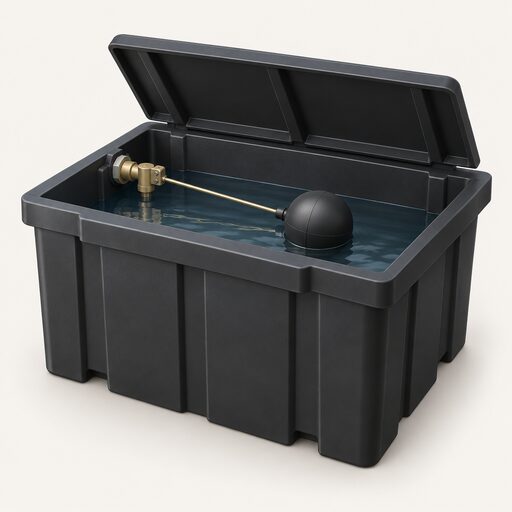 Hot Water CylindersWhich hot water cylinder suits your home, and what is the real difference between a vented one, an unvented one and a thermal store?