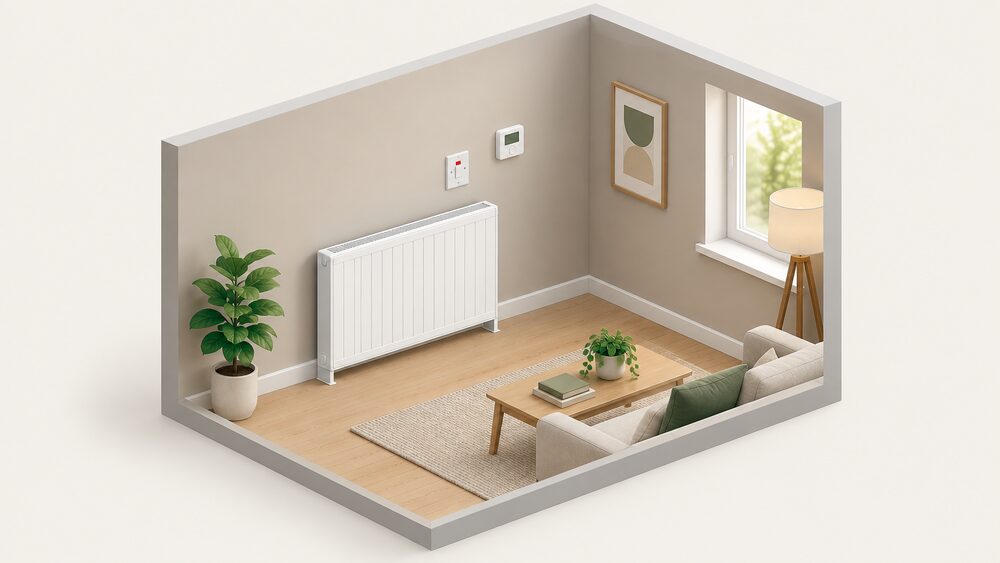
In this guide
Electric heating controls are the thermostats, programmers, receivers and apps that decide when an electric radiator, panel heater or infrared panel draws power and how warm the room gets. The controls matter more here than on a gas system, because electricity is the expensive fuel: Energy Saving Trust puts electricity at around four times the price of gas per unit1. Every hour an electric heater runs without a thermostat holding the room at a set point is an hour of full-rate consumption.
The regulatory floor is set by Approved Document L, which requires time and temperature control for separate control of each room or each appliance on new electric panel heater systems or replacement components2. Wales has consulted on the same wording3, and the 2026 Welsh and English volumes repeat the requirement that each room should be provided with thermostatic room controls4. Above that floor, the useful features are open window detection, adaptive start, scheduling and, increasingly, app and voice control.
What the controls cannot change is the fuel. Direct electric heating has finer temperature control and responsive heat where and when it is needed, but it remains a high-running-cost option because standard rate electricity is more expensive than gas or oil1. Controls reduce waste; they do not close the price gap.
What controls do electric radiators, panel heaters and infrared need
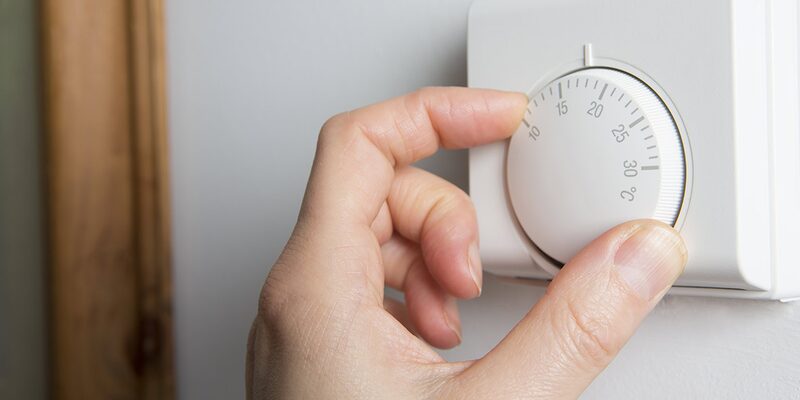
The legal requirement is narrower than most households assume. Approved Document L requires time and temperature control for separate control of each room or each appliance when a new electric panel heater system is installed or a replacement component is fitted2. The Welsh consultation version uses the same wording3, and the 2026 volumes for England and Wales add that each room should be provided with thermostatic room controls4. In practice that means a timer or programmer plus a thermostat, either on the appliance or on the wall.
For a whole-house view, Home Energy Scotland lists the recommended set as a time-controlled programmer, at least one room thermostat, thermostatic radiator valves if there are radiators, and a cylinder thermostat if the system has a hot water cylinder10. That list is written for wet systems, but the logic transfers: time control, temperature control, and per-room limitation.
Electric heating gives a choice that gas systems do not. Depending on the specific type, a household can control each heater individually or control the whole system centrally1. Individual control suits a flat or a house where only two or three rooms are heated at a time; central control suits a household that wants one schedule across the building. The trade-off is granularity against convenience.
The controls also have to be right before anything else is tuned. Energy Saving Trust states that it is important to get heating controls right before trying to change the flow temperature11. On an electric system there is no flow temperature to set, but the same principle applies to schedules and set points: fix the control layer first, then adjust.
Thermostat, programmer and zoning: the three layers of control
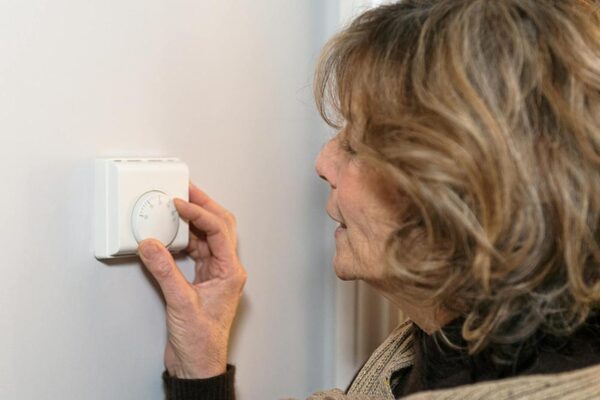
Three layers do different jobs. The thermostat holds a temperature; the programmer decides the hours; zoning decides which parts of the home are heated independently. A system with all three can be run tightly. A system with only one of them will either overheat rooms or heat empty ones.
Zoning is the layer most often missing. Underfloor heating guidance from NICEIC describes zoning as allowing control of the temperature of individual rooms, with smart, programmable thermostats keeping the home heated on a schedule to help minimise bills12. The same reasoning applies to a set of electric radiators: a bedroom thermostat that never runs in the daytime is doing more work than a smarter central schedule.
Building regulations set a threshold for zoning in new dwellings. For wet heating systems in new dwellings with a floor area of 150m2 or greater, a minimum of two independently controlled heating circuits should be provided2. The Scottish compliance guide applies the same figure to dwellings with a total floor area over 150m2, requiring at least two space heating zones with independent temperature and time control13. Northern Ireland's discussion document treats thermostatic control measures as typically requiring both room thermostats and thermostatic radiator valve controls when a heating appliance is installed14.
For conservatories, the Scottish technical handbook requires that any conservatory with heating installed should have controls that regulate it from the rest of the dwelling, for example a thermostatic radiator valve on each radiator15. An electric conservatory heater on its own thermostat achieves the same separation.
Programmers come in channel counts that map onto zones. A three-channel programmer is intended for system or regular boilers controlling hot water and two separate heating zones, such as upstairs and downstairs16. Electric systems rarely need the hot water channel, but the two-zone pattern is the same idea.
How infrared control differs: radiant heat and faster response
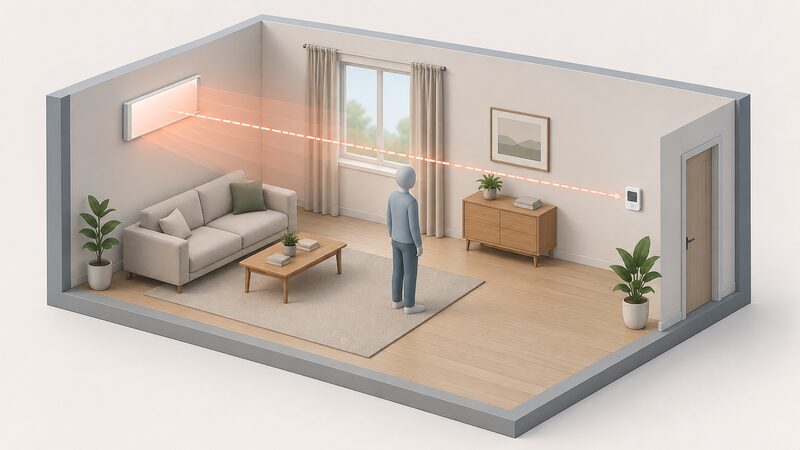
Infrared panels heat differently, and the control strategy follows. Infrared heating systems provide heat via radiation, with heat radiating outwards from the heater and warming any surfaces it comes into contact with17. That means the comfort arrives quickly when the panel is on and fades quickly when it is off, so a schedule with short, well-timed bursts suits it better than a long low background run.
The control options are similar to other electric heaters. A household could have straightforward controls directly on the heater or smart controls from a phone app17. What differs is the payoff. Energy Saving Trust states that a well-controlled infrared system will probably cost less to run than standard electric panel heaters17. It adds that infrared might also be cheaper to run than storage heaters or electric underfloor heating, depending on how they are controlled, but that there is little research available to confirm this17. That is a modelled expectation, not a measured result, and it should be read as such.
Surface temperature is part of the control picture. An infrared heater's surface temperature could be hotter than a standard radiator, though usually less than 100 degrees Celsius17. A thermostat that sits close to the panel, or a schedule that runs it hard in a small room, will produce a different result from one sited across the room.
The wider case for electric heating rests on controllability. BEAMA notes that electric water heating products have fewer restrictions than fossil fuel alternatives, and greater controllability18. The same argument applies to space heating: a direct acting system such as a panel heater, electric radiator, fan heater or electric underfloor heating has finer temperature control and responsive heat where and when it is needed6. That responsiveness is only realised if the controls are set to use it.
Herschel iQ T2 Wireless Thermostat Pack: specification and price
The Herschel iQ T2 is a representative example of a maker's own control pack for infrared panels, and it shows both what such a pack does and where its limits lie.
| Specification | Detail |
|---|---|
| Pack contents | One T2 thermostat and one R2 receiver7 |
| Load limit | Up to 2kW at 230V supply of Herschel infrared heaters on one electrical circuit7 |
| Radio frequency | 433 MHz7 |
| Communications | WiFi band enabled via the R2 receiver7 |
| Power supply | 2 x AAA batteries7 |
| Voltage | 3VDC7 |
| App control | SmartLife app7 |
| Voice control | Works with Alexa and Google Assistant when paired with the SmartLife app7 |
| Energy saving features | Open Window, Adaptive Start7 |
| Compatibility | Herschel controls will only work with Herschel heaters7 |
| Customer rating | Rated 4.67 out of 5 based on 3 customer ratings7 |
The price is given by the maker as £69.007. The load limit is the figure that decides how many panels one pack can serve: 2kW on a single circuit is roughly two to four domestic infrared panels depending on their rating, so a larger installation needs more than one receiver and circuit.
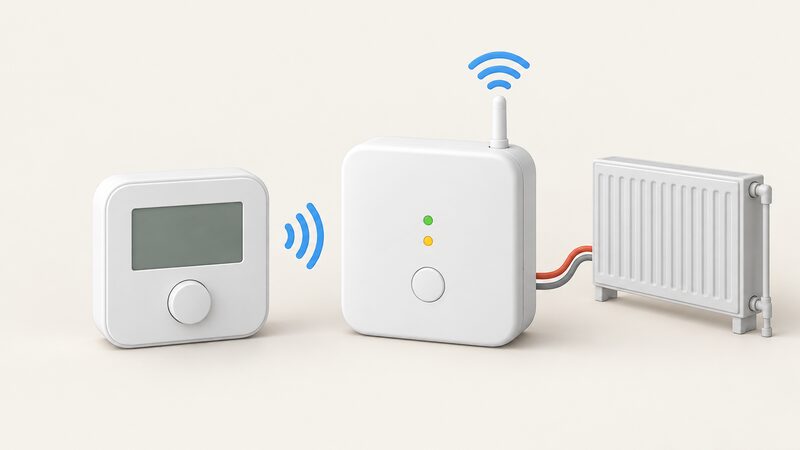
The compatibility line is the important one. Herschel states that its controls will only work with Herschel heaters7. The T2 is therefore not a general-purpose thermostat that can be moved to another brand later; it is part of a closed system.
Brand-locked controls: why Herschel and Rointe systems only work with their own heaters
Brand lock is the norm rather than the exception in electric heating controls, and it has practical consequences for a household that wants to change one part of a system later.
The clearest statement comes from Herschel: its controls will only work with Herschel heaters7. Which? reports the same pattern across the wider market, finding that most smart radiator valves will not work with another manufacturer's smart thermostat and connecting device19. A household that buys a thermostat from one maker and heaters from another may find the two never speak.
App-only control is a harder version of the same problem. The Duux Threesixty DXCH09UK Grey Smart Heater is listed as only controllable with its app20. There is no wall thermostat and no third-party route in: the phone is the control interface, and the maker's cloud service is the channel.
This matters for energy independence as much as for convenience. A wall thermostat and a timer are local: they keep working with no internet connection, no account and no supplier. An app-controlled heater depends on a server, a login and a working broadband line. The heat still comes from the household's own electricity, but the ability to schedule it does not sit entirely in the home.
For households weighing this, the relevant comparisons are set out in smart heating controls: security, data and product support and heating controls and energy independence.
App and voice control: SmartLife, MyHeating and WiFi Direct
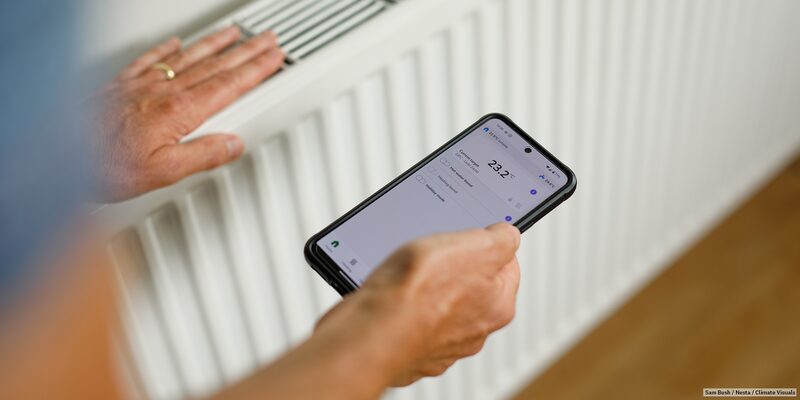
App control has become the default interface on new electric heaters, and it brings features that a dial cannot. Smart controls are connected to the internet and offer more functionality than conventional controls16. That extra functionality is usually scheduling, remote adjustment, energy reporting and voice control.
The Herschel pack shows the pattern: SmartLife app control, with Alexa and Google Assistant working when paired with that app7. The app is the hub, and the voice assistant is a layer on top of it. The same structure appears across the market, with makers running their own apps alongside third-party platforms.
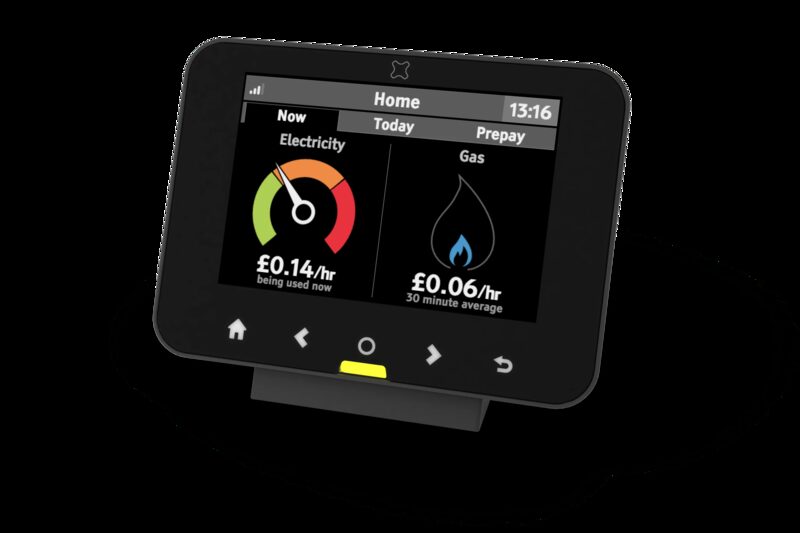
There is a limit worth knowing. Smart meters and their in-home displays allow a household to track heating, but they do not cover everything: these only allow you to track your heating, so you cannot keep an eye on your electricity and gas usage21. App-based heating control and whole-home energy monitoring are separate systems, and a heater app will not tell a household what the whole house is drawing.
Voice control is convenient but not a control strategy. Saying a room's name to a speaker sets a temperature; it does not decide the schedule, the zoning or the set points. Those decisions still have to be made in the app or on the device.
Open window detection, adaptive start and other energy-saving features
The features that save energy on electric heating are mostly about not heating when it is pointless.
Open window detection does exactly that: it senses a sudden temperature drop and pauses the heater rather than running at full output against an open window. Adaptive start works the other way, learning how long a room takes to reach temperature and starting early so the set point is met at the scheduled time rather than overshooting. The Herschel iQ T2 lists both Open Window and Adaptive Start7. The Dimplex Quantum HHR storage heater lists Adaptive Start Technology and Open Window Detection alongside boost mode and heat demand adjustment8.
Modern storage heaters carry a similar feature set: thermostats, remote wi-fi controls, programmable timers, fans to help disseminate the heat, and open window detectors22. Smart radiator valves add GPS tracking, open window detection, frost protection and on-valve controls19. Frost protection is the one feature aimed at the building rather than comfort, keeping a room above freezing when it is unoccupied.
The pattern across all of these is the same: the control layer decides how much of the heater's output is useful. On a fuel that costs around four times as much per unit as gas, that decision is where the money is1.
Running costs: why control matters more when electricity is about four times the price of gas
The price ratio is the reason this page exists. Energy Saving Trust states that electricity is around four times more expensive than gas per unit1. The Scottish Government's consultation analysis gives the same figure: at the time of that consultation, the retail price of electricity per kWh was approximately four times more expensive than gas24. Energy Saving Trust repeats the ratio in its electric wallpaper guidance, attributing the running cost to the unit price of electricity being around four times that of gas25.
Which? puts the practical effect in starker terms: electric heating could cost double the amount to keep warm than it would using gas heating22. That is a different measure from the unit price ratio, and the two should not be conflated: one compares fuel prices per unit, the other compares the cost of keeping a home warm, which depends on how the heat is delivered and controlled.
Direct electric heating typically has high running costs because standard rate electricity is more expensive than gas or oil1. Controls do not change the unit price. What they change is how many units are bought. A thermostat that holds a room at a set point buys fewer units than a heater left on a manual setting; a schedule that heats two rooms instead of five buys fewer again.
Time-of-use tariffs are the other lever, and they cut both ways. Electricity prices vary throughout the day, usually with a cheaper overnight charging window26. A maker states that electric radiators are compatible with time-of-use tariffs, helping a household heat when electricity is cheaper27. But official guidance warns that where heating patterns are not well aligned to the tariff, time-of-use tariffs can increase fuel bills28. A tariff is only cheaper if the heating actually runs in the cheap window, which is a control problem before it is a tariff problem.
Storage heaters were built around that window. They are often used with special energy tariffs that offer lower rates during off-peak times1. Some specific storage heater models that use particular time-of-use tariffs may need to be on all the time23. The Radio Teleswitch service, which switched many of those tariffs, cannot vary heating load time without varying peak and off-peak times29.
Sizing and placement for controllable rooms: 80 to 100 W per square metre
Control only works if the heater is the right size for the room. An oversized heater reaches its set point quickly and then cycles, which is inefficient but tolerable; an undersized one runs continuously and never satisfies the thermostat, which is worse, because the control layer has no authority over the outcome.
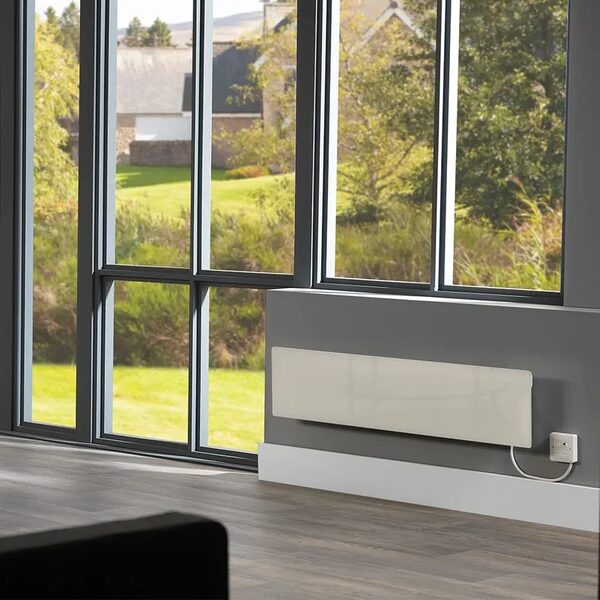
The sizing rule of thumb for electric heating is 80 to 100 W per square metre of floor area. That figure is not in the published guidance cited here, and it should be treated as an installer's rule rather than a regulatory requirement. What the regulations do say is about control, not output: each room should be provided with thermostatic room controls in new dwellings or when a heat generator is replaced in an existing dwelling2.
Placement follows from how the heat moves. A convection radiator or panel heater warms air that then circulates, so a thermostat on the appliance reads a temperature close to the heater rather than the room. A wall thermostat sited away from the heater, out of draughts and away from direct sun, gives a truer reading. For infrared, which warms surfaces by radiation, the thermostat should not sit in the panel's line of sight, or it will read the warmed surface rather than the air.
Zoning decisions belong at this stage too. The 150m2 threshold for two independently controlled circuits in new dwellings is a regulatory minimum, not a design target2. A smaller home can still benefit from separating upstairs from downstairs, or a living area from bedrooms, if the household's pattern of occupation justifies it.
What the evidence does and does not support
The evidence base for electric heating controls is uneven, and it is worth separating what is established from what is asserted.
What is established: the control requirement itself, set out in Approved Document L and repeated in the Welsh and Scottish documents2. The price ratio between electricity and gas, given consistently by Energy Saving Trust and the Scottish Government1. The feature sets of specific products, from the makers' own pages7.
What is weaker: the running cost claims for infrared. Energy Saving Trust states that a well-controlled infrared system will probably cost less to run than standard electric panel heaters, and might also be cheaper than storage heaters or electric underfloor heating depending on control, but adds that there is little research available to confirm this17. That is a modelled expectation with an explicit evidence gap.
What is contested: the viability of direct electric resistance heating as a whole. One official consultation describes it as unlikely to be viable due to primary energy, possibly viable for occasional small rooms or in extremely low energy demand dwellings with on-site renewables and battery storage14. That is a policy view about system-wide energy, not a verdict on any individual installation.
What is measured: households with electric heating were more likely to report that their heating does not always keep them warm, at 34%, compared with 24% for gas-heated households9. That is a satisfaction gap, and it points at sizing, control and building fabric rather than at the fuel alone.
"Unlikely to be viable due to primary energy, possibly viable for occasional small rooms or in extremely low energy demand dwellings with on-site renewables and battery storage"
Two further pieces of context bear on how controls are assessed. The Heat and Energy Efficiency Technical Suitability Assessment is proposed as a way to produce consistent information, and its results could be used by consumers to support eligibility for government funding programmes, compliance with or exemption from regulation, or by lenders seeking consistent information for making loans30. Separately, a majority of respondents to the Energy Performance Certificate metric reform consultation thought the fabric rating should not include domestic hot water heat demand31. Both show that the framework around heating assessment is still moving.
For a household, the practical conclusion is narrow and firm: the control layer is the part of an electric heating system that can be improved without changing the fuel, and it is the part that determines whether the running cost is tolerable. The fuel price ratio is not something a thermostat can fix.
Sources31 cited
- Electric heating, Energy Saving Trust, 2026-07-01
- Approved Document L Volume 1, 2021 edition incorporating 2023 amendments, GOV.UK, 2026-09-17
- Approved Document L Volume 1 consultation version, Welsh Government, 2025-08
- Building Regulations Approved Document L Volume 1 2026, Welsh Government, 2026-04
- Approved Document L Volume 1 Dwellings, GOV.UK, 2026
- What is direct electric space heating and where is it best used, BEAMA, 2025-09-01
- Herschel iQ T2 Wireless Thermostat Pack, Herschel Infrared, 2026-08-26
- Quantum HHR storage heater brochure, Dimplex, 2025-07
- Plug-in solar electrical safety study, GOV.UK, 2026-06-16
- Thermostats and heating controls, Home Energy Scotland, 2026-09-20
- Should I turn my boiler's flow temperature down, Energy Saving Trust, 2026-05-20
- Underfloor heating system, NICEIC, 2026-09-17
- Domestic Building Services Compliance Guide 2022, Scottish Government, 2022-06
- Building regulations discussion document 2023, Northern Ireland Department of Finance, 2023-10-11
- Building standards technical handbook 2022: domestic, 6.3 heating system, Scottish Government, 2022-06-01
- Thermostats and heating controls, Energy Saving Trust, 2026-02-10
- Infrared heating explained, Energy Saving Trust, 2026-03-13
- What are the benefits of electric heating and hot water, BEAMA, 2025-11-03
- Best smart radiator valves, Which?, 2026-09
- Duux Threesixty DXCH09UK Grey Smart Heater, Quiet Mark, 2026-09-17
- Do I already have a smart meter, Smart Energy GB, 2026-03-16
- Electric central heating, Which?, 2025-09-22
- A guide to using electric storage heater controls, Energy Saving Trust, 2026-05-21
- Delivering net zero for Scotland's buildings: heat in buildings bill consultation analysis, Scottish Government, 2026-01-29
- Electric wallpaper explained, Energy Saving Trust, 2026-03-26
- EV tariffs and home charging, Energy Ombudsman, 2026-09-11
- Electric radiators, EDF Energy, 2026
- Heat pump transition report, GOV.UK, 2026-05
- Radio Teleswitch, Energy Networks Association, 2026-09-17
- HEETSA partial business regulatory impact assessment, Scottish Government, 2025-06-06
- Energy Performance Certificate reform consultation analysis, Scottish Government, 2025-01-23
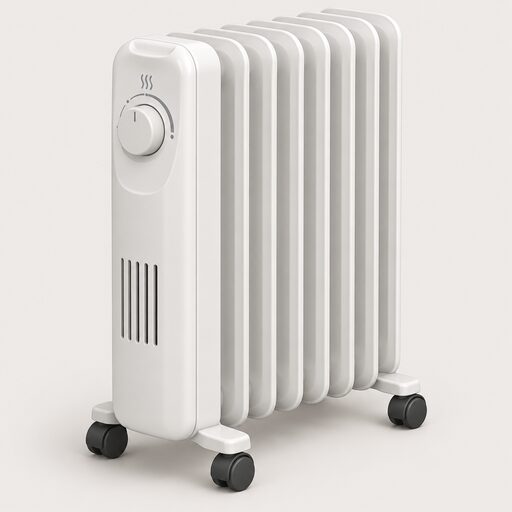 Electric Radiators and PanelsDo electric radiators cost more to run than gas heating, and are they worth it for one room or a whole house?
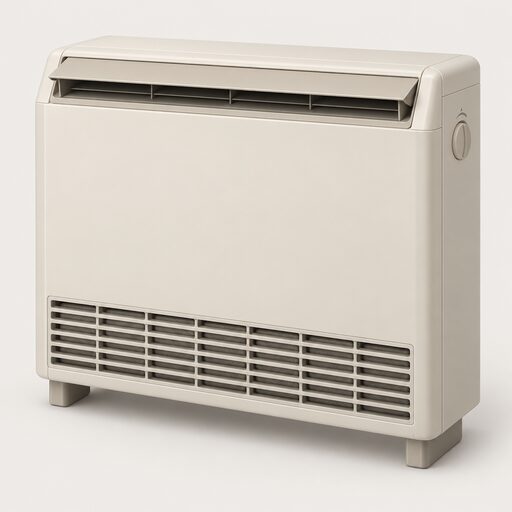 Electric Heating CostsHow to work out what electric radiators, panel heaters, infrared and storage heaters cost to run per hour and per season.
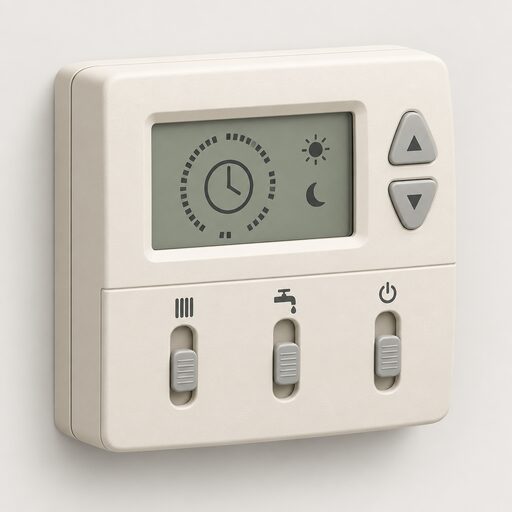 Controls, Thermostats and TRVsWhich heating controls actually cut your bills, and what does each one do?
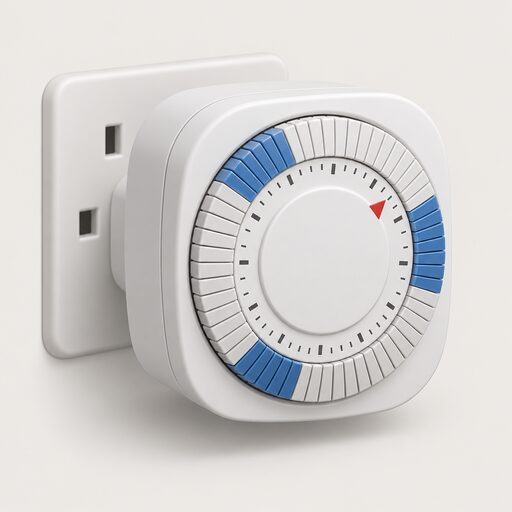 Controls and Time-of-Use TariffsCheaper electricity at night only saves money if your heating actually uses it then.
 Infrared Heating and PanelsDo infrared heating panels cost less to run than normal electric heaters, and how much do they add to a bill?
 Controls and Smart OperationWhy does a heat pump need different controls from a boiler, and what does weather compensation actually do?