
In this guide
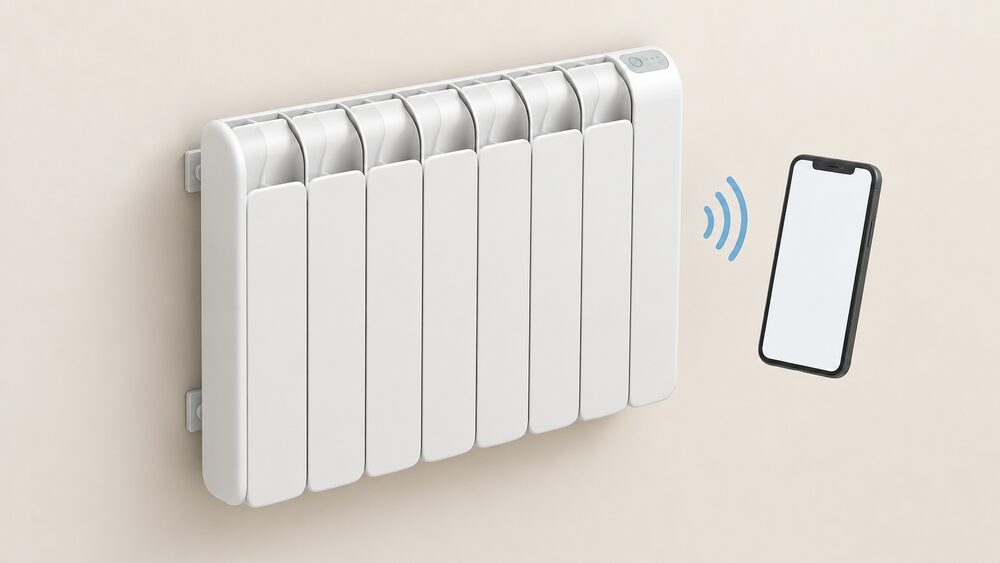
The Rointe Nexa app is the control layer for Rointe's connected electric heating: radiators, towel rails, storage heaters, underfloor heating and hot water cylinders. It runs on a smartphone, tablet or PC, and Rointe states that it can manage up to 60% of a home's energy consumption from a single app, a figure the maker attributes to the Institute for Energy Diversification and Saving (IDAE)1. The same app is where installed power can be reduced by up to 30% across a set of radiators1.
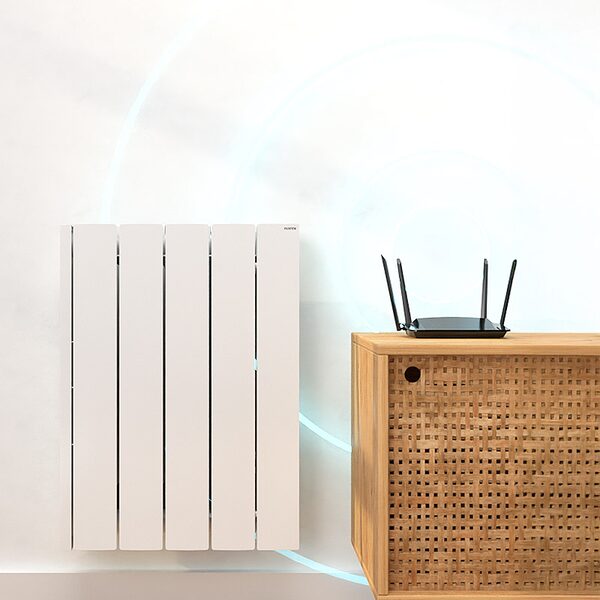
What makes the system unusual among smart heating controls is that there is no gateway. Rointe's WiFi Direct design connects each appliance straight to the router, and pairing is done by Bluetooth Link in three steps through the app2. That removes a hub from the chain, but it does not remove the chain: the app, the home network and the manufacturer's service all sit between a householder and a radiator that is 200 miles away.
This page covers what the app controls, how pairing works, what the smart modes actually do, how zones and voice assistants fit in, and what happens to settings and remote access when the power or the broadband goes down.
What the Nexa app controls: radiators, towel rails, heaters and hot water
Rointe describes the app's scope as control of radiators, towel rails, storage heaters, underfloor heating and hot water with Rointe products, inside and outside the home4. That list matters because it is wider than the radiator-only picture many buyers have. A household running Rointe panel heaters in a conservatory, a WiFi towel rail in a bathroom and a Coralia water heater can hold all of them in one account rather than three separate apps.
The water heating side is explicit. Rointe's Coralia water heater page directs owners of the WiFi version to download the Rointe Nexa app to configure the remote control and operate the cylinder5. Storage heaters are covered too, and the app is presented as the control route for the connected models in that range6.
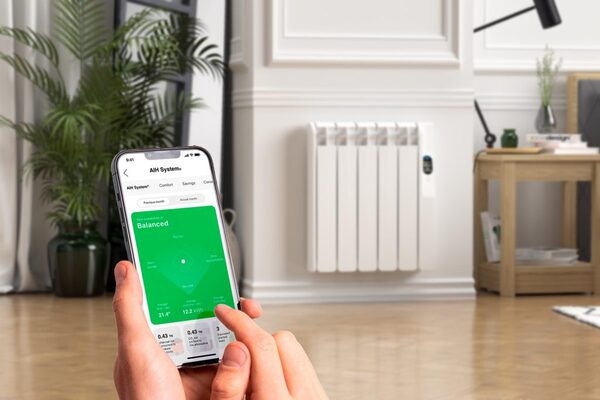
Control is not only remote. Rointe states that its electric radiators can be operated from the Rointe Nexa app or directly from the radiator panel7. The panel is the fallback that keeps working when everything else does not, and it is worth understanding as the local layer rather than as a backup feature.
The app also carries functions that are not about switching things on and off. On low surface temperature models, the Surface Temperature Limit function is settable from the app, using an integrated sensor to cap how hot the casing becomes7. Rointe gives a maximum surface temperature of 43 degrees C for those models7. That is a control function with a safety purpose, and it is one of the few places where app control changes what the appliance is physically allowed to do.
For a household weighing independence, the position is mixed. The heating itself is electric and runs from the home's own supply, and Rointe states that all its products are 100% electric and compatible with renewable energy such as solar8. The control layer, however, is a manufacturer's app on a home network. Local operation survives an outage; remote operation does not.
Connecting without gateways: Bluetooth Link pairing in three steps
Rointe's connectivity claim is that its WiFi radiators do not need gateways or smartboxes and connect directly to the router8. The pairing route is Bluetooth Link, which Rointe describes as connecting devices to the WiFi network easily and in just three steps with the Rointe Nexa app, using a Bluetooth module built into the connected heating device8. The same three-step Bluetooth Link description appears across the radiator, towel rail and short radiator ranges2.
The practical sequence is: install the app and create an account, put the appliance into pairing mode, and let the app pass the home network credentials to it over Bluetooth. The Bluetooth radio does the introduction; the WiFi radio does the ongoing work. That is why no hub is needed, and why the appliance must still be within Bluetooth range of the phone during setup.
The absence of a gateway is a genuine simplification. It removes a mains-powered box, a spare socket and a second failure point, and it means a single radiator in a flat can be connected without buying anything else. The trade-off is that each appliance carries its own radio and its own pairing routine, so a house with eight connected radiators has eight devices on the network rather than one hub with eight children.
Rointe contrasts this with the wider market, stating that most alternatives require costly additional devices that must be placed near the router2. That is a maker's characterisation of competitors rather than an independent finding, but the architectural point stands: WiFi Direct puts the network stack in the heater.
What the app can do: schedules, scenarios, geolocation and holiday mode
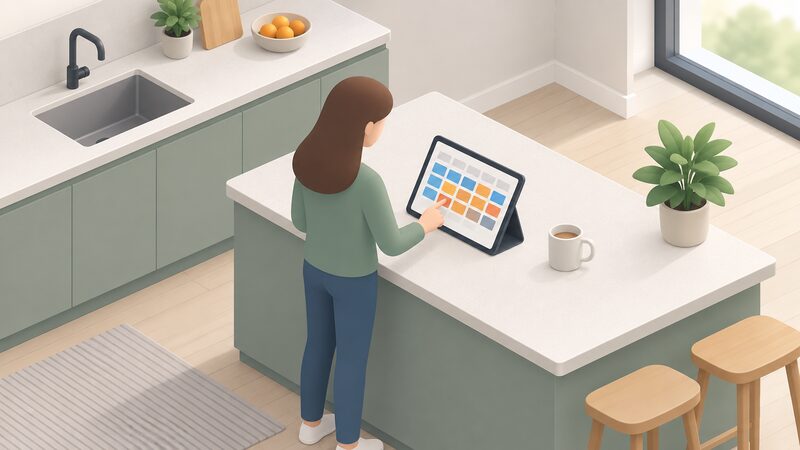
The app's core functions are adjusting temperatures, programming schedules, controlling consumption, blocking devices and creating automatic scenarios according to location6. Rointe also lists geolocation, holiday mode and consumption alerts among the smart functions, alongside scheduling of timetables and operating modes11.
Geolocation is the feature that most changes day-to-day behaviour. Rointe states that the app supports manual or automatic scenarios by GPS geolocation, with products turning on or off when the household leaves or returns4. It goes further than most implementations in one respect: Rointe states that smart scenarios using the smartphone's GPS can manage the system even without a WiFi connection1. That is a meaningful distinction, because it means the phone's location can trigger a programme that the appliance already holds, rather than requiring a live round trip to a server.
Vacation Mode is the absence counterpart. Rointe describes programming the shutdown of radiators during an absence to reduce consumption, with the system automatically reactivated at the end1. For a second home or a long trip, that is a scheduled setback rather than a permanent change.
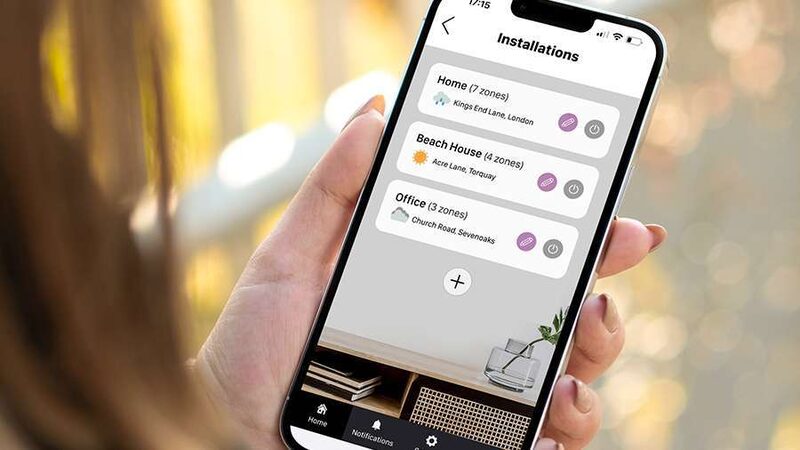
The app also handles multiple properties. Rointe states that the same app can hold control of a main house by floor or room alongside the heating systems in a secondary residence or office1, and that multiple installations can be managed from a single platform with individual or zonal control, real-time notifications and monitoring of energy consumption and costs1.
Rointe states that the app can offer personalised recommendations to improve consumption, reduce costs and optimise energy use1. That is a maker's description of an advisory feature, not an independently verified saving, and it should be read as guidance rather than as a measured result.
Installed power: reducing it by up to 30% from your mobile
The most consequential control in the app is power limiting. Rointe states that with the Rointe Nexa app a household can reduce up to 30% of the total installed power of its radiators4. The same figure appears across the radiator ranges and in the thermal fluid and natural stone product pages1.
What that means in practice is that the app can cap the combined draw of a group of connected radiators, so they do not all call for full output at once. For a household on a restricted supply, a small consumer unit or an off-grid or solar-backed system, that is a load management tool rather than a comfort setting. It changes how the heating behaves at the moment of peak demand, not how warm the room eventually gets.
Rointe frames the wider benefit as energy management: the app can manage up to 60% of a home's energy consumption from a single app, with the figure attributed to IDAE1. That attribution is to a Spanish public body, and the claim is about the share of household energy that heating and hot water represent rather than a measured saving from using the app. It is a maker's framing of a third-party statistic.
"With the Rointe Nexa app you can reduce up to 30% the total installed power of your radiators"
The power limit sits alongside the appliance-level technologies. Rointe states that its radiators hold room temperature to a precision of plus or minus 0.1 degrees C8. That is a maker figure for the hardware, and it describes control accuracy rather than running cost.
Night mode and limited mode: what each one does
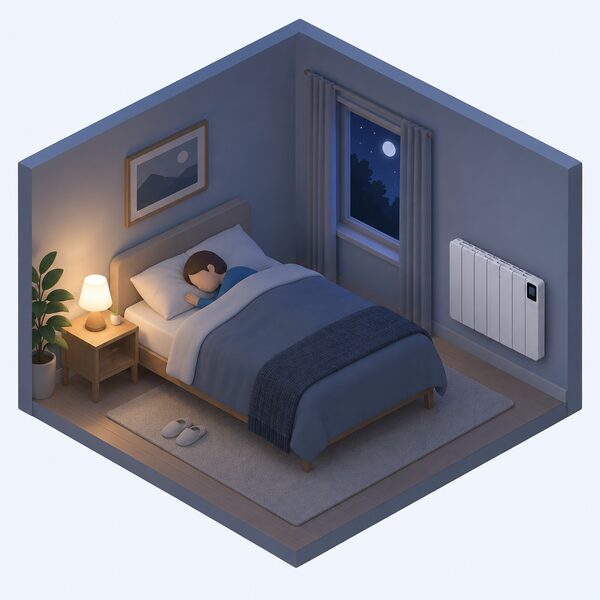
Night Mode is a scheduled reduction. Rointe states that it reduces the temperature by up to 1.5 degrees C over 3 hours, turns off the display and mutes the product4. The three-hour ramp is the notable part: rather than dropping the setpoint instantly at bedtime, the appliance eases down, which suits a room that is still occupied while it cools.
Limited Mode is a restriction rather than a reduction. Rointe states that it allows setting a temperature range and locking the menu, avoiding energy waste without losing control of the installation4. The maker gives 19 to 22 degrees C as an example range for tourist accommodation4, and separately gives 17 to 25 degrees C as an example range1.
Rointe states that Limited Mode is available on all Rointe connected products4, and describes it as ideal for hotels, hostels or tourist accommodation such as Airbnbs4. Elsewhere the intended uses are given as hotels, hostels, tourist accommodations, residences or schools6, and as homes with children alongside those commercial settings6.
The two modes answer different questions. Night Mode asks how the heating should behave overnight. Limited Mode asks who should be able to change it at all. A landlord, a holiday let owner or a household with young children is buying the second; a household chasing a lower overnight setpoint is buying the first.
Rointe also lists an Open Windows mode, which detects sudden drops in temperature and automatically shuts down the product, alongside Limited, Night and Holiday modes7. That is a detection function rather than a schedule, and it works on the appliance's own sensor.
Zones, installations and voice assistants: how control is organised
The app's structure is a hierarchy. Rointe states that the app distinguishes between zones, and that creating an account requires creating one installation, such as House, with different zones such as Living Room, Kitchen, Main Bathroom and Children's Room, with products set within a zone3. The same structure is repeated in the Irish connectivity guidance16 and in the product support articles17.
That hierarchy is what makes multi-property control possible. One installation is one building; zones are rooms or groups of rooms; products sit inside a zone. Rointe states that the app supports individual or zonal control of Rointe devices, management of several installations from a single platform, real-time notifications and monitoring of energy consumption and costs1.
Voice control sits on top. Rointe states that its products can be controlled with Google Assistant and Amazon Alexa by voice commands17. The same statement appears in the Irish and Spanish support articles18, so it is a consistent maker position rather than a single page's claim.
For a household thinking about independence, the zone structure is the part that survives an outage. Zones and their programmes are held in the installation, and the appliances continue to run to them. What does not survive is the ability to change them from elsewhere, or to ask a voice assistant to do it.
Data security and what happens in a power cut
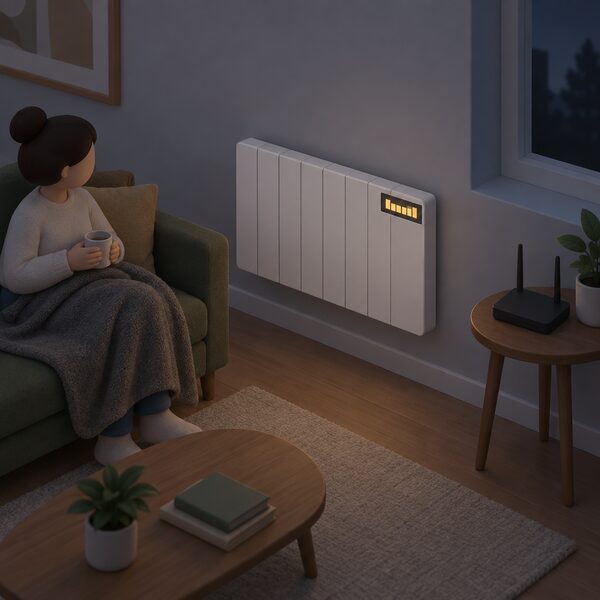
Rointe states that all personal data is transmitted securely using encryption algorithms that guarantee integrity, confidentiality and anonymity4. That is the maker's description of its own transport security, and it covers the app's data handling rather than the security of the home network the appliances sit on.
Power cuts are handled at the appliance level. Rointe states that the products save the previous configuration and will continue to work with the programmed adjustments, and that remote control is only possible when the connection is restored17. Where power is lost during a firmware update, the maker states that when power is restored the product will turn on in the pre-update state17. In other words, an interrupted update does not leave the appliance in an undefined condition.
"The products save the previous configuration and will continue to work with the programmed adjustments. However, remote control is only possible when the connection is restored."
The wider power cut picture is a network matter rather than a heating one. Northern Ireland Electricity Networks advises never touching damaged electricity equipment, checking on vulnerable family and friends, keeping the freezer door closed, reporting the power cut, turning off cookers, heaters and sensitive equipment, and leaving a light on19. UK Power Networks runs a priority services register for customers who need extra support during an outage20, and NIE Networks operates a Customer Care Register that provides up-to-date information by phone during a power cut or a planned interruption21. The registers are free and separate from any heating product.
For a household running electric heating, the honest position is that a power cut removes the heat as well as the control. The saved programme means the system resumes correctly, but nothing in the Nexa app changes the fact that electric heating depends on the grid.
Support, warranty and the proof a claim needs
Rointe lists a UK support telephone number of 0203 321 5928 on its product pages7. The same pages carry a Spanish support number, 900 103 06115, and an Irish number, 01 553 052310, so the correct line depends on where the product was bought rather than on where it is installed.
Warranty terms are split by component. Rointe states that its radiators have a 10 year warranty on the aluminium body4, with 3 years on the electronic components8. The app, the radio module and the control electronics sit in the shorter of the two periods, which is worth knowing because those are the parts that fail first in any connected appliance.
The requirement is repeated across the radiator, thermal fluid and short radiator ranges1, so it is a consistent condition rather than a single page's wording. Keeping the receipt with the installation paperwork is the practical step, and it matters more on a connected product where a replacement control board is a real cost.
On the hardware itself, Rointe states that its radiators are made of a recycled aluminium alloy with ASI sustainability certification13, and that they use either thermal fluid or natural stone core technology7. The stone core is described as up to 34% larger than other radiators on the market14, and the thermal fluid as a high-efficiency heat transfer fluid10. These are maker claims about construction, and they describe how the appliance stores and releases heat rather than how the app controls it.
Where the app's control ends
The Nexa app is a well-specified control layer for a specific family of electric heating products, and it does several things that comparable systems do not: no gateway, Bluetooth pairing, GPS scenarios that work without WiFi, and a power limit that caps combined draw. Those are real advantages for a household running electric heating off its own supply, particularly one with solar generation or a constrained supply.
The dependence that remains is the familiar one. Remote control needs a 2.4 GHz network, a broadband connection, a Rointe account and the manufacturer's service. Voice control adds Google or Amazon to that chain. The warranty on the electronic components runs for 3 years against 10 on the body, so the connected part of a connected radiator has the shorter life. And the heating itself is electric, which means the grid.
Local control is the part that holds. The radiator panel works, the saved programme runs, and the appliance resumes its previous state after an outage. For households that want the app as a convenience on top of a heating system that stands on its own, that is the right way round. For a wider view of how app control compares with local and open protocols, see smart heating controls and heating controls and energy independence.
Sources22 cited
- Rointe Nexa, Rointe, 2026-03-30
- Rointe Nexa (Ireland), Rointe, 2026-03-30
- Connectivity FAQ, Rointe, 2026-02-13
- WiFi Electric Radiators (Ireland), Rointe, 2026-09-20
- Electric Water Heaters, Rointe, 2025-09-25
- Storage Heater, Rointe, 2026-07-07
- Electric Radiators, Rointe, 2026-09-20
- Piedra Natural WiFi, Rointe, 2026-07-17
- Designer Towel Dryers, Rointe, 2025-09-25
- Short WiFi, Rointe, 2026-04-08
- Inverter Smart Adaptive Saving Technologies, Rointe, 2025-09-25
- Inverter Smart Adaptive Saving Technologies (Ireland), Rointe, 2025-09-23
- Fluido Termico WiFi, Rointe, 2026-04-08
- WiFi Natural Stone, Rointe, 2026-04-08
- Short WiFi, Rointe, 2026-07-17
- Connectivity FAQ (Ireland), Rointe, 2026-06-03
- Product FAQ, Rointe, 2026-06-03
- Product FAQ (Ireland), Rointe, 2026-06-03
- Power Cut Advice, NIE Networks, 2026-09-19
- Emergency Power Cuts, UK Power Networks, 2026-09-17
- Critical Care Register, NIE Networks, 2026-09-20
- Fluido Termico WiFi (Spanish), Rointe, 2026-07-17
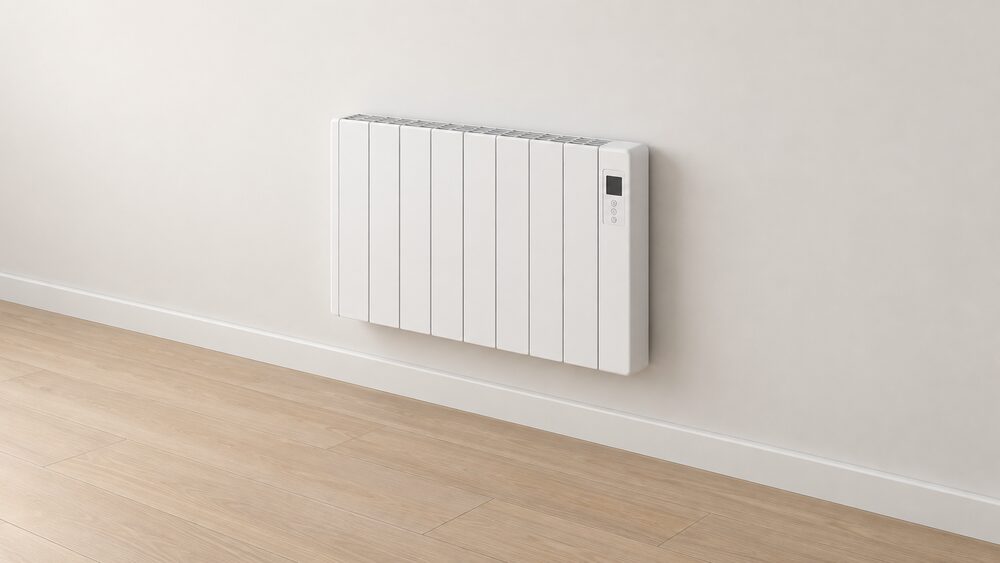 Rointe electric radiators and heatingRointe electric radiators run on electricity alone, with no gas or pipework, so are they cheap to run and do they heat a room well?
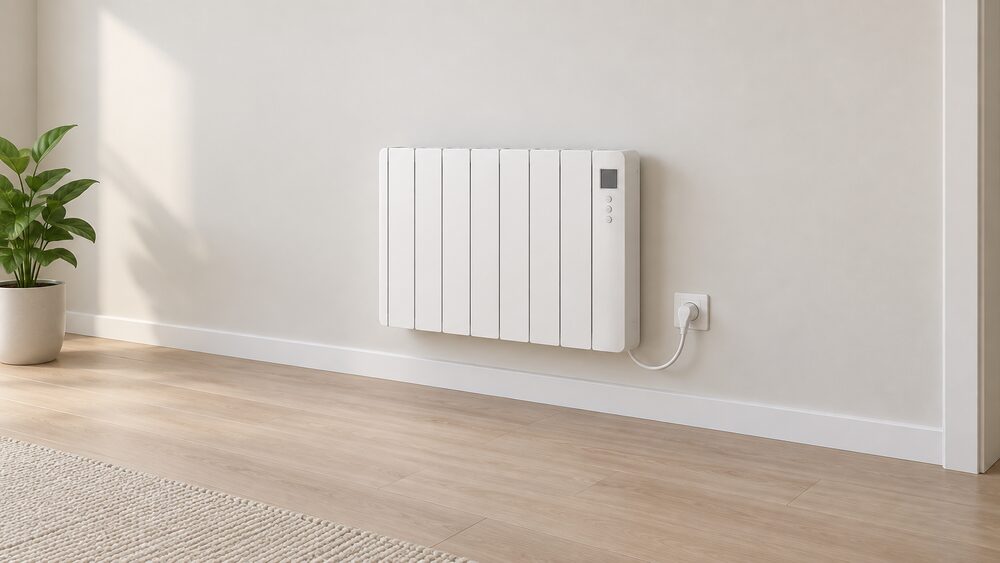 Rointe electric radiatorsRointe's D and Belize radiators run on electricity alone, so there's no boiler, gas supply or flue to worry about.
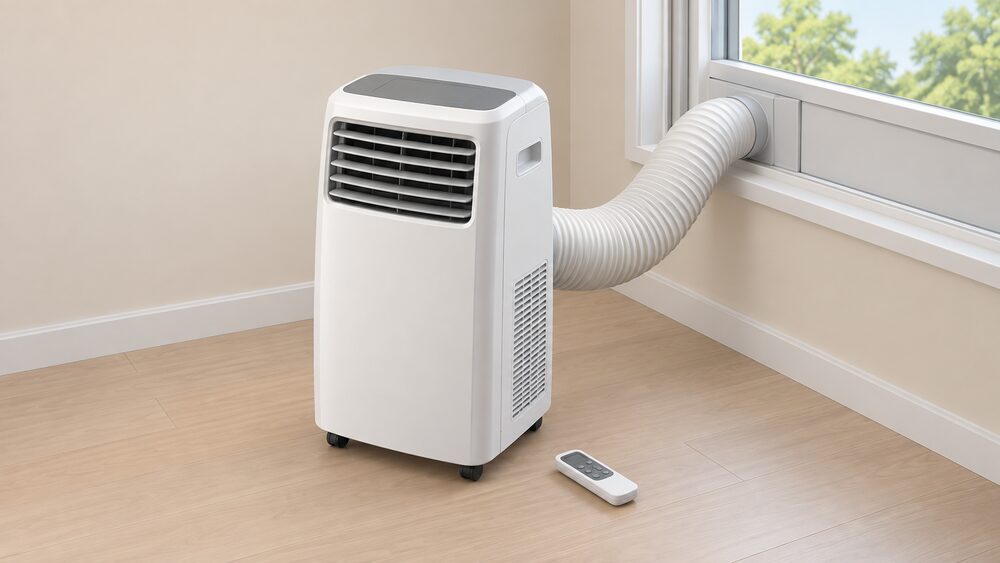 Rointe heat pump cylinders and electric heatingRointe makes electric radiators, towel dryers and water heaters, plus portable air conditioners with heat pump capability.