In this guide
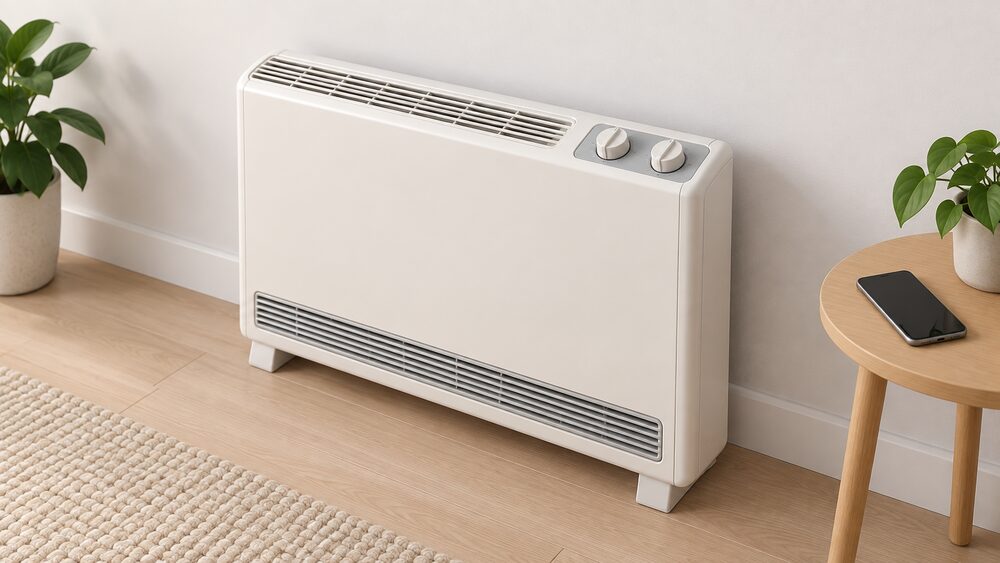
Dimplex is a UK electric heating brand whose range splits into two very different halves: direct electric heating that runs on standard rate electricity, and air source heat pumps that run on electricity but deliver several units of heat per unit consumed. The storage heater side is the older, better known business. Dimplex describes its storage heaters as providing access to the lowest energy tariffs by charging on off-peak electricity, and the Quantum is its high heat retention model, built with extra insulation to hold heat longer than a conventional storage heater1.
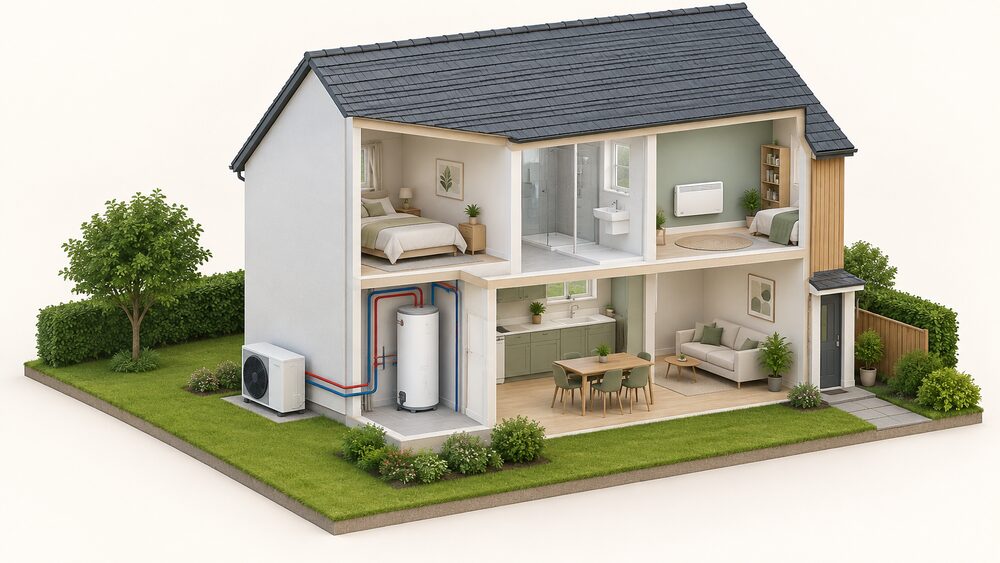
The heat pump side is newer and more consequential for a household's energy position. Dimplex makes monobloc air source heat pumps, self-contained units installed outside and connected to the heating system and hot water cylinder inside the dwelling, and a separate hot water heat pump that mounts on top of a cylinder and supplies domestic hot water as a standalone system2. The company states it has multiple heat pump factories, including in Germany, France and Ireland2.
The distinction matters because the two halves carry different running costs and different degrees of independence. A storage heater keeps a home on the grid and on a tariff, with no gas connection and no flue. A heat pump does the same but with a lower running cost per unit of heat, and it can be paired with a cylinder that stores hot water for use at peak times. What follows sets out the range, the warranty terms, the sizing rules and the running cost picture.
Dimplex: the company behind the brand
Dimplex is a trading name rather than a company in its own right. The registered entity is Glen Dimplex UK Limited, registered in England with company number 1313016, and its registered office is Dimplex UK, Millbrook House, Grange Drive, Hedge End, Southampton, Hampshire, United Kingdom, SO30 2DF5. Those details come from Dimplex's own Quantum brochure, dated July 2025, and they are the ones to use for formal correspondence or a company search.
Manufacturing is not confined to the UK. Dimplex states that it has multiple heat pump factories, including in Germany, France and Ireland2. That is a European supply chain rather than a single domestic plant, which matters for parts availability and for how quickly a replacement unit can be sourced. It also means the brand's heat pump production sits inside a wider group structure rather than standing alone.
On ownership, the picture is worth stating carefully. Dimplex sits within Glen Dimplex UK Limited as the registered entity5. Separately, independent guidance dated 26 June 2026 lists Octopus Group (UK) as the majority owner of Octopus Energy7. The two facts describe different companies, and the published material does not connect them. Households checking who ultimately stands behind a Dimplex warranty should work from the registered company details rather than from any assumption about group ownership.
The brand also invests in specification support. Dimplex offers a wide range of CPD sessions, UK and CIBSE accredited, covering different aspects of the design and specification of heating systems2. That is aimed at specifiers and installers rather than householders, but it indicates the brand positions itself for designed installations, not just retail sales. For the wider picture of who owns which household energy name, see who owns which energy brand.
The range: storage heaters, panel heaters, heat pumps and controls
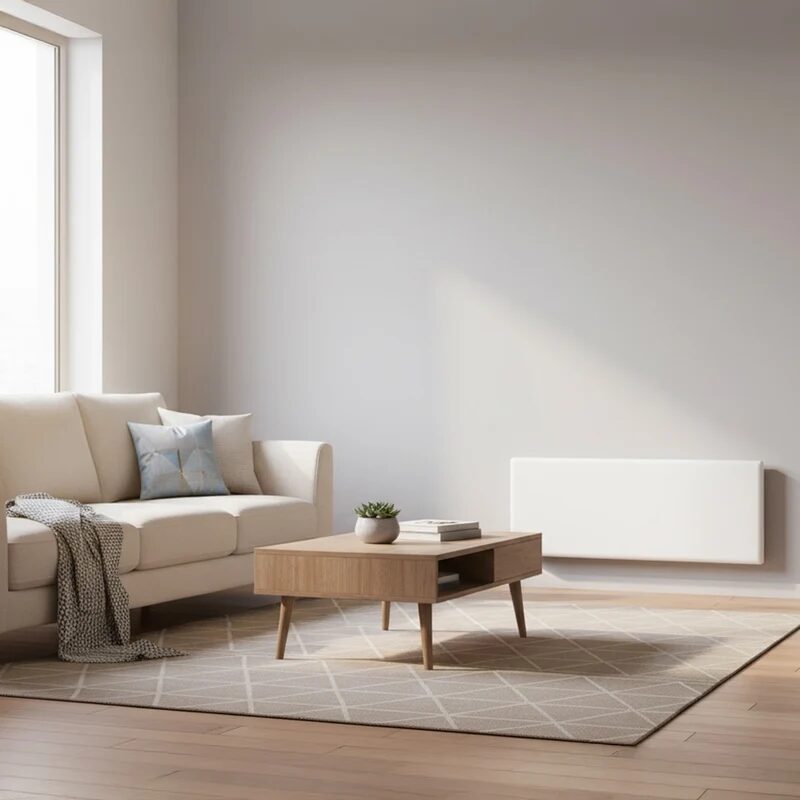
The product range divides by how the heat is delivered and when it is paid for. Storage heaters charge on off-peak electricity and release heat later. Panel heaters are direct acting, using standard rate electricity to heat a space up quickly by convection, or with a combination of radiant and convection heat3. Heat pumps sit apart from both, using a refrigeration cycle rather than a resistive element.
Panel heaters are the simplest part of the range. They are either wall mounted or ceiling mounted, and Dimplex supplies a range of controls so the user can align their heating with their own requirements3. They carry a 2 year guarantee, with the option to extend on selected models when the product is registered3. Because they run on standard rate electricity, they are a direct replacement for an existing electric heater rather than a route to a lower tariff.
Storage heaters are the more sophisticated electric option. Dimplex fits them with digitally controlled electronic thermostats and a 7 day programmable user timer1. The Quantum adds three customisable heating timers on top of that5. The controls matter more than they might appear to: a storage heater's economics depend on charging overnight and releasing heat through the day, so the timer and thermostat are what convert a cheap overnight unit rate into a warm afternoon.
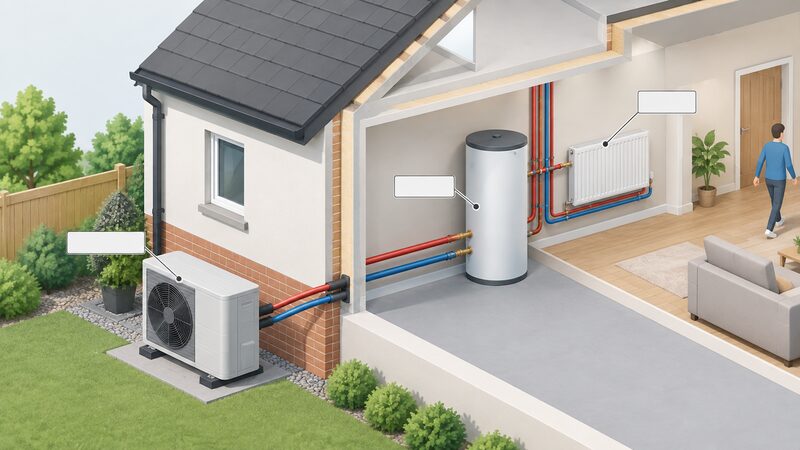
Heat pumps complete the range. Dimplex makes monobloc air source units, self-contained and installed outside, connected to the heating system and hot water cylinder within the dwelling2. It also makes a hot water heat pump, a ducted system supplying external air to an air source heat pump mounted on top of a water cylinder, using air source heat pump technology to provide hot water to residential dwellings4. Controls across the range are covered in more depth at heating control manufacturers.
| Product family | Type | Energy source | Guarantee |
|---|---|---|---|
| Panel heaters | Direct acting, wall or ceiling mounted | Standard rate electricity3 | 2 years, extendable on selected models3 |
| Storage heaters | Off-peak charged, digital thermostat, 7 day timer | Off-peak electricity1 | Not stated |
| Quantum | High heat retention storage heater | Off-peak electricity1 | Not stated |
| Monobloc air source heat pump | Self-contained outdoor unit | Electricity2 | Not stated |
| Hot water heat pump | Ducted, mounted on cylinder | Electricity4 | Not stated |
Quantum and off-peak storage heating
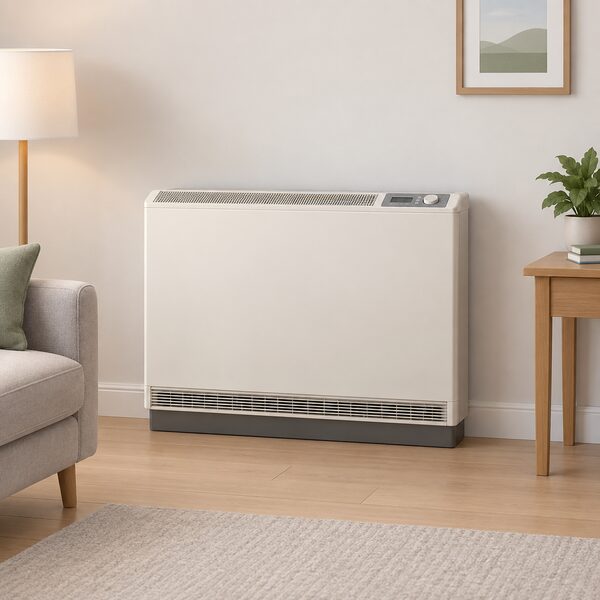
The Quantum is Dimplex's high heat retention storage heater, using intelligent and adaptive controls1. High heat retention models like the Quantum provide additional layers of insulation to retain heat longer than a conventional storage heater1. That insulation is the whole point of the category: a conventional storage heater leaks its charge through the day, so a household either overheats in the evening or runs cold by mid afternoon. Extra insulation slows that loss.
The tariff side is where the economics sit. Quantum high heat retention storage heaters from Dimplex are designed to work effectively with Economy 7 tariffs1. More broadly, storage heating systems store heat during off-peak periods, or reactively to grid abundance depending on the interlinked tariff, to use during periods of heat demand8. That second mechanism is the more interesting one for a household thinking about independence: a storage heater can absorb electricity when it is cheap or abundant and release it when it is not.
There are two practical cautions. The first concerns the boost function. Independent guidance from the Centre for Sustainable Energy, dated June 2026, states that the boost option does not use heat already stored in the heater but uses the expensive rate of electricity to generate heat9. A household relying on boost is buying peak rate electricity, which undercuts the reason for a storage heater. The second concerns siting: the same guidance notes that an adjacent heater can interfere with the digital programmer and mean that the Quantum does not sufficiently charge overnight9. Two Quantums installed side by side can therefore leave one undercharged.
On replacement, modern storage heaters like Dimplex Quantum are designed to match the footprint of older models, making replacement straightforward1. That reduces the disruption of a swap and, as the next section notes, leaves the old heat retaining bricks available for other uses. Storage heating as a category is covered at electric radiator and storage heater manufacturers.
Heat pumps: monobloc, split system and hot water cylinders
Dimplex's heat pump range covers space heating and hot water separately, which is unusual and useful. Monobloc heat pumps are self-contained air source units installed outside, connected to the heating system and hot water cylinder within a dwelling2. Because the refrigerant circuit is sealed inside the outdoor unit, a monobloc avoids the need for refrigerant work inside the house, which is one reason it is the common form for UK retrofits.
The hot water heat pump is the more distinctive product. It consists of a ducted system to supply external air to an air source heat pump mounted on top of a water cylinder, using air source heat pump technology to provide hot water to residential dwellings4. Dimplex states that it can replace traditional electric or gas hot water cylinders with minimal disruption4. Critically, it provides domestic hot water as a standalone system, independent of the space heating upgrade, allowing hot water to be decarbonised without changing existing radiators, pipework or heating systems4.
That standalone quality is the strongest independence argument in the range. A household that cannot yet replace its radiators or its boiler can still move its hot water onto a heat pump, cutting the cost and carbon of the cylinder alone. The cylinder side is covered further at hot water cylinder manufacturers.
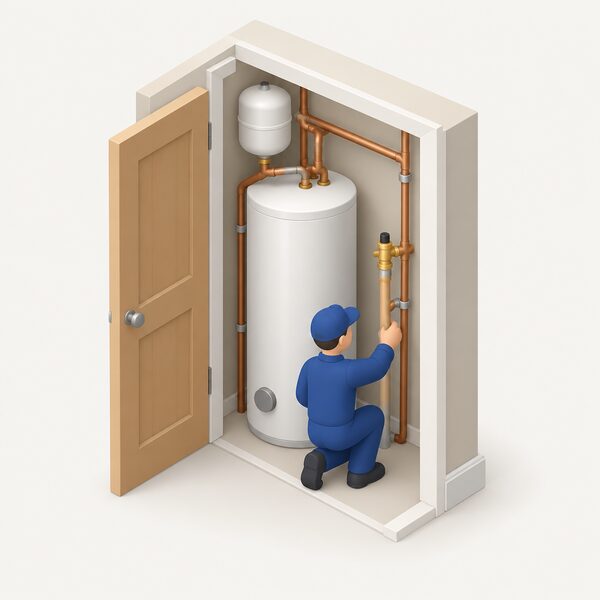
Dimplex also makes electric cylinders. The Quantum hot water cylinder uses off-peak electricity to heat and store hot water for use in peak times without paying peak time energy rates for hot water10. It can be connected to a Dimplex Hub, sold separately, and controlled alongside multiple Dimplex heating solutions using the Dimplex Control app10. The Edel cylinder is approved for use in the UK under Building Regulations Part G3 unvented hot water supply systems10, and all Dimplex water heaters comply with the appropriate regulations and are supplied with all necessary safety kits10.
Warranty: two years standard, extended on registration
The published guarantee position is short and specific. Dimplex panel heaters carry a 2 year guarantee, with the option to extend on selected Dimplex panel heaters when the product is registered3. Registration is therefore the step that converts the standard term into a longer one, and it applies to selected models rather than the whole panel heater range.
The published material does not state guarantee terms for the storage heater, heat pump or cylinder ranges. That is a gap rather than a short term: a household buying a Quantum or a monobloc heat pump should expect the warranty term to be confirmed in the documentation supplied with the unit, and should not assume the 2 year panel heater term applies across the range.
Two conditions are worth noting because they are common causes of a claim being refused. The first is registration: an unregistered product stays on the standard term. The second is the model: the extension applies to selected panel heaters, so eligibility is a product-level question rather than a brand-level one. The general mechanics of keeping a warranty valid are set out at registering a warranty and keeping it valid, and the wider landscape of terms across brands is at manufacturer warranties.
Sizing and design support: getting the right system for the home
Sizing is where electric heating installations most often go wrong, and the rules are explicit. In Wales, Approved Document L Volume 1, published April 2026, requires that the size of space heating systems be designed using the heat loss calculation in BS EN 12831-1 for the dwelling and a sizing methodology that takes account of the properties of the dwelling, and that systems should not be oversized11. The same principle runs through the SAP methodology: the useful energy required from the heating system each month is calculated from internal and external temperatures and the heat transfer coefficient, allowing for internal and solar gains12.
The practical inputs are straightforward. A low-temperature domestic heating system calculation requires details of dimensions and construction materials, or U-values, for each heated room12. Dimplex published guidance on calculating a room's heating requirements on 2 September 20265. Independent advice is consistent on the direction of travel: when replacing or upgrading a heating system, it should be sized to suit the reduced level of heat demand in a well-insulated home13, and a lower heat output system is likely to be cheaper to buy and install with lower running costs14.
For heat pumps specifically, the design guidance has moved toward low-temperature systems. CIBSE publishes a Domestic Heating Design Guide that supports low-temperature heating system design15, and a Domestic Building Services Panel System Criteria guide intended to support customers who are having a heating and domestic hot water system installed12. The Heat Pump Ready programme, in its Stream 1 Phase 2 projects, funded work to support the development and trial of solutions and methodologies for the optimised deployment of domestic heat pumps at high density, and support is also available for installers and manufacturers to expand supply chains16. A design guide for architects on integrating heat pumps was published in January 202618.
Running costs: standard-rate electricity and off-peak tariffs
The running cost picture splits cleanly by tariff. Direct electric heating typically has high running costs because standard rate electricity is more expensive than gas or oil19. That is the central limitation of panel heaters: they are cheap to install and simple to control, but they buy their energy at the most expensive domestic rate.
Off-peak changes the arithmetic. SAP fuel prices, effective from 1 January 2026, give a 24-hour heating tariff unit rate of 22.16 p/kWh6. The same document notes that the standing charge for electric off-peak tariffs is an extra amount, over and above the amount for the standard domestic tariff6. So an off-peak tariff is not simply a cheaper unit rate: it carries a higher fixed cost, which a household must recover through the volume of energy it shifts into the cheap window.
Time of use tariffs offer different electricity prices based on peak and off-peak times20. When comparing them, the factors that matter are off-peak rates and times, peak rates, which matter if a household cannot shift much of its energy use, and any standing charges or exit fees21. A storage heater or a Quantum cylinder is well suited to this structure because it can charge in the cheap window and discharge later. A panel heater is not, because it heats only when it is switched on.
There is a carbon point that runs against the cost point. BEAMA states that electric heating, both at the off-peak and standard rate, is now lower carbon intensive than fossil-fuel heating alternatives22. So the household that pays more per unit for direct electric heating is, on that assessment, emitting less. The two findings pull in opposite directions and both are worth holding at once. Wider tariff context is at heating fuel comparison.
EcoDesign compliance and UK availability
EcoDesign sets the efficiency and information requirements that heating products must meet to be sold. The European Heat Pump Association notes that its work is supported by the EU project Compliance Services for Ecodesign23. For UK households the practical effect is that products on sale carry declared performance figures, which is what makes like-for-like comparison possible at all. The standards behind those figures are covered at how energy products are tested.
On UK availability, the picture is mixed across the categories. Dimplex's own CPD sessions are UK and CIBSE accredited2, and the Edel cylinder is approved for use in the UK under Building Regulations Part G3 unvented hot water supply systems10. Those are clear UK approvals. District heating, by contrast, is a small market: independent guidance dated 27 January 2026 states that examples of district heating schemes in the UK are currently limited, but more are likely to be constructed over the next few years24. Heat networks are a separate route to low-carbon heat and are not the same as a Dimplex installation.
Hybrid heating, which pairs a heat pump with a fossil fuel boiler, has had a different trajectory. IGEM states that hybrid heating has lacked any consistent policy support in the UK, having once qualified for the complex Renewable Heat Incentive option, and that IGEM has long advocated for greater support for the deployment of hybrid heating systems as part of a range of technology options for consumers25. That is a policy position rather than a product fact, but it explains why hybrid routes have not become a standard UK option.
On grant-funded work, HMRC guidance confirms a reduced rate of VAT applies to installing, maintaining and repairing central heating systems and similar, and renewable source heating systems26. Ofgem's ECO4 guidance sets a cost-saving test for certain measures: technology must be reasonably expected to result in a reduction in the cost of heating domestic premises to 21 degrees Celsius in main living areas and 18 degrees Celsius in all other areas27. That test is a useful benchmark for any electric heating decision, because it asks whether the running cost actually falls.
What Dimplex heating means for a household's energy independence
The honest position is that Dimplex products reduce some dependencies and leave others intact. A storage heater or a panel heater removes the gas connection, the flue and the boiler service, and it removes exposure to gas prices. What it does not remove is the electricity supply, the supplier, the standing charge and the tariff structure. A household on a Quantum is more exposed to tariff design than to fuel price, because its economics depend on the off-peak window holding.
The heat pump side changes the fuel but not the grid dependence. A monobloc unit still draws electricity, and the hot water heat pump still needs a cylinder and a power supply. What it does deliver is a lower running cost per unit of heat than a resistive element, and, in the standalone hot water case, the ability to decarbonise hot water without touching the radiators or the existing heating system4. That is a genuine step, taken in isolation from the rest of the system.
Two dependencies are specific to the brand. The Quantum cylinder can be connected to a Dimplex Hub, sold separately, and controlled alongside multiple Dimplex heating solutions using the Dimplex Control app10. That is a manufacturer's app and a manufacturer's hub in the control chain. The second is the supply chain: heat pump production sits across Germany, France and Ireland2, so parts and replacements travel. Neither is unusual, and neither is a reason to avoid the range, but both are real.
For a household weighing the options, the useful questions are whether the tariff can be shifted, whether the fabric of the home has been improved first, and whether the system has been sized to the reduced demand rather than the old one. The sizing rules exist precisely because oversizing is the common failure11. The wider comparison across brands is at heat pump manufacturers and the pillar page at home energy equipment manufacturers.
Sources27 cited
- Storage heaters, Dimplex, 2026-09-17
- Air source heat pumps, Dimplex, 2026-09-17
- Panel heaters, Dimplex, 2026-09-17
- Hot water heat pumps, Dimplex, 2026-09-17
- Quantum brochure, Dimplex, 2025-07
- SAP 10 fuel prices from 01 01 2026, BRE Group, 2026-07
- Which energy suppliers are British, Uswitch, 2026-06-26
- What is direct electric space heating, BEAMA, 2025-09-01
- Dimplex Quantum night storage heaters, Centre for Sustainable Energy, 2026-06
- Water cylinders, Dimplex, 2026-09-17
- Building Regulations Approved Document L Volume 1 2026, Welsh Government, 2026-04
- SAP low temperature heating, NCM PCDB, 2026-09-17
- How to insulate your home, Which?, 2026-05-05
- How to make your home more energy efficient, Which?, 2026-05-05
- Domestic Heating Design Guide, CIBSE, 2026-09-17
- Heat Pump Ready programme Stream 1 Phase 2 projects, UK Government, 2026-05-28
- Heat pumps research briefing, UK Parliament, 2026-09-19
- New architect focused heat pump design guide, Future Homes, 2026-01-29
- Electric heating, Energy Saving Trust, 2026-07-01
- Solar panel installation, Energy Saving Trust, 2026-09-07
- Should I switch to a time of use tariff, Energy Saving Trust, 2026-01-23
- Benefits of electric space and water heating, BEAMA, 2026-09-17
- What on earth is Ecodesign, European Heat Pump Association, 2025-10-13
- Heating fuel guide, Uswitch, 2026-01-27
- IGEM responds to Powering Homes Powering Growth, IGEM, 2025-11
- VAT energy saving materials and grant funded heating supplies, HM Revenue and Customs, 2026-09-17
- ECO4 new measures and products guidance, Ofgem, 2026-03-26
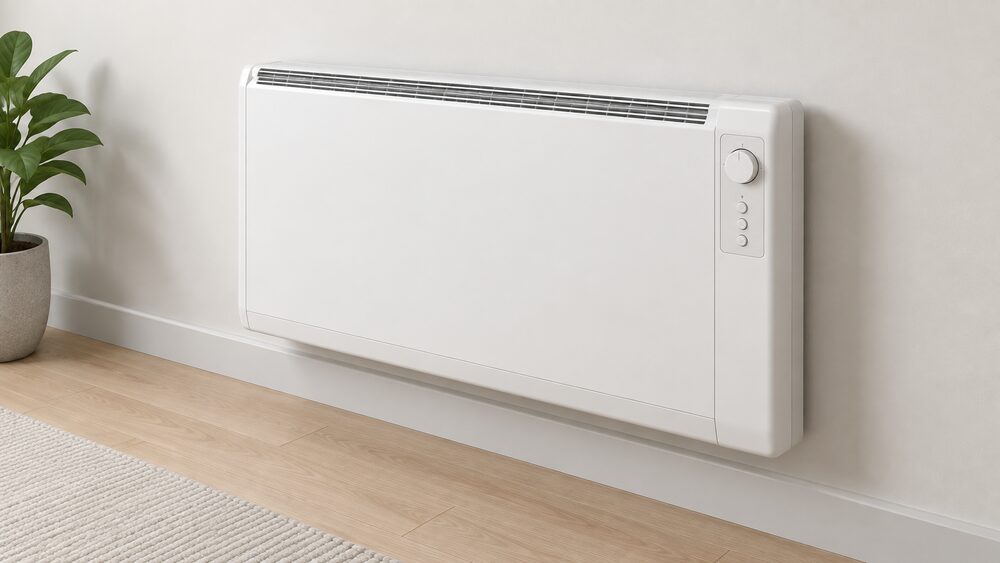 Dimplex Quantum storage heaterThe Dimplex Quantum is a high heat retention storage heater that charges overnight on off-peak electricity, with a claimed 27% running cost advantage over standard storage heaters, four timer modes, a PIN lock and a two-year guarantee that can extend to ten years on registration.
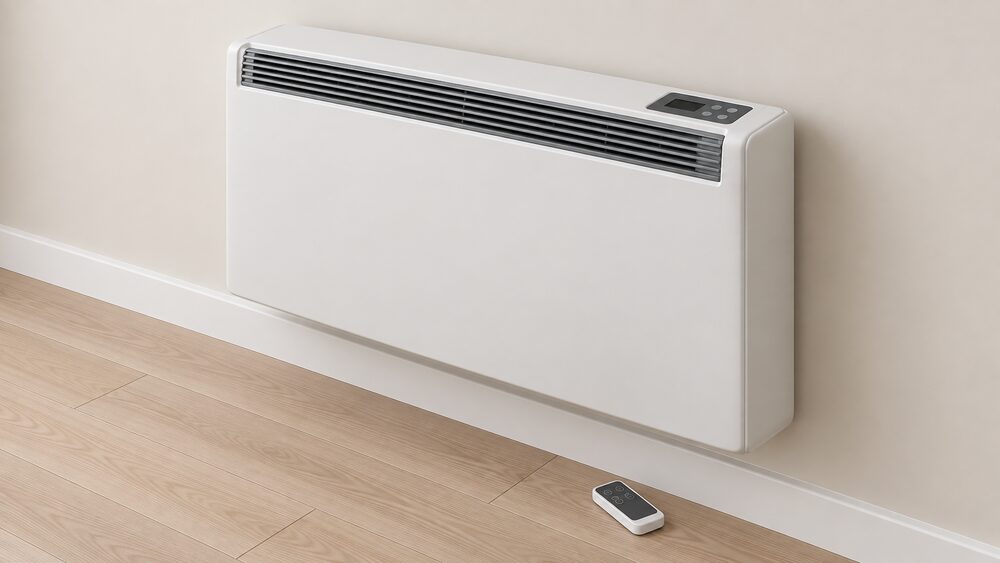 Dimplex storage heaters and electric heatingDimplex is the dominant UK storage heater brand.
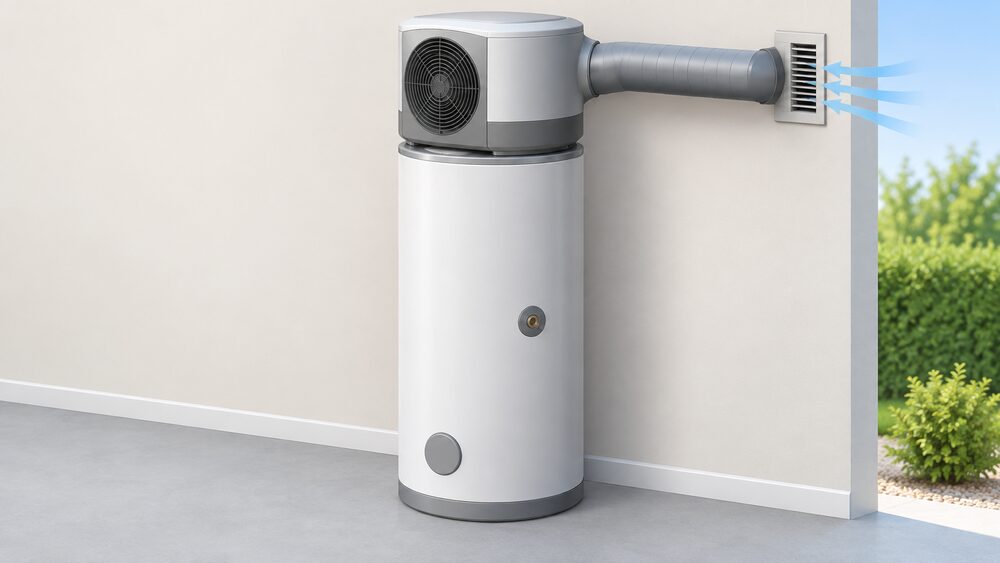 Dimplex heat pumps and hot waterDimplex heat pumps are mainly for hot water, not for heating your whole house.
 Dimplex Control, Alta Thermostats and Storage Heater ControlsHow the Dimplex Control app, Hub and Alta thermostats work with Dimplex storage heaters, panel heaters and hot water, what the app needs to run, and the guarantee terms and deadlines behind it.