
In this answer
Short answer
The Radio Teleswitch Service is ending, and every electricity meter that depends on it has to be replaced. If your meter uses RTS, it must be replaced, and your supplier must carry out that replacement to make sure there is no disruption to your electricity supply1. The replacement is a smart meter, which can be programmed to deliver a similar service, switching between peak and off-peak periods in the way the RTS signal used to3.
The support available is straightforward: your supplier arranges the upgrade, and in most cases it costs you nothing. All electricity suppliers have been contacting affected customers to offer a smart meter upgrade at no extra cost5. Suppliers are required to proactively contact customers who use RTS meters to tell them about the switch-off date and the need to upgrade6.
What the household has to do is make contact. Ofgem's guidance is to contact your supplier to arrange to have a new smart meter installed7. The switch-off is a phased process rather than one national date, so the timing varies by area, but the obligation on the meter does not3.
What happens to an RTS meter and why it must be replaced
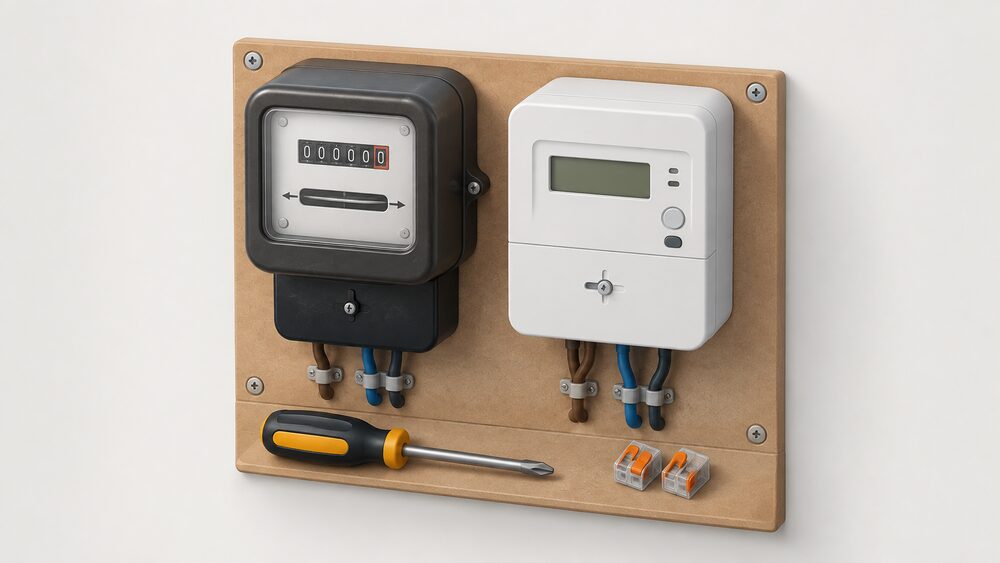
The Radio Teleswitch Service is a long-wave radio signal that tells certain electricity meters when to switch between peak and off-peak rates. It was brought in over 40 years ago, and it is being withdrawn10. Because the signal is going, the equipment that depends on it cannot keep working as designed. The Radio Teleswitch Service is ending, so all RTS meters need to be replaced2.
Smart meters are a technical replacement for RTS meters because they can be programmed to deliver a similar service1. That is the substance of the support: not a like-for-like swap of one radio-controlled box for another, but a meter that carries the same switching function internally. A smart meter will give you a similar service to your RTS meter12.
The obligation sits with the supplier. Your supplier must replace your meter to make sure there's no disruption to your electricity supply2. Where a smart meter cannot be installed, the supplier still has to replace your RTS meter with a suitable alternative2. The switch-off will be a phased process, meaning it won't happen across the entire country at once, so neighbours on different suppliers or in different network areas may be contacted at different times3.
For a household's energy independence, this is a change of control rather than a loss of it. The RTS meter depended on a broadcast signal owned and operated outside the home. A smart meter holds the switching schedule itself and can be reprogrammed when tariffs change, which is why it can support time-of-use pricing without a physical visit.
The smart meter upgrade: the replacement and how it works
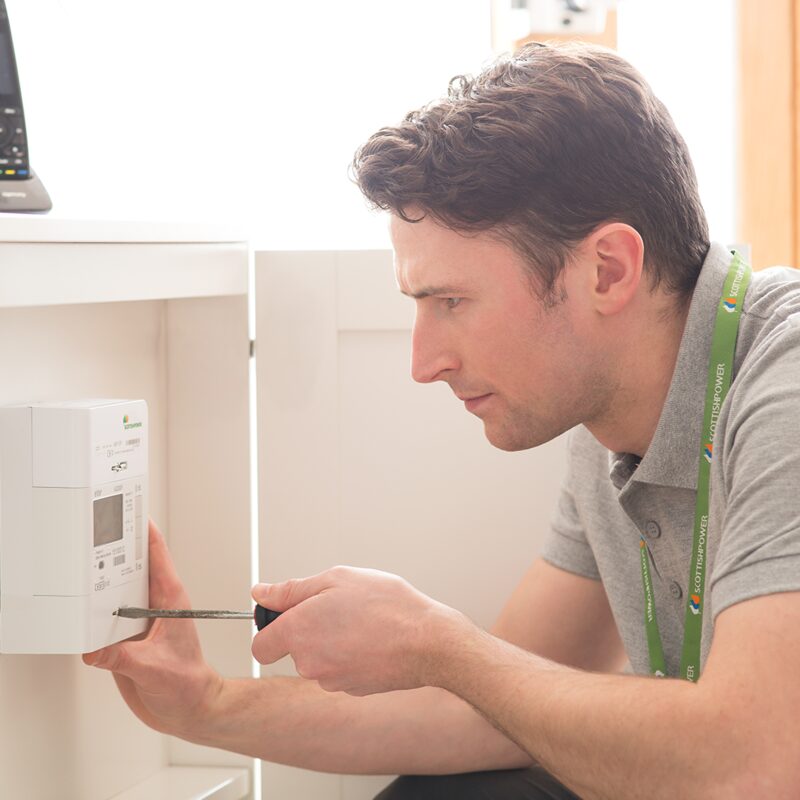
Your energy supplier can replace your RTS meter with a smart meter3. The upgrade is arranged through the supplier, and the meter can be programmed to switch between peak and off-peak times, which makes it the only available replacement to your RTS meter4. Suppliers describe the work in the same terms: the upgrade is to a new smart meter which can offer a similar service to an RTS meter13.
The wider context is the national rollout. Smart meters are replacing analogue gas and electricity meters as part of the national infrastructure upgrade to improve and modernise Great Britain's energy system14. That programme is the reason the replacement is offered at scale rather than case by case.
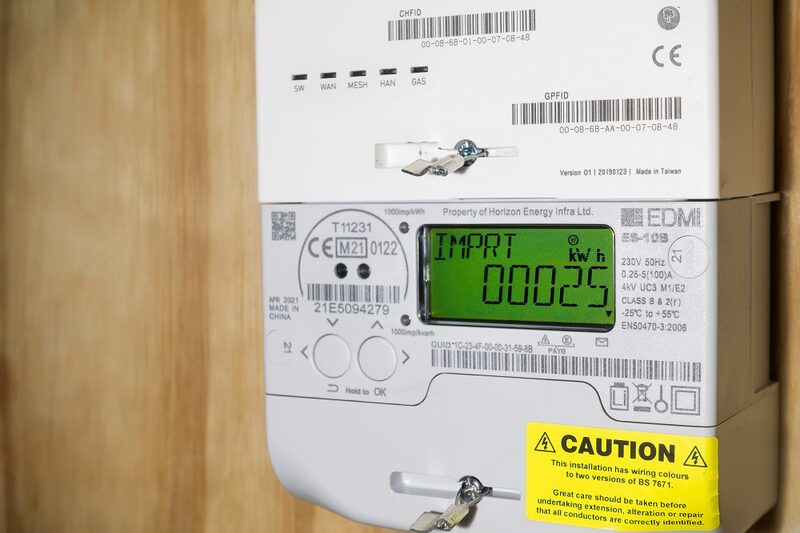
Two generations of meter are in circulation. Second-generation meters, known as SMETS2, started being installed in 201815. They were designed to connect directly to the national secure network, which allows supplier switching while retaining smart functionality16. First-generation SMETS1 meters will be upgraded to SMETS2 in due course if they haven't been already17.
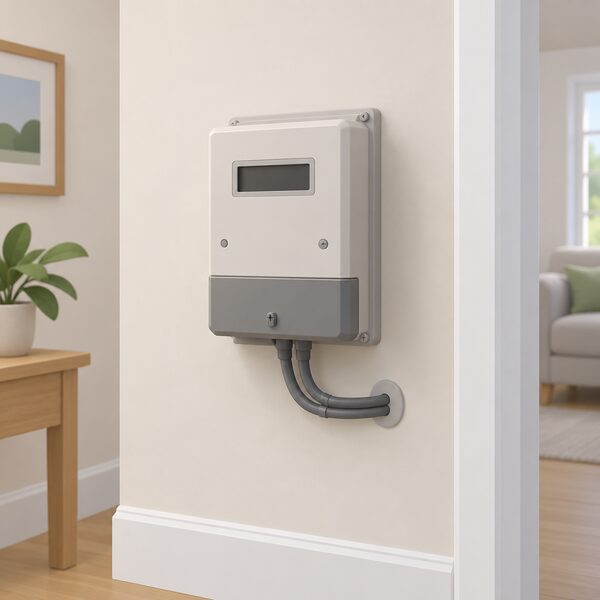
Where signal is poor, the supplier has a fallback. If a smart meter cannot be fitted because of a lack of signal, the supplier will usually install a non-communicating smart meter preset to switch between tariffs8. When smart meter network coverage reaches your area, your supplier should arrange to connect your smart meter to the network3. Until then the meter works, but without remote readings or the full range of smart functions.
Your replacement options: smart, non-smart or preset
Smart meters are optional, but without one you miss out on easier billing and innovative tariff options18. You are not obliged to accept a smart meter, and you do have the right to refuse one5. Refusal does not remove the need to replace the RTS meter, because the signal is ending regardless.
The practical options are these:
- A smart meter, which carries the switching schedule and can support time-of-use tariffs4.
- A non-communicating smart meter preset to switch between tariffs, usually fitted where there is no signal8.
- A meter with your tariff pre-programmed, which you can ask for if you refuse a smart meter. You'll need to send in manual readings, and you won't get the full benefits of a smart meter, but your heating will continue to work3.
That last point matters for anyone weighing up refusal. The right to refuse applies before installation; reversing a smart meter afterwards is a different matter, and the Energy Ombudsman's guidance is that it would happen only exceptionally, potentially at a cost20. Where a traditional meter is faulty or unsafe, replacement options may be limited even though refusal remains a right20.
For households on a smart prepayment meter, payment method is separable from the meter itself: it is usually possible to change how you pay without getting a new meter21.
What the switch-off means for heating and hot water
This is where the deadline bites hardest. The switch off will affect customers that have an RTS meter in their home, and may mean that their heating and hot water supply stops functioning as normal22. When the signal ends, RTS meters will lose functionality23. Your heating and hot water could stop working properly, for example turning on or off at the wrong times3.
The failure modes are not always a clean stop. A heating system or water heater controlled by the RTS meter could stop working once the signal is turned off, and where it keeps running it may get stuck on or off, or charge at the wrong time of day10. For a household on a night rate, that last one is the quiet cost: storage heaters charging at peak prices, or a hot water cylinder heating when it should not.
RTS meters are most common in homes that heat with electricity or storage heaters, in areas with no gas supply, and on tariffs with cheaper electricity at different times of day such as Economy 7, Economy 10 or Total Heat Total Control1. Some older Economy 7 meters use the RTS service and will be affected, but not all Economy 7 meters23.
If you move to a smart meter, then you will be able to continue on a time-of-use tariff, that will give you cheaper electricity at night10. If a smart meter cannot be installed, the supplier may install a different type of meter that can still offer a cheaper night rate, though this varies between suppliers10.
"If you have a Radio Teleswitch meter, you need to book a new meter installation now."
How to book your replacement with your supplier
The route is direct. Contacting your supplier is the way to arrange to have a new smart meter installed7. For an RTS meter, phoning your supplier as soon as possible, using the number on your bill, avoids any issues on your switch off date10.
The sequence in practice:
- Check whether your meter is RTS, using the switch box and tariff signs above1.
- Contact your supplier, by phone or through your online account, and ask for the RTS replacement10.
- Agree an appointment. Your supplier should let you know at least two weeks beforehand when your RTS meter is scheduled to be switched off2.
- Allow about 2 hours if both gas and electricity meters are being replaced9.
If you have separate suppliers for gas and electricity, you'll need to book individual appointments with both, and it is recommended that you change your electricity meters first15. Your gas smart meter should send a notification to your supplier when it needs replacing, so the gas side can be triggered by the meter itself25.
Some households cannot book yet. There are situations where your electricity supplier won't be able to offer you an appointment for a smart meter upgrade, and the supplier will get in touch when it can12. Suppliers are required to proactively contact RTS customers about the switch-off and the need to upgrade6, and all electricity suppliers are contacting impacted customers to offer a smart meter upgrade before the service is phased out26.
On supplier choice: the replacement is arranged with your current supplier, because that supplier must replace the meter2. You can switch suppliers if you have a smart meter, but your new supplier might not offer all the smart meter services such as remote meter readings, and the meter may need replacing27. For anything that goes wrong with the process, the energy complaint route and the Energy Ombudsman are the escalation paths, and the wider home energy how-to guide covers meter readings and switching in more detail.
Sources27 cited
- Radio Teleswitch Service switch off, National Energy Action
- RTS meter switch off, Energy Saving Trust, 2026-05-08
- RTS switch off, Home Energy Scotland, 2026-09-20
- RTS meters, ScottishPower, 2026-06-30
- The Radio Teleswitch Service switch off: what you need to know, Energy UK, 2026-07-01
- Radio Teleswitch Service, Electricity North West, 2026-09-19
- Get help with your smart meter, Ofgem, 2026-09-17
- Important reminder for Economy 7 and 10 meters, Centre for Sustainable Energy, 2026-06
- A guide to smart meters, Age UK, 2026-08-24
- RTS: what you need to know, Act on Energy, 2026
- RTS meters, ScottishPower, 2026-06-30
- RTS meters, National Energy Action, 2026-07-08
- Meter upgrade, ScottishPower, 2026-09-17
- Smart meters: your rights and expectations, GOV.UK, 2025-08-08
- How to get a smart meter, Smart DCC, 2026
- Upgrading Britain's first generation smart meters, Smart DCC, 2026
- Does a smart meter need Wi-Fi?, Smart DCC, 2026
- Smart meters, Welsh Government Climate Action, 2026
- Do I have to accept a smart meter?, Which?, 2026-05-12
- Smart meters, Energy Ombudsman, 2026-09-20
- Is a prepayment energy meter right for you?, Which?, 2026-08-27
- Smart meters, SSEN Distribution, 2026-09-19
- The Radio Teleswitch Service (RTS) switch off, Smart Energy GB, 2026-04-24
- Getting a smart meter, Ofgem, 2026
- Smart meter installation, Which?, 2026-02-26
- Energy UK explains the smart meter network switch, Energy UK, 2024-05-22
- Problems with services, Isle of Anglesey County Council, 2025-10
 Radio Teleswitch Switch-OffIs your storage heating or hot water still run by an old radio-controlled meter?
 Smart Meter Faults and FixesYour smart meter has stopped working.
 Smart Meters in ScotlandWhen will you get a smart meter in Scotland, and what happens if yours still runs on the old radio signal that switches heating and hot water?
 Smart Thermostat SubscriptionsDo you have to pay a monthly fee to use your smart thermostat, and what do you actually get for it?
 Smart Meters in WalesCan you get a smart meter fitted free in Wales, and will it work if you live in a rural area or an older home?
 Controls in Rented HomesCan you change the heating controls in a rented home, and who pays if they break?