
In this answer
Short answer
Yes, expect a short power cut. The electricity supply has to be switched off while the old meter is removed and the smart meter fitted, and that interruption is typically 30 minutes per meter, with the whole visit taking about 90 minutes1. Which? puts the loss of supply at around an hour each for electricity and gas3. The gas meter is changed in the same appointment, so the gas supply is briefly off as well.
The interruption is planned, not a fault. It is the unavoidable consequence of working on live metering equipment: the installer cannot swap a meter that is still energised. Everything in the home that depends on mains electricity, including the Wi-Fi router, goes down with it and comes back when the supply is restored.
This page sets out how long the visit takes, what happens during the swap, how to prepare, what the installer should tell you on the day, and what to do if the meter does not behave as expected afterwards. It also covers the point that matters for a household's energy independence: a smart meter still depends on the grid and on a communications network, and the installation itself is a moment of total dependence on the supplier's engineer.
Yes, expect a short power cut: up to an hour while the meters are swapped
The loss of supply is the single most common worry about the visit, and the answer is consistent across the guidance. Smart Energy GB states that during installation the electricity supply will need to be turned off for up to an hour7. Its installation process page is more specific: typically 30 minutes for each meter, gas and electricity1. Which? says the electricity and gas will need to be switched off for around an hour each3.
The range between "30 minutes per meter" and "around an hour each" reflects how the two supplies are handled. The electricity meter change is the one that takes the supply down; the gas meter change interrupts the gas. A household with both meters being replaced should plan for the electricity to be off for up to an hour, and the gas for a similar period, though the two interruptions are usually sequential rather than simultaneous.
The wider installation window is longer than the power cut itself. The Welsh Government's climate action guidance describes installation as typically taking about 90 minutes and being free of charge5. The Energy Saving Trust gives the same typical figure of about 90 minutes2. Smart Energy GB's own account of a celebrity installation puts it at approximately one hour to install each smart meter4. The practical expectation is therefore a visit of one and a half to two hours, of which only part involves the supply being down.
For a household's independence, this is the moment the meter stops being a passive device and becomes a connected one. The supply interruption is short, but the meter that replaces the old one will depend on the national smart meter network to send readings, and on the supplier for its continued operation. The installation is the point at which that dependence is established.
How long the installation takes overall
The visit is usually booked as a single appointment covering both meters. The Welsh Government puts a typical installation at about 90 minutes5, and the Energy Saving Trust agrees2. Smart Energy GB describes roughly an hour per meter4, which for a dual-fuel home means around two hours. The difference between the two figures is largely a matter of whether the estimate covers one meter or two.
Several things extend the visit beyond the meter swap itself. The appointment includes key safety checks, and an in-home display should be offered and demonstrated10. Installers are also expected to provide energy efficiency advice4, and some providers may offer a free energy efficiency inspection during installation5. Each of these adds time to the appointment without adding to the power cut.
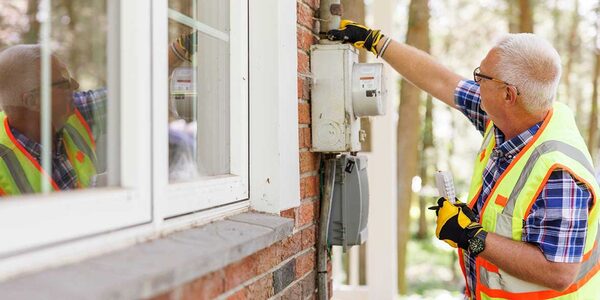
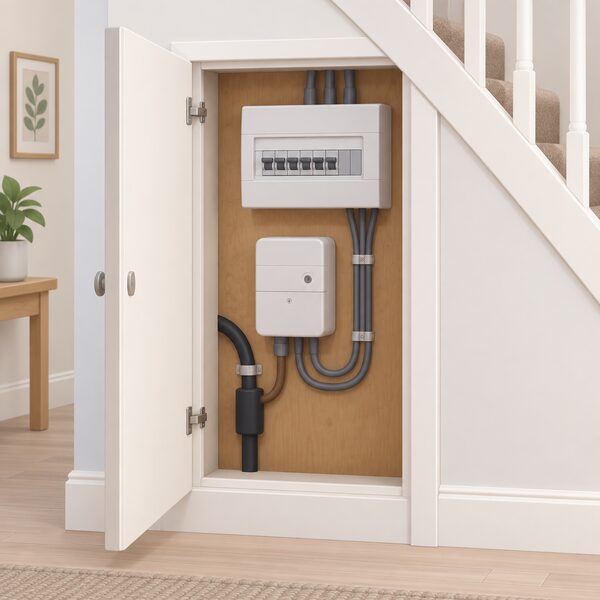
Access matters as much as the work. NIE Networks advises that the area around the meter should be clear with good access before the installer arrives11. A meter cupboard packed with stored items, or a meter box that is difficult to reach, will lengthen the visit. If the property has unusual circumstances, such as a meter in an awkward location or a supply arrangement that is not standard, the supplier should be told when the appointment is made, or at least several days before the installation3.
For a household, the practical planning figure is a half-day at home. The supply itself is down for a fraction of that, but the appointment has to be attended throughout, and the installer will need to move between the meter position and the consumer unit.
What happens during the swap: old meter out, smart meter in
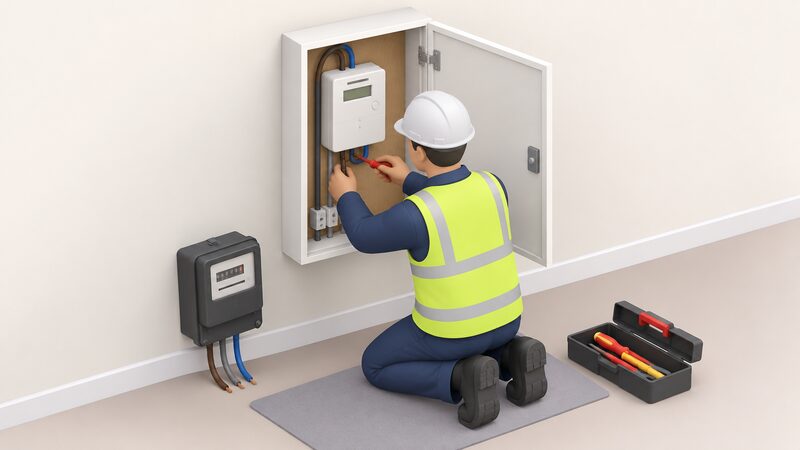
The visit follows a recognisable sequence. The installer arrives, confirms the meter positions and isolates the supply. The old meter is removed and the smart meter fitted in its place, with the supply off during the changeover. The supply is then restored and the new meter commissioned. Smart meters measure gas and electricity usage and send the data directly to the energy supplier5.
The meter being fitted will almost certainly be a second-generation (SMETS2) unit. Cross-compatibility means a smart meter keeps its smart functions across all energy suppliers, so switching supplier does not interrupt them, and SMETS2 is now the meter type used for any new smart meter installation12. Older first-generation meters are being migrated into the new smart data network or replaced with a second-generation meter by the end of the rollout13.
This matters for what happens after the visit. A SMETS2 meter should hold its smart functions through a supplier change. A first-generation meter may lose some smart functionality when the supplier changes13, and most first-generation meters are now connected to the central smart meter network and have regained their smart functions, which they should keep if the supplier is switched again; those that cannot be connected need replacing14.
The wider context is a national infrastructure programme. Smart meters are replacing analogue gas and electricity meters as part of the upgrade of Great Britain's energy system10, and Ofgem has described the current period as a transition to a new phase in the smart meter programme15. For the household, the swap is a small event; for the system, it is one installation among many.
Preparing your home for the loss of supply
Preparation is mostly about the hour without power. NIE Networks advises turning off all electrical appliances before the power is switched off, and ensuring the area around the meter is clear with good access11. Appliances left running when the supply drops will simply stop; shutting them down properly avoids problems when power returns.
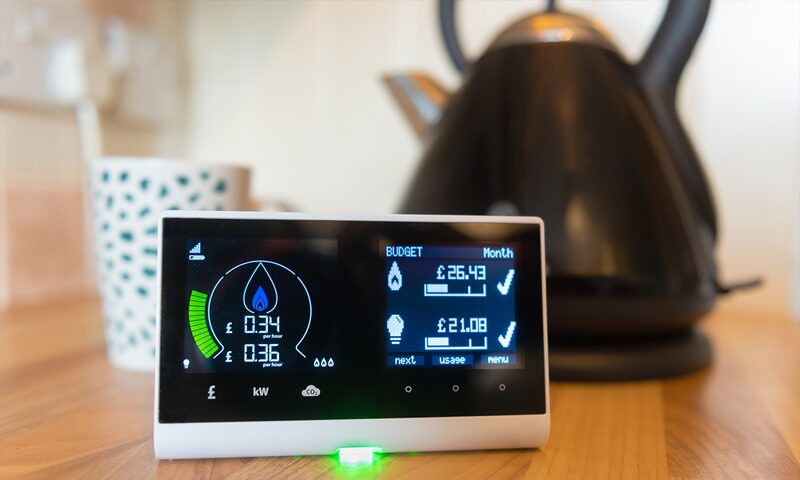
The Wi-Fi router is part of this. Smart Energy GB states that the router will be turned off during the power cut, but once it is switched back on the smart meter will not impact the Wi-Fi connection7. A smart meter does not use your Wi-Fi, does not connect to your router and does not affect broadband speed8. Smart meters do not need home Wi-Fi to work, and the in-home display is not connected to the internet, so installation is possible in homes without broadband16.
Households with specific needs should raise them before the appointment. This is especially important if someone relies on medical equipment powered by electricity; the supplier should explain what will happen, how long the appointment may take and whether the supply needs to be switched off briefly16. The same applies to anyone who needs advance notice to make arrangements: a 30-minute warning before the installer arrives can be requested17.
What your installer should tell you on the day
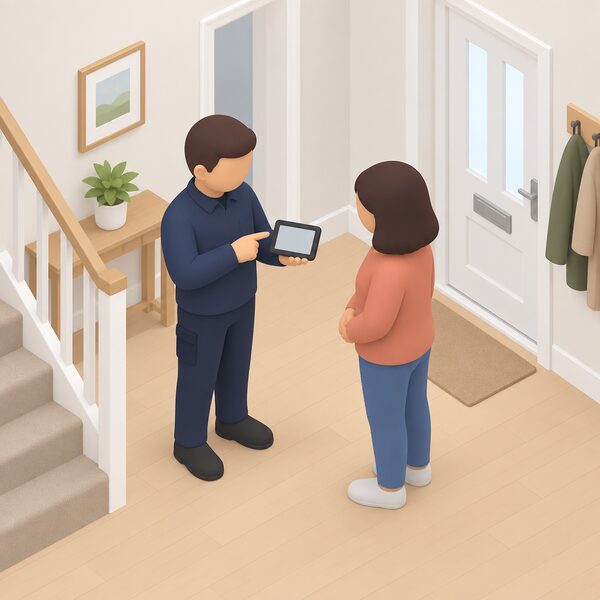
The appointment carries obligations on the supplier's side. Your smart meter should be installed with minimal disruption, key safety checks should be carried out during the appointment, and an in-home display should be offered and demonstrated10. Installers are expected to provide energy efficiency advice4, and some providers may offer a free energy efficiency inspection during installation5.
The roll out is led by energy suppliers, so the installer attending is working to the supplier's process rather than a separate body's18. To arrange a visit, the household contacts its energy supplier, which will say when one can be installed19. Any household that pays for energy, whether owning or renting, should be able to book an installation where it is expected to work in the property10.
Unusual circumstances should be flagged in advance. Which? advises telling the energy company when the appointment is made, or at least several days before the installation, about anything unusual in the home or at the meter3. That includes poor mobile signal, which can affect how the meter communicates: in an area with poor signal, a special type of smart meter pre-set with the times for switching between peak and off-peak rates may be needed20.
The installer should also be clear about what happens next. The first bill after installation may still be estimated, and the supplier should be contacted if estimated bills continue beyond that21.
Will my gas supply be turned off too?
Yes, briefly. The gas meter is changed during the same visit, and the gas supply is switched off during that changeover, typically for around 30 minutes1. Which? puts the gas interruption at around an hour3. The two supplies are usually dealt with one after the other rather than at the same time.
There is a wider point about gas and power cuts that is worth separating from the installation itself. If the electricity goes off, gas supplies and meters will usually continue to work normally, but most boilers may not work because they use electricity for pumps, fans and electronic controls23. So a household with gas heating will lose heating and hot water during the electricity interruption even though the gas itself is still flowing.
Where the gas and electricity are supplied by different companies, Smart Energy GB suggests having the electric smart meter installed before the gas smart meter1. That sequencing keeps the two appointments from interfering with each other.
Consumer protections apply to both fuels. Households are protected by strict regulations against a supplier switching off or disconnecting gas or electricity supply, and the protection is as strong as with traditional meters21. Consumer protections against supply being cut off are the same for smart meters and traditional meters24. Before any remote disconnection, the supplier must have contacted the household to discuss repayment options and visited the home to assess the personal situation25, and must visit to make sure disconnection will not affect the personal situation, for example if someone is disabled or elderly26.
Do I have to accept a smart meter installation?
No. Installation is not compulsory, and a household can refuse if the supplier offers one2. The Energy Ombudsman confirms that it is your right to refuse the installation of a smart meter, though replacement options may be limited if a traditional meter is faulty or unsafe12.
In practice, the choice is narrower than the right suggests. Most energy companies no longer have traditional meters, so if a meter needs replacing, a smart meter is what will be fitted3. Only under exceptional circumstances would a supplier be expected to change a smart meter back to a traditional meter, and the supplier may charge the costs if it agrees12.
There is a middle option for households that want the meter but not the connectivity. A supplier can be asked to fit a smart meter with its communications switched off, so that it operates as a traditional meter3. That keeps the meter compliant with the supplier's replacement programme while removing the automatic data flow.
For a household weighing energy independence, the trade-off is straightforward. A smart meter with communications enabled gives access to detailed usage data and to time-of-use tariffs, but it also depends on the national communications network and on the supplier. A meter in dumb mode removes that dependence at the cost of the functions that make it smart.
After the install: getting your smart meter working again
The supply comes back when the installer restores it, and the meter should begin operating immediately. The first bill after installation may still be estimated, and the supplier should be contacted if estimated bills continue after that21. That is a billing transition rather than a fault with the meter.
If the meter does not operate in smart mode, Ofgem lists three possible causes: it loses connection with the supplier, it loses connection after a supplier change, or it has been installed without being connected to the national communication system27. An older first-generation meter may not be working in smart mode if the supplier was switched following installation28. Most first-generation meters are now connected to the central network and have regained their smart functions14, and a meter may work in smart mode again if tariffs or suppliers change29.
Switching supplier is not a reason to expect the meter to stop working. Many smart meters retain the ability to send automatic meter readings after a switch30, and with a second-generation meter all smart functions are kept with no interruption13.
The dependence that remains after a successful installation is worth stating plainly. The meter needs the national communications network to send readings, and it needs the supplier to act on them. The data it produces puts a household in control of its energy usage and supports energy-saving steps31, but the meter itself is not a source of independence from the grid. It is a measuring and communication device, and it works only as long as the network and the supplier relationship behind it do.
Sources31 cited
- How to get a smart meter, Smart DCC
- Smart meters explained, Uswitch
- Smart meter installation, Which?
- Getting a smart meter installed, Smart Energy GB
- Smart meters, Welsh Government
- How to get a smart meter, Smart Energy GB
- Smart meters and wifi, Smart Energy GB
- How do smart meters work, Smart Energy GB
- Final decision: smart meter guaranteed standards of performance, Ofgem, 2026
- Smart meters: your rights and expectations, GOV.UK
- Meter replacements, NIE Networks
- Smart meters, Energy Ombudsman
- Myth busting smart meter problems, Smart Energy GB
- Smart meter problems and solutions, Which?
- Supplier smart metering installation targets, Ofgem
- Smart meters and carers, Smart Energy GB
- Smart meters, Centre for Sustainable Energy
- Smart meters, National Grid
- Reduce my bills, Home Energy Scotland
- DTS energy meter, Citizens Advice
- Switching supplier, tariffs and bills, Smart Energy GB
- Smart Energy GB FAQs, Smart Energy GB
- Gas supply updates, SGN
- Can a smart meter cut off power, Smart Energy GB
- If you've been told your energy supply will be disconnected, Citizens Advice
- Consumer protections, Smart Energy GB
- Smart meter performance, Ofgem
- Do I already have one, Smart Energy GB
- What happens if your energy supplier goes out of business, Ofgem
- Switching suppliers, Smart Energy GB
- Smart meters and decarbonisation, Smart DCC
 Smart Meter Installation DayWhat happens during a smart meter fitting appointment: how long it takes, the supply interruption, the safety checks, the in-home display demonstration, who can book it, and what happens when gas and electricity come from different suppliers.
 Meters and Time-of-Use TariffsDo you need a smart meter for a time-of-use tariff, and does it have to send readings every half an hour?
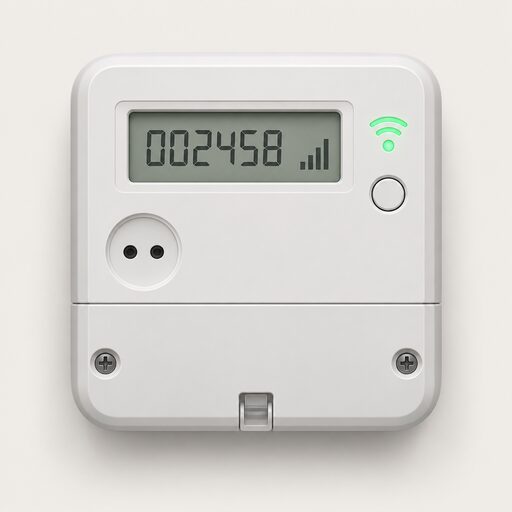 The Full Smart Meters GuideDo smart meters really save you money, and how do you use one to cut your bills?
 Meters and Energy IndependenceDo smart meters really save you money, and can you still get one fitted for free?
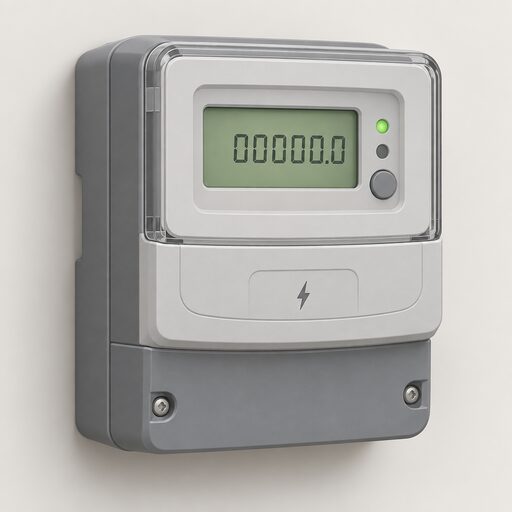 Take Control of Your EnergyHow do you read your own energy use and keep hold of your meter readings?
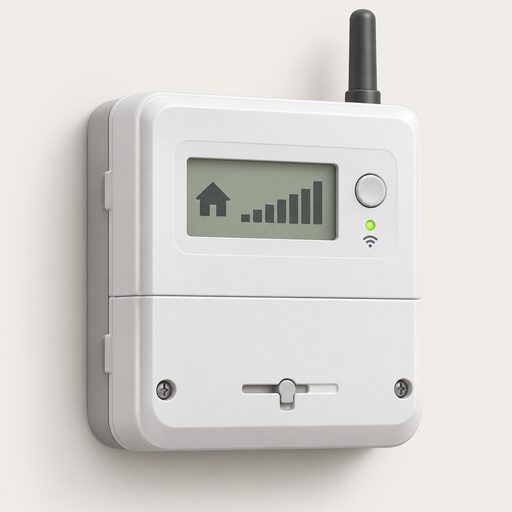 Smart Meter InstallationCan your supplier make you have a smart meter, and how long should you wait for an appointment?