
In this answer
Short answer
A smart meter is designed to end estimated billing. It sends your electricity and gas readings to your supplier automatically, so the bill is built on energy actually used rather than a forecast1. Where the meter is working and connected, the supplier receives accurate and reliable readings over the national network and bills only for what was consumed2.
So an estimated bill arriving on a smart meter account is a signal, not a mystery. It usually means one of three things: the first bill after installation was raised before the first automatic reading arrived, the meter has lost its connection to the supplier, or the meter is a first-generation unit that has stopped operating in smart mode. Ofgem opened compliance engagement with Great Britain's six largest suppliers in July 2024 to review why some smart meters are not operating in smart mode and how that might be addressed3.
Why smart meters should end estimated bills
The whole point of the technology is that nobody has to read a meter or guess a figure. A smart meter automatically sends your electricity and gas meter readings to your supplier8. The meter records energy use in half-hour periods, which is what allows a supplier to bill on actual consumption rather than an estimate9. Households with a working smart meter do not need to submit readings themselves8.
That matters for energy independence in a specific, limited way. An accurate bill is the foundation of any household's own accounting: you cannot judge what a tariff change, a heat pump or a battery would do to your costs if the baseline is a forecast rather than a measurement. The meter also removes one dependency, the manual reading round, and replaces it with another: the meter's connection to the national communications network and the supplier's systems. When that link holds, the household is better informed. When it breaks, the household is back to estimates without necessarily being told.
The cost of the meter itself is not a separate charge. As with traditional meters, the cost of smart meter installation and maintenance is covered by standing charges10. The unit rate paid for energy does not change when a smart meter is installed unless the tariff is changed at the same time11.
Why your first bill after installation may still be estimated
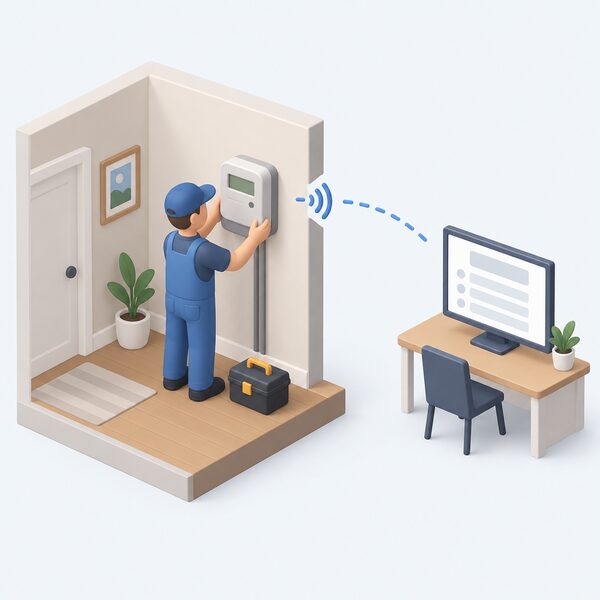
The first bill you receive after having your smart meter installed may still be estimated4. That is not a fault. It reflects the gap between the meter being fitted and the first automatic reading reaching the supplier's billing system, and it is common enough that it is called out in the standard guidance.
Once the meter is installed, readings are sent automatically and the bills that follow should be accurate rather than estimated12. If estimated bills continue past that first one, the guidance is to contact the supplier4. Suppliers are required to maintain smart meters for 12 months after installing them, so a fault in that window sits with them5.
There is a second, less obvious trigger. If you have an older type of smart meter, switching energy suppliers might mean you temporarily get estimated bills, and if smart functionality is lost you may need to send readings manually until the meter is upgraded over the air13. First-generation meters are the ones most exposed to this, and the fix is remote rather than a visit.
A weak or interrupted mobile signal: the other common cause
Smart meters do not use the household's broadband. They communicate over a dedicated national network, which is why a home with poor mobile coverage can still have a working meter, and why a home with good broadband can still have a meter that has gone quiet. Where the connection is lost, your bills may temporarily become estimated, manual readings may be needed, and the in-home display may stop updating correctly15.
Ofgem lists the reasons a meter may not be operating in smart mode: it loses connection with your supplier, it loses connection after you change supplier, or it has been installed without being connected to the national communication system3. The third of those is an installation fault rather than a signal problem, and it is the one a household is least likely to spot, because the meter looks and reads normally.
Where signal is genuinely poor, there is a fallback. Suppliers can install a meter with your tariff pre-programmed; you will need to send in manual readings, and you will not get the full benefits of a smart meter, but your heating will continue to work16. That is a real trade: the household keeps its supply and its tariff, and gives up automatic billing and the data that comes with it.
Higher bills after installation: estimates catching up with reality
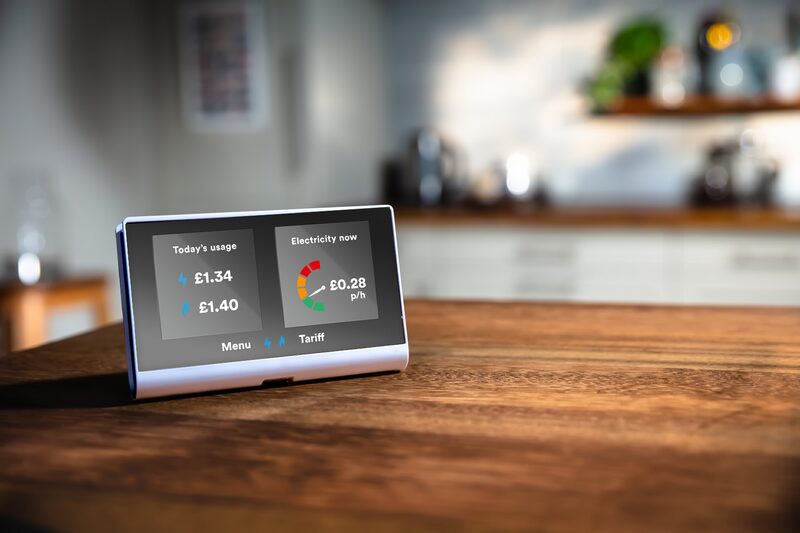
A jump in the bill after a smart meter goes in is often not the meter's doing. It could be because you were previously receiving low estimates from your energy supplier, and your smart meter is now tracking energy use accurately13. In other words, the estimate was wrong in your favour, and the accurate reading corrects it.
The scale of this is smaller than the anecdote suggests. In a 2024 survey, around one in 20 (5.6%) of smart meter owners reported a rise in average energy bills since the installation of a smart meter17. The rest reported no rise or a fall. Meter faults themselves are rare, and if your bill is higher than expected, it is usually caused by something else18.
What the meter does is ensure you only pay for the energy you have used, not the approximate costs of an estimated bill19. That cuts both ways: it removes the over-estimate that flatters a supplier's cash flow, and it removes the under-estimate that flatters the household's. A smart meter will not automatically save you money20, and it does not reduce energy bills automatically, though it can help a carer understand usage patterns more clearly21.
How to tell an estimated bill from an actual one
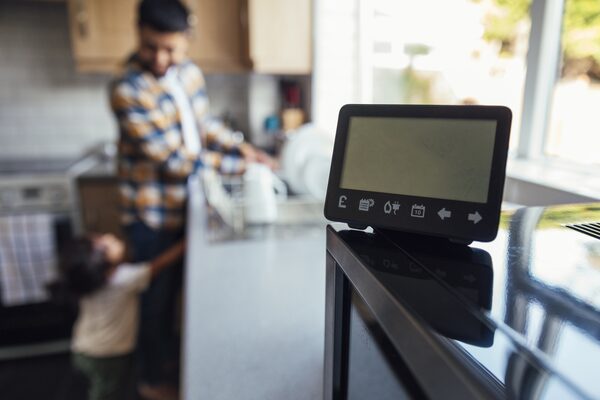
The bill itself is the evidence. Where a smart meter is working, the supplier gets bills based on accurate meter readings and not estimates8. Where it is not, the statement will show a reading marked as an estimate rather than an actual or smart reading, and the consumption figure will be a forecast.
There is a second check available in the home. The in-home display shows what the meter is recording, so a display that has stopped updating is a strong hint that the connection has dropped15. The proportion of households reporting that their smart meter display did not match their bill fell from 20% to 12% by July 2024, which suggests the mismatch is becoming less common but has not disappeared22.
If you want to read the meter directly, the process differs by meter type, and gas meters in particular use a button sequence rather than a single display23. A manual reading sent to the supplier will at least stop the estimate compounding while the connection is restored.
| What you see | What it means | What it points to |
|---|---|---|
| Reading labelled "estimated" | Supplier has no actual reading for the period | Lost connection, first bill, or dumb meter4 |
| In-home display frozen | Meter is not communicating | Signal or connection fault15 |
| Bill higher than usual | Estimate replaced by actual use | Previous under-estimation13 |
| Reading labelled "smart" or "actual" | Meter operating in smart mode | Normal operation8 |
When to contact your supplier, and what regulators expect
If you suspect an issue with your smart meter, or your energy supplier identifies an issue, they should promptly investigate it, resolve it themselves or with third parties, and keep you informed9. That is the standard the rules set. If the meter stops working, the supplier is responsible for maintenance and will fix or replace it as needed7.
The escalation route is established. You can contact the Energy Ombudsman if you are not happy with the way your supplier has handled your complaint24. Estimated bills are a common reason for complaints, and the Ombudsman expects smart meters to reduce issues from estimated billing in the long term18. Ofgem has consulted on automatic compensation for smart metering consumers where their energy supplier fails to meet certain expectations9, and separately, if a smart meter installation fails due to a fault within the energy supplier's control, the consumer will receive compensation25.
For a household, the practical sequence is short: report the fault, ask for the meter's communication status, and supply a manual reading in the meantime so the estimate does not run on. The independence a smart meter offers is real but conditional. It depends on a connection the household does not control, maintained by a supplier and a national network, and it is worth checking that the link is live rather than assuming it.
Sources25 cited
- Get prepared, National Energy Action, 2026
- How accurate are smart meters, Smart DCC, 2026
- Smart meter performance, Ofgem, 2026
- Smart Energy GB FAQs, Smart Energy GB, 2025
- Guide to smart meters, Energy Saving Trust, 2026
- Smart meter Guaranteed Standards of Performance draft impact assessment, Ofgem, 2025
- Smart meters, Welsh Government, 2026
- Get help with your smart meter, Ofgem, 2026
- Smart meters: your rights and expectations, GOV.UK, 2025
- Do smart meters cost more, Smart Energy GB, 2026
- Switching supplier, tariffs and bills, Smart Energy GB, 2026
- The installation process, Smart Energy GB, 2026
- Are smart meters accurate, Smart Energy GB, 2026
- How do you know if you have a smart meter, Smart DCC, 2026
- How can I read a smart meter, Smart Energy GB, 2026
- RTS switch-off, Home Energy Scotland, 2026
- Smart meter statistics, Uswitch, 2024
- Smart meters not working, Smart Energy GB, 2026
- How do smart meters save energy, Smart DCC, 2026
- Getting a smart meter installed, Citizens Advice, 2026
- Smart meters and carers, Smart Energy GB, 2026
- Energy Consumer Satisfaction Survey findings report, Ofgem, 2024
- How to read your gas meter, National Energy Action, 2026
- Check energy suppliers can install prepayment meters without household permission, Ofgem, 2026
- Final decision on smart meter Guaranteed Standards of Performance, Ofgem, 2026
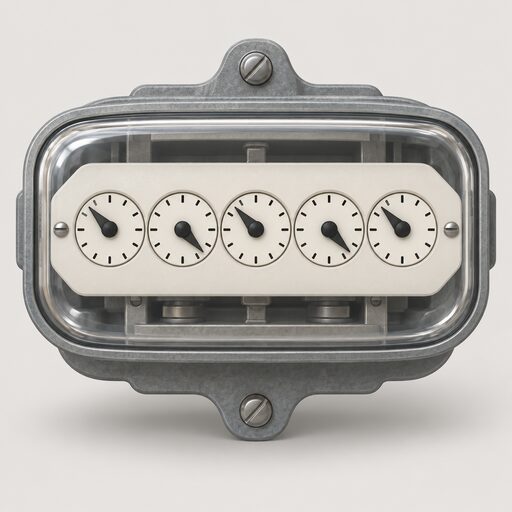 Meter Readings and EstimatesWhy is my energy bill estimated, and how often should my meter be read?
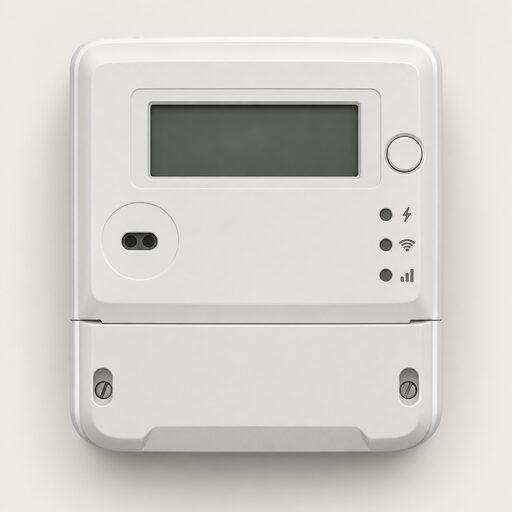 Smart Meter Faults and FixesYour smart meter has stopped working.
 Why You Cannot Get a Smart MeterWhy can some homes not have a smart meter fitted, and what counts as a good enough reason?
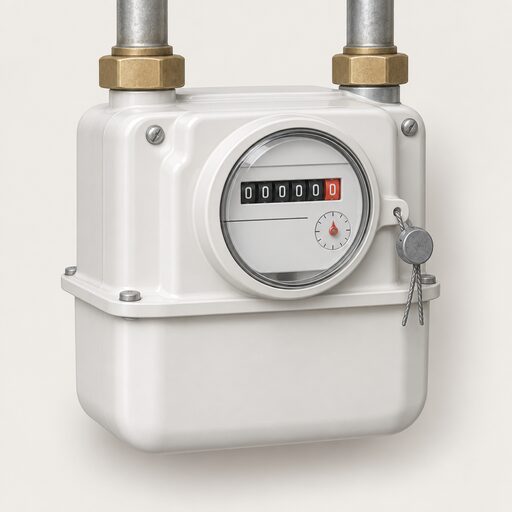 Meter Standards and AccuracyHow UK smart meters are certified for accuracy, how their readings become a bill, what happens when a meter stops communicating, and how a metering or billing dispute is escalated to a supplier and then to the Energy Ombudsman.
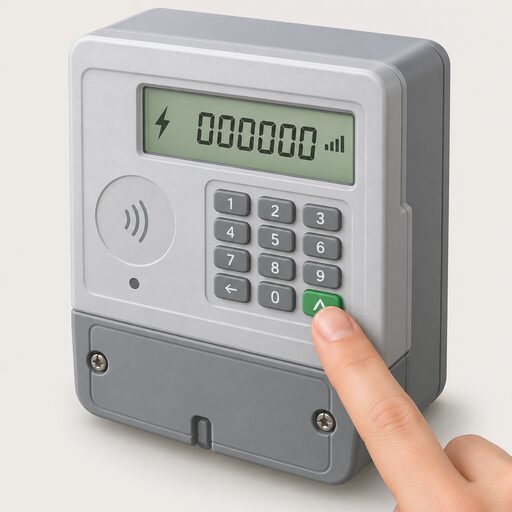 Get a Reading From a Smart MeterHow to bring up a meter reading on a smart electricity or gas meter when a manual reading is still needed, and the difference between the meter itself and the in-home display.
 What Does a Smart Meter Cost?There is no upfront charge for a smart meter or a standard installation: the cost is recovered indirectly through energy bills.