
In this guide
Energy suppliers attach a second layer of money to household accounts: referral credits, loyalty clubs, welcome bonuses and rewards for shifting electricity use. These sit alongside the tariff rather than inside it, and they are governed by the supplier's own scheme rules, not by the price cap. The clearest published example is So Energy, which pays £50 to each side per referral, to both referrer and friend, once the friend's switch completes and supply starts, and states that there is no limit to how many friends you can refer1.
The largest single referral promotion currently documented is EDF's Refer a Friend offer, which pays £100 to the referrer and £75 to the referred friend and closes on 6 October 20262. That closing date matters more than the headline amount: a referral made in the last days of a promotion can complete after the offer has ended, and the terms in force at the time of the referral are the ones that apply.
Reward schemes are not the same as bill support. The Warm Home Discount is a regulated obligation on suppliers with over 1,000 domestic customers, who must provide an annual bill discount to eligible households3. Referral credits and loyalty points are commercial offers a supplier can change or withdraw. For a household thinking about energy independence, these schemes are cash on the margin: they reduce a bill but leave the underlying dependence on a supplier, a grid connection and, for gas customers, the gas network exactly where it was.
Refer a friend: what each supplier pays
Referral schemes pay a fixed credit to both parties when a new supply starts. The published figures in the UK market are narrow but specific. So Energy pays £50 each per referral, to both referrer and friend, and the payment trigger is the friend's supply starting rather than the account being opened1. EDF's Refer a Friend promotion pays £100 to the referrer and £75 to the referred friend, and it ends on 6 October 20262.
The structure is consistent across both: a two-sided credit, a qualifying event, and a window. The qualifying event is almost always the start of supply, which means the money arrives weeks after the friend signs up, once the switch has completed and the cooling-off period has passed. The window is the part households most often miss. A promotion with a closing date of 6 October 2026 pays on referrals that qualify under its terms, and a referral begun in late September may or may not complete in time depending on the switch itself2.
There is a second, unrelated use of the word referral in the energy market, and it is worth separating. Suppliers refer households who are struggling to pay to organisations such as Advice NI, which offer free, independent debt advice6. Under the Northern Ireland Code of Practice for Consumers in Vulnerable Circumstances, a supplier will offer to refer a customer to a consumer body that can carry out a benefit entitlement check7. These referrals cost the household nothing and pay nothing; they are support routes, not rewards.
For a household's independence, a referral credit is a one-off reduction in a bill that recurs. It does not change who supplies the property, where the electricity comes from, or how exposed the household is to wholesale prices. It is best understood as a discount on switching, not as a change in the relationship with the supplier.
| Scheme | Referrer | Friend | Trigger | Status |
|---|---|---|---|---|
| So Energy | £50 | £50 | Friend's supply starts1 | Open, no referral limit1 |
| EDF Refer a Friend | £100 | £75 | Qualifying referral2 | Closes 6 October 20262 |
How referral credits are paid and when
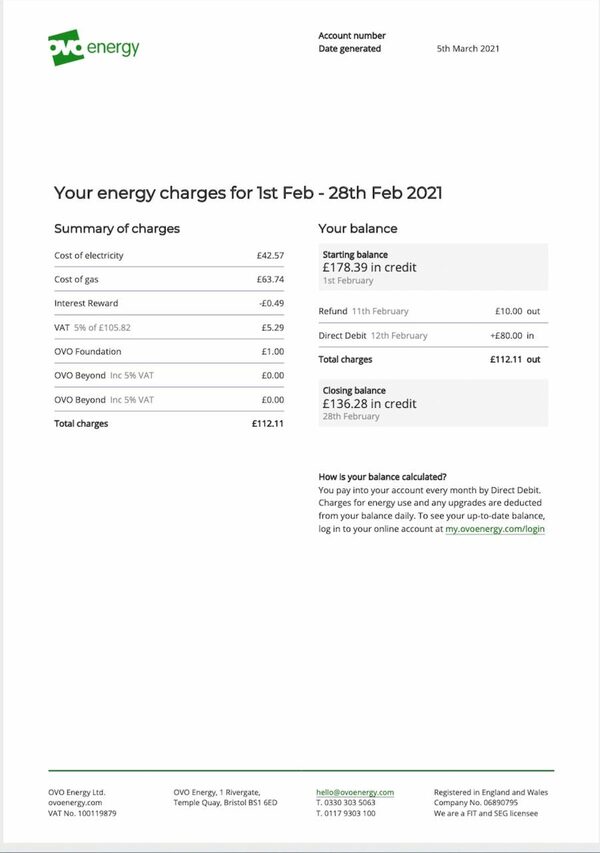
Referral credits are paid as account credit, not as cash. So Energy states that once the friend's switch is complete and supply starts, £50 credit is added to both accounts1. That distinction matters at the end of a contract: credit sitting on an account is refunded by the old supplier in the final bill when a household switches away, and a household can contact its supplier to claim credit back at any time8. If a refund is not made, compensation may be available9.
The timing follows the switching process rather than the referral itself. A referral is registered when the friend uses the unique link, and it is paid when supply starts. Between those two points the friend can cancel within the cooling-off period, the switch can be objected to, or the supply start date can slip. None of those outcomes pays the credit.
There is a wider point about credit balances that applies to any reward paid onto an account. A credit balance is the household's money held by the supplier. It is refundable on switching and claimable at any time, and it is one of the few places where a household's position is protected by a clear rule rather than a scheme's terms8. A referral credit that lands on an account and is then absorbed into a direct debit recalculation has not disappeared; it has reduced the next payment.
EDF's Refer a Friend offer and its closing date
EDF's Refer a Friend promotion is the largest documented referral payment in the UK market at present: £100 to the referrer and £75 to the referred friend, closing on 6 October 20262. The closing date is the operative fact. After that date the promotion is not available on the terms published, whatever a household may have read earlier.
EDF also appears in official documentation in a different capacity. Under the ECO4 innovation measures approved by Ofgem, EDF Energy is named as the awarded supplier for innovation measures 017 and 02210. That is a separate matter from referral credits, but it is a reminder that a supplier's name appears across several schemes at once, and that a household reading about "EDF offers" may be looking at an energy efficiency obligation rather than a commercial reward.
The practical question for a household considering the EDF offer is whether the switch can complete before the promotion closes. Switching involves a cooling-off period and a supply start date, and a referral that has not reached the supply-start stage by the closing date is unlikely to qualify. The terms published with the promotion govern, and they are the ones to read before relying on the payment.
For independence, the EDF offer changes nothing structural. It is a cash inducement to move supplier, and moving supplier is a change of billing relationship, not a change of dependence. The household still draws from the same grid, and if it burns gas, from the same network.
Octoplus: Octopus Energy's loyalty scheme
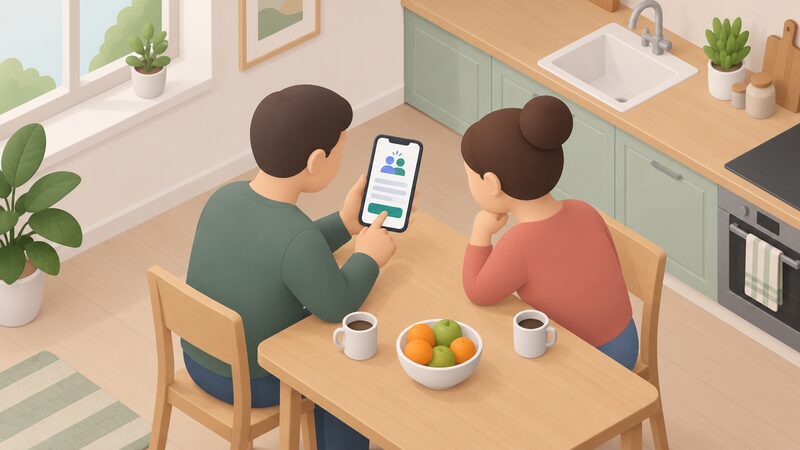
Octoplus is Octopus Energy's reward scheme, and its eligibility rule is the one to check first: customers have to receive electricity from Octopus Energy to take part4. Business customers and smart prepayment customers can also join, and eligible customers sign up through a banner in their online account or in the app4. The scheme was announced in October 2023, so it has been running for some years4.
Octopus Energy has also worked on how bills are presented. It described plain-language billing developed in collaboration with Plain Numbers to help consumers understand their charges, work recorded in Ofgem's consumer vulnerability strategy progress report11. That is a different kind of benefit from a reward payment, but it bears on the same problem: a household cannot manage a bill it cannot read.
The limit of a loyalty scheme is that it is tied to one supplier. Octoplus requires electricity supply from Octopus Energy, so the rewards exist only for as long as the household stays4. A household that switches away loses access to the scheme, and any value built up in it does not transfer. That is the trade a loyalty scheme asks for: continued custom in exchange for rewards that are only redeemable inside the relationship.
For energy independence, a loyalty scheme is the opposite of independence. It is a deliberate tie to a single supplier, and the value is real but conditional. A household weighing Octoplus against a cheaper tariff elsewhere is weighing a reward against a rate, and the rate applies to every unit used while the reward is a fixed benefit.
Smart meter rewards: Good Energy's installation incentive
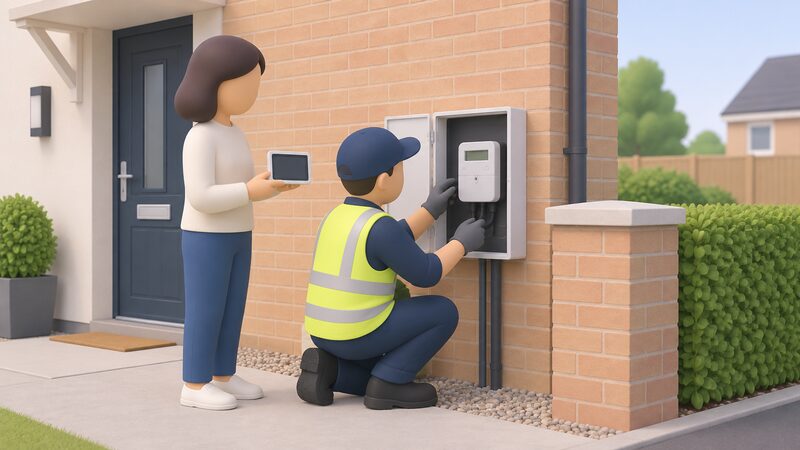
Smart meter installation is the point at which some suppliers attach an incentive. The Welsh Government's guidance on smart meters records that some providers may offer a free energy efficiency inspection during installation12. That is the documented form of installation incentive: an inspection bundled with the visit rather than a cash payment.
Separately, the smart meter advice obligation has a defined content. Under the legislation, advice on the benefits of using a smart meter must include guidance on arranging installation and an invitation to make a non-binding pledge to arrange installation, for measures where installation is completed on or after the Order coming into force13. The pledge is explicitly non-binding, which is the important word: a household can make it and change its mind.
No Good Energy installation incentive figure or claim process appears in the published material available here, so none can be described. Households looking for a specific smart meter reward should read the terms on their own supplier's account pages, because the incentive, if any, is a commercial offer rather than a regulated entitlement.
The independence question with smart meters is different from the reward question. A smart meter gives a household interval data about its own consumption, which is the raw material for shifting load and for using time-of-use tariffs. The meter itself does not reduce dependence on the grid, but it makes the household's own pattern visible, and that is the precondition for any meaningful change in how energy is bought.
Power Payback: getting paid to use less electricity
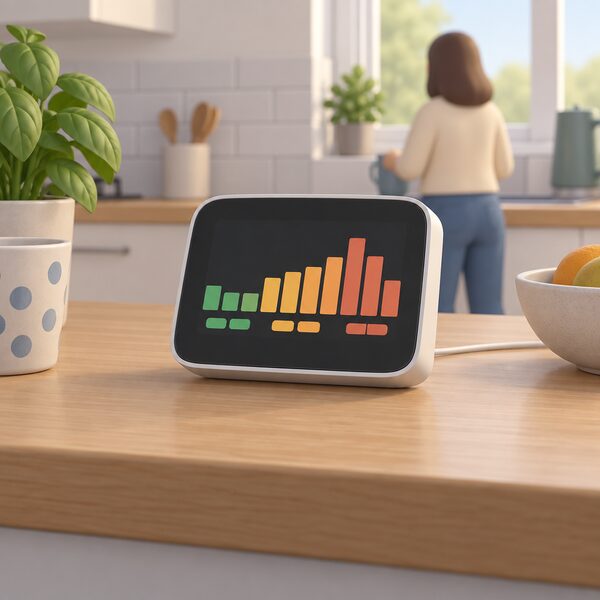
No Power Payback scheme details appear in the published material available here, so the payer and the mechanics cannot be identified from it. What is documented is how account credit behaves generally, which is the mechanism any such reward would use. A supplier refunds any credit in the final bill when a household switches, and a household can contact its supplier to claim credit back at any time8. If the refund is not made, compensation may be available9.
That matters for any reward paid as credit rather than cash. A saving-session payment credited to an account is the household's money held by the supplier, refundable on switching and claimable at any time8. A household that earns credits and then switches away should expect them to appear in the final bill rather than to be lost.
Suppliers also have obligations that run alongside reward schemes. They must offer advice on more efficient use of energy that could help cut bills, and they must agree a payment plan, payment break or reduction where a household is struggling6. Those are support duties, not rewards, and they exist regardless of whether a household takes part in any scheme.
The independence value of a use-less reward is genuine but bounded. Shifting consumption away from peak hours reduces the household's exposure to the most expensive units and, at scale, reduces the amount of generation that has to be built for the peak. It does not remove the connection to the grid, and it depends on the supplier continuing to run the scheme and to credit the payments.
Cashback for movers: firmus energy's Home Movers offer
No firmus energy Home Movers cashback details appear in the published material available here, so the amount and the conditions cannot be given. What is documented for firmus energy is a price change: the supplier changed prices by 8.9% in Ten Towns and 12.5% in Greater Belfast from October 202616. A household moving into a firmus energy area should read that change alongside any mover offer, because a cashback is a one-off and a tariff change applies to every unit thereafter.
Northern Ireland also has its own support landscape, which is where mover cashback sits. NI Energy Advice provides referrals to energy grants and other sources of help17. The Northern Ireland Sustainable Energy Programme list of schemes for 2026-27 names scheme managers, including O'Kane Plumbing and Electrics Ltd for Better Energy Homes Plus and Better Energy Homes Cashback18. Those are grant and efficiency schemes rather than supplier rewards, and they are administered separately from any mover offer.
The Boiler Upgrade Scheme, which is the closest analogue to a boiler replacement grant in Great Britain, is installer-led: MCS certified installers apply for and redeem vouchers on behalf of property owners19. That structure means any question about combining a supplier cashback with a boiler scheme runs through the installer and the scheme rules, not through the household alone.
For a household moving home, the independence calculation is about the tariff it lands on, not the cashback it receives. A mover offer reduces the cost of the move; the tariff determines the cost of the years that follow.
Limits and small print to check before you refer
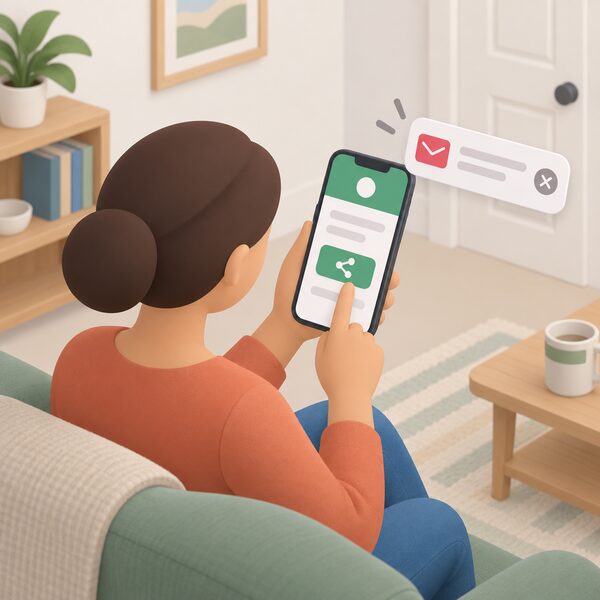
Referral and reward schemes carry conditions that decide whether the money is ever paid. The first is the qualifying event: So Energy pays when the friend's supply starts, and the friend must use the referrer's unique link when signing up1. A link used after an account already exists does not create a new supply, so the event does not occur.
The second is the window. EDF's promotion closes on 6 October 2026, and referrals that have not qualified by then fall outside it2. The third is the scheme's own eligibility rule, which for Octoplus is that electricity must be supplied by Octopus Energy4.
There are also rules about who may refer at all in the wider energy efficiency landscape. Ceredigion Council states that it does not accept referrals from lead generators or third parties under ECO4 Flexible Eligibility20. That is a grant scheme rather than a supplier reward, but it shows that referral routes are often restricted by the body administering the scheme.
Where a reward is disputed, the route is the supplier's complaints process first. The Energy Ombudsman requires a household to notify its supplier and work with them to try to resolve the issue before contacting the Ombudsman22. Only domestic consumers, micro-businesses and small businesses may apply23. For a referral credit that has not been paid, that is the sequence: raise it with the supplier, then escalate if it is not resolved.
How rewards sit alongside the price cap and comparison
The price cap applies where a customer has not signed up for a fixed-term contract with their supplier5. That is the boundary that matters for rewards. A referral credit, a loyalty reward or a welcome bonus is not part of the capped unit rate; it is a separate commercial payment attached to the account. A household on a default or standard variable tariff is protected by the cap on the rate it pays, and separately may receive a reward, but the two are calculated on different bases.
The scale of the market behind these schemes is large. There were 30 suppliers on the Energy Price Guarantee scheme as of November 202424, and Ofgem's wholesale costs review received data from 11 suppliers25. The Energy Bills Support Scheme, which paid a £400 non-repayable grant to all households with a domestic electricity connection in autumn 2022, was delivered automatically through suppliers without an application26. That is the model of a universal payment, and it is the opposite of a referral scheme, which is conditional, targeted and commercial.
For a household comparing offers, the arithmetic is straightforward: a referral credit is a one-off sum, and a tariff is a rate applied to every unit. A £50 credit is worth £50 once; a difference of a penny per kWh applies to thousands of units a year. The reward should be weighed as a discount on the switch, not as a reason to stay.
Energy independence, in this context, means reducing the number of conditions attached to a household's energy. A reward scheme adds a condition: stay with this supplier, refer within this window, qualify under these rules. A household that wants fewer conditions will find that the reward is the least durable part of the arrangement.
Sources26 cited
- So Energy refer a friend, So Energy, 2026
- EDF switch energy supplier, EDF Energy, 2026
- Warm Home Discount, Ofgem, 2026-08-23
- Octopus Energy launches new reward scheme, Flexi-Orb, 2023-10-23
- Energy price cap, House of Commons Library, 2026-09-20
- Advice if you're struggling to pay your energy bills, nidirect, 2026-09-17
- Code of Practice for Consumers in Vulnerable Circumstances, Utility Regulator, 2025-06
- How your electricity or gas bill is calculated, Ofgem, 2026
- Understand your electricity and gas bills, Ofgem, 2026
- ECO4 innovation approved innovation measures, Ofgem, 2026-02
- Consumer vulnerability strategy progress report, Ofgem, 2026-07-21
- Smart meters, Welsh Government, 2026
- The Electricity and Gas (Energy Company Obligation) (Amendment) Order 2025, legislation.gov.uk, 2025-07-31
- Get help with your energy bills, Ofgem, 2026-09-17
- Getting help if you can't afford your energy bills, Ofgem, 2026-09-17
- Home heating advice Scotland FAQs, Home Heating Advice Scotland, 2026-09-17
- Energy saving grants in your area, nidirect, 2026-09-17
- NISEP List of Schemes 2026-27, Utility Regulator, 2026-04
- Boiler Upgrade Scheme, Ofgem, 2026-09-17
- ECO Flexibility Funding, Ceredigion County Council, 2026-09-17
- Disputes where a company believes it has acted appropriately, Energy Ombudsman, 2026-09-20
- Energy suppliers, Energy Ombudsman, 2026-09-20
- Dispute resolution, Ofgem, 2026-09-17
- Energy bills support: an update, National Audit Office, 2024-11-14
- Energy price cap wholesale costs review, Ofgem, 2023-12-15
- Energy Bills Support Scheme, House of Commons Library, 2026-09-20
 Local Energy Supply ClubsJoining a local energy club means your area's wind or hydro power is matched to your home's use, so you pay less for the electricity you use when it is being generated nearby.
 Free Electricity and RewardsCovers tariffs and offers that give free or half-price electricity in set windows, including recurring weekly free hours, weekend offers and savings challenges.
 Smart Charging RewardsCovers the schemes that pay or reward households for shifting car charging, including the Demand Flexibility Service, app-based reward programmes and supplier incentives.
 Grant ScamsGrant schemes attract cold callers, doorstep sellers and fake approval letters using real scheme names.
 Spot and Report an Energy ScamThe common approaches used in rebate texts, grant cold calls, doorstep sales and fake supplier emails, and the checks that confirm whether contact is genuine.
 Taking Part in a Home TrialJoining a home energy trial can mean getting new kit fitted for free or at a lower price, but places are limited and close quickly.