

In this guide
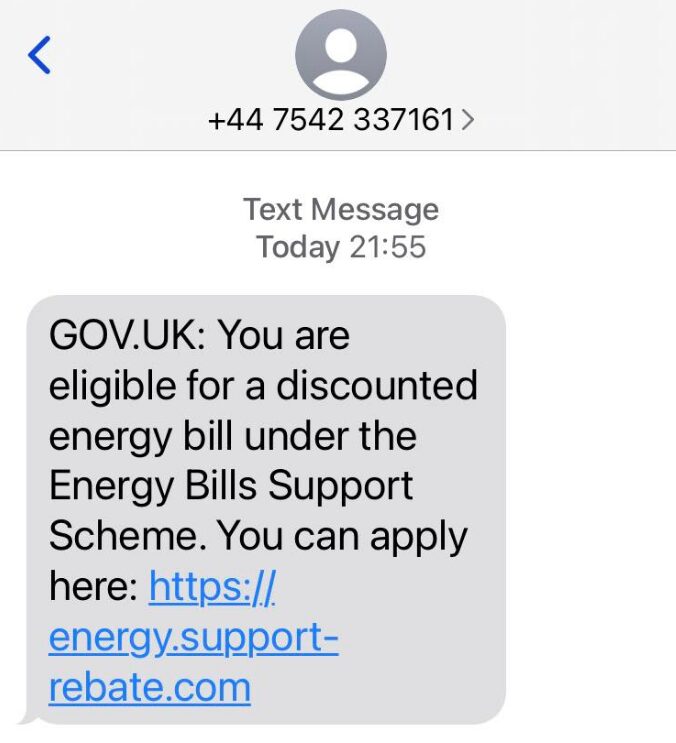
Energy supplier scams work by borrowing the authority of a body a household already trusts: a supplier, the Energy Ombudsman, a rebate scheme or a broker. The Energy Ombudsman reported a recent increase in fraudulent emails targeting energy consumers that falsely claim to be from it, and has published warnings on its website and social media channels1. The pattern is consistent: a name and logo used without permission, a complaint or review the recipient never raised, links to fake forms, and pressure to act quickly1.
The genuine Ombudsman is an independent service, separate to Ofgem, for problems with an energy supplier, an energy broker, a network operator or a heat network supplier2. It is free to consumers, funded by the suppliers signed up to its scheme, which pay a fee for each case reviewed regardless of the outcome3. It can require a supplier to put things right, but it does not issue fines and does not dictate how companies operate3.
For a household, the practical question is not only how to spot a fake approach but what happens when a real contract was sold badly. The rules on doorstep and phone selling, the right to unwind a mis-sold contract, and the Ombudsman's eight week escalation path together form the route from a bad sales call to a remedy.
Common energy supplier scams and how they present
The scams that reach households cluster around the points where money or account access changes hands. The Energy Ombudsman's own list of the most common dispute types shows where the pressure lands: gas and electricity bills, smart meters and Feed-in Tariffs, customer service, problems arising from switching supplier, the way an energy product or service has been sold including doorstep sales, and the supply of energy to a home2. A scam will imitate one of these.
The Ombudsman's scam-email guidance sets out the tells. Fraudulent emails use the Energy Ombudsman or a broker name and logo without permission, reference a complaint or review the consumer has not raised, contain links to fake forms or websites, pressure the recipient to act quickly, come from a free email service such as Gmail, or use a misspelling of a company name1. The forms often request sensitive personal information such as full name, address, date of birth, or bank details1.
The Ombudsman's own rule is the cleanest test available: it states that it will never ask consumers to open a new energy account, nor will it request sensitive personal information via online forms or links1. Anything that does either is not from the Ombudsman.
Doorstep selling and mis-selling: what it looks like

Doorstep selling of energy products has a documented history in the UK, and the official record is blunt about it. The Scottish Government's work on energy efficiency standards identified mis-selling and high-pressure doorstep sales tactics, particularly involving consumers in vulnerable circumstances, as among the most prominent consumer issues in relation to energy efficiency improvements7. That finding is about energy efficiency work rather than supply contracts, but the sales method is the same one that reaches households on the doorstep.
The Ombudsman treats the way a product was sold as a dispute category in its own right, listing "the way an energy product or service has been sold, including door step sales" among the most common types of energy dispute it sees2. That matters because it confirms the Ombudsman will look at the sale, not only at the bill that followed.
Mis-selling in practice takes a few recognisable shapes. A claim about savings that the contract does not deliver. A switch made without the household's informed agreement. A tariff or product described in terms that do not match the terms actually applied. A broker presenting itself as acting for the consumer when it is paid by the supplier. The Ombudsman's remit covers energy brokers as well as suppliers, so a complaint about how a broker sold a contract falls within the scheme2.
The market context is worth holding in view. Ofgem's retail market reporting counts 23 domestic energy suppliers and 72 business energy suppliers currently active6. A large, fragmented market with many small suppliers and a layer of brokers is a market in which an unfamiliar name on the doorstep is normal, which is exactly what a scam relies on.
The legal protections: unfair trading rules and cancellation rights
The statutory backdrop to mis-selling has changed recently, and the change matters for anyone relying on older guidance. The Consumer Protection from Unfair Trading Regulations 2008 were revoked on 6 April 2025 by the Digital Markets, Competition and Consumers Act 20248. The revocation is recorded against the 2008 Regulations, and the legislation page notes there are currently no known outstanding effects for section 158. Consumer protection and competition law enforcement in the off-grid market continues as a regulatory function9.
What that means in practice is that the protections a household relies on when a sale was misleading or aggressive now sit in the newer consumer law framework rather than the 2008 Regulations. The substance of the protection, that a trader must not mislead or use aggressive practices, is not something a household needs to litigate itself; the practical route is a complaint to the supplier and then, if unresolved, to the Ombudsman.
Cancellation rights around a switch are a separate layer. The Ombudsman's eligibility checklist for a dispute requires that the complainant has already complained to the company, has sufficient evidence including the date the complaint was raised, and has checked that the named company is the correct one10. Those requirements are procedural rather than about the merits, but they decide whether a case can be opened at all.
"the right to unwind the contract, the right to a discount and the right to damages"
Your rights of redress: unwinding the contract, discount or damages
Where a supplier misled a household or used an aggressive commercial practice, the redress available has three named forms: the right to unwind the contract, the right to a discount and the right to damages11. Those are the outcomes a household can ask for, and they map onto what the Ombudsman can order in practice.
The Ombudsman frames the underlying right more simply: a consumer has a right to complain to their supplier and a right to a resolution, and if unhappy with the response, the right to ask the Energy Ombudsman to investigate3. Where a mistake has been made or a consumer has been treated unfairly, the Ombudsman can require the supplier to put things right3.
The outcomes a supplier can be directed to provide include financial compensation, an apology, agreeing to fix the problem, a refund, or providing an affordable payment plan12. The Ombudsman's own list of what it can tell suppliers to do adds practical action such as crediting or cancelling an account or changing a tariff, and it may make recommendations to prevent the issue happening again5.
For households in payment difficulty, the supplier's own obligations run alongside the complaint. Ofgem's guidance states that suppliers should review current payments and debt repayments, and can agree a payment plan, payment break or reduction14. A mis-selling complaint and a payment difficulty are often the same case seen from two angles.

What to do first if you have been targeted or misled

The first step is fixed across every source: the supplier must be given the chance to resolve the issue before the Ombudsman is involved. The Ombudsman states that before contacting it, a consumer should notify the supplier and work with them to try and resolve the issue2. Its rights guidance puts it as logging a dispute with the supplier3. Ofgem's bill guidance says that if there is a problem with an energy bill, the consumer should contact the energy supplier13.
The subjects that belong in that first complaint are broad. Suppliers are the contact point for late, incorrect or missing bills, back billing, being overcharged, a faulty meter, poor customer service, and refusing to refund credit from an account12. A mis-selling complaint about how a contract was sold sits alongside these.
Heat network customers follow the same shape with a different first contact: they should contact their heat network supplier and ask them to fix the situation before raising a complaint with the Energy Ombudsman15. Where a heat network supplier cannot be found, the Ombudsman can be reached on 0330 440 1624, pressing option 3 for Heat Networks when prompted16.
The evidence to keep is specific. The Ombudsman lists the energy supplier's name, the name of the account holder, the account number and the date the complaint was first raised to the supplier as the details that help a case5. For email and post cases the same details apply5.
Escalating to the Energy Ombudsman: when you qualify
The gate to the Ombudsman is time. The supplier has eight weeks to investigate and resolve the problem17. Ofgem states the same deadline: the supplier must try to fix any problems reported within eight weeks and resolve the complaint12. The Ombudsman's own eligibility rule is that the consumer has allowed the supplier eight weeks to resolve the dispute, or has received a deadlock letter allowing earlier escalation5.
A deadlock letter is the supplier's statement that the problem cannot be fixed or that it believes there is no more it can do12. Receiving one shortens the wait but starts a clock of its own: the dispute must be escalated within 12 months of receiving the letter4. The Ombudsman's checklist confirms the two alternative conditions, a deadlock letter or eight weeks without resolution18.
Once the case is open, the process is defined. The Ombudsman will ask for information and evidence, review evidence from both the consumer and the energy company, inform the consumer of its decision, and give the energy company a set of actions to resolve the problem12. Registration begins by searching for the name of the energy supplier on the Ombudsman's site10.
The service is free to consumers looking to resolve energy disputes3. It is approved by Ofgem, which ensures it has the requirements to operate its schemes while remaining fully independent and impartial19.
| Stage | What happens | Time |
|---|---|---|
| Complaint to supplier | Supplier investigates and tries to resolve | 8 weeks17 |
| Deadlock letter | Supplier states no more it can do | Escalate within 12 months4 |
| Ombudsman review | Evidence from both parties, decision, actions set | Most resolved within 6 weeks of receiving evidence5 |
What the Energy Ombudsman can and cannot do

The Ombudsman's powers are corrective, not punitive. It can require the supplier to put things right where a mistake has been made or a consumer has been treated unfairly3. It can tell suppliers to take practical action such as crediting or cancelling an account or changing a tariff, to make an apology, or to offer a financial award, or a combination of these, and it may recommend changes to prevent the issue recurring5.
What it cannot do is equally clearly stated. It cannot punish companies, dictate how companies operate, or issue fines5. The Ombudsman describes fining and dictating company operation as the responsibility of the companies' trade body or regulator3. That distinction matters to a household expecting a penalty: the outcome is a remedy for the individual case, not a sanction on the company.
The remit has boundaries that decide whether a case can be heard at all. The Ombudsman handles disputes involving suppliers trading in Britain3. It can consider complaints about electric vehicle charging at a consumer's home but is unable to consider complaints about charging away from the home19. It cannot consider disputes from business consumers who do not meet the microbusiness definition20. Where a broker is not signed up to the scheme, the dispute cannot be reviewed at all, as the Ombudsman's own case pages for individual brokers show21. The only recourse with brokers not adhering to scheme rules is to eject them from the scheme19.
"We do not issue fines or dictate how companies operate, this is the responsibility of the companies' trade body or regulator"
Awards, outcomes and how long a dispute takes
The maximum financial award depends on who the dispute is against. For energy suppliers it is up to £10,000 for domestic energy disputes or up to £20,000 for small business disputes5. Energy broker cases are capped at up to £10,0005. Flexibility service provider cases are capped at up to £10,000 for domestic energy disputes or up to £20,000 for micro business consumers5. The level of maximum award may vary depending on the type of energy company and the Terms of Reference covering that scheme5.
The average award is far below the cap: around £504. That figure is explained by how awards are calculated. The Ombudsman states that financial awards are based on the cost of putting things right, such as ensuring a consumer has been charged accurately, clearing unfair charges or fixing faults5. A case about a billing error therefore produces a modest sum, while a case involving a large unjustified charge can produce more.
On timing, the Ombudsman states that on average most disputes are resolved within six weeks of it receiving evidence from both parties5. That clock starts after the eight week supplier window and after evidence has been gathered from both sides, so the total elapsed time from first complaint is longer than six weeks.
The outcomes a supplier can be directed to provide are financial compensation, an apology, agreeing to fix the problem, a refund, or an affordable payment plan12. For a household, the practical value is often in the non-financial outcomes: a corrected account, a cancelled erroneous charge, or a tariff put back where it belongs.
When the Ombudsman route does not apply
Several situations fall outside the scheme, and knowing them early saves a household time. The most consequential is supplier failure. The Energy Ombudsman will not consider disputes against a supplier that has ceased trading, because the supplier is not able to respond, and it is not able to progress any cases currently open on its systems22. Where a supplier has failed, the household's relationship moves to the new supplier appointed under the supplier of last resort process, and a complaint about that new supplier follows the normal eight week path before the Ombudsman can take it22.
Excluded dispute types are listed directly. The Ombudsman does not deal with disputes about commercial decisions made by companies about whether to provide a product or service, or about liquid petroleum gas2. Business consumers who do not meet the microbusiness definition cannot have their dispute considered20. Brokers outside the scheme cannot be reviewed21.
The small business boundary is defined by thresholds. A company qualifies if it has fewer than 50 employees or their full-time equivalent and an annual turnover of at most £6.5 million or a balance sheet total of £5.0 million, or if it has an annual electricity consumption of not more than 200,000 kWh or an annual gas consumption of not more than 500,000 kWh4. The Ombudsman also cites a microbusiness threshold of not more than 100,000 kWh of electricity or a corresponding gas figure3.
The remit has been widening. From 1 April 2025 the Ombudsman can help consumers and small businesses resolve heat network disputes16. From 8 January 2026 it can handle disputes for a number of flexibility service providers, and from that date only a number of flexibility service providers become members of the scheme16. Network operator disputes are covered where there is a loss of service or a problem with a connection or repair23. Green Deal disputes are covered where the provider is unable or unwilling to help if something goes wrong with a plan16.
For a household thinking about energy independence, the Ombudsman is a backstop on conduct, not on supply. It cannot restore a failed supplier, cannot force a company to keep trading, and cannot order a tariff a household would prefer. What it can do is correct the record and the money when a sale or a bill went wrong, which is the limit of what consumer redress can deliver in a market a household does not control.
Sources23 cited
- Guidance on scam emails claiming to be from Energy Ombudsman, Energy Ombudsman, 2026-02-09
- Energy suppliers we can help with, Energy Ombudsman, 2026-09-20
- Understanding your rights, Energy Ombudsman, 2026-09-20
- We may be able to help resolve your energy dispute, Energy Ombudsman, 2026-09-20
- Creating a case with the Energy Ombudsman, Energy Ombudsman, 2026-09-20
- State of the energy market report: retail, Ofgem, 2026-09-17
- Quality assurance short life working group report, Scottish Government, 2019-03-26
- The Consumer Protection from Unfair Trading Regulations 2008, regulation 15, legislation.gov.uk, 2025-04-06
- The off-grid energy market, House of Commons Library, 2026-09-17
- Raise a dispute, Energy Ombudsman, 2026-09-19
- Problems with services: consumer advice, Isle of Anglesey County Council, 2025-10
- Complain about your energy supplier, Ofgem, 2026
- Complain about your energy supplier or network operator, Ofgem, 2026
- Get help with your energy bills, Ofgem, 2026-09-17
- Heat networks affected by the Energy Prices Act 2022, Energy Ombudsman, 2026-09-20
- How we can help, Energy Ombudsman, 2026-09-19
- Smart meters: your rights and expectations, GOV.UK, 2025-08-08
- Vivid Housing Limited, Energy Ombudsman, 2026-09-19
- Review of Ofgem call for evidence, Energy Ombudsman, 2025-02-28
- Information for disputes with flexibility service providers, Energy Ombudsman, 2026-09-20
- UtilityCloudLive, Energy Ombudsman, 2026-09-19
- Supplier of last resort information, Energy Ombudsman, 2026-09-20
- Network operators, Energy Ombudsman, 2026-09-20
 Mis-Selling and Doorstep SalesCovers the practices that amount to misleading and aggressive selling of solar, insulation, boilers and batteries, and the rules that prohibit them.
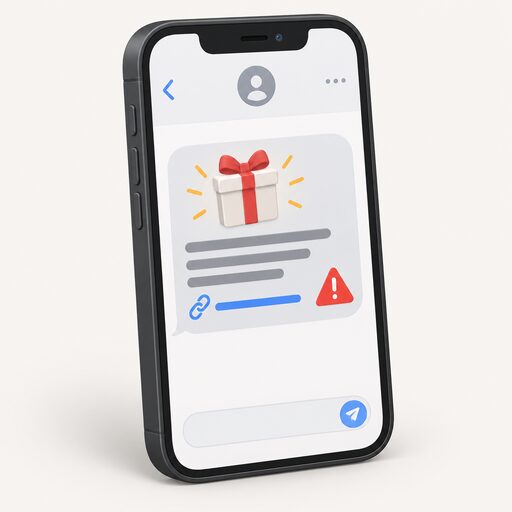 Spot and Report an Energy ScamThe common approaches used in rebate texts, grant cold calls, doorstep sales and fake supplier emails, and the checks that confirm whether contact is genuine.
 Energy Complaints and RedressMaps the routes a householder has when an energy supplier, network operator, broker or heat network gets something wrong, which body handles which dispute, and what the Energy Ombudsman can and cannot do.
 Grant ScamsGrant schemes attract cold callers, doorstep sellers and fake approval letters using real scheme names.
 Complaining About a SupplierHow do you complain about your energy supplier, and how long should it take?
 The Full Installers GuideHow do you find an installer you can trust, and what should you check before signing anything?