

In this guide
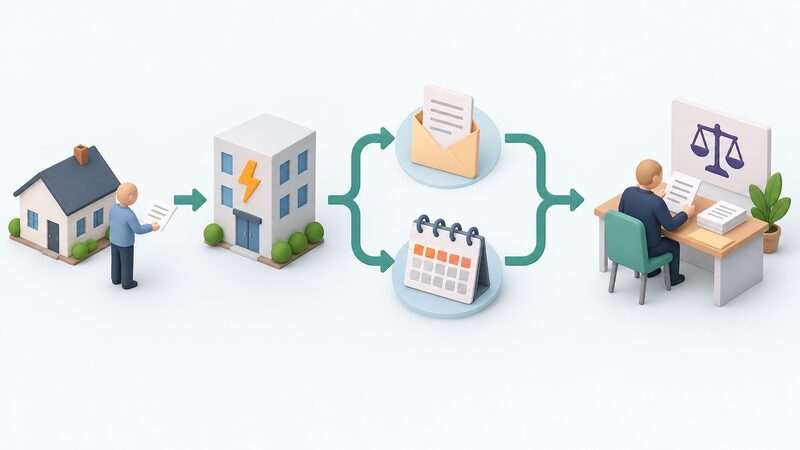
When something goes wrong with an energy account in Great Britain, the route is fixed and it runs in one direction. A household has a right to complain to its supplier and a right to a resolution, and if it is not happy with the response, a right to ask the Energy Ombudsman to investigate1. The supplier gets eight weeks to fix the problem, unless it issues a deadlock letter sooner, and only then does the Ombudsman step in2. The Ombudsman is approved by Ofgem to handle service disputes in the energy sector, is free to consumers, and only handles disputes involving suppliers trading in Britain3.
The powers are real but bounded. For disputes with energy suppliers the Ombudsman can award up to £10,000 for domestic consumers and up to £20,000 for small business disputes, and can order practical action such as crediting or cancelling an account or changing a tariff4. The most common award, though, is around £50, sometimes called a Time and Trouble award3. It cannot punish companies, dictate how they operate, or issue fines: that is for the trade body or the regulator3. Its decisions bind the energy company but not the consumer5.
Alongside that sits free advice: the Citizens Advice consumer service in England and Wales, and Energyadvice.scot for Scottish citizens, both of which help before, during and instead of a formal dispute6. This page sets out who handles what, the deadlines that govern each step, and the significant gaps, chiefly suppliers that have ceased trading, LPG, and companies' own commercial decisions.
The three bodies and what each one actually does
Three organisations sit behind the word "redress", and they are not interchangeable. The supplier itself is the first and, for most problems, the last stop: the Gas and Electricity (Consumer Complaints Handling Standards) Regulations 2008 require suppliers to give customers specific information, including that the customer has the right to refer the complaint to the Energy Ombudsman8.
The Energy Ombudsman is the independent escalation route. It is a service separate to Ofgem, for problems with an energy supplier, an energy broker, a network operator or a heat network supplier2. It is approved by Ofgem to handle service disputes in the energy sector3, and the principle it works to is that a consumer has a right to an independent review of their complaint9.
Ofgem is the regulator, not a complaints handler for individual households. It writes the standards the Ombudsman applies and enforces licences; the Ombudsman explicitly says fines and instructions on how a company operates are the responsibility of the companies' trade body or regulator3. More on what the energy regulator does sits on its own page.
Citizens Advice and the Scottish advice service are the free advice layer. A parliamentary committee described the Energy Ombudsman and Citizens Advice as the frontline organisations to handle escalated consumer complaints in the heat networks context10.
| Body | Role | Cost to household |
|---|---|---|
| Your supplier or heat network | Must investigate and resolve within 8 weeks7 | Free |
| Energy Ombudsman | Independent review, binding on the company only5 | Free3 |
| Ofgem | Sets rules, enforces licences, does not settle individual disputes3 | n/a |
| Citizens Advice / Energyadvice.scot | Free advice on bills, supply and the complaints process6 | Free |
For a household pursuing energy independence, this matters because none of these bodies can force a supplier out of your life. They can correct a bill, restore a service, or compensate for trouble. Reducing exposure to the dispute in the first place is a separate question, covered in what the rules allow at home.
Complain to your supplier first: the eight-week rule
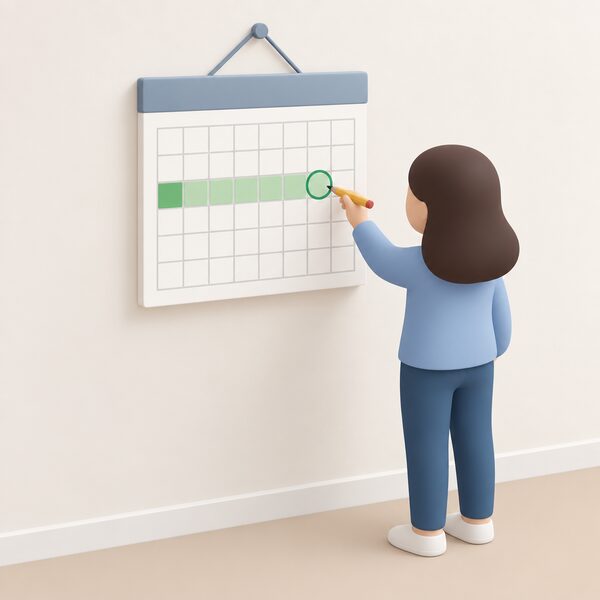
The eight-week clock is the single most important number in the process. An energy supplier must try to fix any problems reported within 8 weeks and resolve the complaint11. If eight weeks pass without a resolution, or the supplier sends a deadlock letter sooner, the dispute can be brought to the Energy Ombudsman for free and independent review7.
The same period applies well beyond ordinary gas and electricity accounts. It is eight weeks for heat networks12. For the Smart Export Guarantee, if after eight weeks a satisfactory solution has not been agreed between both parties the complaint may be referred to the Ombudsman13. For Green Deal in England and Wales, the route is to contact Energy Ombudsman services if the complaint has not been resolved within eight weeks13. A domestic or micro business Feed-in Tariff generator can escalate 8 weeks from the complaint being lodged14.
One change is in prospect. The Ombudsman has reported a proposal to reduce the complaint escalation timeframe from the current eight weeks to six weeks15. Until that takes effect, eight weeks is the operative figure.
Grounds for complaint that suppliers must handle include late, incorrect or missing bills, back billing, being overcharged, a faulty meter, poor customer service, and refusing to refund credit from the account6. Smart meter problems follow the same path: if the issue is not resolved to the customer's satisfaction the Ombudsman can be approached, and suppliers have 8 weeks to investigate and resolve17. Separate guaranteed standards bite faster: for investigating smart meter operational issues, the supplier must complete an initial assessment, take appropriate action and offer to update the consumer within 5 working days18.
Deadlock letters: the shortcut past the eight weeks
A deadlock letter is the company's own statement that the complaint has gone as far as it can go. Ofgem describes it as a letter stating that the problem cannot be fixed or that the company believes there is no more it can do11. Its effect is procedural: the supplier has 8 weeks to resolve the issue unless it sends a deadlock letter enabling the consumer to come to the Ombudsman sooner19.
Two conditions follow from it. First, the letter is an alternative to the eight weeks, not an addition: dispute checklists are framed as "at least 8 weeks since I first raised the issue with the supplier (or I have received a Deadlock Letter)"16. Second, it starts a deadline of its own. A dispute must be escalated within 12 months of receiving the letter3.
Deadlock letters are not the only trigger. The Ombudsman can be approached where a reported problem is not fixed within 8 weeks, where the consumer and the energy company cannot agree how to fix it, where a deadlock letter is received, or where the consumer is not happy with the decision received11.
Which disputes are covered
The Ombudsman's scope is defined by the counterparty, not by the subject matter. It covers issues with an energy supplier, an energy broker, a network operator, a Green Deal provider or a heat network supplier20.
- Suppliers. The core of the caseload, including complaints about deemed contracts, which the Ombudsman will accept for investigation21.
- Network operators. Disputes are considered where there is a loss of service or a problem with a connection or repair22. The wider framework is set out in electricity network regulation.
- Energy brokers. Covered, with awards capped at £10,0004.
- Green Deal. Disputes with Green Deal providers can be reviewed if they are unable or unwilling to help when something goes wrong with a Green Deal plan23.
- Heat networks. From 1 April 2025 the Ombudsman can help consumers and small businesses resolve heat network disputes23.
- Flexibility service providers. From 8 January 2026 the Ombudsman can handle disputes for a number of flexibility service providers23; only a number of such providers become members of the scheme24.
Heat networks deserve their own note because the entry route has two doors. The general one applies where the provider is in scope, and Ofgem's guidance states the party responsible for handling complaints is the Energy Ombudsman, though consumers should first notify their heat supplier and try to resolve the issue25. A parliamentary briefing records that heat network customers can access the Ombudsman if their provider is signed up to Heat Trust26. Separately, the Ombudsman can review disputes with any heat network where the supplier has not done what is required of it by the Energy Bill Relief Scheme and Energy Bill Discount Scheme legislation, for example failing to notify the customer of the benefit, failing to explain how it will be passed through, or not passing it on within the timeframe the Regulations require27. Ofgem's draft consumer protection guidance for the sector covers Standards of Conduct, quality of service, billing and transparency, back-billing, heat supply contracts, protections for vulnerable consumers, and the security of supply25. See heat network regulation and which ombudsman covers heat network suppliers.
Who is eligible: domestic, micro-business and small business
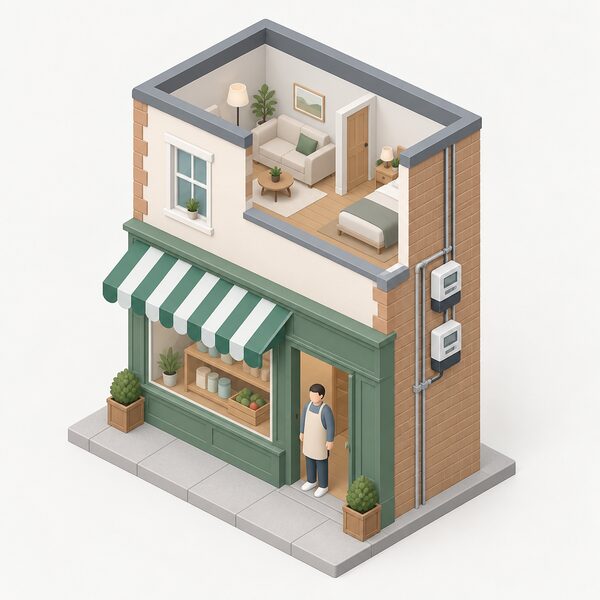
Only domestic consumers, micro-businesses and small businesses may apply to the Energy Ombudsman28. The scheme processes complaints for both domestic and small business consumers in the energy sector20. The business thresholds are tightly specified, and a household that also runs a business from the property may need to know which category an account falls into.
| Category | Employees | Turnover or balance sheet | Consumption test |
|---|---|---|---|
| Micro-business | Fewer than ten, or full-time equivalent24 | No greater than £2 million turnover or balance sheet24 | Not more than 100,000 kWh electricity or 293,000 kWh gas a year3 |
| Small business | Fewer than 50, or full-time equivalent3 | At most £6.5 million turnover, or £5.0 million balance sheet total3 | Not more than 200,000 kWh electricity or 500,000 kWh gas a year3 |
Territory is the other limit: the Ombudsman only handles disputes involving suppliers trading in Britain3. Northern Ireland has its own regulator and its own arrangements, covered under the Utility Regulator.
How to escalate: channels, evidence and the clock
A dispute can be registered free via the website, post, email or telephone24. Creating a case using the website is described as the fastest way to escalate a dispute for investigation29. The process starts by searching for the name of the energy supplier16. The supplier name must match the account holder's bill, which matters where a brand has been renamed: a dispute against Foxglove Energy, for instance, shows in the Dispute Resolution Platform as "Outfox Energy"30.
| Channel | Detail |
|---|---|
| Website | Fastest route; search for the supplier name29 |
| Telephone | 0330 440 1624, option 3 for heat networks3 |
| enquiry@energyombudsman.org29 | |
| Post | Energy Ombudsman, P.O. Box 966, Warrington, WA4 9DF29 |
Three conditions must all be met before a case is accepted: the complaint has already been made to the company; the supplier has been allowed 8 weeks to resolve it or a deadlock letter has been received29; and there is sufficient evidence to support the case, including the date the complaint was raised16. Once a case is open, the consumer has up to 14 days to upload evidence3.
What follows is an evidence-based review rather than a hearing. Ofgem describes the Ombudsman asking the consumer to send information and evidence, reviewing evidence from both the consumer and the energy company, informing the consumer of its decision within 6 weeks, and giving the energy company a set of actions to resolve the problem2. The Ombudsman's own figure is that on average most disputes are resolved within 6 weeks of it receiving evidence from both parties4.
Not every case runs the full course. Under Facilitated Complaints Resolution, a participating energy supplier, energy broker or heat network is notified through the case management system and may make an offer; if the consumer does not accept the offer, or the company does not make one, the dispute moves on to a full investigation as normal31.
What the Ombudsman can order, and what it cannot

The remedies are practical, corrective and capped. Suppliers can be told to take practical action, such as crediting or cancelling an account or changing a tariff, to make an apology, or to offer a financial award, or a combination of these, and recommendations may be made to prevent issues happening again4. Financial awards are based on the cost of putting things right, such as ensuring the consumer has been charged accurately, clearing unfair charges or fixing faults4. Where a supplier has not made a standard compensation payment required by the guaranteed standards, the Ombudsman will make an award that ensures the consumer is compensated in line with the regulations32.
| Dispute type | Maximum financial award |
|---|---|
| Energy suppliers, domestic | Up to £10,0004 |
| Energy suppliers, small business | Up to £20,0004 |
| Energy brokers | Up to £10,0004 |
| Flexibility service providers, domestic | Up to £10,0004 |
| Flexibility service providers, micro-business only | Up to £20,0004 |
The gap between the ceiling and the reality is wide. The average award is around £5020. A household expecting a large payment for inconvenience alone is likely to be disappointed: the award follows the cost of correction, not the distress.
"However, we can't: - Punish companies - Dictate how companies operate - Issue fines"
Those three exclusions define the scheme. Enforcement against a supplier that repeatedly breaches its licence is the regulator's job, not the Ombudsman's, and a household's individual award does nothing to change a company's behaviour beyond the recommendations the Ombudsman may attach.
After the decision: 28 days, and who is bound
Accepting a decision starts a short, firm clock. When the consumer accepts the resolution decided, the supplier is obliged to implement it within 28 days3, and the Ombudsman states the same period in its consumer guidance20.
The asymmetry in the scheme is deliberate. Decisions bind the energy company but not the consumer5. A household that rejects a decision is not signed up to it, and the company remains bound only if the consumer accepts. There is no internal appeal tier described for a household that dislikes an outcome; the alternative is simply not to accept it.
Related schemes run their own review clocks, which is worth knowing where a complaint touches a grant rather than a supply account. Under the Boiler Upgrade Scheme, Ofgem will notify the installer, and any other person affected by a decision, of the result within 21 days of concluding the review33. The Welsh Nest home energy support scheme states that its team will escalate a complaint if needed and, if relevant, advise of the applicable appeals procedure, with complaints to be raised no longer than twelve months after the event itself34.
Where redress runs out
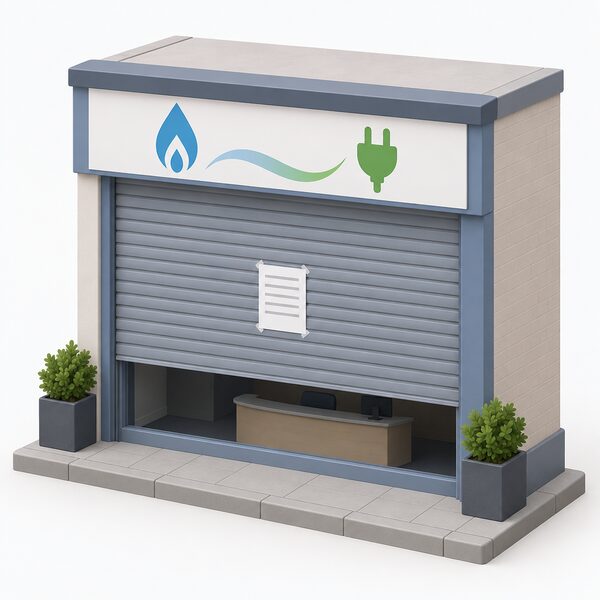
Some disputes have no Ombudsman route at all, and the most consequential gap concerns failed suppliers. The Energy Ombudsman will not consider disputes against a supplier that has ceased trading, as the supplier will not be able to respond, and for the same reason it is not able to progress any cases already open on its systems35.
The mechanics of that transfer are set out under supplier failure and Supplier of Last Resort. The same hazard applies outside supply: a parliamentary briefing records a Green Deal complaint about Home Energy and Lifestyle Management Ltd, a company which has gone out of business13. A warranty or a commitment from a firm that no longer exists is not a route to redress.
Other exclusions are explicit. The Ombudsman does not deal with disputes on commercial decisions made by companies about whether to provide a product or service, or on liquid petroleum gas (LPG)19. Nor does it cover other sectors: travel, retail, insurance, employment, financial products or banking fall to other schemes, and there are over 20 Ombudsman schemes in the UK16. Installation quality and workmanship disputes often sit with a consumer code rather than the Ombudsman, covered under installer schemes and consumer codes.
The practical reading for a household is that redress protects the account, not the asset. A wrongly billed heat charge or a botched connection has a clear route. A defunct installer, a failed supplier's unpaid credit dispute, or an LPG tank contract does not.
Free advice: Citizens Advice, Energyadvice.scot and the Extra Help Unit
Advice is separate from redress, free, and available at any point. The Citizens Advice free consumer service can help people in England or Wales who have problems with their energy bills or supply6. In Scotland, Energyadvice.scot runs a free service for Scottish citizens who have questions about their energy supplier, want to understand their supplier's complaints process, or have problems with their energy bills11.
| Nation | Free advice service |
|---|---|
| England | Citizens Advice consumer service6 |
| Wales | Citizens Advice consumer service6 |
| Scotland | Energyadvice.scot2 |
There is a further tier for cases that cannot wait or cannot be handled alone. The advice service may refer a household to the Extra Help Unit where it needs support with a difficult or urgent complaint, cannot deal with the energy supplier on its own due to personal circumstances, is considered vulnerable, or is at risk of being disconnected from an energy supply2. That last category overlaps with the protections described under prepayment and vulnerable customer rules.
Businesses have a separate first port of call: help with small business or microbusiness energy bills comes through the relevant UK government business support helpline11.
What redress means for a self-sufficient household
Redress is a backstop on dependence, not a route out of it. Every one of these mechanisms presumes a continuing relationship with a supplier, a network operator or a heat network. The service is free to the consumer, and its reach has widened rather than narrowed: heat network disputes from 1st April 2025, and disputes with a number of flexibility service providers from 8th January 202636. Most disputes are resolved within 6 weeks of both parties submitting evidence, and the most common financial award is around £50, a Time and Trouble Award5. What redress cannot do is reduce the number of counterparties a household depends on.
The dependencies the process itself leaves in place are worth stating plainly. A household relies on the company to log the complaint date correctly, since the evidence requirement rests on it16. It relies on the company still trading35. It relies on falling inside a defined counterparty category, which excludes LPG and commercial refusals to supply19. And it relies on the company to implement the remedy within the 28 days, with the regulator, not the Ombudsman, holding the enforcement powers if it does not3.
Where a home generates, stores or exports its own energy, the redress map shifts but does not disappear: Feed-in Tariff generators and Smart Export Guarantee participants use the same eight-week escalation to the Ombudsman14, and flexibility service providers entered scope only on 8 January 2026, and then only for a number of providers23. Independence reduces the frequency of disputes; it does not remove the need to know the route.
Sources36 cited
- Understanding your rights, Energy Ombudsman, 2026-09-20
- Complain about your energy supplier or network operator, Ofgem, 2026
- Energy Ombudsman FAQs, Energy Ombudsman, 2026-09-19
- What to expect from the Energy Ombudsman, Energy Ombudsman, 2026-09-19
- How to complain about your energy company, Ofgem, 2014-08
- Complain about your energy supplier or network operator, Ofgem, 2026
- EV tariffs and home charging: what consumers need to know, Energy Ombudsman, 2026-09-11
- Eight week and deadlock letter supplier guidance, Ofgem, 2020-02
- Disputes where a company believes it has acted appropriately, Energy Ombudsman, 2026-09-20
- Decarbonising heat in homes, UK Parliament, 2022-05-18
- Complain about your energy supplier, Ofgem, 2026
- Heat networks regulation: consumer protection guidance decision, Ofgem, 2026-01-13
- Energy consumer redress briefing, House of Commons Library, 2026-05-13
- Guidance for FIT generators, Ofgem, 2026-04-01
- Energy Ombudsman H1 2026 data, Energy Ombudsman, 2026-08-24
- Raise a dispute: eligibility checklist, Energy Ombudsman, 2026-09-19
- Smart meters: your rights and expectations, GOV.UK, 2025-08-08
- Final decision on smart meter guaranteed standards, Ofgem, 2026-01-30
- How we can help: energy suppliers, Energy Ombudsman, 2026-09-20
- We may be able to help resolve your energy dispute, Energy Ombudsman, 2026-09-20
- Deemed contracts and rates, Energy Ombudsman, 2026-09-20
- How we can help: network operators, Energy Ombudsman, 2026-09-20
- How we can help, Energy Ombudsman, 2026-09-19
- Information for disputes with flexibility service providers, Energy Ombudsman, 2026-09-20
- Heat networks consumer protections draft guidance, Ofgem, 2025-09-05
- Heat networks briefing, House of Commons Library, 2026-09-17
- Heat networks affected by the Energy Prices Act 2022, Energy Ombudsman, 2026-09-20
- Feed-in Tariff dispute resolution, Ofgem, 2026-09-17
- Creating a case with the Energy Ombudsman, Energy Ombudsman, 2026-09-20
- Raise a dispute: Foxglove Energy, Energy Ombudsman, 2026-09-19
- Facilitated Complaints Resolution, Energy Ombudsman, 2026-09-20
- New guaranteed standards from 1 May 2020, Energy Ombudsman, 2026-09-20
- Boiler Upgrade Scheme guidance for installers, Ofgem, 2026-07-02
- Nest home energy support scheme customer service and complaints policy, Welsh Government, 2024-04-01
- Supplier of Last Resort information, Energy Ombudsman, 2026-09-20
- One million consumers helped as service marks 20 years, Energy Ombudsman, 2026-07-07
 Complaining About a SupplierHow do you complain about your energy supplier, and how long should it take?
 OfgemOfgem sets the rules energy suppliers and network companies must follow, including the price cap on standard tariffs.
 Scams and Mis-SellingHow energy supplier scams present, what the doorstep and phone selling rules require, the redress available when a contract was mis-sold, and how the Energy Ombudsman handles a dispute.
 Customer Service RatingsWhich energy suppliers answer the phone quickly and deal with complaints properly?
 Complain About Energy SupplierThe order of a complaint: the supplier's own procedure, the eight-week point or deadlock, and referral to the Energy Ombudsman in Great Britain or the Consumer Council in Northern Ireland.
 Heat Network RegulationYour home is heated by a shared network instead of your own boiler.