
In this guide
Hydrogen is not heating any UK home today, and no policy in force commits the country to heating homes with it. Government statistics state plainly that hydrogen boilers are not currently available in the UK1. The decision that would settle the question has been pushed back: the government committed in its October 2021 Heat and Buildings Strategy to decide on the role of hydrogen for heating in 2026, and the Public Accounts Committee recorded that no strategic decision is expected before then2.
What exists instead is a policy framework, a set of trial commitments and a standards programme. The Heat and Buildings Strategy, published in October 2021, set out the government's plan to cut carbon emissions from the UK's 30 million homes and workplaces4. Heating buildings accounted for about 23% of all UK emissions in 2019, and buildings heating and hot water for 20% of UK greenhouse gas emissions5. Hydrogen was one of several candidate answers, alongside heat pumps, heat networks and biomethane.
The practical position for a household on mains gas is therefore one of waiting rather than choosing. No hydrogen boiler is on general sale, no blend is being supplied to homes under this policy, and the village and town trials that were meant to test the idea did not produce a live hydrogen-heated community. This page sets out what the policy says, what the figures show, how the four nations differ, and what remains unresolved.
The short answer: a live question with no decision attached
The short answer is that hydrogen for home heating is a live policy question with no decision attached to it yet, and no product a household can buy. The Heat and Buildings Strategy sets out the government's plan to significantly cut carbon emissions from the UK's 30 million homes and workplaces in a simple, low-cost and green way while ensuring this remains affordable and fair4. Hydrogen sits inside that plan as one option among several, not as the chosen route.
The timeline has slipped. The Draft Heat in Buildings Strategy recorded UK government support for industry to begin a neighbourhood trial by 2023 and a large hydrogen village trial by 2025, as well as a hydrogen town before the end of the decade8. Those were commitments to trial the idea, not to deploy it. The strategic decision that would follow the trials was not expected until 20263. The government committed in its October 2021 Heat and Buildings Strategy to decide on the role of hydrogen for heating in 20262.
For a household, the consequence is that hydrogen cannot be planned around. A boiler bought today runs on natural gas, and the network continues to supply natural gas. The Climate Change Committee's assessment of hydrogen in a low carbon economy found it is a credible option to help decarbonise the UK energy system, but its role depends on early Government commitment and improved support to develop the UK's industrial capability11. That is a conditional judgement, not an endorsement of hydrogen for heating specifically.
The Heat and Buildings Strategy itself was assessed by the Climate Change Committee as having laid out important high-level decisions on the UK's approach to reducing emissions from heating buildings, but with plans not yet comprehensive or complete and significant delivery risks remaining12. The hydrogen question inherits that uncertainty.
The figures: emissions, gas penalty and the installed base

The figures that matter fall into three groups: how much of UK emissions heating represents, how much gas hydrogen heating would consume, and how the alternatives compare.
Heating buildings accounted for about 23% of all UK emissions in 2019, and buildings heating and hot water for 20% of UK greenhouse gas emissions5. That is the size of the problem the policy is trying to solve. The Climate Change Committee called in 2019 for a much stronger policy framework for buildings decarbonisation over the next three decades6.
The most consequential figure for hydrogen is the gas penalty. A parliamentary consultation found that if using blue and grey hydrogen methods, heating UK homes would require 45% more fossil gas than today7. Blue hydrogen is made from fossil gas with carbon capture; grey hydrogen from fossil gas without it. Both increase the volume of gas the country must source. Green hydrogen, made from renewable electricity, does not carry that penalty, but the volumes required to heat homes are large.
| Measure | Figure | As of | Source |
|---|---|---|---|
| Heating share of UK emissions | about 23% | 2019 | 5 |
| Buildings heating and hot water share of UK greenhouse gas emissions | 20% | 2019 | 6 |
| Extra fossil gas needed for blue and grey hydrogen heating | 45% more than today | 2023 | 7 |
| UK domestic properties with hydronic central heating | over 85% | 2021 | 10 |
| Biomethane feedstock potential | 50TWh by 2030, up to 120TWh by 2050 | 2025 | 13 |
| Biomethane sites connected to the grid | 130 | 2025 | 13 |
The hydronic heating figure matters because it describes the installed base any gas-grid solution would have to serve. Over 85% of UK domestic properties have hydronic (water-based) central heating systems, which can be retrofitted10. That is the physical reason hydrogen and biomethane are discussed at all: the pipework and radiators already exist.
What drives the policy position
Three forces drive the hydrogen policy position: the emissions target, the cost and disruption of replacing the installed heating base, and the industrial capability argument.
The emissions target is the starting point. Heating buildings produced about 23% of all UK emissions in 20195. The Heat and Buildings Strategy set out specific deadlines for when gas and oil boilers should be phased out, new long-term policies for low-carbon heat, and new funding for heat networks, public buildings and the fuel poor4. Hydrogen is one of the technologies those policies could support.
The installed base is the second driver. Over 85% of UK domestic properties have hydronic central heating10. Replacing that with heat pumps requires insulation, radiator resizing and often electrical upgrades. Hydrogen, in principle, reuses the pipework. That is the attraction, and it is why the standards work has focused on appliances rather than on homes.
The industrial capability argument is the third. The Climate Change Committee found hydrogen is a credible option to help decarbonise the UK energy system but its role depends on early Government commitment and improved support to develop the UK's industrial capability11. The Hy4Heat programme was set up with heating appliance manufacturers developing domestic hydrogen appliances to demonstrate the safe use of hydrogen as a fuel in providing domestic heating, hot water and cooking requirements14. That is a demonstration programme, not a market.
The government has also pursued supply-side policies, including obligations on boiler and heat pump manufacturers and potentially energy companies to deliver a certain number of low carbon heat installations each year4. Those obligations shape what gets installed regardless of the hydrogen decision.
"heating appliance manufacturers are developing domestic hydrogen appliances to demonstrate the safe use of hydrogen as a fuel in providing domestic heating, hot water and cooking requirements"
How the four nations differ

Heat policy is devolved in different degrees, and the hydrogen position reflects that. In Scotland heat policy is devolved, but consumer protection is reserved to the UK Parliament15. That split matters because a Scottish household's protection as a consumer is set in Westminster while the route to zero emissions heat is set in Edinburgh.
Scotland's Heat in Buildings Strategy states that it does not have all the powers to deliver zero emissions and needs UK Government changes or more powers for the Scottish Government16. It also asks the UK Government to look at energy prices so more people will change to zero emissions heat16. Scotland defines low and zero emissions heating systems to include systems that have zero direct greenhouse gas emissions such as individual electric heat pumps and connections to heat networks, or electric systems such as storage heaters, and systems that have very low emissions such as those that use hydrogen17. Hydrogen is therefore inside Scotland's definition, but not privileged within it.
Wales frames hydrogen's role more narrowly. The Welsh heat strategy states that hydrogen's role will be in defined zones for high-temperature industry, as well as for wider net zero solutions prioritised by how useful hydrogen will be, known as the hydrogen ladder18. That is a hierarchy that puts industry ahead of home heating.
Planning guidance differs too. The Planning Portal's heat pump guidance relates to the planning regime for England, and policy in Wales may differ19. The same applies to its boilers and heating guidance20. Scotland's National Planning Framework includes Policy 19, which helps to decarbonise heat21, and planning and consenting guidance for developers wishing to construct hydrogen projects in Scotland was expected early in 202621.
| Nation | Hydrogen position | Source |
|---|---|---|
| Scotland | Hydrogen inside the low and zero emissions definition; heat policy devolved, consumer protection reserved | 15 |
| Wales | Hydrogen's role in defined zones for high-temperature industry, prioritised by the hydrogen ladder | 18 |
| England | Planning guidance covers England only; policy in Wales may differ | 19 |
| Northern Ireland | Consumer protection and energy regulation sit with the Utility Regulator | 15 |
The rules: decision date, 2035 standard and trials
The rules around hydrogen heating are mostly about what must happen before anything is installed, rather than what a household may do now.
The central rule is the decision date. The government committed in its October 2021 Heat and Buildings Strategy to decide on the role of hydrogen for heating in 20262. Until that decision, no policy commits the country to hydrogen heating, and no appliance is approved for general sale. Government statistics confirm hydrogen boilers are not currently available in the UK1.
The second rule is the 2035 installation standard. By 2035, all new heating systems installed in UK homes will either be low-carbon technologies or support new technologies like hydrogen-ready boilers9. That is a standard for what may be installed, and it leaves room for hydrogen-ready appliances without requiring hydrogen to be supplied.
The third is the trial framework. The Draft Heat in Buildings Strategy recorded support for a neighbourhood trial by 2023, a large hydrogen village trial by 2025, and a hydrogen town before the end of the decade8. Those trials were the evidence base for the 2026 decision. No live hydrogen village heating UK homes resulted from them.
The fourth is the standards work. Baxi Heating UK Ltd told a parliamentary committee that the next phase in the UK's development of 100% hydrogen heating must take place over the next five years22. That is a manufacturer's view of the timetable, not a government commitment.
Energy independence: what hydrogen would and would not change
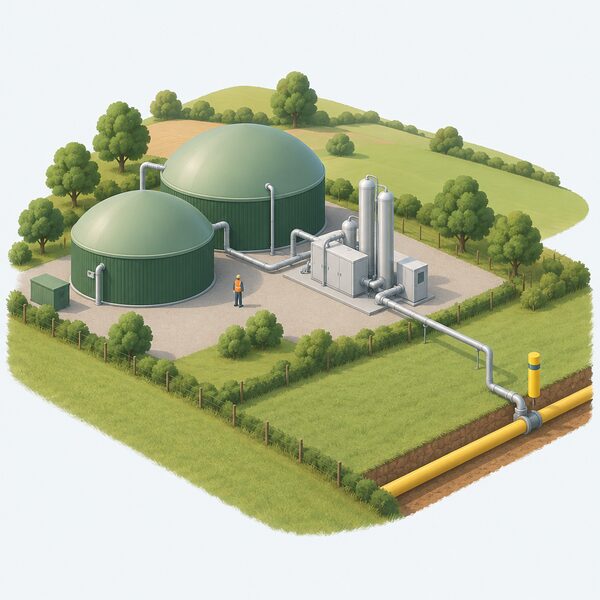
Hydrogen's contribution to a household's energy independence depends entirely on how it is made, and the policy does not settle that. The British energy security strategy sets out how Great Britain will accelerate homegrown power for greater energy independence23. Whether hydrogen heating serves that goal or undermines it turns on the production route.
The gas penalty is the central risk. If using blue and grey hydrogen methods, heating UK homes would require 45% more fossil gas than today7. Blue and grey hydrogen are made from fossil gas, so a hydrogen heating system built on them increases the volume of gas the country must source, and with it the exposure to imported gas and price spikes. That is the opposite of independence.
Green hydrogen, made from UK renewable electricity, does not carry that penalty, but the volumes needed to heat homes are large and the policy does not commit to them. The Climate Change Committee's assessment found hydrogen is a credible option to help decarbonise the UK energy system but its role depends on early Government commitment and improved support to develop the UK's industrial capability11. That is a conditional case, not a settled one.
The Heat and Buildings Strategy's own stated benefit is that delivering on its goals will help to protect UK consumers from future price spikes and increase energy security by reducing energy needs and shifting demand from gas to electricity, which in future will be predominantly supplied from UK-based renewable generation12. That sentence describes a shift away from gas, not a shift to hydrogen. Hydrogen heating, on the blue and grey route, would keep the gas dependence in place.
Biomethane is the other gas-grid option and it substitutes rather than transforms. It is molecularly identical to fossil gas, meaning it can be supplied through existing pipelines and is entirely compatible with existing gas systems used by households, commercial businesses and industrial sites13. Industry research puts sustainable feedstock at 50TWh by 2030 and up to 120TWh by 2050, with 130 biomethane sites already connected to the grid and capacity to heat up to one million homes13. In Scotland, biomethane contributed 14% of renewable heat output in 2019 and 147 GWh of the total 2018-19 growth in output of 239 GWh24.
The alternatives the policy is actually delivering
While the hydrogen decision waits, the policy is delivering heat pumps. Government statistics monitor the number of hydronic heat pumps with a capacity up to 45kW installed in the United Kingdom1. In 2025 Q2, April to June, there were 10,852 government-supported air source heat pump installations, and ECO accounted for 31% of government-supported installations in the year ending June 202525.
Those figures describe what is being installed now, against a hydrogen option that is not available. The Climate Change Committee's independent assessment of the Heat and Buildings Strategy found it has laid out important high-level decisions on the UK's approach to reducing emissions from heating buildings, but plans are not yet comprehensive or complete and significant delivery risks remain12. Its advisory group work on making effective policy sits alongside that assessment26.
For a household, the practical comparison is between technologies that exist and one that does not. Heat pumps, heat networks and biomethane are deliverable within current rules. Hydrogen heating is a decision waiting on 2026. The UK home energy regulation and policy guide sets out how those decisions are made, and the heat pump target page covers the deployment figures in more detail.
Sources26 cited
- Heat pump deployment statistics: December 2025, GOV.UK, 2026-03-12
- Public Accounts Committee: Heat and Buildings Strategy, UK Parliament, 2024
- Better transparency is no substitute for real delivery, Climate Change Committee, 2023-06-28
- Heat and Buildings Strategy, GOV.UK, 2021-10-19
- Heat and Building Strategy accessible webpage, GOV.UK, 2019
- Next Steps for UK Heat Policy, Climate Change Committee, 2017-06-14
- Heat and Buildings Strategy consultation, UK Parliament, 2023-05-24
- Draft Heat in Buildings Strategy, Scottish Government, 2021-02
- Ditching costly gas and oil is cheaper thanks to heat pump scheme, GOV.UK, 2035
- Heat Market Mechanism Consultation, UK Parliament, 2021-10
- Hydrogen in a low carbon economy, Climate Change Committee, 2019-07-01
- Taking stock of the UK government's Heat and Buildings Strategy, Climate Change Committee, 2022-03-16
- The role of biomethane in reaching net zero, IGEM, 2025-05
- Hy4Heat written evidence, UK Parliament, 2020-10
- Heat networks research briefing, House of Commons Library, 2026-09-17
- Heat in Buildings Strategy easy read, Scottish Government, 2022-03-07
- Scottish Building Regulations proposed changes, Scottish Government, 2021-07-23
- Draft heat strategy for Wales, Welsh Government, 2023-08-16
- Heat pumps planning guidance, Planning Portal, 2026-09-17
- Boilers and heating planning guidance, Planning Portal, 2026-09-17
- National Planning Framework 4, Scottish Government, 2023-02-13
- Baxi Heating UK Ltd written evidence, UK Parliament, 2026
- British energy security strategy, GOV.UK, 2022-04-07
- Update on renewable heat target and action, Scottish Government, 2019
- Heat pump deployment quarterly statistics United Kingdom 2025 Q2, GOV.UK, 2025
- Making effective policy, Climate Change Committee, 2022
 Hydrogen Home Heating TrialsHydrogen home heating is still being tested, not sold.
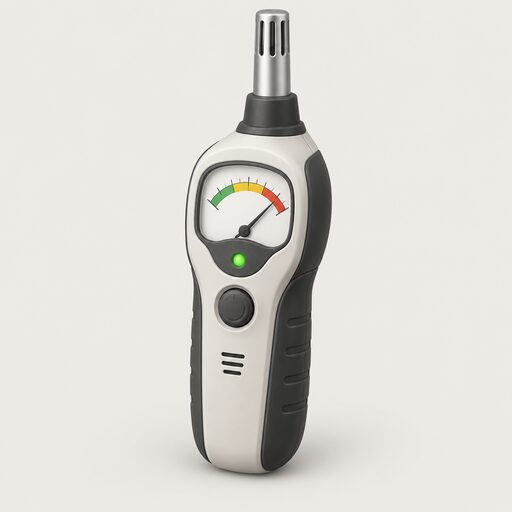 Hydrogen Safety in the HomeCan hydrogen actually be used to heat UK homes, and is it safe?
 The Full New Technology GuideWhich new home energy ideas can you actually buy in the UK right now, and which are still stuck in trials?
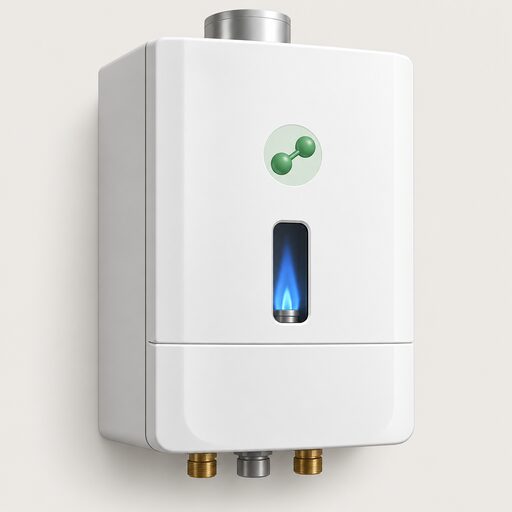 Hydrogen-Ready BoilersWhat manufacturers mean by hydrogen-ready and hydrogen-blend-capable, what conversion would require, and the state of UK hydrogen heating trials and decisions.
 Home HeatingMost Welsh homes still run on mains gas, so what are the alternatives in rural areas?
 The Full Boilers and Heating GuideWhich boiler suits your home, and when is it worth swapping the old one?