
In this guide
Octopus Energy is the largest supplier of electricity in Great Britain and the second largest for gas, after British Gas1. It supplies 25.7% of electricity customers and 25.9% of gas customers2. Its standard variable tariff is called Flexible Octopus, and for the July to September 2026 price cap period the Ofgem cap was set at £1,664 while Octopus Flexible sat at £1,6513.
The company's tariffs divide into three broad groups: the Flexible Octopus standard variable rate, fixed deals, and time-of-use products such as Agile Octopus and Octopus Cosy. On the export side, its standard Smart Export Guarantee tariff pays 4.1p per kWh, Outgoing Octopus pays 12p per kWh, and Outgoing Octopus Agile averaged 9.09p per kWh4. Customer satisfaction scores from Ofgem put Octopus at 90% overall satisfaction in January 2026, the only supplier significantly above the average that month6.
Octopus Energy at a glance: scale, ownership and licences
Octopus Energy holds its supply licences through four companies: Octopus Energy Limited, Octopus Energy Operations Limited, Octopus Energy Operations 2 Limited and Octopus Energy Trading Limited8. That structure matters for a household because the licence holder named on a bill is the entity with regulatory obligations, not the brand.
The company's shareholder base is international. Other shareholders include Origin of Australia, Tokyo Gas of Japan, Generation of the United States and the Canadian CPP Investment board9. That is a different ownership profile from the older British suppliers, and it means the ultimate parent interests sit outside the UK even though the supply business is licensed and regulated here.
Octopus also administers other brands. All Co-op Energy tariffs are administered by Octopus and come with 100% renewable electricity10. The company's green tariffs are listed as containing up to 100% renewable electricity for the period 1 April 2024 to 31 March 202510.
Scale brings both advantages and a form of dependence. A supplier of this size can fund customer support programmes and smart tariff development that smaller suppliers cannot. It also means the household's energy supply, billing relationship and any export payments run through a single commercial entity whose pricing decisions, and whose continued solvency, sit outside the household's control. The Co-op Energy arrangement shows how that reach extends: customers of another brand are, in practice, Octopus customers.
Tariffs: Flexible Octopus, fixed deals and time-of-use options
Flexible Octopus is the default standard variable tariff. It moves with the Ofgem price cap, which changes every three months11. For the April to July 2026 cap period the cap fell to £1,477 under new Typical Domestic Consumption Values, and Octopus's standard variable price was £1,4603. For July to September 2026 the cap was set at £1,664 and Octopus Flexible at £1,6513. The gap between the two figures is small and moves with each cap announcement.
Beyond the standard variable rate, the tariff landscape splits into fixed deals and time-of-use products. Time-of-use tariffs charge different prices for energy at different times of day, or on different days12. They are completely optional12. Dynamic time-of-use tariffs go further: prices can vary continually and are calculated in real-time depending on various factors13. Octopus's Agile tariff sits in that category, and the company has capped unit rates on it at 100p per kWh to protect customers from the biggest shocks14. Customers on Agile find out the electricity unit rates they will pay for the next 24 hours between 4pm and 8pm daily, and the company states that price spikes are short-lived, typically lasting 30 minutes to an hour14.
Octopus Cosy is the heat pump oriented time-of-use product. Heat pump modelling published by the government's clean energy campaign used Octopus Cosy tariff prices and the Ofgem energy price cap over the period July 2023 to July 2024, assuming no gas standing charge15.
| Tariff | Type | Key figure | Date |
|---|---|---|---|
| Flexible Octopus | Standard variable | £1,651 for July to September 20263 | 2026-07 |
| Agile Octopus | Dynamic time-of-use | Unit rates capped at 100p per kWh14 | 2026-04 |
| Octopus Cosy | Time-of-use, heat pump | Used in modelling July 2023 to July 202415 | 2026-09 |
| Outgoing Octopus | Export, fixed | 12p per kWh, no fixed end date5 | 2026-05 |
| Outgoing Octopus Agile | Export, dynamic | 9.09p per kWh average5 | 2026-04 |
A household considering a time-of-use tariff should check the flexibility built into it. Independent guidance suggests asking about any flexibility in the tariff, such as the ability to switch between tariffs or opt out of time-of-use pricing16. That question matters because a tariff that rewards load shifting only works if the household can actually shift load, and because exit terms vary.
How Octopus tariffs compare with the Ofgem price cap
The price cap is not a cap on a household's total bill. It limits the unit rate and standing charge a supplier can charge for a given consumption level, and it changes every three months11. For the period 1 July to 30 September 2026 the cap was set at £1,6643. Within that period, the electricity unit rate change was +0.21p per kWh, a rise of 0.8%, and the gas unit rate change was +0.64p per kWh, a rise of 8.7%17. The electricity standing charge fell 4.1% and the gas standing charge fell 5.5% over the same window17.
Octopus's standard variable tariff has tracked just below the cap. For April to July 2026 the cap was £1,477 and Octopus's standard variable price was £1,4603. For July to September 2026 the cap was £1,664 and Octopus Flexible was £1,6513. The pattern is consistent: the supplier prices its default tariff marginally under the cap level rather than at it.
VAT is added at 5% on top of the figures quoted18. That is worth stating plainly because cap figures and tariff headline rates are usually quoted before VAT, and a household comparing a quoted rate with a bill needs to know which basis it is on.
The cap itself has a history worth understanding. It was introduced and has been adjusted repeatedly since 2019, and the levels have moved sharply with wholesale prices19. A household on Flexible Octopus is therefore exposed to each quarterly announcement, while a fixed deal removes that exposure for its term at the cost of forgoing any fall. The comparison between the two is set out in fixed tariff vs staying on the price cap.
Octopus has also taken part in standing charge reform. Ofgem's one-year lower standing charge pilot began in April 2026, with British Gas, EDF, E.ON Next and Octopus offering eligible customers a lower standing charge tariff20. In July 2026 Octopus introduced its lower standing charge tariff trial to a limited number of homes20. The structure of standing charges, and what they pay for, is covered in standing charges.
Export tariffs and Smart Export Guarantee rates
Octopus pays for exported electricity through several routes, and the rates differ sharply. The standard Smart Export Guarantee tariff pays 4.1p per kWh4. Outgoing Octopus pays 12p per kWh on a fixed rate with no fixed end date5. Outgoing Octopus Agile averaged 9.09p per kWh, paid based on real-time energy pricing varying every half hour, and is available to Octopus Energy customers with solar panels5.
The highest published rate is on Intelligent Octopus Flux Export, which averaged 27p per kWh and was the second highest rate available in the SEG Year 5 report21. That tariff was available to customers on the Intelligent Flux import tariff who had solar PV and battery storage but also allowed Octopus to control their battery exports21. It was taken offline to new customers in April 2026, and Octopus temporarily paused new sign-ups for its Flux tariffs, including Intelligent Octopus Flux, in March 202621.
The regulatory floor matters here. In the SEG Year 5 report, the lowest tied and untied tariffs were 5p per kWh (Octopus) and 1p per kWh (E Energy) respectively21. Octopus's standard SEG rate of 4.1p per kWh sits below that reported tied-tariff floor, which shows how much the rate depends on which tariff a household is on rather than on the scheme itself4.
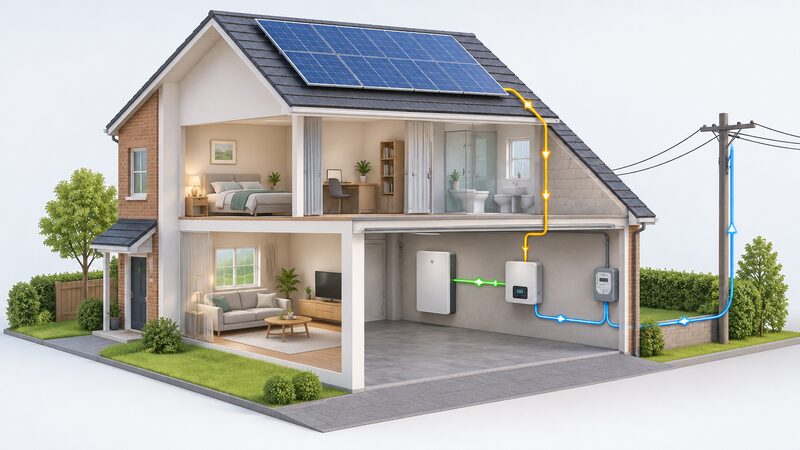
Applying is direct. A household can apply directly to an SEG licensee, such as Octopus Energy, to receive payments for exported electricity22. Some tariffs also pay for exporting at peak times, with Octopus Flux given as the example14. Combining a time-of-use import tariff with an export plan is a recognised approach: Outgoing Octopus pays a fixed rate of 15p per kWh for excess solar energy exported to the grid in the guidance that describes it22.
Billing: what an Octopus bill shows and how you can pay

An Octopus bill is laid out in two main parts. Page one gives an overview of charges for the billing period, the current balance, and personal information including the customer's address, meter numbers and account number23. Page two breaks the overall charges down into kilowatt-hour usage with unit rates and standing charge calculations, the tariff name on the right-hand side, and any Energy Price Guarantee adjustment23.
The company has worked on making that layout easier to read. Octopus Energy described plain-language billing developed in collaboration with Plain Numbers to help consumers understand their bills19. That is a presentation change rather than a pricing one, but it bears on a household's ability to check what it is being charged.
On payment, Octopus has outlined offering weekly or fortnightly direct debits, with payments reviewed and adjusted more easily19. That is unusual: most suppliers work on a monthly direct debit cycle, and the standard billing cycle on Octopus export tariffs is monthly5. Households wanting a different rhythm have to ask, because the arrangement is not automatic.
Refunds are a common reason to call. Where a credit balance has built up, the supplier's process and the household's rights are set out in what to do if your supplier won't refund your credit. The wider mechanics of direct debit levels and credit balances are covered in direct debit payments and credit balances.
Customer service and satisfaction: what the surveys show
The independent survey evidence on Octopus is unusually strong. Ofgem's January 2026 supplier-level findings put overall satisfaction at 90% satisfied or very satisfied, and customer service satisfaction at 86% satisfied or very satisfied6. The same report found a significantly higher proportion of Octopus Energy customers reported that they were satisfied or very satisfied with customer service than the average, and a significantly lower proportion said they were dissatisfied or very dissatisfied6. Octopus Energy was the only supplier with a significantly higher proportion of customers who said they were satisfied or very satisfied than the January 2026 average6. Dissatisfaction with customer service stood at 3%6.
The earlier Ofgem wave, covering July to August 2025, put overall satisfaction at 90% and customer service satisfaction at 84%, with 1% dissatisfied or very dissatisfied with customer service and 3% dissatisfied or very dissatisfied overall25. That survey had a sample of 876 respondents for Octopus Energy, including Your Co-op Energy and London Power25. Octopus Energy was the only supplier with a significantly higher proportion of customers who said they were satisfied or very satisfied than the GB average at 95% confidence25.
Citizens Advice scores tell a slightly more mixed story. For January to March 2026, Octopus Energy scored 5 out of 5 for customer commitments, 3.6 out of 5 for contact waiting time and 3.5 out of 5 for fewer complaints received7. The overall score was 3.67 out of 5, ranking 4th in the supplier comparison table7. Octopus Energy is also a Which? Recommended Provider5.
The pattern is consistent across sources: high satisfaction, strong commitments scoring, and a middling record on complaints volume and call waiting. A household weighing a switch should read those as separate measures rather than one verdict. The wider comparison framework is in switching energy supplier.
Contacting Octopus: phone, email and opening hours
Octopus Energy's telephone number is 0808 164 10887. Lines are open Monday to Thursday 9am to 5pm and Friday 9am to 4pm, and closed Saturday and Sunday7. The same number handles refund requests, with the same hours24. The email address is hello@octopus.energy7.
Two published contact addresses exist for the company. Ofgem's Feed-in Tariff licensee contact list gives Octopus Energy Limited a telephone number of 0808 164 1088 and an email of hello@octoenergy.com8. The supplier's own published address is hello@octopus.energy7. The two addresses differ by a single character in the domain, and the current one is the address published on the supplier's own site.
Average call centre wait time for January to March 2026 was 1 minute 17 seconds, with a contact waiting time rating of 3.6 out of 57. That is a short wait by the standards of the sector, though the rating suggests the experience varies.
For a household, the contact route matters more than it first appears. A supplier that answers quickly and adjusts direct debits on request gives a household more control over its cash flow. A supplier that is slow to answer leaves the household carrying a credit balance or an unexpected debit. The practical steps when a direct debit looks wrong are set out in how to challenge your supplier's direct debit increase.
What owning an Octopus account means for energy independence
An Octopus account delivers several things a household cannot easily get elsewhere: a large supplier with published satisfaction scores above the sector average, export tariffs that pay for solar generation, and time-of-use products that reward shifting load6. The export side is the clearest gain. A household with solar panels and a battery can be paid for what it exports, and on the higher-paying tariffs that payment is meaningful21.
The dependence is equally clear. The household remains connected to the grid and buys its electricity and gas from a single licensed supplier whose pricing follows the cap and whose shareholder base sits outside the UK9. Export payments depend on the supplier continuing to offer the tariff: Intelligent Octopus Flux Export, the highest-paying route at an average 27p per kWh, was taken offline to new customers in April 202621. A household that built its payback calculation on that rate has to recalculate.
Time-of-use tariffs add a further dependence on smart metering and, for dynamic products, on half-hourly price signals. Agile customers find out their rates for the next 24 hours between 4pm and 8pm daily, which means the household's cost of running appliances depends on a daily announcement14. The company has capped Agile unit rates at 100p per kWh, which limits the exposure but does not remove it14.
The broader question of what a supplier relationship can and cannot deliver for a household's energy independence is covered in energy bills and energy independence. The short version: an Octopus account improves the terms on which a household buys and sells electricity, and it does not change the fact that the household is buying it.
Sources25 cited
- Which? Energy Survey Results, Which?, 2026
- Big Six Energy Suppliers Guide, Uswitch, 2026
- Octopus Energy Price Changes, Uswitch, 2026
- Smart Export Guarantee, UK Parliament POST, 2026
- Smart Export Guarantee Rates: Best and Worst SEG Tariffs, Which?, 2026
- Customers' Satisfaction With Their Supplier: January 2026, Ofgem, 2026
- Octopus Energy Customer Service Details, Citizens Advice, 2026
- Feed-in Tariff Licensee Contact Details, Ofgem, 2026
- Which Energy Suppliers Are British?, Uswitch, 2026
- Green Energy, Uswitch, 2026
- Energy Efficient Heaters, Uswitch, 2026
- Time-of-Use Tariffs: The Benefits, Smart Energy GB, 2026
- Dynamic Time-of-Use Tariffs, UK Parliament POST, 2026
- Time-of-Use Tariffs Explained, Which?, 2026
- Heat Pump Guidance, Clean Energy Campaign, 2026
- Time-of-Use Tariffs: All You Need to Know, Energy Saving Trust, 2026
- About Fuel Poverty: Ofgem Price Cap, End Fuel Poverty Coalition, 2026
- The History of Ofgem's Energy Price Cap, Energy Helpline, 2026
- Consumer Vulnerability Strategy Progress Report, Ofgem, 2026
- Should I Get a No Standing Charge Tariff?, Uswitch, 2026
- Smart Export Guarantee Annual Report Year 5, Ofgem, 2025
- Integrating Solar Panels With EV Charging, Uswitch, 2026
- How Do I Read My Octopus Energy Bill?, Uswitch, 2025
- Energy Refunds, Uswitch, 2025
- Customers' Satisfaction With Their Supplier: July to August 2025, Ofgem, 2025
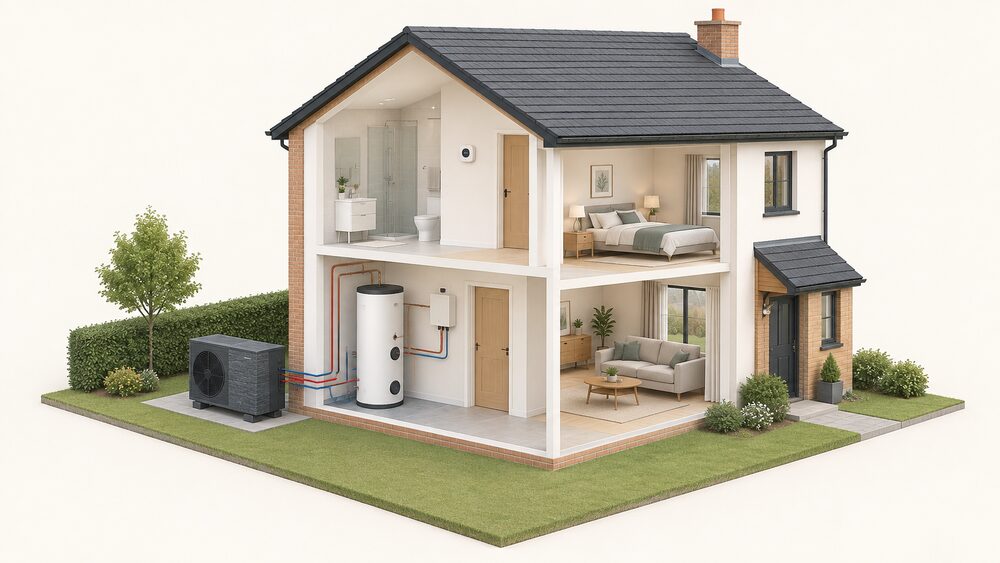 Octopus Energy heat pumps and the Cosy rangeOctopus Energy designs, makes and installs its own heat pumps in the UK, sold as the Cosy 6, Cosy 9 and Cosy 12 with a matching smart tariff, controls and an eight-year warranty on its own-brand units.
 Octopus Energy TariffsWondering what Octopus actually offers, and whether any of it suits your home?
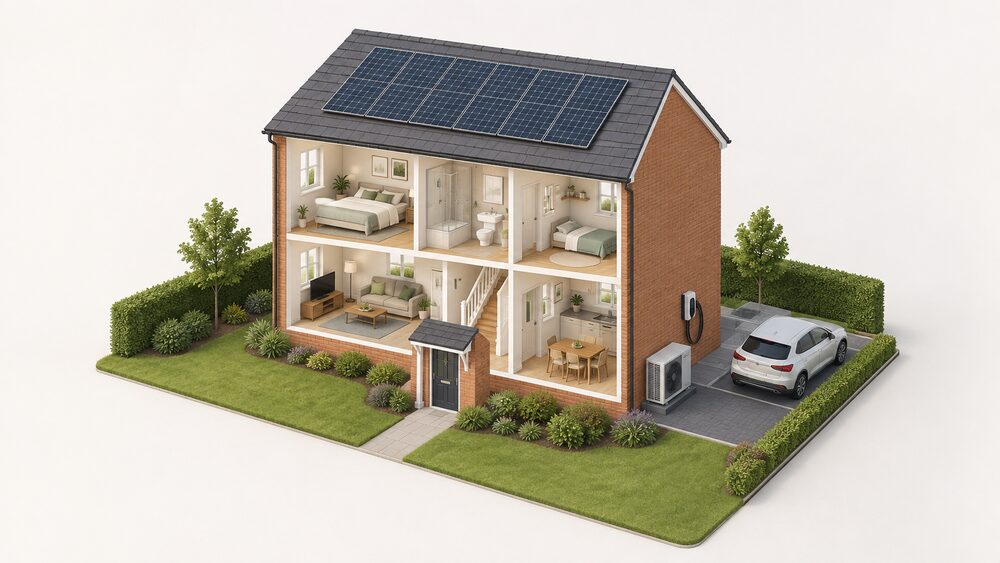 Octopus Energy Installation ServicesOctopus Energy Services installs heat pumps, solar panels and home EV chargepoints, backed by the Electroverse public charging network and smart tariffs.
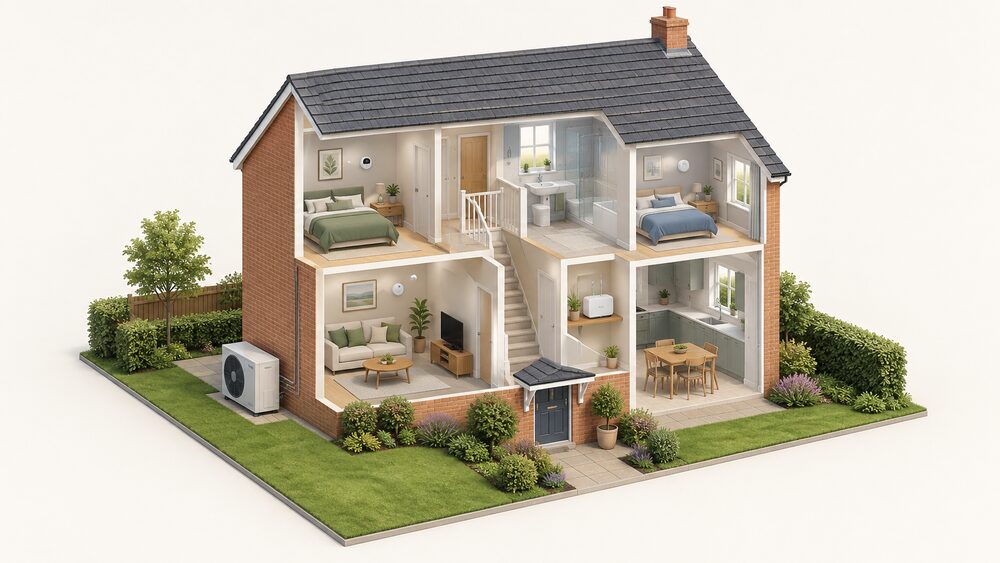 Octopus Cosy heat pumpsThe Octopus Cosy range explained: Cosy 6 output, what the package includes, which homes it suits, running costs on the Cosy tariff, Hush Mode and the Care Plan.
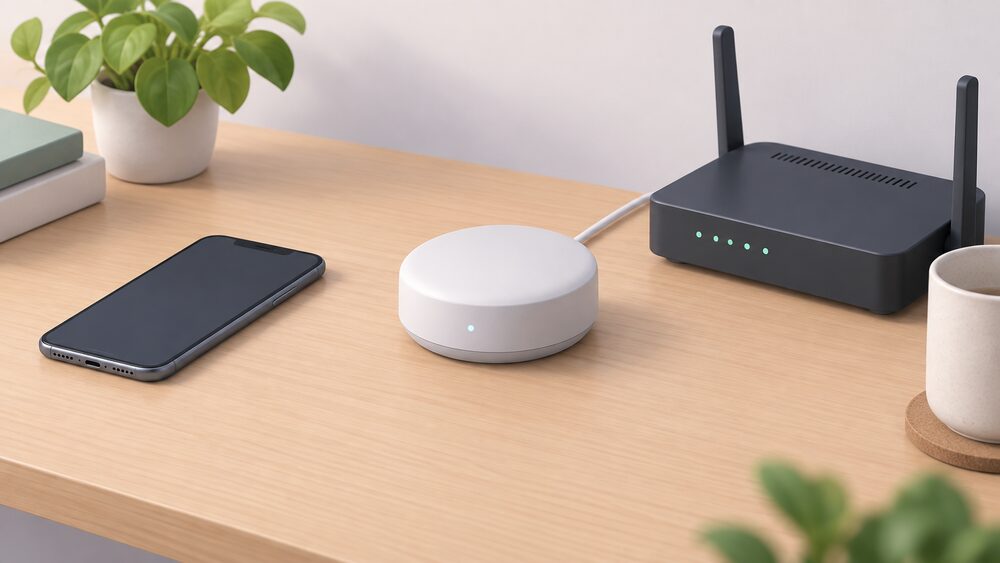 Octopus Home MiniThe Octopus Home Mini is a wi-fi device that pulls smart meter data into the Octopus app and online account every 5 to 15 seconds, giving near real-time electricity and gas visibility to Octopus customers.