

In this comparison
Octopus and Aira both sell a heat pump as a service rather than as a box: a survey, a design, an installation and an ongoing relationship with the company that fitted it. The hardware differs in range and in how it is controlled. Octopus builds the Cosy heat pump in three sizes, the Cosy 6, Cosy 9 and Cosy 12, and pairs it with its own smart tariff and app1. Aira fits an air-to-water heat pump designed and installed by its own MCS-certified technicians, with an all-inclusive plan that bundles servicing, callouts, parts and labour, remote monitoring and 24/7 support2.
The efficiency claims are close. Octopus reports a typical real-world seasonal performance of around 3.6 across its installed fleet, and a yearly average SPF of 3.761. Aira's performance guarantee is written around a threshold: cover applies where performance drops below 340% efficiency5. Both publish real-world performance data through their own dashboards, which is unusual in a market where most figures come from laboratory tests4.
The grant position is the same for both. The Boiler Upgrade Scheme pays £7,500 towards an air source heat pump, and Aira states it applies on the household's behalf and deducts the grant from the invoice6. What differs is the ongoing tie: Octopus Cosy works best inside Octopus's own tariff and app ecosystem, while Aira states its heat pump is compatible with any energy tariff4.
Cosy 6 and Aira: what each offer actually covers
The two propositions are structured differently, and that difference matters more than any single specification.
Octopus sells a heat pump with a smart control system and an energy tariff. The Cosy system includes an outdoor unit, a hot water cylinder, the Cosy Hub for smart communication, and up to four Cosy Pods4. The Pods are the room-level controls, and the Hub is what connects the system to Octopus's tariff and app. Octopus also offers optional service plans that include annual servicing, warranty validation and priority support4.
Aira sells an all-inclusive plan. The company describes it as covering everything from a free home energy assessment and flexible finance options through to system design and installation10. The ongoing cover is broader than a service plan: Aira states that comprehensive cover means full servicing, callouts, parts and labour, remote monitoring, 24/7 support, performance tracking, and a comfort and performance guarantee3. That cover is free for the first year, and the plan includes a maintenance visit every two years2.
The practical difference is where the risk sits. With Aira, the company that designed the system also carries the servicing and repair obligation for as long as the plan runs. With Octopus, the warranty sits on the hardware and the workmanship, and servicing beyond that is an optional plan4.
"Comprehensive cover" refers to full servicing, callouts, parts and labour, remote monitoring, 24/7 support, performance tracking, comfort and performance guarantee

Heat pump hardware: what each installer fits
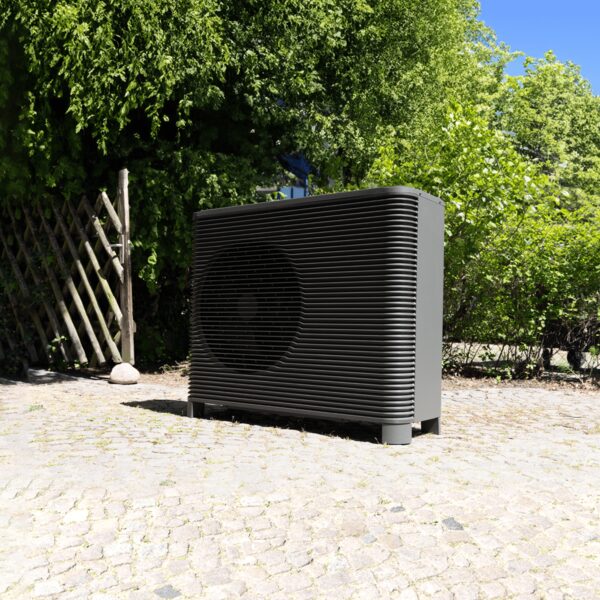
Octopus's range is explicit. The Cosy heat pump comes in three sizes: Cosy 6, Cosy 9 and Cosy 121. The units are finished in dark grey with what the company calls a signature hard-wearing mottled texture1. On pipework, Octopus states that Cosy heat pumps work with copper or plastic microbore piping 10mm or larger, which is a meaningful compatibility statement for older UK housing stock where microbore is common1.
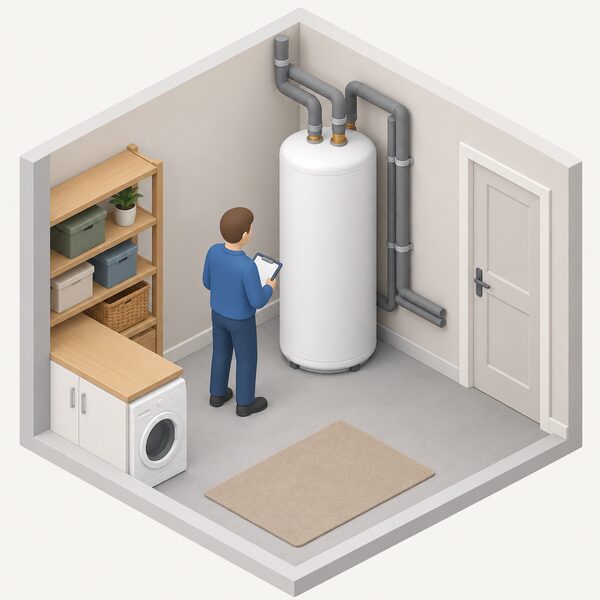
Aira's hardware is described by component rather than by a numbered range. The Compact indoor unit keeps the buffer tank and hot water cylinder as separate components, so they can be placed in a garage, utility room or loft rather than being stacked in one footprint11. Aira describes the heat pump as intuitively learning and adapting to keep the home comfortable while saving on energy costs11.
Both companies install through their own accredited teams. Aira states it is an MCS-accredited installer and a Which? Trusted Trader, and that its technicians are MCS-certified and trained at the Aira Academy8. Octopus does not publish an equivalent accreditation statement in the same terms, though the Boiler Upgrade Scheme requires MCS certification for the installation to qualify for the grant12.
| Octopus Cosy | Aira | |
|---|---|---|
| Model range | Cosy 6, Cosy 9, Cosy 121 | Air-to-water heat pump, indoor unit described by component13 |
| Pipework compatibility | Copper or plastic microbore 10mm or larger1 | Not stated in the same terms |
| Hot water cylinder | Included in the Cosy system4 | Separate component, placeable in garage, utility or loft11 |
| Installer accreditation | Not stated in the same terms | MCS-accredited installer and Which? Trusted Trader8 |
| Real-world performance data | Cosy Heat Pump Performance Dashboard4 | Aira Performance Dashboard4 |
Efficiency and low-temperature performance
The headline efficiency figures come from different kinds of measurement, which is why they are not directly comparable.
Octopus reports a typical real-world seasonal performance of around 3.6, based on performance data from a fleet of installed Cosy heat pumps1. The company also cites a yearly average SPF of 3.764. Both are field figures rather than laboratory ratings, which makes them more useful to a householder than a datasheet number, though they describe the fleet rather than any individual home.
Aira's published efficiency claim is that the heat pump is four times more efficient than a boiler3. Its performance guarantee is written as a threshold: cover applies where performance drops below 340% efficiency5. That is a guarantee condition rather than a measured average, and it is set by the scheme the guarantee sits within rather than by Aira's own testing.
For context on what air source heat pumps achieve generally, independent guidance records COPs of up to 3.5 at an external temperature of 10°C14. That is a mild-weather figure, and performance falls as the outside temperature drops, which is why seasonal figures matter more than peak ones.
The honest position is that both systems will perform according to the fabric of the house, the size of the radiators and the flow temperature the system runs at. Neither company's figure tells a householder what their own home will achieve. What both offer is a published dashboard of real installations, which is the closest thing to an independent check available before committing4.
Tariffs and smart controls: how each system ties into the household
This is where the two offers diverge most sharply, and it is the section that decides how much of the household's energy management sits with one company.
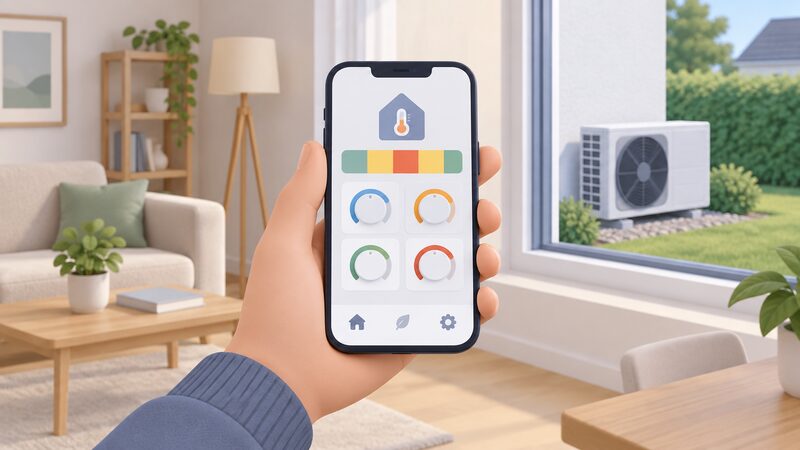
Aira states its heat pump is compatible with any energy tariff4. Aira Intelligence automatically adjusts when the heat pump runs, using more electricity when prices are lower and easing off when they are higher, on smart tariffs such as day and night or dynamic tariffs15. It also adjusts heating around the household's EV tariff, and where both import and export tariffs are connected, Aira states that Aira Intelligence balances heating, storage and export automatically15.
Octopus's control layer is tied to Octopus. The Cosy Hub connects the system to Octopus's tariffs and app, and the Cosy Pods provide room-level control4. Octopus also runs its own smart tariffs, including Intelligent Octopus Flux, a two-rate tariff with matching import and export prices and automated battery management that charges when power is cheapest and exports between 4pm and 7pm16.
Independent guidance is clear that the tariff matters as much as the hardware. The Energy Saving Trust notes that an EV, heat pump or home battery make smart tariffs much more valuable, and recommends looking for a dynamic tariff or a heat pump tariff where a heat pump is fitted17. It also notes that the battery needed to shift the same load would be three times as big for regular electric heating as for a heat pump on a smart time of use tariff19.
The dependence question is straightforward. Aira's system is designed to work with whichever supplier the household chooses. Octopus's system is designed to work best inside Octopus's own tariff and app, and the Octopus Compare tool is currently only available for Octopus tariffs and customers, who provide an account number and an API key20.
Costs: installation, grants and running costs
Neither company publishes a headline installation price in its UK material, so the cost of either system is quoted after survey rather than read off a page. What is published is the grant position and what each plan includes.
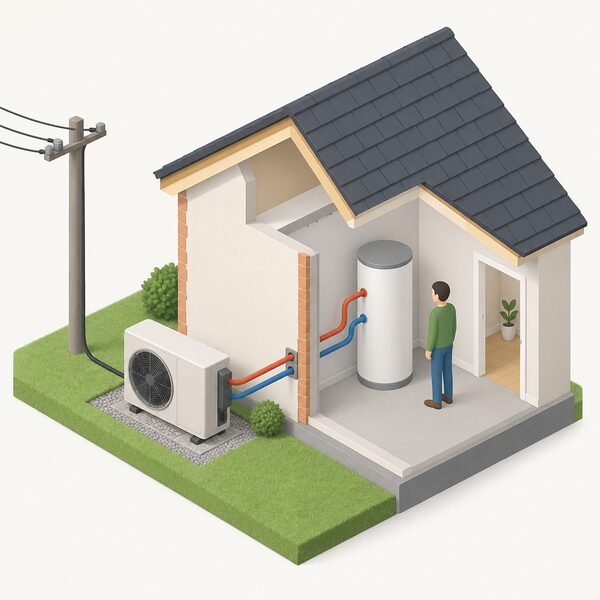
The Boiler Upgrade Scheme pays £7,500 towards an air source heat pump6. The scheme provides upfront capital grants of up to £7,500 to encourage property owners to replace existing fossil fuel heating21. The £7,500 figure for air source heat pumps has applied since 23 October 202322. Aira states it applies for the grant on the household's behalf and deducts the £7,500 from the invoice8. The grant is available in England and Wales, with Scotland guided separately8.
On what is included, Aira states that installation is included in the cost of its plan13. Aira also charges a £149 survey fee prior to installation, according to a Which? Trusted Traders review10. Octopus does not publish an equivalent survey fee in its UK material.
Running costs depend on the tariff and the efficiency achieved, not on the brand. A household on a smart tariff that shifts heat pump operation into cheaper hours will pay less than one on a flat rate, and the Energy Saving Trust's position is that a heat pump makes a time of use tariff more valuable17. Where a household adds a battery, the battery needed alongside a heat pump on a smart tariff is smaller than for direct electric heating19.
Installation and survey process
Both companies run a survey before quoting, and both install through their own teams rather than through a network of independent installers.
Aira's process starts with a free home energy assessment8. The company states it aims to install within 30 days after quote acceptance and any planning permission approval13. Its technicians are MCS-certified and, in Aira's words, will ensure all safety regulations are met13. Aira's own documents give the installation duration as either 2 to 5 days or 2 to 4 days, and the two figures have not been reconciled.
Octopus's process is built around the Cosy system design, which includes the outdoor unit, cylinder, Hub and up to four Pods4. The company does not publish an equivalent lead time or installation duration in its UK material.
For the grant to be paid, the installation must meet the scheme's requirements, and Ofgem's installer guidance sets out what those are, including that exhaust air-to-water heat pumps are eligible for the £7,500 grant12. Households in England and Wales have the grant applied through the installer; Scotland is guided separately8.
A wider consumer protection point applies to both. The government has set out greater protections intended to restore families' trust in home upgrades, which affects how retrofit work is sold and guaranteed24. For any heat pump installation, the value of the guarantee depends on the company still trading when a fault appears, which is why the installer's accreditation and the scheme behind the guarantee matter as much as the hardware warranty.

Warranty, servicing and long-term support
The warranty terms differ in length and in what they cover, and the servicing obligations differ in who carries them.
Octopus states that households get an 8-year warranty on Cosy and Grant heat pumps, an 8-year warranty on labour and workmanship, and a 2-year warranty on all other parts9. Its standard package also includes an 8-year warranty on Cosy heat pumps, a 5-year workmanship warranty and a 2-year warranty on other installed components4. The two Octopus documents give different workmanship terms, 8 years in one and 5 years in the other, and the figures have not been reconciled. Octopus's optional service plans include annual servicing, warranty validation and priority support4.
Aira's warranty is a 10-year parts and labour warranty, described as extended5. Its all-inclusive plan funds full servicing, callouts, parts and labour, remote monitoring, 24/7 support, performance tracking and a comfort and performance guarantee, with comprehensive cover free for the first year and a maintenance visit every two years2.
On repairs, the Installation Assurance Authority covers the cost of repairs up to £25,000 where these are within the terms of the original, still-valid guarantee23. The same body covers repairs to ECO4 and GBIS solid wall insulation within the terms of an original, still-valid guarantee, including where the original installer has gone bust24. That protection is a backstop for the guarantee, not a substitute for the installer's own warranty.
For households weighing how much of the system's long-term support sits with one company, the relevant comparison pages are Octopus Cosy heat pumps and Aira heat pumps in the UK, and the general position on manufacturer warranties and manufacturer service plans applies to both.
Which suits which home: a comparison summary
The two offers suit different households, and the deciding factors are the tariff relationship and the servicing relationship rather than the hardware.
A household that wants the heat pump to work with whichever supplier it chooses, and that wants servicing, callouts and parts bundled into one plan with a performance guarantee behind it, is closer to what Aira describes: compatible with any energy tariff, with comprehensive cover free for the first year and a maintenance visit every two years4.
A household already inside Octopus's tariff and app ecosystem, and that wants the heat pump, the cylinder and the room controls designed as one system with a published fleet performance figure, is closer to what Octopus describes: the Cosy system with Hub and Pods, an 8-year warranty on the heat pump, and optional service plans4.
Neither is a route to full independence from the grid or from a supplier. Both run on electricity, both need a hot water cylinder, and both depend on a company for controls, monitoring and support. Aira's control layer is designed to work across suppliers; Octopus's is designed to work best inside its own. That is the clearest difference between them, and it is a difference in dependence rather than in efficiency.
For the wider picture of how equipment makers shape a household's energy position, see manufacturers and household energy independence, and for the brands behind the UK market, the heat pump manufacturers guide sets out who supplies what.
Sources24 cited
- Cosy heat pump, Octopus Energy, 2026-09-18
- Aira all-inclusive plan, Aira, 2026-09-17
- How does Aira compare, Aira, 2026-09-17
- Aira vs Octopus Energy, Aira, 2025-04-15
- ECO4 innovation approved innovation measures v1.17, Ofgem, 2026-02
- Notice of approved grant categories and values for the Boiler Upgrade Scheme, GOV.UK, 2026-07-21
- Energy efficiency, Pembrokeshire County Council, 2026-09-17
- Aira installation, Aira, 2026-09-17
- Heat pump FAQ, Octopus Energy, 2026-09-18
- Aira, Which? Trusted Traders, 2026-09-17
- Indoor units, Aira, 2026-09-17
- Boiler Upgrade Scheme guidance for installers V5, Ofgem, 2026-04-28
- Air to water heat pumps, Aira, 2026-09-17
- Future Homes Standard Phase 1 network to emitter impact report, BEAMA, 2023-04
- Aira Zero energy tariffs, Aira, 2026-09-17
- Smart Export Guarantee rates, Which?, 2026-04-24
- Should I switch to a time of use tariff, Energy Saving Trust, 2026-01-23
- Tariffs for renewable technology, Energy Saving Trust, 2026-08-12
- Battery storage, Energy Saving Trust, 2026-08-19
- Consumer engagement with smart electricity tariffs, Which?, 2024-11
- Boiler Upgrade Scheme, Find government grants service, 2026-09-18
- Boiler Upgrade Scheme annual report 2024 to 2025, Ofgem, 2023-10-23
- Energy market consumer protection, Hansard, 2026-06-17
- Greater protections to restore families' trust in home upgrades, GOV.UK, 2026-06-17
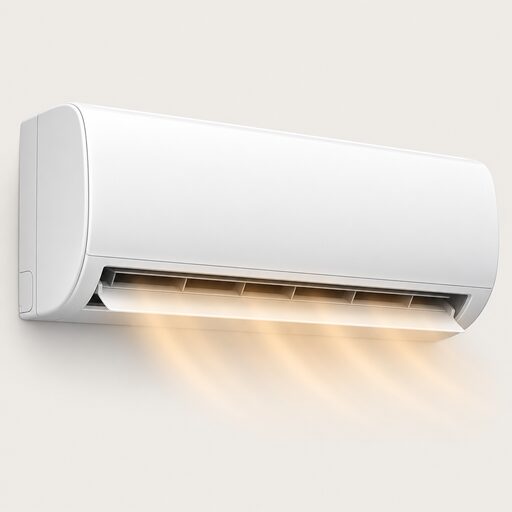 Air-to-Air Heating and CoolingAir-to-air heat pumps deliver warm air through indoor fan units rather than hot water to radiators.
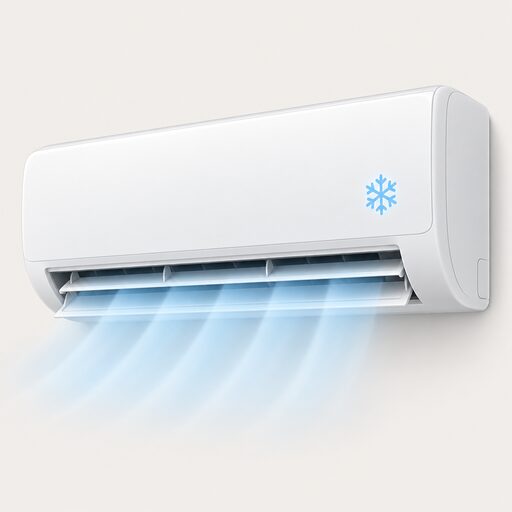 Using a Heat Pump for CoolingCan a heat pump cool your home in summer as well as heat it in winter?
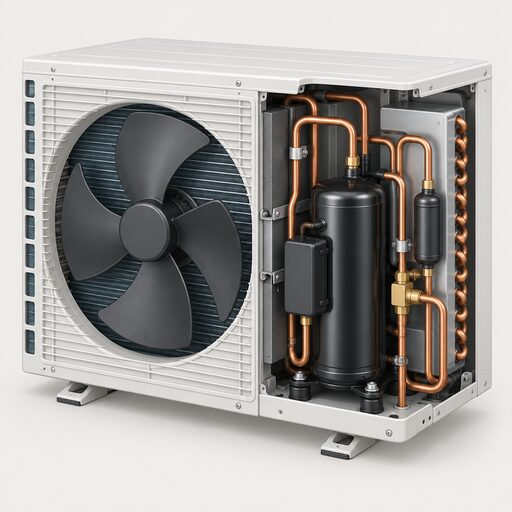 Air Source Heat PumpsHow an air source heat pump takes heat from outdoor air, the difference between air-to-air and air-to-water systems, typical efficiency, the £7,500 Boiler Upgrade Scheme grant, noise and planning limits, and what ownership means for a household's energy independence.
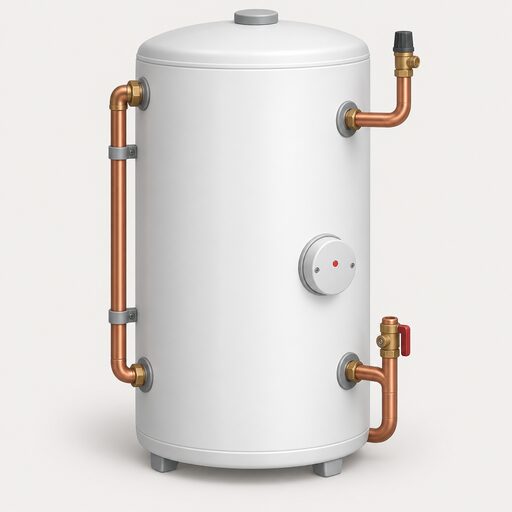 Air-to-Water Wet SystemsAir-to-water heat pumps feed radiators, underfloor heating and a hot water cylinder, and are the most common domestic heat pump in the UK.
 Hybrid Heat PumpsHow hybrid systems pair a heat pump with a gas, oil or LPG boiler, what decides which appliance runs, what they cost, how much gas they displace, and why the Boiler Upgrade Scheme will not fund them.
 How They Perform in UK HomesHow well do heat pumps really work in UK homes, and why do some run far better than others?