
In this guide
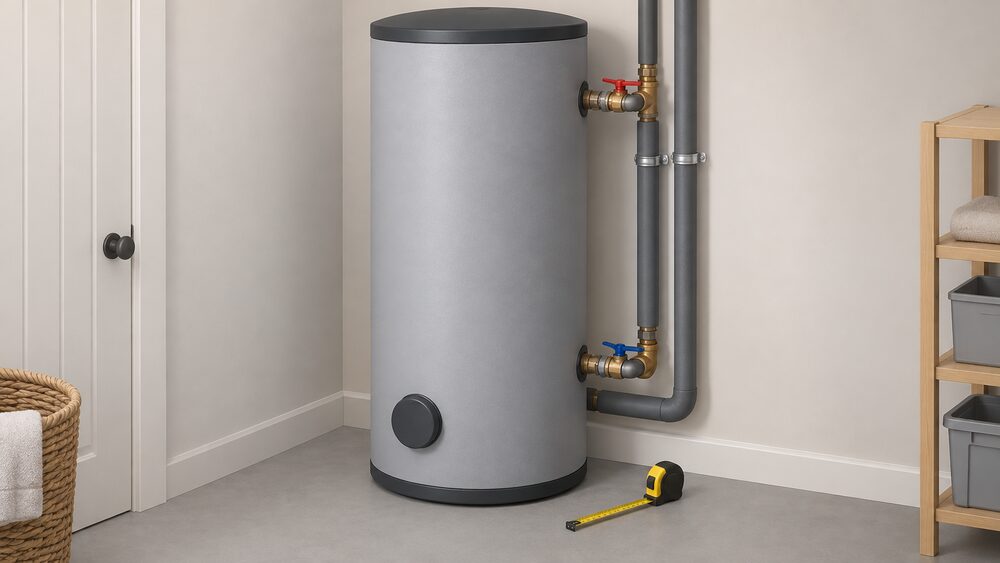
A heat battery is a thermal store that holds heat rather than generating it, and it is used with a heat pump in two quite different ways. Some heat batteries can be used as a thermal store within a central heating system, typically alongside a heat pump, and heat batteries can heat hot water for your central heating or your taps1. That makes them a candidate where a conventional hot water cylinder will not fit.
The constraint that pushes households towards them is space. For all heat pumps you need space to put a hot water cylinder, ideally inside the house, and heat pumps do not provide hot water instantly the way a combi boiler does2. Most heat pump manufacturers require the use of a cylinder, because heating water over a longer period lets the heat pump run more efficiently4. A heat battery is one way around that, but it is not the only one: Energy Saving Trust lists a hybrid heat pump, a heat battery or an instantaneous water heater as options where there is no space for a cylinder5.
The second device in this territory is the buffer tank, which is smaller and does a different job. A buffer tank steadies the heating circuit; it is not a source of domestic hot water, and Ofgem states plainly that a buffer tank should not be confused with a domestic hot water cylinder6. Whether one is fitted at all is a design decision taken by the installer with the manufacturer's recommendations7.
What a heat battery is and how it works with a heat pump
A heat pump is a device that uses a small amount of electricity to absorb the natural heat from the air or the ground and pump it around the heating system of your property10. It moves heat rather than generating it, raising the temperature of that heat through a refrigeration cycle before transferring it to the central heating system2. The same machine can provide heating, cooling and hot water for homes, commercial buildings and industrial applications11.
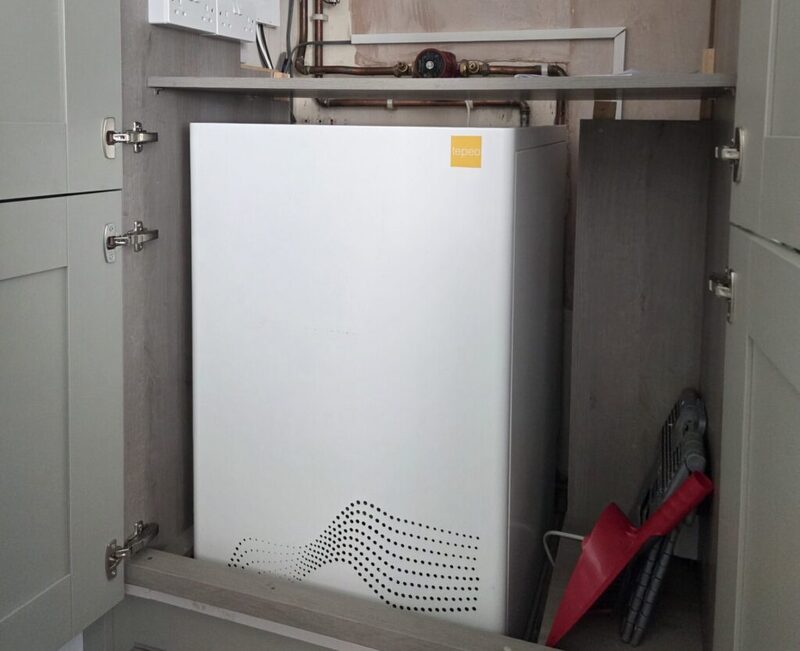
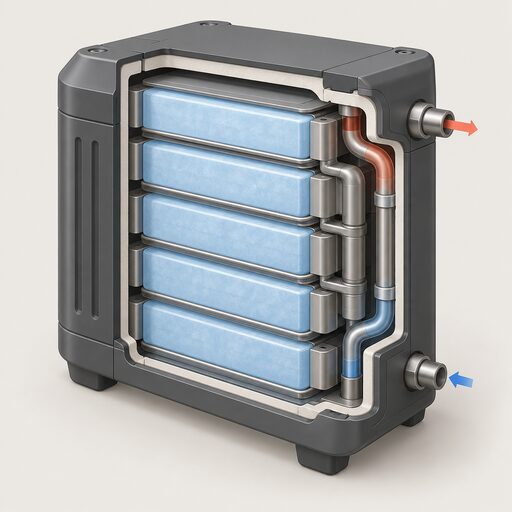
A heat battery sits downstream of that process. It stores heat produced at a time when the heat pump is running well, and releases it later. Energy Saving Trust describes water based thermal stores as insulated water tanks that can store heat as hot water for several hours, and notes that some heat batteries can be used as a thermal store within a central heating system, typically alongside a heat pump1. The distinction that matters is between storing heat and making hot water on demand: a heat battery does the first, and a combi boiler does the second.
The efficiency case for storing heat at all comes from how heat pumps behave. Heat pumps operate more efficiently when the source temperature is higher and/or the sink temperature is lower12. Storing heat lets the machine run in its best conditions rather than being forced to respond to a sudden draw. The trade-off is that a store holds a finite amount of heat, and once it is depleted the heat pump has to recharge it.
Why a heat pump needs a thermal store: the cylinder space problem
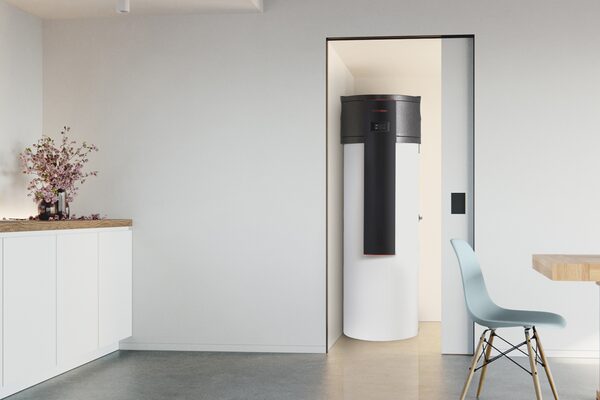
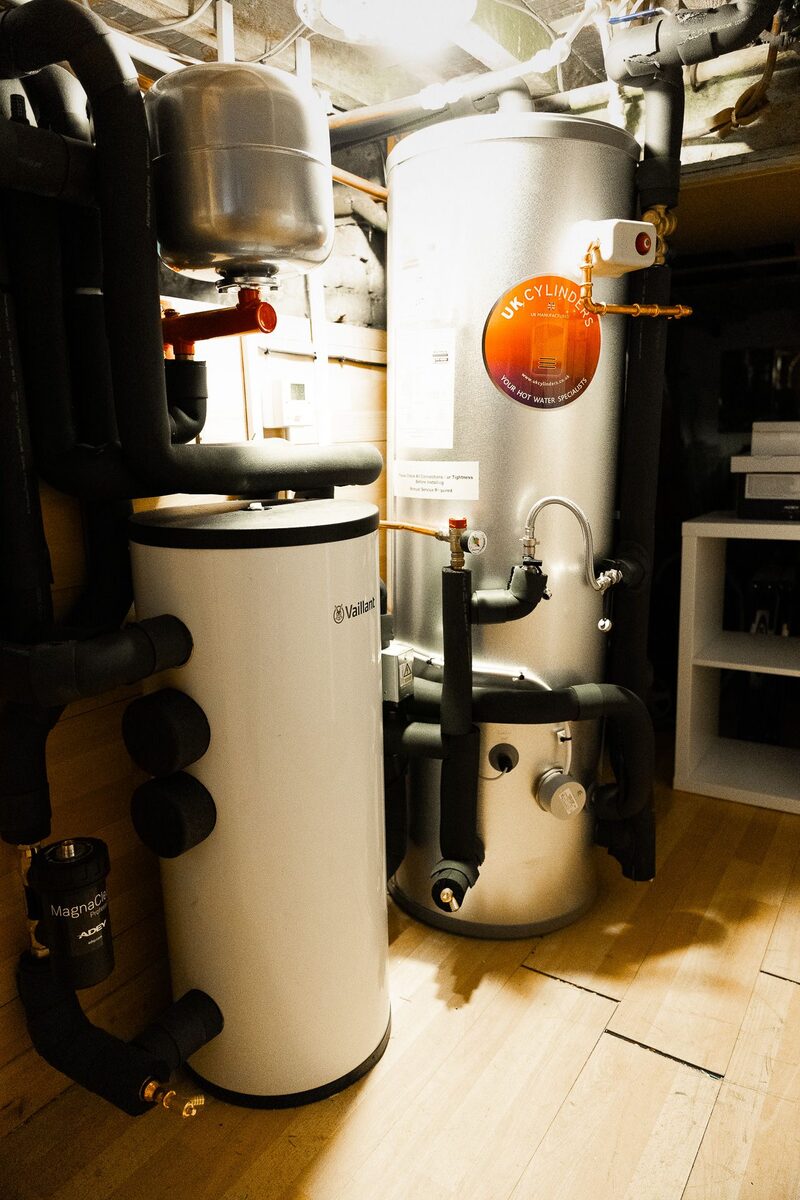
The reason a heat pump usually comes with a store is not preference but physics and manufacturer requirement. To provide hot water, heat pumps require a water storage cylinder, similar to older generations of gas boiler systems13. Croydon Council's retrofit guidance puts it in household terms: unlike combi-boilers, heat pumps do not provide hot water instantly, so a hot water cylinder is needed3. CIBSE's factsheets go further and state that most heat pump manufacturers require the use of a cylinder, as it enables the heat pump to run more efficiently by heating the water over a longer period4.
There is a scheduling consequence too. Where a heat pump is providing hot water, the heat pump will not provide any space heating until water heating demand is satisfied12. A store decouples those two demands, so the heating circuit is not left waiting while a cylinder recovers.
The space problem is real in flats, terraces and conversions where the airing cupboard has already been removed. Energy Saving Trust is direct about the requirement: for all heat pumps you need space to put a hot water cylinder, ideally inside the house2. Where that space does not exist, the options narrow. Energy Saving Trust states that if you don't have space for a hot water cylinder, you still have options, and names a hybrid heat pump alongside a heat battery or an instantaneous water heater5. Solar assisted heat pumps face the same constraint: they can't provide hot water on demand like a combi boiler, so a way to store hot water is needed, though some models can be connected to an existing cylinder, with space needed near the cylinder for the compressor unit14.
Heat battery or hot water cylinder: which fits which home
The choice turns on three things: available space, how the household uses hot water, and what the manufacturer will support. CIBSE's position is that low-temperature, low-carbon solutions such as heat pumps generally require a hot water cylinder, while many homes with gas combination boilers do not4. That is the default. A heat battery is the exception route, and it suits homes where the cylinder cannot be sited.
| Situation | Store that fits | Why |
|---|---|---|
| Space for a cylinder inside the house | Hot water cylinder | Most manufacturers require one, and it lets the heat pump heat water over a longer period4 |
| No space for a cylinder | Heat battery, hybrid heat pump or instantaneous water heater | Listed by Energy Saving Trust as the options where a cylinder will not fit5 |
| Existing cylinder already in place | Cylinder, possibly reused | Some solar assisted models can be connected to an existing cylinder, with space near it for the compressor14 |
| Small home without room for an outdoor unit | Heat battery | Described as most suitable for smaller homes that don't have space for an outdoor heat pump unit8 |
The last row is worth separating out, because it describes a different problem. A heat battery is most suitable for smaller homes that don't have space for an outdoor heat pump unit8. That is not a cylinder-space question at all; it is a question about whether a heat pump can be installed on the property. Where it cannot, a heat battery paired with another heat source is one of the remaining routes to storing heat rather than burning gas on demand.
For a household weighing the two, the practical difference is recoverability. A cylinder can be reheated by the heat pump at any time and holds hot water ready at the tap. A heat battery holds a fixed charge of heat and releases it. Neither is inherently better; they answer different constraints.
Buffer tanks: the smaller store that steadies the heating circuit
A buffer tank is often confused with a thermal store, and the confusion causes real design errors. Ofgem's Domestic RHI metering guidance states that a buffer tank should not be confused with a domestic hot water cylinder, and notes that it may make a difference to the metering requirements whether a meter is installed before or after a buffer tank6. That single sentence separates the two devices: a cylinder supplies hot water to taps, a buffer tank does not.
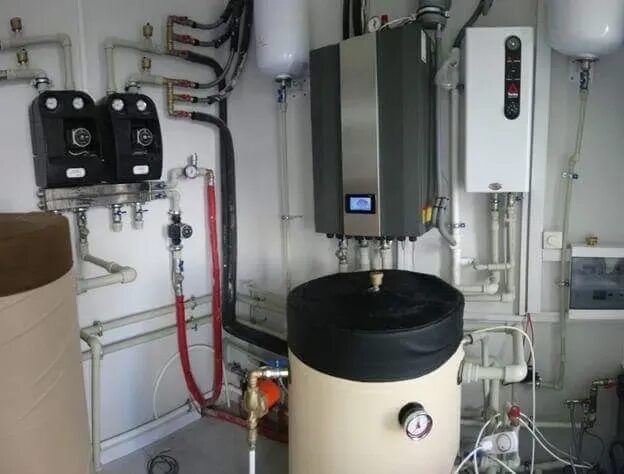
Energy Saving Trust describes the hardware in similar terms: heated water is usually stored in a large, well-insulated cylinder often called a buffer or accumulator tank7. Which? uses the alternative name thermal tank, also known as a buffer tank or accumulator, and describes its role as helping to regulate the fluctuating use of the different energy sources feeding a system15.
The job a buffer does is to add water volume to the heating circuit. A heat pump system has a minimum water content below which it will cycle too often; MCS frames the design question as what the minimum water content must be to ensure cycling does not exceed six starts per hour16. A buffer tank is the usual way to reach that volume without adding radiators. It also absorbs the short bursts of demand from zone valves and thermostatic radiator valves, so the heat pump sees a steadier load.
When a buffer tank helps and when it hurts efficiency
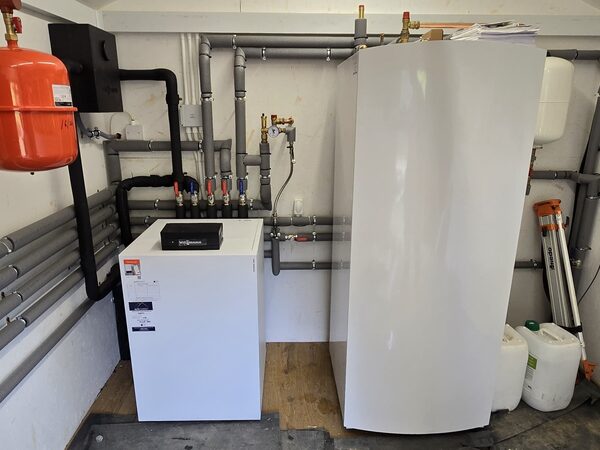
A buffer tank is not automatically good. It helps where the system would otherwise cycle, and it costs efficiency where it forces the heat pump to run at a higher flow temperature than the emitters need. The underlying rule is that heat pumps operate more efficiently when the source temperature is higher and/or the sink temperature is lower12. Anything that raises the temperature the heat pump must produce works against that.
The decision is therefore a design judgement rather than a rule. Energy Saving Trust states that your installer, together with the recommendations of the manufacturer, will decide whether a buffer tank linked to your heat pump system is appropriate and what size it should be7. That is the authoritative position: there is no universal requirement, and no universal prohibition.
Where a buffer helps:
- The system water volume is small relative to the heat pump output, so cycling would otherwise exceed the limit MCS describes16.
- The house is divided into zones with separate controls, so demand arrives in short bursts.
- The heat pump serves both heating and hot water, and the store smooths the switch between the two12.
Where a buffer can hurt:
- It is oversized, so the heat pump spends energy raising the temperature of water that is never drawn down.
- It is poorly insulated and sits outside the thermal envelope, so standing losses rise.
- It is used to compensate for undersized emitters rather than to solve a volume problem.
Sizing the store: litres per kW of heat pump output
There is no published litres-per-kW rule in UK guidance, and any figure presented as one should be treated with caution. What the guidance does give is the starting point: heat pumps should be selected to meet the full space heating requirement at the design condition chosen for heat loss calculations17. Sizing runs from the heat loss figure, not from the nameplate output.
For context on the scale of a typical installation, the average heat pump capacity used in government analysis of domestic installations is 9.44kW, extracted from the MCS Installation Database9. A domestic system is therefore usually in single figures to low double figures of kW, and the store volume is matched to that and to the emitter circuit.
The one hard capacity limit that appears in scheme rules is on the heat pump itself rather than the store: Boiler Upgrade Scheme eligible heat pumps must have a maximum capacity of 45kWth18. That is a grant eligibility boundary, not a sizing recommendation.
| Figure | Value | What it describes |
|---|---|---|
| Average domestic heat pump capacity | 9.44kW | Government analysis of MCS Installation Database domestic installations9 |
| BUS eligible heat pump maximum | 45kWth | Scheme rule for grant eligibility18 |
| Example buffer tank in a documented installation | 150 l | A domestic water source heat pump case study19 |
The 150 l buffer tank in the Cirencester water source heat pump installation is a documented example rather than a recommended figure, and it should be read that way19. It shows the order of magnitude a designer might choose for a domestic system, not a target to specify.
Placement and configuration: where the tank goes in the system
A buffer tank sits between the heat pump and the heating circuit. The hot water can either be held in a storage tank or in an underfloor heating system, which is the other way of adding thermal mass to a circuit20. Underfloor heating does the volume job without a separate vessel, which is why it appears alongside buffer tanks in guidance on storing heat.
Position matters for more than hydraulics. Ofgem's metering guidance notes that it may make a difference to the metering requirements whether a meter is installed before or after a buffer tank6. For any household in a metered scheme, the order of components is therefore a compliance question as well as an engineering one.
On location within the house, the guidance is about insulation and space rather than a room-by-room rule. Heated water is usually stored in a large, well-insulated cylinder often called a buffer or accumulator tank7, and for all heat pumps there needs to be space for a hot water cylinder, ideally inside the house2. Keeping the store inside the thermal envelope reduces standing losses; a garage or outbuilding raises the question of frost protection and insulation.
Costs and ownership: installation, servicing and warranty
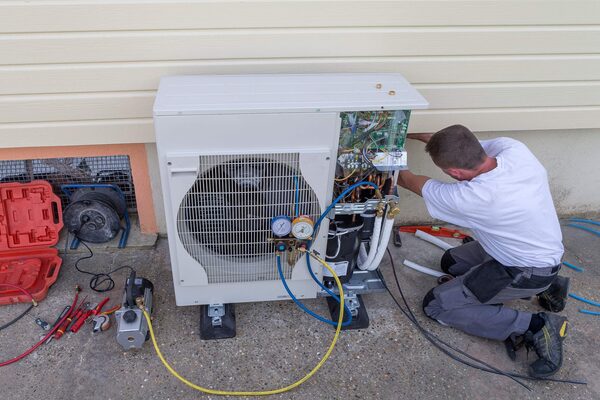
Heat pump installation costs are higher than gas boilers, in part due to the need for additional retrofitting21. The Public Accounts Committee reported a wider range in the cost of installing a heat pump of between £8,000 and £15,000, depending on the work that needed to be done to the home22. Cost depends on the size of your property, whether you live in a new build or an existing house, and how much work is needed to adapt your existing heating system2. Government cost modelling includes one-off installation costs including some home retrofit costs such as replacing radiators23.
Running costs are published as a range rather than a service price. Heat pumps cost around £800 to £1,050 a year to run, making them one of the cheapest electric heating options8. On servicing, Energy Saving Trust recommends an annual service for heat pumps, and notes that this is often a condition of your heat pump warranty5. The government's own guidance says an annual heat pump service will help it remain clean and ensure it runs efficiently and sounds as quiet as possible24.
"is often a condition of your heat pump warranty"
For households in a metered scheme, the Renewable Energy Consumer Code notes that heat pumps receive an extra £230 per year under the Metering and Monitoring Service Package, and gives an example annual payment of £445.20 a year for a deemed heat demand of 10,000kWh at an SPF of 2.5 and a tariff of 7.42p25. Those are scheme figures with the assumptions stated, not a general running cost.
Where a new dwelling is involved, the operating and maintenance information provided to the dwelling owner should include all of the following: details of the heat loss calculation, design flow temperature, competent person scheme confirmation, size of emitter circuit and minimum set back temperatures26. That list is a useful checklist for any household taking handover of a system with a store.
How heat batteries fit the UK's move away from gas boilers
The direction of travel is set. As fossil fuel boilers are slowly being phased out, heat pumps will become more common in the UK27. Reducing the price of electricity relative to gas would make heat pumps more competitive21, which is the main lever on running cost rather than on equipment.
Deployment is already measurable. Government statistics cover hydronic heat pumps with a capacity up to 45kW installed in the United Kingdom28, and more than 95% of heat pumps sold in the UK use electricity as the driving fuel16. Heat pumps are credited with potentially slashing your heating carbon footprint by up to 70%29. An official analysis of monitored heat pump performance data from over 1,100 UK heat pump installations underpins the performance picture30.
Where a heat battery fits into that transition is as a space solution rather than a performance one. It is most suitable for smaller homes that don't have space for an outdoor heat pump unit8, and it is listed alongside hybrid heat pumps and instantaneous water heaters as an option where there is no room for a cylinder5. For a household in a flat or a tight terrace, that is the difference between a low-carbon heating route being available and not.
The dependence that remains is worth stating plainly. A heat battery does not make a home independent of electricity, and it does not remove the need for a heat source to charge it. A buffer tank does not generate anything at all; it is a vessel. Both devices reduce how often a heat pump has to start, and both store heat rather than fuel, so the household's exposure to electricity prices and to the grid is unchanged by fitting them. What they change is whether a heat pump can be installed in the space available, and how steadily it runs once it is.
Sources30 cited
- Storing energy, Energy Saving Trust, 2026-07-15
- In-depth guide to heat pumps, Energy Saving Trust, 2026-07-16
- Air and ground source heat pumps, Croydon Council, 2026-09-17
- Heating and heat pump factsheets, CIBSE, 2026-09-17
- Is now a good time to get a heat pump, Energy Saving Trust, 2025-12-12
- Domestic RHI guide to metering, Ofgem, 2026
- Thermal energy stores, Energy Saving Trust, 2025-05-15
- Electric heating, Centre for Sustainable Energy, 2026-06
- Raising minimum standards for heat pumps: options assessment, GOV.UK, 2024-11-27
- About heat pumps, European Heat Pump Association, 2026-04-24
- Your home guide to liquid fuel heating, OFTEC, 2026-09-20
- Heat pump methodology, GOV.UK, 2026-01
- What impact can heat pumps have in domestic heating today, GOV.UK, 2023-11-21
- Heat pumps, Electricity North West, 2026-09-19
- What are the different types of boiler, Which?, 2025-09-16
- Domestic heat pump guide, MCS Certified, 2024-04-02
- Approved Document L: Conservation of fuel and power, Volume 1: Dwellings, GOV.UK, 2026-09-17
- Boiler Upgrade Scheme installer guidance, Ofgem, 2026-09-17
- Case study: domestic water source heat pump, Renewables First, 2026-02-16
- Air source heat pump, MCS Certified, 2026-07-24
- Heat pumps for domestic heating, UK Parliament, 2026-09-19
- Public Accounts Committee report, UK Parliament, 2024-05-26
- Boiler Upgrade Scheme: installers, Ofgem, 2026-09-17
- Heat pumps explained: experts answer your questions, GOV.UK, 2024-03-28
- Renewable Heat Incentive guidance, Renewable Energy Consumer Code, 2026-09-17
- Approved Document L Volume 1 consultation version, Welsh Government, 2026-09-17
- Solar assisted heat pumps, Energy Saving Trust, 2025-06-13
- Heat pump deployment statistics: June 2025, GOV.UK, 2025-09-04
- Your essential guide to heat pumps, Welsh Government, 2025-02-20
- How to ensure a successful transition to heat pumps for households at risk of fuel poverty, GOV.UK, 2026-07-01
 Heat Battery Trials and ResultsDo heat batteries actually work in real UK homes, and what did the trials find?
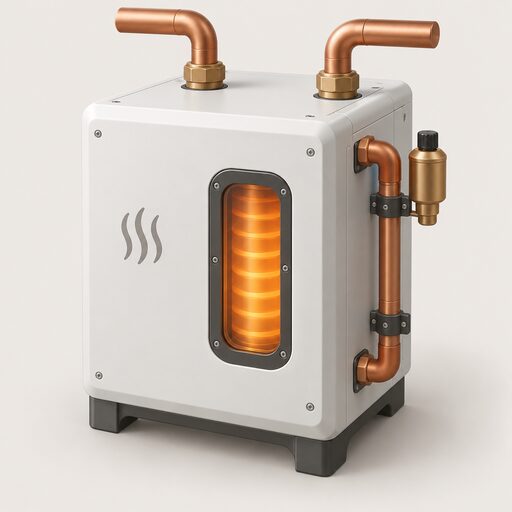 Heat Batteries and Zero EmissionA heat battery stores cheap overnight electricity as heat, then releases it to warm your home or your hot water.
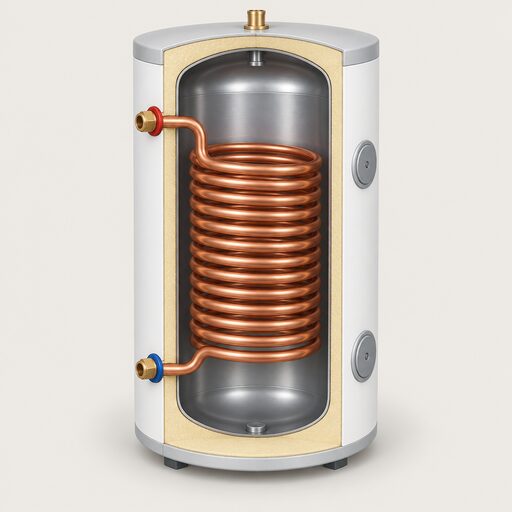 Hot Water CylindersA heat pump needs a cylinder to store hot water, so swapping a combi means getting one.
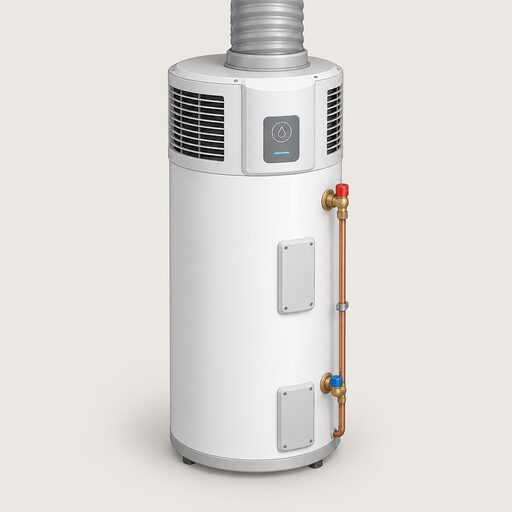 Hot Water Heat PumpsA hot water heat pump heats only the water in your cylinder, using air instead of a boiler flame.
 Which Homes Suit a Heat PumpMost UK homes can have a heat pump fitted, so the real question is whether yours makes it easy or expensive.
 Energy IndependenceA heat pump runs your heating on electricity instead of gas or oil, so how much does that really cut what you pay and how exposed you are when fuel prices jump?